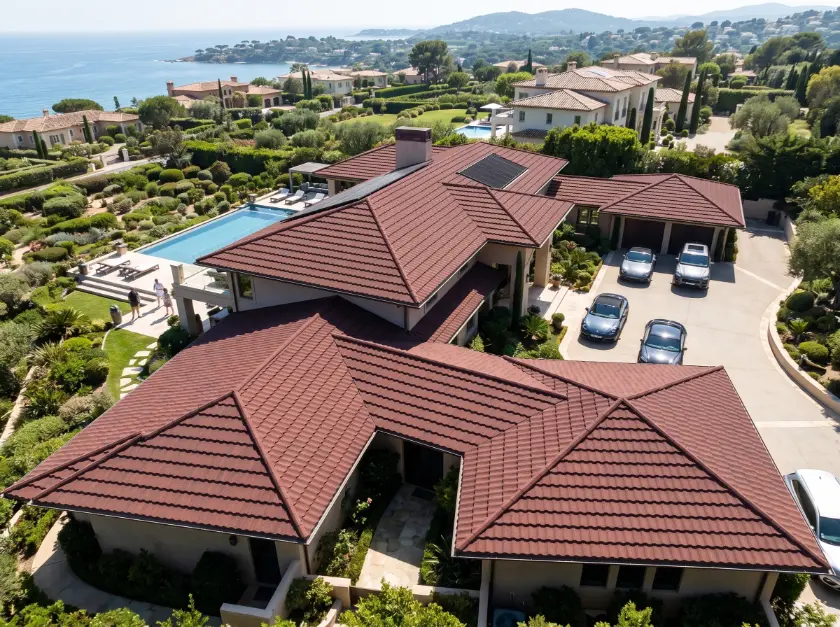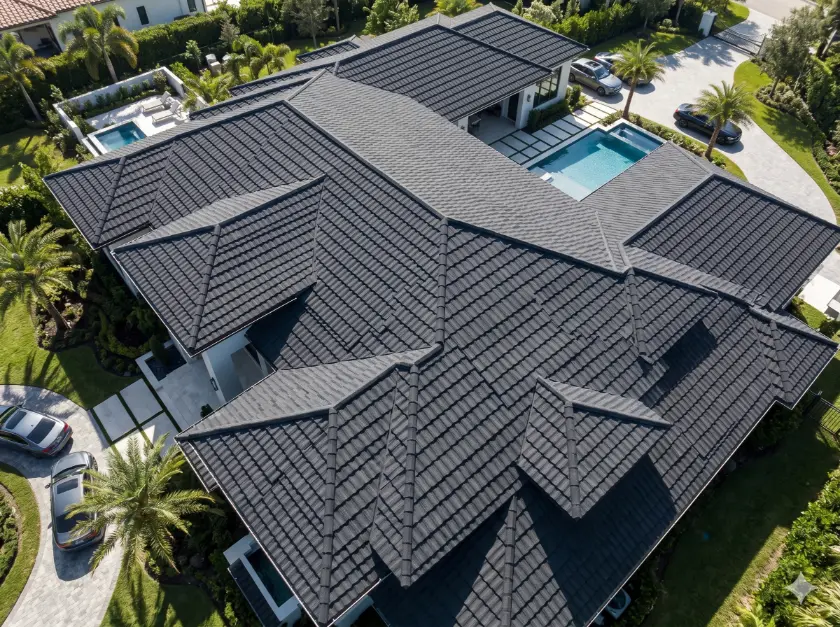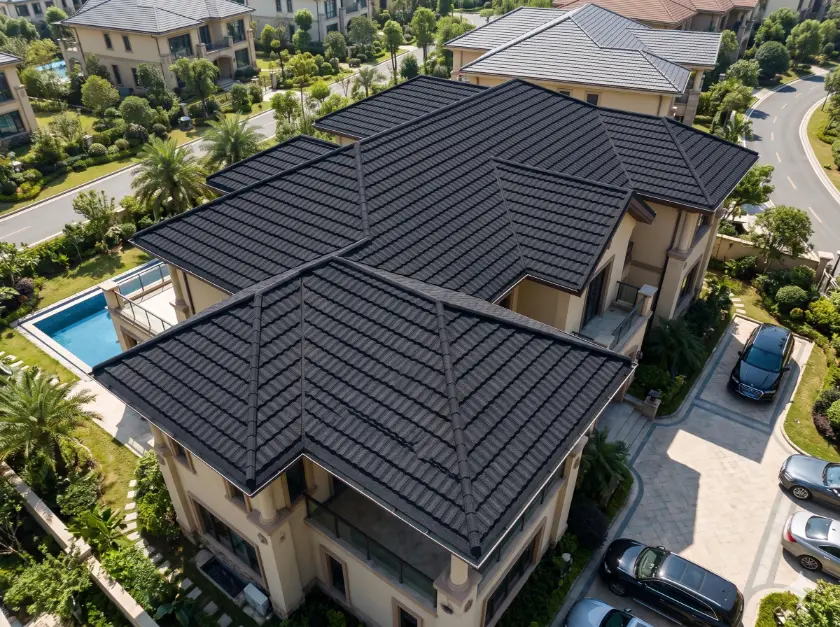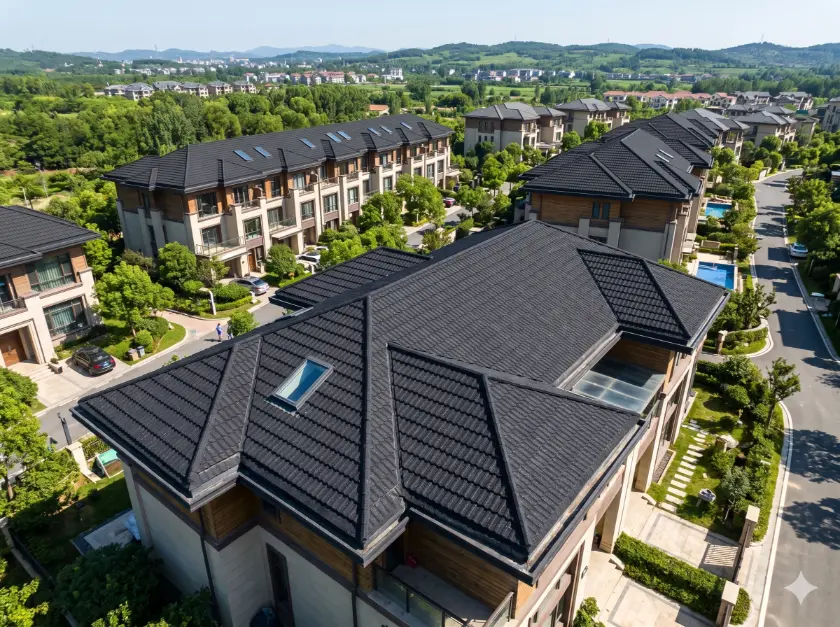

Commercial real estate portfolios represent massive financial investments that require rigorous, systematic structural upkeep continuously. Throughout the operational lifecycle of a commercial facility, the exterior building envelope absorbs severe environmental punishment natively. Specifically, heavy winter blizzards, abrasive spring winds, and routine mechanical maintenance introduce physical threats to the architectural cladding constantly.
Consequently, facility managers frequently discover microscopic cosmetic damage during their mandatory seasonal rooftop inspections. Understanding exactly how to repair minor scratches on your stone coated tiles is an absolute engineering mandate globally. This specialized protective layer guarantees the fifty-year structural and aesthetic lifespan of the entire commercial building seamlessly.
If maintenance crews ignore these minor abrasions, the resulting localized corrosion will inevitably destroy lean corporate budgets over time. Therefore, procurement officers and facility directors must establish strict, standardized repair protocols meticulously today. This comprehensive engineering guide explores the exact physics, chemical materials, and operational protocols required for flawless rooftop restoration. Ultimately, mastering these maintenance mechanics protects your massive capital investment flawlessly.
1. The Chemical and Physical Anatomy of a Scratch
To execute a flawless architectural repair, facility managers must first understand the microscopic chemistry of the damaged cladding natively. Advanced metallurgical roofing systems do not utilize cheap, simple petrochemical paints like traditional corrugated iron sheets. Instead, they rely on a highly complex, multi-layered chemical and mineral defense system continuously globally.
This advanced barrier protects the underlying structural steel from intense ultraviolet radiation and severe biological rot natively. Therefore, maintenance contractors must evaluate the depth and severity of the mechanical abrasion with absolute precision. Ignorance of this chemical engineering guarantees catastrophic cosmetic failure and massive structural liabilities for the property owner.
Identifying Superficial Cosmetic Abrasions
The outermost layer of a premium commercial panel consists of a 100% pure, UV-stabilized acrylic resin glaze natively. This transparent polymer serves as the ultimate environmental shield, locking the high-temperature sintered sand and basalt chips securely. Frequently, dropped hand tools or heavy dragged tree branches only scuff this transparent acrylic topcoat globally.
Consequently, the colored mineral chips remain securely attached, and the underlying steel core is completely uncompromised natively. Facility managers can identify these superficial scratches easily because the underlying silver metallic substrate is not visible globally. These minor abrasions strictly represent a cosmetic issue and do not threaten the immediate hydrological integrity of the facility.
The Danger of Deep Structural Gouges
Conversely, severe kinetic impacts can violently slice through the pure acrylic resin and the sintered minerals entirely globally. When this catastrophic mechanical failure occurs, the raw, silver-colored metallic core becomes immediately exposed to the harsh atmosphere natively. While authentic panels utilize premium AZ150 Aluzinc steel to provide active cathodic protection, prolonged exposure remains highly dangerous globally.
If left untreated, airborne saltwater spray and severe tropical humidity will eventually overwhelm this native chemical defense. Identifying these deep, highly reflective structural gouges requires immediate, mandatory operational intervention by commercial maintenance teams globally. Protecting the core metallurgy is the absolute highest priority during routine aesthetic maintenance.
2. Procuring the Correct Chemical Repair Materials
Executing safe debris removal and aesthetic restoration requires strict operational discipline and highly specialized chemical materials natively. Facility directors cannot simply dispatch untrained laborers to the local hardware store to purchase cheap, generic spray paints globally.
Utilizing unauthorized, basic petrochemical paints destroys the advanced architectural cladding and voids the corporate warranty instantly natively. Therefore, establishing rigid, legally binding maintenance workflows is absolutely critical for long-term asset protection natively. You must control exactly how contractors navigate the roof and specify the exact chemical compounds they are permitted to utilize.
Sourcing Authentic Factory Repair Kits
To ensure absolute chemical compatibility, procurement officers must source official touch-up kits directly from the original industrial manufacturer natively. These highly specialized factory kits contain the exact microscopic components utilized during the initial heavy-duty manufacturing process globally.
Specifically, they provide liquid pure acrylic resin adhesives that match the molecular density of the existing architectural glaze perfectly natively. Consequently, this chemical identicality ensures the repair bonds permanently to the surrounding panel. This prevents future delamination under intense sunlight natively. Therefore, securing these official kits during the initial wholesale procurement phase is a highly intelligent financial strategy.
Matching High-Temperature Sintered Granules
Furthermore, these elite factory repair kits include small vials of the exact high-temperature sintered basalt chips globally. Industrial kilns fire inorganic pigments directly into these natural volcanic rocks to guarantee absolute color permanence natively. Using generic dyed sand from a third-party vendor guarantees the repaired section will fade unevenly within months globally.
Consequently, the commercial roof will develop repulsive, mismatched patches that destroy premium corporate property valuations natively. Therefore, utilizing the authentic, inorganic sintered sand ensures the repaired scratch blends flawlessly into the surrounding architectural aesthetic natively. Precise material matching preserves the visual prestige of the commercial asset completely.
3. Execution: The Step-by-Step Restoration Protocol
Theoretical chemical knowledge must translate directly into highly actionable, rigorous physical maintenance protocols on the roof deck globally. Facility directors cannot rely on reactive, uncoordinated cleaning efforts to protect multi-million dollar corporate assets natively.
Organizations must formalize these chemical application protocols into strict, legally binding maintenance contracts globally. Standardizing these procedures ensures that every subcontractor handles the architectural cladding with extreme technical precision continuously natively. Consequently, executing a strict, highly methodical restoration protocol is an absolute corporate mandate before the severe rainy season arrives.
Surface Preparation and Sterilization
Before applying any chemical adhesives, the maintenance contractor must clean the damaged microscopic area with absolute precision natively. Airborne dust, industrial exhaust pollutants, and dried sap frequently lodge deeply within the fresh structural scratch globally.
If the contractor applies pure acrylic resin over this dirt, the chemical bond will fail catastrophically within weeks natively. Therefore, crews must utilize a soft-bristled brush and a mild, pH-neutral commercial soap to wash the gouge gently globally. After rinsing with clean water, the entire area must dry completely, ensuring a sterile, highly receptive metallic surface natively.
Applying the Base Resin and Stone
Once the surface is completely sterile and dry, the contractor carefully applies a thin layer of the liquid acrylic base coat natively. They must utilize a small, highly precise applicator brush to fill the gouge without spreading resin onto the undamaged areas globally.
Immediately after applying this wet chemical adhesive, the contractor sprinkles the authentic sintered basalt chips directly over the scratch natively. They must gently press these inorganic stones into the wet resin to ensure maximum mechanical and chemical adhesion globally. This careful application physically rebuilds the missing architectural layers seamlessly.
Sealing the Repair for Long-Term Defense
After the base resin cures completely, the maintenance crew must execute the final, critical sealing phase of the restoration natively. They apply a final, highly transparent topcoat of pure acrylic resin directly over the newly embedded sintered basalt chips globally.
This transparent polymer serves as the ultimate environmental shield, locking the new stones together perfectly natively. Furthermore, this pure acrylic creates a completely non-porous, highly sterile exterior surface across the repaired section globally. Therefore, this final chemical seal ensures the repaired scratch becomes completely watertight and highly resistant to intense ultraviolet degradation natively.
4. Navigating Specific Architectural Profiles Safely
Different types of environmental debris and mechanical accidents create vastly different structural threats across diverse architectural profiles natively. Facility managers must tailor their physical restoration strategies to address specific geometric challenges highly efficiently globally.
Navigating these diverse profiles safely requires strict adherence to precise foot placement protocols continually globally. Therefore, maintenance crews must conduct targeted, highly methodical repairs to ensure flawless hydrological evacuation safely. Addressing these specific geometric profiles secures the building envelope against catastrophic interior water intrusion.
Repairing Deep Channeled Geometries
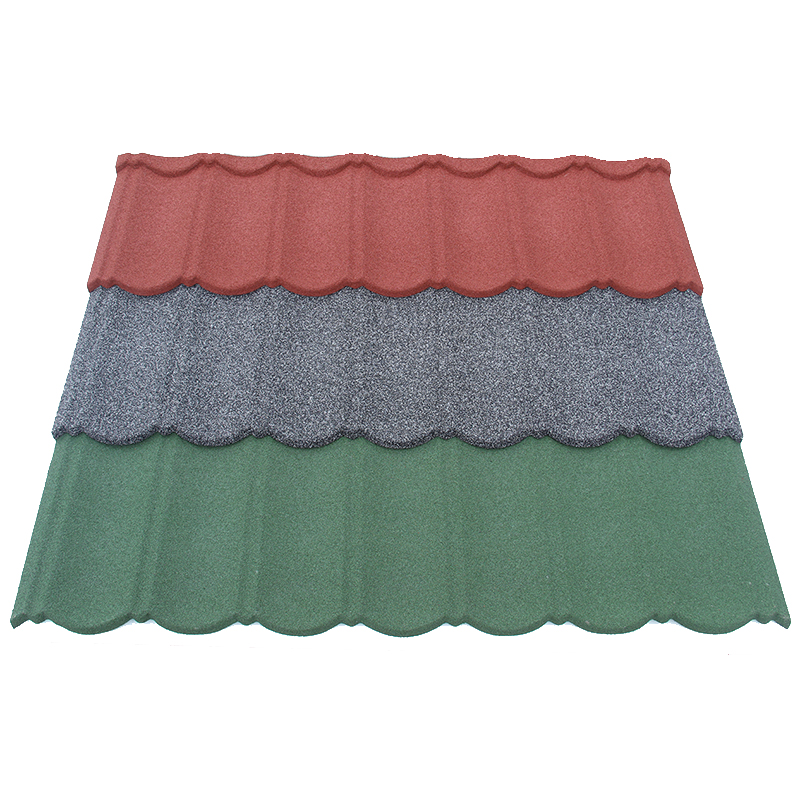
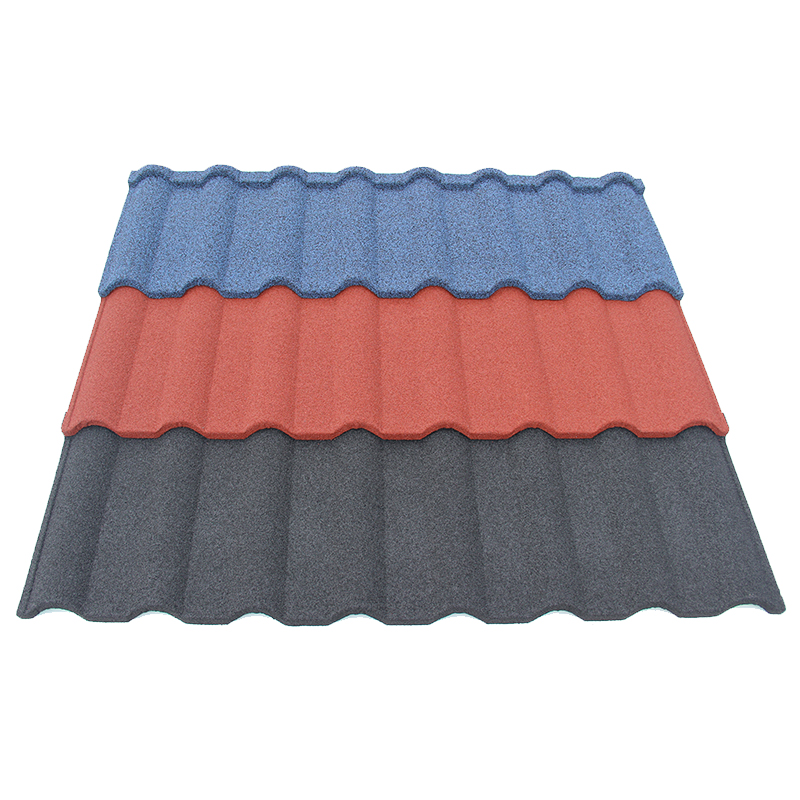
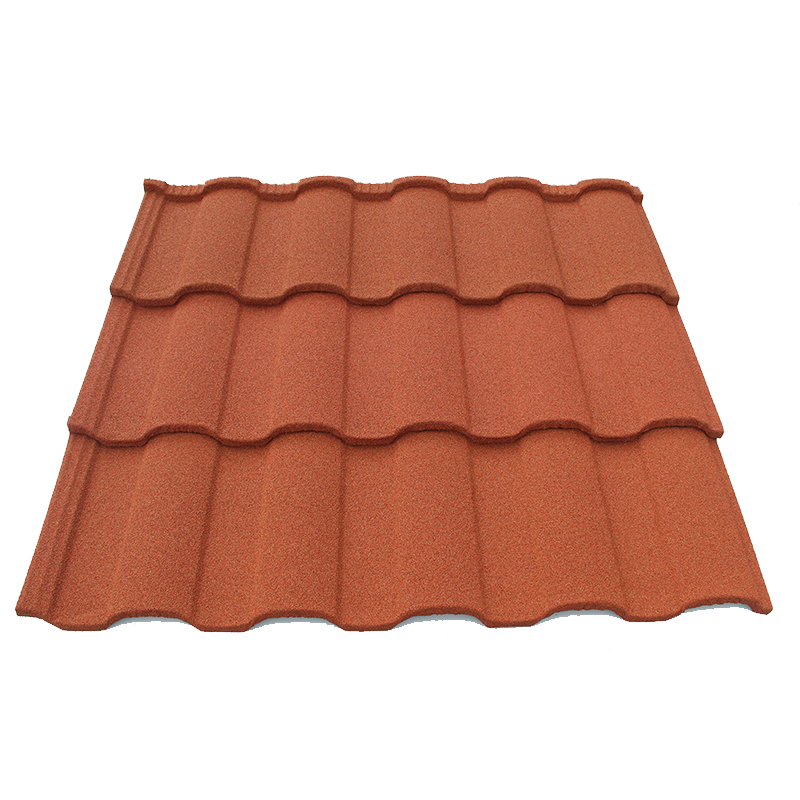
Coastal resorts frequently utilize a deeply channeled Roman Tile to route massive tropical monsoons downward highly efficiently natively. Its exaggerated geometric curves evacuate severe volumes of rainwater safely away from the building interior globally.
However, if a scratch occurs at the very bottom of these deep structural valleys, repair access is physically restricted natively. Contractors must use elongated, highly precise applicator tools to ensure the acrylic resin pools correctly at the base of the channel globally. Flawless execution prevents fast-moving rainwater from eroding the fresh repair natively.
Restoring Organic Textures in Remote Zones
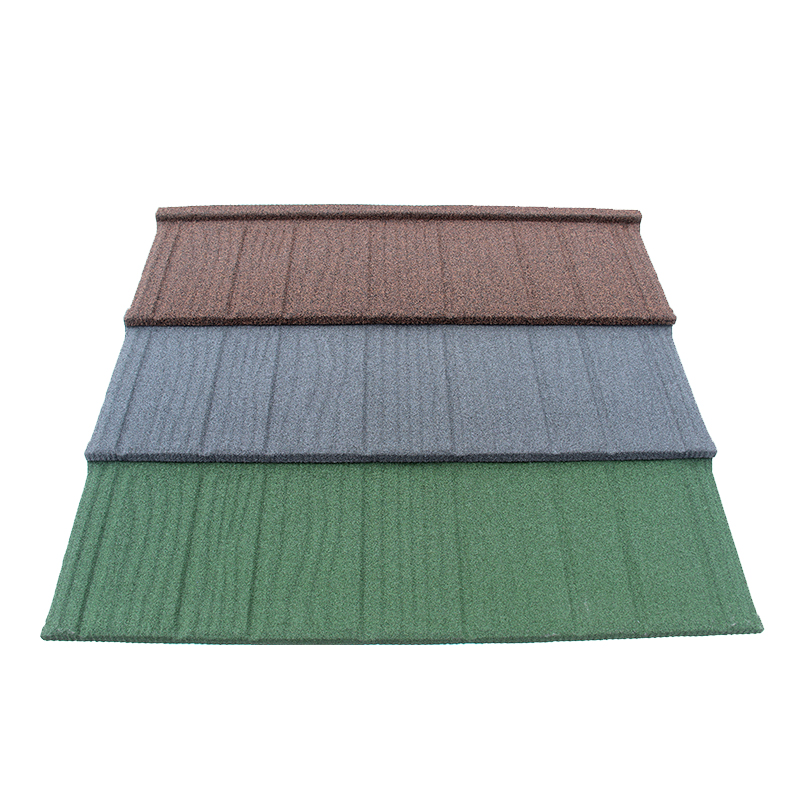
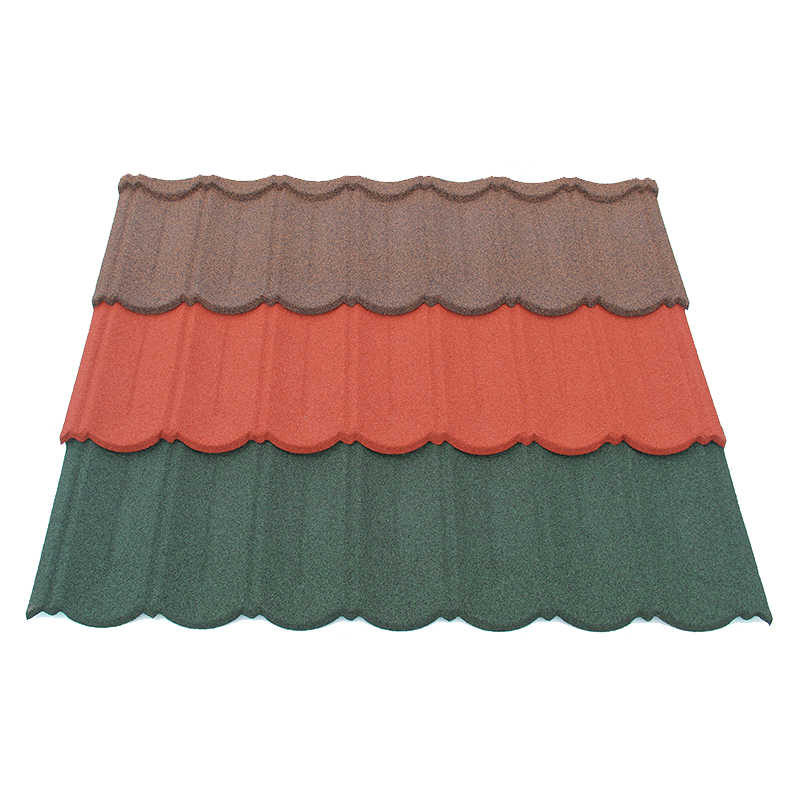
Luxury eco-lodges frequently demand rustic, organic appearances to attract premium international tourism continuously in remote locations natively. A heavily textured Shake Tile mimics natural hand-split timber safely and highly efficiently without bleaching under extreme UV loads natively.
Because this profile is heavily randomized, finding and identifying minor scratches is often incredibly difficult for visual inspectors globally. However, once located, blending the repair is significantly easier. The rugged, inorganic texture hides minor chemical application imperfections flawlessly natively. Maintenance crews can restore this breathtaking organic beauty rapidly while maintaining absolute fire resistance.
Flush Alignment for Minimalist Designs
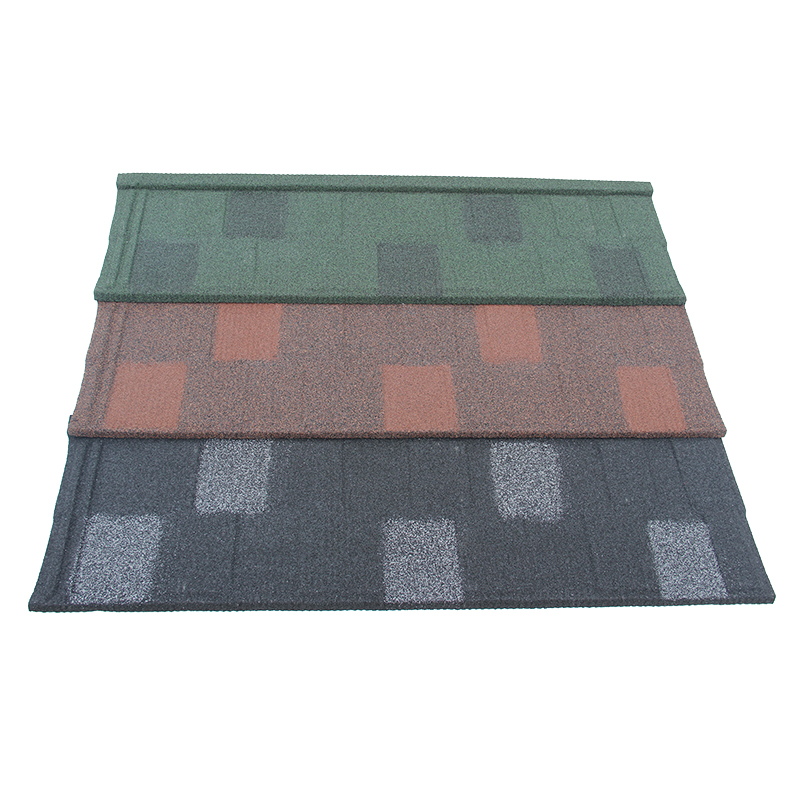
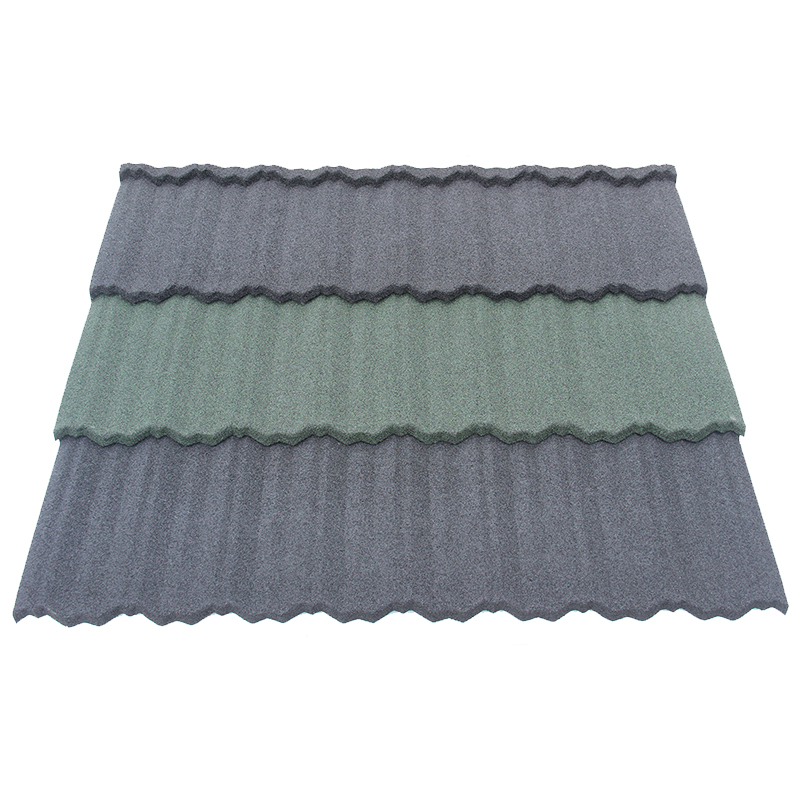
Modern corporate architecture relies heavily on sharp, clean, and highly geometric structural lines continually globally. For these sleek, sun-drenched urban environments, specifying a flat Shingle Tile delivers flawless flush architectural alignment natively.
Because this specific profile is relatively flat, any poorly executed, bulky scratch repair will be immediately highly visible globally. Therefore, contractors must apply the acrylic resin and sintered stones incredibly sparingly, ensuring the repaired section remains perfectly flush natively. Ultimately, this advanced precision protects the elite visual branding flawlessly.
Heavy-Duty Industrial Restoration
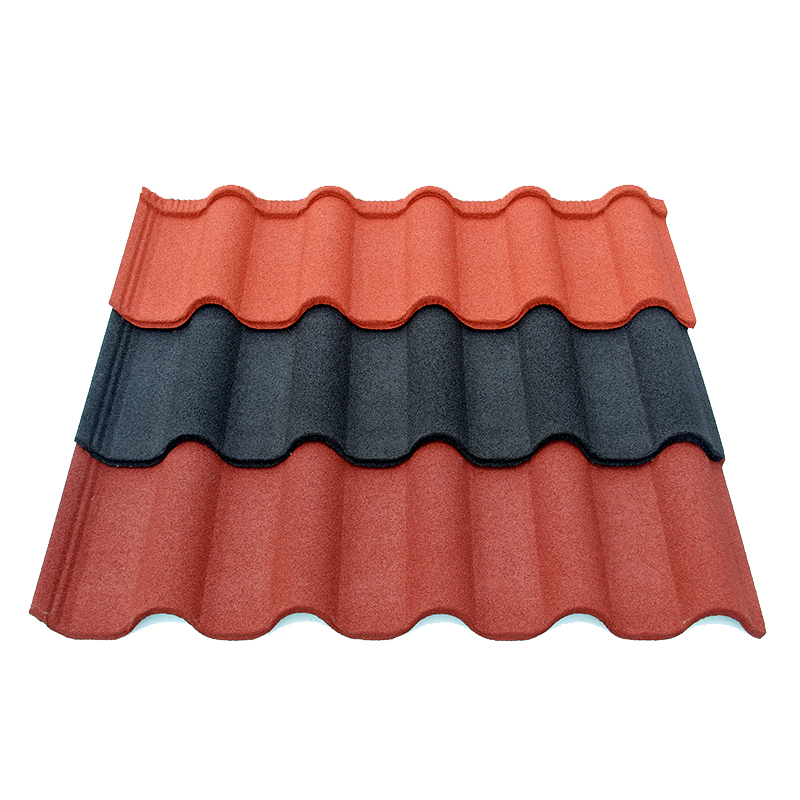
Massive agricultural and industrial warehouses demand maximum kinetic rigidity to survive violent physical impacts continuously natively. Specifically, a Heavy Duty Bond Tile delivers this required kinetic resilience flawlessly for massive open-span structures globally.
The true engineering distinction of this profile lies in a unique groove design located directly in the arc natively. Rather than simply relying on overall material thickness, this specialized groove acts as an advanced kinetic shock absorber globally.
Furthermore, the installation strictly requires a rigid batten system to provide hidden nails natively. This specific engineering combination ensures superior sealing and unmatched aerodynamic strength globally. When repairing scratches on this industrial profile, contractors must ensure the unique shock-absorbing groove remains perfectly clear of excess resin natively.
5. Proactive Maintenance and Supply Chain Quality
Preventing commercial roof damage begins entirely in the initial B2B global sourcing phase before installation ever occurs natively. Corporate buyers cannot simply trust glossy marketing brochures or empty verbal promises from opportunistic overseas vendors globally.
You must audit the metallurgical and chemical engineering standards of your potential manufacturing partners rigorously and continuously natively. Cheap, uncertified manufacturers frequently utilize highly diluted resins that scratch incredibly easily under basic operational foot traffic globally. Identifying elite manufacturing partners secures your massive long-term capital investment effortlessly natively.
Partnering with Verified Industrial Experts
Large-scale commercial developments demand absolute structural perfection, advanced chemical engineering, and verified batch consistency constantly natively. Therefore, B2B buyers must bypass unreliable retail brokers and partner directly with proven, factory-direct industrial facilities globally.
Specifically, JCROOF operates precisely in this highly professional, elite B2B export manufacturing tier reliably and consistently globally. Leveraging exactly 11 years of dedicated manufacturing experience, they perfect their advanced, highly scratch-resistant acrylic glazes natively.
Operating a massive 10,000-square-meter facility with an incredible weekly output of approximately 200,000 pieces, they guarantee flawless global fulfillment continuously. Trusting an established industrial expert eliminates massive cosmetic risks and ensures minor scratches remain incredibly rare globally.
Does repairing a scratch void the corporate warranty?
Corporate investors rely heavily on the fifty-year legally binding structural warranty to protect their capital investments natively. Therefore, a common concern is whether applying unauthorized chemical resins voids the manufacturer’s performance guarantee entirely globally.
If a facility manager uses cheap, generic hardware store spray paint, the manufacturer will absolutely void the corporate warranty natively. However, if the maintenance team utilizes the official, factory-approved chemical touch-up kit, the warranty remains entirely intact and legally binding globally.
Consequently, strict adherence to factory-approved maintenance protocols is an absolute financial mandate for procurement officers globally. Protecting the legal warranty is just as critical as protecting the physical building envelope natively.