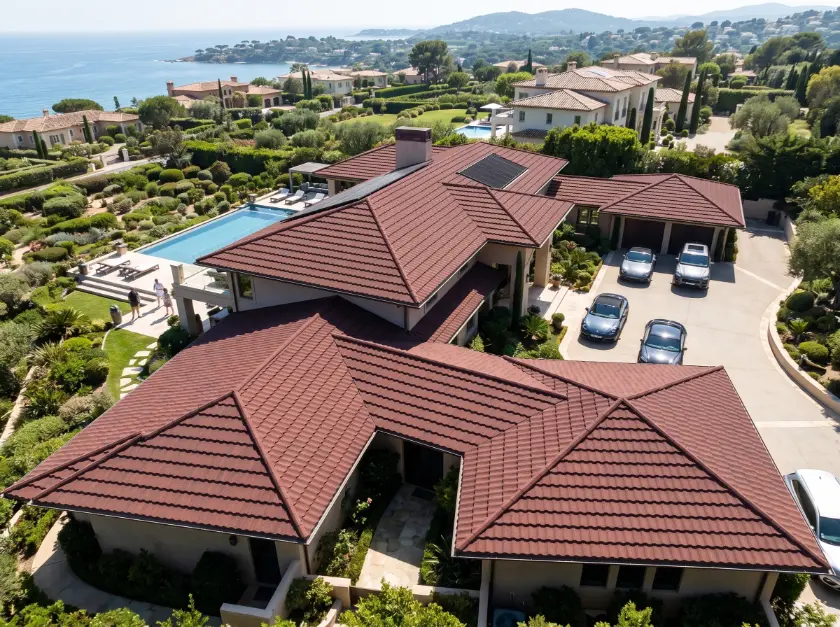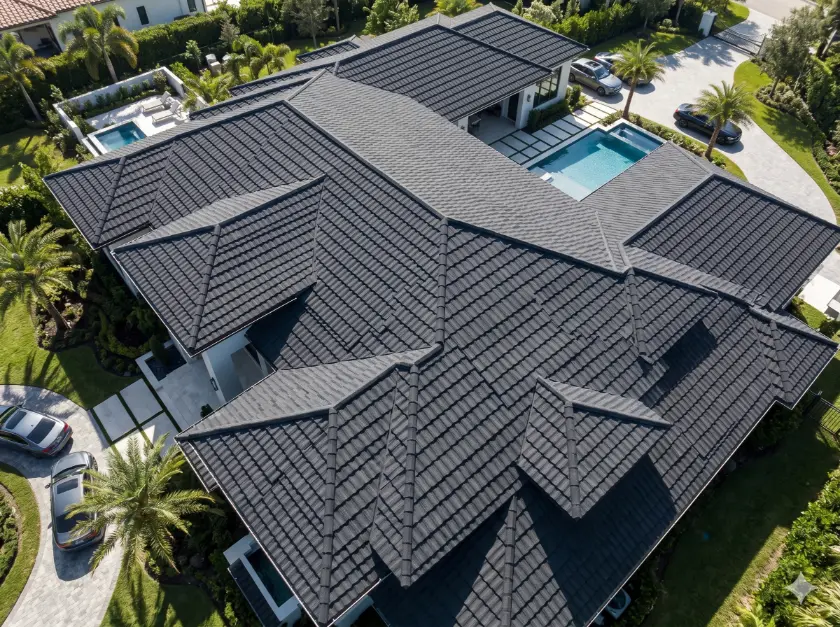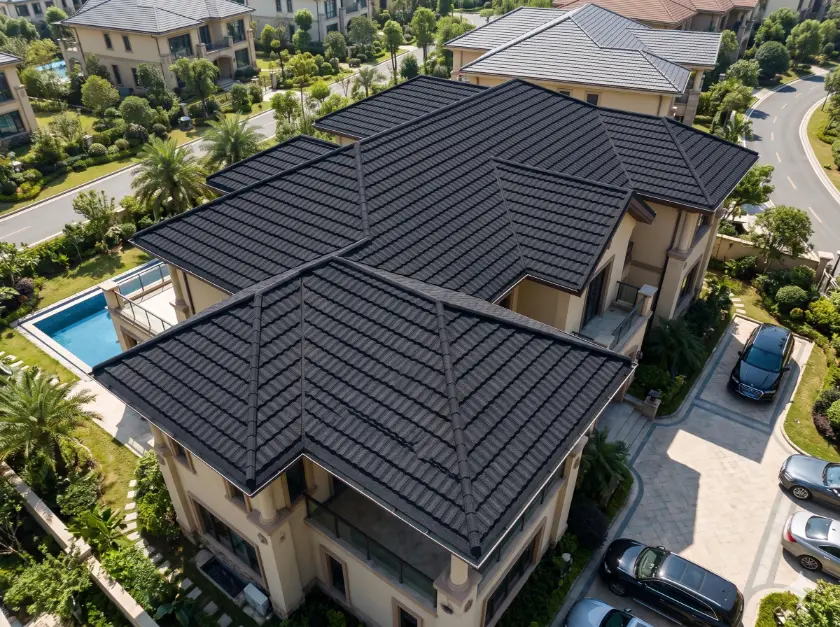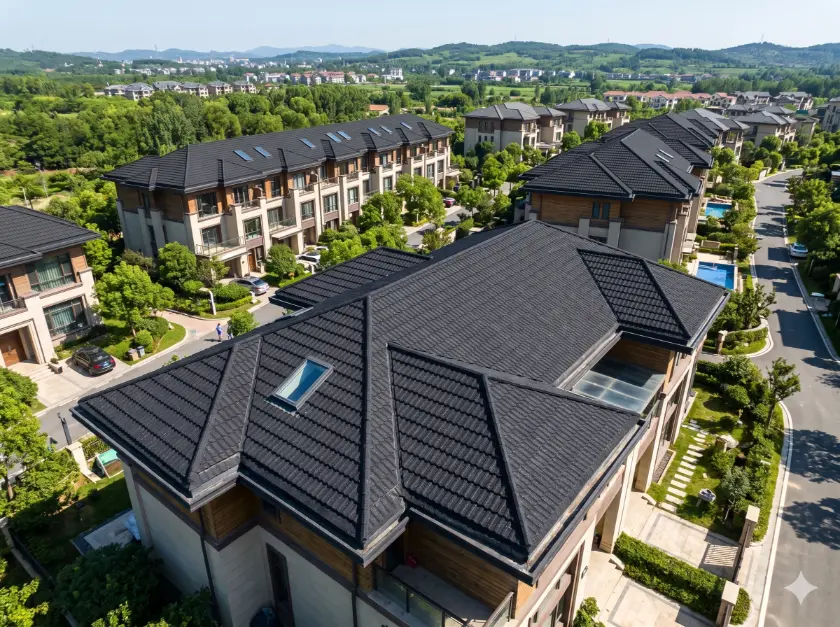

The global construction industry is evolving rapidly in 2026. Therefore, B2B procurement teams face numerous new challenges daily. Building codes now demand significantly higher structural durability worldwide. Consequently, temporary or fragile materials are quickly losing market favor. Buyers desperately need highly reliable, long-term architectural options. Specifically, the Stone coated metal roofing tile is leading this massive shift. This advanced material offers truly incredible long-term financial value. For instance, it seamlessly blends industrial strength with premium aesthetics. As a result, commercial developers are taking serious notice everywhere. Importantly, structural engineers strongly recommend it for severe weather zones. In fact, understanding this complex material is essential for modern planning.
Furthermore, procurement managers must constantly optimize their strict budgets. Initial capital expenditure (CapEx) is always a major concern. However, operational expenses (OpEx) matter equally over thirty years. Thus, choosing a Stone coated metal roofing tile makes perfect financial sense. It dramatically lowers ongoing maintenance and repair costs. Similarly, it actively protects valuable commercial assets from environmental degradation. In this comprehensive guide, we will explore these engineered systems. We will provide highly actionable advice for your next procurement cycle. Ultimately, our primary goal is to help you make smarter purchasing decisions.
Market Shifts in Commercial Building Procurement
Commercial procurement strategies have evolved significantly over recent years. Previously, project managers focused almost solely on finding the lowest price. However, this outdated approach often caused massive long-term financial problems. Today, smart B2B buyers prioritize genuine durability and proven longevity. Therefore, the Stone coated metal roofing tile is becoming highly popular. In fact, it effectively addresses all modern commercial construction demands. Understanding these specific market shifts helps buyers select superior products.
Adapting to Severe Weather and Wind Codes
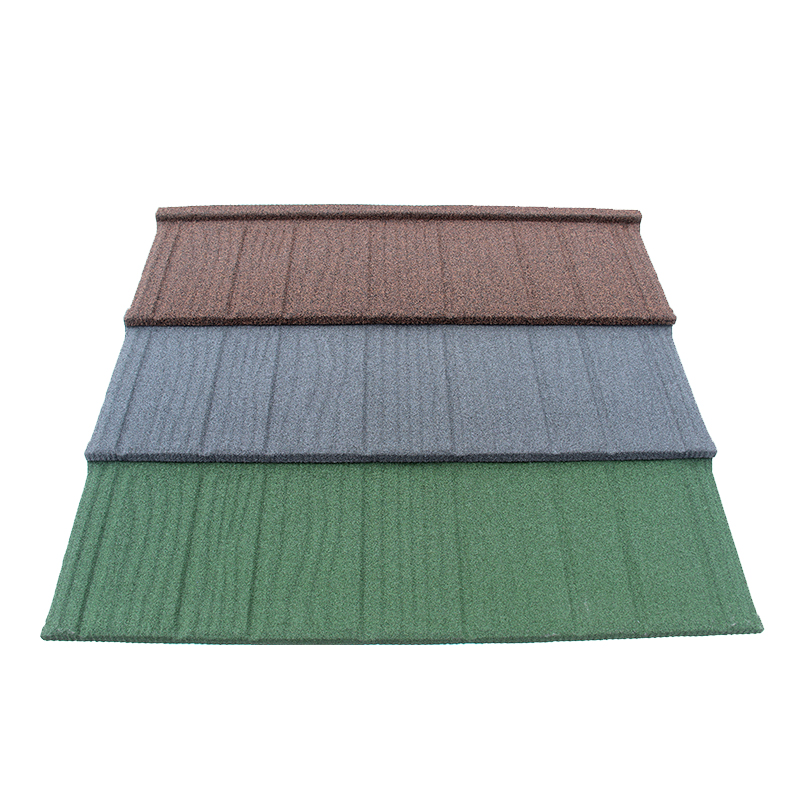
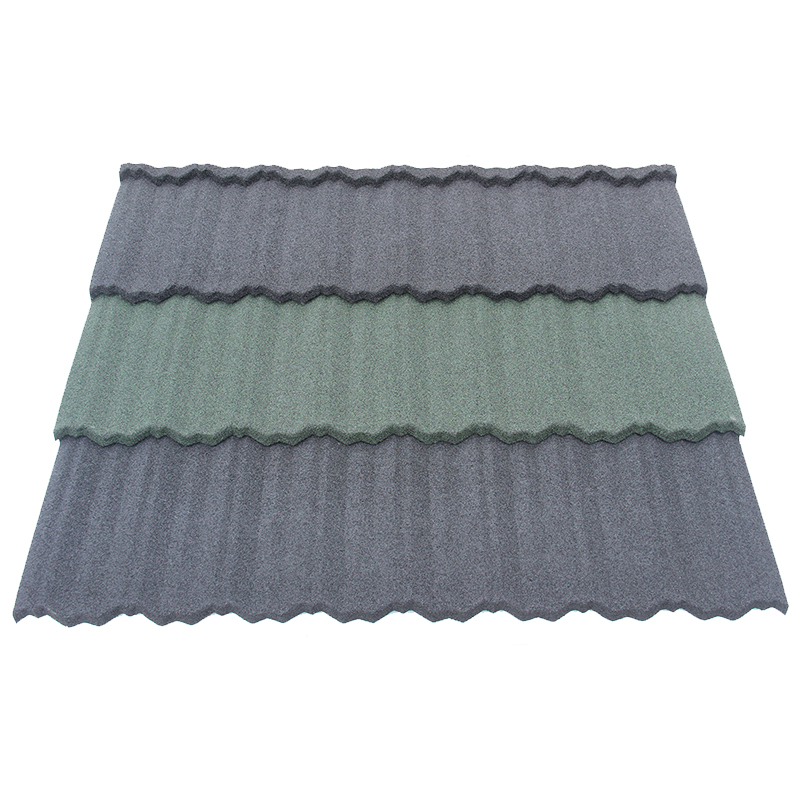
Building regulations are becoming increasingly strict on a global scale. For instance, coastal areas now demand superior hurricane-level wind resistance. Additionally, inland regions require reliable protection against severe hailstorms. Consequently, fragile clay tiles struggle to meet these strict new standards. Conversely, engineered metallic solutions pass these rigorous tests with absolute ease. Specifically, they utilize a unique, highly secure interlocking fastening mechanism. As a result, the panels stay firmly attached during severe storms. Furthermore, specifying a rugged Shake Tile maximizes this physical protection. This specific profile strongly resists high-velocity wind uplift forces beautifully.
Overcoming Heavy Structural Load Limitations
Weight is a critical engineering factor in any commercial design. Traditional masonry products are exceptionally heavy and incredibly cumbersome. Consequently, they require massive, highly expensive wooden framing support systems. This heavy framing inflates the initial construction budget dramatically. However, a modern Stone coated metal roofing tile is surprisingly lightweight. Therefore, engineers can confidently design thinner, much more cost-effective supporting structures. Additionally, lighter pallets significantly reduce overall freight and shipping costs. Ultimately, this massive weight reduction speeds up the entire installation schedule.
Evaluating Total Lifecycle Costs for B2B Procurement
Evaluating upfront costs alone is a terrible commercial business strategy. Wise procurement managers always analyze the total lifecycle expenses thoroughly. Therefore, they calculate future maintenance, rapid repairs, and early replacement costs. Ultimately, this comprehensive view reveals the true value of engineered materials. For example, investing slightly more initially often yields massive long-term savings. Thorough financial planning always dictates the most successful commercial roofing choices.
Initial Capital Expenditure vs. Long-Term Value
Budgeting properly for a massive commercial roof is inherently difficult. Typically, standard asphalt products present the most attractive initial price. Consequently, many developers select them quickly to save immediate capital. However, this hasty decision quickly becomes a frustrating financial trap. These cheaper roofs degrade rapidly under harsh, direct ultraviolet sunlight. Furthermore, they require constant, expensive professional maintenance and frequent patching. Conversely, a Stone coated metal roofing tile requires almost zero ongoing maintenance. Therefore, the total annualized cost plummets drastically over three decades.
Energy Efficiency and Operational Savings
Energy consumption remains a massive operational expense for global businesses. Specifically, cooling large commercial facilities costs thousands of dollars annually. Traditional dark roofs unfortunately absorb dangerous amounts of solar radiation. Consequently, this intense heat transfers directly into the building’s interior spaces. Therefore, HVAC systems must work much harder constantly to maintain comfort. Alternatively, advanced metallic roofs are remarkably reflective and highly efficient. In fact, the specialized granular surface dissipates thermal heat extremely quickly. As a result, interior cooling costs drop significantly during peak summer months.
| Roofing Material | Expected Lifespan | Weight (per sq. ft.) | Maintenance Level | Long-Term ROI |
|---|---|---|---|---|
| Standard Asphalt | 15-20 Years | 2.5 – 4.0 lbs | High (Frequent repairs) | Poor (High OpEx) |
| Clay / Concrete | 40-50 Years | 8.0 – 12.0 lbs | Medium (Crack sealing) | Moderate (High CapEx) |
| Stone Coated Metal | 50+ Years | 1.4 – 1.6 lbs | Extremely Low | Excellent (Maximum Value) |
Technical Anatomy of Advanced Roofing Composites
Evaluating roofing quality properly requires understanding the core chemical materials. The best modern systems rely completely on advanced, multi-layered composites. Each specific layer performs a crucial, highly specialized protective function daily. Therefore, buyers must study these internal components carefully before purchasing anything. Ultimately, this deep technical knowledge prevents catastrophic material failures in the future. Quality always starts directly at the precise manufacturing level.
The High-Tensile Steel Core Foundation
The entire foundation relies on premium, high-tensile structural steel. Consequently, it provides exceptional physical rigidity and extreme impact resistance. However, untreated raw steel rusts very quickly in damp environments. Therefore, manufacturers apply a thick Aluminum-Zinc protective alloy coating immediately. This vital coating acts as a highly effective sacrificial corrosion barrier. Specifically, it protects the steel core even if severely scratched. As a result, the Stone coated metal roofing tile easily lasts for decades.
Advanced Adhesives and Basalt Stone Granules
Directly above the metallic core sits a highly specialized acrylic primer. This essential primer firmly binds all the upper layers together permanently. Next, heavy natural basalt granules are embedded deeply inside the acrylic. These incredibly tough granules provide the primary architectural color profile. Furthermore, they completely block destructive ultraviolet radiation from penetrating the steel. For a classic, visually appealing layout, many buyers consider the Bond Tile. Importantly, JCROOF ensures these premium granules remain securely attached forever. Finally, a clear acrylic overglaze seals the entire composite panel perfectly.
Superior Acoustic Performance Mechanisms
Many clients unnecessarily worry about the acoustic noise of metal. Fortunately, this is entirely a myth with advanced granular composites. Standard flat metal sheets are indeed quite loud during heavy rainstorms. However, the heavy granular coating changes this acoustic dynamic completely. Specifically, the rough exterior texture instantly shatters falling water droplets. Consequently, this physical action dampens the kinetic acoustic energy significantly. Therefore, commercial building occupants enjoy a quiet, highly peaceful interior environment.
Strategic Aesthetic Selection for Diverse Developments
Visual exterior appeal is absolutely crucial for commercial property development success. After all, the roof heavily dominates the building’s entire exterior aesthetic. Furthermore, strict local zoning boards actively enforce specific neighborhood design standards. Therefore, procurement teams desperately need diverse, high-quality architectural options. Fortunately, the Stone coated metal roofing tile provides truly incredible aesthetic versatility. Buyers can easily match strict regional styles without ever sacrificing tough durability.
Upgrading High-End Residential and Commercial Spaces
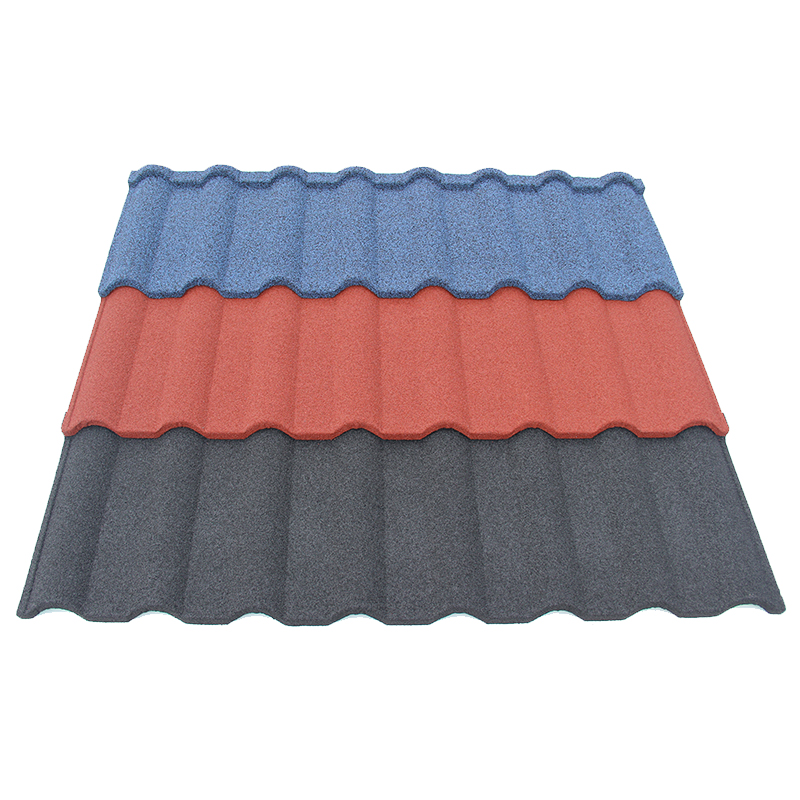
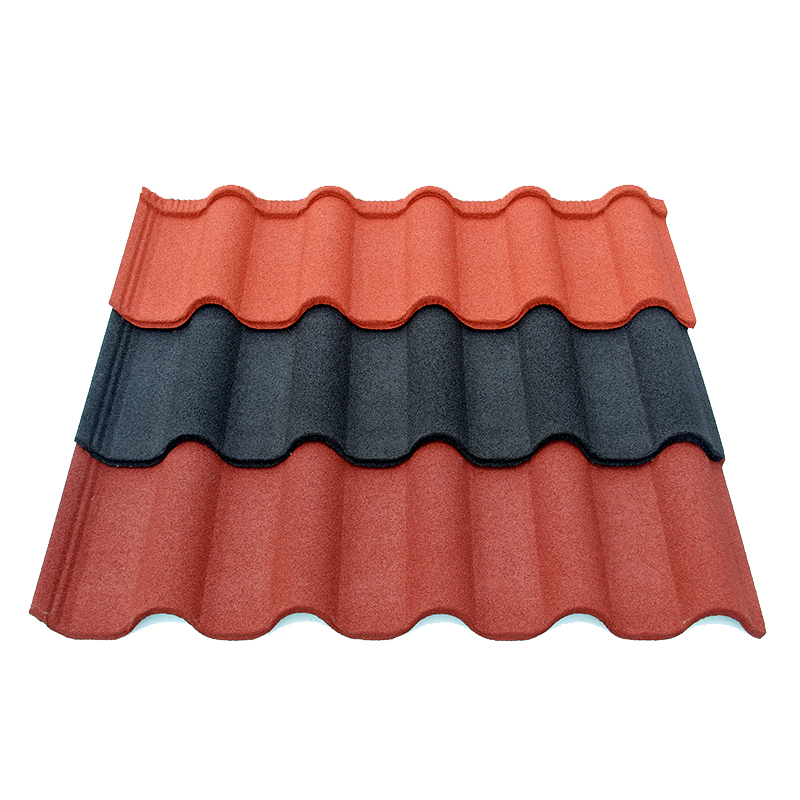
Luxury developments demand a sophisticated, truly modern visual appearance constantly. Standard flat asphalt simply looks way too cheap for premium homes. Instead, high-end developers require sleek, elegant, sweeping architectural lines. Therefore, specifying a highly refined Milano Tile is strongly recommended. It delivers an absolutely gorgeous, classic European building aesthetic instantly. Moreover, its smooth physical profile sheds heavy snow incredibly easily. As a result, it heavily reduces dangerous ice dam formations in winter.
Conquering Harsh Coastal and Maritime Environments
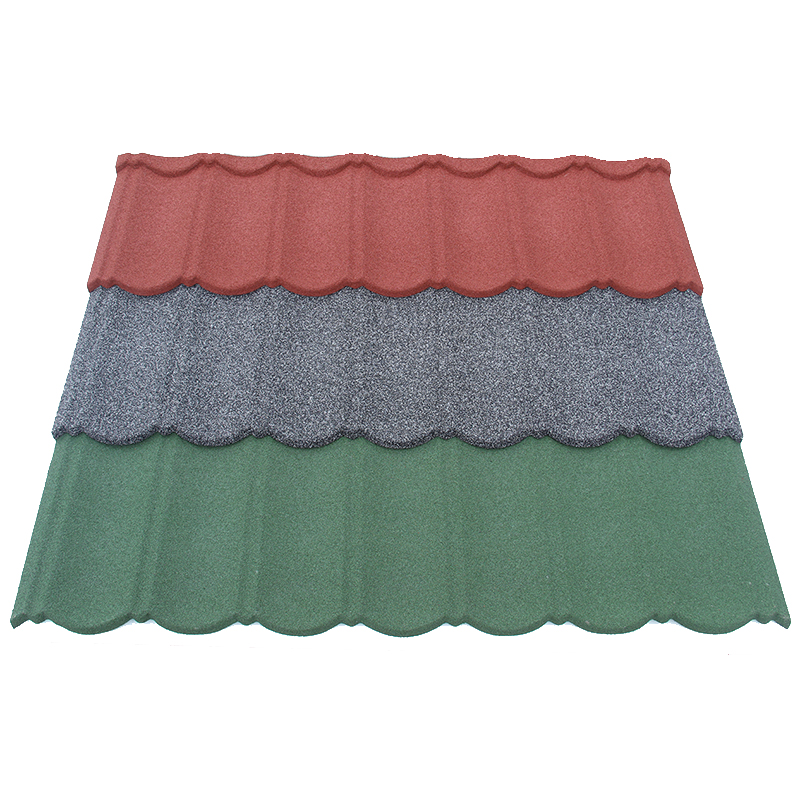
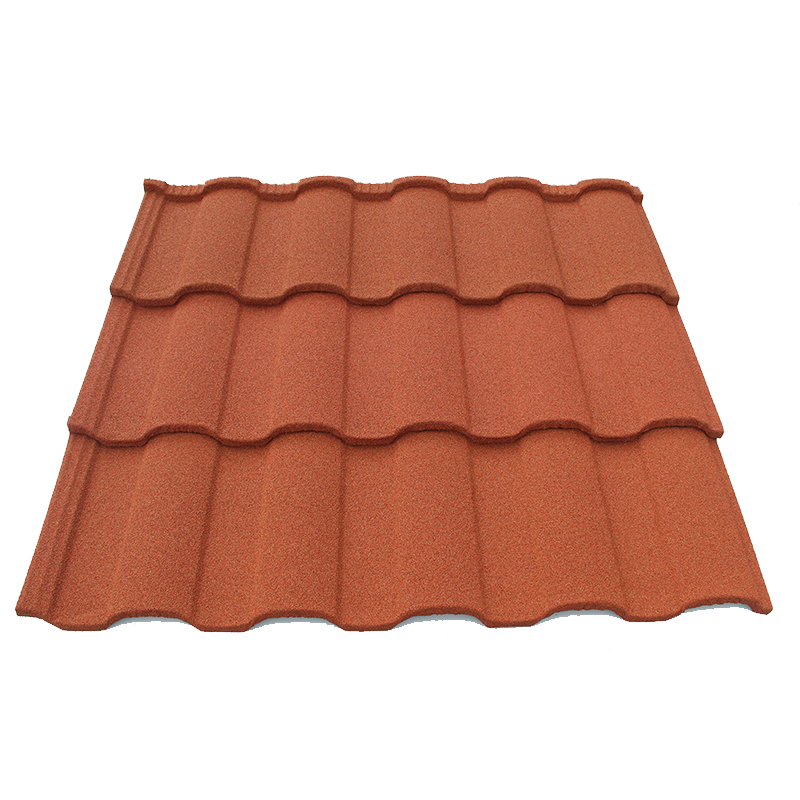
Coastal climates are notoriously brutal on all exterior building materials. Airborne salt spray rapidly corrodes exposed metal fasteners and cheap panels. Furthermore, porous clay tiles absorb salty moisture and crack frequently. Consequently, oceanfront resorts need a highly specialized, incredibly tough solution. They require extreme rust resistance perfectly combined with Mediterranean beauty. Therefore, utilizing a Roman Tile provides the exact perfect answer. It beautifully mimics the deep, rich curves of historic coastal clay. Meanwhile, the advanced metallic composite totally rejects corrosive salt damage.
Replacing Shingles with Permanent Upgrades
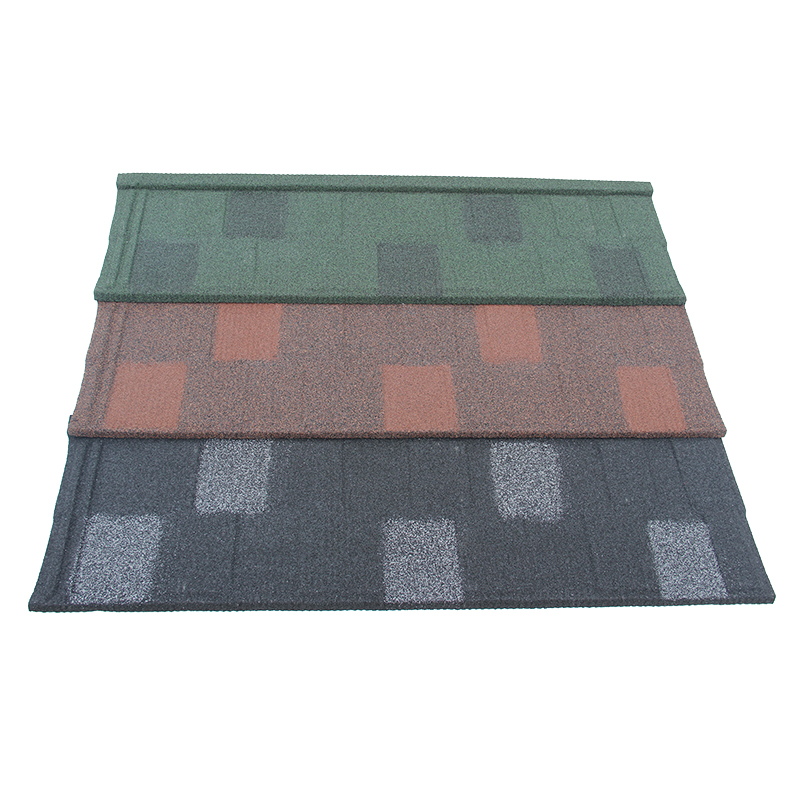
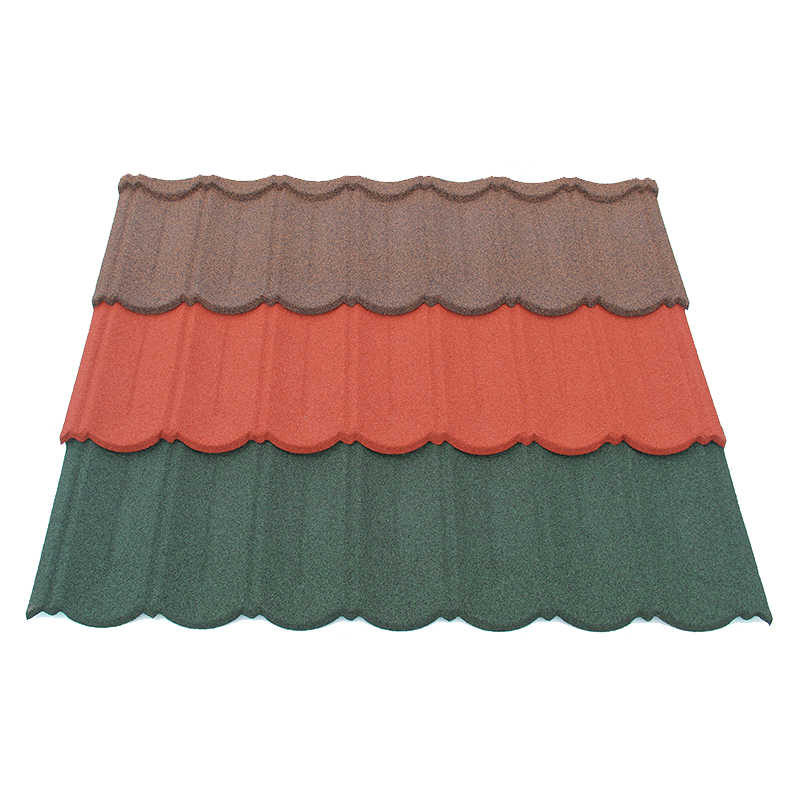
Many commercial renovation projects strongly want to keep traditional looks. They greatly prefer the familiar, flat visual style of asphalt shingles. However, they desperately require a much longer operational lifespan overall. Therefore, sensible B2B buyers should explicitly specify the Shingle Tile profile. It offers the exact staggered, low-profile appearance of standard residential roofs. Yet, this Stone coated metal roofing tile realistically lasts up to three times longer. Consequently, property owners achieve their strict design goals incredibly efficiently.
Installation Pitfalls and Engineering Considerations
Even premium building materials fail completely if contractors install them poorly. Unfortunately, incorrect installation plagues the broader commercial roofing industry constantly. Procurement teams must firmly enforce strict manufacturer building guidelines on site. Addressing these specific structural engineering challenges early prevents costly water leaks. Ultimately, flawless execution guarantees the safety of your massive capital investment. Proper oversight is just as important as material selection.
Perfecting Wind Uplift Fastening Protocols
Traditional roofing panels often rely on exposed, vertical fastening screws. Over time, constant physical thermal expansion easily loosens these critical screws. Consequently, high storm winds can rip entire panels completely off. Alternatively, a Stone coated metal roofing tile uses horizontal interlocking fastening. Installers carefully drive nails horizontally directly into the heavy wooden battens. Therefore, massive wind forces automatically distribute evenly across the entire structure. As a result, these securely locked systems survive major hurricanes very easily.
Managing Condensation and Attic Ventilation
Internal moisture management is incredibly critical for any roofing assembly. Metal sheets are incredibly effective at stopping exterior rain completely. However, they can accidentally trap interior humidity inside enclosed attics. If this warm condensation builds up, wooden timber inevitably rots away. Therefore, installing proper, continuous sub-roof ventilation is absolutely non-negotiable. Contractors must explicitly use high-quality, fully breathable vapor barrier membranes. Furthermore, exterior ridge and soffit vents must always remain completely unobstructed.
Final Quality Control and Supplier Vetting
Sourcing structural materials from unreliable, cheap manufacturers is incredibly risky business. Inconsistent factory batch quality ruins massive commercial construction projects very quickly. Therefore, meticulous B2B buyers must vet their factory partners extensively. Always demand comprehensive, independent laboratory testing data before purchasing anything. Furthermore, carefully inspect the precise physical thickness of the steel core. Ultimately, partnering directly with transparent, proven suppliers guarantees exceptional project success.