
When evaluating roofing materials for long-term projects, one of the most critical questions is what is the lifespan of stone coated steel. For contractors, distributors, and procurement teams, lifespan is directly tied to return on investment, maintenance costs, and customer satisfaction over time.
In practice, what is the lifespan of stone coated steel cannot be answered with a single number. While most manufacturers quote 30 to 50 years, the actual service life depends on material quality, coating technology, installation standards, and environmental conditions. This article breaks down the real factors that determine lifespan and helps buyers make informed decisions based on real-world applications.
Typical Lifespan of Stone Coated Steel Roofing
In most standard conditions, the lifespan of stone coated steel roofing systems ranges between 30 and 50 years. High-quality products installed correctly can even exceed this range, especially in moderate climates with proper maintenance.
However, experienced contractors understand that lifespan is not just about the material itself. It is the result of a complete system, including steel substrate, protective coatings, installation quality, and supporting accessories.
When asking what is the lifespan of stone coated steel, it is more accurate to think in terms of performance stages—initial durability, mid-term weather resistance, and long-term aging behavior.
Standard Lifespan Range
- Entry-level products: 20–30 years
- Standard quality: 30–40 years
- High-end systems: 40–50+ years
Warranty vs Real Lifespan
Many suppliers offer warranties of 20–30 years, but actual performance often exceeds warranty periods when products are properly installed.
Key Factors That Determine Lifespan
To accurately evaluate what is the lifespan of stone coated steel, buyers need to focus on the factors that directly influence long-term performance. Ignoring these variables can lead to unrealistic expectations or poor procurement decisions.
From a B2B perspective, lifespan is less about theoretical numbers and more about how well the product performs under specific project conditions.
Steel Substrate Quality
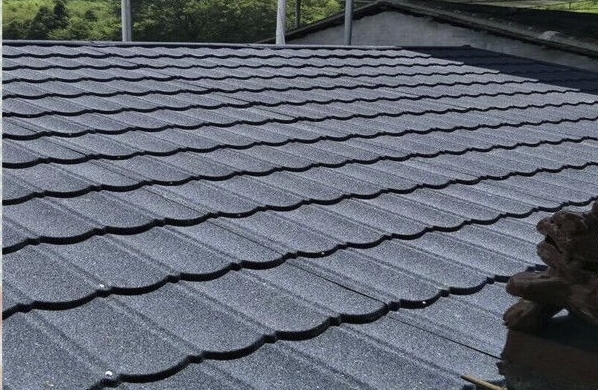
The base steel, typically galvanized or Aluzinc, determines resistance to corrosion. Higher-quality substrates significantly extend service life.
Coating and Stone Granule Technology
The protective coating and stone layer shield the steel from UV radiation and environmental damage, which is critical for maintaining durability.
Installation Quality
Even the best materials can fail prematurely if installation is incorrect. Proper fastening, alignment, and overlap are essential.
Environmental Conditions
Coastal areas, high UV exposure, and extreme weather conditions can accelerate wear and reduce lifespan.
How Roofing Profiles Influence Long-Term Performance
While material composition plays the primary role, roofing profile design also affects how a roof performs over time. Water drainage, airflow, and structural stability all contribute to lifespan.
In real projects, contractors often select profiles based on both performance and environmental suitability rather than appearance alone.
Application-Based Insights
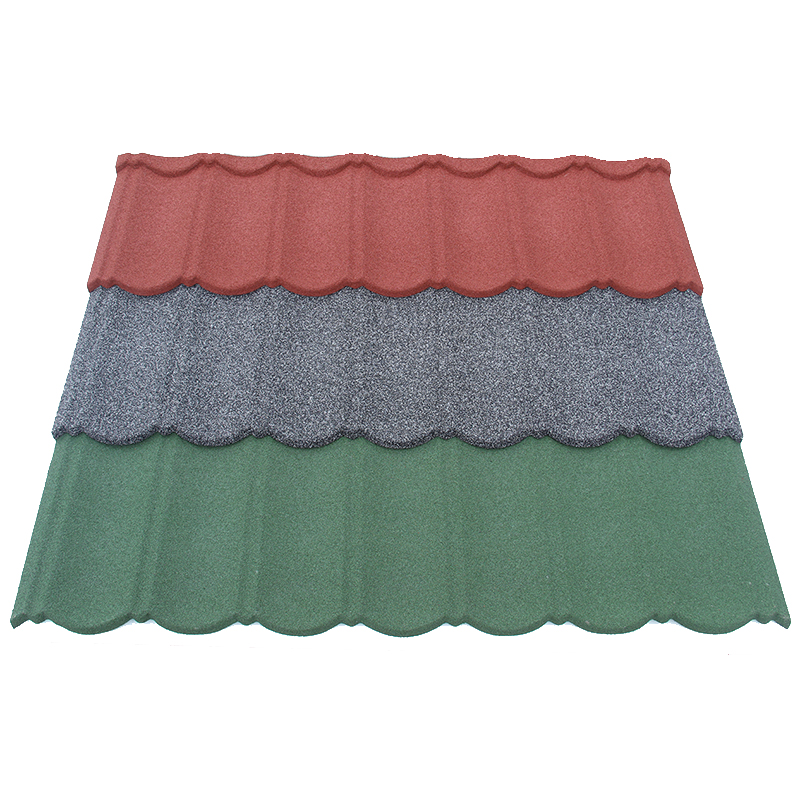
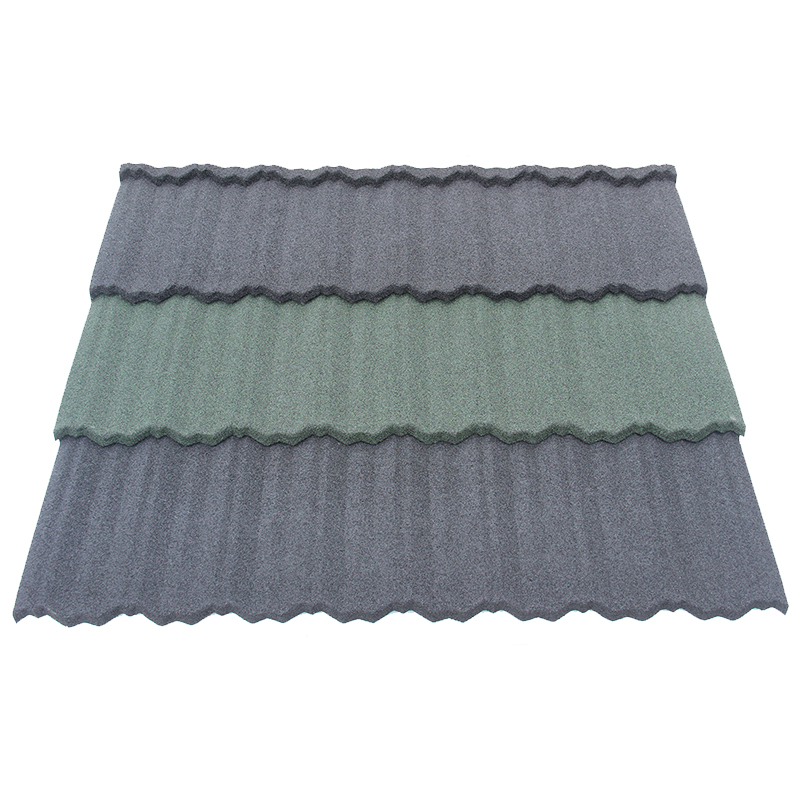
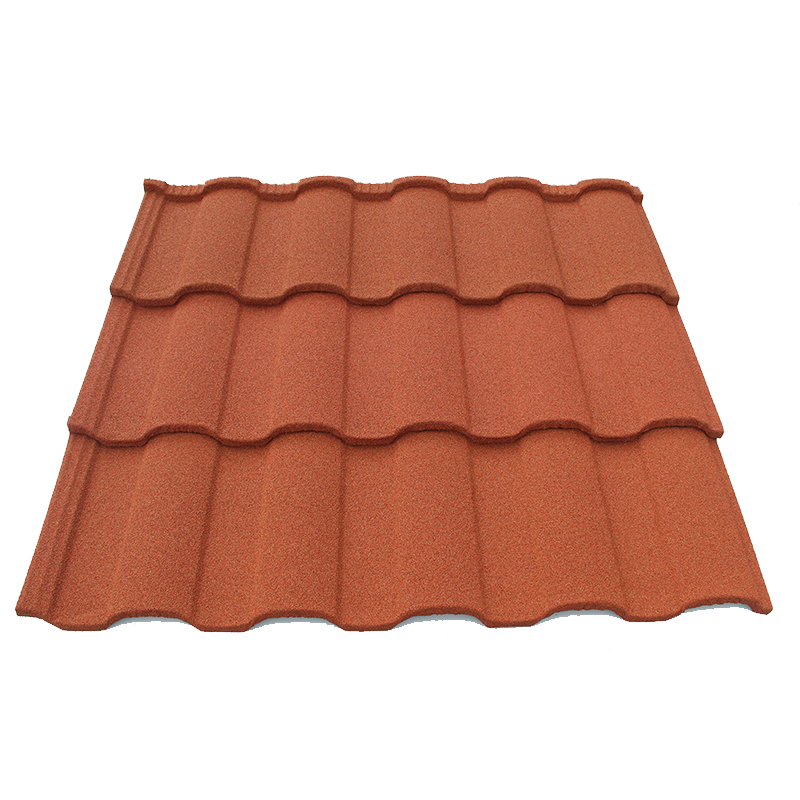
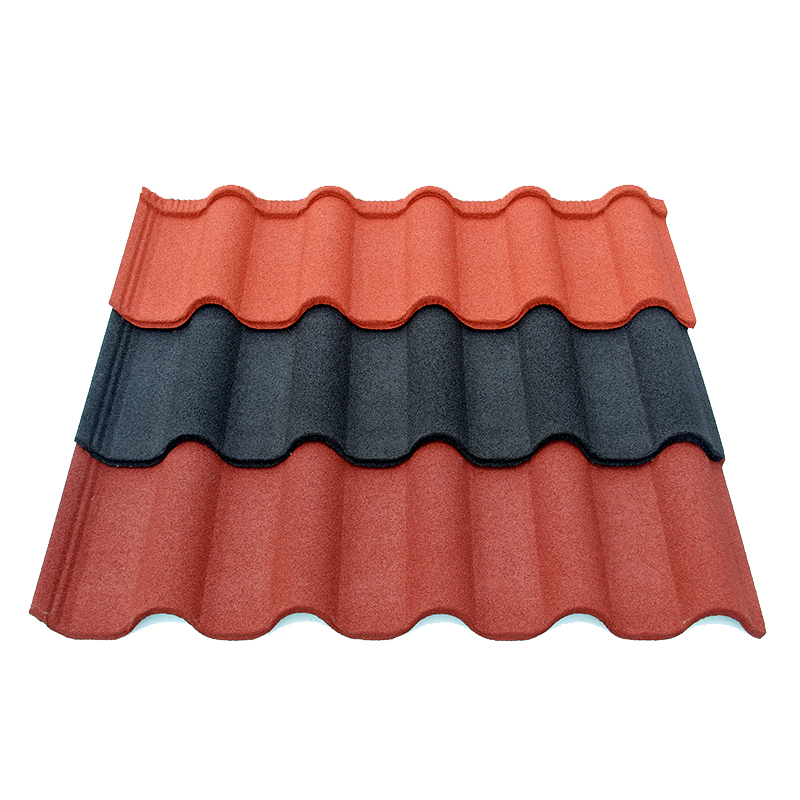
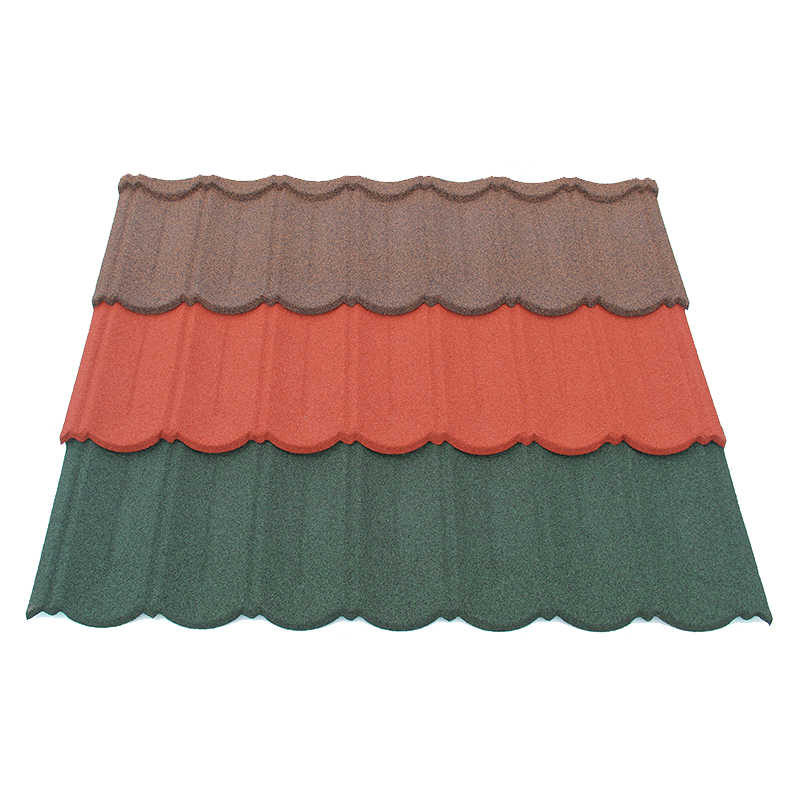
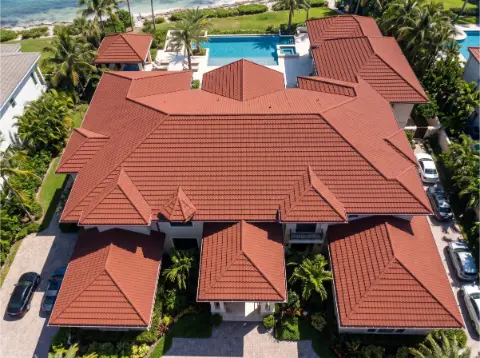
In large residential developments, contractors often prefer Bond Tile because its balanced structure supports efficient water runoff and consistent installation quality, which helps maintain long-term performance.
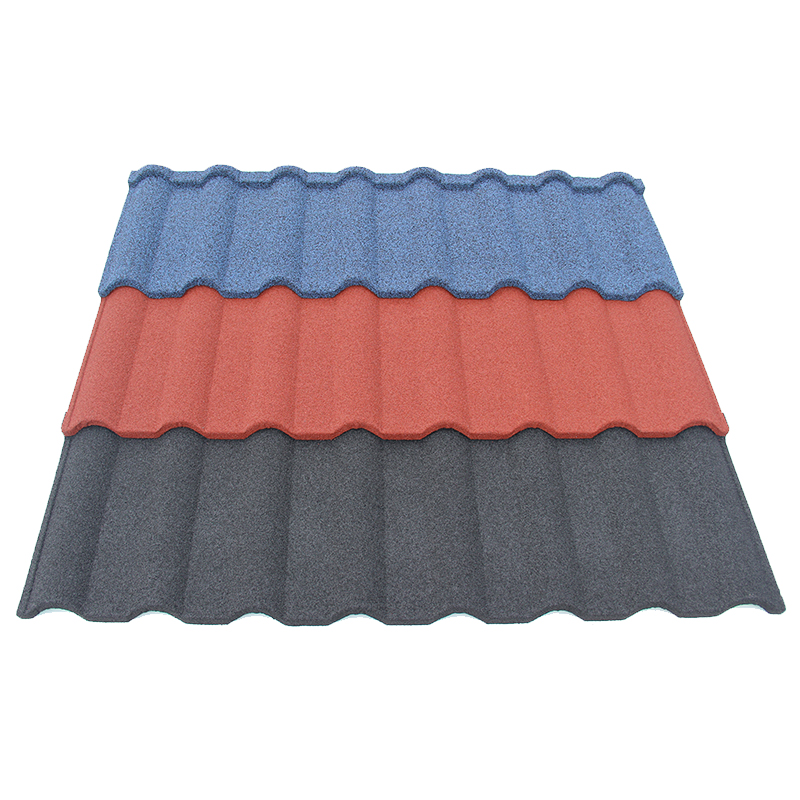
For high-end projects or regions with heavy rainfall, deeper-profile options like Roman Tile are commonly used, as they improve drainage and reduce water-related wear over time.
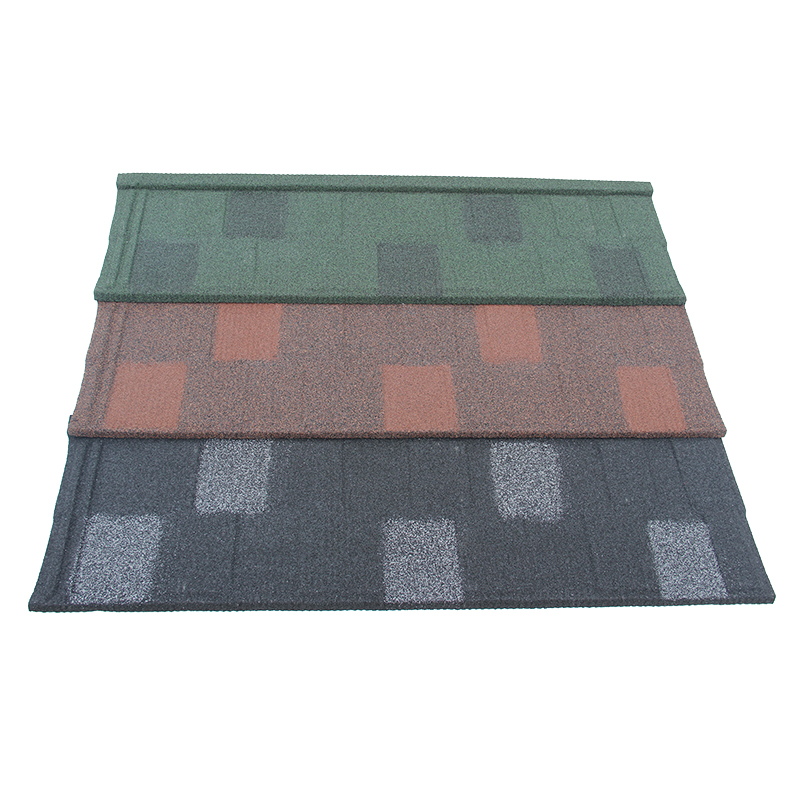
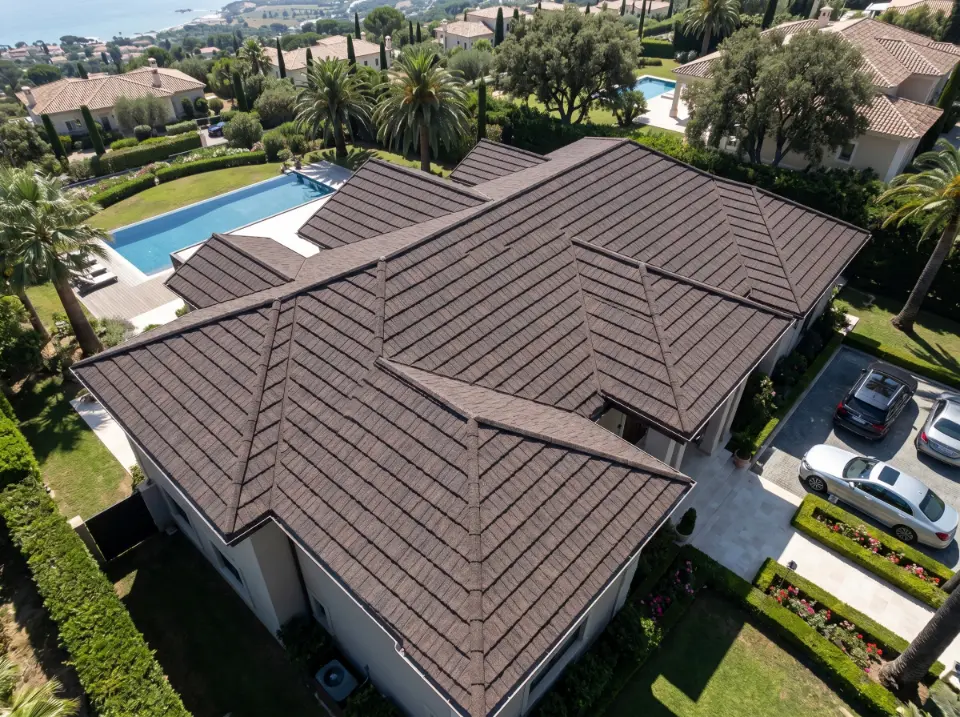
In retrofit or lightweight construction scenarios, Shingle Tile is often selected due to its lower structural load, which indirectly supports overall system longevity by reducing stress on the building.
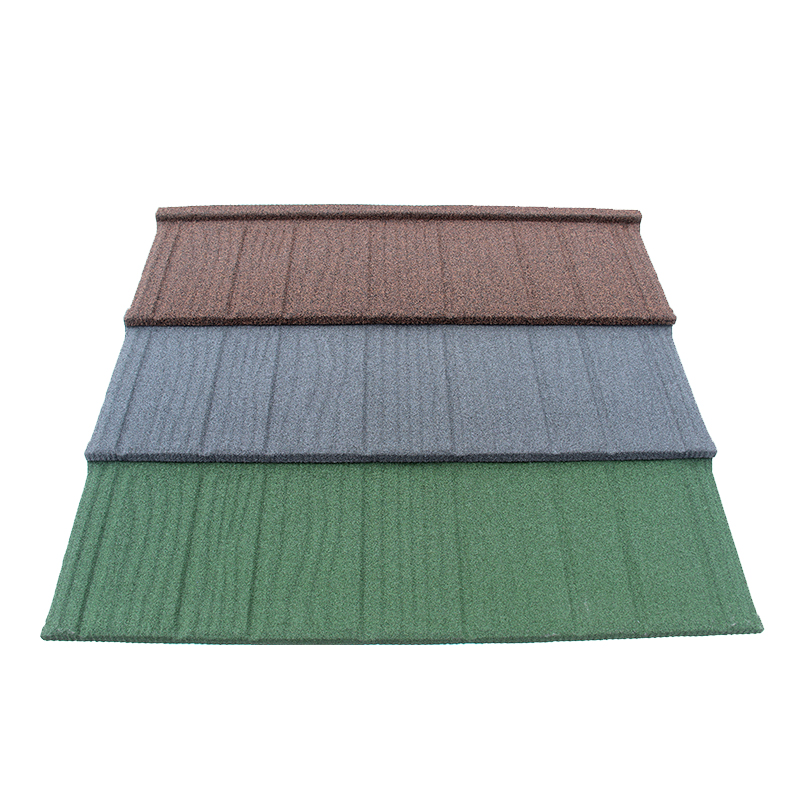
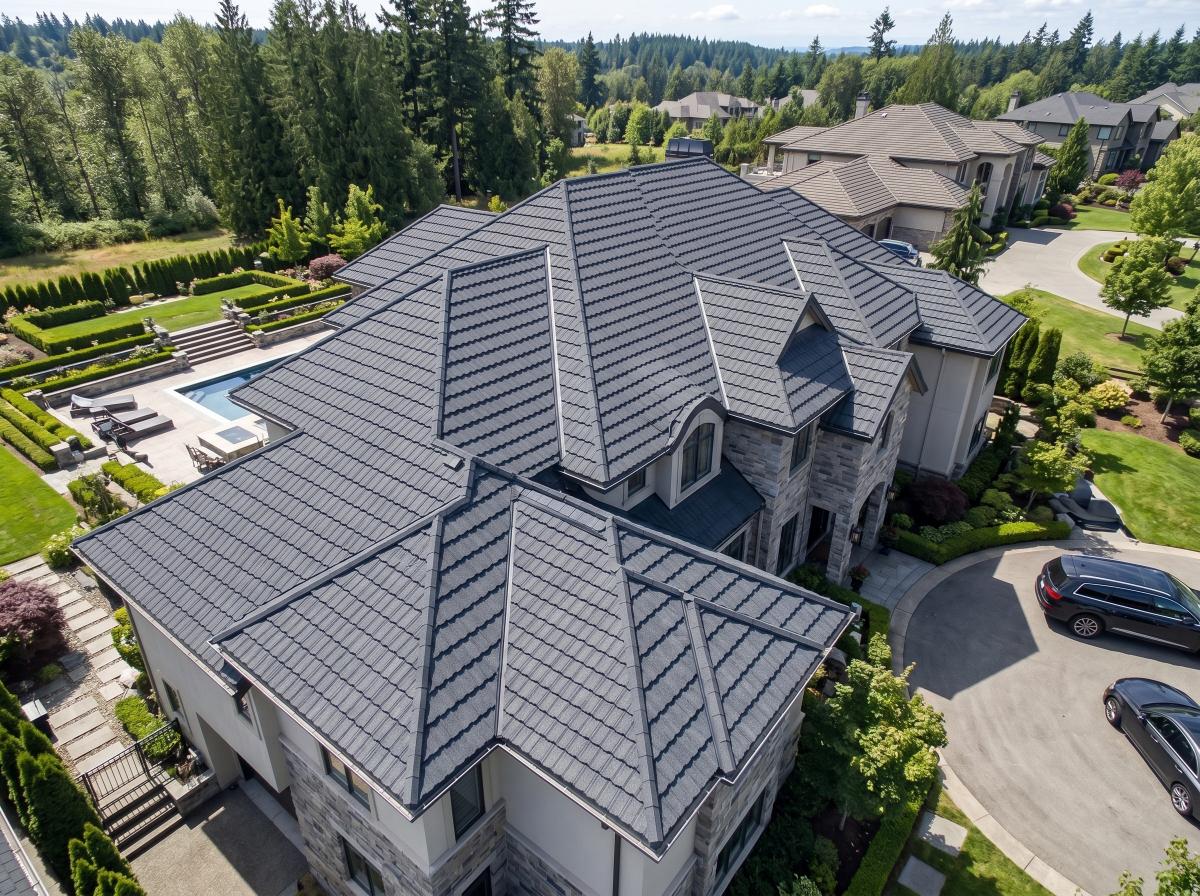
Meanwhile, modern architectural projects may incorporate Milano Tile, where proper installation and roof pitch are critical factors in ensuring the expected lifespan is achieved.
Common Mistakes That Reduce Roof Lifespan
Many issues related to lifespan are not caused by the material itself but by incorrect decisions during procurement or installation. Understanding these common mistakes can help buyers avoid unnecessary risks.
In many cases, projects that fail prematurely do so because of avoidable errors rather than product limitations.
Choosing Based on Price Alone
Low-cost products often use inferior coatings or thinner steel, which reduces durability.
Ignoring Installation Standards
Improper installation is one of the leading causes of reduced lifespan.
Using Incomplete Roofing Systems
Missing or incompatible accessories can create weak points in the system.
Mismatch Between Product and Environment
Using the wrong profile or specification for a specific climate can accelerate wear.
Comparison: Lifespan by Roofing Material
| Material | Typical Lifespan | Maintenance Level | Cost Efficiency |
|---|---|---|---|
| Stone Coated Steel | 30–50 years | Low | High |
| Asphalt Shingles | 15–25 years | Medium | Medium |
| Clay Tiles | 40–60 years | Low | Low (high structural cost) |
| Corrugated Metal | 15–30 years | Medium | Medium |
Practical Sourcing Advice for Buyers and Distributors
For B2B buyers, evaluating what is the lifespan of stone coated steel should be part of a broader sourcing strategy. Instead of focusing only on lifespan claims, it is more effective to assess supplier consistency, coating quality, and system completeness.
In the industry, manufacturers such as JCROOF are often referenced for maintaining stable production quality and offering complete roofing systems. This consistency helps ensure that the expected lifespan is achievable across different projects and markets.
Recommended Procurement Strategy
- Select mid-to-high quality products for long-term projects
- Verify coating performance and corrosion resistance
- Ensure full accessory compatibility
- Train installation teams before project execution
Conclusion: What Is the Lifespan of Stone Coated Steel?
So, what is the lifespan of stone coated steel? In most cases, it ranges from 30 to 50 years, depending on material quality, installation, and environmental conditions.
For contractors and distributors, the key is not just choosing a product with a long claimed lifespan, but ensuring that the entire roofing system—from material to installation—is aligned with project requirements. When done correctly, stone coated steel roofing offers a durable and cost-effective solution for long-term applications.