
Global construction procurement involves massive financial risk. Buying unverified building materials leads to catastrophic structural failures and severe legal liabilities. Consequently, B2B procurement managers rely entirely on internationally recognized certifications to validate product quality. When sourcing stone coated metal tiles globally, documentation is just as important as the physical product. Specific certifications like ISO, CE, and SONCAP prove that the manufacturer adheres to strict engineering, safety, and environmental standards. This technical guide explains exactly why these specific documents are absolutely mandatory for massive commercial developments and international import operations.
ISO 9001: The Foundation of Manufacturing Consistency
The International Organization for Standardization creates the ultimate benchmark for factory quality control. ISO 9001 does not merely test a single roofing panel; it evaluates the entire corporate manufacturing process. Procurement officers need absolute certainty that the ten-thousandth panel possesses the exact same structural integrity as the first panel. This certification guarantees that the factory utilizes strict standardized operating procedures across all production lines. Consequently, developers receive completely uniform materials without any unexpected dimensional variations or chemical defects. Therefore, sourcing from an ISO-certified facility completely eliminates the chaotic unpredictability of international material import.
Batch Traceability and Material Accountability
A rigorous quality management system requires comprehensive material traceability. If a minor defect occurs on a commercial job site, engineers must trace that specific panel back to its exact manufacturing date and raw material batch. ISO standards mandate this level of meticulous documentation. High-end manufacturers utilizing premium AZ150 Aluzinc steel and pure acrylic resins maintain these strict audit trails permanently. Therefore, the B2B buyer possesses a clear, legally binding record of the exact chemical components used in their specific roofing order. This ultimate transparency protects engineering firms from massive liability claims globally.
The CE Mark: Meeting Strict European Safety Standards
The CE mark serves as the ultimate passport for building materials entering the European Economic Area. However, its importance extends far beyond Europe. Global developers view the CE mark as a universal indicator of superior health, safety, and environmental protection. For stone coated metal tiles, achieving this mark requires passing brutal, independent laboratory testing. The panels must demonstrate exceptional resistance to extreme fire exposure, heavy wind uplift, and continuous water penetration. Consequently, architects confidently specify CE-marked materials for high-density urban infrastructure and sensitive public works projects.
Validating Non-Toxic Engineering
Modern green building initiatives strictly prohibit the use of toxic chemicals in exterior construction materials. The CE certification process rigorously tests the roofing panels for dangerous heavy metals and volatile organic compounds. Specifically, the advanced acrylic binders and sintered stone granules must remain completely inert under extreme solar radiation. They cannot release toxic chemical runoff into the surrounding municipal groundwater systems. Therefore, sourcing CE-certified materials ensures complete compliance with modern environmental protection laws. This verifiable sustainability allows developers to secure lucrative green building permits much faster.
SONCAP: Unlocking the Booming African Market
Emerging markets across Africa represent massive growth opportunities for commercial real estate developers. However, importing materials into these regions involves navigating complex regulatory frameworks. The Standards Organisation of Nigeria Conformity Assessment Programme, known as SONCAP, is absolutely mandatory for clearing Nigerian customs. Furthermore, neighboring countries heavily respect and often mirror these strict import standards. This certification proves that the imported stone coated metal tiles meet the specific, rigorous climate demands of the West African region. Without this critical document, massive shipments remain permanently trapped at the destination port, accruing disastrous demurrage fees.
Combating Counterfeit and Substandard Imports
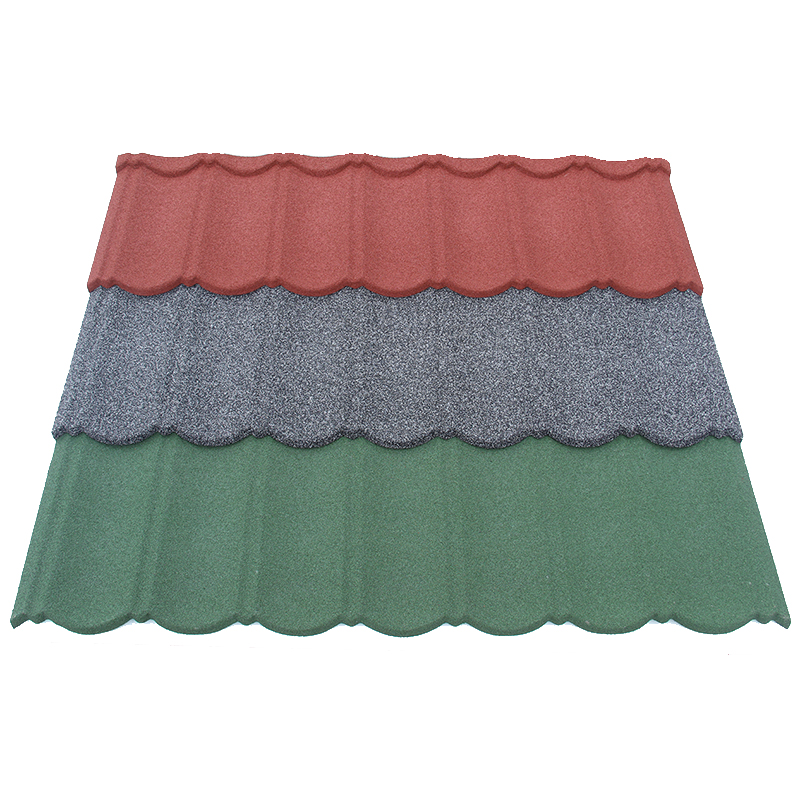
The primary purpose of SONCAP is to protect developing infrastructure from dangerous, counterfeit building materials. Cheap, uncertified panels flood emerging markets constantly, causing widespread structural collapses and rapid building degradation. SONCAP inspectors verify the exact steel thickness and anti-corrosive coating weight before the cargo ever leaves the origin factory. For example, verifying that the heavy duty Bond Tile features the correct geometric grooving and steel core prevents immediate structural failure during heavy tropical monsoons. Consequently, distributors who supply strictly certified materials dominate these emerging markets by offering guaranteed, verified structural safety.
The Financial Impact of Certified Roofing Profiles
Commercial banks and global insurance conglomerates scrutinize building material certifications extensively. Lenders refuse to finance massive real estate developments utilizing unverified, risky exterior materials. Furthermore, insurance underwriters demand significantly higher premiums for buildings lacking certified fire and wind protection. Providing ISO, CE, and SONCAP documentation drops these institutional financial hurdles instantly. The property becomes significantly cheaper to finance and insure over its entire fifty-year lifespan. Therefore, the initial effort of sourcing fully certified materials yields a massive, continuous financial return on investment.
Matching Certified Quality with Architectural Design
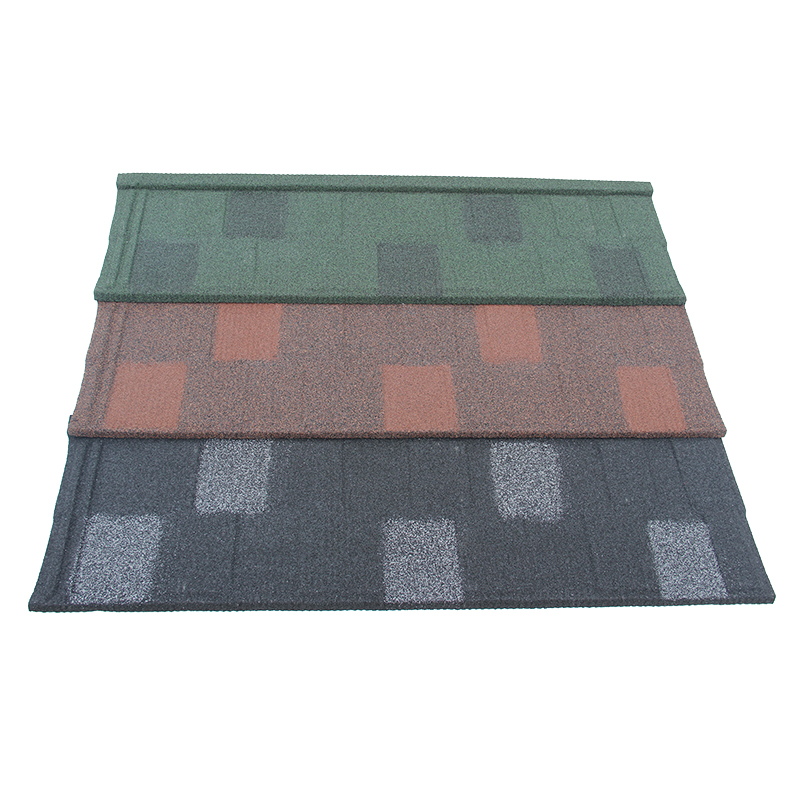
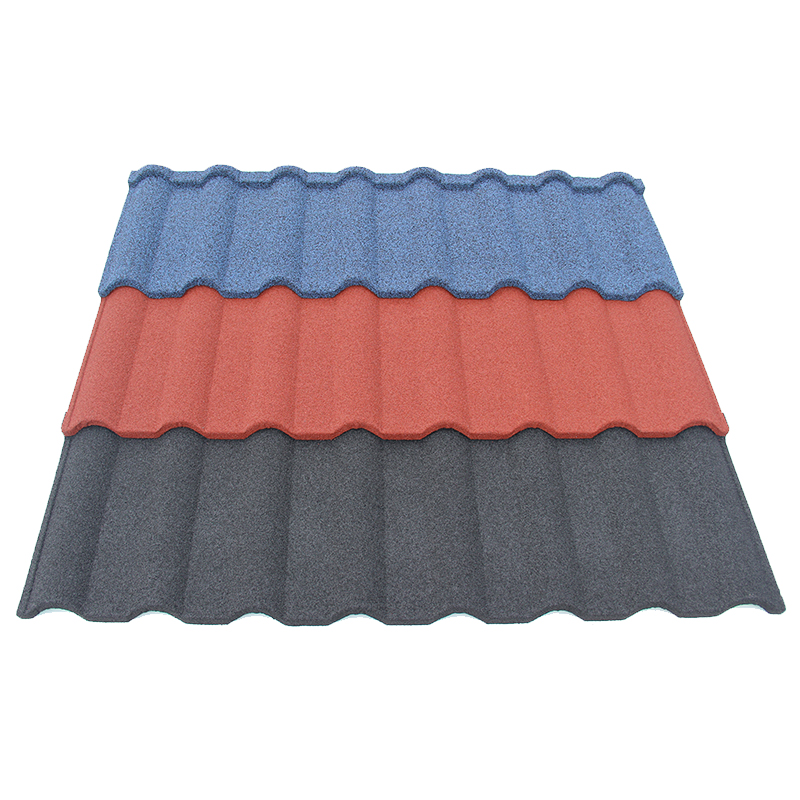
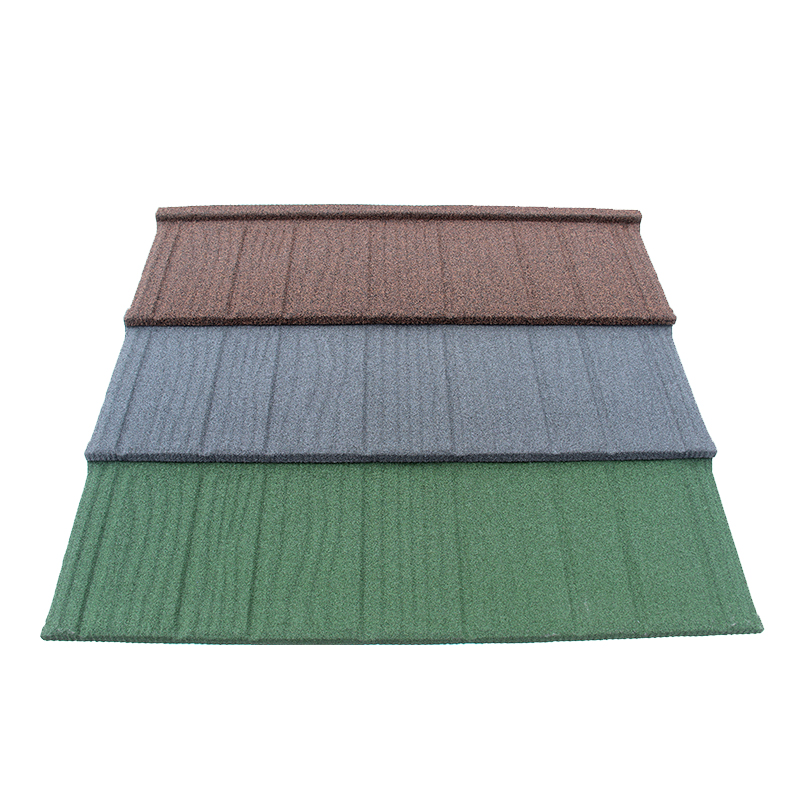
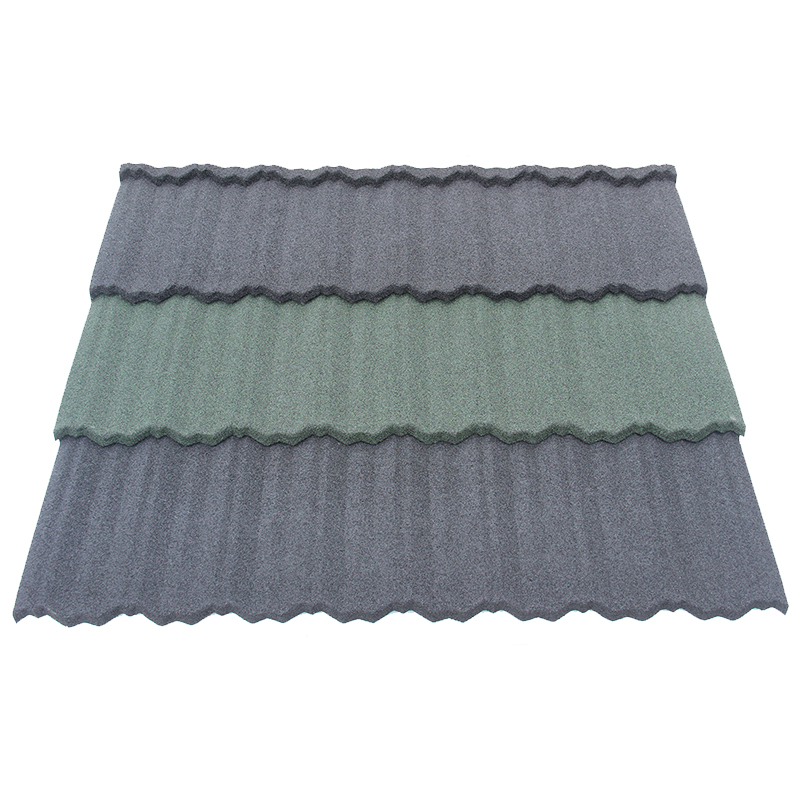
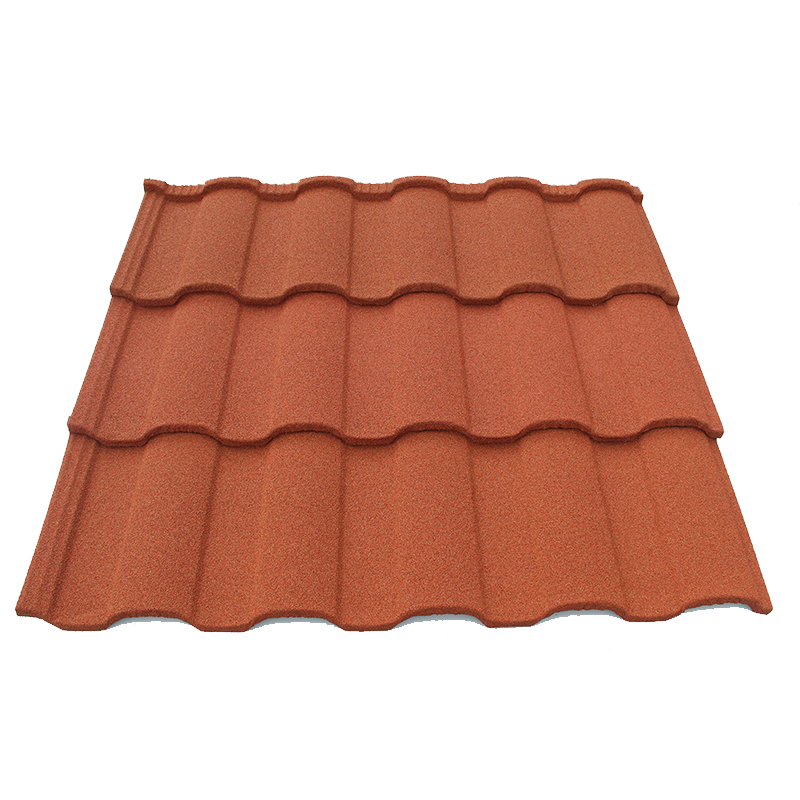
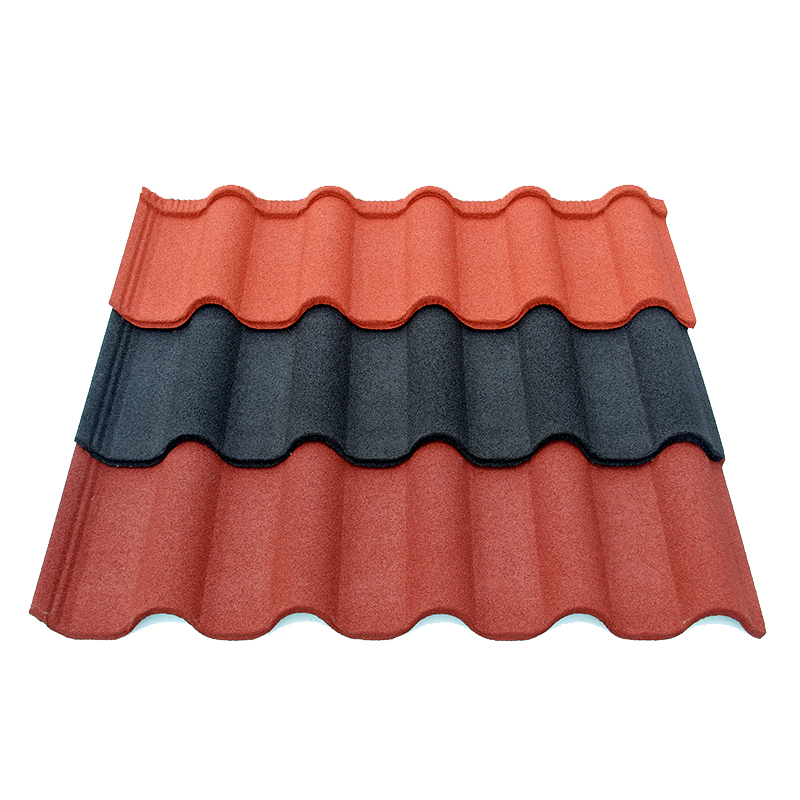
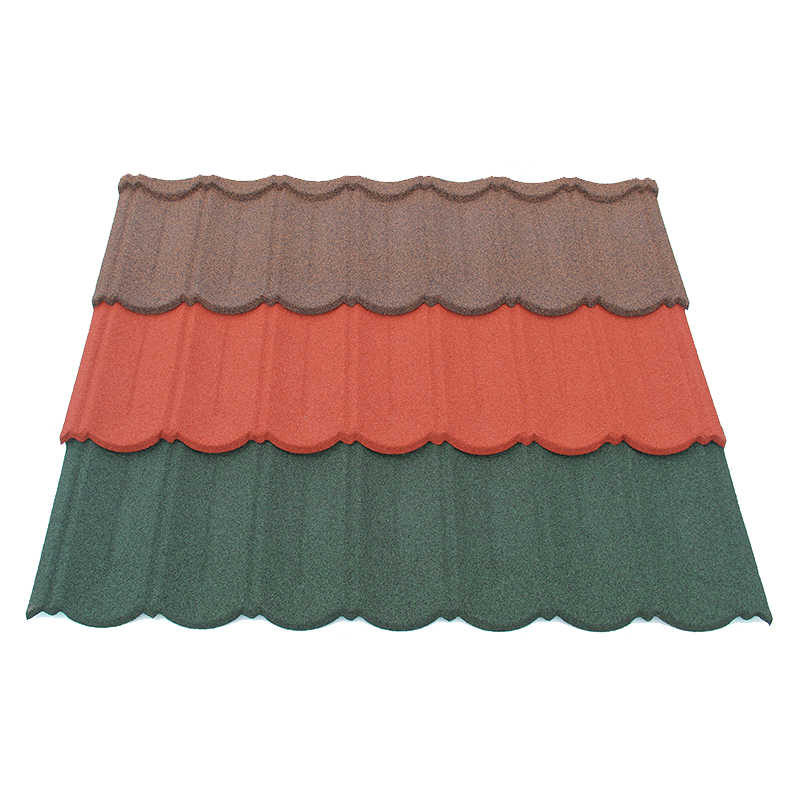
Elite manufacturing facilities apply their certified quality control processes across their entire architectural portfolio. Consequently, developers do not have to compromise on visual design to achieve structural compliance. The sleek, modern Shingle Tile undergoes the exact same rigorous safety testing as the deeply channeled Roman Tile. Furthermore, premium brands like JCROOF ensure that their rustic Shake Tile and classic Mediterranean Milano Tile completely exceed all international regulatory requirements. Therefore, B2B procurement managers deliver stunning, culturally appropriate architecture while maintaining absolute, documented structural security.
| Certification Standard | Primary Testing Focus | Geographic Relevance | Key B2B Procurement Advantage |
|---|---|---|---|
| ISO 9001 | Factory Quality Management | Global Universal Standard | Guarantees batch consistency and traceability. |
| CE Mark | Safety and Environmental Impact | European Economic Area | Validates fire, wind, and non-toxic compliance. |
| SONCAP | Material Structural Integrity | Nigeria and West Africa | Prevents customs delays and blocks counterfeit goods. |