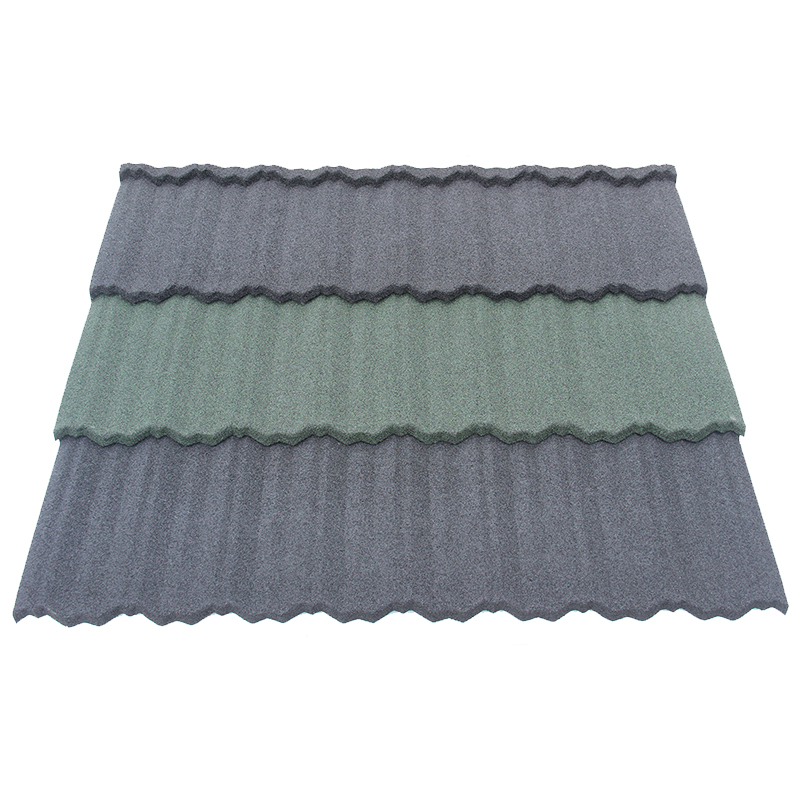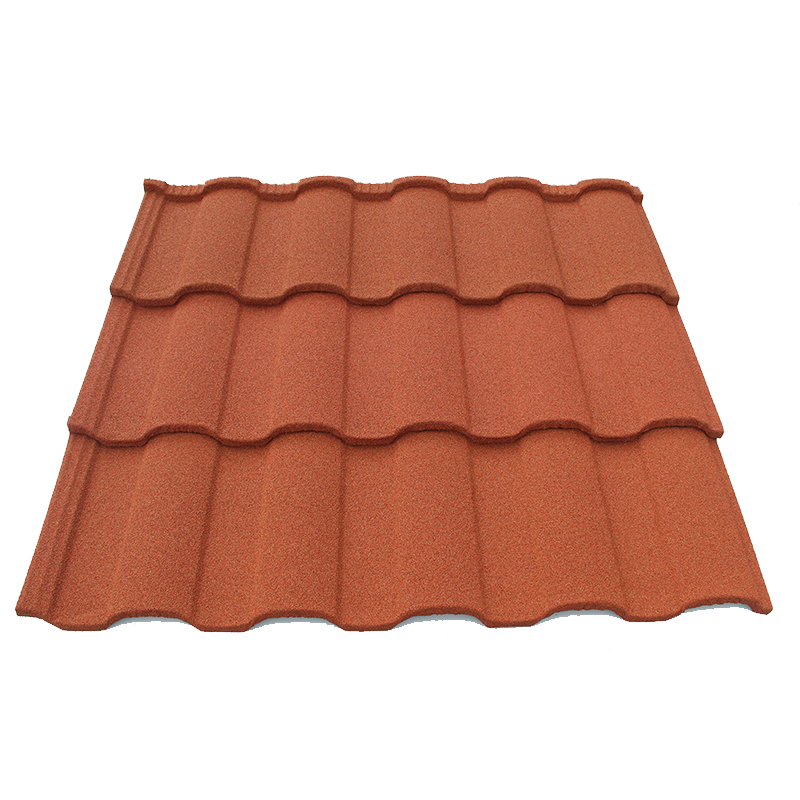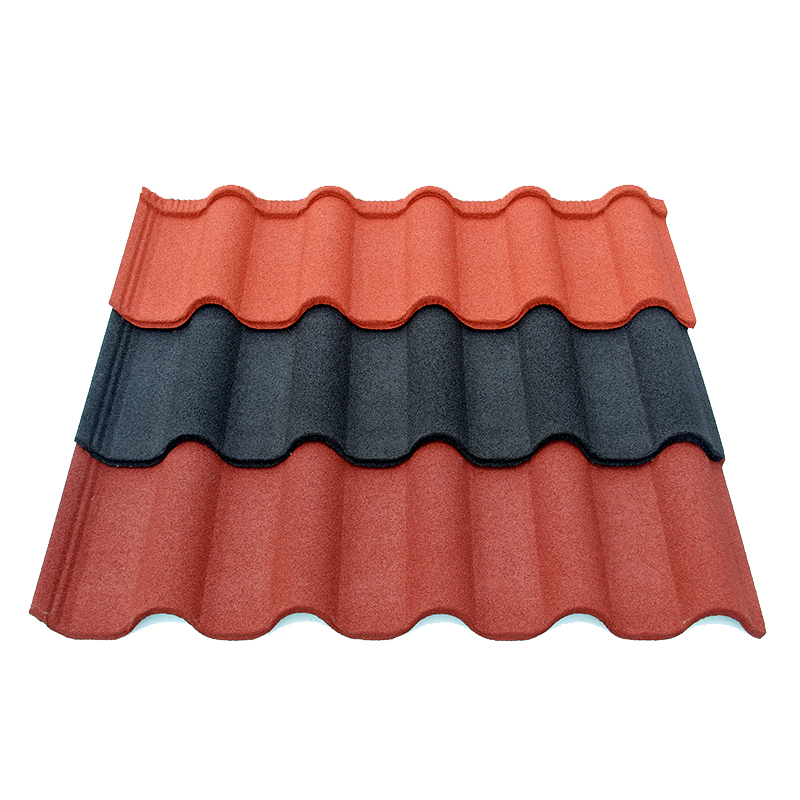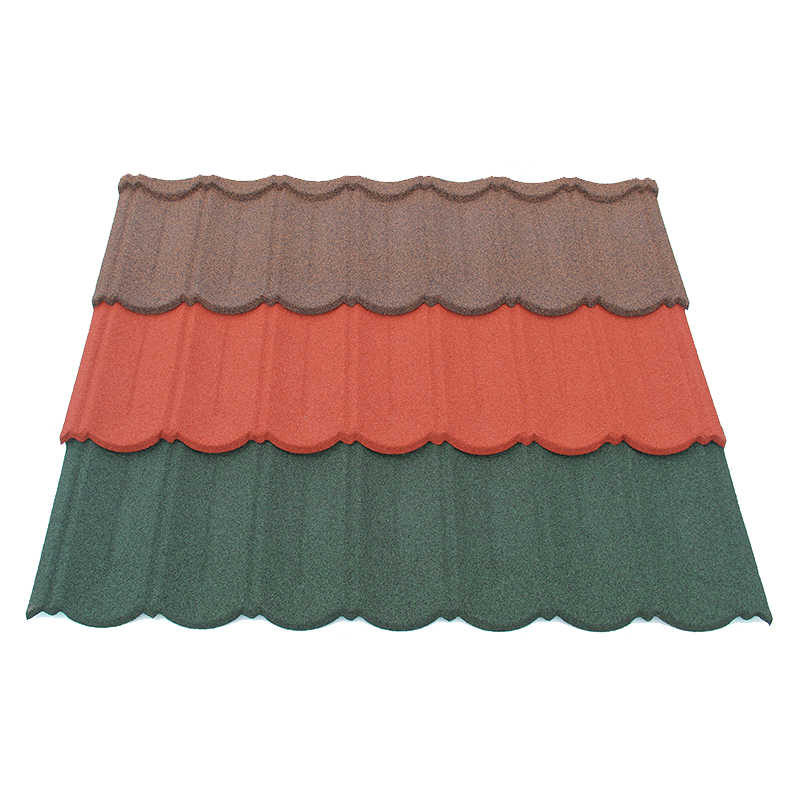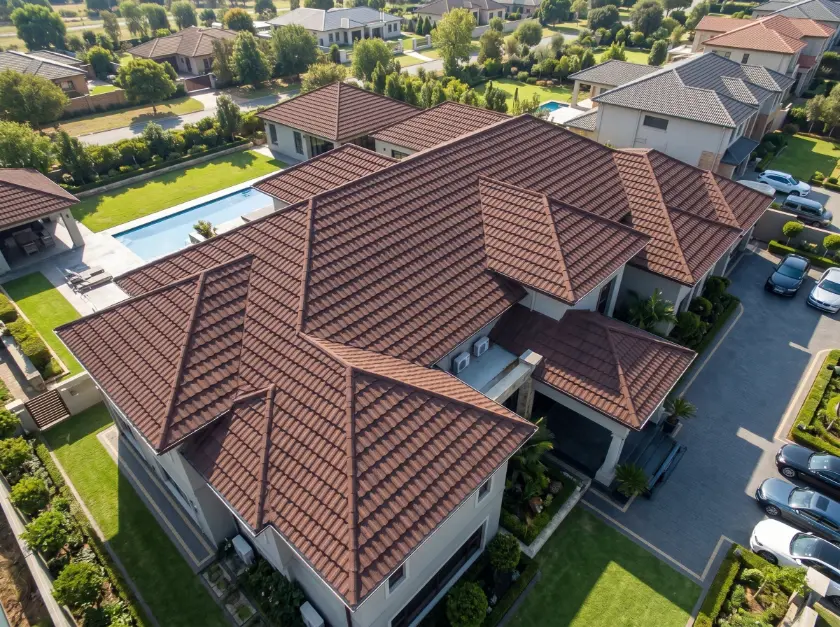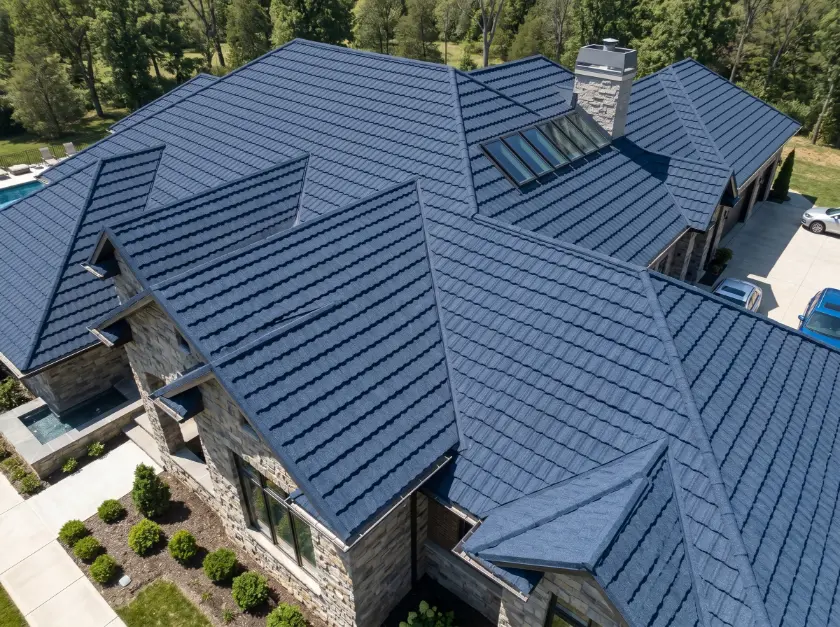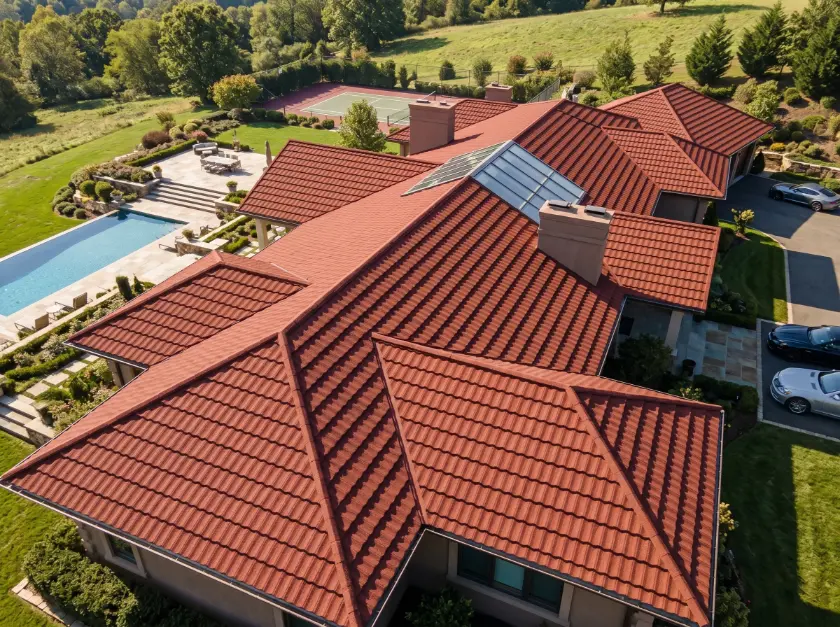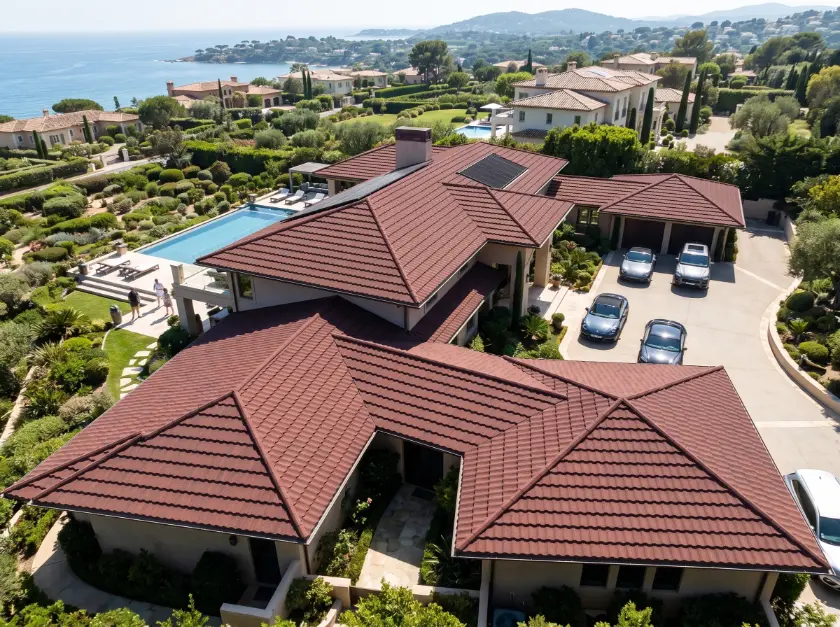

The global commercial construction market is flooded with building materials that look identical on a spreadsheet but perform entirely differently in the field. For B2B procurement managers, identifying cheap imitations of stone coated metal tiles is critical to preventing catastrophic project failures. Low-quality materials often disguise themselves with attractive initial pricing, but they hide severe metallurgical and chemical compromises. This technical guide details how to audit these materials physically and chemically, ensuring developers secure authentic, high-performance roofing systems for their commercial investments.
Analyzing the Steel Substrate
The foundation of any legitimate roofing panel is its metallic core. Cheap imitations utilize thin, low-grade galvanized steel that rusts rapidly upon exposure to coastal air or industrial pollution. Sourcing experts must verify the exact chemical composition of the substrate before approving purchase orders. Authentic, premium panels require AZ150 Aluzinc steel sourced from top-tier mills. This specific aluminum-zinc alloy provides the necessary structural rigidity and superior corrosion resistance required for a long-term commercial lifespan. If a supplier cannot produce documentation verifying an AZ150 Aluzinc core, the product is a substandard imitation.
The Truth About Stone Coating: Sintered vs. Dyed
The exterior visual appeal and protective barrier rely entirely on the mineral coating. The most common shortcut taken by low-end manufacturers is the use of cheap dyed sand. Dyed granules lose their color under ultraviolet radiation within a single summer and wash away during heavy monsoon rains. Legitimate manufacturing requires an absolute refusal to use low-end dyed sand. Instead, authentic products use high-temperature sintered colored sand. The industrial sintering process fires the pigments directly into the volcanic rock at extreme temperatures, making the color permanent and highly resistant to environmental degradation. Procurement officers should request physical samples to ensure the granules are truly sintered.
Adhesive Failures: The Acrylic Resin
The binder holding the protective stone to the steel substrate is the ultimate fail point for cheap imitations. Budget suppliers often use ordinary PE paint as an adhesive to cut manufacturing costs. PE paint becomes incredibly brittle under solar heat, causing massive granule loss and quickly exposing the bare metal to structural rust. Authentic stone coated metal tiles utilize 100% pure acrylic resin glue. This advanced polymer remains highly elastic during extreme thermal expansion and securely anchors the sintered stone. Recognizing the critical chemical difference between ordinary PE paint and 100% pure acrylic resin glue is the most crucial step in vetting a manufacturing partner.
Inspecting Profile Geometry and Structural Details
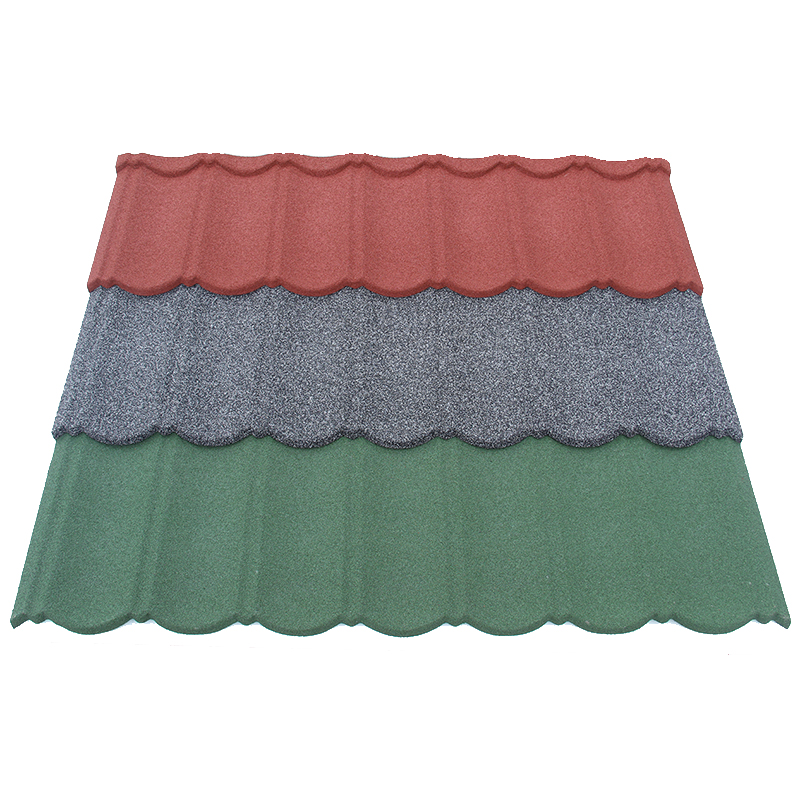
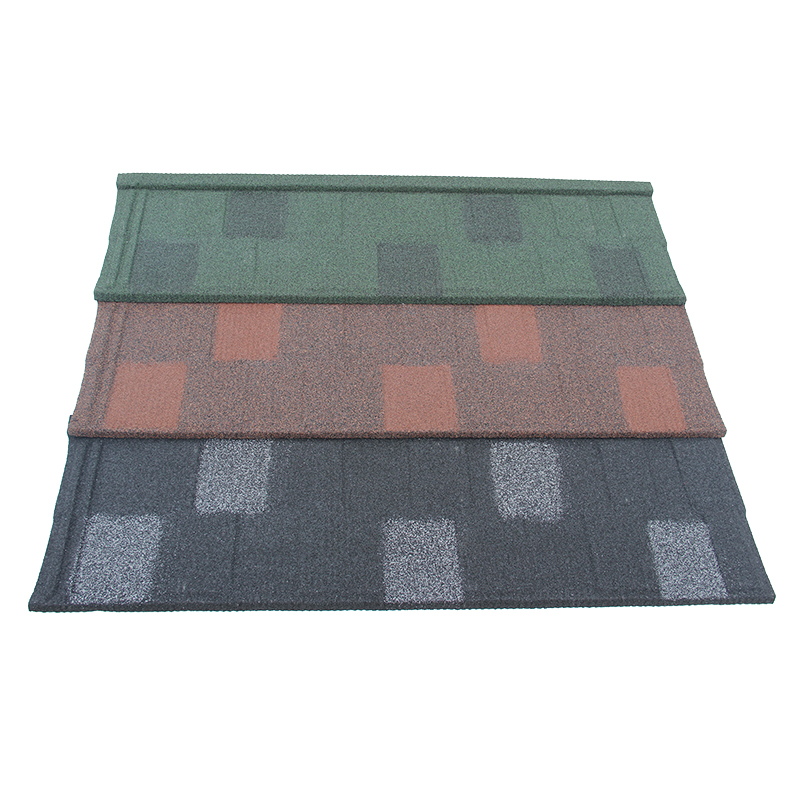
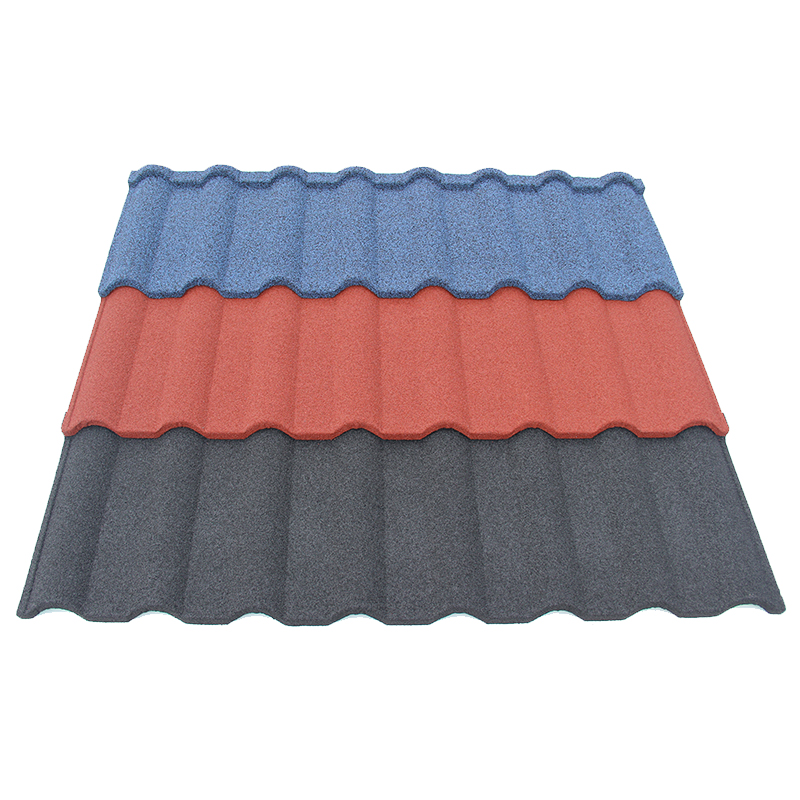
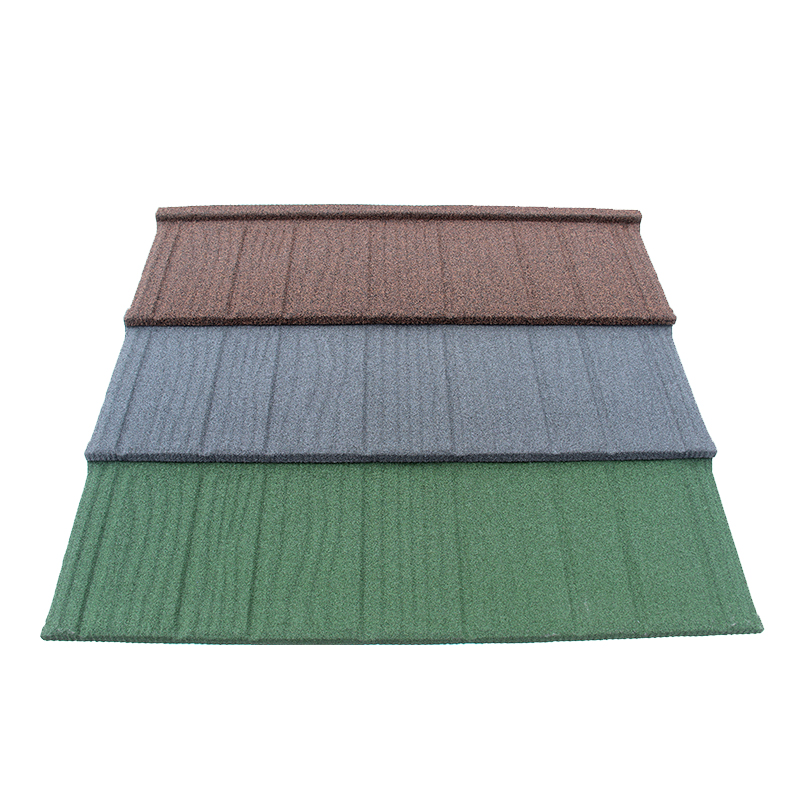
Physical stamping quality reveals the true engineering capacity of a factory. Cheap molds create sloppy, uneven interlocking edges that inevitably leak under wind-driven rain. High-quality production requires precise, heavy-duty hydraulic presses to form complex architectural profiles. For example, a genuine heavy duty Bond Tile is not defined merely by a difference in thickness compared to standard profiles. Its true structural integrity comes from a distinct difference in modeling, specifically featuring a single line groove in the middle of the arc. This specific engineering detail provides massive rigidity across the roof deck. Similarly, a high-quality Shingle Tile requires exact dimensional tolerances because its installation relies on a batten system where the panels interlock perfectly, ensuring that the nails used for installation are not exposed to the elements.
Manufacturing Capacity and Quality Control
Buying from brokers or unregulated trading companies drastically increases the risk of receiving cheap imitations. Securing consistent quality requires partnering directly with a dedicated manufacturing facility. A legitimate industrial operation requires substantial infrastructure, such as a 10,000-square-meter manufacturing area equipped with at least 5 production lines located in recognized hubs like the Linyi Economic and Technological Development Zone. Furthermore, evaluating the operational history of the facility is vital.
Facilities with over 11 years of expertise operating strictly as a factory-direct exporter for B2B global trade possess the refined quality control protocols necessary for massive real estate developments. Elite brands like JCROOF leverage this extensive infrastructure to fully support OEM and ODM specifications. This direct factory oversight guarantees the complete elimination of cheap imitations from your global supply chain, protecting your commercial portfolio from premature degradation and unexpected maintenance liabilities.
| Technical Component | Low-Quality Imitation | Authentic High-Performance Tile |
|---|---|---|
| Steel Substrate | Standard Galvanized Steel | AZ150 Aluzinc Steel from Top-Tier Mills |
| Surface Granules | Low-End Dyed Sand | High-Temperature Sintered Colored Sand |
| Adhesive Binder | Ordinary PE Paint | 100% Pure Acrylic Resin Glue |
| Supplier Profile | Trading Company / Broker | Factory-Direct Exporter with OEM/ODM Support |