
The wholesale building materials market operates on tight margins and strict project schedules. Cash flow is king in this industry. Therefore, supply chain predictability is not just a nice bonus. It is an absolute necessity for survival and growth. One product category where this is particularly evident is stone coated metal roofing tiles. These roofing solutions are highly profitable. They are durable, aesthetically versatile, and increasingly popular among contractors. However, securing a steady supply requires meticulous procurement strategies. Delayed shipments can ruin contractor relationships. They can also tie up your working capital in transit. Consequently, understanding how to secure reliable lead times for stone coated metal roofing tiles is the key to scaling your B2B wholesale operations successfully.
The Core Mechanisms Behind Supply Chain Delays in Roofing Materials
Understanding the root causes of supply chain delays is the first step toward better procurement. Manufacturing roofing materials is a complex industrial process. It involves multiple raw materials and precise staging schedules. Many wholesalers assume delays only happen at the shipping port. In reality, bottlenecks frequently occur much earlier in the production cycle. Factors such as raw material shortages, machine downtime, and poor factory planning contribute heavily. Therefore, B2B buyers must look deeply into their suppliers’ operational frameworks. You need to know exactly how your supplier manages their internal production queues. This knowledge helps you forecast your own inventory accurately.
Raw Material Sourcing Challenges
The production of stone coated metal roofing tiles requires high-quality steel coils. It also needs specific acrylic resins and graded basalt stone chips. If a factory does not maintain adequate safety stock of these raw materials, their production line stops. Consequently, your order gets delayed. Professional suppliers use robust ERP systems to manage raw material inventory. As a buyer, you should ask your supplier about their raw material buffer. A supplier who buys steel on the spot market will always struggle with unpredictable lead times. Conversely, a factory with long-term contracts for steel and stone chips offers much greater stability.
Manufacturing Capacity Constraints
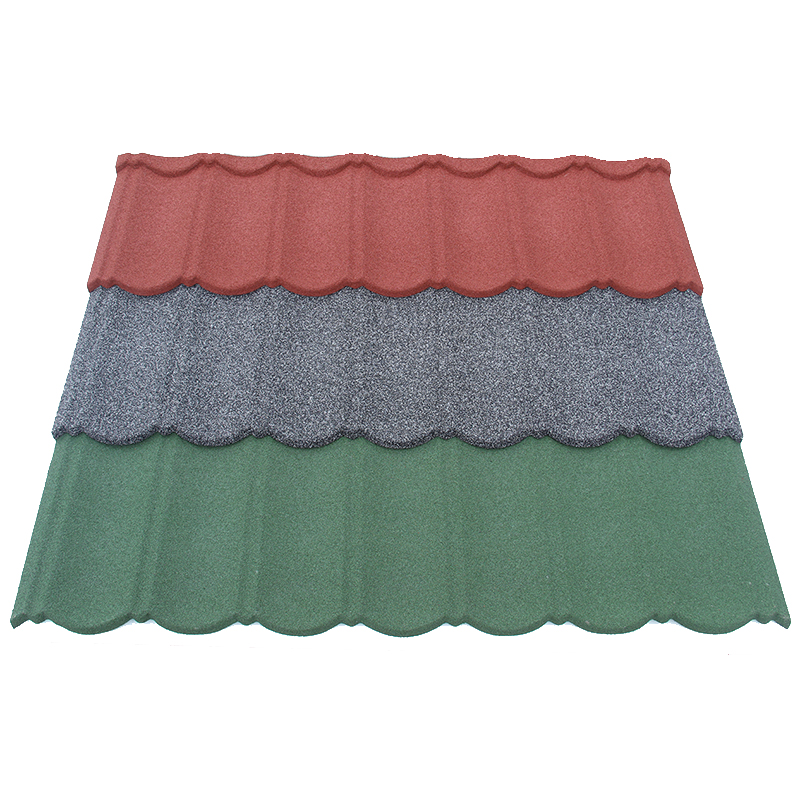
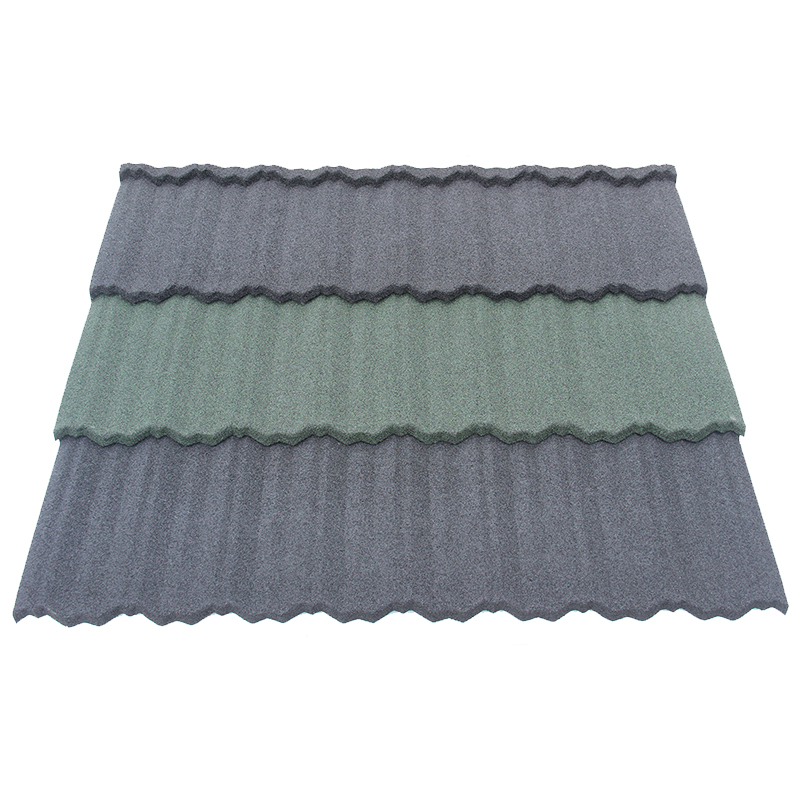
Factory capacity is not infinite. During peak construction seasons, production lines quickly reach maximum output. This is where standardized forecasting becomes crucial. For example, classic profiles are usually manufactured in high continuous volumes. If your order includes a standard Bond Tile, a well-managed factory can often process it faster. This is because the stamping molds for high-demand profiles are frequently active. However, if the factory lacks sufficient production lines, even standard profiles will suffer delays. Therefore, assessing the actual daily output capacity of your supplier is essential for reliable procurement.
Analyzing the Impact of Unpredictable Lead Times on Wholesale Operations
Unpredictable lead times create a ripple effect throughout your entire wholesale business. The financial damage goes far beyond simply waiting longer for a shipment. Delays directly impact your cash conversion cycle. They also inflate your hidden operational costs. Furthermore, erratic deliveries force you to hold excessive buffer stock. This occupies valuable warehouse space and ties up essential capital. Over time, these inefficiencies erode your profit margins significantly. Understanding this financial impact is vital for justifying strategic shifts in your supply chain management.
Inventory Holding Costs vs. Stockouts
Wholesalers constantly balance between holding too much stock and facing stockouts. If lead times are unreliable, you are forced to over-order. This leads to high inventory holding costs. You pay for more warehouse space, insurance, and labor. However, the alternative is even worse. Stockouts mean missed sales. More importantly, they give your competitors a chance to steal your loyal customers. For high-turnover products like stone coated metal roofing tiles, running out of stock is disastrous. Therefore, predictable lead times allow you to practice lean inventory management. You can order just enough to meet demand without hoarding excess materials.
Project Bidding and Contractor Trust
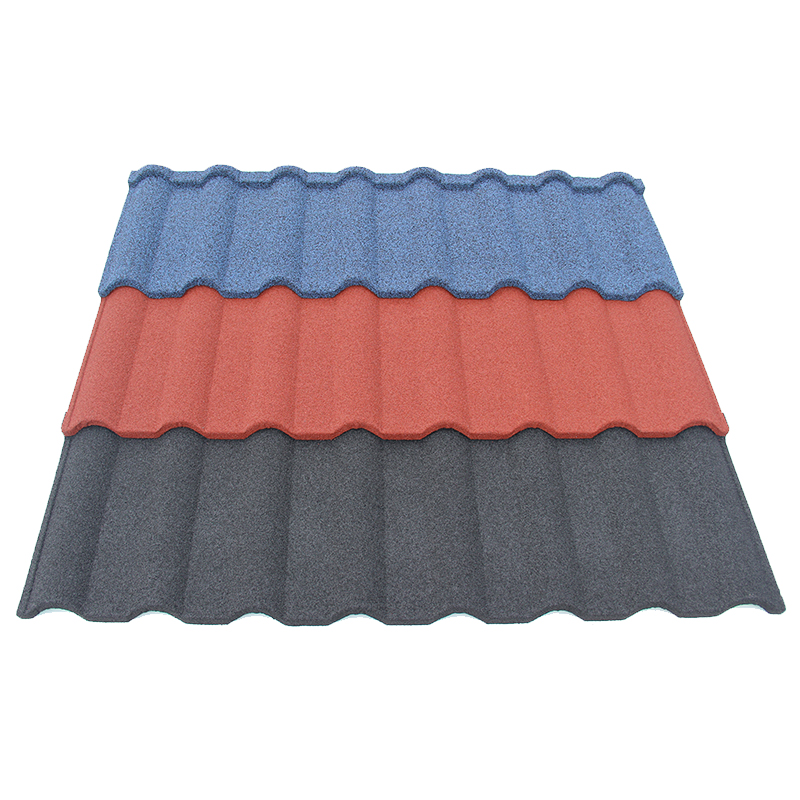
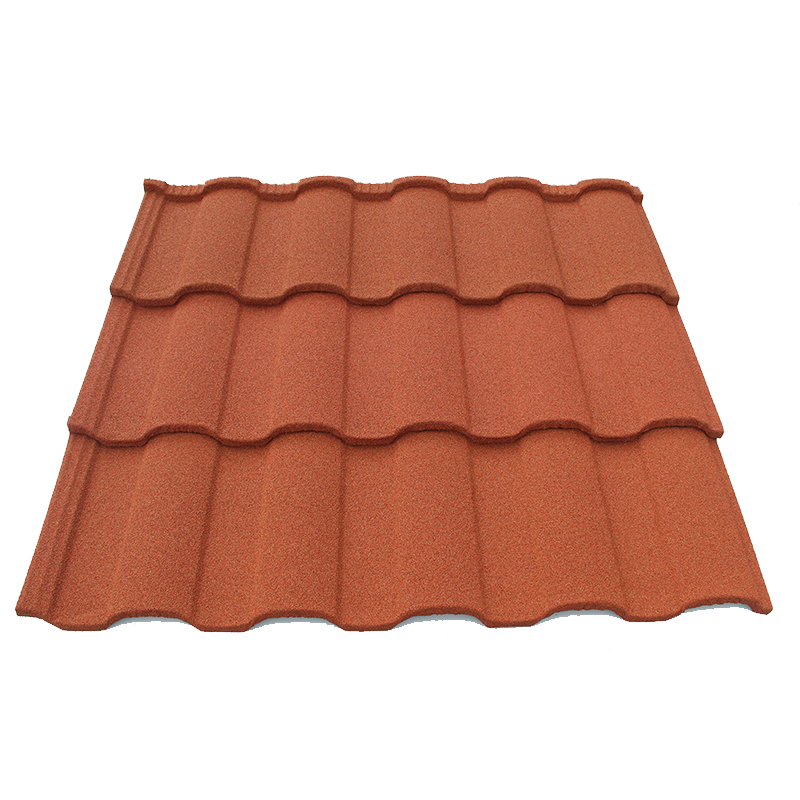
Your primary customers are roofing contractors and builders. These professionals operate on strict project deadlines. They coordinate scaffolding, labor crews, and weather windows. If you promise materials for a specific date and fail, the contractor loses money. For instance, if a builder requires a Mediterranean aesthetic and you cannot deliver the Roman Tile on time, the entire project stalls. The contractor will likely never buy from you again. Trust is the most valuable currency in B2B wholesale. Reliable supply chains protect your reputation. Ultimately, this reliability becomes your strongest competitive advantage in the market.
Strategic Supplier Selection and Inventory Management Strategies
Selecting the right manufacturing partner is the most critical decision for your supply chain. You are not just buying a product; you are integrating a partner into your business model. Price is important, but reliability often yields better long-term profitability. Therefore, your supplier evaluation process must be rigorous. You should look for transparency, clear communication, and proven track records. Partnering with a reliable manufacturer allows you to optimize your safety stock levels. It also helps you streamline your container loading strategies. Ultimately, a strong partnership turns procurement from a daily headache into a strategic asset.
Evaluating Supplier Capacity and Redundancy
When auditing potential suppliers, you must look beyond their marketing materials. Request detailed information about their quality control processes and production line redundancy. What happens if a stamping machine breaks down? Do they have backup lines? A professional supplier will have clear contingency plans. For example, partnering with an established brand like JCROOF ensures you are working with a manufacturer that prioritizes supply chain transparency. They understand that B2B wholesalers require consistent lead times to thrive. Therefore, they optimize their production schedules to prevent bottlenecks before they occur.
Optimizing Safety Stock and Container Utilization
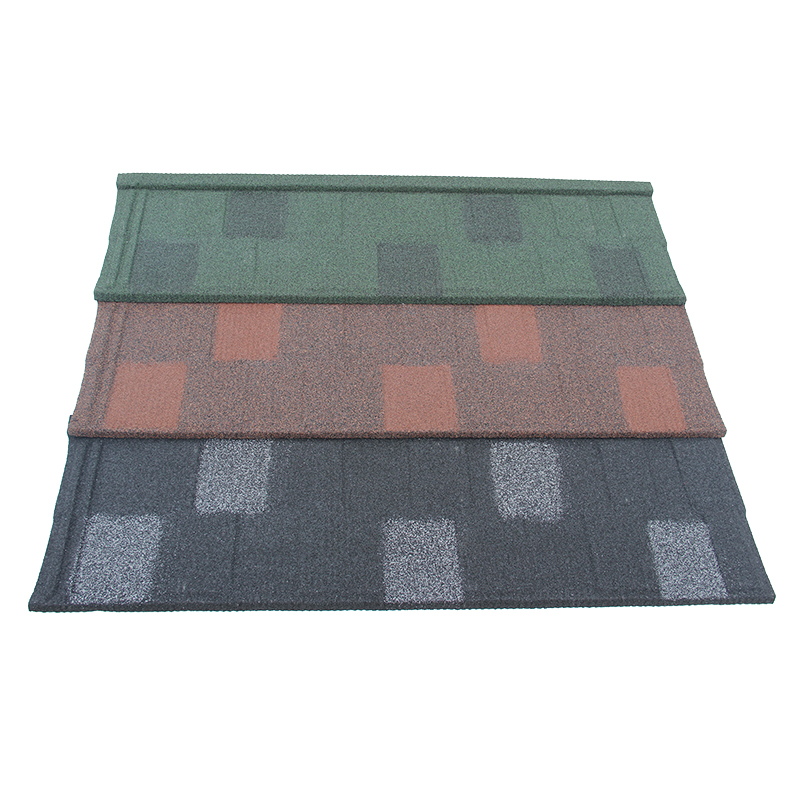
Smart inventory management relies on data, not guesswork. You should calculate your safety stock based on average demand and standard deviation of lead times. Furthermore, optimizing container space is crucial for reducing landed costs. Stone coated metal roofing tiles are generally lighter than traditional clay. This allows for better container utilization. For example, flat-profile products like the Shingle Tile can be stacked very efficiently. This efficiency maximizes the square footage you can fit into a 20ft container. Consequently, you reduce your per-unit freight cost and improve your overall pricing competitiveness.
Real-World Applications: Matching Roofing Profiles to Predictable Logistics
Not all roofing profiles behave the same way in the supply chain. Different styles have different demand curves, production times, and seasonal spikes. Therefore, a smart wholesaler must build a strategic product matrix. You cannot treat every SKU equally when placing factory orders. Understanding the market dynamics of each profile helps you plan your logistics. By matching your order cycles to specific product behaviors, you minimize lead time risks. This strategic approach ensures you always have the right materials on hand when contractors need them.
Balancing High-Volume vs. Niche Profiles
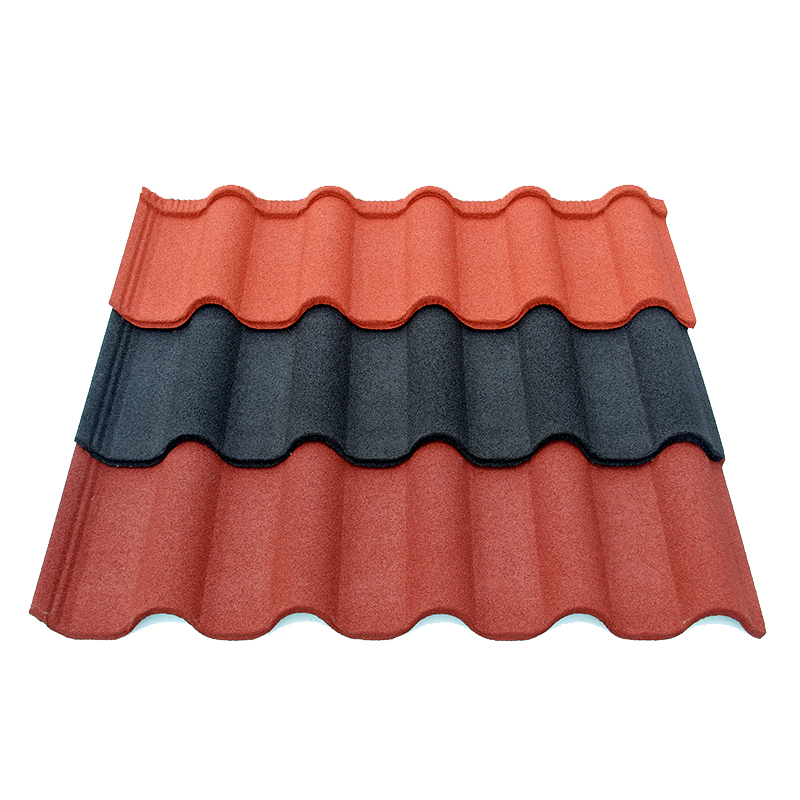
Your inventory should be divided into core high-volume products and niche offerings. Core products require continuous replenishment cycles. Niche products require targeted, project-based procurement. For instance, the sleek, modern aesthetic of a Milano Tile might be extremely popular in specific upscale neighborhoods. If you know this is a regional trend, you should negotiate a rolling forecast with your factory. This means committing to a certain volume over six months. The factory can then pre-order the raw materials. As a result, your lead time for these high-demand items drops significantly.
Seasonal Demand Forecasting
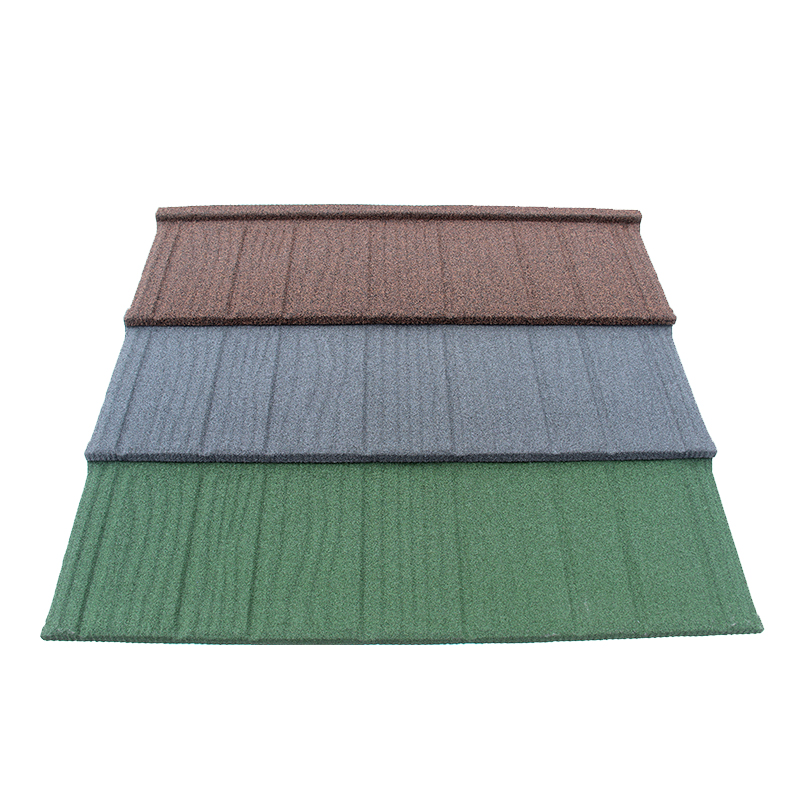
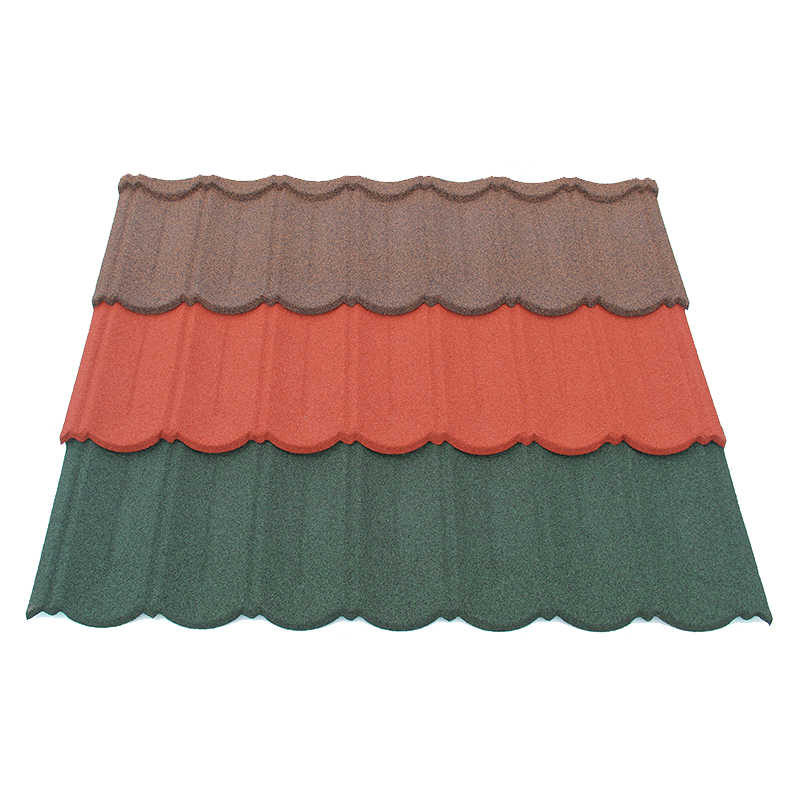
Building materials wholesale is highly seasonal. Spring and summer are peak roofing seasons in many regions. Additionally, post-storm recovery periods generate massive sudden demand. You must forecast these events months in advance. For example, regions prone to severe weather often see high demand for rugged, wood-look profiles. Contractors prefer products like the Shake Tile because they offer traditional aesthetics combined with superior wind resistance. If you wait until storm season begins to place your order, you will face severe factory delays. Proactive seasonal forecasting is non-negotiable for reliable supply.
Common Procurement Mistakes and How to Avoid Them
Even experienced B2B buyers can fall into procurement traps. In the rush to secure inventory, teams often overlook critical logistical details. They focus solely on factory completion dates and ignore transit variables. Furthermore, buyers sometimes pressure factories to speed up production unnaturally. This always leads to negative consequences. Recognizing these common mistakes allows you to build stronger, more resilient purchasing protocols. It ensures your operations remain smooth, regardless of external market pressures. Here, we analyze the most frequent errors and provide actionable solutions.
Overlooking Transit Time Variables
A common error is confusing factory production time with total lead time. Your supplier might finish producing your stone coated metal roofing tiles in 15 days. However, this does not mean the goods will arrive at your warehouse quickly. You must account for vessel booking delays. You must also calculate potential customs holds and port congestion. For example, during peak shipping seasons, securing a container can add two weeks to your timeline. Therefore, always track total landed lead times. Use historical shipping data to build realistic delivery buffers into your ERP system.
Ignoring Quality Assurance in Expedited Orders
When stock is low, wholesalers often beg factories to rush orders. This is a massive mistake. Accelerating the manufacturing process often compromises quality control. The adhesive resin on stone coated metal roofing tiles requires specific baking times. If a factory rushes the curing oven process, the stone chips will shed prematurely. Consequently, you will face massive warranty claims from angry contractors. Never sacrifice quality for speed. Instead, focus on proactive planning. Maintain proper safety stocks so you never have to force a factory to cut corners on production.
Key Procurement Takeaways for Wholesalers
- Map the Entire Supply Chain: Track time from raw material sourcing to final warehouse delivery.
- Segment Your Inventory: Treat high-volume profiles differently than niche architectural styles.
- Optimize Freight: Maximize container space with stackable profiles to lower unit costs.
- Forecast Seasonality: Place bulk orders 90-120 days ahead of peak roofing seasons.
- Prioritize QA: Never rush manufacturing processes that affect product durability.
Comparison: Reactive vs. Proactive Procurement Models
| Procurement Strategy | Inventory Levels | Lead Time Predictability | Impact on Cash Flow | Contractor Trust |
|---|---|---|---|---|
| Reactive Model | High risk of stockouts | Highly unpredictable | Capital tied up in emergency freight | Low (Missed deadlines) |
| Proactive Model | Optimized safety stock | Stable and forecasted | Steady, predictable outgoing capital | High (Reliable partner) |
In conclusion, scaling a wholesale building materials business requires a disciplined approach to supply chain management. Stone coated metal roofing tiles offer excellent margins and strong market demand. However, their profitability is directly tied to your ability to manage lead times effectively. By understanding factory mechanisms, forecasting demand accurately, and choosing the right manufacturing partners, you can eliminate stockouts. Furthermore, you will protect your cash flow and build unbreakable trust with your contractor clients. Adopt these proactive strategies today to secure your position as a leading building materials distributor in your region.