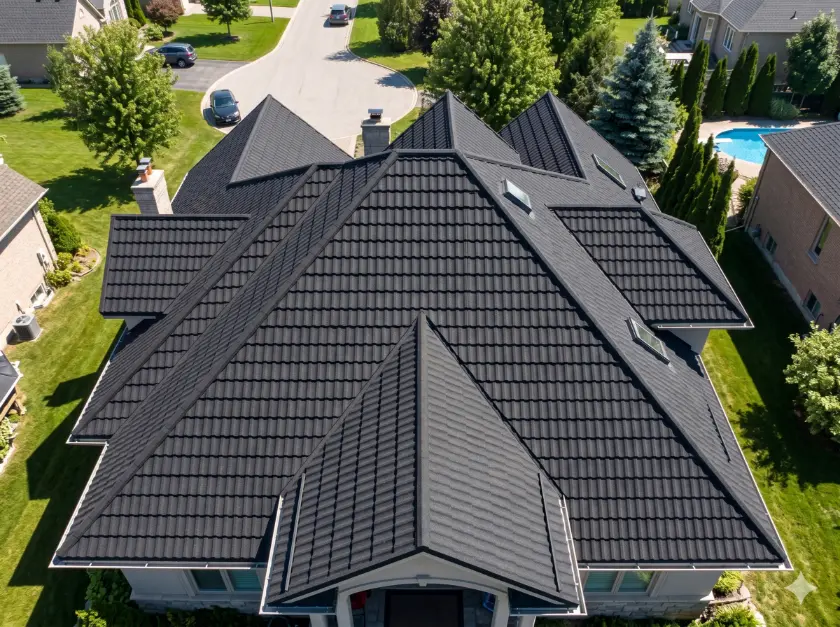

The global building materials industry faces a growing, silent threat today. Counterfeit products are infiltrating legitimate wholesale supply chains aggressively. Consequently, wholesale distributors are experiencing severe and unexpected financial losses. Fake materials compromise structural safety immediately. Furthermore, they ruin established brand reputations within local construction communities. Specifically, high-demand building products like stone coated metal roofing tiles are prime targets. These premium products command excellent market margins. Therefore, illicit manufacturers try to replicate them using incredibly cheap materials. B2B buyers must implement strict verification protocols immediately to survive. Otherwise, they risk purchasing completely substandard warehouse inventory. This comprehensive article explores how modern anti-counterfeit technology secures your procurement process. Furthermore, we will critically analyze the long-term financial benefits of guaranteed authenticity. Ultimately, protecting your roofing supply chain is absolutely essential for sustained profitability.
The Financial Threat of Counterfeit Building Materials in the Supply Chain
Counterfeit materials destroy profit margins rapidly and unexpectedly. Wholesale distributors frequently discover these fakes entirely too late. Installers mount the defective products on massive residential or commercial projects. Soon after, the roofing system fails catastrophically under normal weather stress. Consequently, the distributor faces massive warranty claims and immediate legal liabilities. Furthermore, resolving these complex claims drains essential working capital incredibly quickly. Beyond the direct financial loss, the damage to your contractor relationships is permanent. Therefore, understanding the true scale of this threat is absolutely vital. Procurement teams must actively guard against these sophisticated supply chain infiltrations daily. Securing your supply chain stops financial hemorrhaging before it even begins.
Hidden Costs of Substandard Steel Substrates
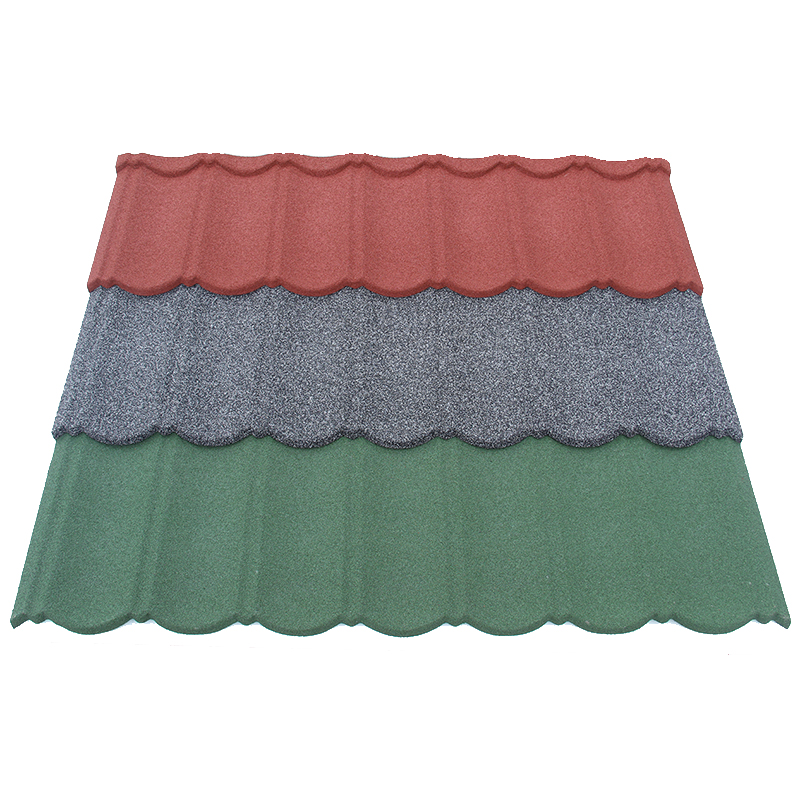
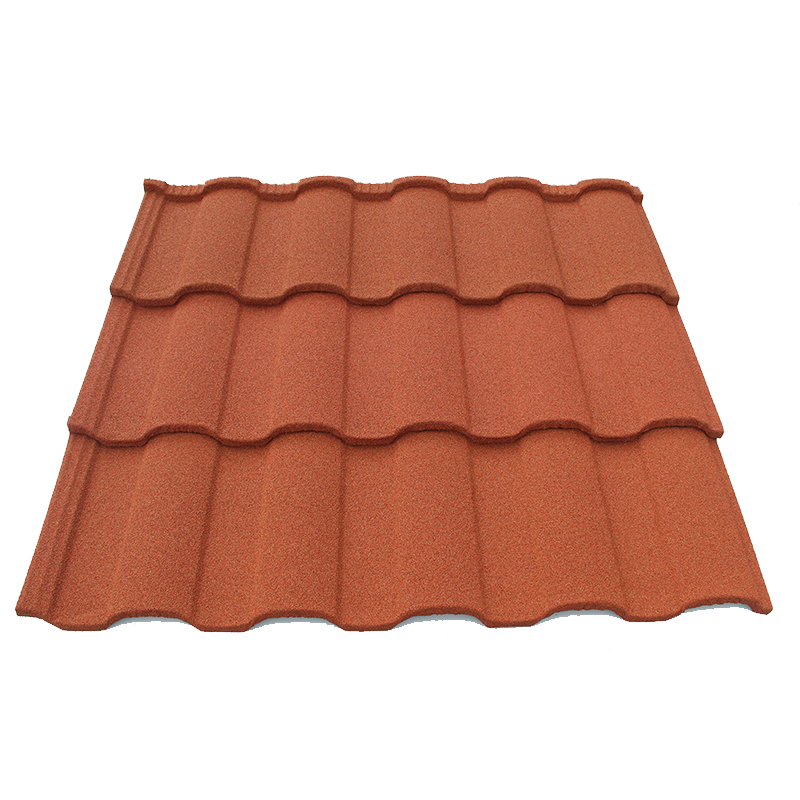
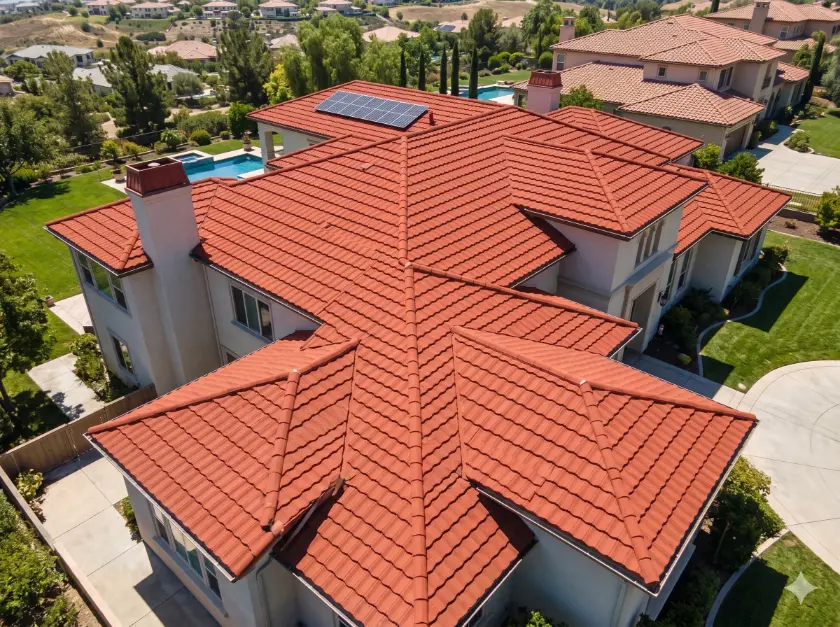
Fake roofing materials usually feature highly inferior steel cores. Authentic products utilize high-grade Galvalume steel for superior rust resistance. This specialized alloy provides decades of reliable structural protection. Conversely, counterfeiters use extremely low-grade, recycled steel to cut initial costs. Therefore, these fake panels corrode rapidly in coastal or humid environments. For example, if a contractor unwittingly installs a fake Roman Tile, the prominent aesthetic curves will rust quickly. The high-profile architectural design exposes the weak steel to maximum moisture continuously. Consequently, the homeowner will demand a full, expensive roof replacement immediately. The wholesale supplier usually bears this crushing financial burden completely. Thus, verifying steel quality is your primary financial defense.
Contractor Trust and Rapid Market Share Erosion
Your B2B wholesale business thrives entirely on established contractor trust. Professional roofing crews rely heavily on your warehouse for consistent, high-quality materials. If you unknowingly sell them counterfeit inventory, their lucrative projects will fail. Consequently, they will lose massive amounts of money on wasted labor and structural callbacks. They will simply never purchase materials from your company again. Moreover, bad news travels incredibly fast in local construction communities. Your carefully built market share will evaporate almost overnight. Therefore, implementing stringent authenticity checks is a completely non-negotiable business practice. It is a fundamental, core strategy for retaining your most valuable, high-volume clients. Trust is the hardest asset to build and the easiest to lose.
Dissecting the Anatomy of Authentic Metal Roofing Manufacturing
Distinguishing genuine products from fakes requires deep technical knowledge. Visual warehouse inspections alone are no longer sufficient for professional procurement managers. Counterfeiters have become incredibly adept at mimicking basic exterior product aesthetics. However, they absolutely cannot replicate the internal structural integrity of premium tiles. Therefore, wholesale buyers must carefully understand the exact material layers involved. Authentic manufacturing involves precise chemical bonding and heavy, calibrated industrial stamping. Furthermore, standardized factory quality control leaves specific, verifiable physical markers on the product. Understanding these unique manufacturing markers serves as your absolute first line of defense. Knowledge is power in modern B2B procurement.
Advanced Adhesive Binders and Superior Stone Retention
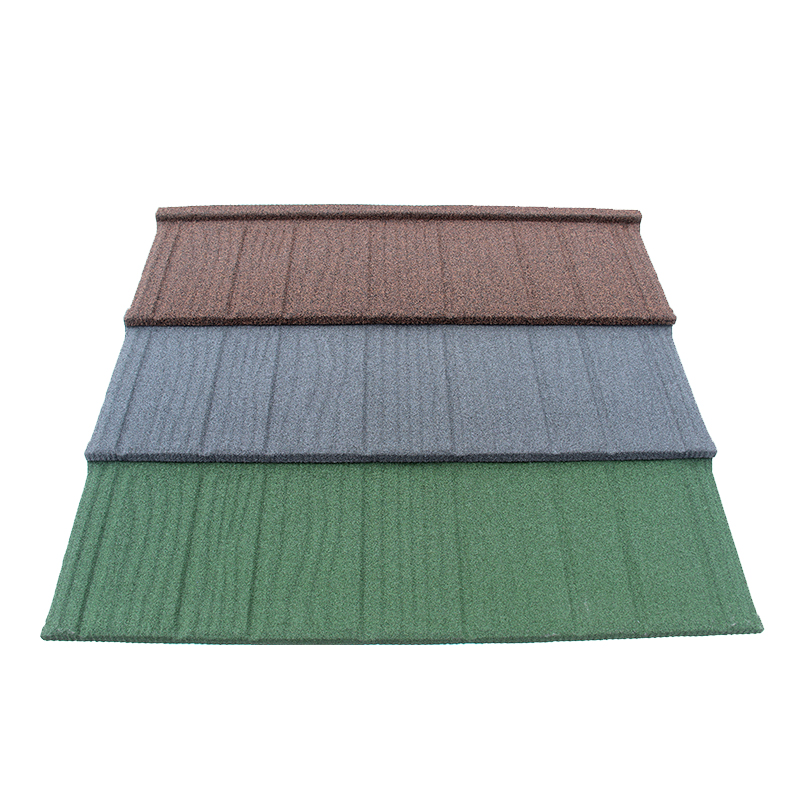
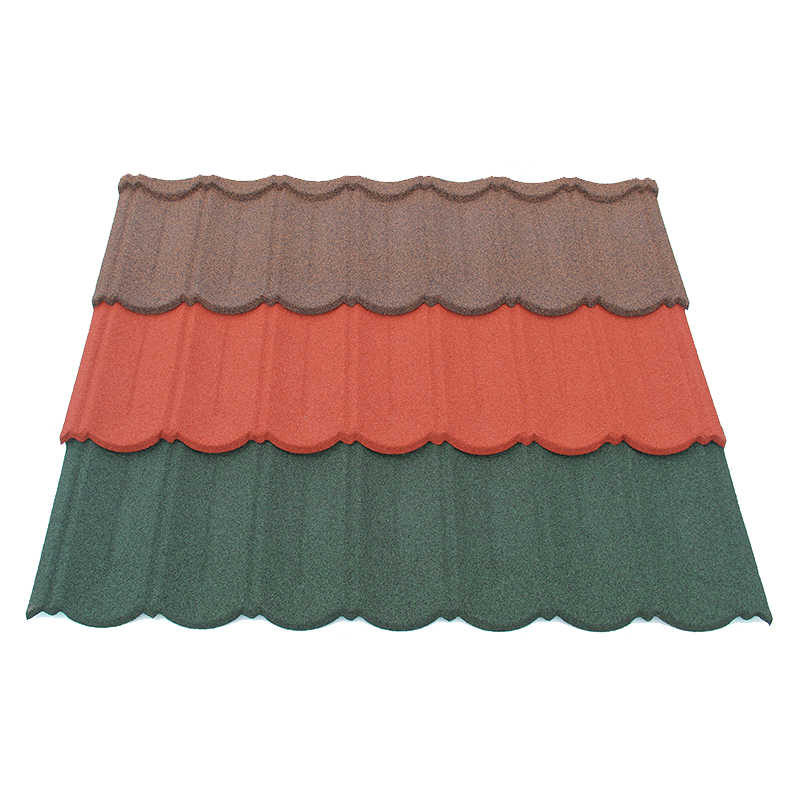
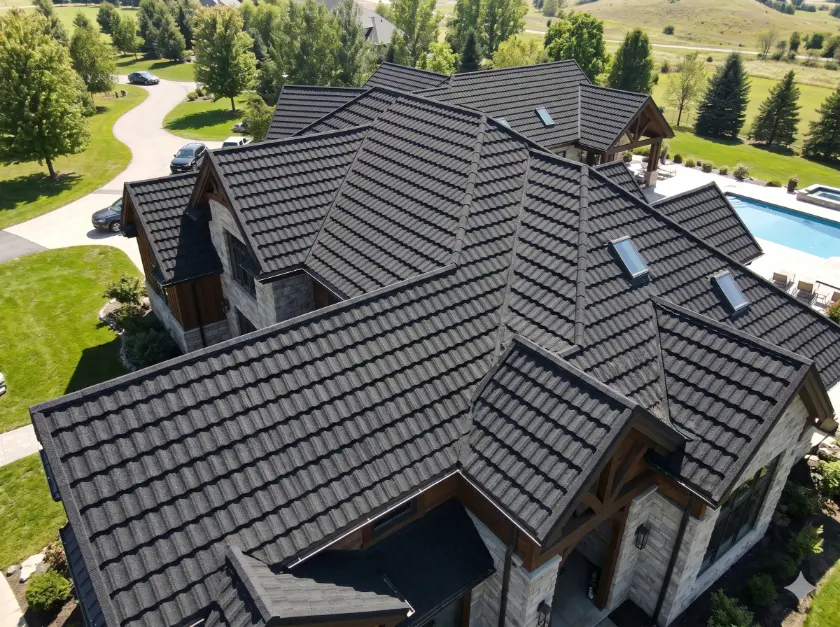
The specialized adhesive layer is extremely critical for long-term weather durability. Genuine manufacturers use proprietary, highly flexible premium acrylic resins. This specific basecoat secures the ceramic-coated stone chips during extreme weather events. Conversely, counterfeiters use cheap, brittle chemical glues that degrade rapidly under UV light. Consequently, the fake tiles suffer from massive, unsightly granule loss within mere months. When dealing with a heavily textured product like the Shake Tile, structural granule retention is absolutely paramount. The rugged, wood-grain aesthetic relies entirely on consistent, unbroken stone coverage. If the fake chips wash away during a storm, the roof looks terrible instantly. Therefore, evaluating resin flexibility prevents massive aesthetic failures.
Dimensional Tolerances and Absolute Fitment Precision
Authentic industrial manufacturing relies on perfectly calibrated, expensive stamping machines. These massive machines ensure every single panel possesses exactly identical dimensions. This precise engineering allows the roofing panels to interlock seamlessly on the job site. Counterfeit factories typically use worn-out, cheap, and uncalibrated tooling equipment. Therefore, their finished panels exhibit microscopic, unpredictable variations in size and shape. During the actual installation, these fake tiles simply do not align properly. The roofing crew must force them together violently, creating highly vulnerable structural gaps. Ultimately, these hidden gaps invite dangerous wind uplift and catastrophic water intrusion. Precision engineering is never accidental; it requires massive capital investment.
Implementing Modern Traceability and Anti-Counterfeit Technologies
Securing your valuable inventory requires modern, highly technology-driven solutions. Relying strictly on paper invoices and vague factory promises is extremely dangerous today. The global supply chain is complex, involving multiple brokers, ports, and shipping lines. Therefore, you desperately need verifiable data points at every single logistical step. Leading global manufacturers are now embedding advanced tracking features directly into their products. These smart technologies allow wholesale buyers to authenticate shipments instantly upon warehouse arrival. Furthermore, they provide a crystal-clear chain of custody straight from the factory floor. Let us critically examine the most effective anti-counterfeit systems available in the market today.
Laser Etching and Hidden Micro-Printing Signatures
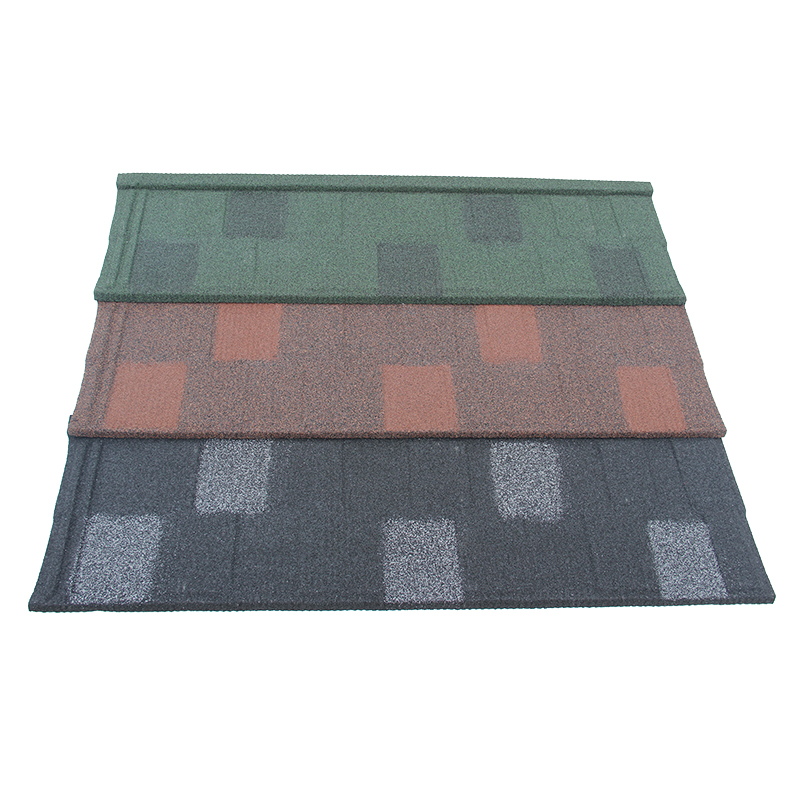
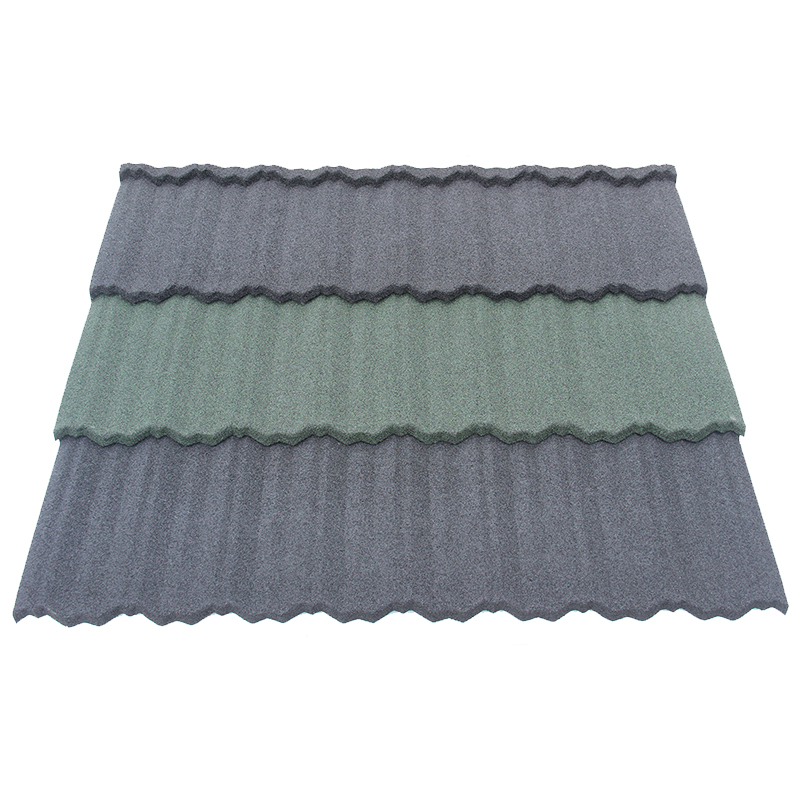
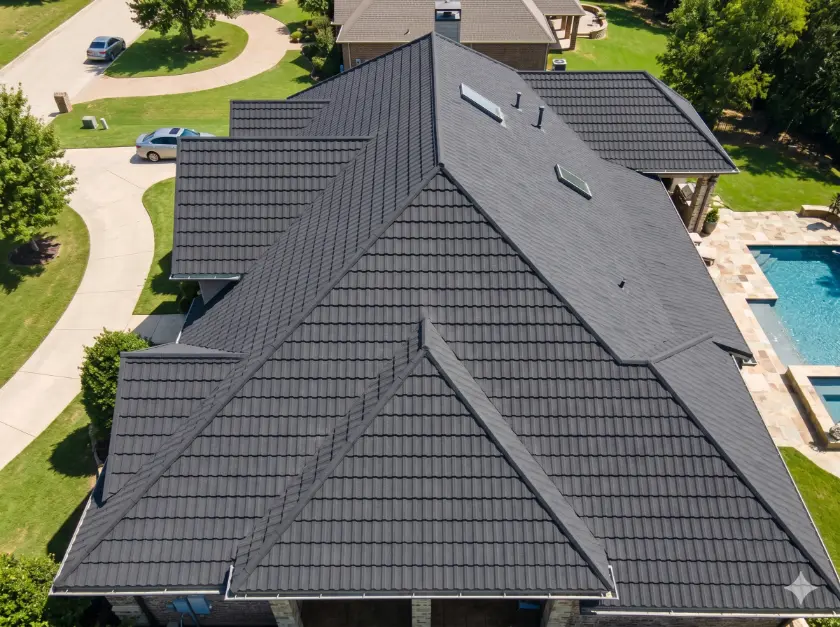
Many premium roofing manufacturers now utilize highly sophisticated laser etching technology. They permanently engrave unique, traceable serial numbers directly onto the steel substrate. This precise etching is usually located securely on the overlapping edge of the panel. Therefore, it remains completely hidden after installation but easily visible during warehouse inspection. Counterfeiters simply rarely invest in this prohibitively expensive laser equipment. For instance, authenticating a sleek, modern Shingle Tile is incredibly easy with a hidden serial code. You can cross-reference this specific code with the official factory database instantly. Consequently, you practically guarantee the absolute authenticity of your inventory before it ever leaves your loading dock. This prevents fake goods from reaching the end consumer.
Digital Ledgers and Blockchain-Backed Supply Chain Documentation
Advanced digital ledgers are rapidly revolutionizing global B2B procurement processes everywhere. Blockchain technology creates an absolutely immutable, unchangeable record of every single transaction. When a certified factory produces a batch of stone coated metal roofing tiles, they log it digitally. Every time the shipping container changes hands, the secure digital ledger updates automatically. Therefore, corrupt regional brokers cannot secretly swap genuine products for fakes during ocean transit. This totally transparent chain of custody protects your massive financial investment perfectly. It absolutely ensures the premium materials you explicitly ordered are the exact materials you receive. Consequently, your overall corporate financial risk drops incredibly significantly. Technology eliminates the dangerous guesswork from international shipping.
- Digital Verification: Always scan QR codes or barcodes on incoming shipping pallets.
- Database Cross-Checking: Match physical serial numbers with digital factory manifests.
- Transit Audits: Request GPS and container seal logs from your freight forwarder.
- Chemical Analysis: Demand third-party lab reports for every specific production batch.
Strategic Procurement: Protecting Your Brand Reputation and Revenue
Technology alone absolutely cannot protect your wholesale business completely. You must intelligently combine these tools with highly strategic, rigorous procurement practices. Partnering with the absolute right manufacturing facility is your most critical business decision. A reliable, transparent supplier acts as your true partner in long-term profit protection. Furthermore, they will actively assist you in verifying product authenticity locally. Therefore, your internal vetting process for any new suppliers must be exceptionally rigorous. Do not chase the deceptively lowest market price blindly. Instead, strictly prioritize factories that consistently offer total transparency and robust technological integration. Strategic sourcing builds an impenetrable fortress around your revenue.
Direct Manufacturer Partnerships and Eliminating Intermediaries
Purchasing building materials through unknown third-party trading companies is incredibly risky. These shadowy brokers often deliberately mix counterfeit goods with authentic products to increase their margins. Therefore, establishing direct, transparent relationships with the primary manufacturer is absolutely essential. Working directly with a highly reputable brand like JCROOF eliminates the dangerous middleman entirely. This direct, open connection ensures absolute, uncompromising control over your product quality. Furthermore, professional manufacturers actively welcome factory audits and detailed technical inspections. They provide comprehensive independent testing data and compliance certificates very willingly. Consequently, you can confidently guarantee the exact quality of your materials to your loyal contractors. Direct communication prevents supply chain contamination.
Analyzing Regional Demand and Targeted Product Authentication
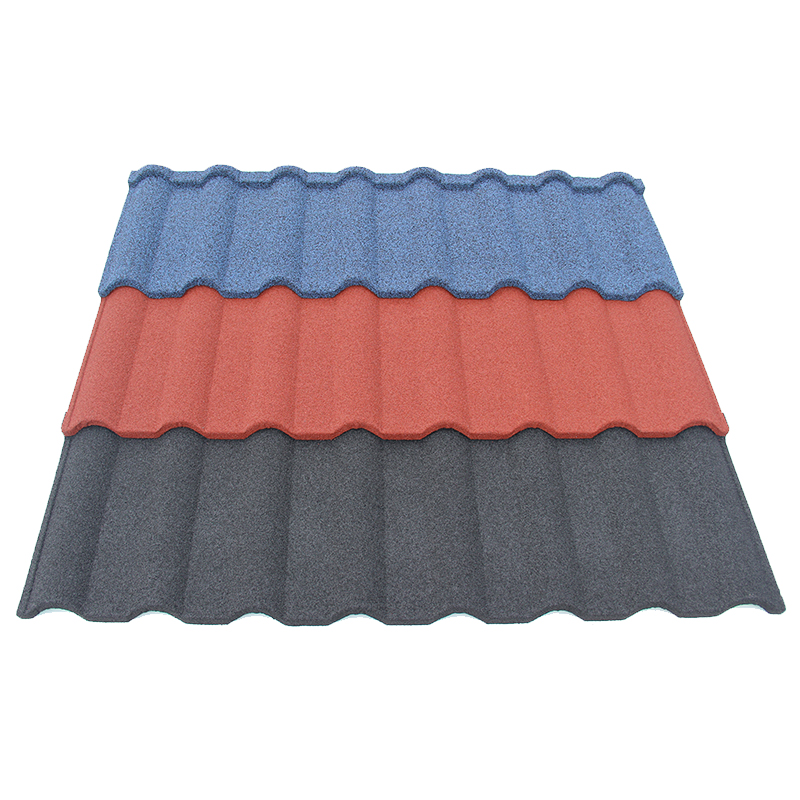
Different structural roofing profiles dominate specific regional architectural markets entirely. Understanding these local trends helps you closely monitor your inventory for highly suspicious anomalies. If an unknown supplier suddenly offers unusually cheap prices on high-demand items, be extremely cautious. For example, the elegant, Mediterranean-inspired Milano Tile is incredibly popular in upscale, wealthy developments. Counterfeiters specifically target these fast-moving, highly profitable profiles aggressively. Therefore, you must rigorously apply your absolute strictest verification protocols to your best-selling items. Always demand detailed chemical composition reports for every single incoming shipment. Thus, you actively prevent fake products from infiltrating your most profitable, sensitive product lines. Vigilance secures your best revenue streams.
Common Pitfalls in Supply Chain Verification and How to Avoid Them
Even highly experienced procurement managers occasionally make critical verification errors. The intense daily rush to fulfill massive commercial orders often leads to dangerously skipped steps. Furthermore, busy buyers sometimes accidentally accept fraudulent testing certificates without proper, thorough validation. Recognizing these common, expensive pitfalls is absolutely vital for strengthening your defensive supply chain strategies. Supply chain security constantly requires total vigilance and continuous procedural improvement. Therefore, you must actively train your warehouse receiving teams to spot physical inconsistencies immediately. By aggressively addressing these specific errors proactively, you safeguard your entire business against massive potential losses. Training is the ultimate anti-counterfeit weapon.
Accepting Unverified Third-Party Testing Reports Blindly
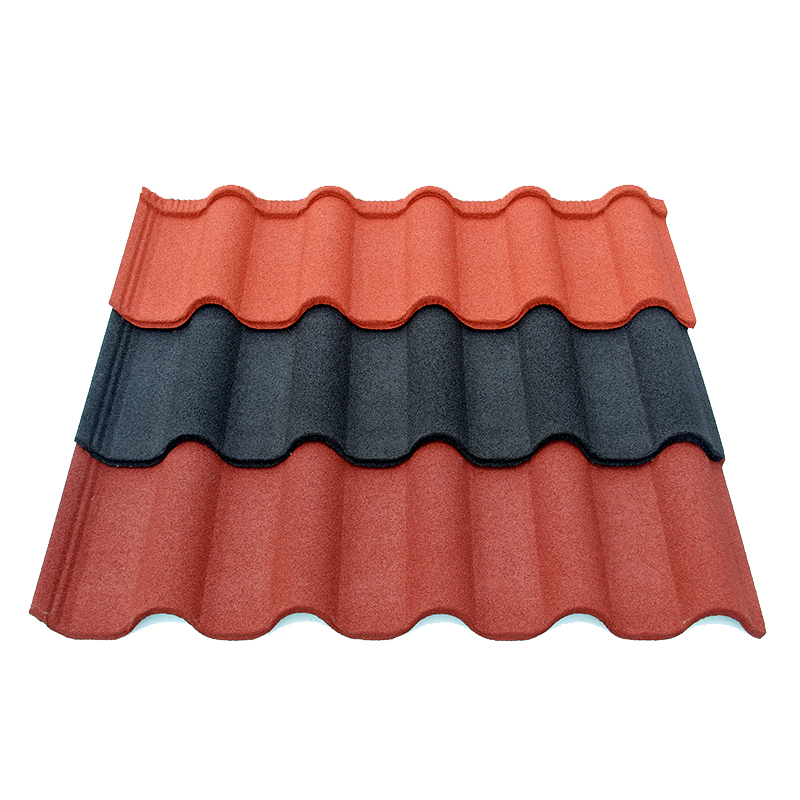
Sophisticated counterfeiters routinely forge complex laboratory testing documents perfectly. They illegally copy the authentic logos of legitimate testing facilities onto fraudulent PDF files. Many rushed wholesale buyers accept these fake documents at face value without ever checking. This is a genuinely catastrophic, business-ending procurement mistake. You must always directly contact the independent testing laboratory to verify the specific certificate number. Furthermore, rigorously check the exact dates and the specific product names listed carefully. If you are importing a classic, traditional Bond Tile, the lab report must specify that exact profile clearly. Generic testing reports covering vaguely “all metal roofing” are usually completely fake. Always verify before you authorize payment.
Ignoring Weight Discrepancies During Warehouse Receiving
Physical weight is a surprisingly excellent, immediate indicator of product authenticity. Authentic stone coated metal roofing tiles possess very specific, standardized weights per panel. Counterfeiters consistently use thinner, cheaper steel and lighter, highly inferior stone chips. Consequently, a massive pallet of fake tiles will weigh significantly less than genuine, authentic products. Your warehouse receiving team must physically weigh every single incoming shipment meticulously. Compare the actual measured weight directly against the manufacturer’s official technical specifications. If there is a highly noticeable discrepancy, quarantine the entire shipment immediately. Therefore, a simple, accurate warehouse scale becomes a incredibly powerful anti-counterfeit tool. Data always reveals the truth.
| Verification Metric | Authentic Standard | Counterfeit Warning Sign | Direct Business Impact |
|---|---|---|---|
| Substrate Weight | Strictly matches spec sheet | Noticeably lighter per pallet | High risk of wind damage and denting |
| Granule Adhesion | Zero shedding during handling | Loose chips in packaging | Rapid aesthetic failure and contractor callbacks |
| Panel Interlock | Seamless, tight fitment | Irregular gaps or forcing required | Guaranteed water leaks and liability claims |
| Documentation | Verifiable serials and lab numbers | Generic, untraceable PDF files | Total loss of working capital on fake goods |