

The African construction sector is currently experiencing a massive, unprecedented boom in modern infrastructure. Rapid urbanization drives intense regional demand for highly durable, premium building materials. Procurement managers constantly seek architectural products that withstand extreme, harsh tropical climates effortlessly. Consequently, importing Stone Coated Metal Roofing Tiles has become a highly lucrative B2B strategy. This advanced material provides unmatched structural resilience and superior aesthetic appeal globally. However, moving these massive bulk orders across oceans presents significant logistical challenges constantly. B2B buyers must navigate complex shipping routes, strict customs, and tight timelines perfectly. A single supply chain error destroys strict project schedules and erodes tight margins completely. Therefore, mastering international freight logistics secures your competitive regional distribution advantage permanently. This comprehensive guide breaks down exact shipping routes, critical timelines, and total costs. Furthermore, we provide actionable procurement advice for ambitious material distributors and commercial engineers. Ultimately, understanding these logistical mechanics guarantees highly profitable, successful import operations.
Understanding Freight Routing and African Port Infrastructure
Global shipping to the African continent demands highly strategic supply chain planning continuously. Procurement teams must navigate complex ocean freight routes and regional bottlenecks carefully. Selecting the wrong shipping lane destroys your commercial project timeline almost instantly. Therefore, understanding specific regional port capabilities secures your competitive B2B advantage completely. You must align your import strategy with the most efficient coastal entry points available.
Selecting the Right Port of Entry
Africa features incredibly diverse maritime infrastructure across its vast, sweeping coastlines. West African commercial projects typically route through massive hubs like Lagos or Tema. Conversely, East African developments rely heavily on busy ports like Mombasa or Dar es Salaam. Each specific port handles massive container volumes quite differently regarding overall speed. You must research current port congestion levels thoroughly before finalizing any freight bookings. Furthermore, direct shipping lines cost more but offer significantly faster, highly reliable transit times. Transshipment routes stop at multiple global ports, which delays your vital cargo significantly. Smart buyers always prioritize direct routes to maintain strict B2B construction schedules effectively.
Inland Transportation Challenges
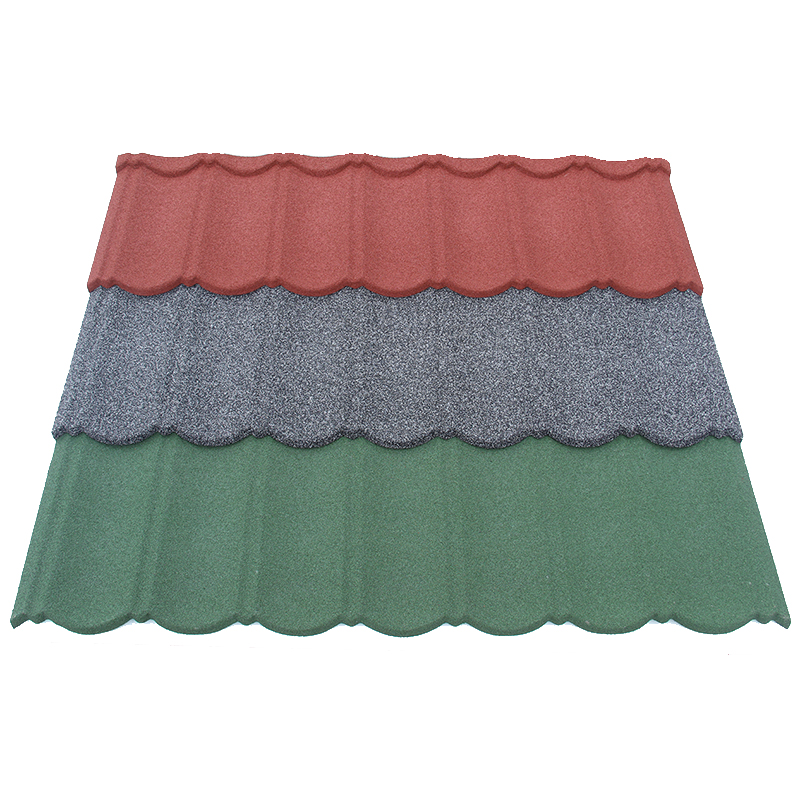
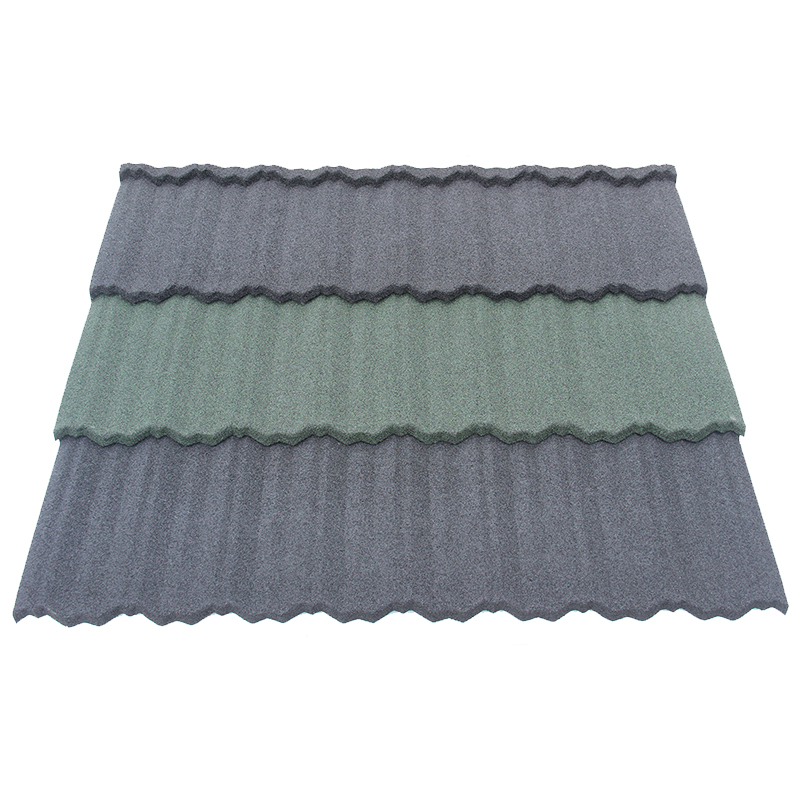
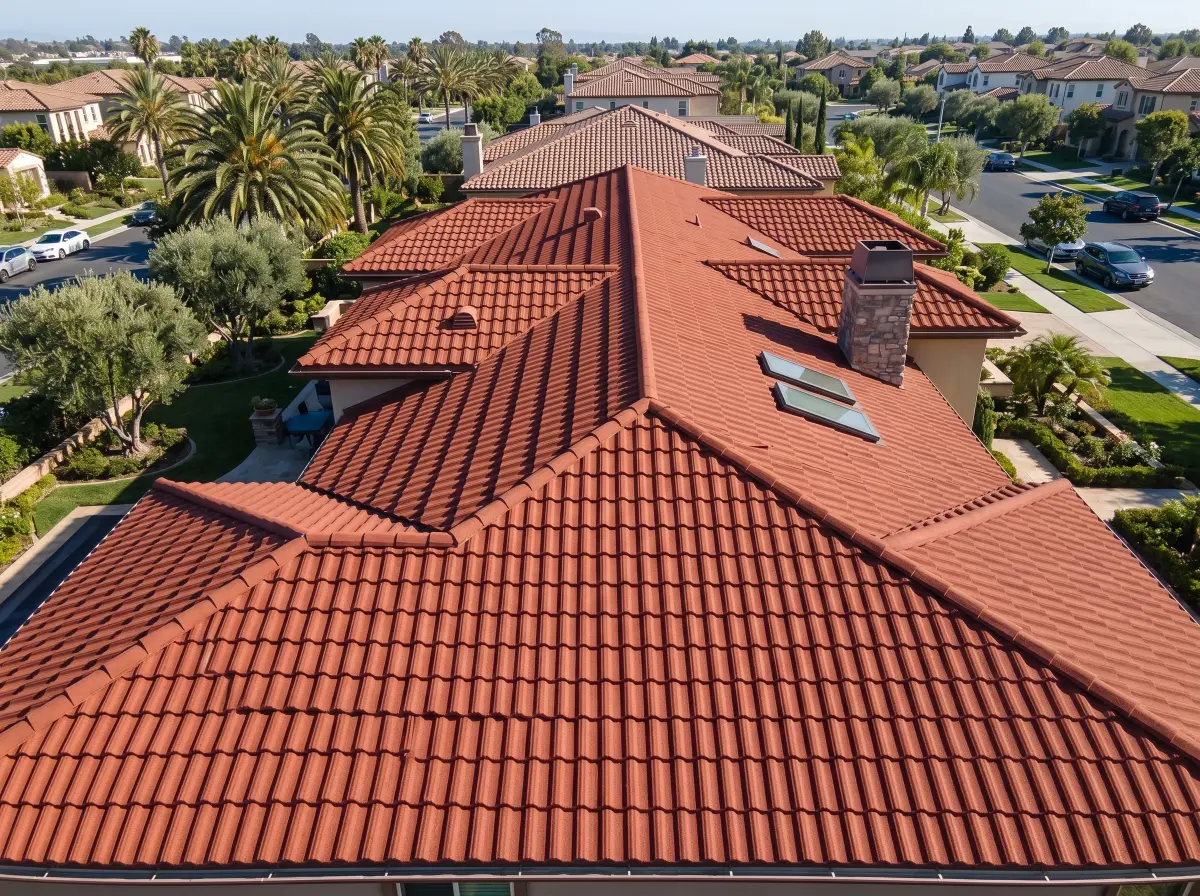
Moving heavy shipping containers from coastal ports to inland construction sites adds major costs. Poor regional road conditions delay massive heavy truck shipments quite frequently today. However, these specific architectural roofs remain remarkably lightweight and highly stackable. Distributors can transport massive product volumes much easier than heavy concrete alternatives. Sprawling suburban housing tracts frequently demand the classic Bond Tile heavily. Contractors transport this highly popular profile inland very efficiently on standard flatbed trucks. Consequently, you save immense capital on domestic regional freight forwarding fees immediately. Maximizing your inland transport efficiency protects your total project profit margins securely.
Analyzing Shipping Timelines and Procurement Planning
Strict commercial construction schedules require absolute precision from international material suppliers today. Delays in receiving essential building materials paralyze massive commercial job sites completely. Therefore, B2B buyers must accurately calculate total lead times immediately before ordering. Proactive inventory forecasting successfully prevents expensive labor standbys on major infrastructure projects. You must control your delivery timeline aggressively to satisfy demanding local property developers.
Manufacturing and Loading Lead Times
Factories need adequate time to produce massive B2B bulk material orders properly. You must finalize your exact color choices and structural profiles very early. Premium manufacturers typically require several weeks to fabricate high-quality Stone Coated Metal Roofing Tiles. Furthermore, securing empty shipping containers requires advanced booking during peak global shipping seasons. You must communicate constantly with your factory partner to monitor exact production progress. This proactive communication ensures your finished cargo hits the scheduled shipping vessel perfectly. Rushing the manufacturing process usually results in highly defective, entirely unacceptable building materials.
Mitigating Customs Clearance Delays
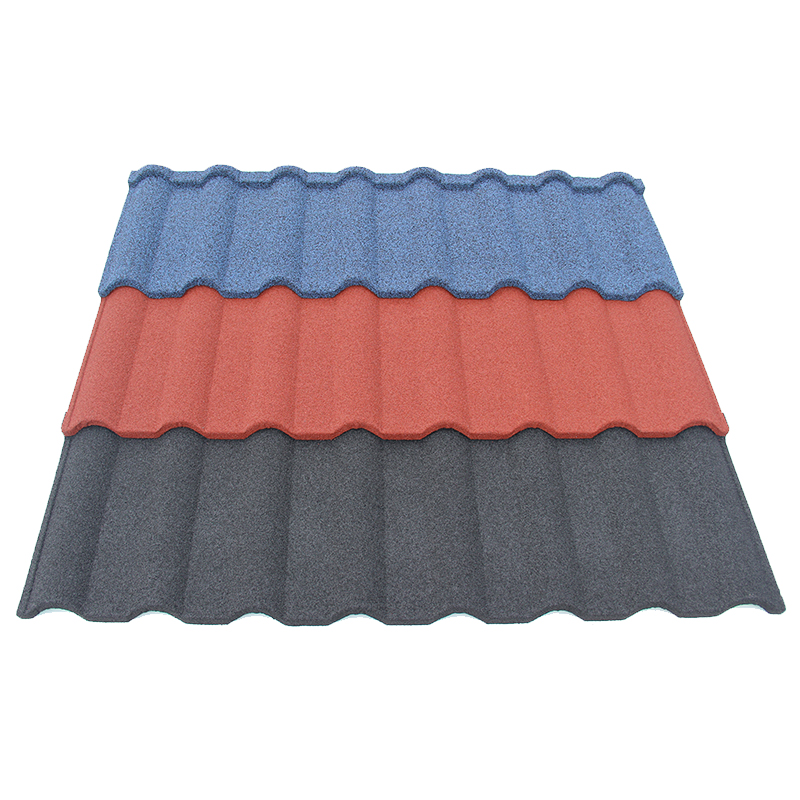
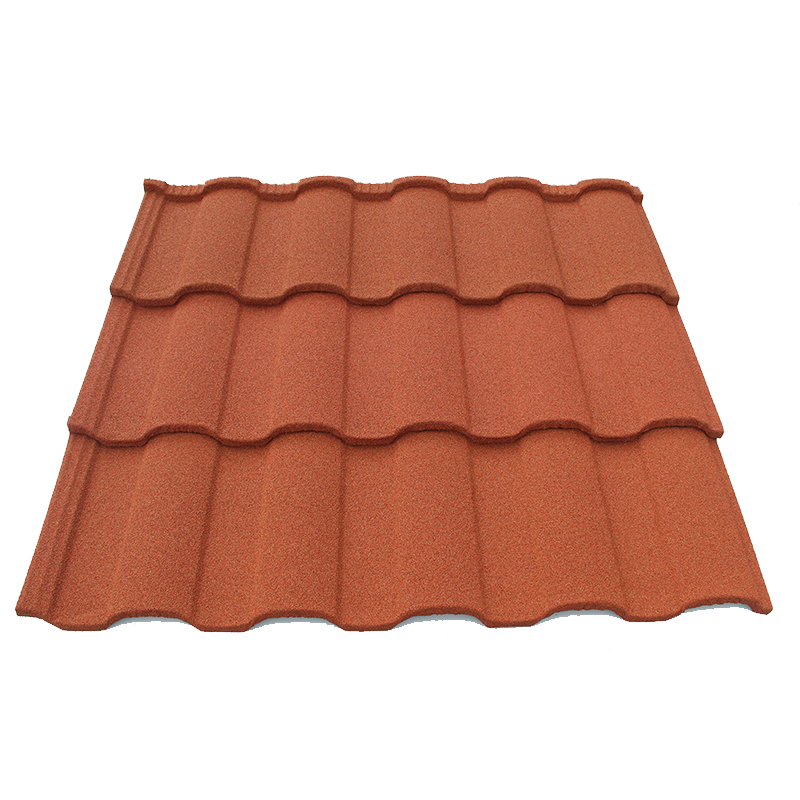
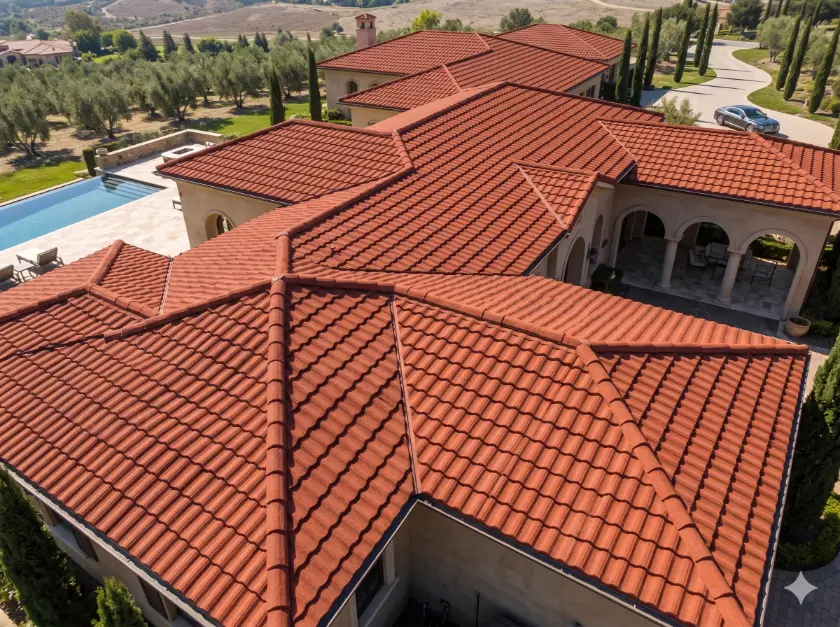
African customs processes involve extensive, highly strict documentation requirements constantly for importers. Missing a single commercial certificate causes weeks of expensive port storage easily. You must secure proper certificates of origin and precise commercial invoices upfront. Historic coastal renovations often specify the elegant, lightweight Roman Tile exclusively. You must secure proper regional import permits for these premium exterior materials early. Working closely with a highly experienced, deeply trusted local customs broker is absolutely mandatory. They navigate complex regional import tariffs and clear your massive containers rapidly. Thus, you easily avoid entirely unnecessary, highly expensive daily demurrage penalties.
Calculating Total Landed Costs for B2B Importers
The initial factory purchase price represents only a tiny fraction of your actual expenses. Importers must rigorously calculate the complete total landed cost accurately to survive today. Hidden international shipping fees quickly erode your tight project profit margins entirely. Consequently, mastering comprehensive freight accounting protects your valuable working capital securely always. You must track every single logistical expense from the factory floor to the final site.
Freight, Duties, and Hidden Fees
Ocean freight rates fluctuate wildly based on highly unpredictable global economic conditions constantly. You must negotiate highly favorable shipping terms with deeply trusted freight forwarders actively. Furthermore, local import duties vary drastically depending on the specific destination country. Many governments impose additional value-added taxes on imported structural building materials legally. Therefore, you must factor these non-negotiable government fees into your retail pricing models. Failing to account for strict customs duties ruins your financial breakeven point completely. A detailed logistical cost analysis ensures you always quote commercial bids highly profitably.
Maximizing Container Load Efficiency
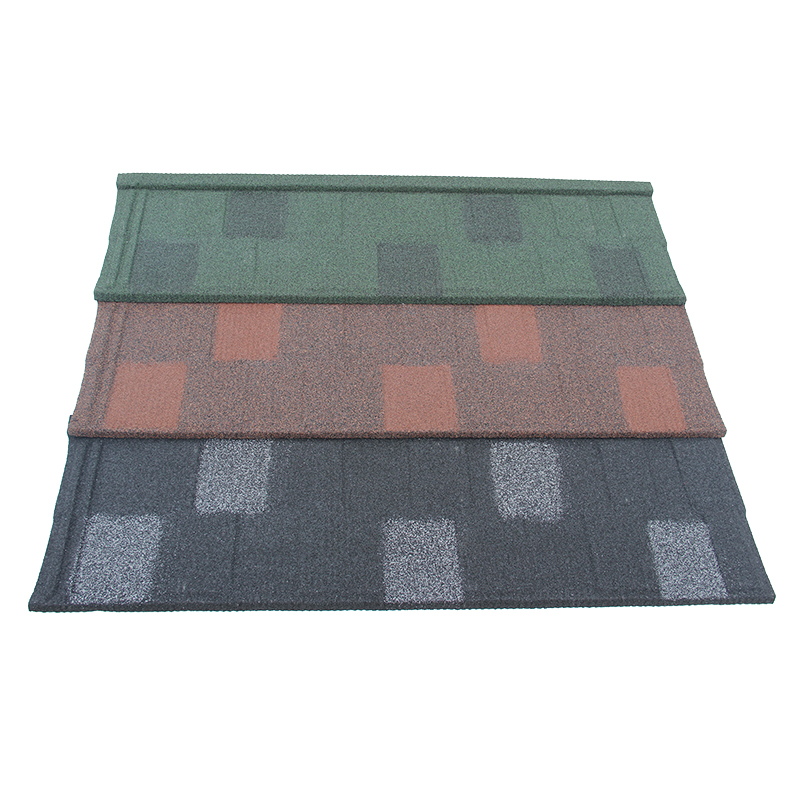
Shipping half-empty freight containers inflates your unit costs completely unnecessarily and dangerously. You must consolidate your massive bulk orders to maximize interior container space perfectly. Modern urban commercial centers frequently require the sleek, highly geometric Shingle Tile. These specific architectural panels stack incredibly tightly together inside standard shipping containers effortlessly. This incredible packing density slashes your exorbitant international transportation costs immediately and effectively. Consequently, you significantly improve your local B2B profit margins while offering highly competitive prices. Efficient container loading serves as a massive financial advantage for modern regional distributors.
| Cost Category | Description of Expense | Impact on Margins |
|---|---|---|
| Base EXW Price | Raw material cost directly from the manufacturing factory. | High (Dictates initial capital) |
| Ocean Freight | Cost to transport containers across global shipping lanes. | Variable (Subject to market shifts) |
| Customs Duties | Mandatory local government taxes applied upon regional entry. | Moderate to High (Strictly enforced) |
| Inland Transport | Trucking fees from the destination port to the final site. | Moderate (Depends on local roads) |
Ensuring Material Quality During Global Transit
Ocean transit exposes fragile building materials to extreme moisture and very rough handling. Substandard products often arrive completely ruined and completely unusable for your clients. Therefore, importers must firmly demand rigorous packaging standards from their international suppliers. Securing intact materials prevents disastrous installation delays and furious regional building contractors. You must protect your massive procurement investment aggressively during the entire global journey.
Packaging Standards for Rough Seas
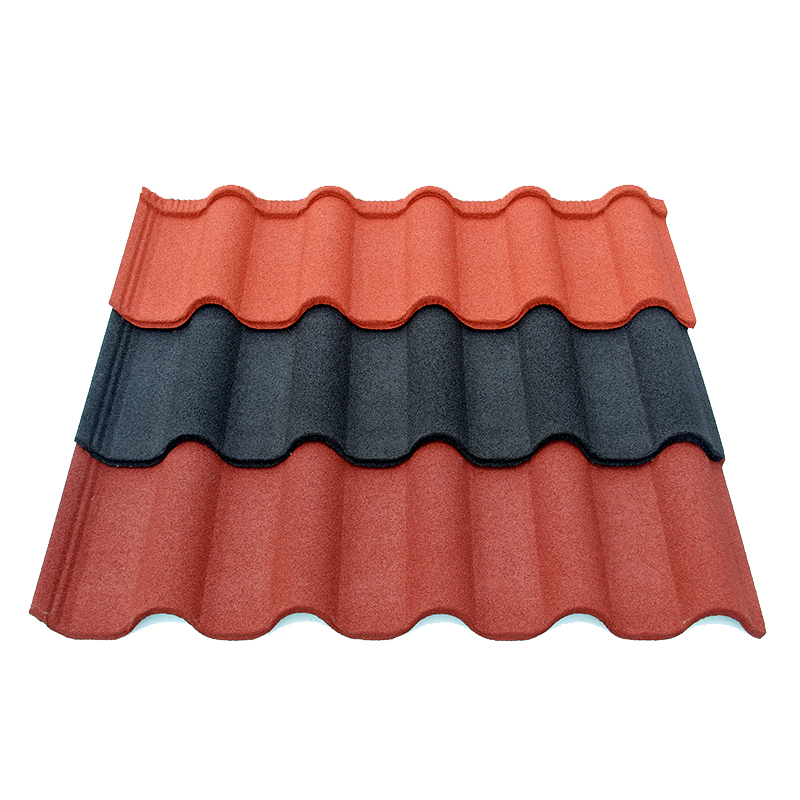
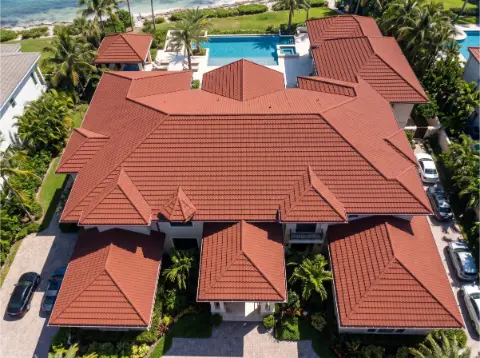
Manufacturers must firmly secure heavy pallets with incredibly strong steel banding always. Moisture-absorbing chemical desiccants prevent dangerous rust formation inside the sealed shipping container perfectly. Tropical luxury villas often feature the highly ventilated, energy-efficient Milano Tile specifically. Factories must package these deeply grooved structural profiles carefully to prevent accidental crushing. You must explicitly outline these strict packaging requirements in your initial purchase order. Inspecting arrival conditions helps you quickly identify any hidden logistical supply chain failures. Quality packaging guarantees your materials perform flawlessly upon final building installation.
Factory Vetting and Quality Assurance
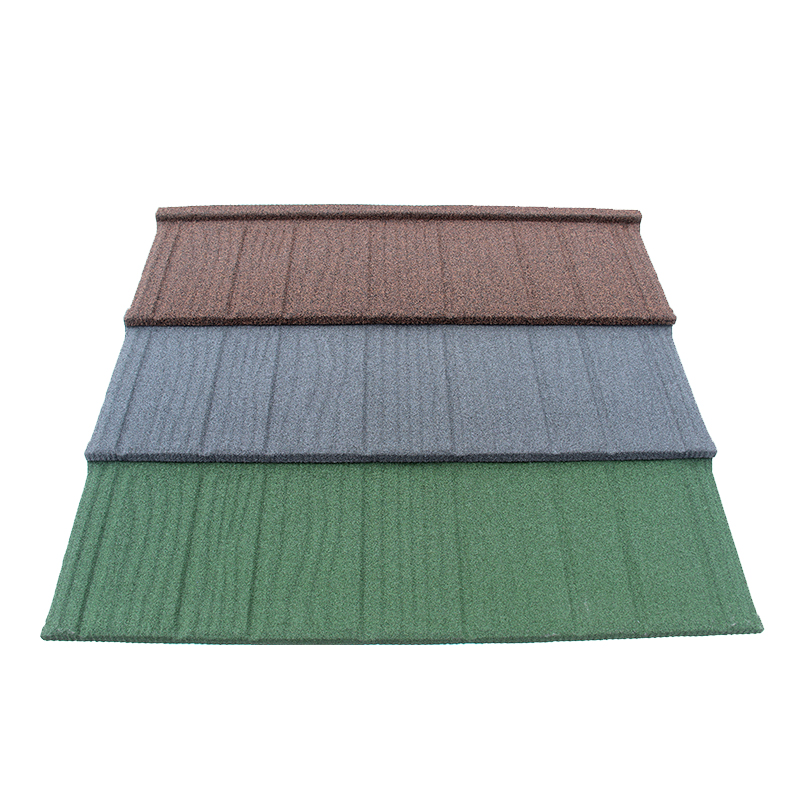
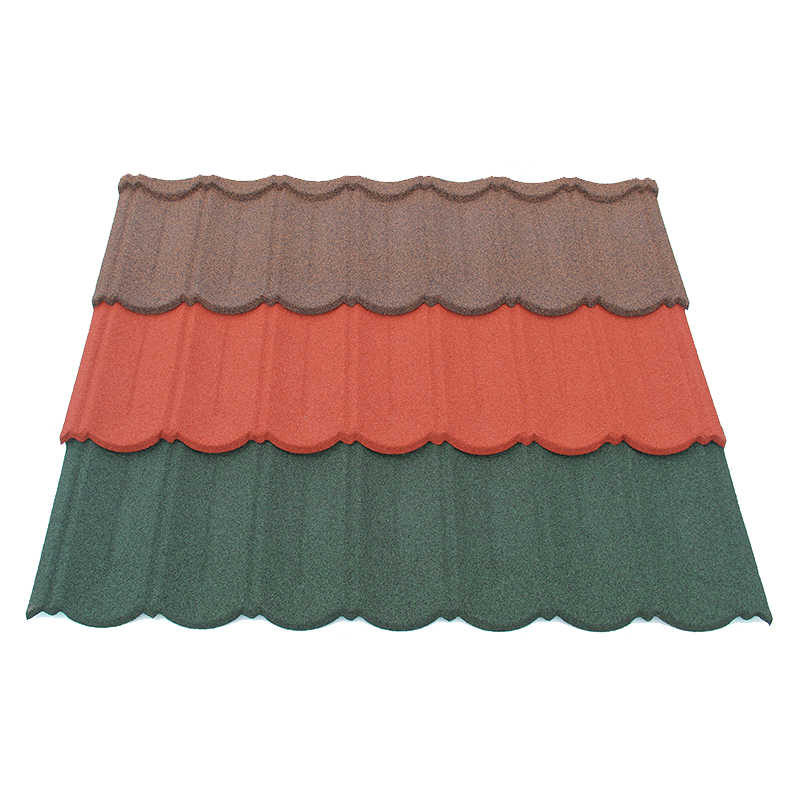
You must exclusively partner with highly reliable, strictly verified international manufacturers always. A deeply trusted factory partner like JCROOF provides extremely robust packaging constantly. They guarantee your valuable cargo survives the long journey to Africa flawlessly. Eco-friendly hospitality resorts heavily rely on the rustic Shake Tile for aesthetics. You must absolutely receive these premium structural profiles in completely pristine physical condition. Reliable suppliers perform rigorous quality control checks before ever sealing the shipping container. This proactive dedication builds immense trust and guarantees long-term international procurement success.
Overcoming Common Import Errors and Financial Risks
Inexperienced buyers frequently make devastating logistical mistakes during international B2B material procurement. They blatantly ignore specific local climate threats and choose highly inferior materials blindly. Consequently, they face massive warranty claims from furious commercial property developers later. Avoiding these common logistical traps completely guarantees your long-term regional distribution success. You must utilize technical data to drive your massive B2B purchasing decisions.
Aligning Product Specs with African Climates
Africa features incredibly diverse, highly extreme environmental weather zones consistently across regions. Metal roofing is an excellent option for reducing cooling costs and protecting against warm-weather-related risks[cite: 20]. Importers must select specific architectural systems engineered specifically for severe heat. In fact, you can reduce warm-weather cooling costs by up to 25% with this roof type[cite: 40]. Furthermore, dry regional seasons drastically increase the massive risk of devastating brush fires. You want one with a Class A fire rating from Underwriters Laboratories (UL)[cite: 57]. A Class A roof provides the absolute best fire resistance available globally. Coastal African projects additionally face severe, highly destructive tropical storm systems annually. Reliable systems will stay put in winds up to 120 miles per hour[cite: 63]. Moreover, a stone-coated metal roof offers better resistance to hail and other impact damage[cite: 66]. Procurement teams must verify it should have a Class 4 impact resistance rating from UL[cite: 67]. Supplying these verified, highly tested materials eliminates massive future commercial liability risks entirely.
Securing Reliable Logistics Partnerships
Do not choose the absolute cheapest freight forwarder available on the open market. Cheap logistics providers often provide terrible communication and extremely poor routing reliability. You must build deep relationships with highly established, reputable global shipping companies instead. They track your massive inventory accurately and handle unexpected customs issues highly professionally. A strong logistics partner acts as a vital extension of your B2B procurement team. They ensure your Stone Coated Metal Roofing Tiles arrive safely and perfectly on time. This operational stability completely separates successful regional distributors from failed amateur importers.