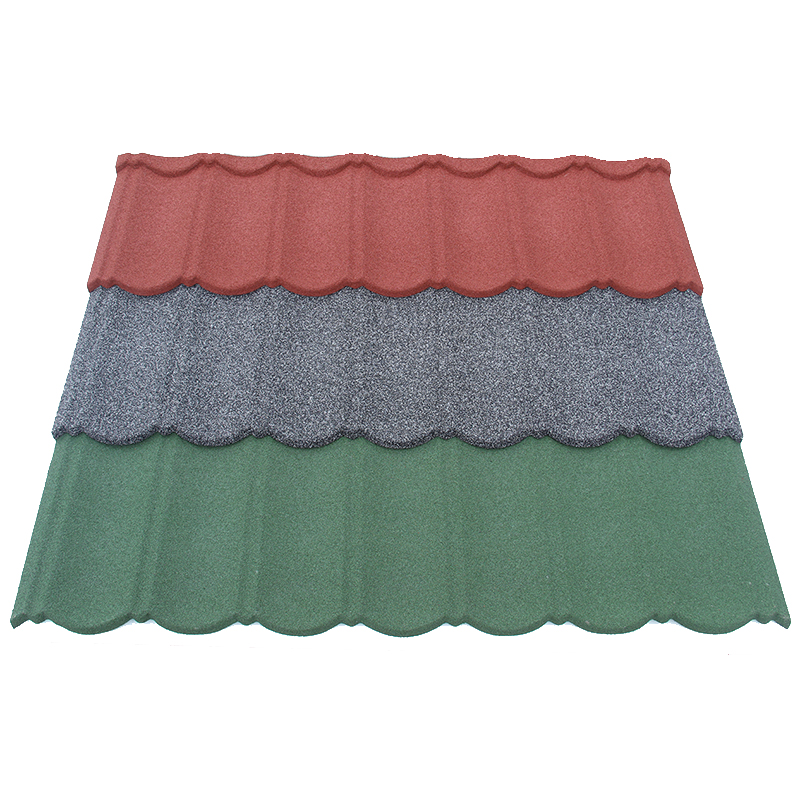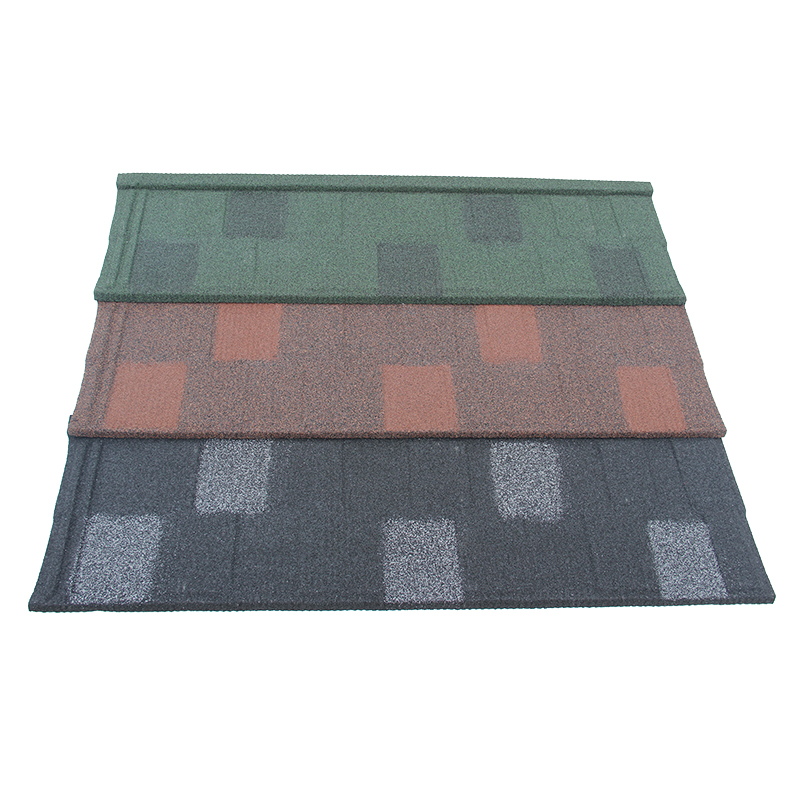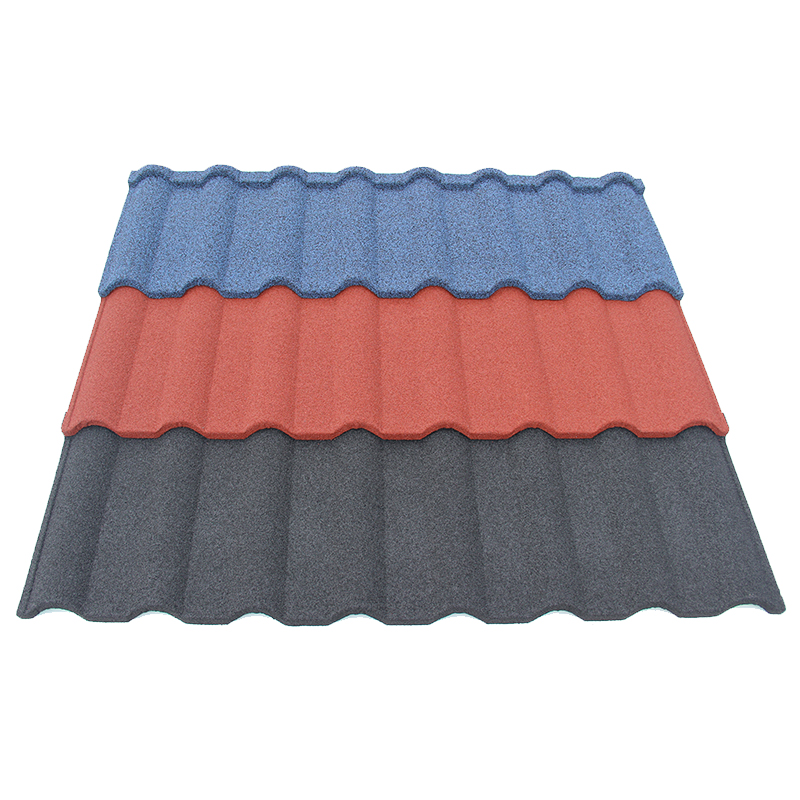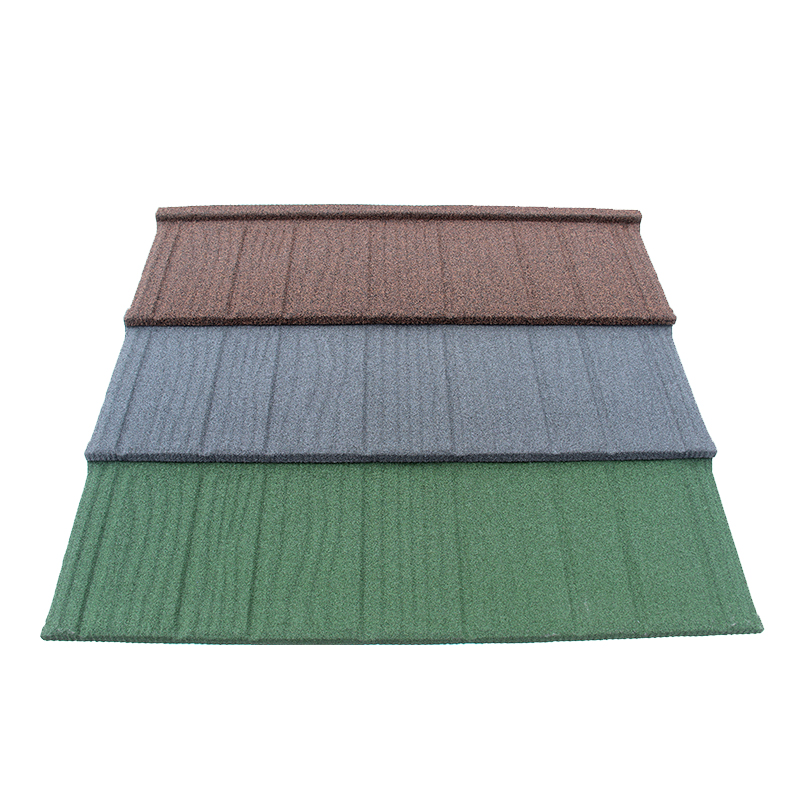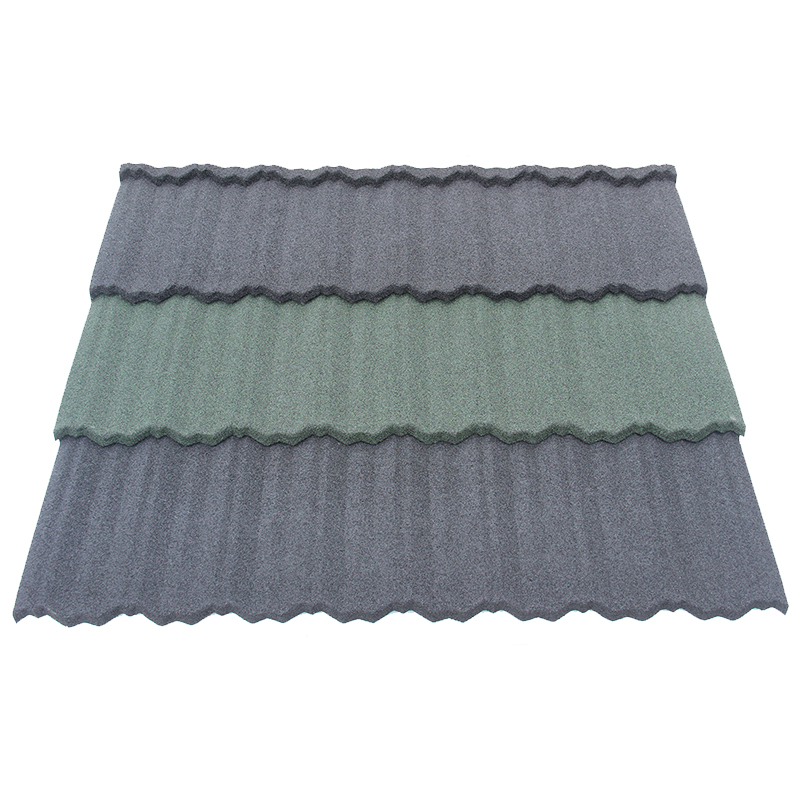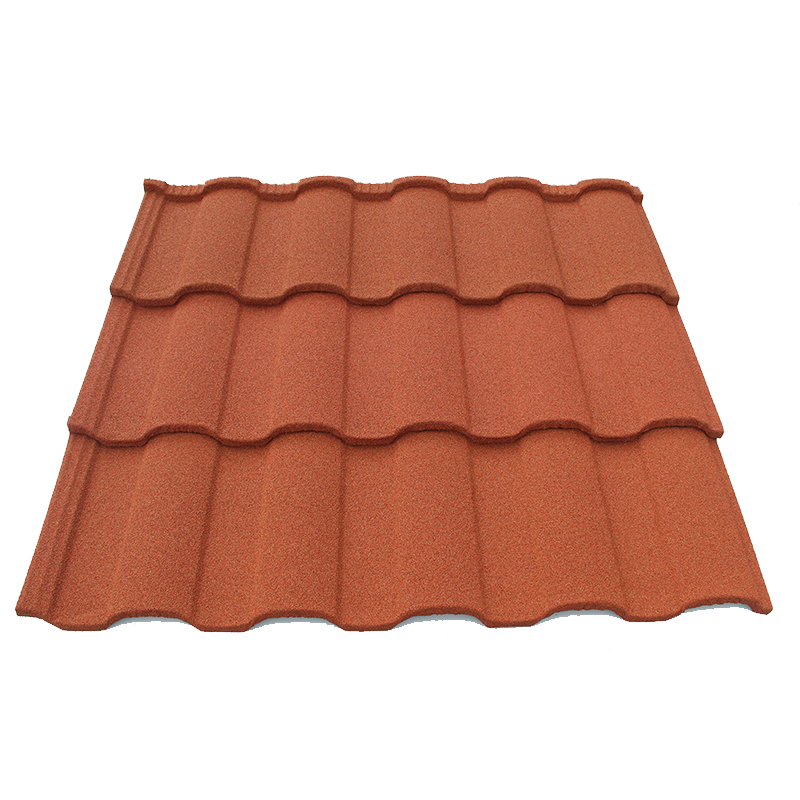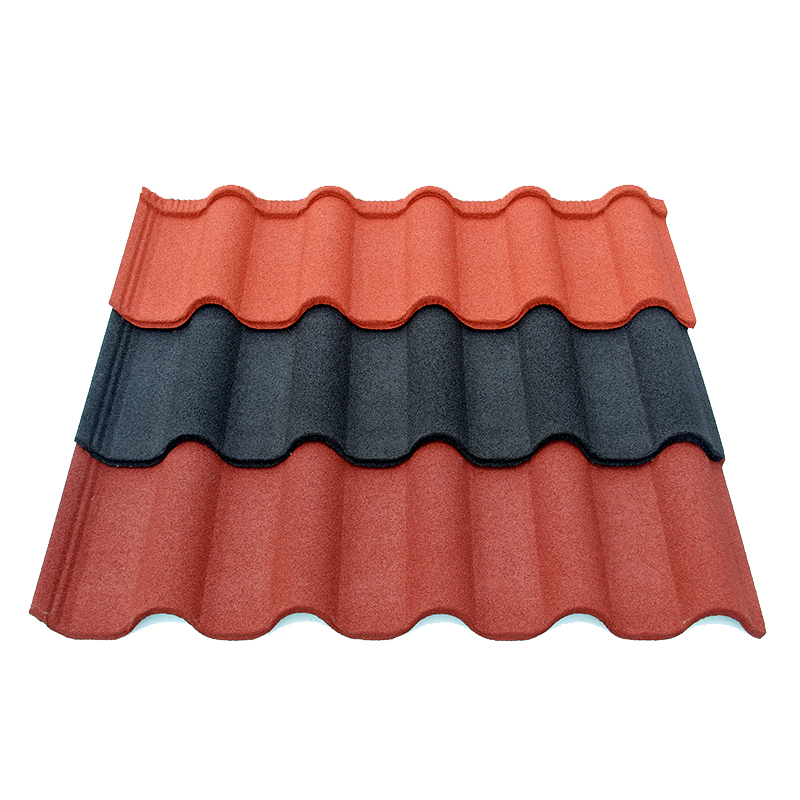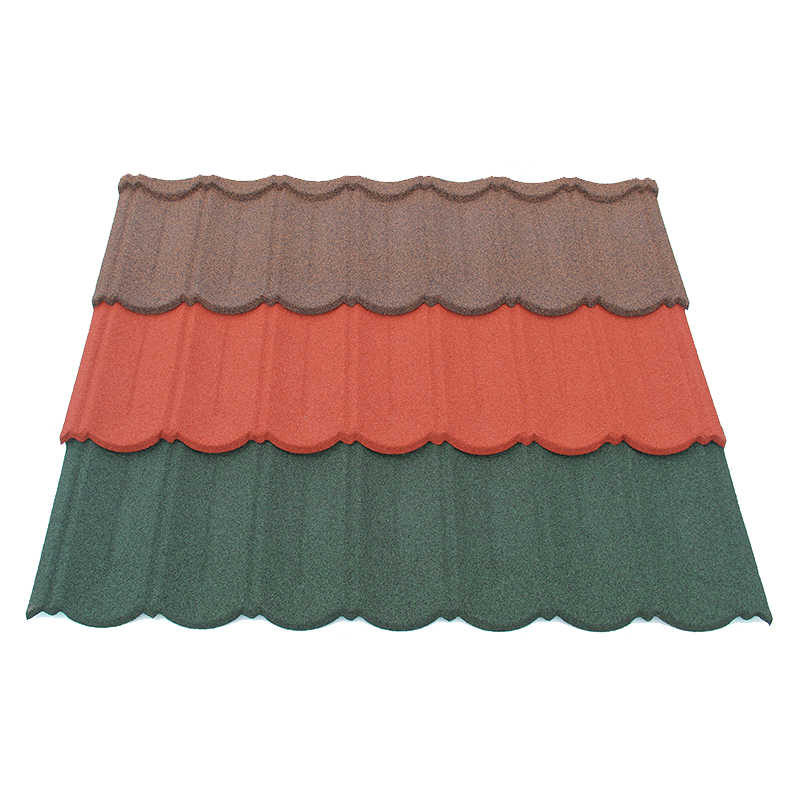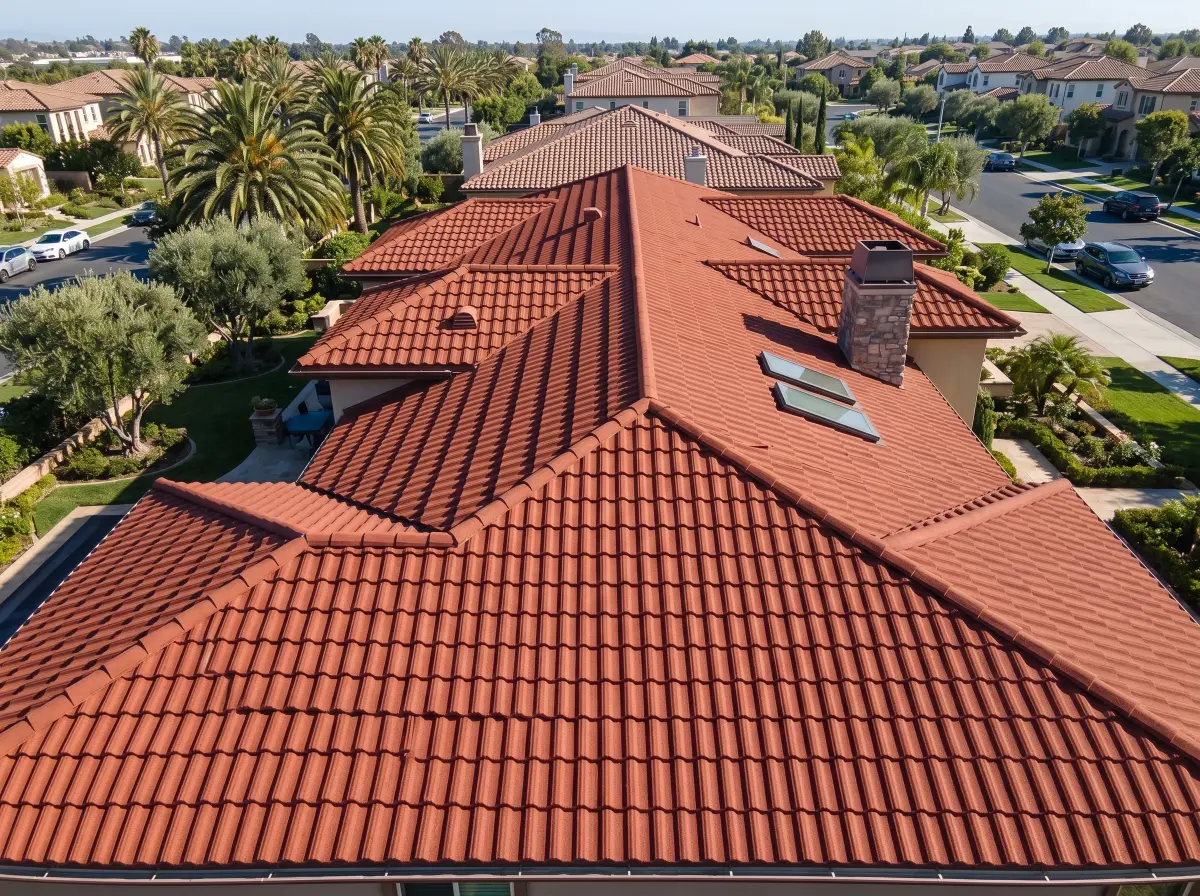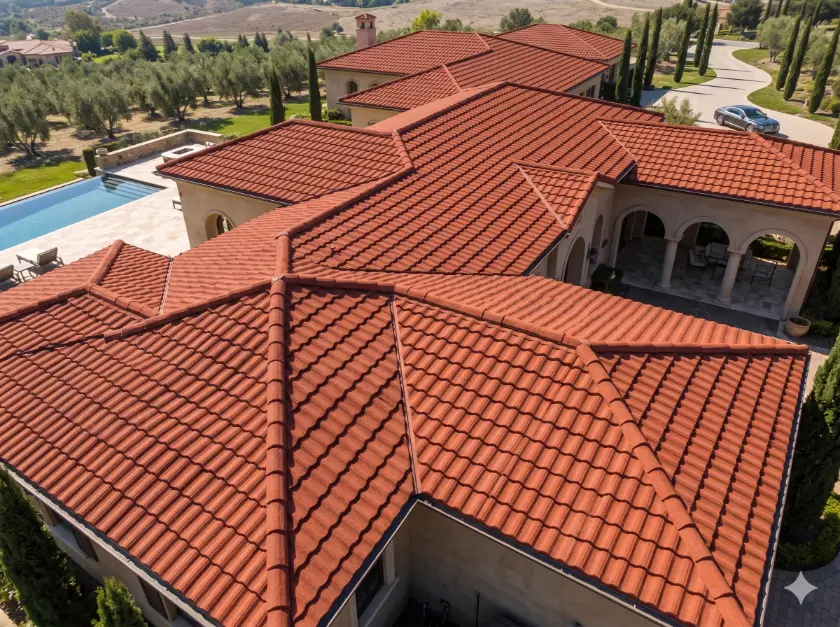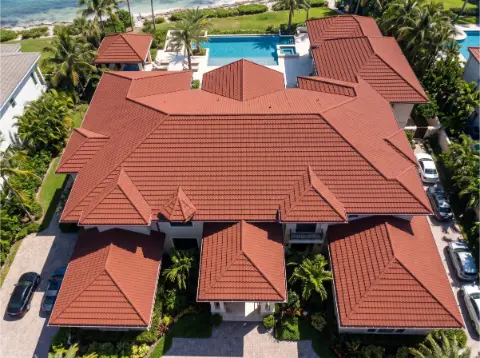


Procurement teams, project developers, and construction managers consistently choose stone coated metal roofing tiles to elevate both aesthetic appeal and structural longevity. However, even the highest-grade materials will fail prematurely without rigorous installation protocols. Correct assembly directly dictates the weatherproofing capability, wind resistance, and overall lifecycle of the roof. Consequently, understanding the granular details of installation and rapid troubleshooting separates top-tier contractors from mediocre ones. This comprehensive engineering guide explores fundamental preparation, advanced fastening mechanics, climate-specific adaptations, and critical diagnostic solutions. By mastering these phases, suppliers and buyers can drastically reduce costly callbacks, protect their profit margins, and deliver unparalleled value to end-users.
Foundational Prerequisites for Structural Readiness
Before any panels arrive on the roof, site managers must verify the underlying structural integrity to guarantee a flawless application. The preparatory phase fundamentally determines how well the roofing system will perform under environmental stress over the next several decades. Installers must carefully evaluate the roof deck, calculate precise batten spacing, and apply the correct underlayment membranes. Neglecting these initial steps inevitably leads to sagging profiles, moisture penetration, and compromised wind resistance. Therefore, establishing a pristine foundation ensures that subsequent installation phases proceed efficiently and effectively.
Evaluating Decking and Underlayment Specifications
Contractors must first inspect the roof deck for any signs of rot, warping, or structural weakness. A solid plywood or oriented strand board (OSB) deck provides the necessary structural support for the entire system. Following the deck inspection, installers must roll out a premium synthetic underlayment. Unlike traditional asphalt felt, modern synthetic membranes offer superior tear strength and enhanced moisture barriers. Specifically, teams must overlap horizontal underlayment seams by at least four inches and vertical seams by six inches. This meticulous overlapping creates a watertight shield against wind-driven rain. Furthermore, when utilizing a low-profile aesthetic like the Shingle Tile, achieving a perfectly flat underlayment surface becomes absolutely critical to prevent telegraphing imperfections through the metal.
Calculating Precise Batten Alignment
Batten spacing serves as the structural skeleton for the roofing panels. Installers typically utilize 2×2 inch wooden battens, securing them horizontally across the roof deck. The exact distance between these battens depends entirely on the specific tile profile selected for the project. Therefore, foremen must consult the manufacturer specifications before securing a single piece of wood. A slight deviation of even a quarter-inch can cascade into massive alignment failures across a wide roof span. For example, when installing a classic Bond Tile, contractors must maintain strict horizontal measurements to ensure the distinctive interlocking front lip engages perfectly with the batten below it. Installers must anchor these battens using galvanized ring-shank nails to prevent pull-out during severe updrafts.
Advanced Fastening Mechanics and Weatherproofing
Securing the panels requires far more than simply driving screws into wood; it demands a deep understanding of interlocking mechanics and thermal expansion. Installers must execute precise fastening techniques to ensure the roof moves as a unified, impenetrable shield against extreme weather. The method, angle, and location of every fastener play a pivotal role in the system’s overall uplift resistance. Moreover, managing complex architectural features like valleys, hips, and ridge lines requires specialized flashing techniques. Mastering these elements guarantees the structural integrity and waterproof nature of the entire building envelope.
Optimizing Panel Interlocks and Screw Placement
Installers always begin panel placement at the eave and methodically work their way up to the ridge. Each panel features a specific nose that hooks securely under the back edge of the panel below it. This interlocking mechanism creates a continuous weather-tight barrier. Workers must drive high-grade, corrosion-resistant hex-head screws directly through the downward-facing nose of the overlapping panel. Crucially, installers must position the screws exactly where the panels overlap the wooden batten. Driving screws at a 45-degree angle ensures maximum hold strength without crushing the stone coating. When working with a highly dimensional profile like the Roman Tile, crews must pay extra attention to screw torque; over-tightening will distort the pronounced barrel curves, while under-tightening invites wind uplift.
Sealing Valleys and Vulnerable Penetrations
Roof valleys manage massive volumes of water runoff during heavy rainstorms, making them highly susceptible to leaks if improperly installed. Contractors must install continuous, heavy-gauge metal valley flashing before laying down any tiles. They must subsequently cut the roofing panels cleanly to overlap the valley flashing, leaving a sufficient channel for water flow. Installers absolutely must bend the cut edges of the panels downward to direct water directly into the valley pan. Additionally, sealing penetrations around plumbing vents, chimneys, and skylights requires custom pipe boots and heavy-duty sealants. Relying solely on caulking invites imminent failure; workers must integrate the flashing underneath the uphill panels and over the downhill panels to respect the natural flow of gravity.
Climate-Specific Assembly Adaptations
Geographic locations present unique environmental hostilities, requiring installers to heavily modify their standard operational procedures. A generalized installation approach simply cannot survive the diverse realities of extreme heat, hurricane-force winds, or massive hail impacts. B2B buyers must instruct their contractor networks to adapt structural reinforcements based on regional weather patterns. By customizing the installation techniques to the specific climate, project managers maximize the longevity of the materials and protect the property owner’s investment. Consequently, adapting to local climates serves as a fundamental pillar of professional roofing.
Combating High Heat and UV Degradation
In regions suffering from intense sun exposure, thermal management becomes the primary installation focus. Stone coated metal roofing tiles offer incredible thermal resistance, cutting warm-weather cooling costs by up to 25%. Installers can further enhance this energy efficiency by utilizing an elevated batten system, which creates a continuous airspace between the deck and the panels. This Above-Sheathing Ventilation (ASV) technique allows hot air to escape naturally through the ridge vent. To maximize these cooling benefits without sacrificing Mediterranean aesthetics, architects frequently specify the Milano Tile for hot climates. The special exterior coating of these systems enhances reflectivity and emissivity, providing superior temperature regulation even in darker shades.
Fortifying Against Hurricanes and Severe Storms
Coastal environments demand extreme wind resistance and superior impact protection. Contractors must secure the system to withstand winds up to 120 miles per hour, meeting strict Miami-Dade standards. To achieve this, installers dramatically increase the fastener density, moving from standard four-screw placements to six or even eight screws per panel. Furthermore, premium systems carry a Class 4 impact resistance rating from UL, successfully repelling hailstones up to 2.5 inches in diameter. Additionally, these systems often carry a Class A fire rating from Underwriters Laboratories (UL), providing ultimate protection where other materials fail. Installers must rigorously follow these fortified fastening schedules to ensure the roof remains intact during catastrophic weather events.
Comprehensive Diagnostic and Troubleshooting Protocols
Even the most experienced roofing crews occasionally encounter unexpected challenges during complex installations. Rapid, accurate troubleshooting prevents minor alignment errors from evolving into catastrophic system failures. B2B suppliers must provide their clients with actionable diagnostic frameworks to resolve on-site issues immediately. Identifying the root cause of a leak or a visual defect saves considerable time and eliminates costly tear-offs. By partnering with a reliable supplier like JCROOF, contractors gain access to precision-engineered materials that inherently minimize installation friction. Nevertheless, understanding common failure points remains essential for comprehensive quality control.
Correcting Panel Misalignment and Overlap Issues
Installers frequently notice panels creeping out of square as they progress up the roof plane. This usually occurs when the initial eave row lacks perfect straightness. If contractors discover a growing alignment gap, they must halt progress immediately. To correct this, workers should unfasten the preceding row and utilize a chalk line to re-establish a true horizontal axis. Forcing panels to fit will inevitably break the watertight interlock. When working with staggered-pattern aesthetics such as the Shake Tile, installers must strictly adhere to the manufacturer’s specific offset measurements. Ignoring the correct offset not only ruins the visual appeal but also stacks the side-laps, creating a direct pathway for water infiltration.
Addressing Surface Damage and Localized Leaks
Foot traffic during installation represents the most common cause of aesthetic damage. Workers stepping on the vulnerable center sections of the panels can easily dent the metal or scuff the stone granules. Installers must always place their feet directly over the horizontal battens where the panels possess maximum structural support. If a panel does suffer a severe dent, crews must replace the entire unit immediately rather than attempting to hammer it out. Regarding localized leaks, investigators should first inspect the immediate uphill penetrations and valley sections. The following diagnostic table outlines the most common installation errors and their immediate solutions:
| Observed Symptom | Probable Installation Error | Required Corrective Action |
|---|---|---|
| Moisture directly below a plumbing vent | Improperly overlapped boot flashing | Remove surrounding panels; weave new flashing under uphill tiles and over downhill tiles. |
| Audible rattling during high winds | Insufficient screw density or stripped wood | Install additional oversized fasteners; check batten integrity and replace if split. |
| Uneven visual appearance at the ridge | Inconsistent batten spacing near the peak | Measure and adjust the top batten row; trim the final panel course to fit precisely. |
| Granule loss in specific high-traffic zones | Improper footwear or incorrect walking paths | Apply manufacturer touch-up kits for minor scuffs; replace panels for deep scratches. |
By implementing these rigorous installation techniques and troubleshooting frameworks, contractors ensure maximum performance from every project. B2B distributors who educate their networks on these specific engineering principles consistently see higher customer satisfaction, reduced warranty claims, and stronger long-term profitability. Proper installation transforms a simple building material into a permanent structural asset.