
China remains the world’s largest manufacturing hub for roofing materials, supplying distributors, importers, contractors, and developers across Africa, Southeast Asia, the Caribbean, South America, and the Middle East. For buyers sourcing roofing tile factories in China, production capacity is often one of the first considerations. However, the largest factory is not always the best supplier.
When evaluating Chinese roofing manufacturers, buyers should consider not only factory size but also production technology, quality control systems, export experience, OEM capabilities, and supply chain stability. A factory producing millions of square meters annually may still struggle with consistency or delivery performance if operational systems are weak.
This guide explores what defines a large roofing tile factory in China, how global buyers should evaluate manufacturers, and which characteristics separate leading suppliers from ordinary producers.
What Makes a Roofing Tile Factory “Large” in China?
Many buyers assume factory size refers only to physical land area. In reality, professional sourcing teams evaluate manufacturers using several indicators. Production capacity, automation level, workforce size, and export volume often provide a more accurate picture of a supplier’s capabilities.
China’s roofing industry has grown rapidly during the past decade. As a result, several manufacturers now operate highly automated facilities capable of serving large-scale international projects and distribution networks.
Key Metrics Used to Measure Factory Scale
- Annual production capacity
- Number of production lines
- Factory floor area
- Export container volume
- Number of employees
- Automation level
- Warehouse capacity
- OEM production capability
For international distributors, production capacity becomes particularly important during peak construction seasons when supply shortages can impact project schedules.
Why Production Capacity Matters for Global Buyers
Large factories generally offer several advantages. They often maintain larger inventories, achieve better purchasing power for raw materials, and provide more stable lead times.
Additionally, larger manufacturers usually invest more heavily in quality control systems and export infrastructure. This often results in fewer shipment delays and improved product consistency.
China’s Roofing Manufacturing Landscape and Major Production Regions
China’s roofing industry is concentrated in several manufacturing clusters. Each region has developed its own strengths based on local supply chains, industrial infrastructure, and export channels.
Understanding these manufacturing hubs helps buyers identify suppliers that align with their sourcing requirements.
Guangdong Province
Guangdong is one of China’s most important export-oriented manufacturing centers. Roofing factories in this region benefit from mature logistics networks, experienced export teams, and convenient access to major seaports.
Many stone coated roofing manufacturers serving African and Southeast Asian markets operate within this region.
Zhejiang Province
Zhejiang hosts numerous building material manufacturers and maintains strong domestic and international distribution networks.
Factories in this region often focus on production efficiency and cost competitiveness.
Shandong Province
Shandong is known for steel processing and metal manufacturing. This gives roofing producers direct access to raw material suppliers, which can improve production efficiency and pricing stability.
Hebei Province
Hebei remains a significant center for steel-related manufacturing and supports a large number of roofing material producers serving both domestic and export markets.
How Large Roofing Tile Factories Maintain Quality at Scale
One common concern among international buyers is whether product quality remains consistent when factories operate at very high production volumes. The answer largely depends on manufacturing systems rather than factory size alone.
Leading roofing manufacturers invest heavily in automation, quality inspection procedures, and process control systems to maintain consistency across large production runs.
Raw Material Control
The quality of roofing products begins with raw material selection. Reliable manufacturers typically establish long-term partnerships with steel suppliers and maintain strict incoming material inspections.
This becomes especially important for stone coated roofing products where steel quality directly affects durability and corrosion resistance.
Automated Production Systems
Modern production lines improve dimensional accuracy and reduce variability between batches. Automated systems also help maintain coating consistency and stone chip adhesion.
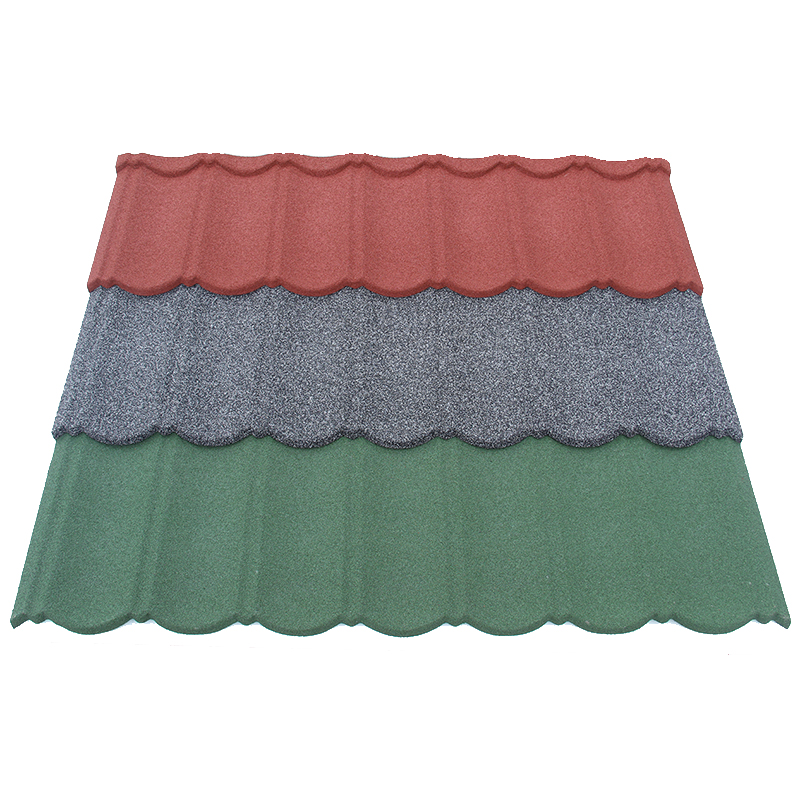
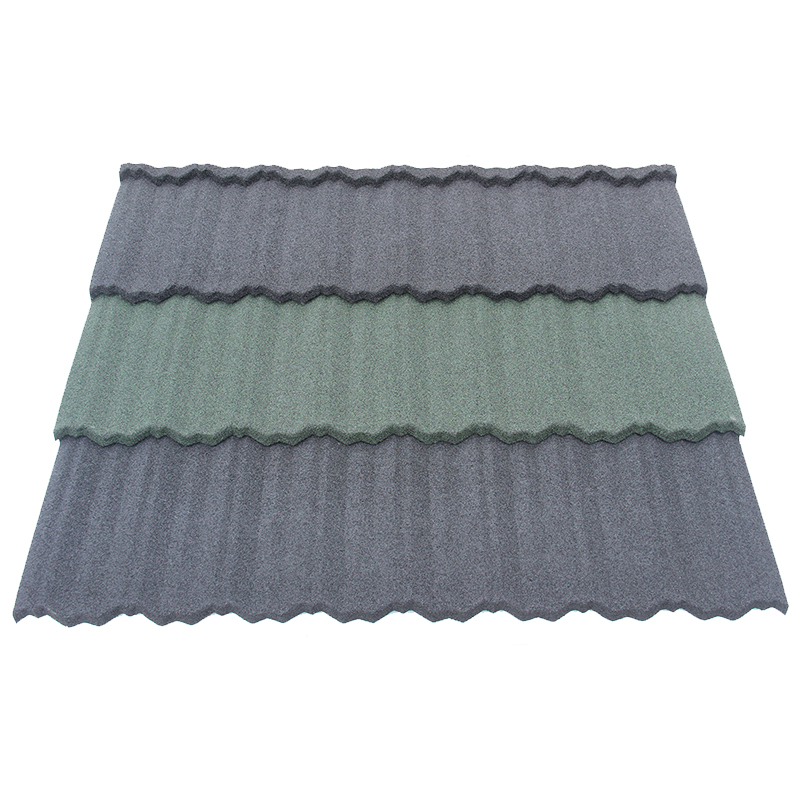
For residential projects, distributors often select Bond Tile profiles because consistent dimensions simplify installation and improve finished appearance.
Quality Inspection Procedures
Top manufacturers perform multiple inspections throughout production, including substrate verification, coating checks, dimensional measurements, and final packaging reviews.
Factories with dedicated quality control departments typically achieve lower defect rates and higher customer satisfaction levels.
What International Buyers Should Look for Beyond Factory Size
While production capacity is important, experienced importers understand that supplier reliability depends on many factors beyond manufacturing volume.
Some medium-sized factories consistently outperform larger competitors because they focus on operational excellence and customer support.
Export Experience
A manufacturer may produce high-quality roofing products but still struggle with international trade requirements. Export experience significantly affects shipment accuracy, documentation quality, and customs compliance.
Suppliers serving global markets should understand container optimization, international certifications, and regional product requirements.
OEM and Private Label Services
Many distributors seek customized branding solutions. Large factories often maintain dedicated OEM departments capable of supporting private-label programs and customized packaging.
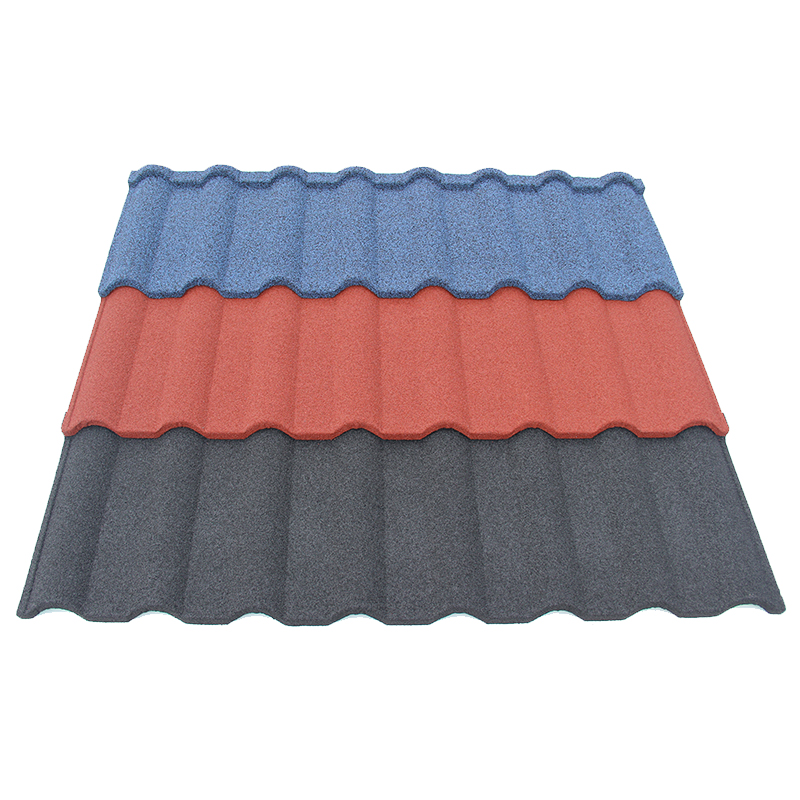
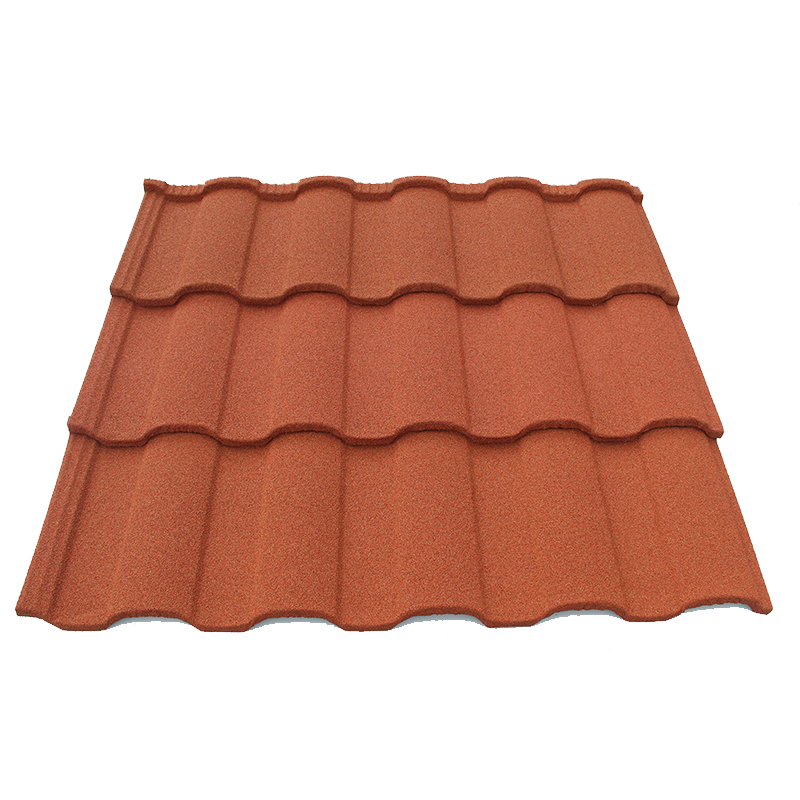
For premium distribution channels, many buyers choose Roman Tile products under private-label branding strategies.
Supply Chain Stability
Stable access to steel and coating materials becomes increasingly important during periods of raw material price fluctuations.
Factories with diversified supplier networks generally provide more reliable pricing and production schedules.
Choosing the Right Roofing Tile Factory in China for Long-Term Growth
The ideal supplier is not necessarily the largest manufacturer. Instead, successful distributors focus on long-term value creation through quality consistency, reliable delivery, and strong business relationships.
When comparing factories, buyers should evaluate operational performance alongside production capacity.
Questions to Ask During Supplier Evaluation
- What is your annual production capacity?
- How many production lines operate simultaneously?
- Can you provide export references?
- What quality control procedures are implemented?
- Do you offer OEM and ODM services?
- What are your average lead times?
- How do you manage raw material sourcing?
- Can factory audits be arranged?
Building Strategic Manufacturing Partnerships
Long-term partnerships often generate greater value than constantly switching suppliers for small price advantages. Reliable manufacturers help distributors improve inventory planning, reduce warranty risks, and support market expansion.
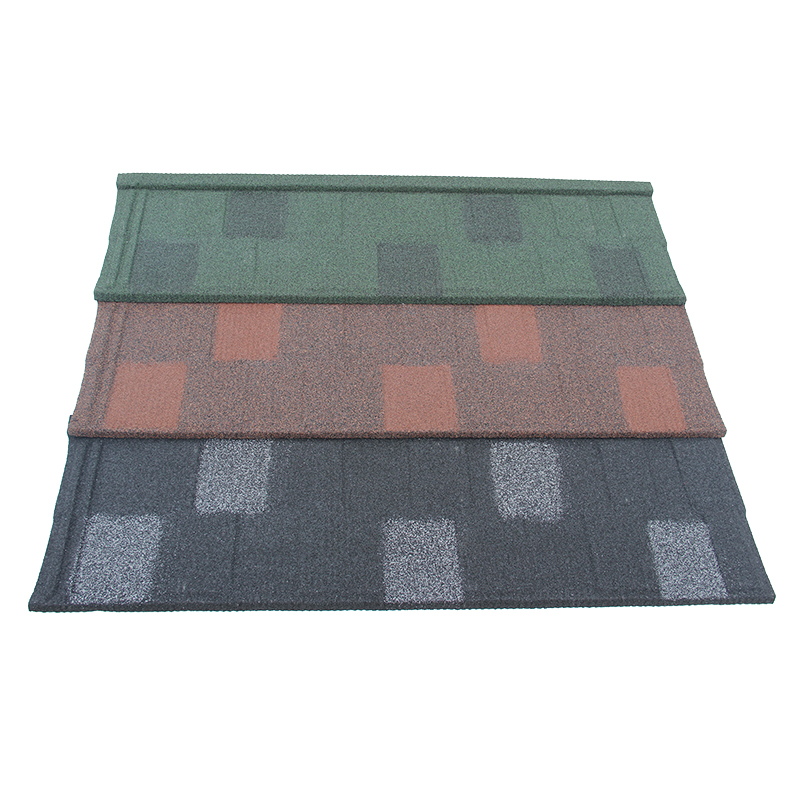
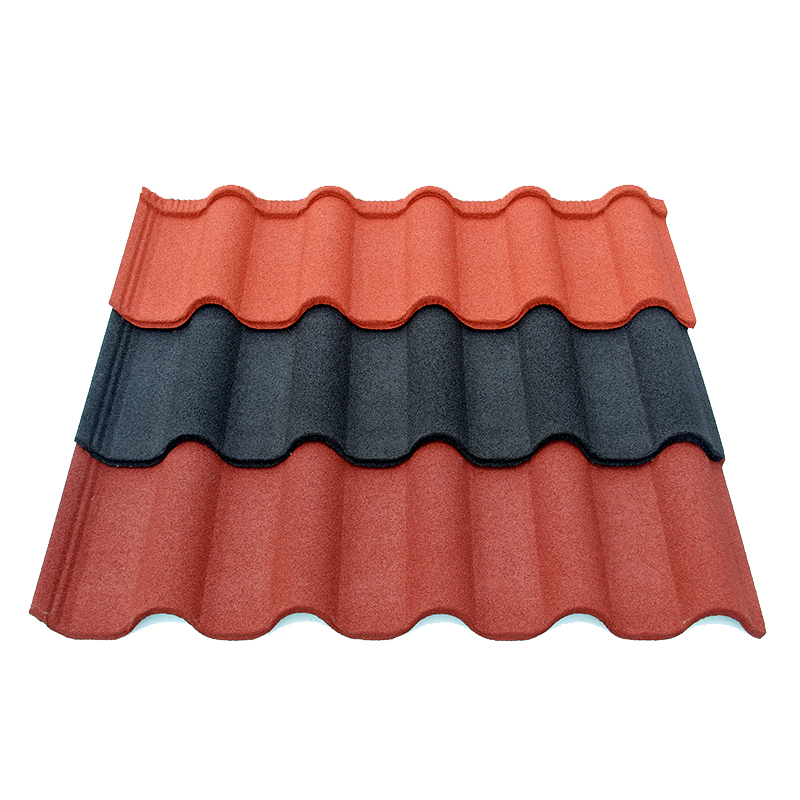
For example, many international buyers working with stone coated roofing products prioritize manufacturers that offer multiple profile options such as Shingle Tile, while others focus on architectural projects requiring Milano Tile designs.
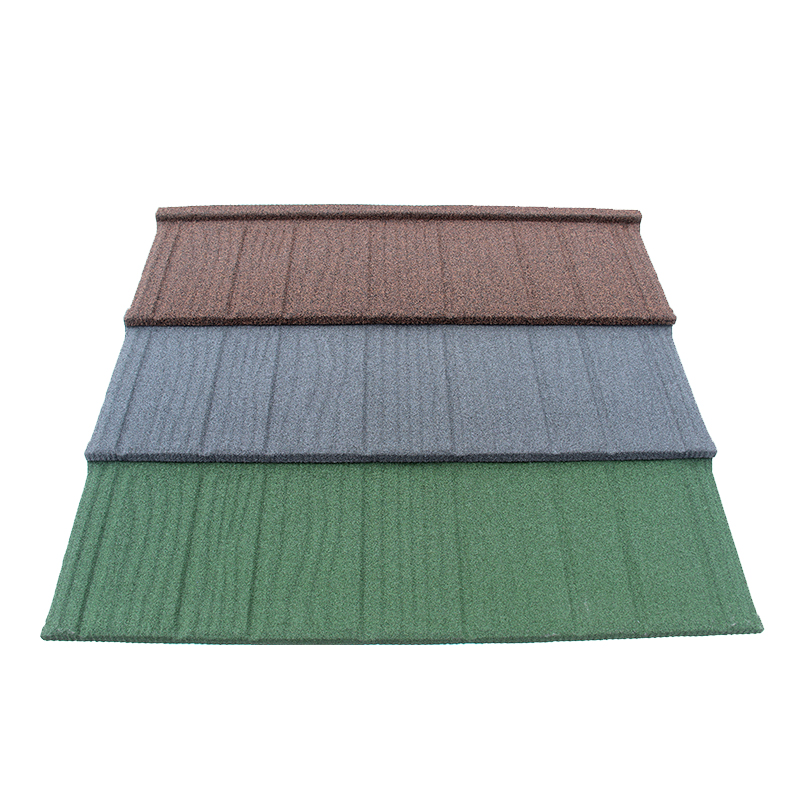
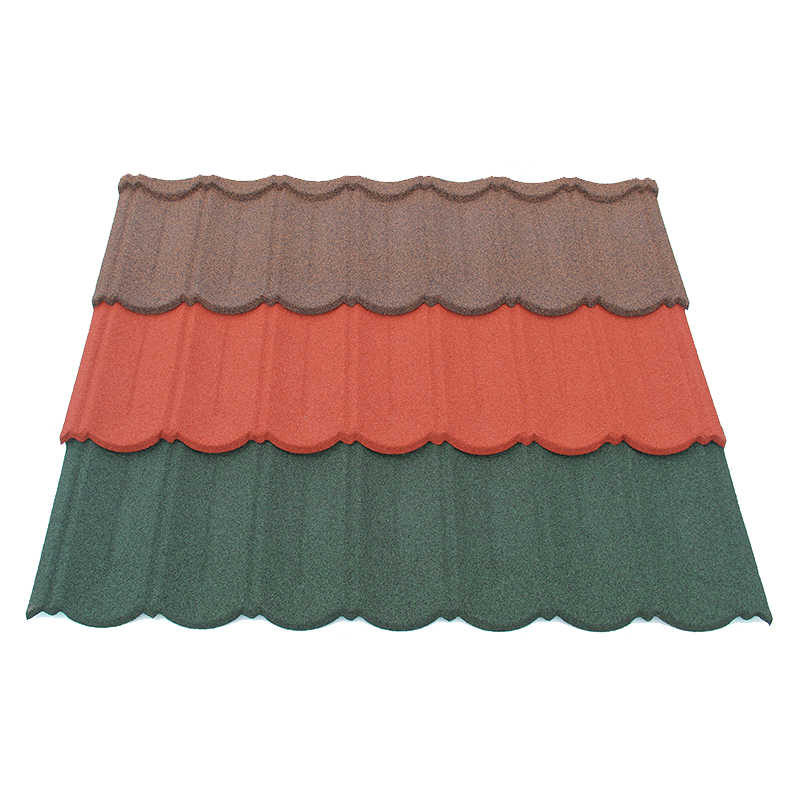
Similarly, premium residential developments frequently incorporate Shake Tile systems to achieve a traditional appearance while maintaining the durability advantages of steel roofing.
Among export-oriented manufacturers, JCROOF represents the type of supplier many distributors evaluate when seeking long-term partnerships. Factors such as manufacturing specialization, international market experience, OEM capability, and consistent product quality often play a larger role in supplier selection than factory size alone.
Conclusion
China’s largest roofing tile factories play a critical role in supplying global construction markets. However, production capacity should be viewed as only one component of supplier evaluation.
The most successful buyers balance factory scale with quality control, export expertise, supply chain stability, and long-term partnership potential. By focusing on these factors, distributors and contractors can identify manufacturers capable of supporting sustainable business growth rather than simply delivering large production volumes.