
In global construction procurement, the selection of trusted roofing manufacturers for contractors has become a critical decision that directly affects project quality, installation efficiency, and long-term building performance. Contractors working across residential, commercial, and infrastructure projects are no longer choosing suppliers based on price alone. Instead, they are evaluating consistency, engineering reliability, logistics stability, and technical support.
Stone coated steel roofing has become one of the most widely used roofing systems in international markets due to its balance of durability, aesthetics, and structural performance. However, not all manufacturers deliver the same level of reliability. Contractors increasingly rely on proven brands that can reduce installation risks and ensure predictable outcomes across large-scale projects.
This article explains how global contractors evaluate roofing manufacturers, what defines trust in the roofing supply chain, and which operational factors determine long-term supplier credibility.
Why Contractors Only Trust a Limited Group of Roofing Manufacturers
Contractors operate under strict timelines, labor cost constraints, and performance accountability. A roofing system failure does not only affect material costs—it impacts client trust, project delays, and potential legal risks. For this reason, contractors are highly selective when choosing roofing suppliers.
Trust in roofing manufacturing is built over time through consistent product performance, not marketing claims. Manufacturers that reduce installation issues and deliver stable quality become long-term partners in construction ecosystems.
Predictable Product Performance
Contractors prioritize roofing systems that behave consistently during installation and long-term exposure. Variations in panel alignment, coating quality, or fastening compatibility create unnecessary risk.
Reliable manufacturers eliminate these uncertainties through controlled production systems.
Reduced Installation Risk
On-site installation conditions vary across regions. Contractors prefer roofing systems that adapt easily to different labor skill levels and environmental conditions.
Products that simplify installation reduce labor time and minimize errors.
Long-Term Customer Satisfaction
Contractors are often judged by the performance of completed projects. Roofing failures can damage their professional reputation. Therefore, they align with manufacturers that demonstrate proven long-term durability.
Key Factors That Define Trusted Roofing Manufacturers for Contractors
Not every roofing factory qualifies as a trusted partner. Contractors evaluate manufacturers using a combination of technical performance, operational reliability, and service capability. These factors are more important than brand visibility alone.
A manufacturer becomes trusted when it consistently supports contractors across multiple project phases—from design selection to installation and after-sales support.
Material Engineering and Steel Quality
The foundation of stone coated roofing performance lies in steel substrate quality. High-performance manufacturers use galvanized or Galvalume steel with controlled thickness and coating uniformity.
This directly influences corrosion resistance, structural strength, and long-term weather durability.
Production Consistency and Quality Control
Large-scale contractors require consistent product output. Even small deviations in dimensions can cause installation inefficiencies and alignment issues.
Factories with automated production lines and multi-stage quality inspection systems are more likely to maintain stable output.
Weather Resistance Engineering
Roofing systems must perform under diverse environmental conditions, including heavy rain, wind storms, UV exposure, and coastal salt corrosion.
Engineered interlocking systems improve wind uplift resistance and overall structural integrity.
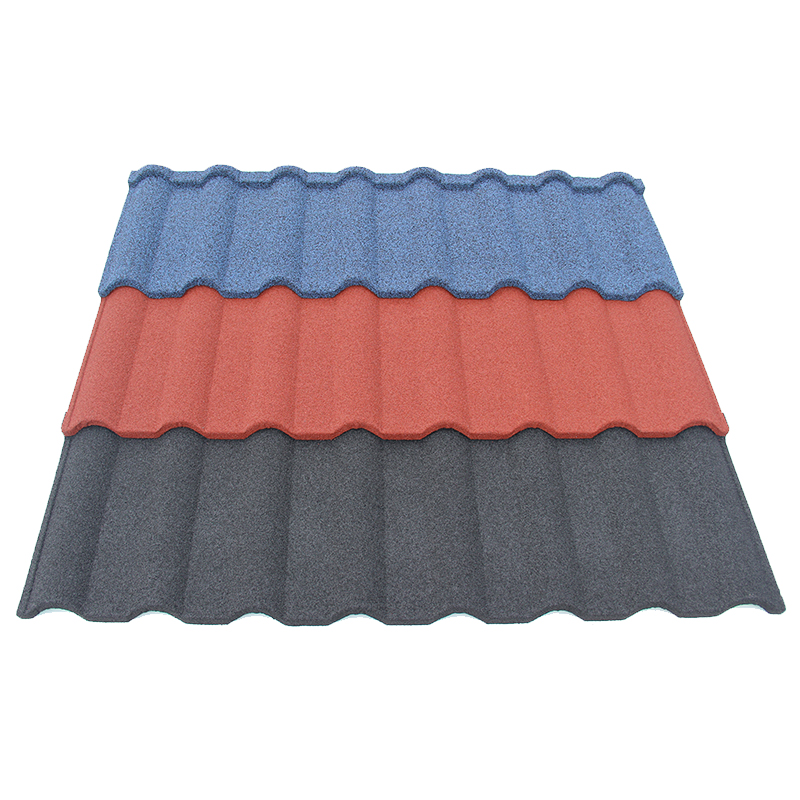
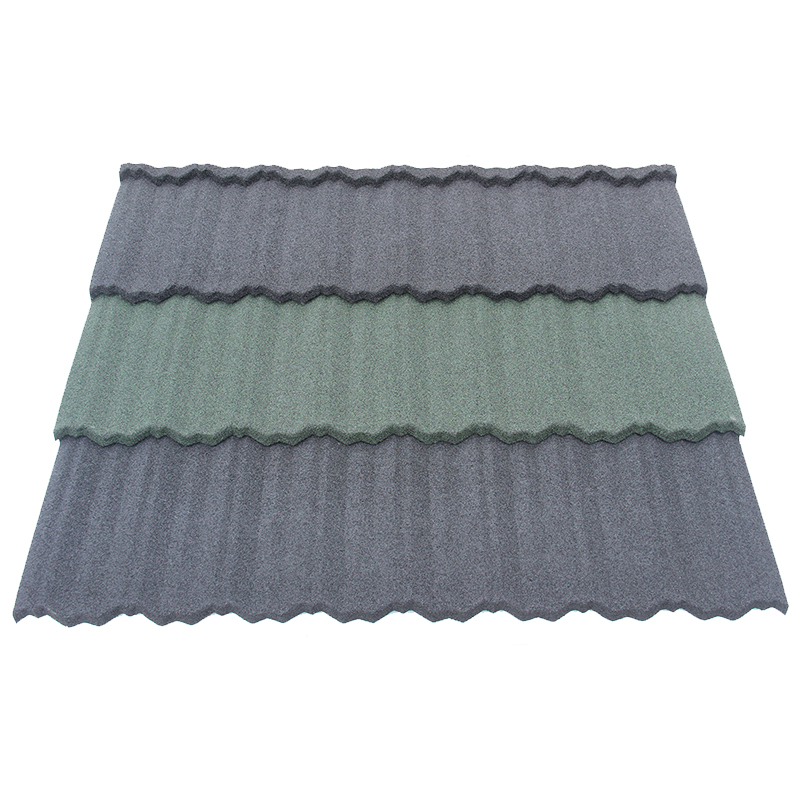
Many residential developments use Bond Tile systems because they provide a balance of structural strength and installation efficiency.
How Contractors Evaluate Roofing Brands in Real Projects
Contractors rely on practical experience rather than theoretical specifications. Their evaluation process is based on real installation performance, client feedback, and project outcomes.
Understanding this evaluation framework helps distributors and developers select manufacturers that align with contractor expectations.
Installation Efficiency and Labor Optimization
Time is a critical factor in construction projects. Roofing systems that install faster reduce labor costs and shorten project timelines.
Consistent dimensions and simplified fastening systems improve installation efficiency.
Technical Documentation and Support
Trusted manufacturers provide detailed installation manuals, technical drawings, and engineering guidance.
This reduces on-site confusion and improves installation accuracy.
Warranty Credibility and Claims Handling
Contractors evaluate how manufacturers handle warranty claims. A responsive support system increases trust and reduces project risk.
Clear warranty policies demonstrate manufacturing confidence.
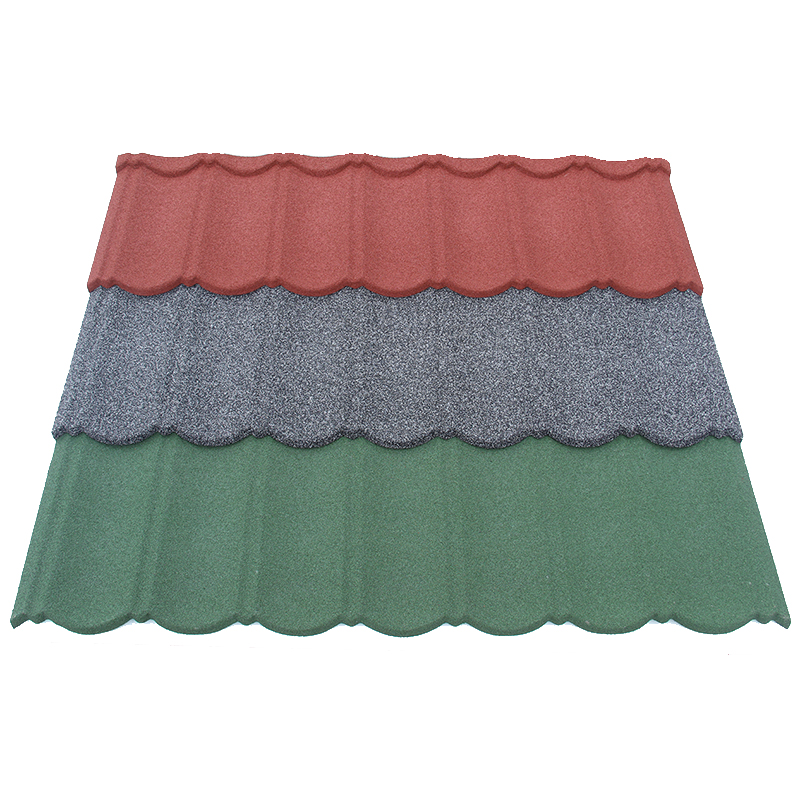
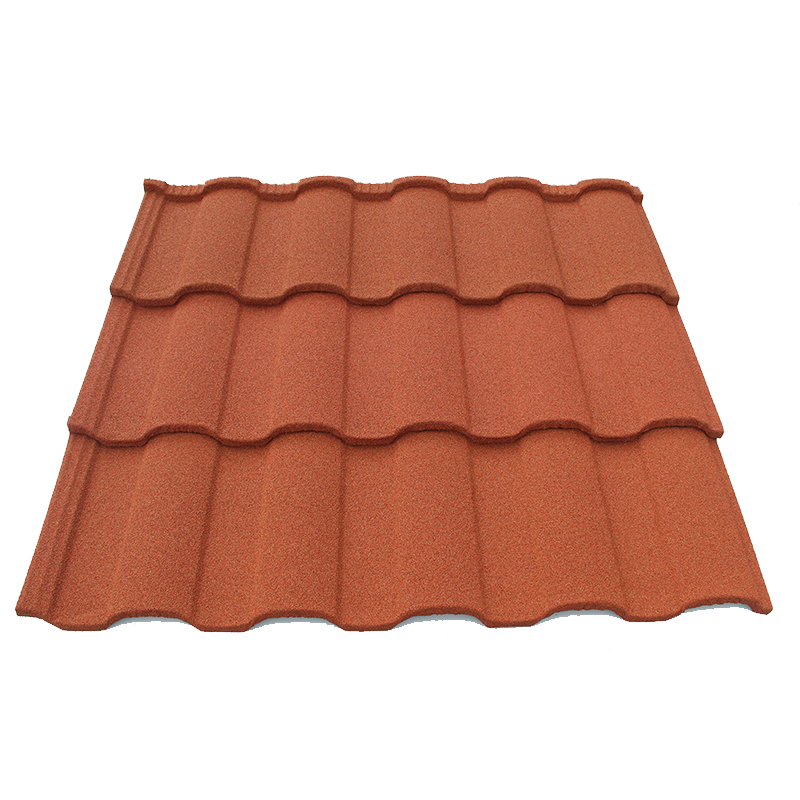
For architectural projects requiring premium aesthetics, contractors often select Roman Tile systems due to their classic appearance and long-term performance reliability.
Customer Feedback and Market Reputation
Contractors rely heavily on peer recommendations. Products with strong field performance history naturally gain wider acceptance in the market.
Global Roofing Supply Chain and Contractor Preferences
Roofing supply chains vary significantly across regions. Contractors adapt their supplier choices based on logistics efficiency, climate conditions, and local construction practices.
Trusted manufacturers are those that can maintain consistent supply across multiple regions while adapting to local requirements.
Africa and Emerging Markets
Cost efficiency and durability are primary considerations. Contractors prioritize roofing systems that can withstand long-term environmental exposure with minimal maintenance.
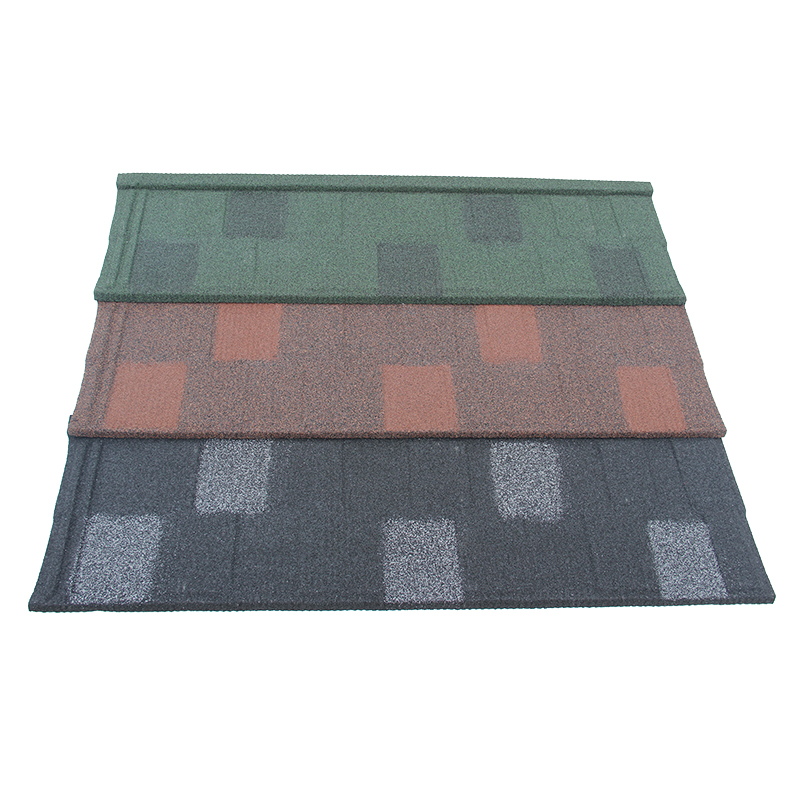
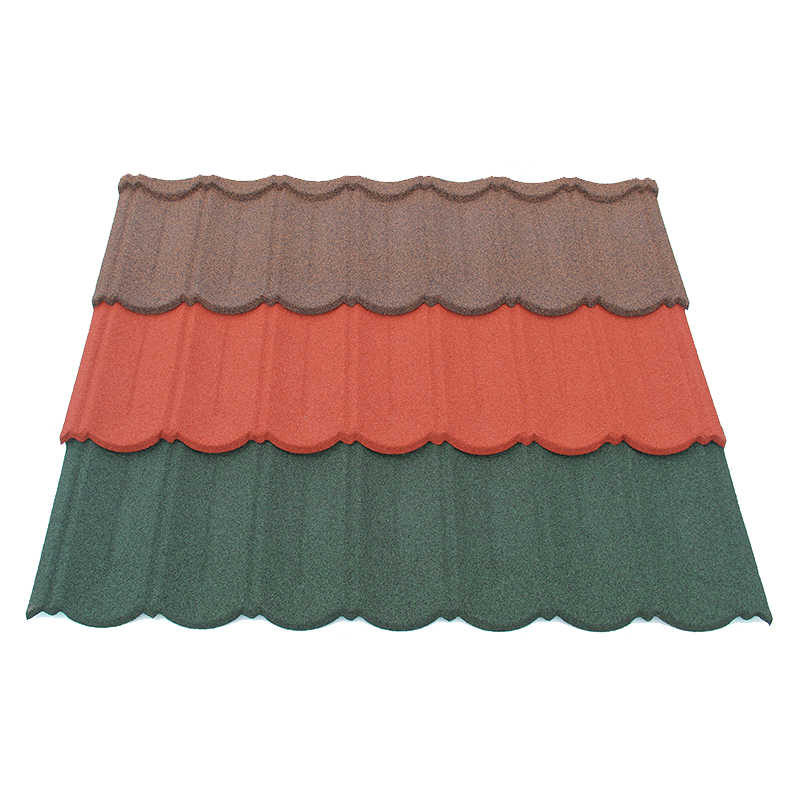
In these markets, demand for Shingle Tile systems is strong due to their balance of affordability and performance.
Southeast Asia and Tropical Regions
High rainfall, humidity, and typhoon risks make corrosion resistance and water drainage performance essential selection factors.
Middle East Markets
Extreme heat and UV exposure require roofing systems with advanced coating technologies and thermal stability.
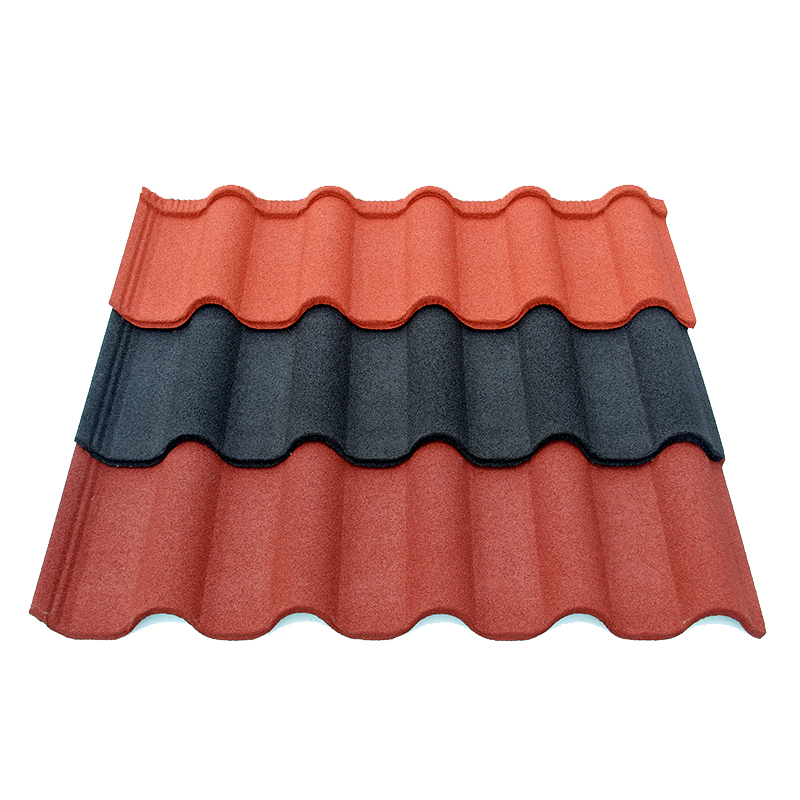
In premium villa developments, contractors often prefer Milano Tile systems due to their architectural elegance and durability in harsh climates.
Europe and High-Standard Projects
Strict building regulations and design requirements influence roofing selection. Contractors prioritize certified systems with proven compliance records.
What Separates Trusted Roofing Manufacturers from Standard Suppliers
While many manufacturers offer similar roofing products, only a limited number achieve long-term contractor trust. The difference lies in operational discipline, technical investment, and global service capability.
Trusted manufacturers function as long-term partners rather than transactional suppliers.
Engineering Capability and Product Development
Strong manufacturers continuously improve roofing systems through material upgrades, coating improvements, and structural enhancements.
Innovation ensures long-term competitiveness in global markets.
Export Experience and Logistics Control
International contractors require reliable delivery schedules and accurate documentation. Export-ready manufacturers reduce supply chain risks significantly.
OEM and Private Label Support
Many distributors build local brands using OEM services. Manufacturers that support customization help contractors and distributors expand market presence.
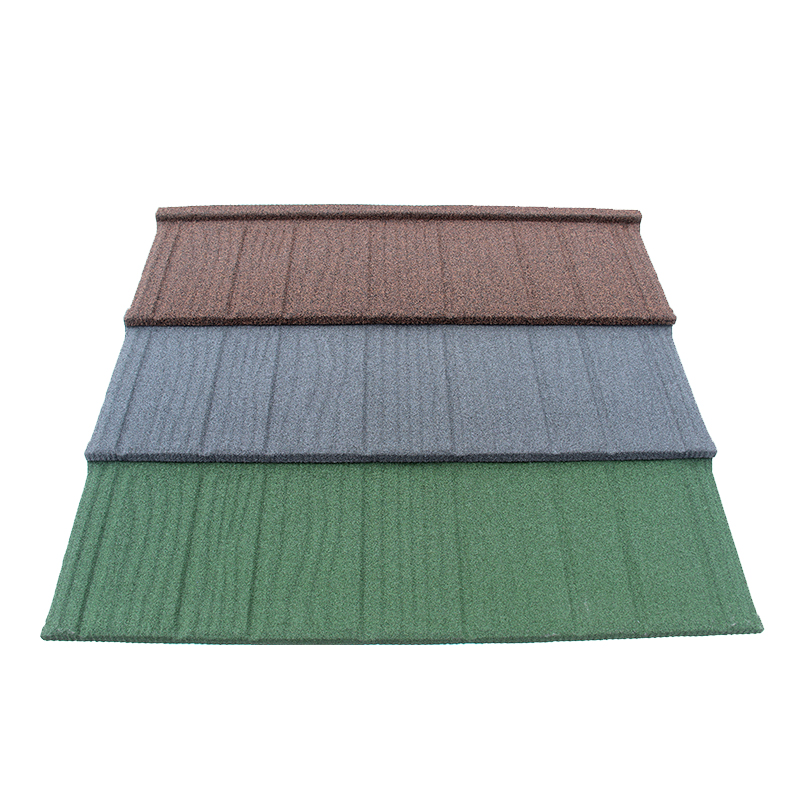
Among modern architectural applications, systems like Shake Tile are frequently used for premium and heritage-style roofing projects.
In the global manufacturing landscape, JCROOF represents the type of roofing partner that contractors and distributors evaluate for long-term cooperation. Key factors include production specialization, export capability, consistent quality control, and adaptability to different regional market requirements.
Conclusion
Contractors worldwide trust roofing manufacturers that demonstrate consistency, technical strength, and reliable supply chain performance. Trust is not built through branding alone but through repeated project success and predictable product behavior.
The most successful roofing manufacturers are those that reduce installation risks, improve efficiency, and support contractors throughout the entire project lifecycle.
For distributors and developers, selecting the right manufacturing partner is ultimately a strategic decision that determines long-term competitiveness in the global roofing market.