
China has become the world’s leading manufacturing base for roofing materials, supplying distributors, importers, contractors, and developers across more than 150 countries. For companies looking for reliable China roofing factories, the challenge is no longer finding a supplier—it is finding the right manufacturing partner that can consistently deliver quality products, stable lead times, and long-term business value.
The demand for stone coated metal roofing tile continues to increase in Africa, Southeast Asia, the Caribbean, South America, and the Middle East. As competition grows, buyers are paying closer attention to production capability, quality management, OEM services, and export experience instead of simply comparing prices.
This guide explains how to evaluate large roofing factories in China from a professional sourcing perspective. Rather than ranking companies by size alone, it focuses on the factors that truly matter to international buyers, helping distributors make informed procurement decisions while reducing sourcing risks.
Why China Roofing Factories Continue to Lead the Global Roofing Industry
China’s roofing manufacturing industry has evolved significantly over the past two decades. Modern factories are no longer competing only on production volume. Today, leading manufacturers invest heavily in automated equipment, quality inspection systems, research and development, and international logistics. These investments allow them to supply large projects while maintaining consistent product quality.
For overseas buyers, this development creates opportunities to source roofing systems that combine competitive pricing with international manufacturing standards. However, the gap between leading factories and ordinary suppliers has also become much larger. Choosing the wrong factory may result in inconsistent products, delayed shipments, or unexpected warranty issues.
Integrated Manufacturing Supply Chains
One of China’s greatest advantages is its mature industrial ecosystem. Steel mills, coating suppliers, stone chip manufacturers, packaging companies, and logistics providers are closely connected. This integration improves production efficiency and reduces procurement costs throughout the manufacturing process.
As a result, many China roofing factories can respond quickly to large-volume orders while maintaining stable production schedules.
Investment in Production Automation
Leading factories continue upgrading their production facilities with automated forming machines, coating lines, curing systems, and quality inspection equipment. Automation improves dimensional accuracy and reduces variations between production batches.
This consistency is particularly important for distributors handling multiple container shipments over long-term supply agreements.
Growing International Experience
Unlike many small regional manufacturers, export-oriented factories understand international documentation requirements, container optimization, customs procedures, and project scheduling. These capabilities reduce operational risks for overseas buyers.
How to Evaluate the Largest China Roofing Factories Beyond Production Size
Many procurement teams initially compare suppliers by factory area or annual production capacity. Although these indicators are important, they rarely provide a complete picture of manufacturing capability. Experienced buyers evaluate factories using a broader set of operational criteria.
A manufacturer producing millions of square meters each year may not necessarily provide better service than a well-managed medium-sized factory. Operational discipline, engineering capability, and quality management often create more value than production volume alone.
Production Capacity Should Match Business Stability
Large capacity is valuable only when supported by stable production planning. Buyers should ask whether the manufacturer operates multiple production lines, maintains sufficient inventory of raw materials, and has contingency plans for peak seasons.
Factories with diversified production resources generally deliver more reliable lead times than those operating close to maximum capacity throughout the year.
Quality Management Systems Matter More Than Factory Size
Every shipment should meet the same specifications regardless of production volume. Reliable factories implement inspections throughout the manufacturing process instead of checking products only before shipment.
Quality control typically includes raw material verification, steel thickness measurement, coating inspection, stone chip adhesion testing, dimensional accuracy checks, and final packaging review.
| Evaluation Factor | Leading China Roofing Factories | Average Manufacturers |
|---|---|---|
| Production Planning | Stable and predictable | Often affected by peak seasons |
| Quality Control | Multi-stage inspection process | Limited final inspection |
| Automation Level | High | Medium or manual |
| OEM Capability | Comprehensive customization | Basic branding only |
| Export Experience | Extensive global shipments | Limited overseas projects |
Product Portfolio Reflects Manufacturing Capability
A diversified product portfolio often indicates stronger engineering capability. Manufacturers serving international markets usually offer multiple roofing profiles to satisfy different architectural styles and regional preferences.
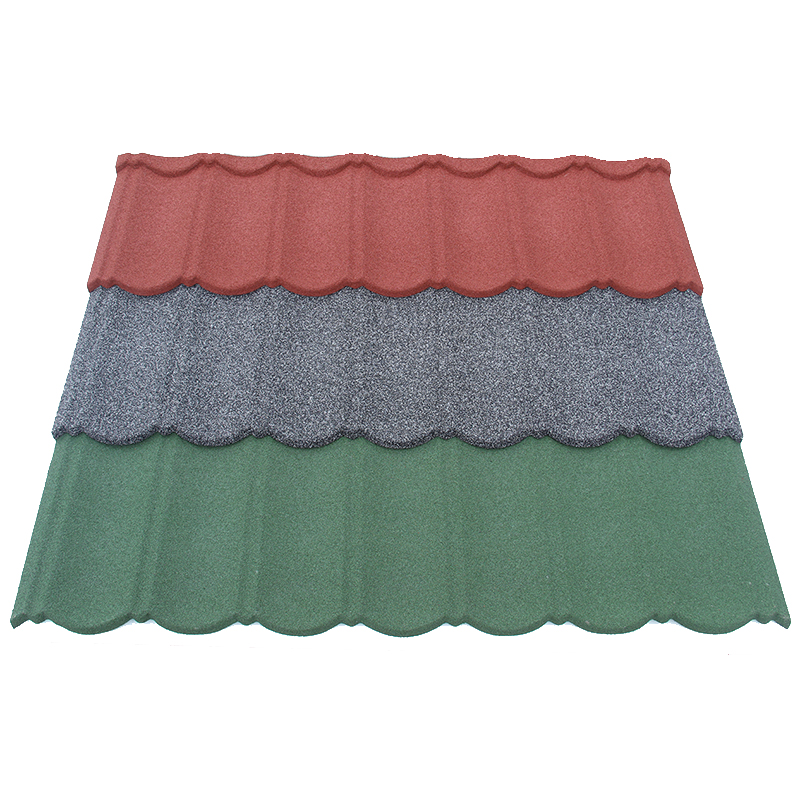
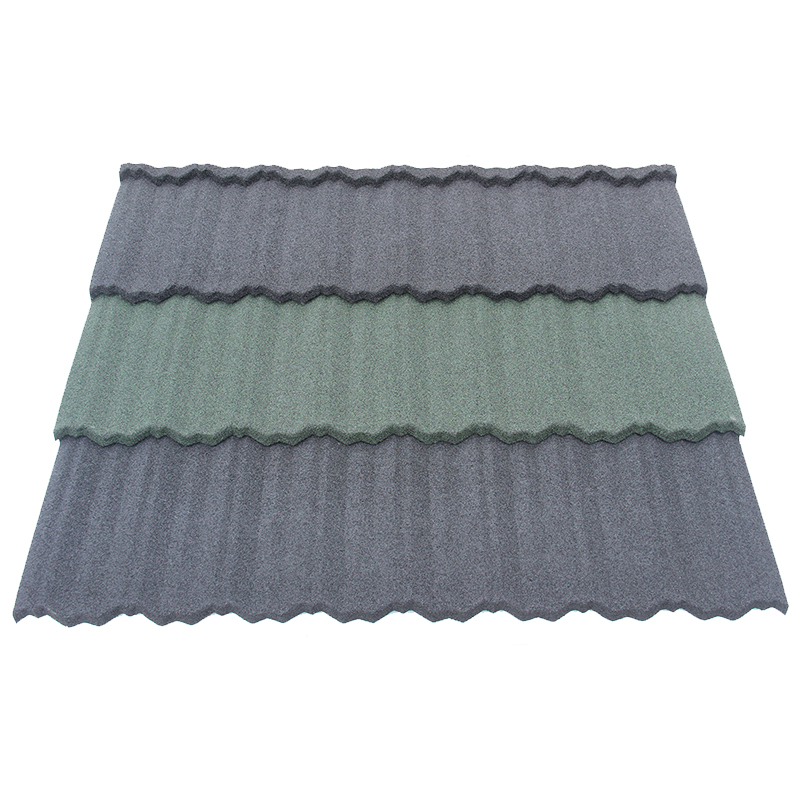
For example, distributors supplying mainstream residential housing frequently select Bond Tile because it combines efficient installation with a traditional roof appearance. Offering multiple profile options also allows distributors to address different customer segments without changing suppliers.
Key Questions Global Buyers Should Ask Before Choosing China Roofing Factories
Finding a qualified manufacturer is only the first step. The real challenge is determining whether a factory can become a reliable long-term partner. Professional procurement teams rarely make decisions based on quotations alone. Instead, they conduct a structured supplier evaluation that covers manufacturing capability, operational management, technical support, and future scalability.
Many sourcing risks can be avoided simply by asking the right questions before placing an order. An experienced factory should be able to answer these questions with clear documentation rather than general promises. The more transparent a supplier is during the evaluation stage, the more confidence buyers can have in future cooperation.
Can the Factory Maintain Consistent Product Quality?
Consistency is one of the biggest concerns for distributors importing multiple containers throughout the year. Roofing panels should maintain identical dimensions, coating quality, color consistency, and stone chip adhesion across every production batch.
Buyers should request information about quality management procedures, inspection reports, and production traceability. Factories with standardized operating procedures usually achieve lower defect rates and higher customer satisfaction.
How Stable Is the Raw Material Supply Chain?
Roofing quality starts with raw materials. Reliable manufacturers establish long-term partnerships with qualified steel suppliers and maintain strict incoming material inspections.
Ask whether the factory uses consistent steel specifications throughout production. Frequent changes in raw material sourcing may affect product performance and long-term durability.
What Is the Factory’s OEM and Private Label Experience?
Many international distributors build their own brands rather than selling generic products. Therefore, OEM capability has become an important supplier selection criterion.
An experienced manufacturer should support customized packaging, logo printing, color development, installation manuals, and marketing materials. These services allow distributors to strengthen their local brand while maintaining consistent product quality.
Can the Factory Handle Large Export Orders?
Production capacity alone does not guarantee reliable delivery. Buyers should evaluate warehouse management, container loading experience, shipping coordination, and export documentation.
Factories serving international markets usually understand customs requirements, packaging protection, and efficient container utilization. These operational details reduce transportation risks and improve delivery reliability.
- Request recent export references.
- Review average production lead times.
- Ask about monthly production capacity.
- Confirm quality inspection procedures.
- Evaluate communication speed and technical support.
- Understand warranty and after-sales policies.
How Leading China Roofing Factories Create Value Beyond Manufacturing
The relationship between buyers and manufacturers has changed considerably in recent years. International distributors no longer expect factories to simply produce roofing materials. Instead, they seek manufacturing partners capable of supporting business growth through technical expertise, product development, and supply chain reliability.
This shift has encouraged many leading China roofing factories to expand their services beyond production. As competition increases, value-added support often becomes the deciding factor when buyers compare suppliers offering similar pricing.
Engineering Support for Different Markets
Roofing requirements vary significantly between regions. Tropical climates demand excellent drainage performance, while coastal projects require enhanced corrosion resistance. Manufacturers with engineering experience can recommend suitable product configurations based on local conditions.
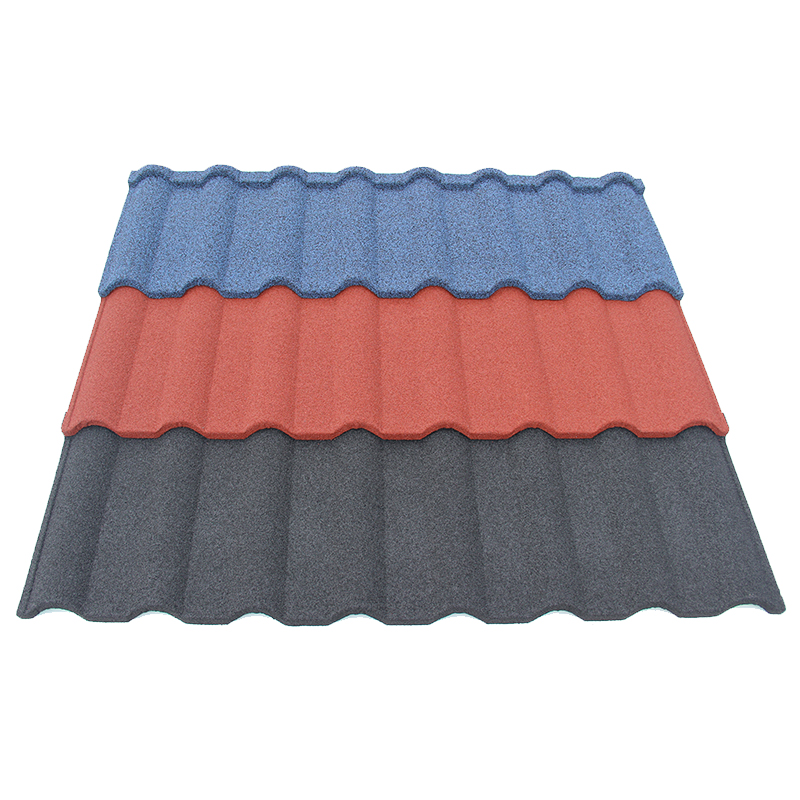
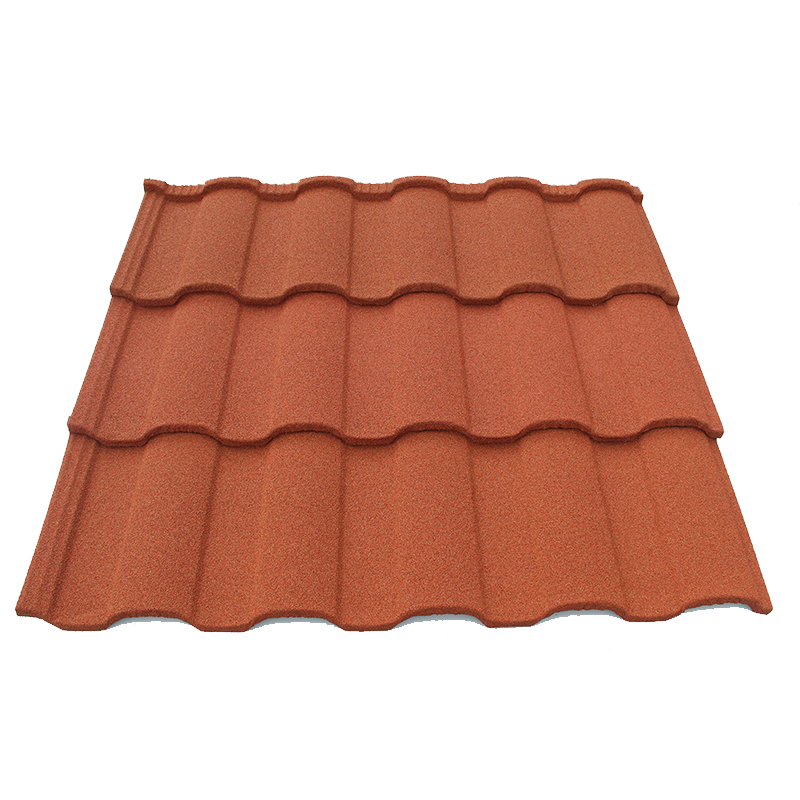
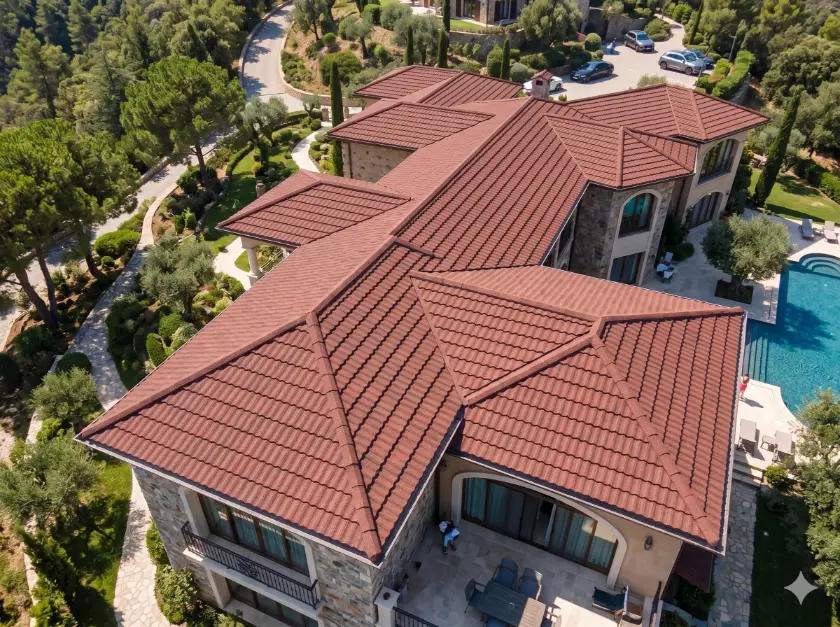
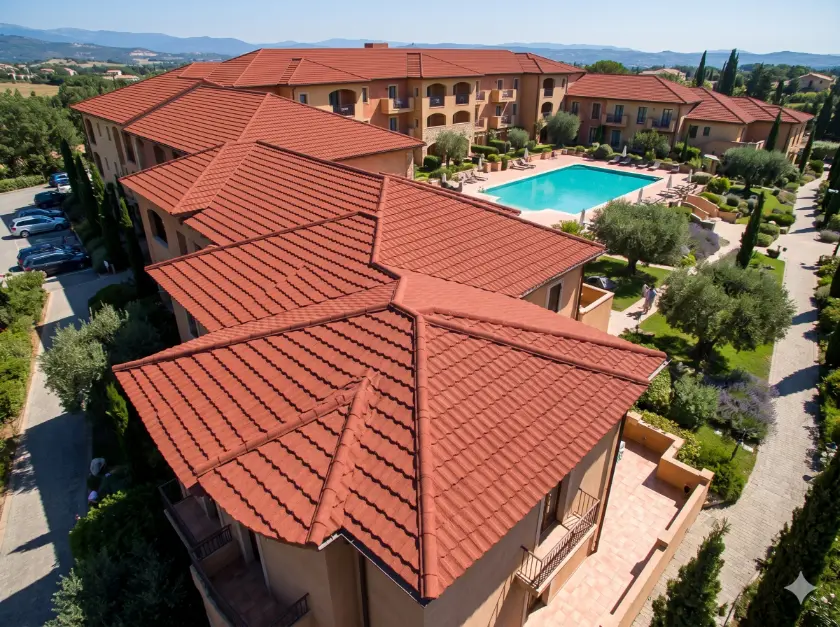
For example, distributors supplying Mediterranean-style housing developments often recommend Roman Tile because it combines architectural appeal with the durability advantages of stone coated steel roofing.
Flexible OEM Production Programs
OEM capability extends far beyond printing a customer logo on product packaging. Advanced manufacturers support complete branding solutions, including exclusive colors, customized accessories, installation manuals, promotional materials, and private-label packaging.
These services help distributors differentiate themselves in competitive markets without investing in their own manufacturing facilities.
Broader Product Portfolios Increase Market Opportunities
Leading factories usually manufacture several roofing profiles to satisfy different architectural preferences and price segments.
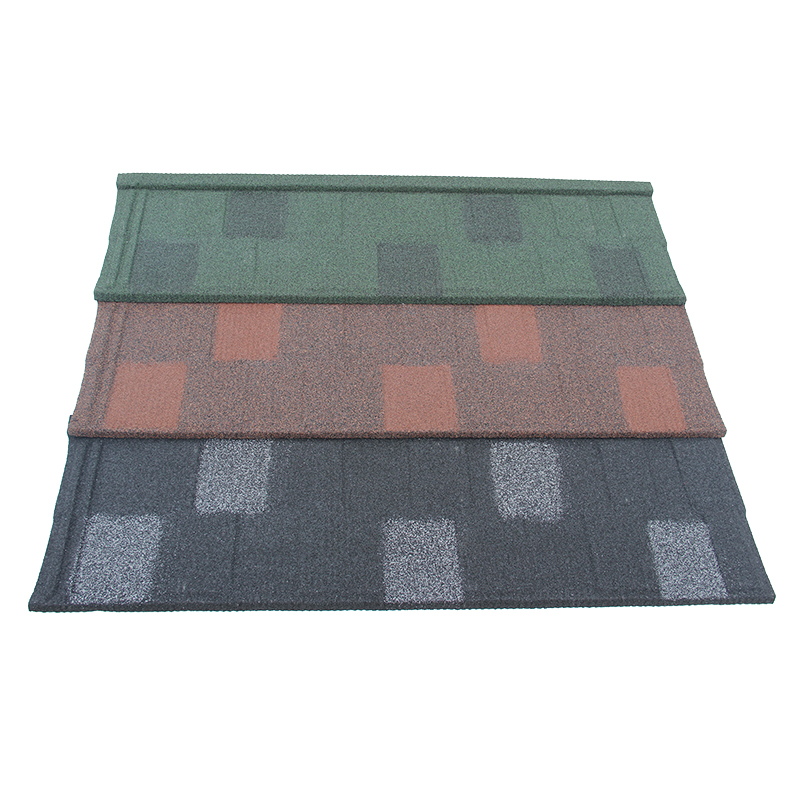
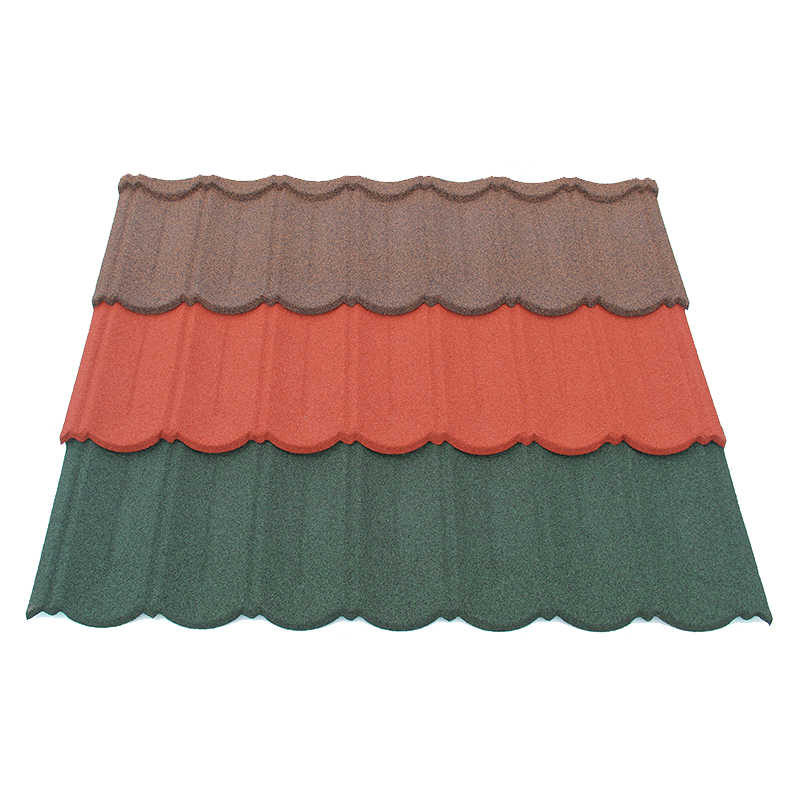
For mainstream residential developments, Shingle Tile remains a popular option because it delivers a familiar appearance while benefiting from the lightweight structure of stone coated steel roofing.
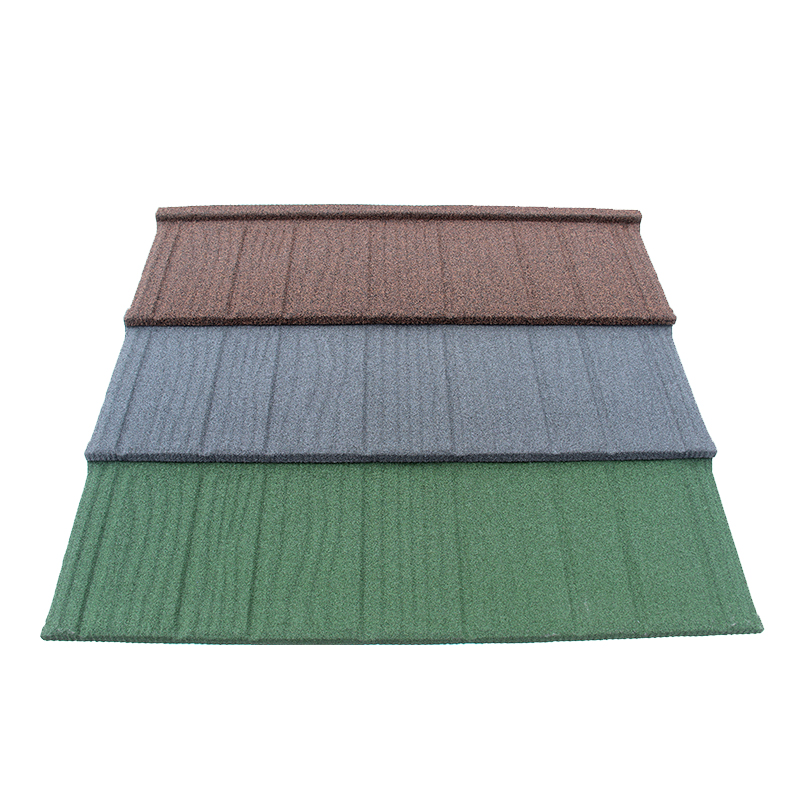
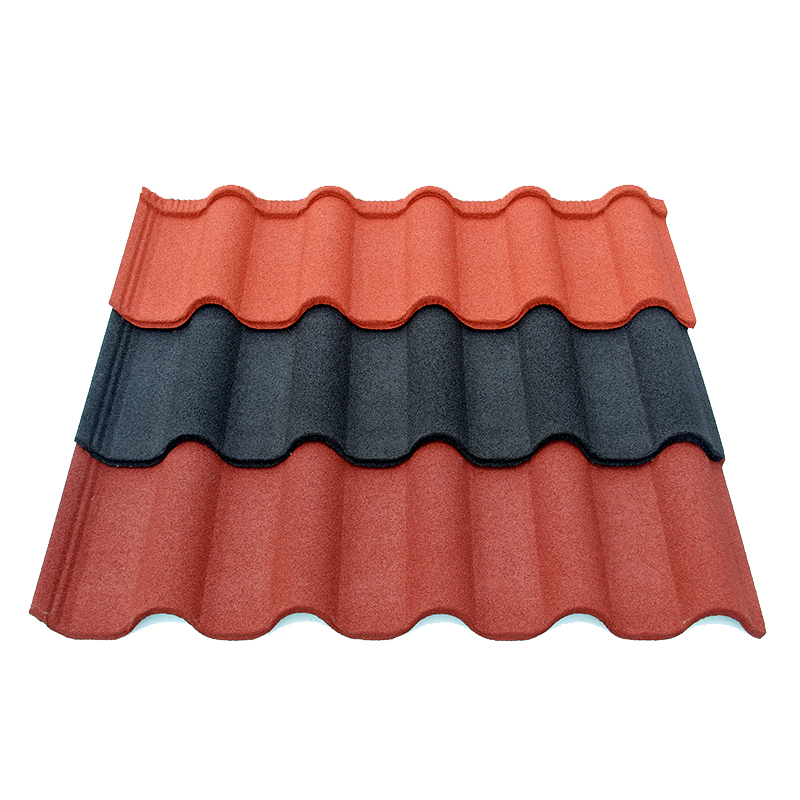
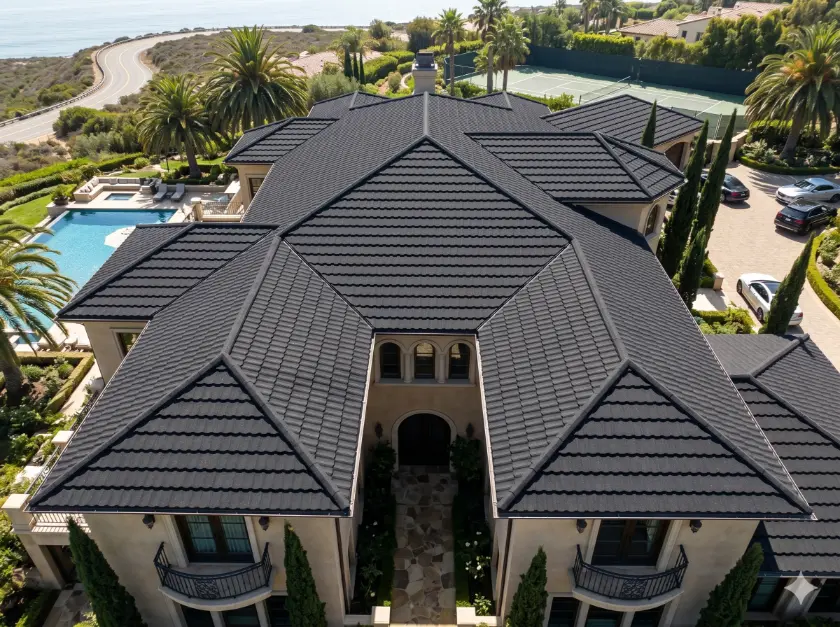
Premium residential projects, however, often require more distinctive designs. In these situations, architects frequently specify Milano Tile to create a refined appearance without compromising durability.
By sourcing multiple profiles from a single manufacturer, distributors simplify inventory management while offering customers greater flexibility across residential, commercial, and renovation projects.