
China has become one of the world’s leading manufacturing hubs for stone coated roofing tiles, supplying distributors, wholesalers, contractors, and construction companies across more than 150 countries. Thanks to competitive pricing, large production capacity, and continuous product innovation, many international buyers choose Chinese suppliers as their long-term business partners.
However, importing roofing materials involves much more than simply comparing prices. Buyers must evaluate manufacturers, verify product quality, understand shipping terms, and prepare the necessary import documents. Therefore, learning how to import stone coated roofing tiles from China can help reduce sourcing risks, avoid unexpected costs, and build a more reliable supply chain.
This guide explains the complete importing process—from finding a supplier to receiving your shipment—so you can purchase with greater confidence.
Why Import Stone Coated Roofing Tiles from China?
China has established a strong reputation in the global roofing industry due to its advanced manufacturing technology and mature supply chain. Consequently, importers benefit from competitive pricing without sacrificing product quality when they work with experienced manufacturers.
Large Manufacturing Capacity
Chinese roofing factories operate automated production lines capable of handling both small customized orders and high-volume OEM production. As a result, distributors can maintain stable inventory while meeting seasonal market demand.
Competitive Production Costs
Because China has a well-developed supply chain for steel, coatings, and stone granules, manufacturers can control production costs more effectively. Therefore, buyers often receive better value than sourcing from smaller regional factories.
OEM and Private Label Services
Many Chinese manufacturers provide OEM and ODM services, allowing importers to customize roofing profiles, colors, packaging, and branding according to local market preferences.
Step 1: Identify a Reliable Manufacturer
The first and most important step is selecting a trustworthy manufacturer rather than simply choosing the lowest quotation.
Evaluate Manufacturing Experience
Look for factories with several years of production experience and proven export records. Experienced manufacturers usually maintain better quality control systems and more stable production schedules.
Review Product Range
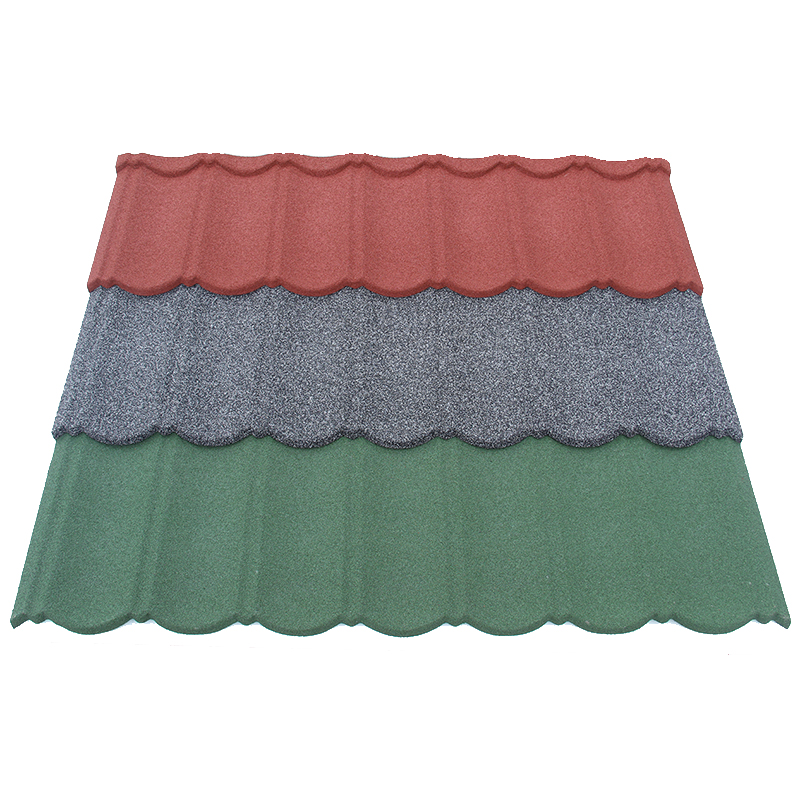
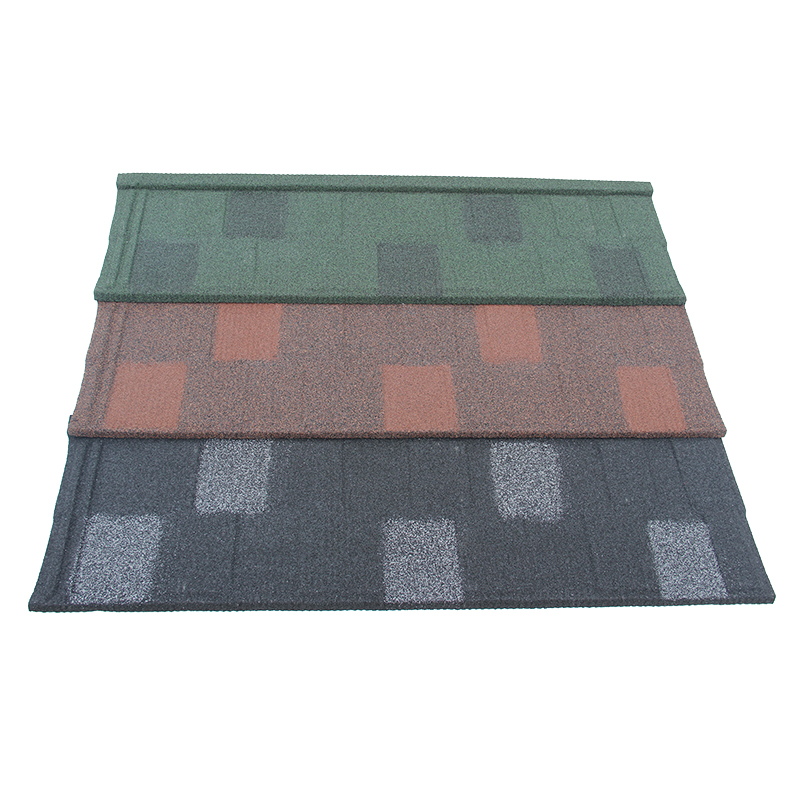
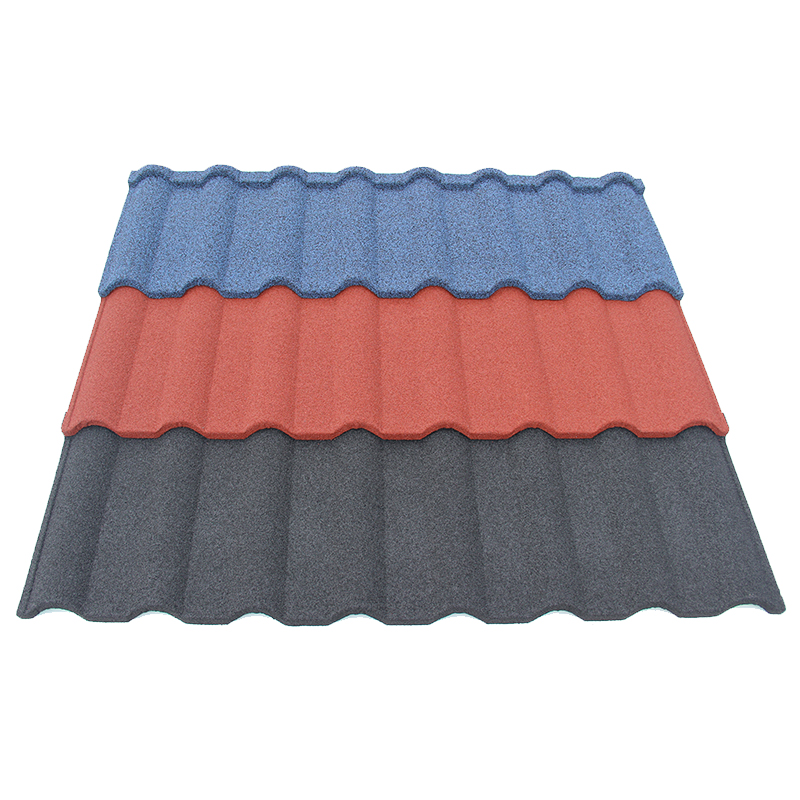
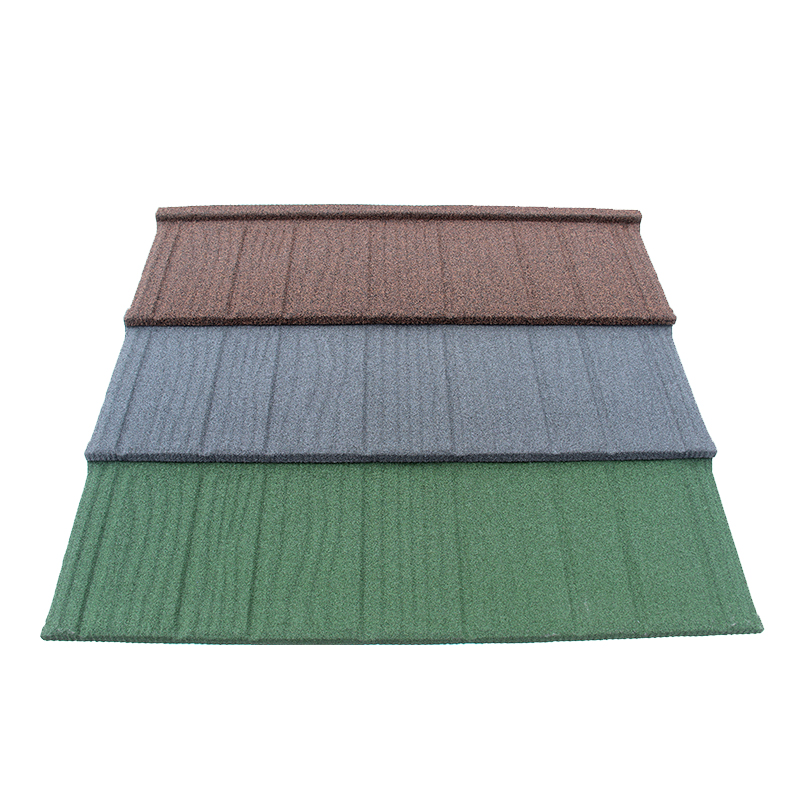
A professional supplier should offer multiple roofing profiles for different architectural styles.
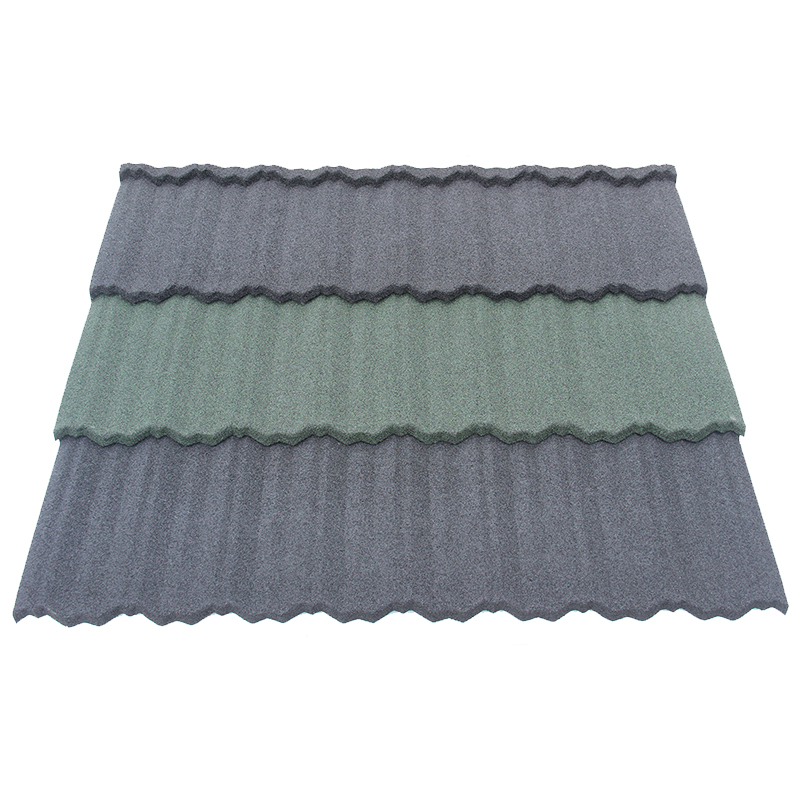
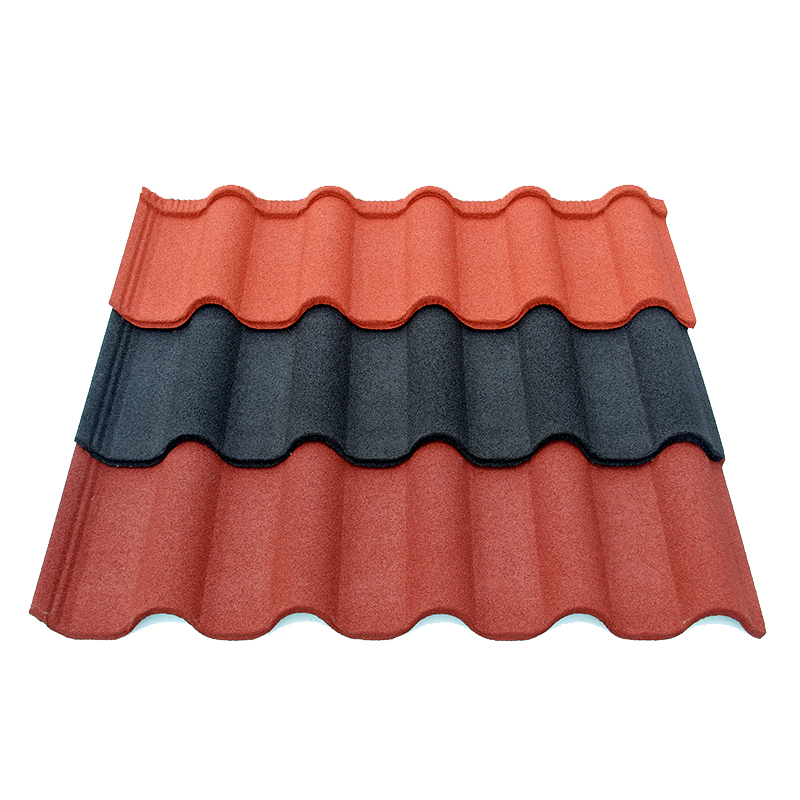
- Bond Tile for modern residential developments
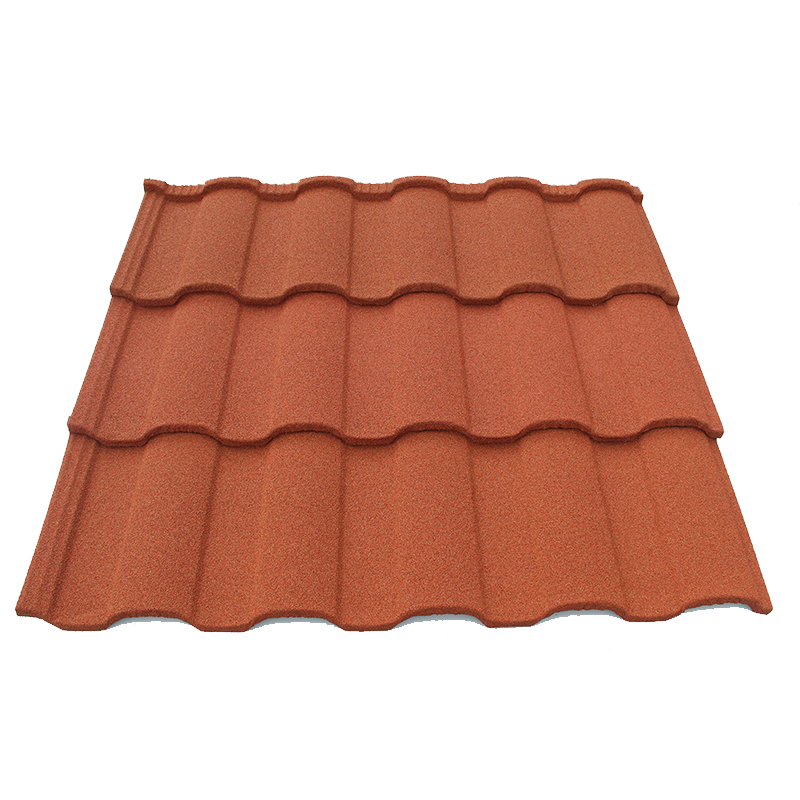
- Roman Tile for Mediterranean-style architecture
- Shingle Tile for traditional residential roofing
- Milano Tile for premium housing projects
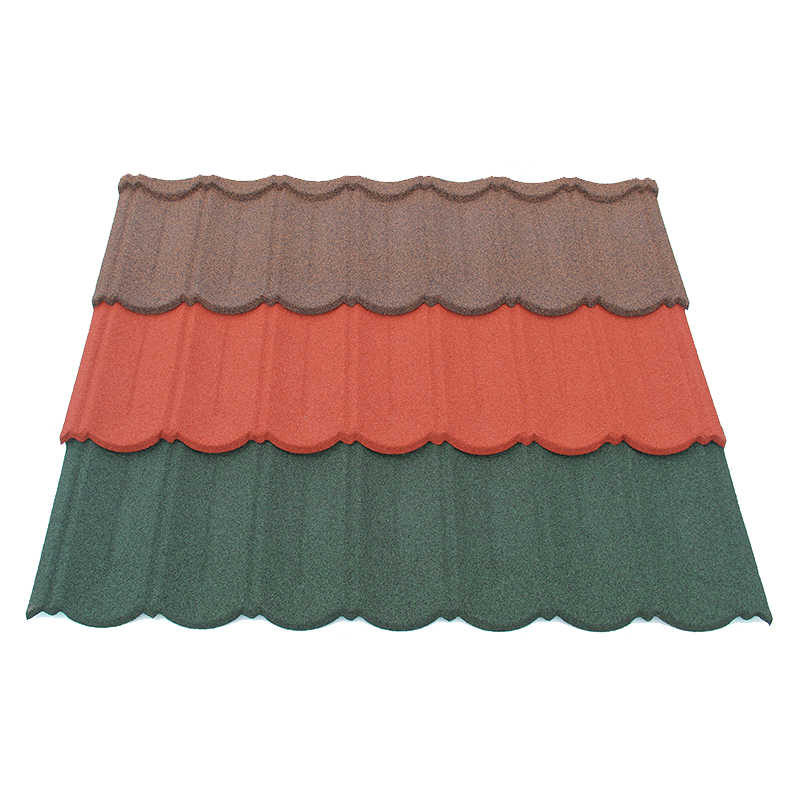
- Shake Tile for natural wood-like aesthetics
Verify Factory Credentials
Before placing an order, request business licenses, quality certifications, production photos, and recent export references. If possible, arrange a factory audit or ask an independent inspection company to verify manufacturing capability.
Step 2: Request Samples Before Bulk Orders
Never place a large order without reviewing product samples first. Sample evaluation allows buyers to confirm product quality and compare different suppliers objectively.
Inspect Material Quality
Check steel thickness, stone granule adhesion, coating uniformity, and overall workmanship.
Verify Color Consistency
Compare samples under natural light to ensure colors remain consistent across different production batches.
Review Installation Design
Confirm that the interlocking system fits properly and matches your local installation requirements.
Step 3: Confirm Product Specifications
Before production begins, both parties should agree on detailed technical specifications.
Typical specifications include:
- Tile profile
- Steel thickness
- Steel coating type (Galvanized or Galvalume)
- Stone granule color
- Tile dimensions
- Packing requirements
- Accessories and flashing
Clearly documented specifications reduce misunderstandings and ensure consistent production quality.
Step 4: Understand Pricing and Trade Terms
Roofing quotations often use different international trade terms. Therefore, buyers should understand exactly what each quotation includes.
Common Incoterms
- EXW – Buyer arranges all transportation.
- FOB – Seller delivers goods to the departure port.
- CFR – Seller pays ocean freight.
- CIF – Seller includes freight and insurance.
Many experienced importers prefer FOB because it provides greater flexibility when selecting freight forwarders.
Step 5: Monitor Production and Quality Inspection
Quality inspection should not be limited to the finished products. Instead, buyers should monitor production throughout the manufacturing process whenever possible.
Production Inspection
Manufacturers should inspect raw materials, forming accuracy, coating thickness, curing quality, and finished products.
Pre-Shipment Inspection
Before loading containers, verify product quantity, appearance, packaging quality, and labeling.
Independent third-party inspections can provide additional confidence before final payment.
Step 6: Packaging and Container Loading
Proper packaging protects roofing materials during international transportation.
Standard Export Packaging
- Waterproof plastic wrapping
- Steel or reinforced wooden pallets
- Corner protection
- Export labels
- Container reinforcement
Professional container loading also helps maximize shipping efficiency while reducing the risk of product movement during ocean transport.
Step 7: Shipping and Customs Clearance
Most roofing tiles are transported by sea freight because it offers the best balance between cost and capacity.
Required Shipping Documents
- Commercial Invoice
- Packing List
- Bill of Lading
- Certificate of Origin (if required)
- Inspection Certificates (when applicable)
Before importing, buyers should also confirm local customs duties, taxes, and product regulations to avoid unexpected delays.
Common Mistakes New Importers Should Avoid
- Choosing suppliers based only on the lowest price
- Skipping product sample evaluation
- Ignoring factory audits
- Failing to confirm detailed specifications
- Not arranging pre-shipment inspections
- Overlooking packaging quality
- Misunderstanding Incoterms
Avoiding these mistakes can significantly reduce procurement risks and improve long-term business relationships.
Why Work with an Experienced Chinese Roofing Manufacturer?
An experienced manufacturer provides more than production capacity. They also offer technical support, quality management, OEM services, export documentation, and logistics coordination.
For example, JCROOF supplies stone coated roofing systems to distributors and contractors worldwide. With automated production lines, strict quality control procedures, OEM and ODM capabilities, and extensive export experience, the company helps international buyers source reliable roofing products efficiently.
Frequently Asked Questions
1. What is the minimum order quantity for stone coated roofing tiles?
The minimum order quantity varies by manufacturer. Many factories offer flexible MOQs for standard products, while customized OEM orders may require larger quantities.
2. How long does production usually take?
Production time typically ranges from 20 to 35 days, depending on order quantity, product specifications, and factory production schedules.
3. Can I customize colors and packaging?
Yes. Most OEM manufacturers offer customized colors, packaging, branding, and even roofing profiles for distributors.
4. Which shipping method is recommended?
Sea freight using full-container load (FCL) is generally the most economical option for bulk roofing orders.
5. Is a factory audit necessary?
Although not mandatory, a factory audit or third-party inspection is highly recommended, especially for first-time buyers or large-volume orders.
Conclusion
Importing stone coated roofing tiles from China can provide significant advantages in pricing, product selection, and manufacturing flexibility. However, successful sourcing depends on choosing a reliable manufacturer, confirming product specifications, monitoring quality, and managing logistics carefully.
By following the steps outlined in this guide, importers can minimize procurement risks, improve supply chain efficiency, and establish long-term partnerships with trusted Chinese roofing manufacturers.