
A roofing material can look perfect on a spec sheet and still get rejected at inspection. Building code compliant roofing materials are not a single checkbox, since requirements vary by jurisdiction, climate zone, and even the specific department reviewing the permit. Builders and procurement teams who treat code compliance as an afterthought often discover the problem after materials are already ordered. This guide breaks down what actually drives code requirements for roofing, how those requirements change across project types, and how to source materials that pass review the first time.
Why Building Codes Are the Starting Point for Roofing Material Selection
Local building codes exist to protect against the specific risks a region faces, whether that is hurricane wind, wildfire exposure, or heavy snow load. A material approved in one county can fail requirements two counties over, even under the same state building code. This is why experienced buyers check code requirements before finalizing a material choice, not after. Skipping this step is one of the most common causes of delayed permits and rejected inspections.
Codes Are Regional, Not Universal
National product ratings provide a baseline, but local jurisdictions often add amendments for wind, fire, or impact resistance. A product that meets the national standard can still fail a local inspection if the jurisdiction has adopted stricter requirements. Builders working across multiple regions need to verify this project by project.
Code Compliance Protects More Than the Permit
Meeting code requirements is not just about passing inspection. It reflects the material’s actual ability to withstand regional conditions over time. A roof that barely meets minimum code requirements often performs at the edge of its rating during a real storm event, which increases long-term risk for the building owner.
Breaking Down the Building Code Requirements That Affect Roofing Material Choice
Roofing codes generally focus on a handful of measurable performance categories rather than material type alone. Wind uplift, fire classification, impact resistance, and weight load each get evaluated separately, and a material can pass one category while falling short on another. Understanding these categories helps buyers ask suppliers the right questions before ordering. The table below outlines the main code categories and what they typically require from roofing materials.
| Code Category | What It Measures | Common Requirement Trigger | Typical Material Response |
|---|---|---|---|
| Wind Uplift Rating | Resistance to wind pressure and lifting | Coastal and high-wind zones | Interlocking profiles, rated fastening patterns |
| Fire Classification | Resistance to flame spread and ignition | Wildfire interface zones | Class A rated metal or coated systems |
| Impact Resistance | Resistance to hail and debris damage | Hail-prone regions | Class 4 rated coatings and base metal |
| Weight and Load Limits | Structural load the roof deck can support | Older buildings, retrofit projects | Lightweight metal systems over heavy tile |
Wind Uplift and Fastening Requirements
Wind ratings measure how well a roofing system resists being lifted or peeled away during high wind events. Codes in coastal and hurricane-prone areas often require specific fastening patterns in addition to a base wind rating. Buyers should confirm both the material rating and the required installation method match local code.
Fire Classification and Wildfire Interface Zones
Fire classification becomes a critical requirement in wildfire interface zones, where codes often mandate Class A rated materials. A stone coated metal roofing tile typically qualifies here, since the metal base and coating combination resists ignition far better than untreated wood or standard asphalt products.
Impact Resistance for Hail-Prone Regions
Hail-prone regions frequently require Class 4 impact ratings, which measure a material’s resistance to cracking or denting under repeated impact. This rating depends heavily on both the base metal thickness and the coating’s flexibility under stress.
How Code Requirements Play Out Across Different Project Types
Code requirements rarely apply the same way across every project, since building age, location, and intended use all change which rules take priority. Builders working across diverse project types need to recognize which code category dominates each scenario. The following examples show how this plays out on real projects.
Coastal and Hurricane-Prone Construction
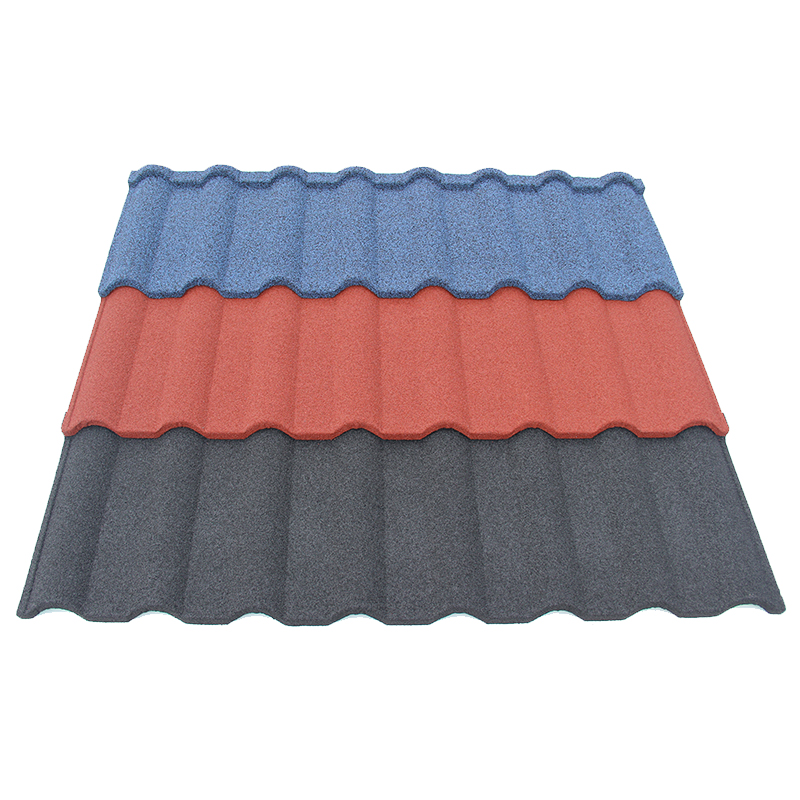
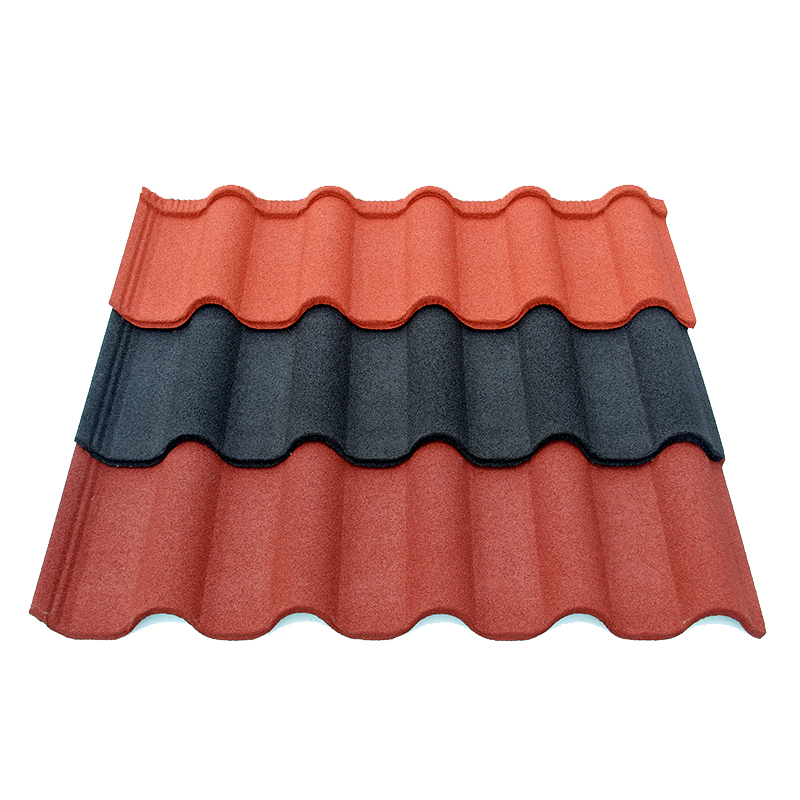
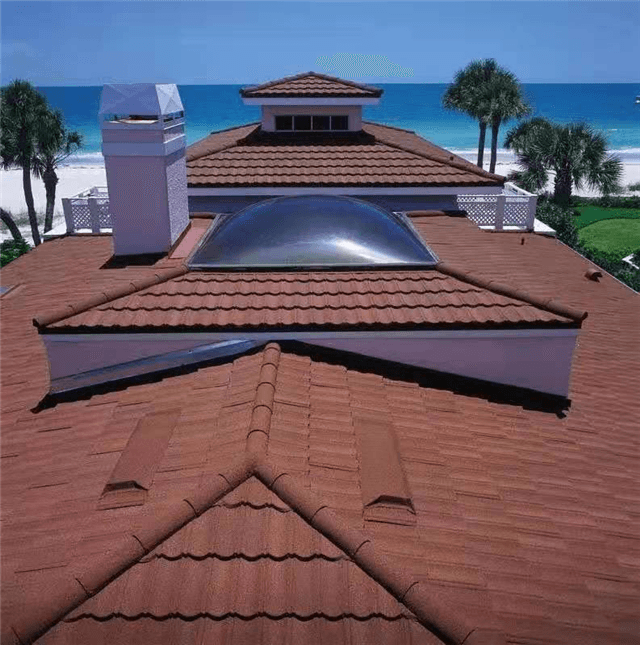
Coastal projects prioritize wind uplift and impact resistance above almost every other factor. A Bond Tile system often gets specified here, since its interlocking profile and coated steel base meet the stricter wind and corrosion requirements common in these jurisdictions.
Wildfire Interface Zone Development
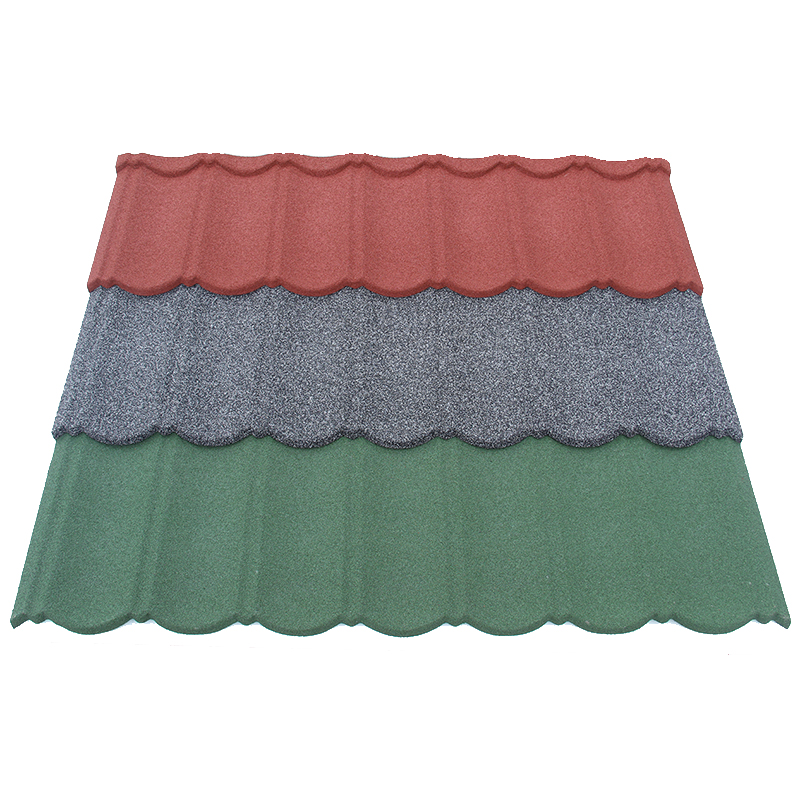
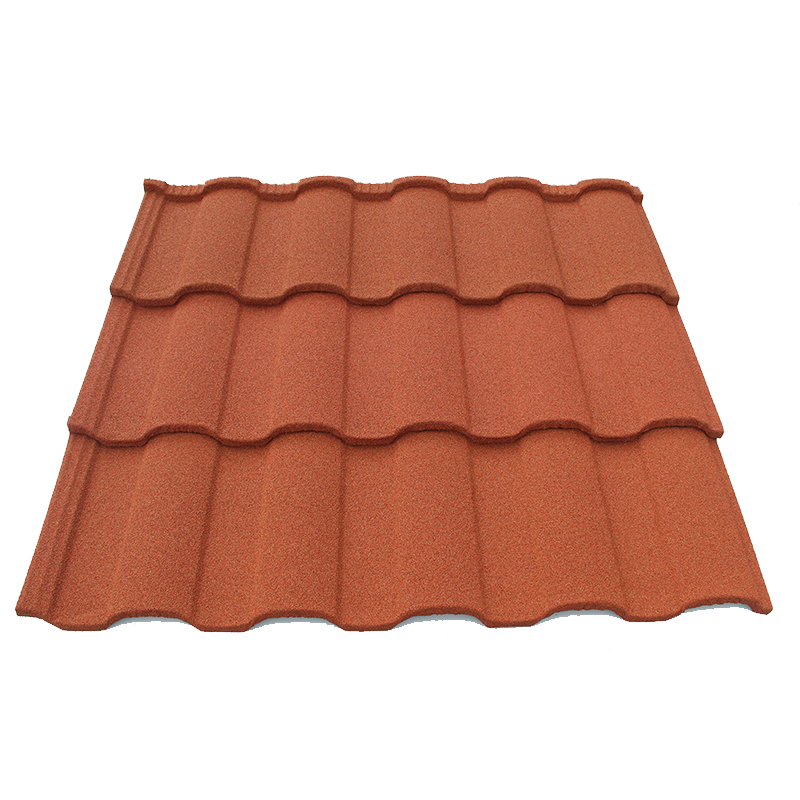
Projects near wildfire interface zones face mandatory fire classification requirements that rule out many traditional roofing materials entirely. Builders in these areas frequently turn to a Roman Tile profile, which carries the Class A fire rating these jurisdictions require.
Retrofit Projects on Older Structures
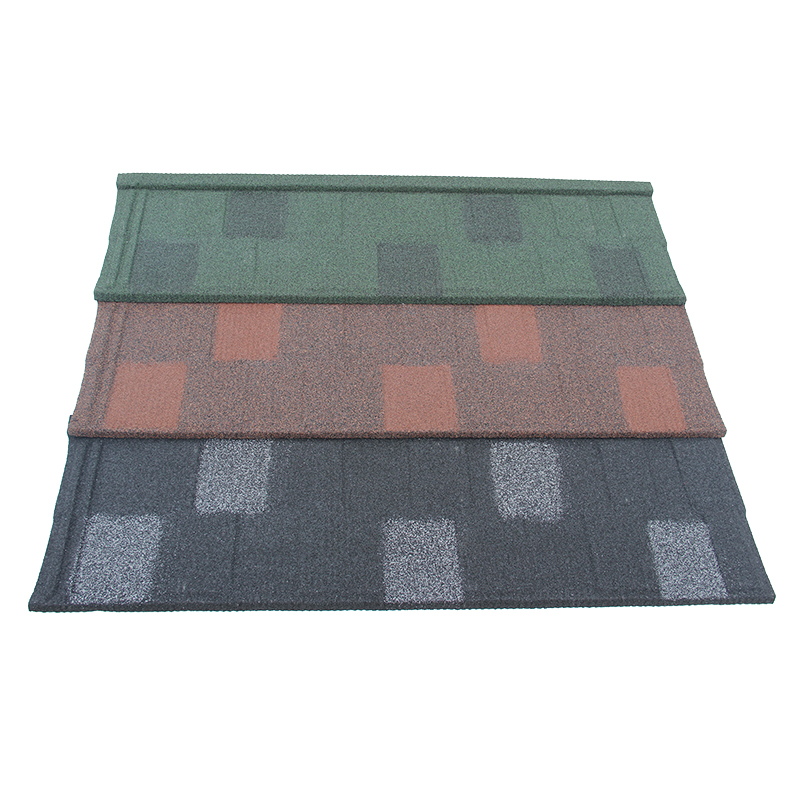
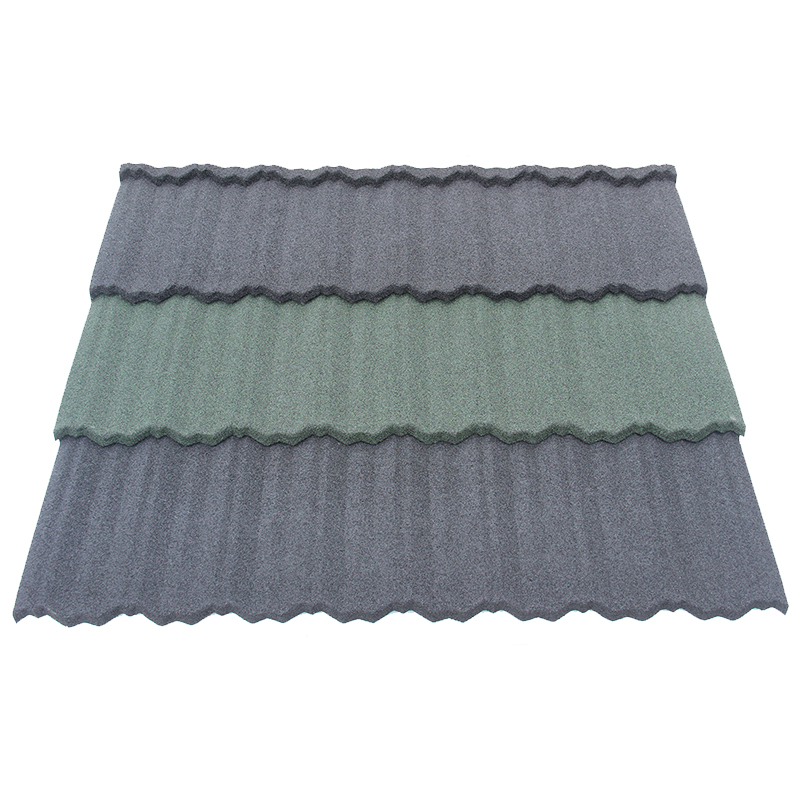
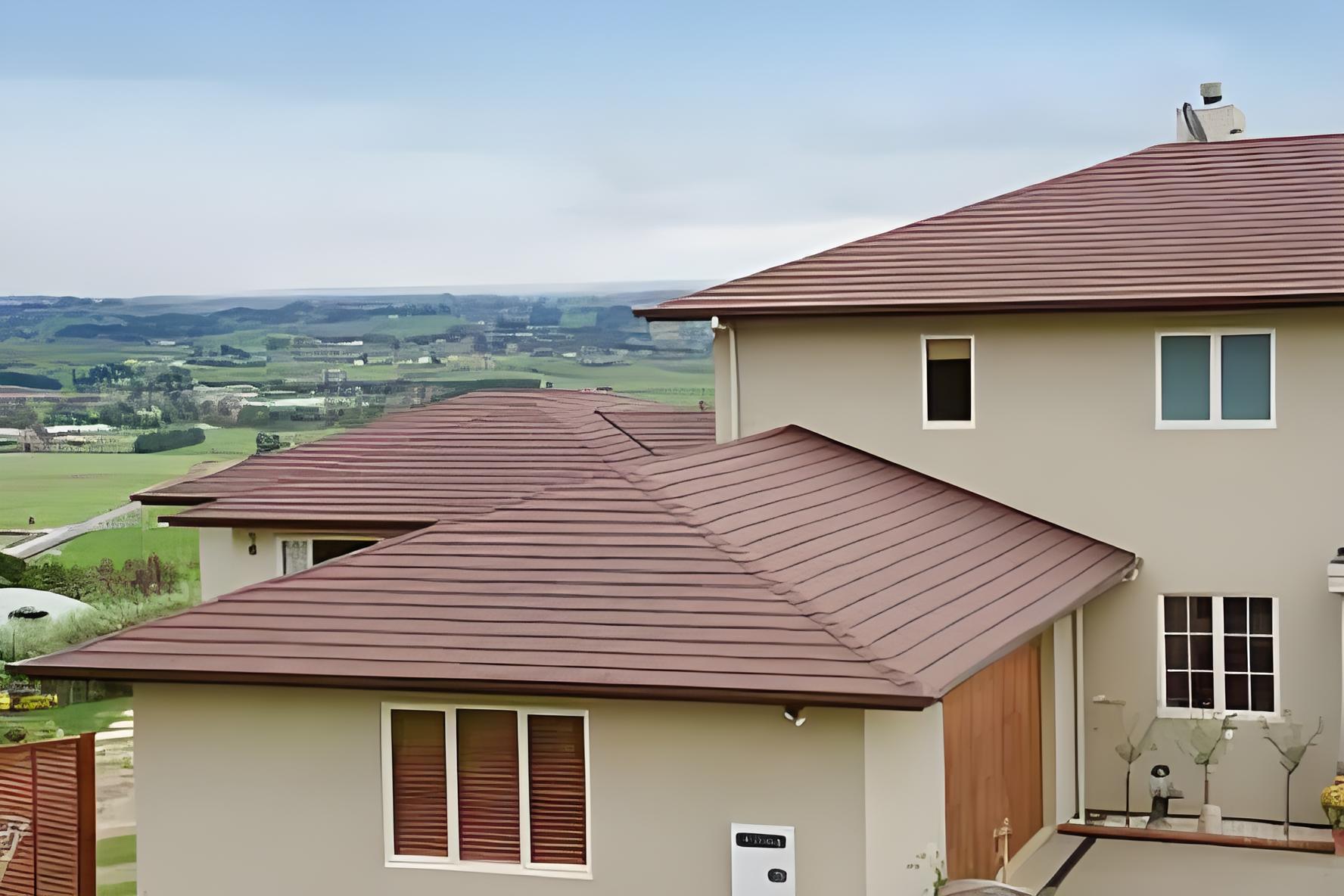
Older buildings often have weight limitations that rule out heavier traditional materials like clay or concrete tile. A Shingle Tile profile lets these projects meet load requirements while keeping a familiar residential appearance.
Architectural and Mixed-Use Developments
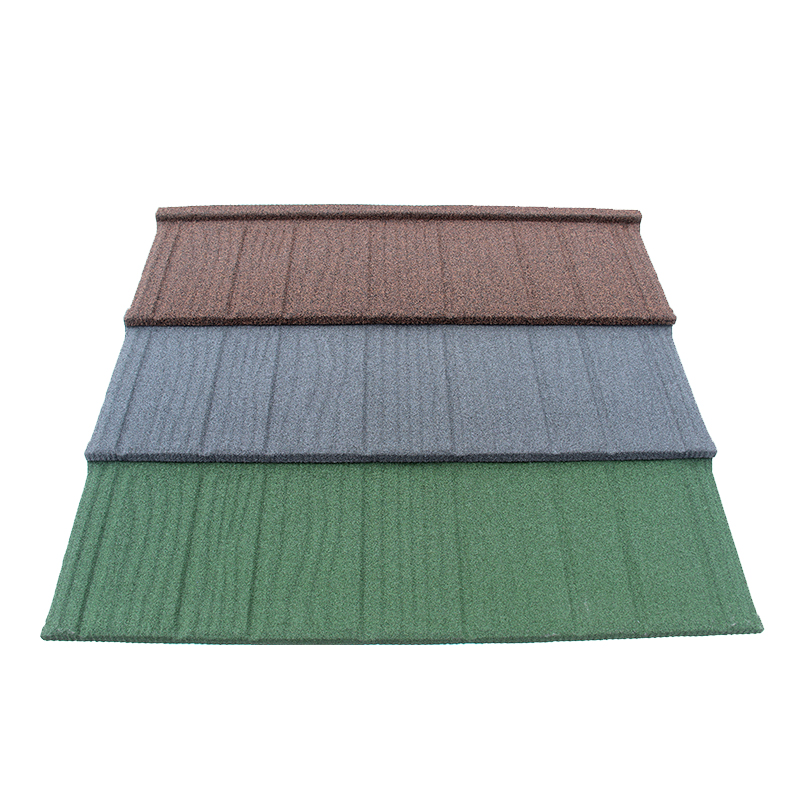
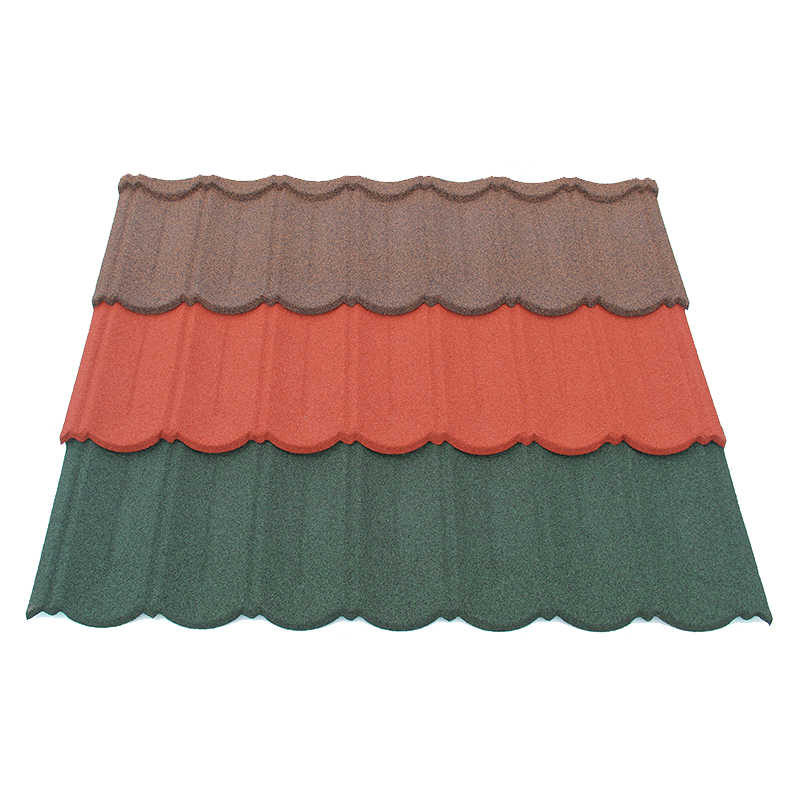
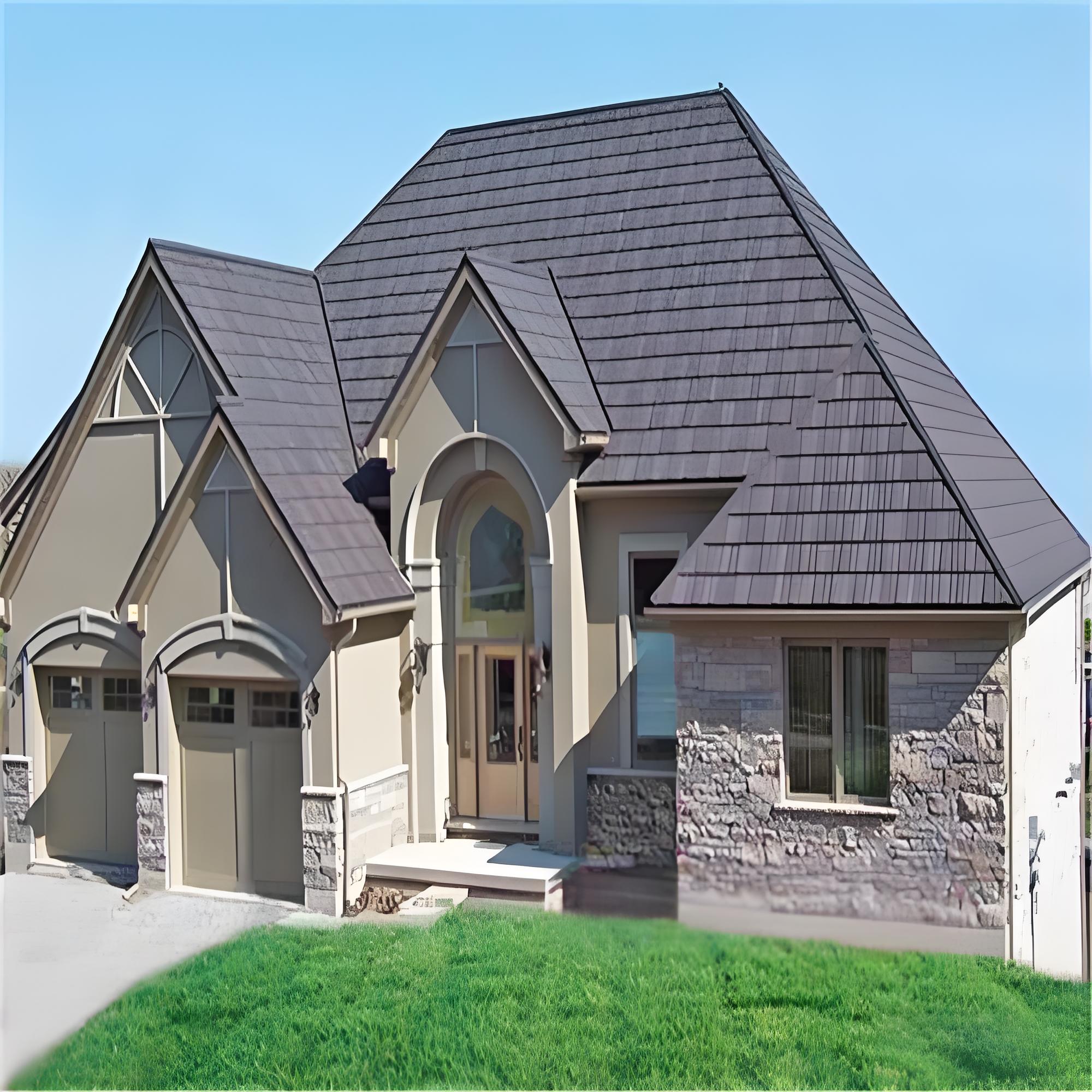
Design-driven projects still need to satisfy code requirements without sacrificing visual identity. Suppliers such as JCROOF often help architects select a Milano Tile profile that carries the documented ratings a jurisdiction requires while meeting the project’s design goals. Rustic-style developments aiming for a natural wood look sometimes turn to a Shake Tile profile, which meets fire code requirements that real wood shake often cannot satisfy on its own.
Common Mistakes When Sourcing Roofing Materials for Code Compliance
Code-related rejections usually trace back to a small number of repeated sourcing mistakes. These mistakes are easy to avoid once builders know what to check before placing an order. Recognizing these patterns early prevents costly delays during the permitting and inspection process.
Relying on National Ratings Instead of Local Amendments
A material that meets the national code baseline can still fail if the local jurisdiction has adopted stricter amendments. Builders should always confirm current local requirements rather than assuming national compliance is sufficient.
Assuming One Rating Covers Every Requirement Category
A high wind rating does not guarantee fire or impact compliance, and the reverse is also true. Builders need to verify each relevant code category separately rather than assuming one strong rating covers the entire requirement list.
Skipping Documentation During Sourcing
Inspectors frequently ask for documented test certificates, not just product literature. Builders who fail to request this documentation upfront often face delays during final inspection while waiting on paperwork from the supplier.
A short checklist keeps this process consistent across projects:
- Confirm current local code amendments, not just the national baseline
- Verify wind, fire, and impact ratings separately for the project location
- Request documented test certificates before finalizing any material order
- Match structural load ratings to the actual roof deck condition
- Keep code documentation on file for the full project timeline
Building a Sourcing Process That Keeps Every Project Code Ready
Code compliance works best as a standardized step in the sourcing process, not a last-minute check before permit submission. Builders who apply the same verification process across every project reduce delays and avoid last-minute material substitutions.
Questions to Ask Suppliers Before Finalizing a Material Order
Ask for the specific wind, fire, and impact ratings relevant to the project location, along with documented test certificates. A supplier confident in their product’s compliance will provide this information quickly and specifically.
Working With Suppliers Who Track Regional Code Changes
Local codes update periodically, and suppliers who track these changes across regions help builders avoid specifying materials that no longer meet current requirements. This ongoing awareness matters more than a single certificate from years earlier.
Choosing roofing materials for code compliance is rarely about finding one universally approved product. It comes from matching wind, fire, impact, and load requirements to the specific jurisdiction and building type involved. Builders who verify these factors during sourcing, rather than after a failed inspection, keep projects moving on schedule and avoid costly last-minute material changes.