
Lifespan is usually the deciding question in any stone coated metal roof vs asphalt shingles comparison, even when the conversation starts with price or appearance. Buyers want to know which material will actually hold up through storms, sun exposure, and years of ordinary weathering before it needs replacement. This guide breaks down what actually drives the lifespan gap between these two materials, where that gap matters most in real projects, and how buyers can avoid comparing lifespan claims that do not reflect real-world performance.
Why Lifespan Is the Real Question Buyers Should Be Asking
A roofing material’s rated lifespan only matters if it reflects how the product performs under real regional conditions, not just laboratory testing. Asphalt shingles and stone coated metal roofing both carry published lifespan ranges, but those numbers diverge significantly once climate, maintenance, and installation quality enter the picture. Buyers who only compare the headline lifespan number risk missing the deeper differences that actually determine how long a roof performs before replacement becomes necessary.
Published Lifespan Versus Real-World Performance
Manufacturers often publish lifespan ranges based on controlled testing conditions that do not always match a specific project’s climate exposure. A shingle rated for twenty-five years in moderate conditions may perform quite differently in a region with intense UV exposure or frequent hail.
Lifespan Affects More Than Replacement Timing
A shorter-lived material does not just mean an earlier replacement date. It also means more frequent repair cycles, more disruption to the building’s occupants, and a higher cumulative cost over the life of the property.
Breaking Down What Actually Drives Lifespan Differences
The lifespan gap between these two materials comes down to how each one responds to sun exposure, moisture, and physical impact over time. Understanding these underlying factors helps buyers evaluate lifespan claims critically instead of accepting a single published number at face value. The table below compares how these materials typically perform across the factors that most affect real-world lifespan.
| Factor | Asphalt Shingles | Stone Coated Metal Roofing Tile |
|---|---|---|
| Typical Rated Lifespan | 15 to 25 years | 40 to 50 years |
| UV and Sun Exposure Resistance | Degrades steadily, granule loss over time | Strong, coating resists fading and cracking |
| Impact and Hail Resistance | Moderate, prone to bruising and granule loss | Strong, Class 4 rated options available |
| Wind Resistance | Moderate, edges prone to lifting over time | Strong, interlocking profiles resist uplift |
UV Exposure and Material Degradation
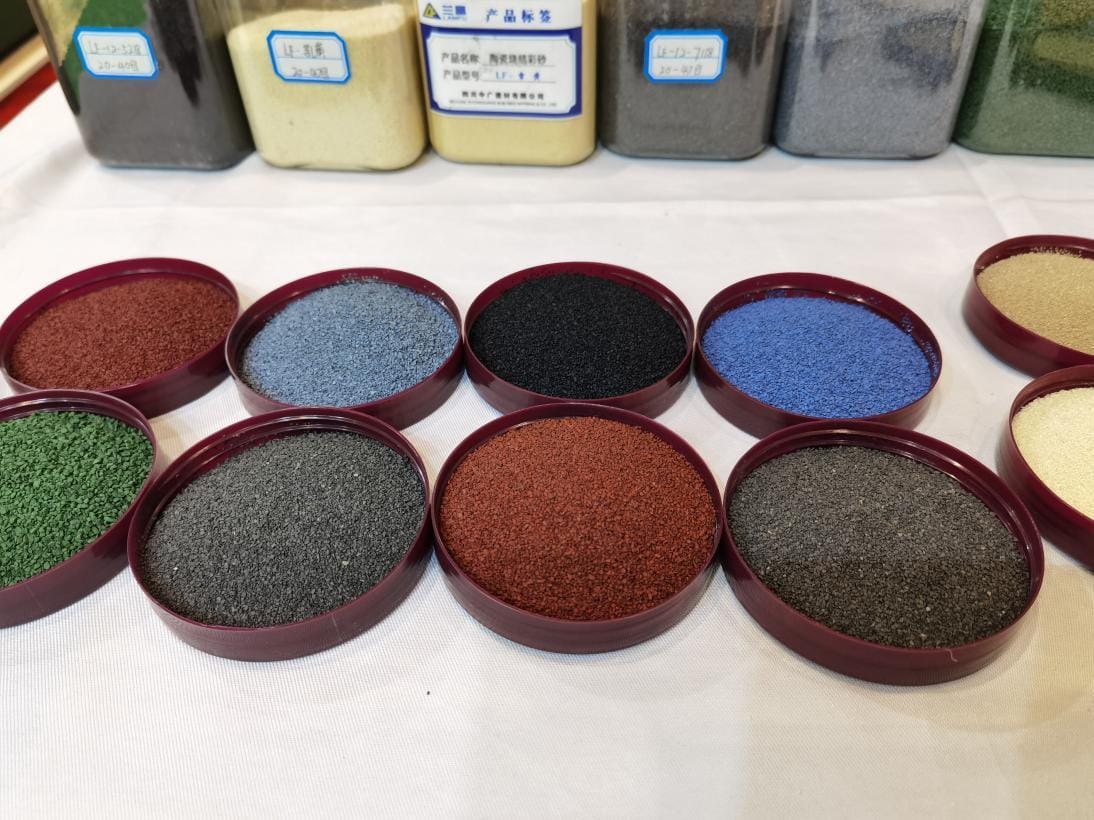
Asphalt shingles lose granules and become brittle under sustained UV exposure, which gradually reduces their weatherproofing ability over the years. Stone coated metal roofing resists this type of degradation far better, since its coating is bonded to resist fading and surface breakdown across decades of sun exposure.
Impact Resistance and Storm Durability
Hail and wind-blown debris can bruise or crack asphalt shingles, shortening their effective lifespan even before the rated timeline ends. Stone coated metal roofing, particularly with Class 4 impact ratings, handles these impacts with far less cumulative damage over the roof’s service life.
Wind Resistance and Long-Term Structural Integrity
Asphalt shingles can lift or curl at the edges as adhesive seals weaken with age, increasing vulnerability during high wind events. Stone coated metal roofing’s interlocking panel design maintains structural integrity longer, which directly supports its extended lifespan rating.
Where the Lifespan Gap Matters Most in Real Projects
The practical impact of this lifespan gap varies depending on climate, project type, and how long the owner plans to hold the property. Some projects benefit more from the extended lifespan of stone coated metal roofing, while others may prioritize the lower upfront cost of asphalt shingles despite the shorter service life. The following examples show how this plays out in real scenarios.
Long-Term Ownership in Harsh Climates
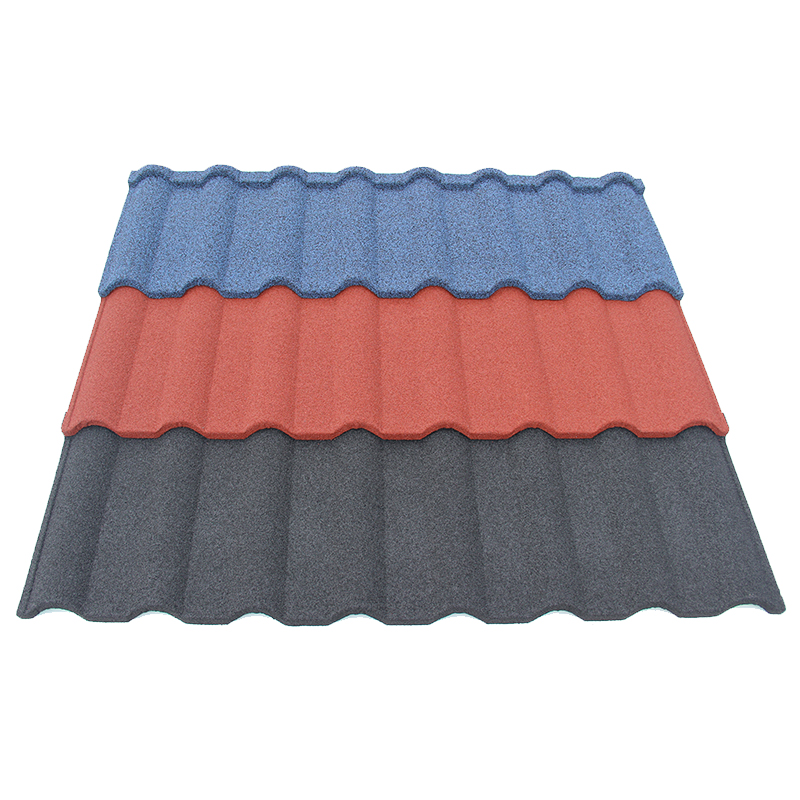
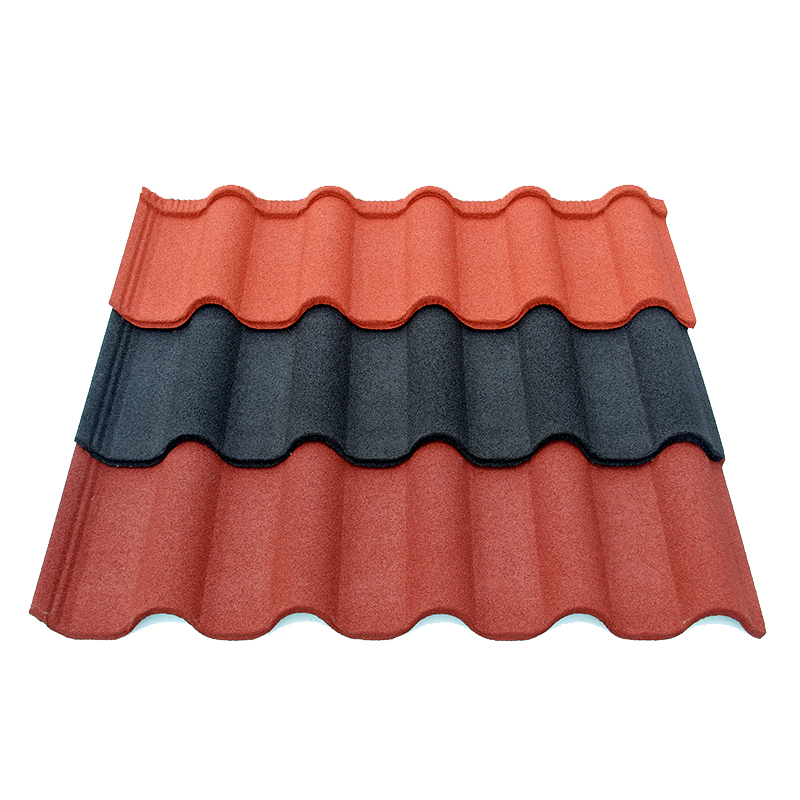
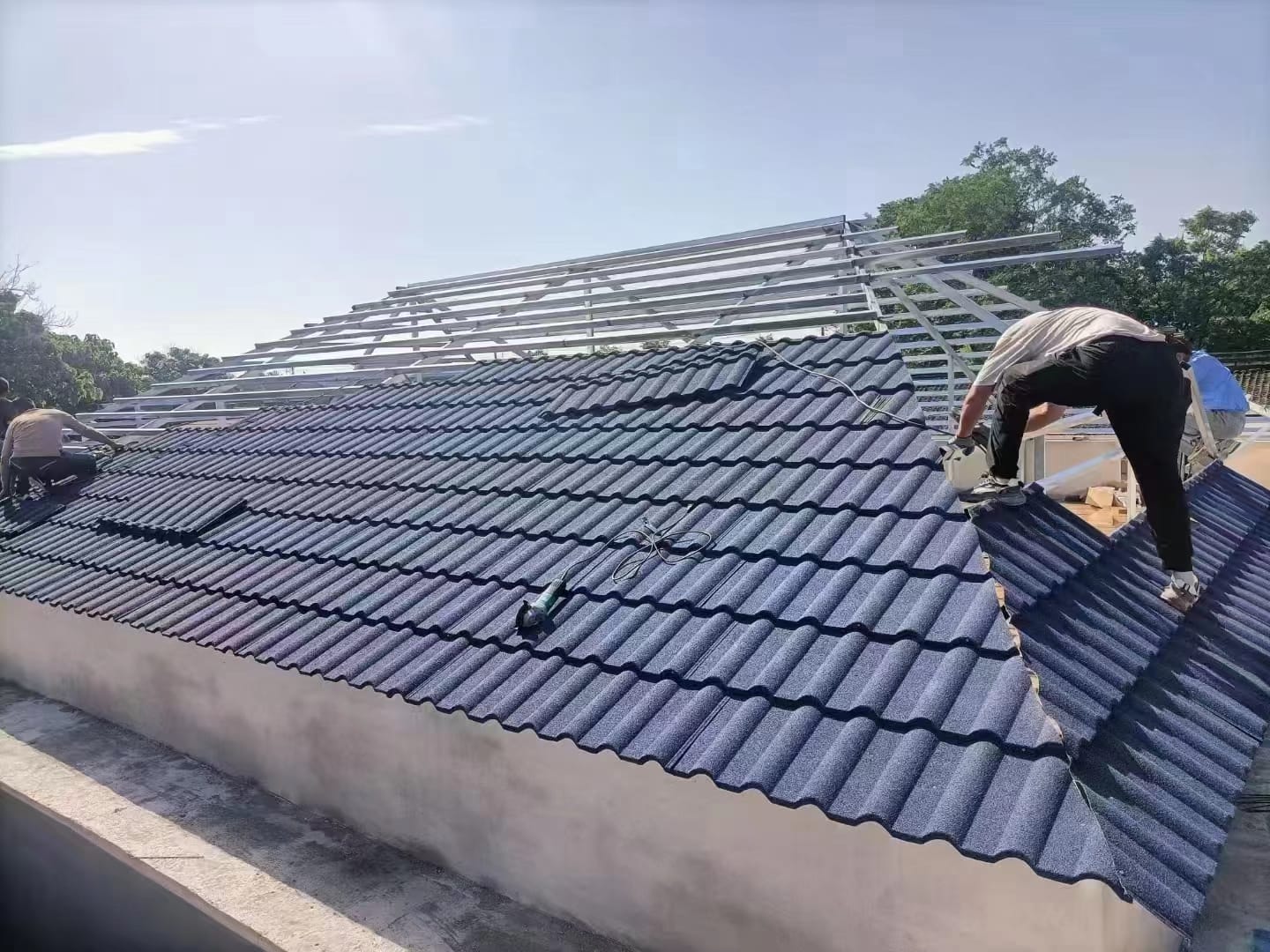
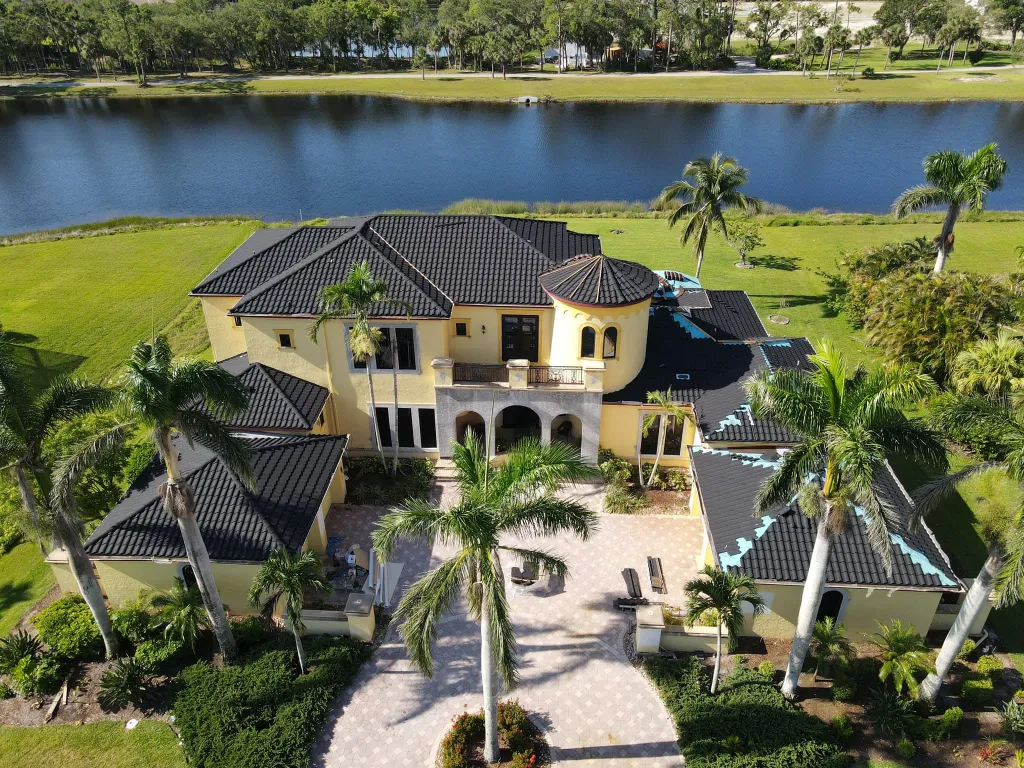
Owners planning to hold a property for decades in a harsh climate benefit significantly from the extended lifespan stone coated metal roofing provides. A Bond Tile system reduces the number of replacement cycles a harsh coastal or storm-prone climate would otherwise demand from asphalt shingles.
Historic and Character-Driven Renovation Projects
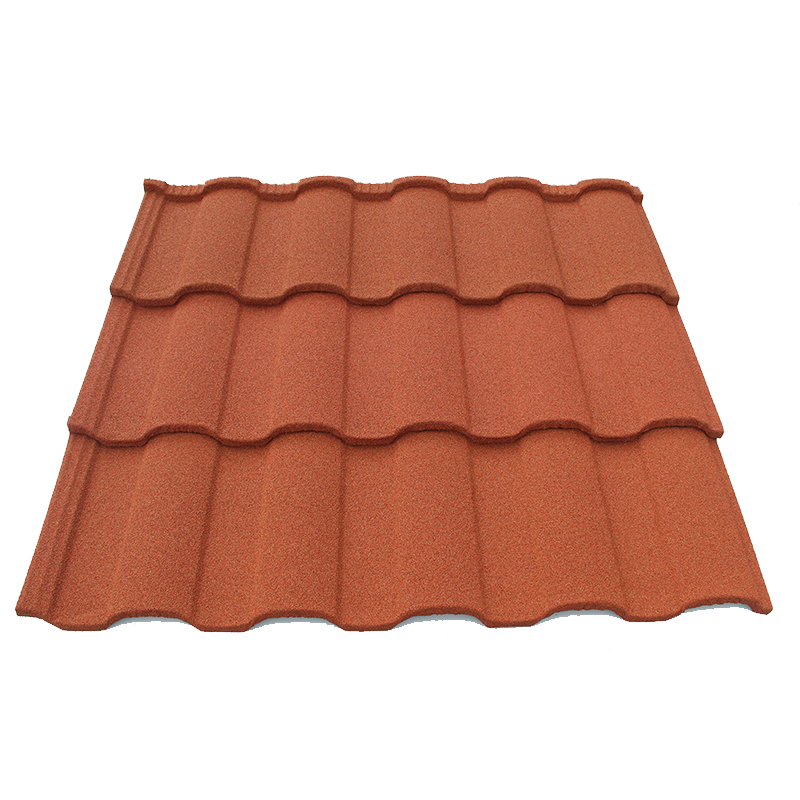
Renovation projects aiming to preserve a traditional look while extending service life often specify a Roman Tile profile. This choice avoids the recurring replacement cycle asphalt shingles would require over the same ownership period.
Standard Residential Reroofing on a Fixed Budget
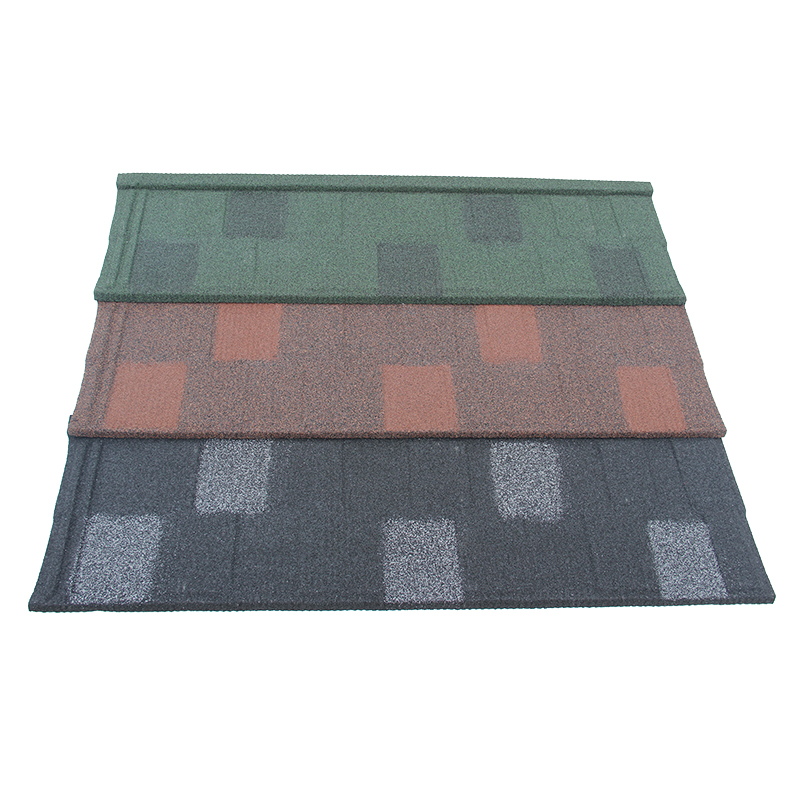
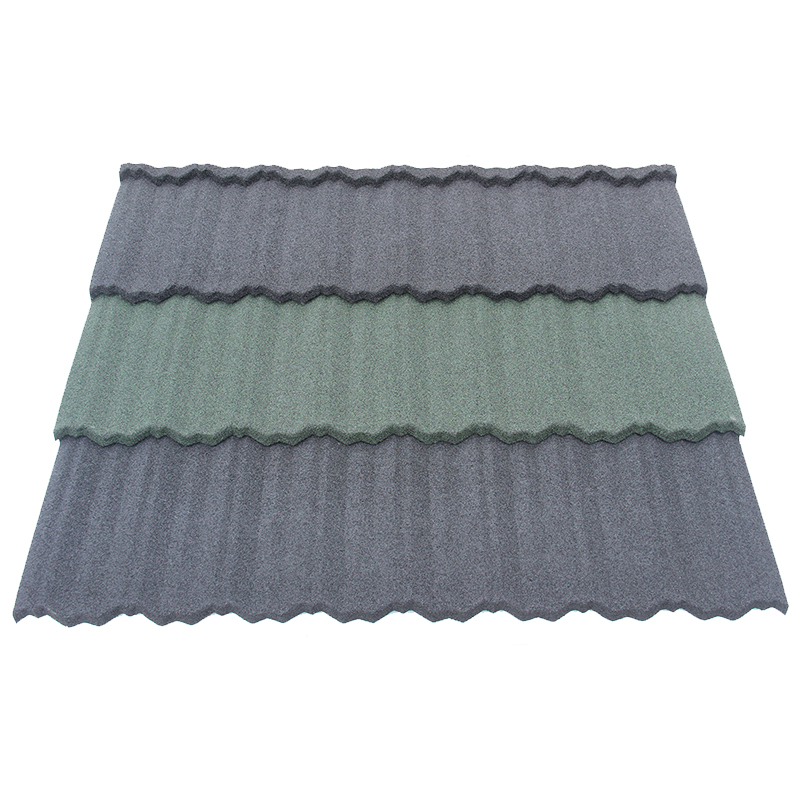
Homeowners prioritizing upfront cost within a fixed renovation budget sometimes still choose a Shingle Tile profile, gaining a shingle-like appearance while extending lifespan well beyond what traditional asphalt shingles typically offer.
Architectural Builds Prioritizing Long-Term Value
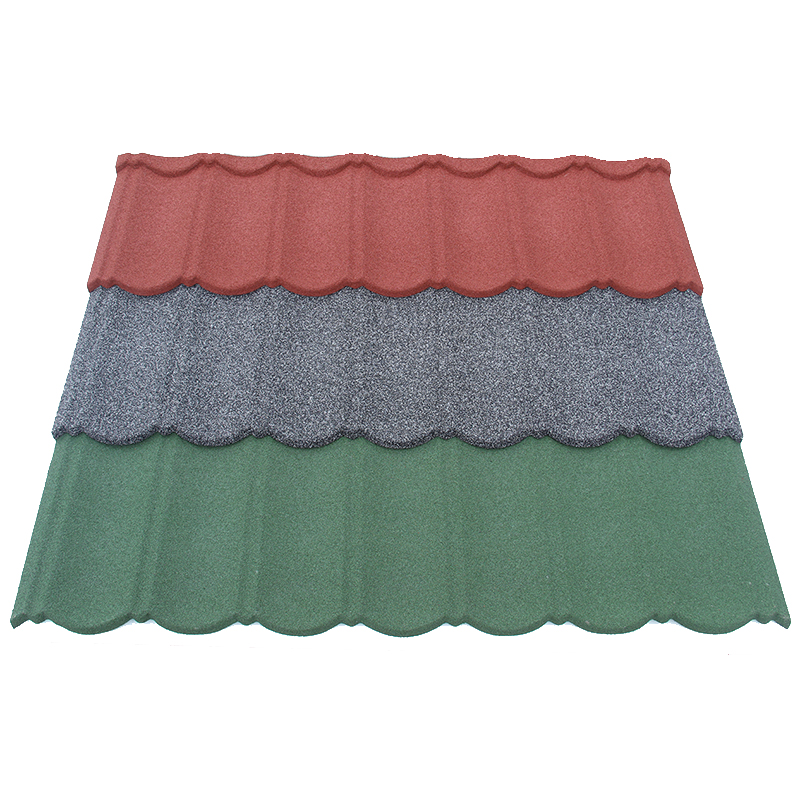
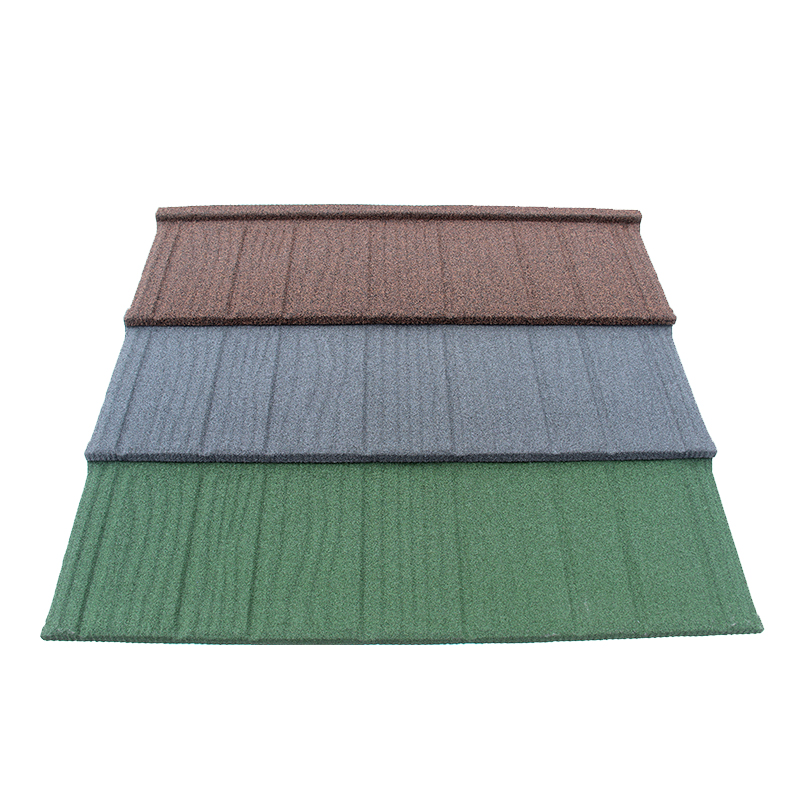
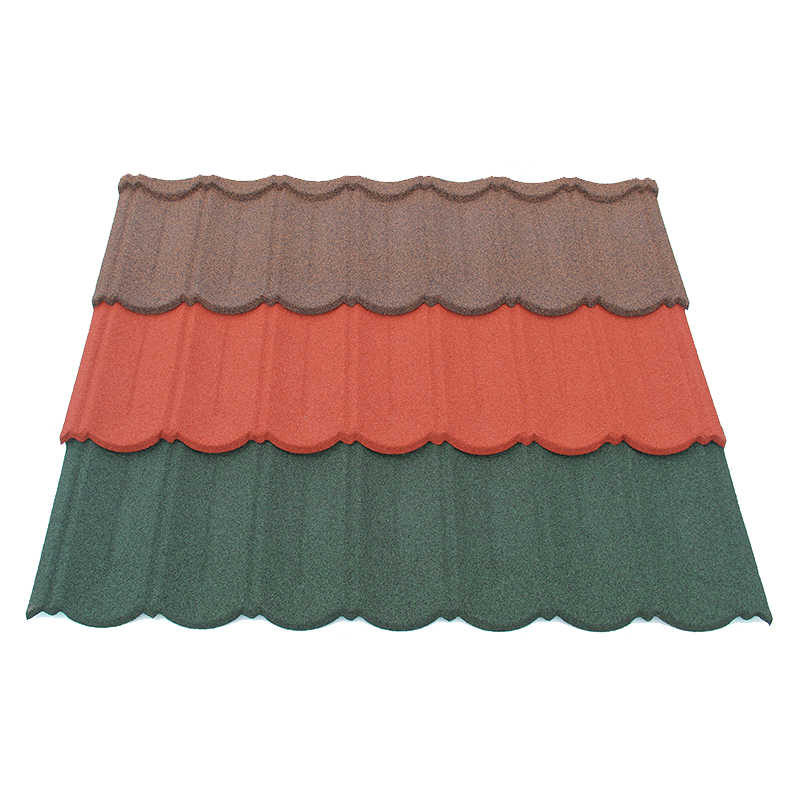
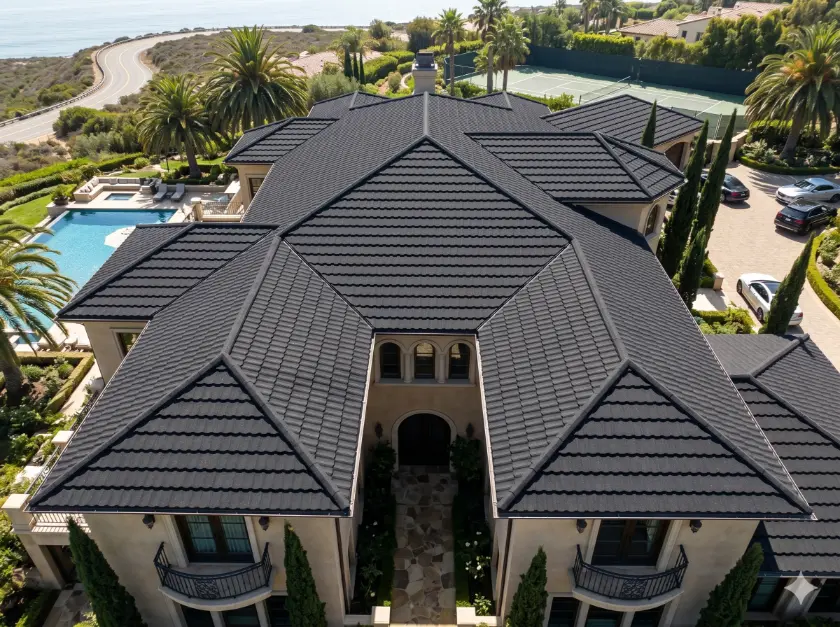
Design-focused projects that also prioritize longevity sometimes work with suppliers like JCROOF to specify a Milano Tile profile, combining a modern look with a lifespan far beyond standard asphalt options. Rustic-style builds aiming for a wood shake appearance often choose a Shake Tile profile instead, gaining a similar visual texture with none of the shortened lifespan real wood shake or asphalt shingles typically carry.
Common Mistakes When Comparing Roofing Lifespan Claims
Buyers comparing lifespan claims between these two materials often make a handful of repeated mistakes. Recognizing these mistakes helps buyers evaluate published lifespan figures more accurately before making a purchasing decision.
Comparing Rated Lifespan Without Adjusting for Climate
A published lifespan range rarely accounts for a specific project’s exact climate conditions. Buyers should ask for regional performance data rather than relying solely on a general national rating.
Ignoring Maintenance Requirements Behind the Lifespan Number
A material’s rated lifespan often assumes a certain level of ongoing maintenance that buyers may not realize is required. Skipping recommended maintenance can shorten actual service life well below the published figure for either material.
Focusing Only on Material Cost, Not Lifespan-Adjusted Value
Buyers sometimes compare only the upfront material and installation cost without adjusting for how many replacement cycles each material would require over the same ownership period. This narrow comparison often understates the long-term value of a longer-lived material.
- Request climate-specific lifespan data, not just national averages
- Confirm what maintenance is required to achieve the rated lifespan
- Calculate lifecycle cost across the full expected ownership period
- Compare documented impact and wind ratings, not just the lifespan number alone
- Factor replacement frequency into any upfront cost comparison
Making a Lifespan-Based Roofing Decision That Actually Pays Off
Choosing between stone coated metal roofing and asphalt shingles ultimately comes down to weighing upfront cost against the value of a significantly longer service life. Buyers who look past the initial price tag toward total ownership cost tend to make choices that hold up better over time.
Questions to Ask Before Comparing These Two Materials
Ask for documented lifespan performance specific to your climate zone, along with maintenance requirements tied to that rating. These details reveal far more than a simple side-by-side lifespan number ever could.
Working With Suppliers Who Back Their Lifespan Claims
Suppliers who provide test data and climate-specific performance records give buyers a much clearer basis for comparison than general marketing claims. That documentation matters most when the decision hinges on how long a roof will actually last.
Stone coated metal roofing and asphalt shingles serve different priorities, but the lifespan gap between them is real and well documented. Buyers who evaluate that gap against their climate, ownership timeline, and budget consistently make a roofing decision that holds up for decades rather than years.