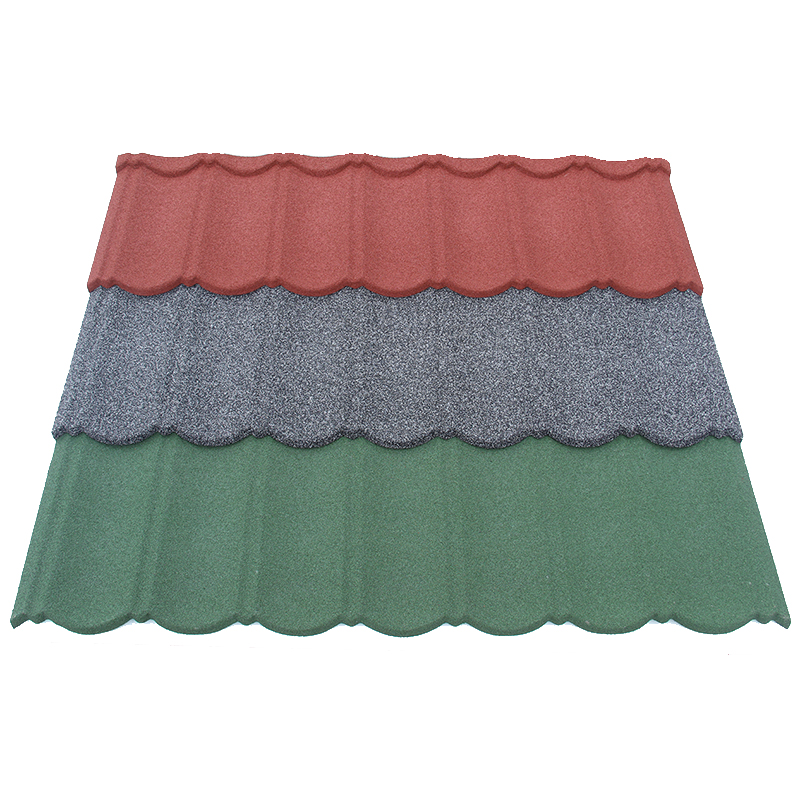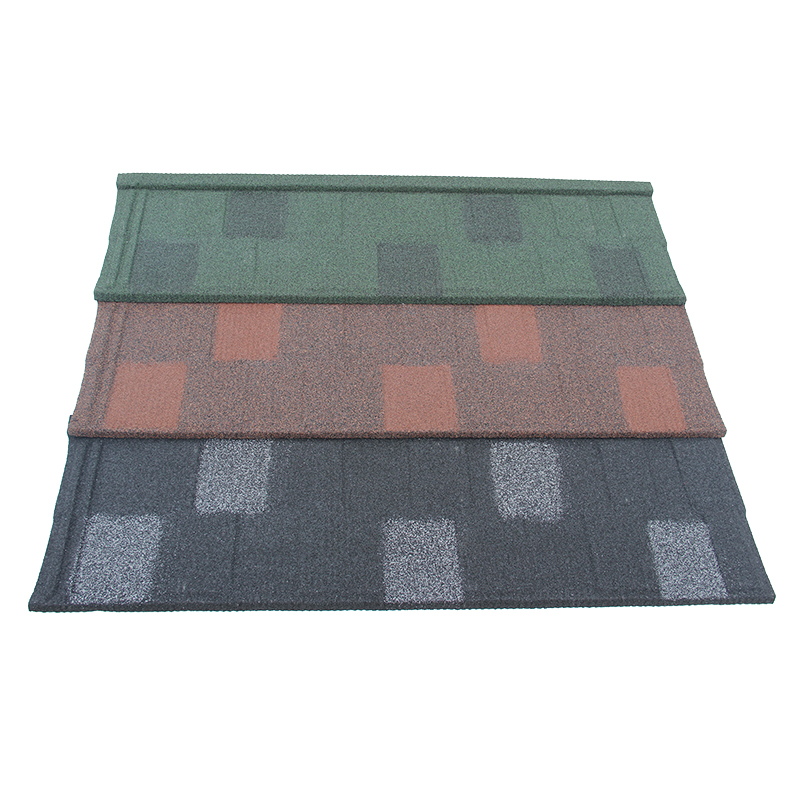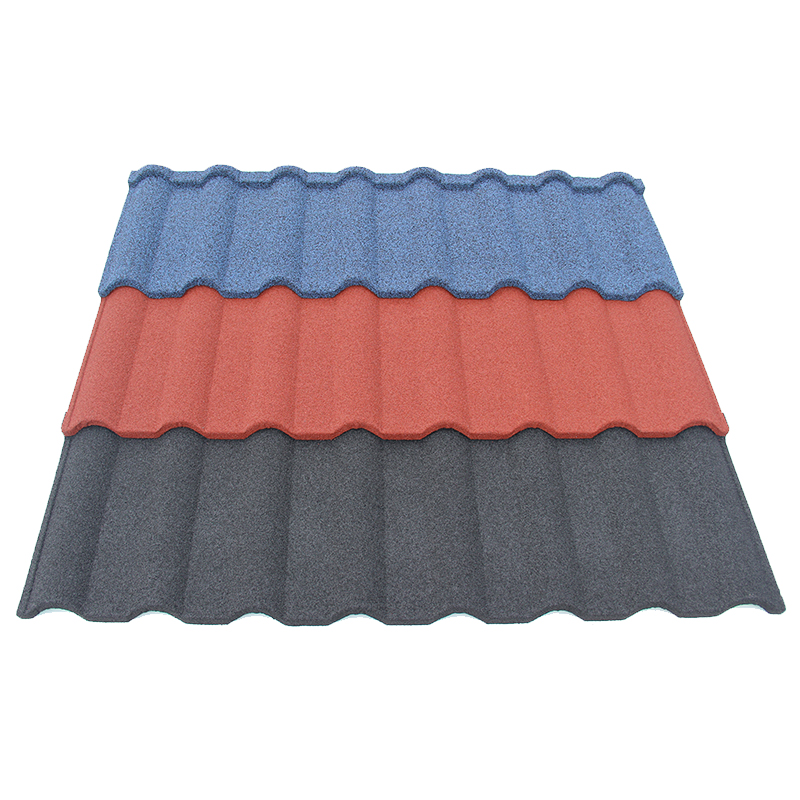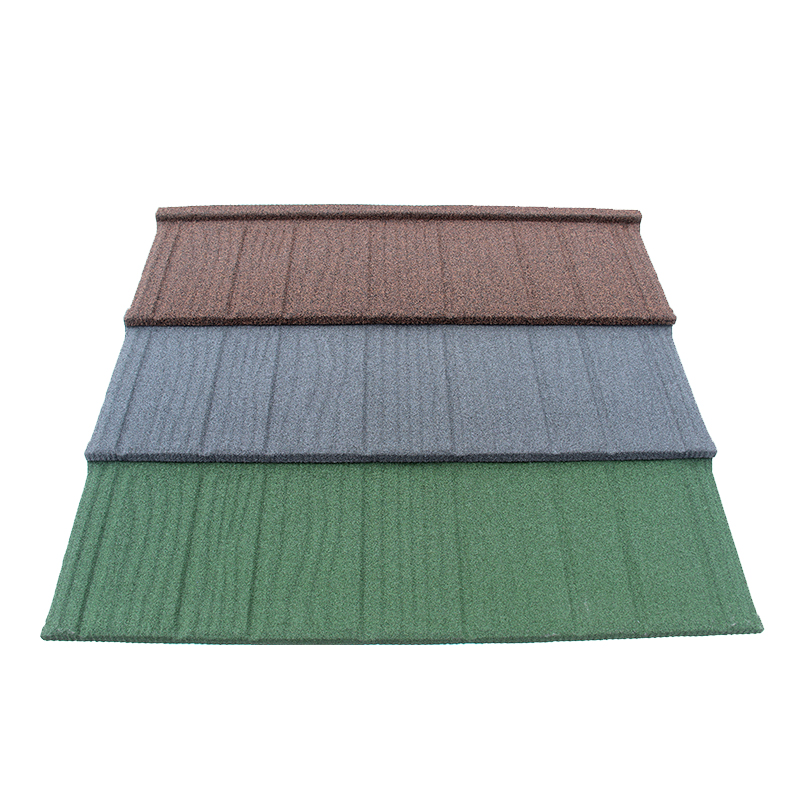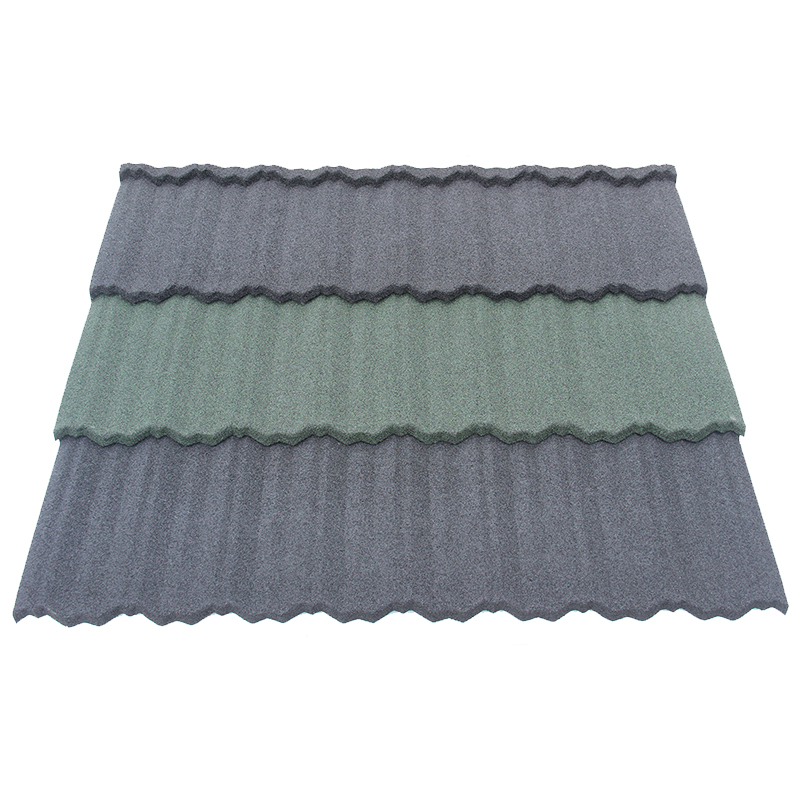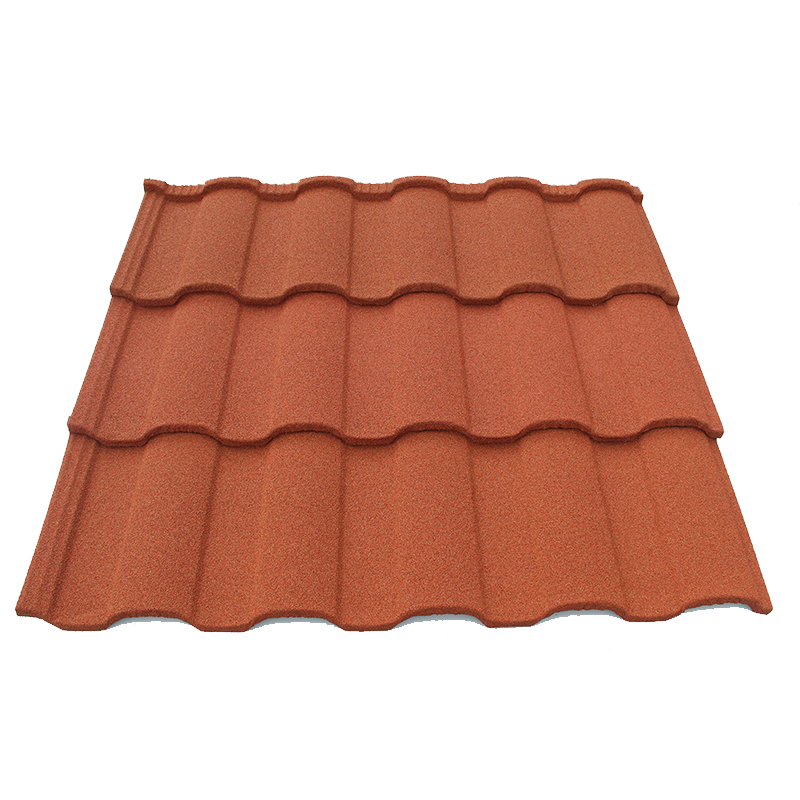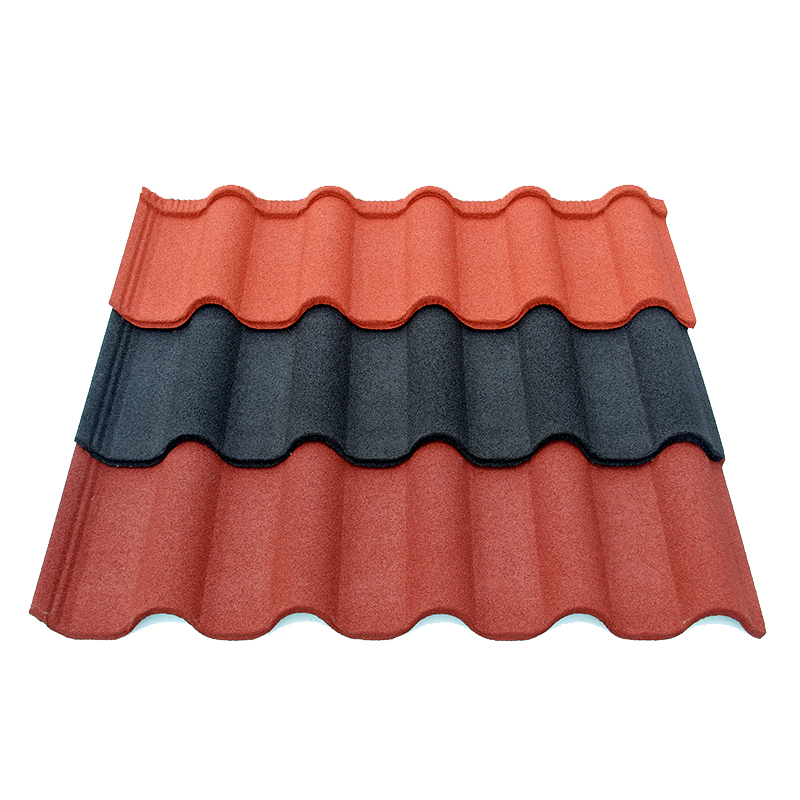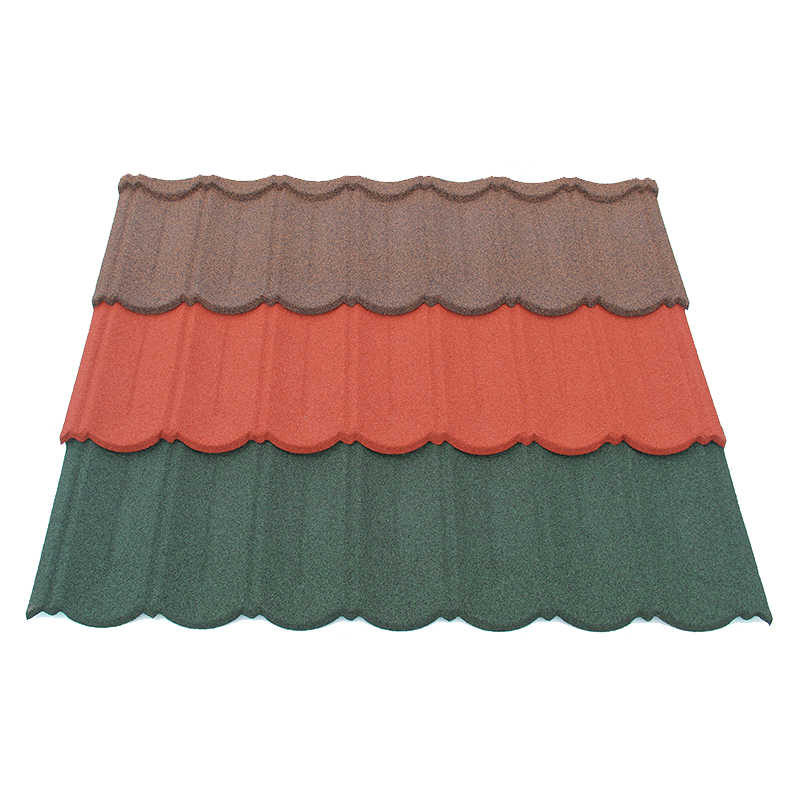

Builders comparing stone coated metal tiles vs longspan roofing sheets are often solving two different problems that happen to overlap on paper. Both are metal roofing systems, but they serve different structural spans, aesthetic goals, and installation requirements. Choosing the wrong one for a given project can mean added structural cost, a mismatched appearance, or unnecessary installation complexity. This guide breaks down what actually separates these two systems, where each one performs best, and how to avoid the mistakes buyers commonly make when comparing them.
Why This Comparison Comes Up on So Many Projects
Longspan roofing sheets and stone coated metal tiles both use a metal base, which leads some buyers to assume they are interchangeable options separated only by price. In reality, they solve fundamentally different structural and aesthetic problems. Longspan sheets are engineered for wide, continuous coverage with minimal seams, while stone coated tiles are designed to replicate traditional tile profiles at a smaller, interlocking scale. Understanding this distinction upfront prevents a lot of wasted specification time later in the project.
Same Base Material, Very Different Design Intent
Both systems typically start with a galvanized or aluminum-zinc steel base, but the similarities largely end there. Longspan sheets prioritize continuous coverage and drainage efficiency across long structural runs, while stone coated tiles prioritize a traditional visual profile and interlocking weatherproofing at a residential or architectural scale.
The Right Choice Depends on the Building Type
Industrial and agricultural buildings tend to favor longspan sheets for their large, uninterrupted spans. Residential and architectural projects tend to favor stone coated tiles for their traditional appearance and finer detailing. Neither system is universally better, since the right choice depends heavily on the structure it will cover.
Breaking Down the Structural and Performance Differences
These two systems differ significantly in span capability, installation method, and aesthetic outcome, even though both fall under the broader metal roofing category. Buyers need to evaluate these differences directly rather than treating the two options as simple variations of the same product. The table below compares the two systems across the factors that matter most during specification.
| Factor | Longspan Roofing Sheets | Stone Coated Metal Tiles |
|---|---|---|
| Typical Application | Industrial, agricultural, large commercial spans | Residential, architectural, mixed-use buildings |
| Seam Frequency | Minimal, continuous panel runs | Interlocking tile-scale seams |
| Aesthetic Profile | Flat or ribbed, utilitarian appearance | Traditional tile silhouette with textured coating |
| Installation Method | Fast panel-by-panel coverage over large spans | Tile-by-tile interlocking installation |
Span Coverage and Structural Efficiency
Longspan sheets are engineered to cover long structural runs with minimal seams, which reduces potential leak points across large industrial or agricultural roofs. Stone coated tiles work at a much smaller interlocking scale, which suits residential and architectural structures far better than large uninterrupted spans.
Aesthetic Outcome and Design Fit
Longspan sheets typically deliver a flat or ribbed utilitarian appearance suited to industrial and agricultural buildings. Stone coated tiles replicate a traditional tile silhouette with a textured, granule-coated surface, which fits residential and architectural design goals far more naturally.
Installation Approach and Labor Requirements
Longspan sheet installation moves quickly across large open spans, since fewer, larger panels cover more area per labor hour. Stone coated tile installation takes more time per square foot, since each tile interlocks individually, but this approach delivers the detailed profile residential and architectural projects typically require.
Where Each Option Fits Best Across Real Projects
The right choice between these two systems becomes clear once the project’s actual structural and aesthetic goals are laid out. Builders who match the system to the specific building type avoid both unnecessary cost and aesthetic mismatches. The following examples show how this plays out across common project types.
Agricultural and Industrial Structures
Barns, warehouses, and agricultural buildings benefit most from longspan roofing sheets, since their large open spans favor continuous panel coverage over interlocking tile detail. These structures rarely need the aesthetic refinement stone coated tiles are designed to provide.
Coastal Residential Construction
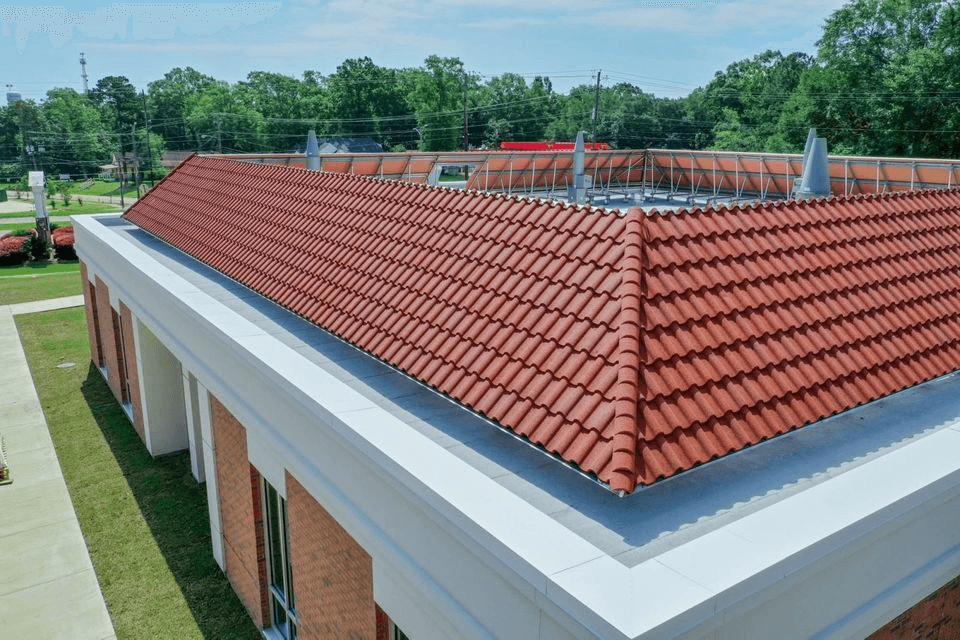
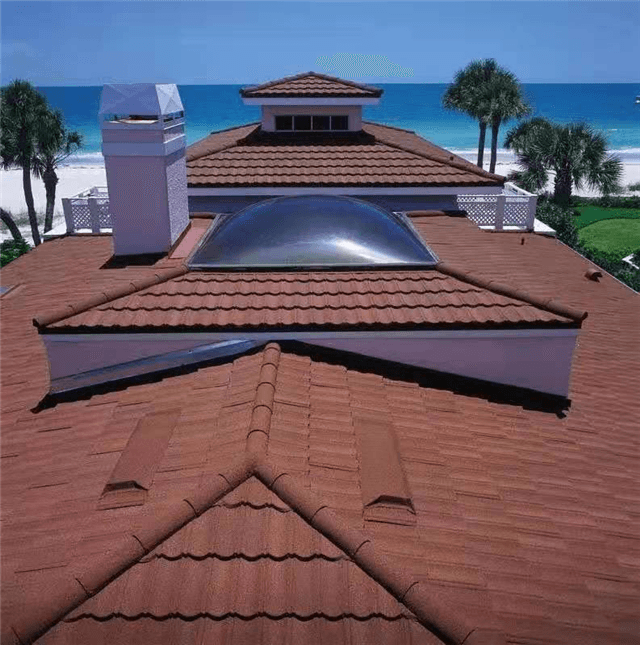
Coastal homes benefit from the corrosion resistance and interlocking wind performance of stone coated tiles rather than a utilitarian longspan sheet system. A Bond Tile profile fits this scenario well, combining coastal durability with a residential design aesthetic longspan sheets are not built to deliver.
Traditional and Historic-Style Homes
Homeowners aiming to preserve a classic tile silhouette naturally lean toward stone coated systems rather than flat longspan panels. A Roman Tile profile replicates this traditional look while still delivering metal roofing durability underneath.
Suburban Residential Reroofing
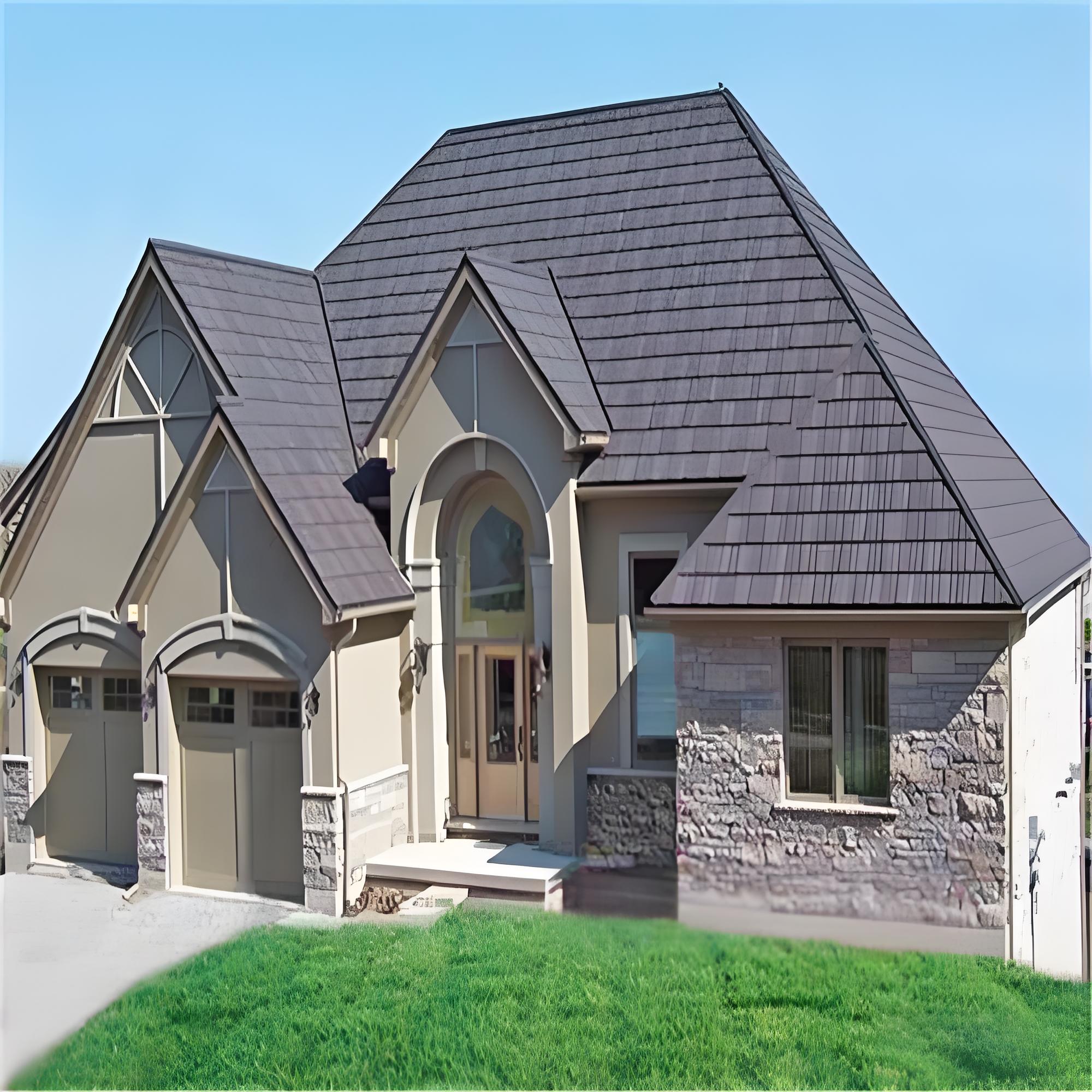
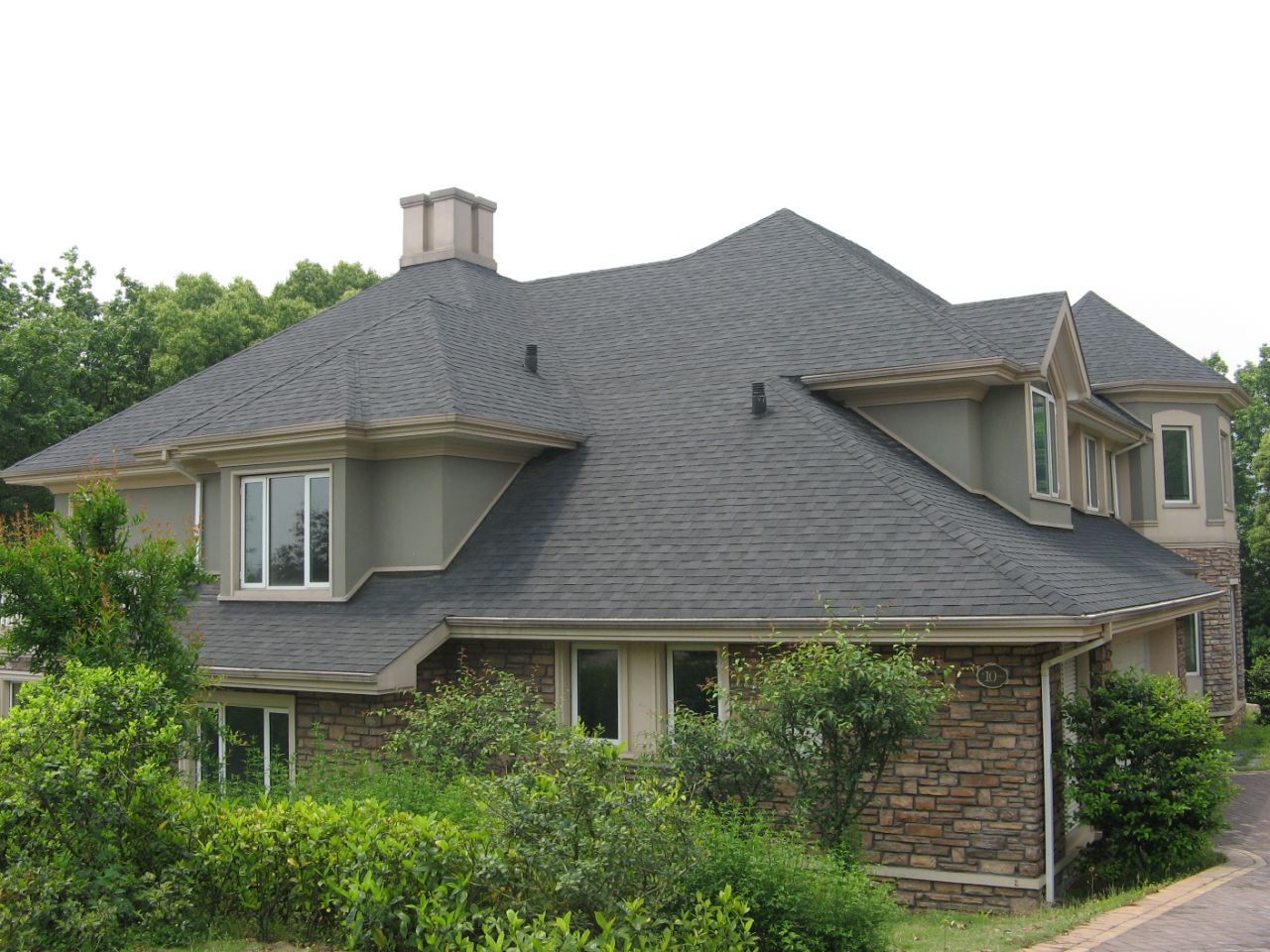
Standard suburban homes replacing worn asphalt shingle almost always favor a tile-scale system over a longspan sheet, since longspan profiles rarely suit residential architectural expectations. A Shingle Tile profile fits this scenario directly, offering a familiar look with metal roofing durability.
Architectural and Mixed-Use Developments
Design-driven projects sometimes work with suppliers like JCROOF to specify a Milano Tile profile, achieving a modern architectural look that a utilitarian longspan sheet system could not provide. Rustic-style developments aiming for a wood shake appearance often choose a Shake Tile profile instead, since longspan sheets cannot replicate that same textured, traditional look.
Common Mistakes When Choosing Between These Two Systems
Buyers comparing these two systems tend to repeat a few specific mistakes, usually rooted in treating them as interchangeable metal roofing options. Recognizing these mistakes helps buyers avoid a costly mismatch between system and building type.
Choosing Based on Cost Alone Without Matching Building Type
Buyers sometimes select the cheaper option per square foot without confirming it actually fits the structure’s span and aesthetic requirements. This mistake often becomes obvious only after installation, when the finished appearance or drainage performance falls short of expectations.
Assuming Both Systems Handle Large Spans Equally Well
Stone coated tiles are not designed for the same continuous large-span coverage longspan sheets provide. Specifying tiles on a structure built for a longspan system can introduce unnecessary seams and installation complexity.
Overlooking Aesthetic Expectations for the Building Type
A longspan sheet system installed on a residential property can clash with neighborhood architectural expectations, even when the underlying material performs well. Matching system choice to aesthetic context avoids this common oversight.
- Match system choice to the building’s actual span and structural type
- Confirm aesthetic expectations align with the roofing system’s typical use case
- Compare installed cost alongside long-term maintenance and drainage performance
- Verify wind and corrosion ratings for the project’s specific climate zone
- Avoid assuming interchangeability just because both use a metal base
Making the Right Call for Your Build
Choosing between stone coated metal tiles and longspan roofing sheets comes down to matching the system to the building’s actual structural scale and design intent. Builders who evaluate this upfront avoid both unnecessary cost and aesthetic mismatches later in the project.
Questions to Ask Before Specifying Either System
Ask whether the building’s span and structural type favor continuous panel coverage or interlocking tile detail, and confirm which aesthetic outcome the project actually requires. These questions quickly clarify which system fits the build.
Working With Suppliers Who Offer Both Systems Honestly
Suppliers who carry both longspan sheets and stone coated tiles, and who explain the tradeoffs honestly, help buyers avoid defaulting to whichever system happens to be more familiar or convenient to source.
Stone coated metal tiles and longspan roofing sheets both deliver strong metal roofing performance, but they serve different structural and aesthetic purposes. Builders who match the system to the building’s actual scale and design goals consistently end up with a roofing choice that fits the project rather than fighting against it.