
Sourcing teams and distributors evaluating stone coated roofing manufacturers face a different set of questions than homeowners comparing finished products. Production capacity, coating line technology, quality control certifications, and export experience all determine whether a manufacturer can reliably supply a project pipeline over time. A factory that produces good-looking sample tiles is not automatically equipped to handle consistent bulk orders across multiple shipments. This guide breaks down the manufacturing capabilities that actually separate reliable factories from the rest, and how to apply that evaluation during your own sourcing process.
Why “Top Manufacturer” Means Something Different for Procurement Teams Than for Homeowners
A homeowner cares about how a single roof performs on their own house. A distributor or procurement team cares about whether a factory can deliver the same quality across hundreds of pallets, over multiple years, without unexplained variation between production runs. This shift in scale changes which factors actually matter most during manufacturer evaluation. Sourcing teams need to look past finished product samples toward the underlying production infrastructure and quality systems behind them.
Consistency Across Orders Matters More Than a Single Sample
A single sample tile rarely reveals how consistent a factory’s output remains across dozens of separate production runs. Procurement teams need documented quality control processes, not just an attractive sample sent for initial evaluation.
Export Experience Affects Timeline and Risk as Much as Product Quality
A manufacturer with limited export experience can introduce shipping delays, documentation errors, or compliance gaps that have nothing to do with the roofing product itself. This operational risk deserves as much scrutiny as coating quality during manufacturer vetting.
Breaking Down the Manufacturing Capabilities That Separate Reliable Factories From the Rest
A handful of concrete production factors reveal far more about a manufacturer’s reliability than sample quality alone. These factors include coating line technology, documented quality control certifications, production capacity relative to your order volume, and export logistics experience. The table below outlines what to evaluate in each category.
| Evaluation Factor | What Reliable Manufacturers Typically Provide | Red Flags to Watch For |
|---|---|---|
| Coating Line Technology | Documented high-heat bonding process with consistent thickness control | Vague descriptions of coating method without process detail |
| Quality Control Certifications | Recognized international quality management certifications | No documented certification or outdated certificates |
| Production Capacity | Capacity comfortably exceeding your projected order volume | Capacity barely matching current demand, limiting scale-up |
| Export and Logistics Experience | Established shipping documentation and multi-region export history | Limited or first-time export experience to your region |
Coating Line Technology and Process Consistency
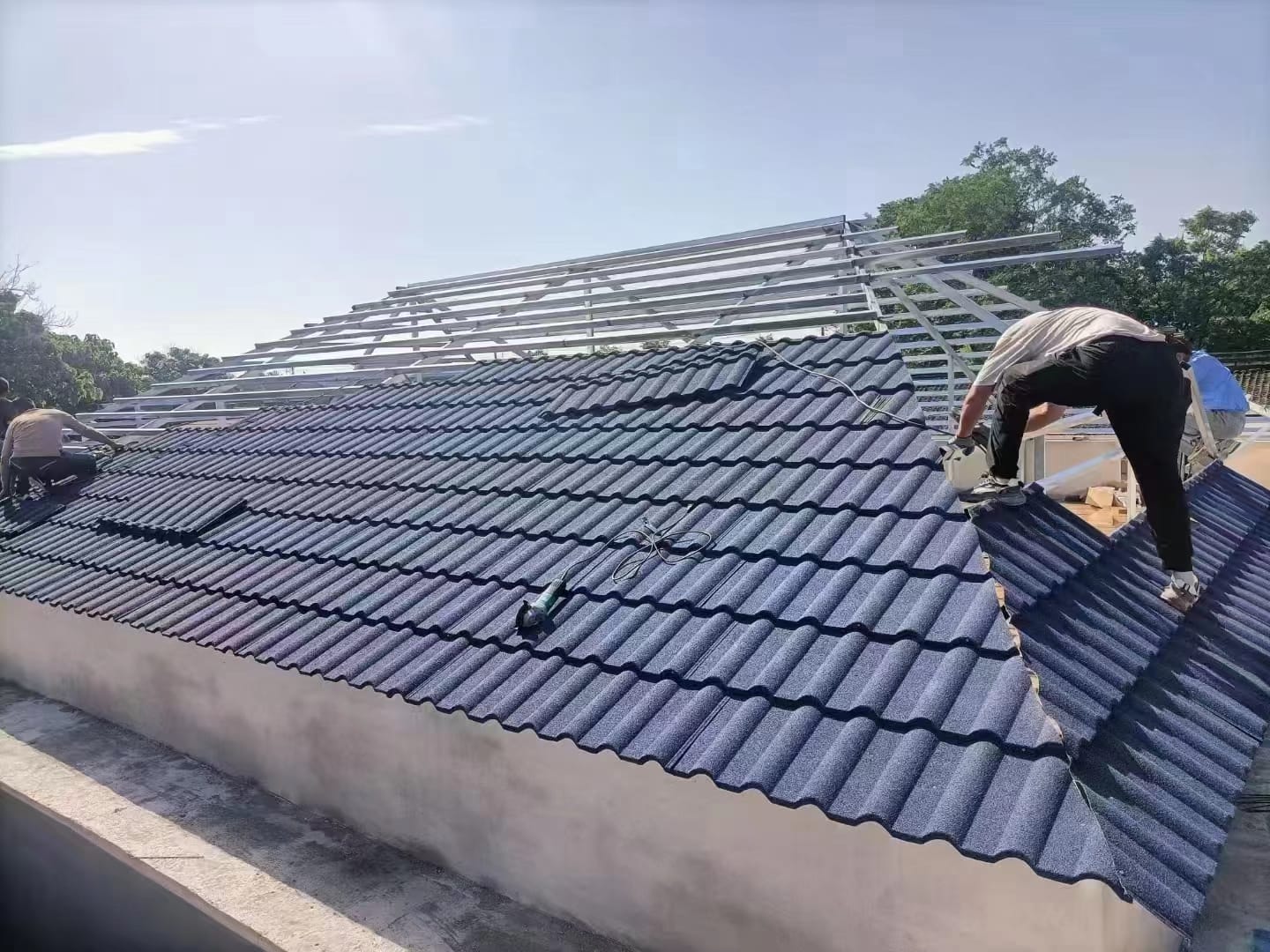
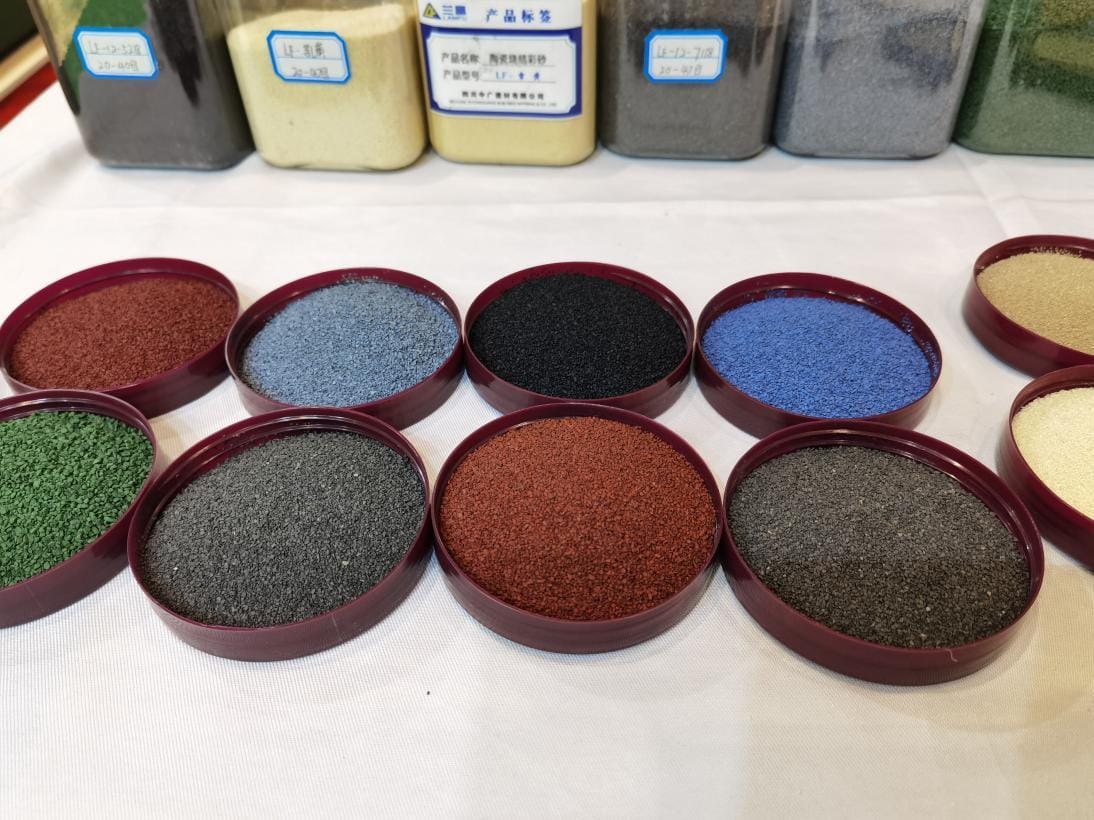
Reliable manufacturers can describe their coating process in specific technical detail, including bonding temperature, granule application method, and thickness control measures. Vague answers about proprietary processes without any verifiable detail are a common warning sign during factory evaluation.
Quality Control Certifications and Documentation
Established manufacturers typically hold recognized quality management certifications and can provide documentation of internal testing procedures. Buyers should request these certificates directly rather than relying on general claims of quality assurance.
Production Capacity Relative to Order Volume
A factory’s stated capacity needs to comfortably exceed your projected order volume, leaving room for growth without straining production schedules. Manufacturers operating at or near full capacity may struggle to maintain consistent lead times as your orders scale.
How to Apply These Criteria During Manufacturer Sourcing
These evaluation criteria become most useful when applied directly during factory audits and supplier conversations. Buyers who ask specific, documented questions during sourcing get a much clearer picture of which manufacturers can support long-term supply relationships. The following examples show how this evaluation plays out across common sourcing scenarios.
Verifying Coating Consistency Across Production Batches
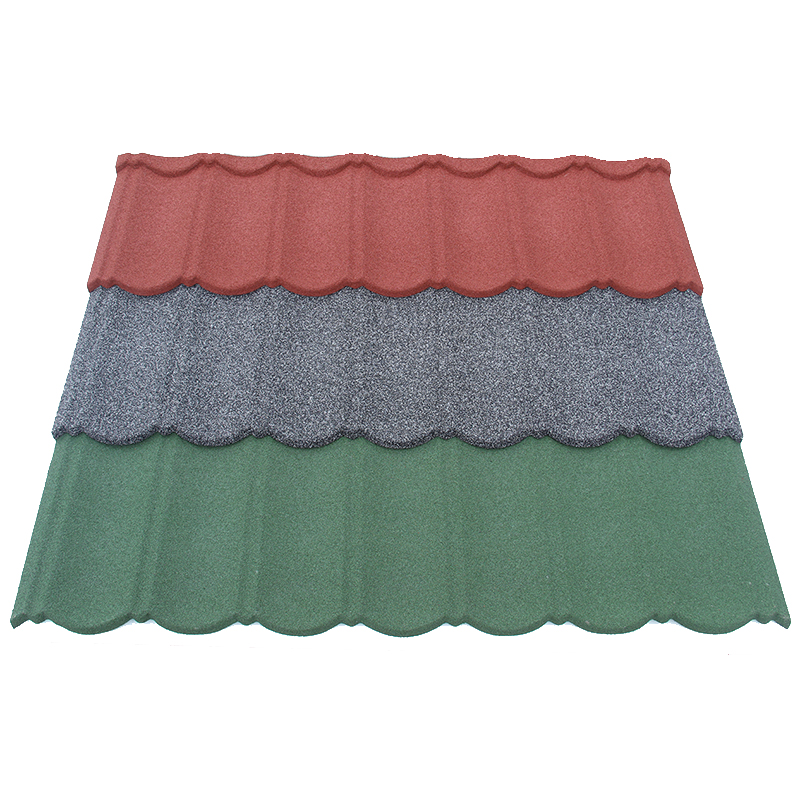
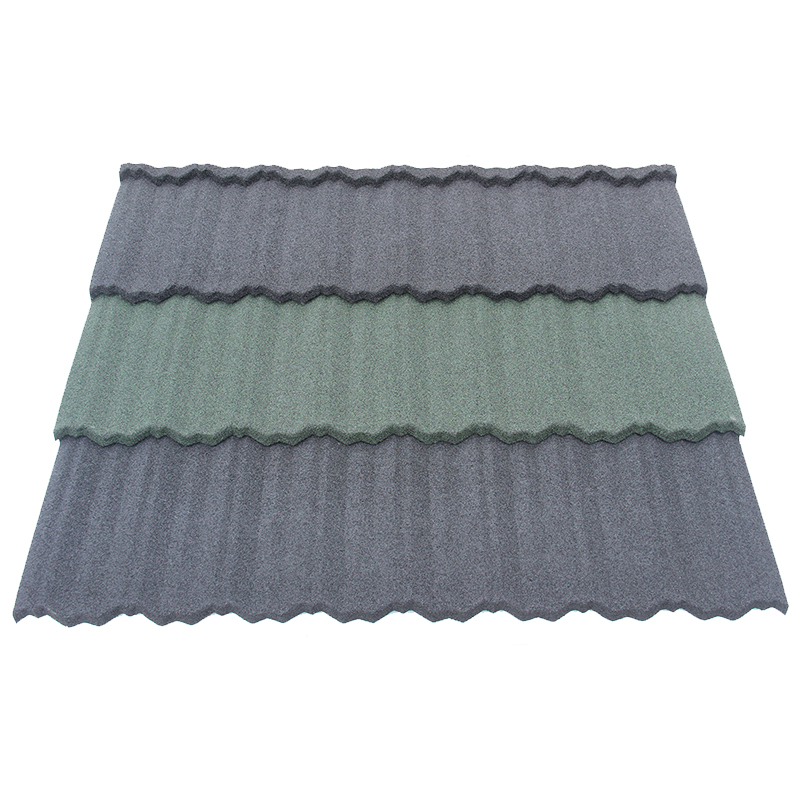
Distributors sourcing a profile like Bond Tile at scale should request samples from multiple production runs, not just a single representative batch, to confirm coating consistency over time.
Confirming Export Documentation for International Shipments
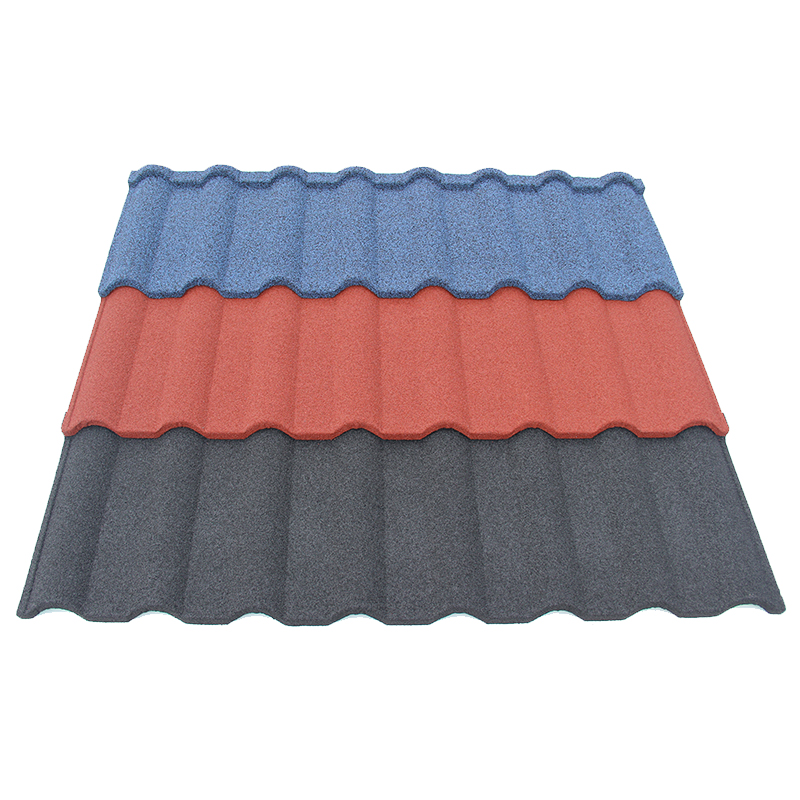
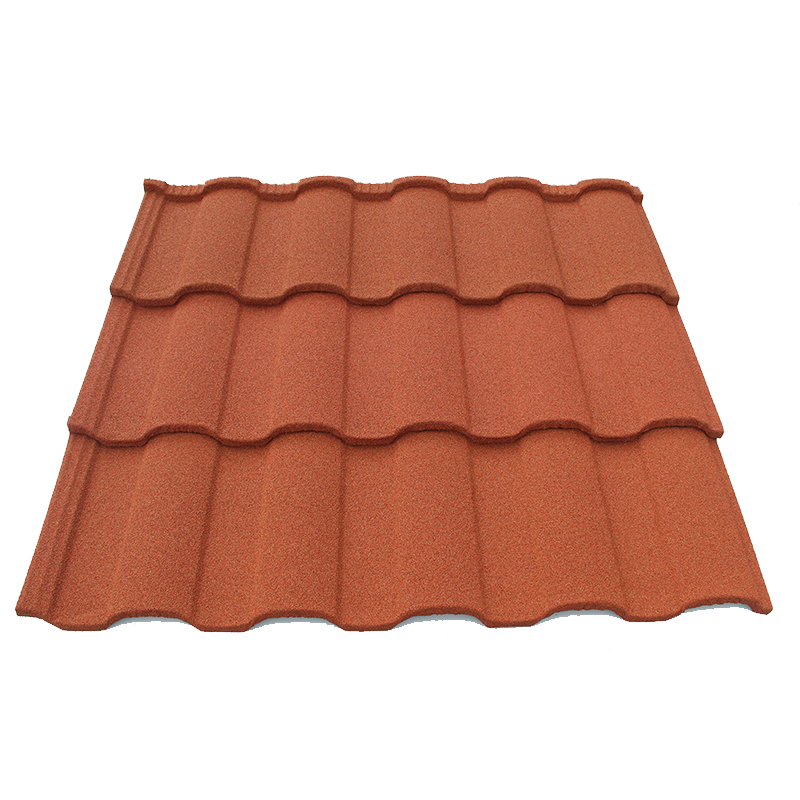
Buyers importing profiles such as Roman Tile across international borders should confirm the manufacturer’s experience with export documentation and customs compliance specific to the destination market.
Evaluating Capacity for Growing Order Volumes
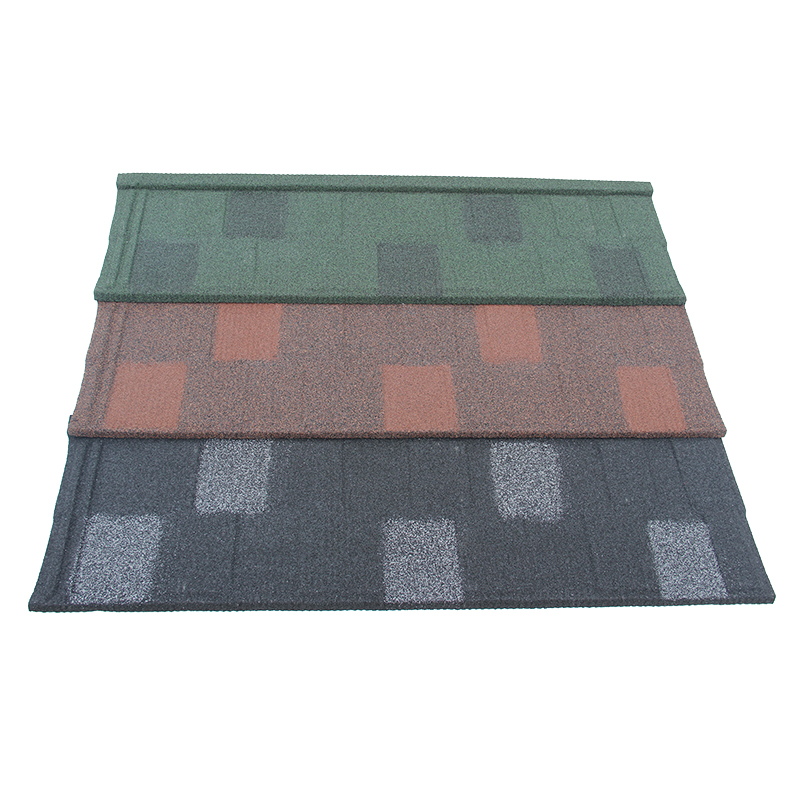
Distributors planning to scale orders of a high-volume profile like Shingle Tile should confirm the manufacturer’s current capacity utilization, ensuring room exists for future volume growth without lead time increases.
Assessing Manufacturer Support for Architectural and Custom Profiles
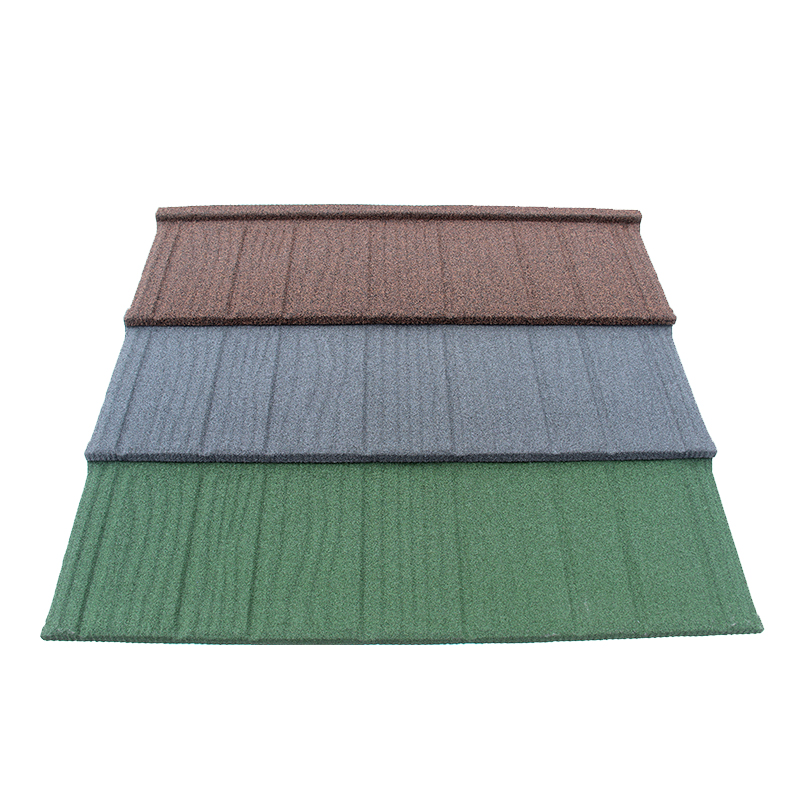
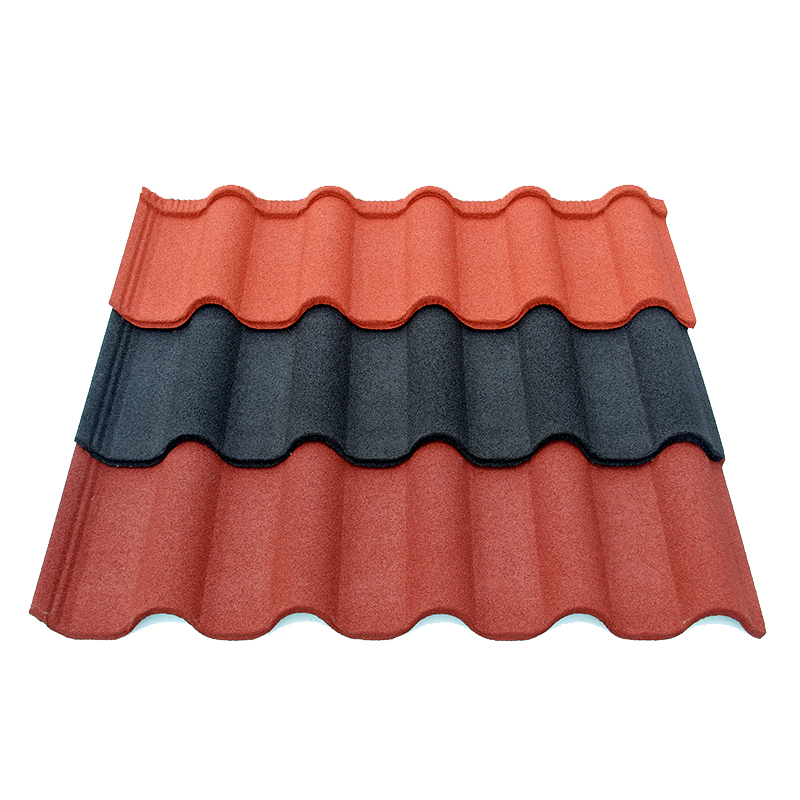
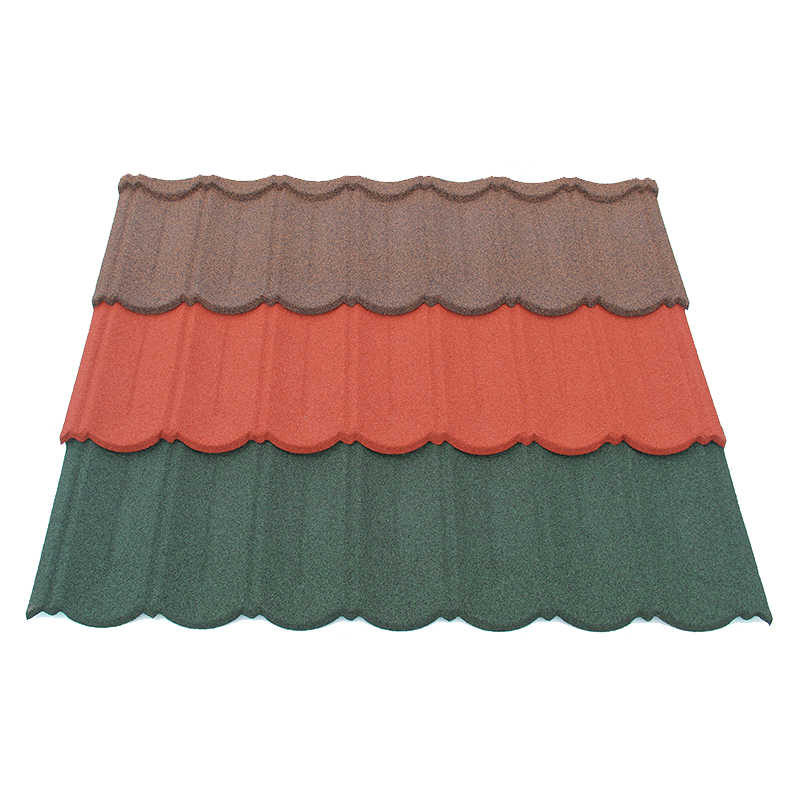
Sourcing a distinctive architectural profile such as Milano Tile requires confirming the manufacturer can maintain precise dimensional consistency across custom or lower-volume runs. Manufacturers such as JCROOF illustrate this approach by providing documented production specifications alongside their standard product lines, giving procurement teams a clear basis for evaluation. Buyers sourcing a textured profile like Shake Tile should apply the same scrutiny, confirming the factory can replicate the deeper texture consistently across every production batch.
Common Mistakes Buyers Make When Sourcing From Manufacturers
Procurement teams evaluating manufacturers tend to repeat a handful of mistakes that surface only after orders are already placed. Recognizing these mistakes helps buyers apply a more rigorous vetting process before committing to a supply relationship.
Relying on a Single Sample Without Requesting Batch Variation Data
A single well-made sample does not confirm consistency across a full production run. Buyers should request documentation or multiple samples from different batches before finalizing a large order commitment.
Overlooking Export Experience in Favor of Product Price Alone
Buyers sometimes select a manufacturer based purely on unit price without confirming export logistics experience for their specific destination market. This oversight can introduce costly shipping delays that erase any savings from a lower unit price.
Skipping Capacity Verification Before Scaling Order Volume
Some buyers place initial orders successfully, then scale volume without confirming the manufacturer’s capacity can absorb the increase. This can lead to extended lead times once demand exceeds the factory’s comfortable production range.
- Request samples from multiple production batches, not just one representative sample
- Confirm recognized quality management certifications directly with the manufacturer
- Verify export documentation experience specific to your destination market
- Check current capacity utilization against your projected order growth
- Apply the same evaluation standard across custom and standard product lines
Building a Manufacturer Vetting Process for International Sourcing
A structured vetting process protects procurement teams from relying on sample quality or unit price alone. Applying the same documented criteria across every manufacturer conversation produces a far more reliable comparison than an informal shortlist based on price quotes.
Questions to Ask Every Manufacturer During Factory Evaluation
Ask for coating process documentation, current capacity utilization figures, and export references from your specific destination region. Specific, verifiable answers separate manufacturers ready for a long-term supply relationship from those unprepared for it.
Applying This Framework Consistently Across Sourcing Decisions
Buyers and distributors who apply this same evaluation framework across every manufacturer relationship reduce the risk of quality or logistics surprises after committing to a supply partner. This consistency matters as much as the initial factory selection itself.
Identifying a reliable stone coated roofing manufacturer comes down to verified production capability, not sample quality or price alone. Procurement teams who apply a consistent evaluation framework across coating technology, certifications, capacity, and export experience make sourcing decisions that hold up as order volume and destination markets grow.