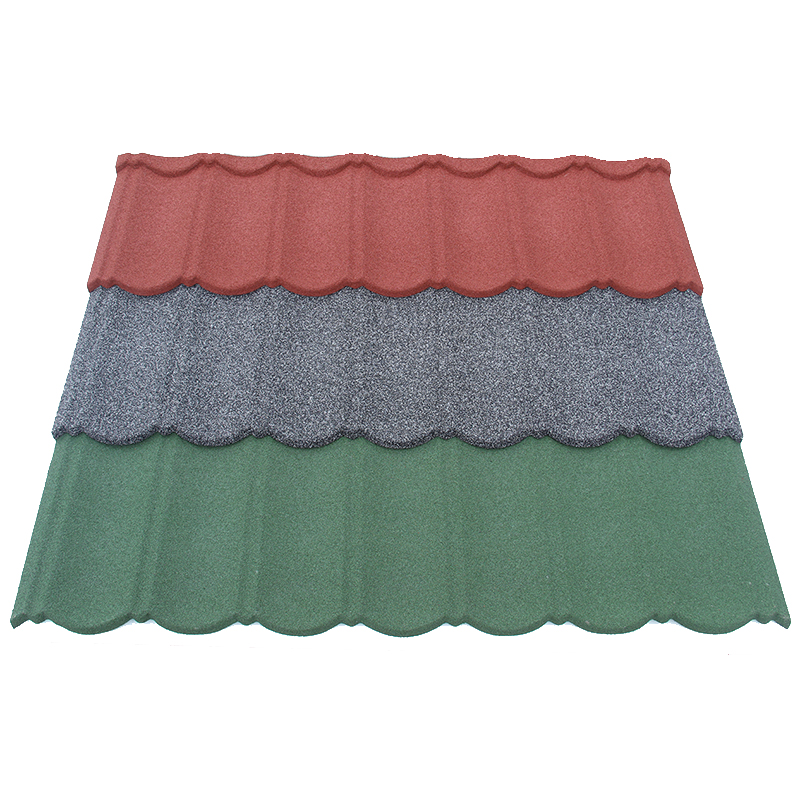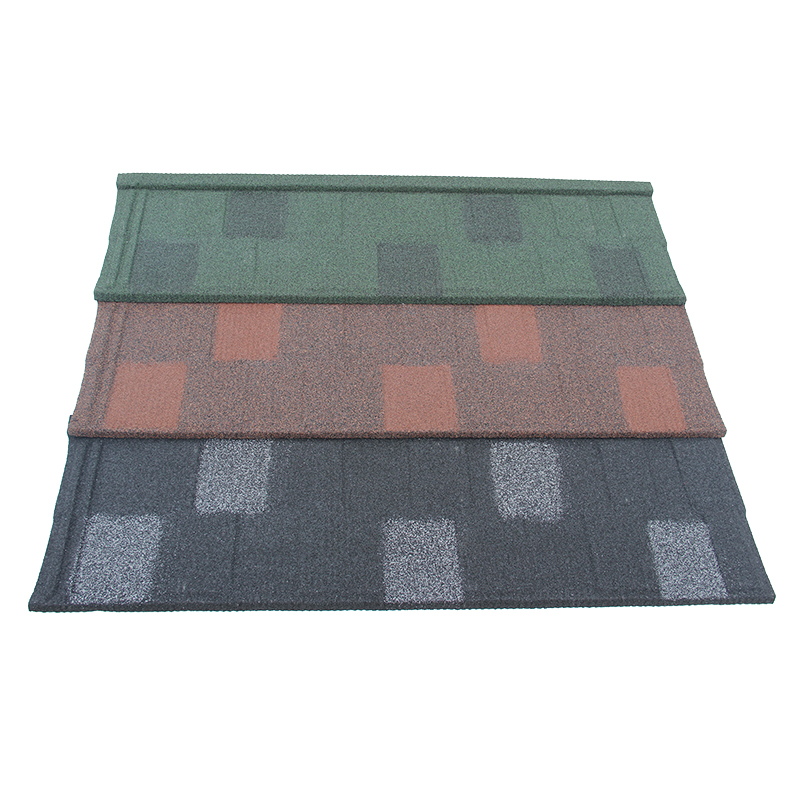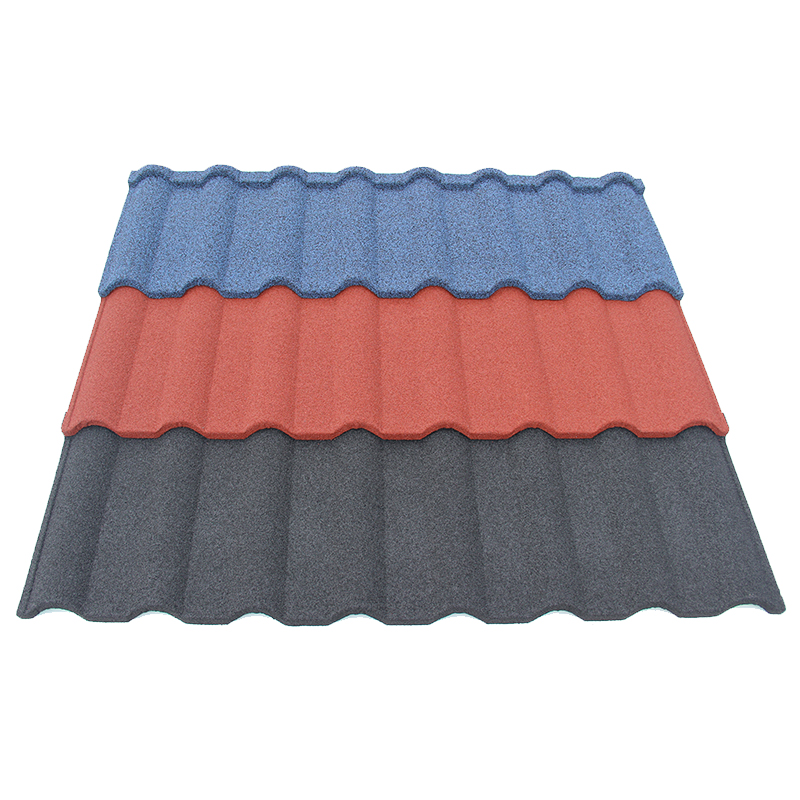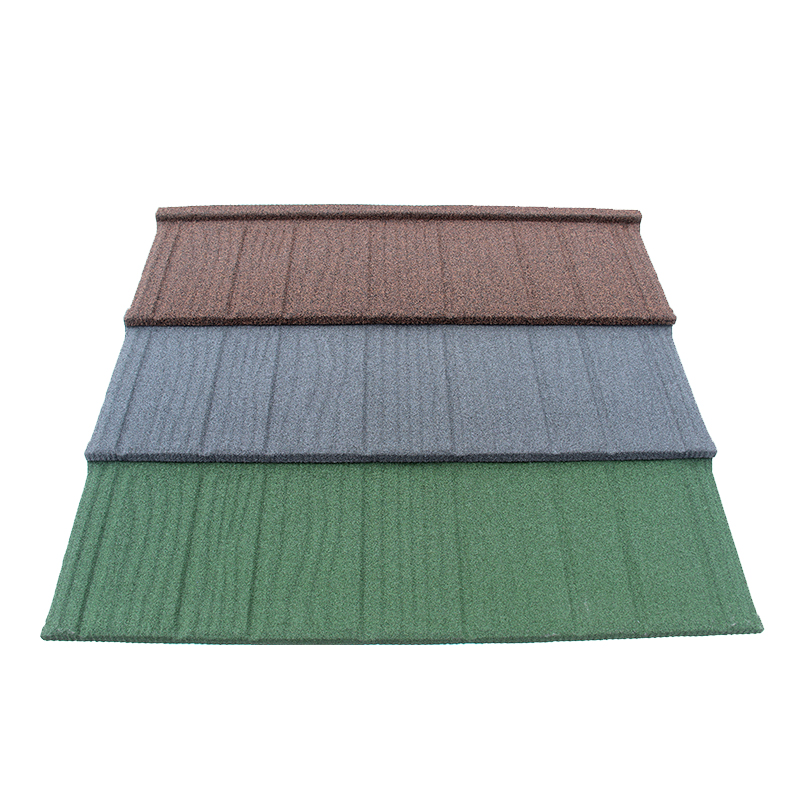

A Gerard Roofing review usually comes up when buyers are comparing stone coated steel options and keep seeing the same name repeated across contractor websites. Gerard is one of the longest-established names in stone coated steel roofing, with a product history stretching back decades and a manufacturing footprint spanning multiple continents. This guide breaks down what Gerard actually offers, how its core performance claims hold up, and what questions buyers should ask before choosing this brand over another stone coated option.
What Gerard Roofing Is and Why It Comes Up in So Many Roofing Conversations
Gerard traces its origins to 1957, when founder Lou Fisher, an innovator from New Zealand, developed the first stone chip coated steel roof tiles. That original concept grew into a global operation, and today the brand is owned by RoofTG, a New Zealand-based manufacturer with production plants across New Zealand, the United States, Hungary, and Malaysia, selling under both the Gerard and Decra names. This long operating history is part of why Gerard shows up so consistently in contractor recommendations and roofing comparisons.
A Long-Standing Name With Global Manufacturing Reach
The company now operates as part of IKO Metals Europe, itself part of IKO Industries, a global manufacturer with thousands of employees and dozens of plants worldwide. This scale gives Gerard more manufacturing consistency and dealer support infrastructure than smaller regional competitors typically offer.
A Product Line Built Around Multiple Traditional Profiles
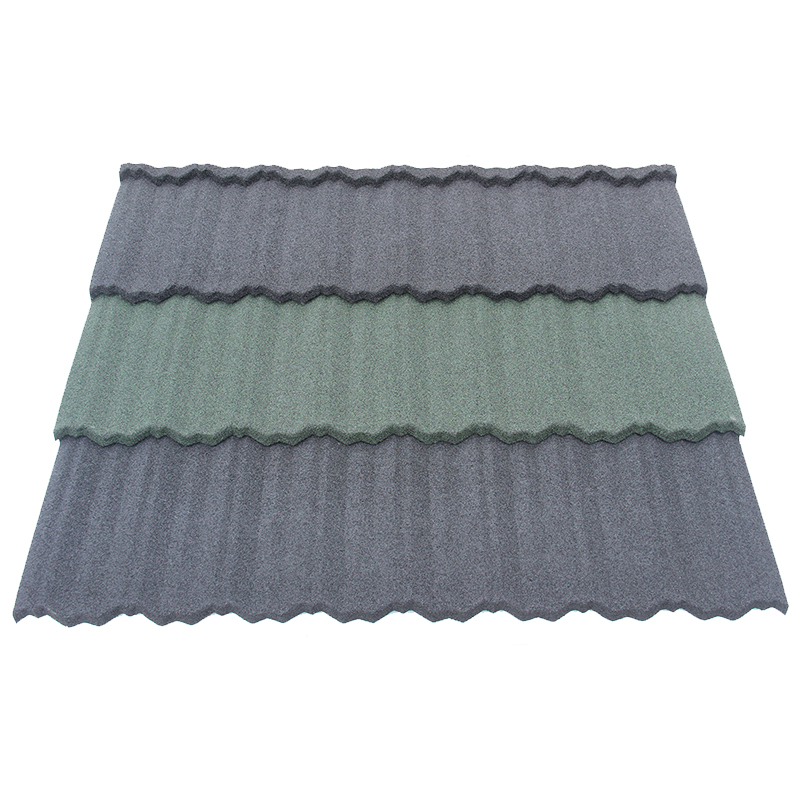
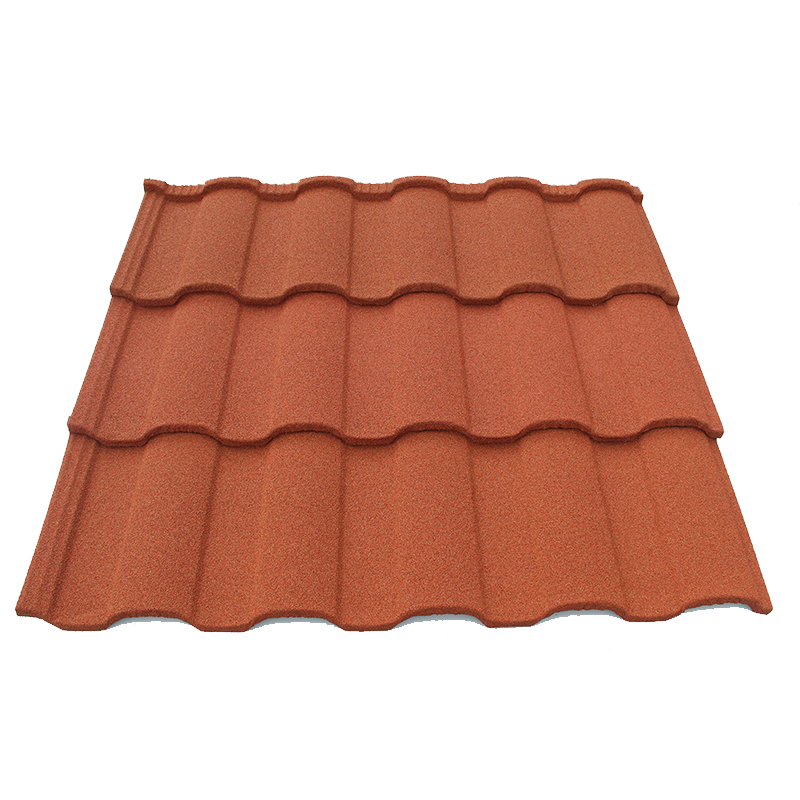
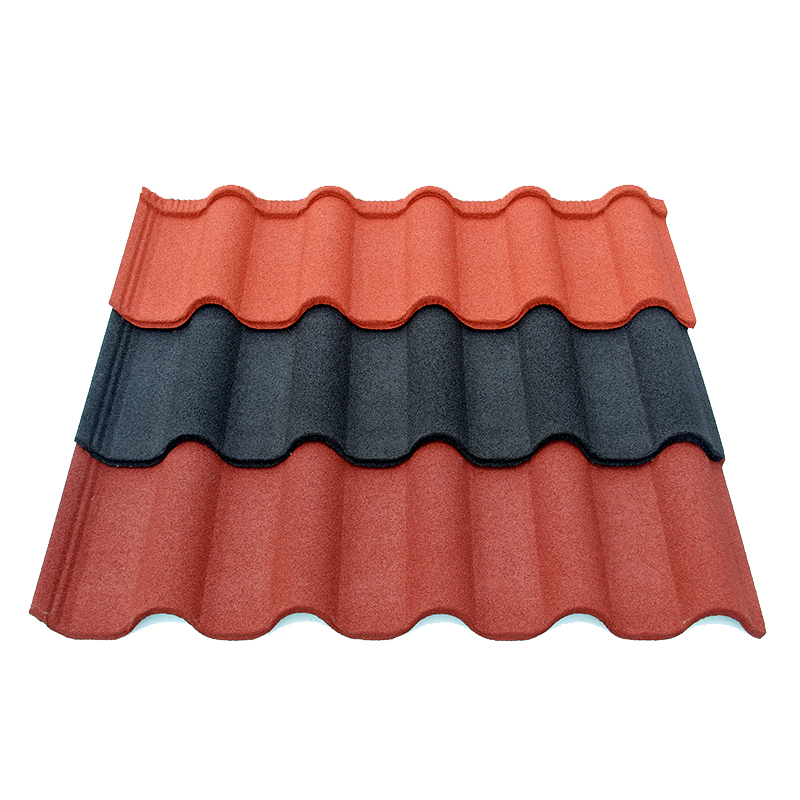
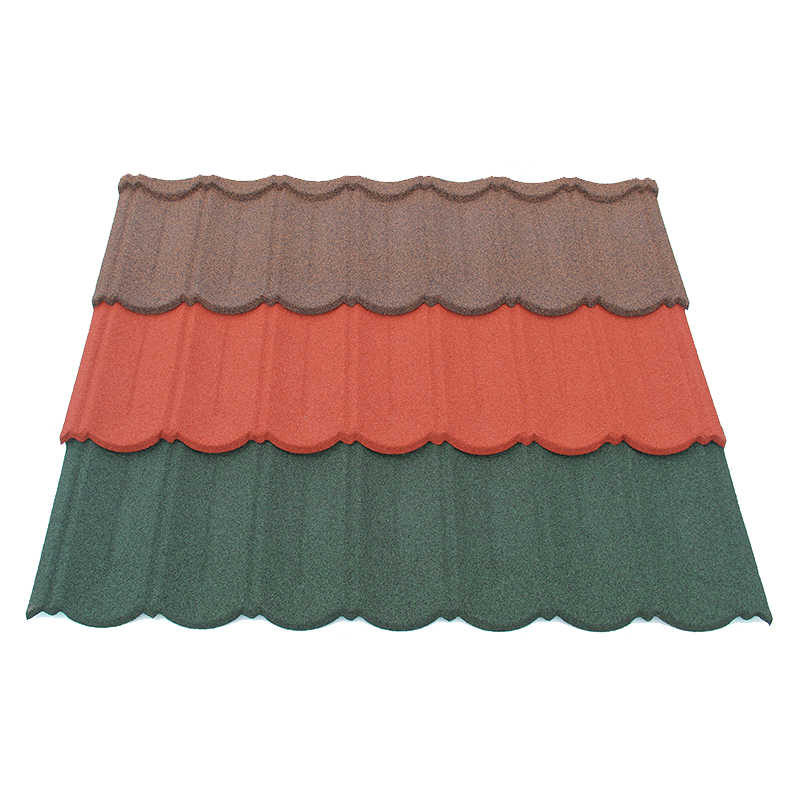
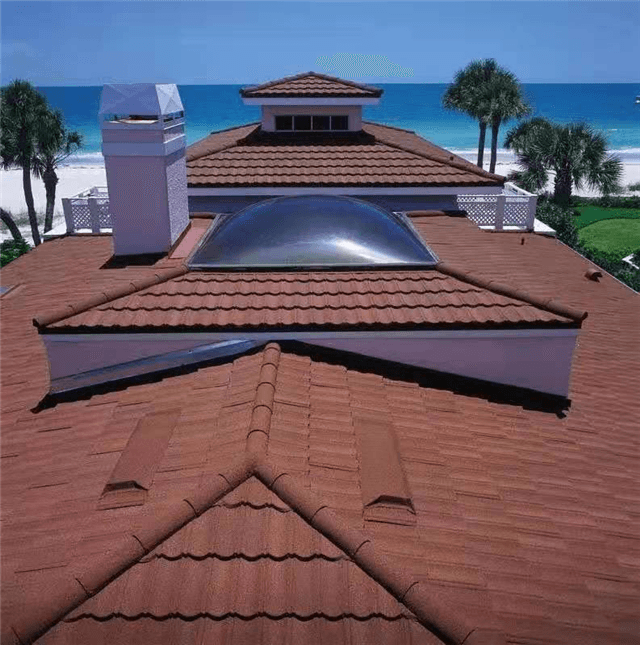
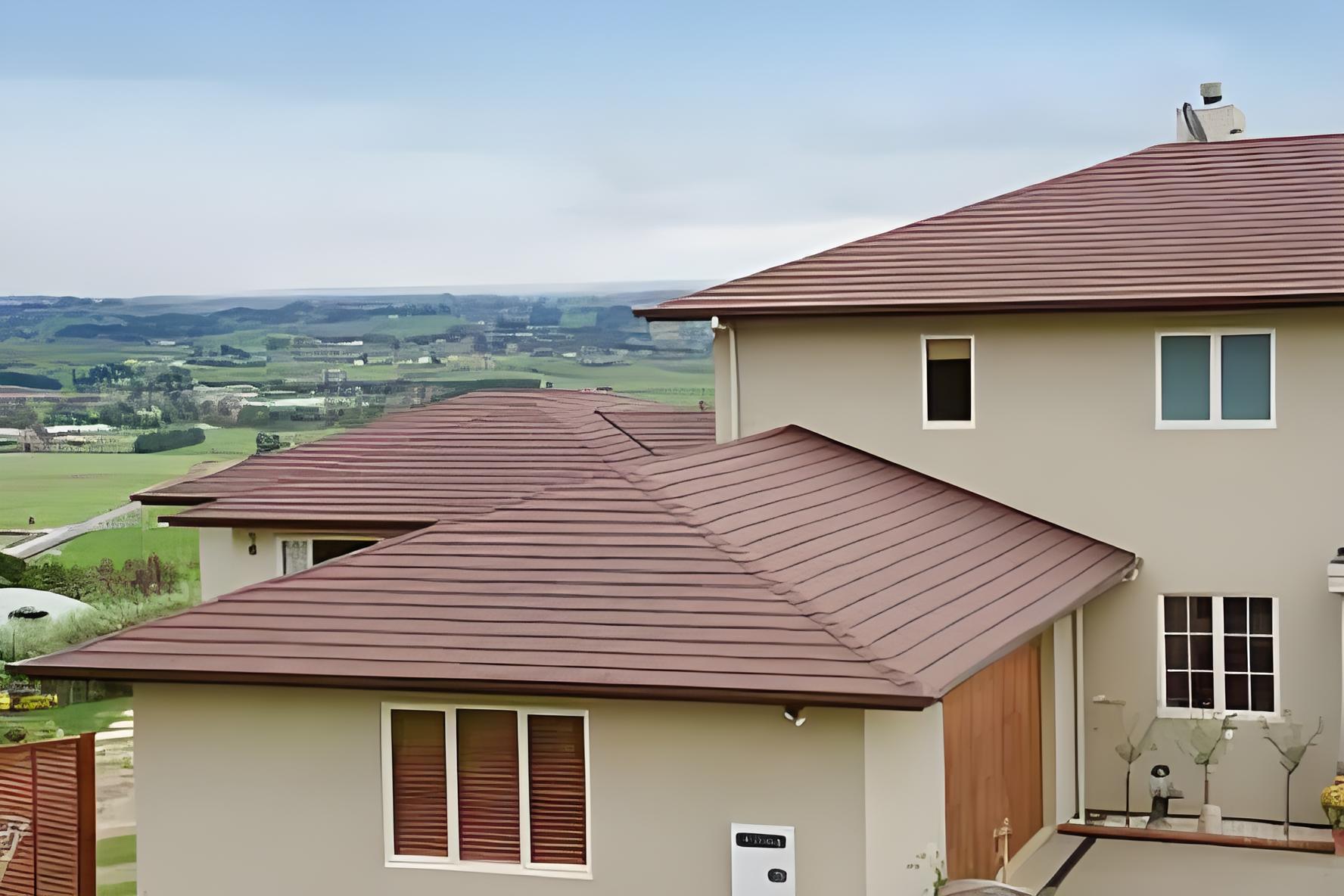
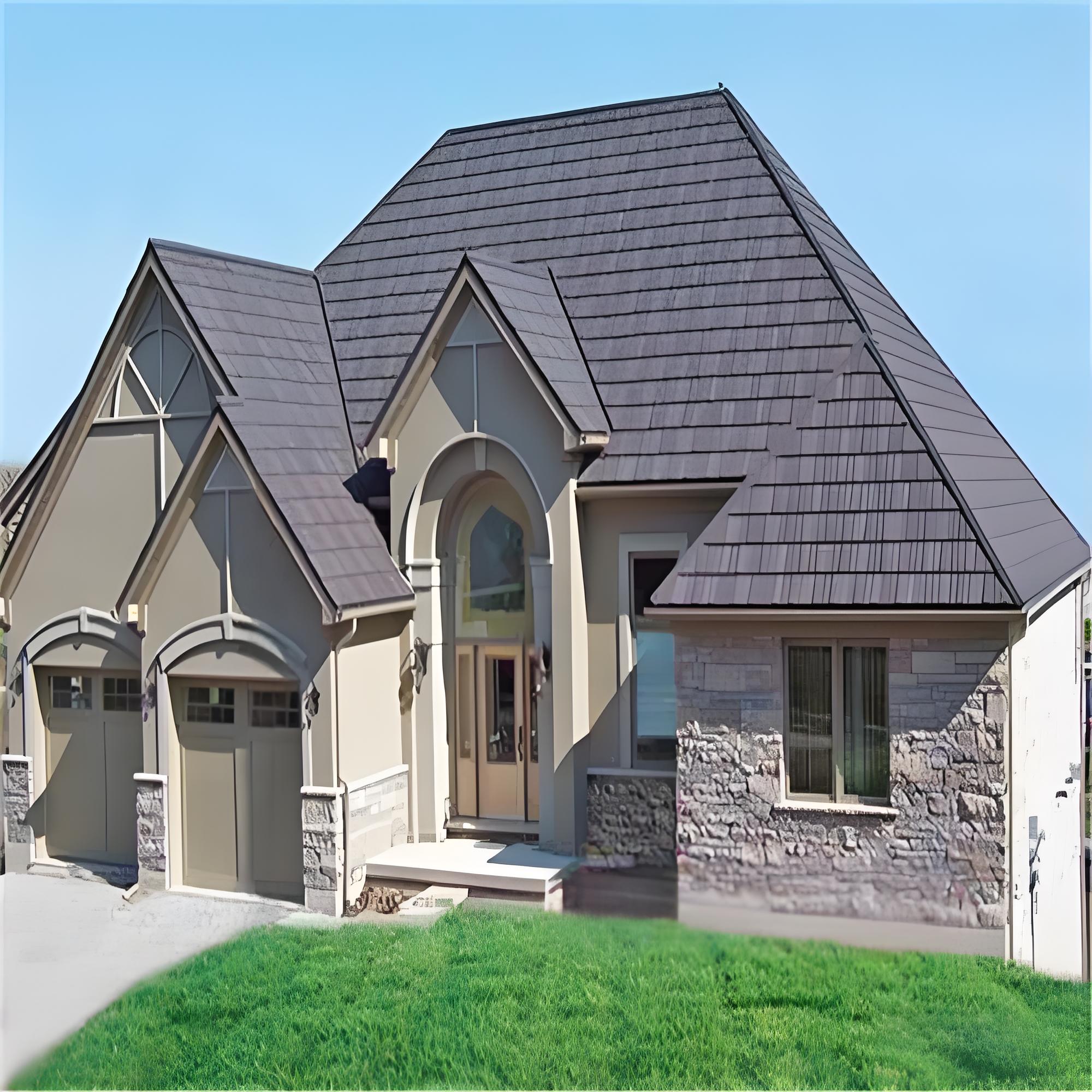
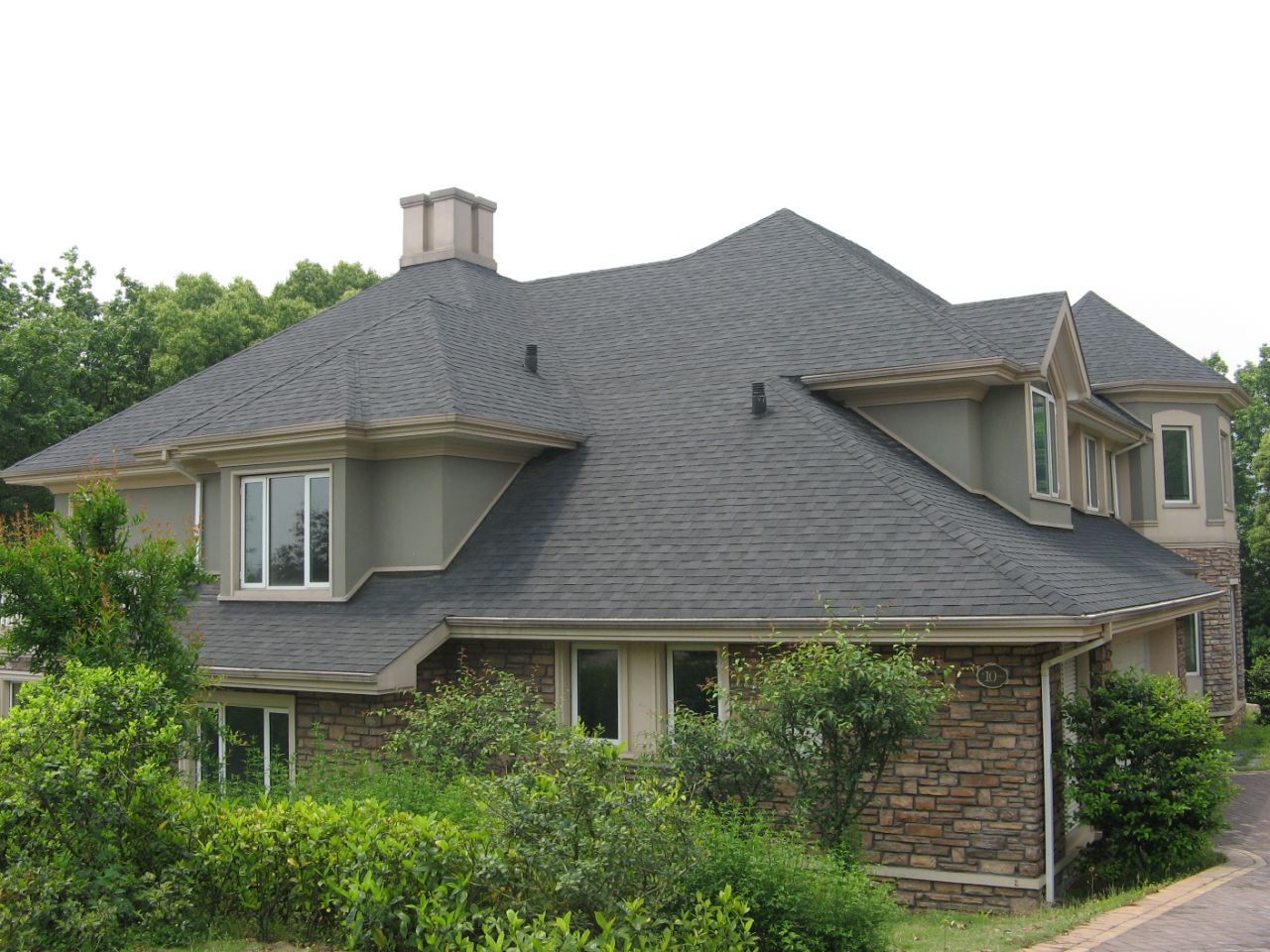
Gerard markets several distinct tile profiles designed to replicate different traditional roofing looks, including wood shake, Spanish tile, and architectural shingle styles built on the same stone coated steel base. This range lets the brand compete across both traditional and more contemporary residential design preferences.
Breaking Down Gerard’s Core Product Claims: Weight, Impact, Fire, and Wind Performance
Gerard’s marketing and dealer network consistently highlight a specific set of performance claims across weight, impact resistance, fire rating, and wind performance. Buyers evaluating the brand should understand what these claims typically cover and where to verify them independently. The table below summarizes the performance categories most commonly cited across Gerard’s product literature and dealer materials.
| Performance Category | Commonly Cited Claim | What Buyers Should Verify |
|---|---|---|
| Weight | Lightweight steel panel system, well under traditional tile weight | Confirm exact weight per square for your specific structural review |
| Impact Resistance | Class 4 impact rating on 26-gauge steel panels | Request the specific test documentation for your profile and region |
| Fire Classification | Class A fire rating on the steel panel system | Confirm the rating applies to the exact profile and underlayment combination specified |
| Wind Resistance | High wind ratings cited by various dealers | Confirm wind ratings against your local code requirements directly with Gerard |
Weight and Structural Considerations
Dealer materials consistently describe Gerard’s panels as significantly lighter than traditional roofing materials, weighing roughly 1.5 pounds per square foot, which supports its positioning as a retrofit-friendly option for structures not built to carry heavier tile. Buyers should still confirm exact weight figures for their specific profile choice during a structural review.
Impact and Fire Performance
Gerard’s panels are commonly described as carrying a Class 4 impact rating alongside a Class A fire classification, supported by a 26-gauge steel panel construction. These ratings matter most in hail-prone regions and wildfire interface zones, where local code often requires documented certification rather than general marketing claims.
Warranty Terms and What They Typically Cover
Dealer and reseller pages frequently reference an extended warranty period, with some describing coverage that includes both materials and labor over a fifty-year term. Warranty specifics can vary by region and dealer, so buyers should request the exact written warranty terms directly from an authorized Gerard installer rather than relying on third-party summaries.
Where Gerard Fits Well and Where Buyers Should Ask More Questions
Gerard’s long operating history and manufacturing scale make it a reasonable option across a range of project types, but buyers should apply the same scrutiny to Gerard that they would to any manufacturer, rather than assuming brand recognition alone guarantees the best fit for their specific project.
Where the Brand’s Track Record Supports Confidence
Gerard’s decades of operating history and multi-continent manufacturing footprint give buyers a reasonable basis for confidence in product consistency and dealer support availability. This track record matters particularly for buyers prioritizing a well-established brand name during resale or insurance discussions.
Where Buyers Should Look Past the Brand Name
As with any manufacturer, actual installed performance depends heavily on installer quality and correct flashing and accessory compatibility, not brand reputation alone. Buyers should verify that their chosen installer has specific experience with Gerard’s interlocking profile requirements before assuming a smooth installation.
Cost Considerations Relative to Other Stone Coated Options
Multiple dealer sources note that Gerard carries a higher initial cost compared to standard roofing materials, positioning the higher price against long-term savings on repairs and potential insurance discounts. Buyers should weigh this upfront premium against quotes from other stone coated manufacturers before assuming Gerard is the most cost-effective option for their specific project.
Common Questions and Misconceptions About Gerard Roofing
Buyers researching Gerard often carry a few common misconceptions into their purchasing decision. Clearing these up helps set realistic expectations before requesting a quote.
Is Gerard the Only Stone Coated Steel Manufacturer Worth Considering?
Gerard is one of the most established names in the category, but it operates alongside several other manufacturers producing comparable stone coated steel systems. Buyers should compare documented performance data across multiple manufacturers rather than assuming Gerard’s name recognition alone reflects the best fit for every project.
Does a Longer Warranty Automatically Mean Better Coverage?
An extended warranty period sounds reassuring, but buyers should always read the specific exclusions and transferability terms rather than assuming length alone reflects total coverage. This applies to Gerard’s warranty just as much as any competitor’s.
Does Gerard Cost More Than It’s Worth?
Whether the premium is worth it depends heavily on the specific project’s climate exposure, ownership timeline, and local labor rates. Buyers weighing this decision should request a full installed cost comparison rather than relying on brand reputation alone to justify the price difference.
- Request documented test certificates directly rather than relying on dealer summaries
- Confirm warranty terms and exclusions in writing before signing a contract
- Verify your installer has specific experience with Gerard’s interlocking profiles
- Compare full installed cost against other stone coated manufacturers
- Match profile choice to your project’s actual climate and structural needs
How to Evaluate Gerard Against Other Stone Coated Options
Choosing Gerard, or any established stone coated steel brand, should come down to the same documented evaluation criteria applied to any manufacturer: verified test data, clear warranty terms, and installer experience with the specific profile. Buyers researching this category sometimes also look at manufacturers such as JCROOF, which produces comparable stone coated steel tile systems, as part of a broader comparison before committing to a specific supplier.
Questions to Ask Before Choosing Any Stone Coated Brand
Ask for climate-specific performance data, full written warranty terms, and references from installers experienced with the exact profile under consideration. These questions apply equally whether you are evaluating Gerard or any other manufacturer in this category.
Gerard Roofing brings a long operating history and a wide profile lineup to the stone coated steel category, backed by a substantial global manufacturing footprint. Buyers who verify its specific performance claims and compare installed costs against other manufacturers, rather than relying on name recognition alone, are best positioned to decide whether it fits their project.