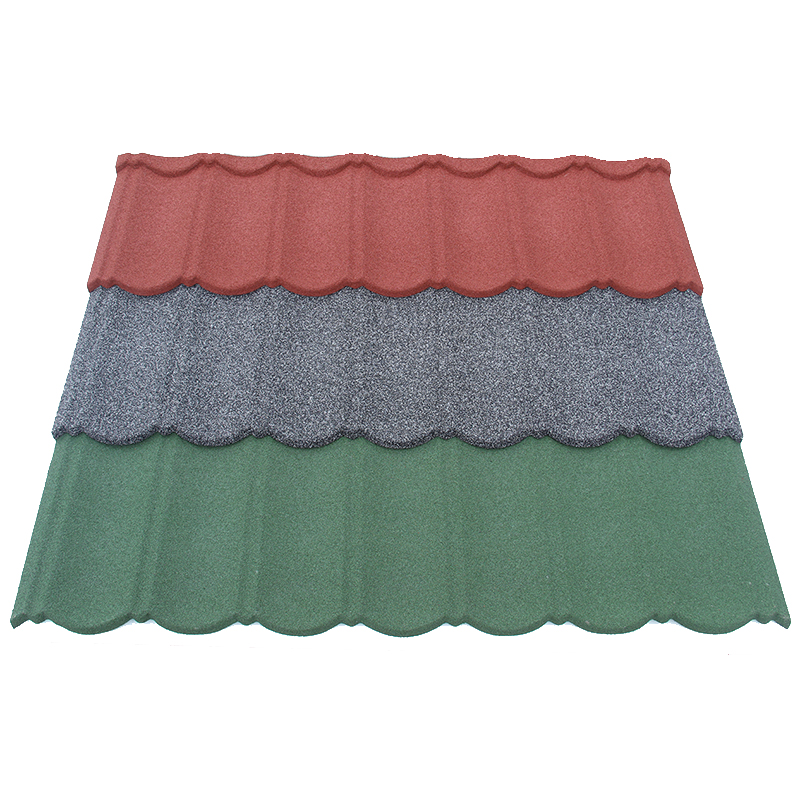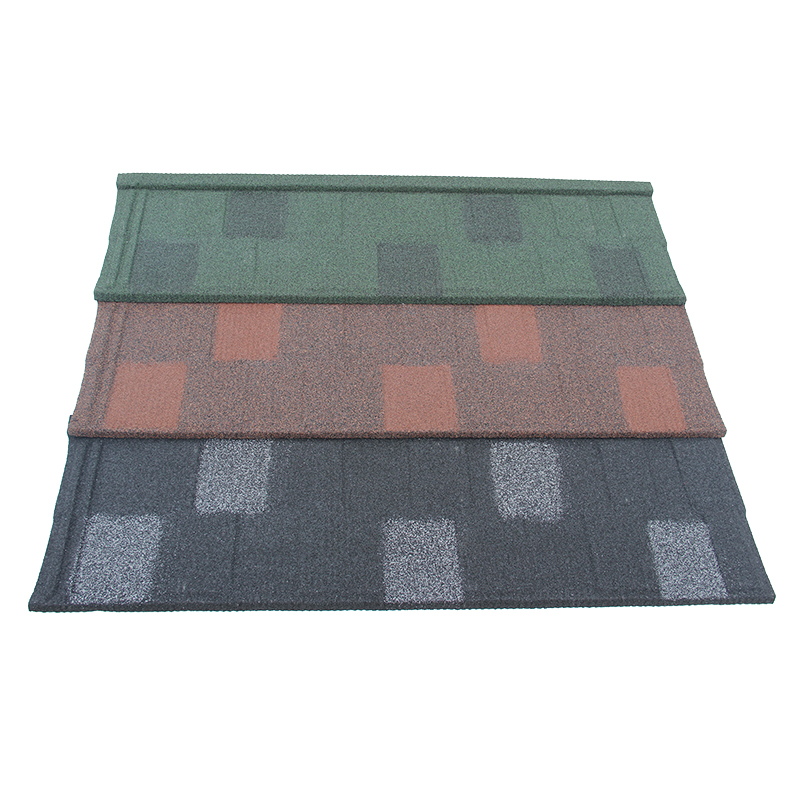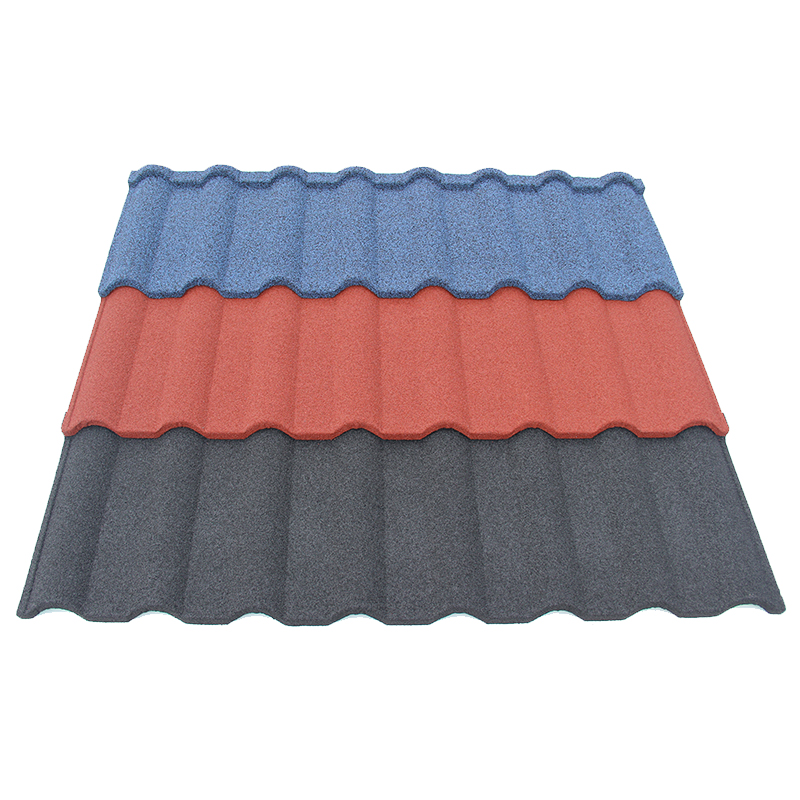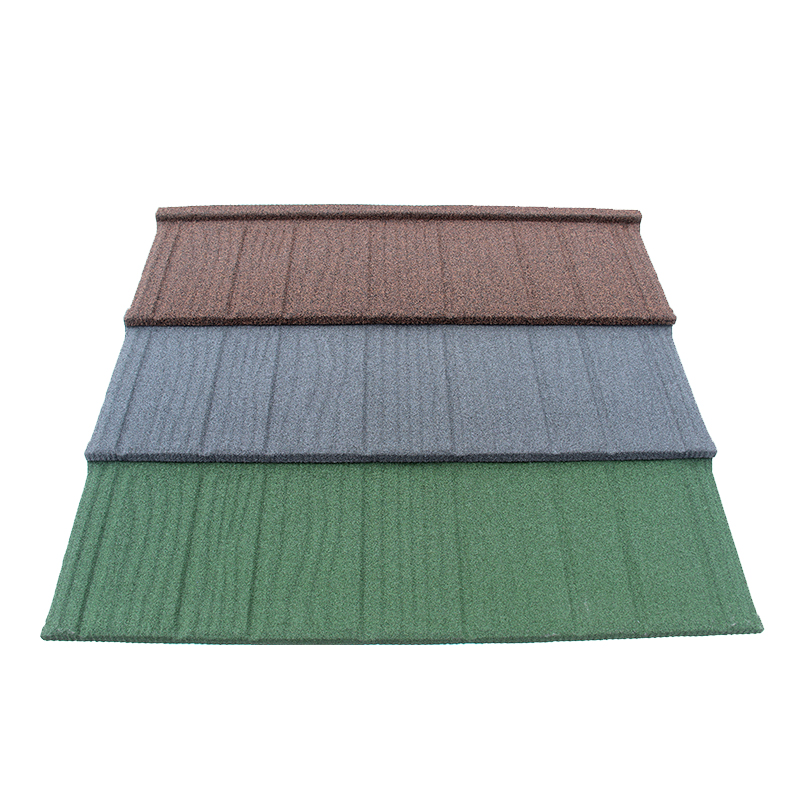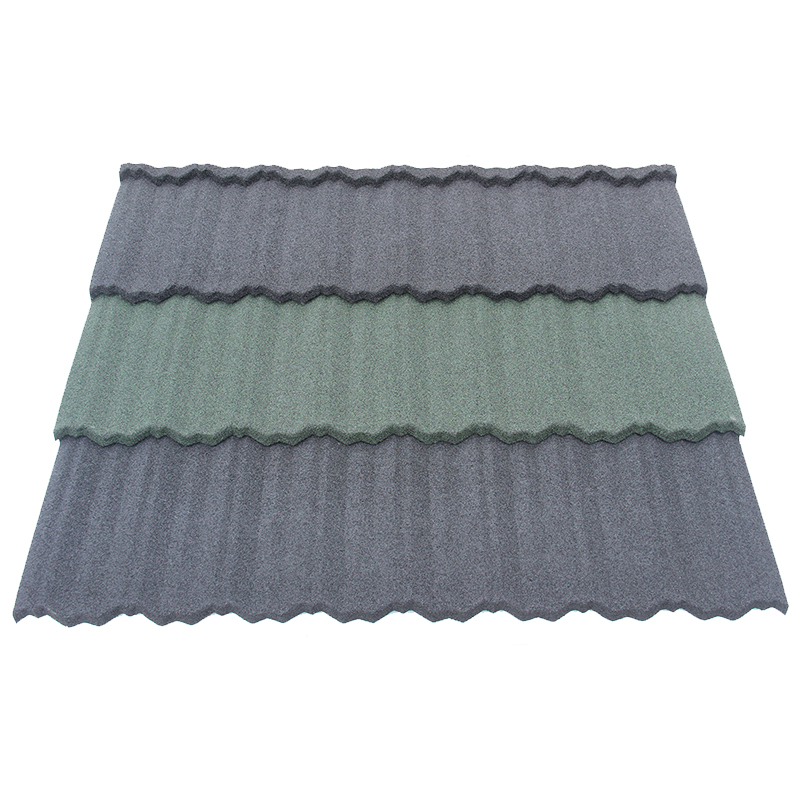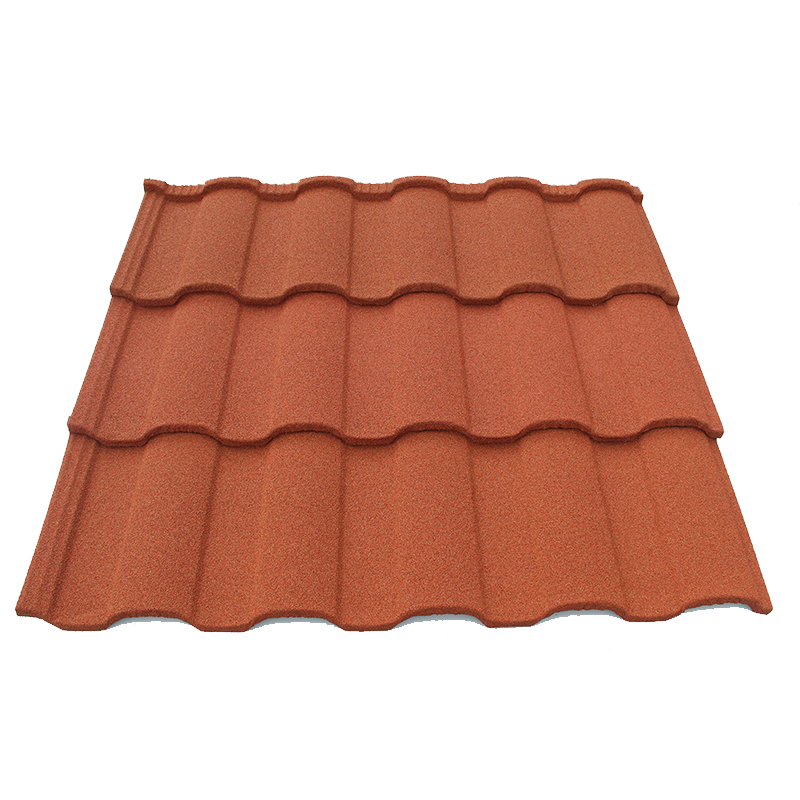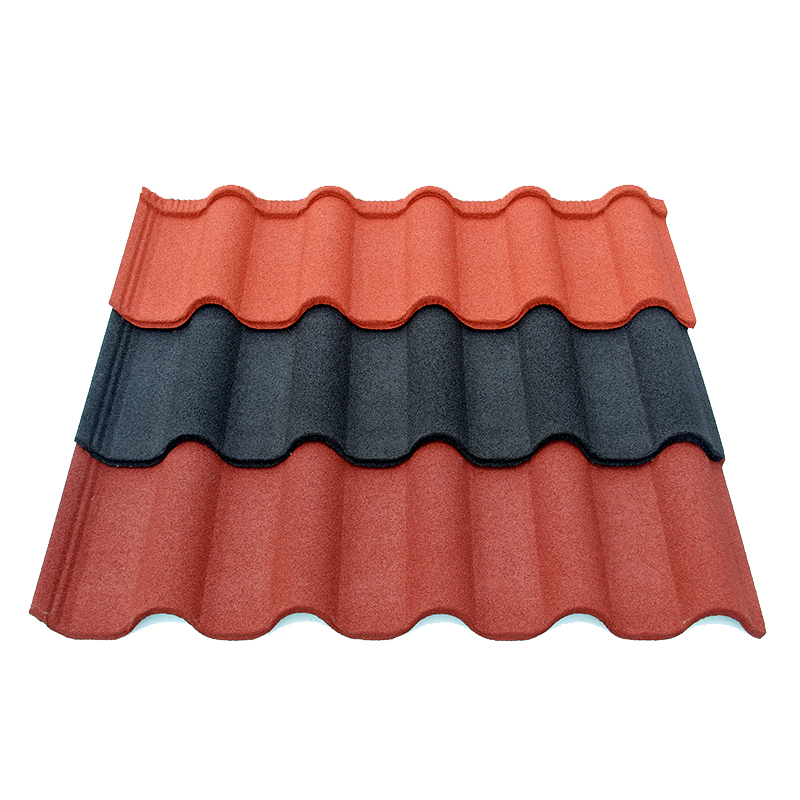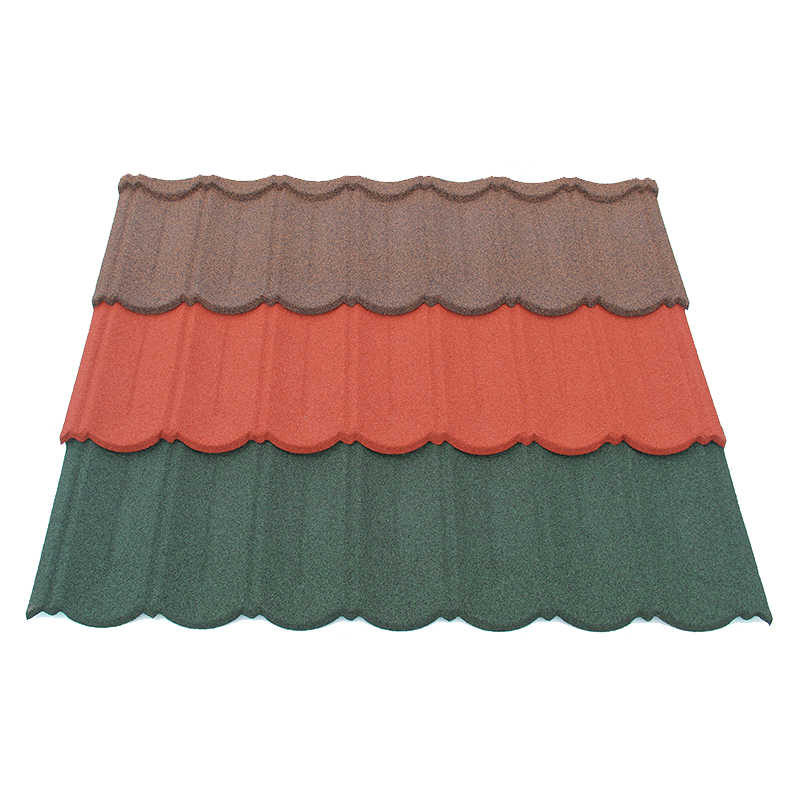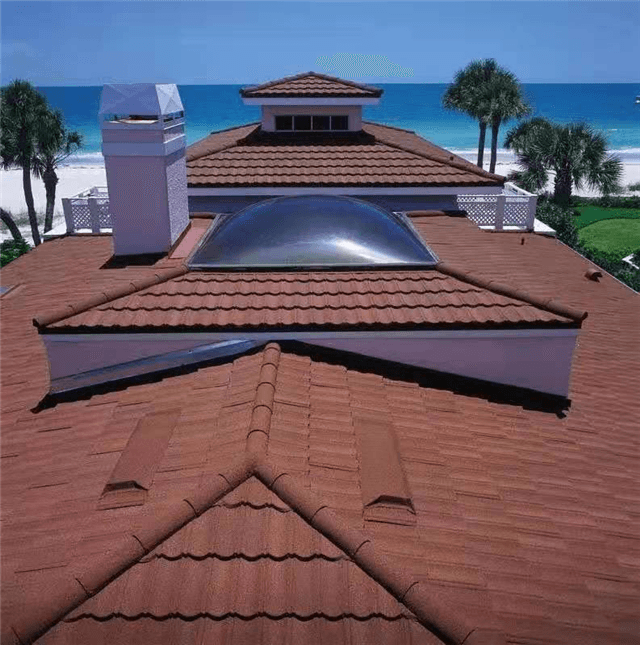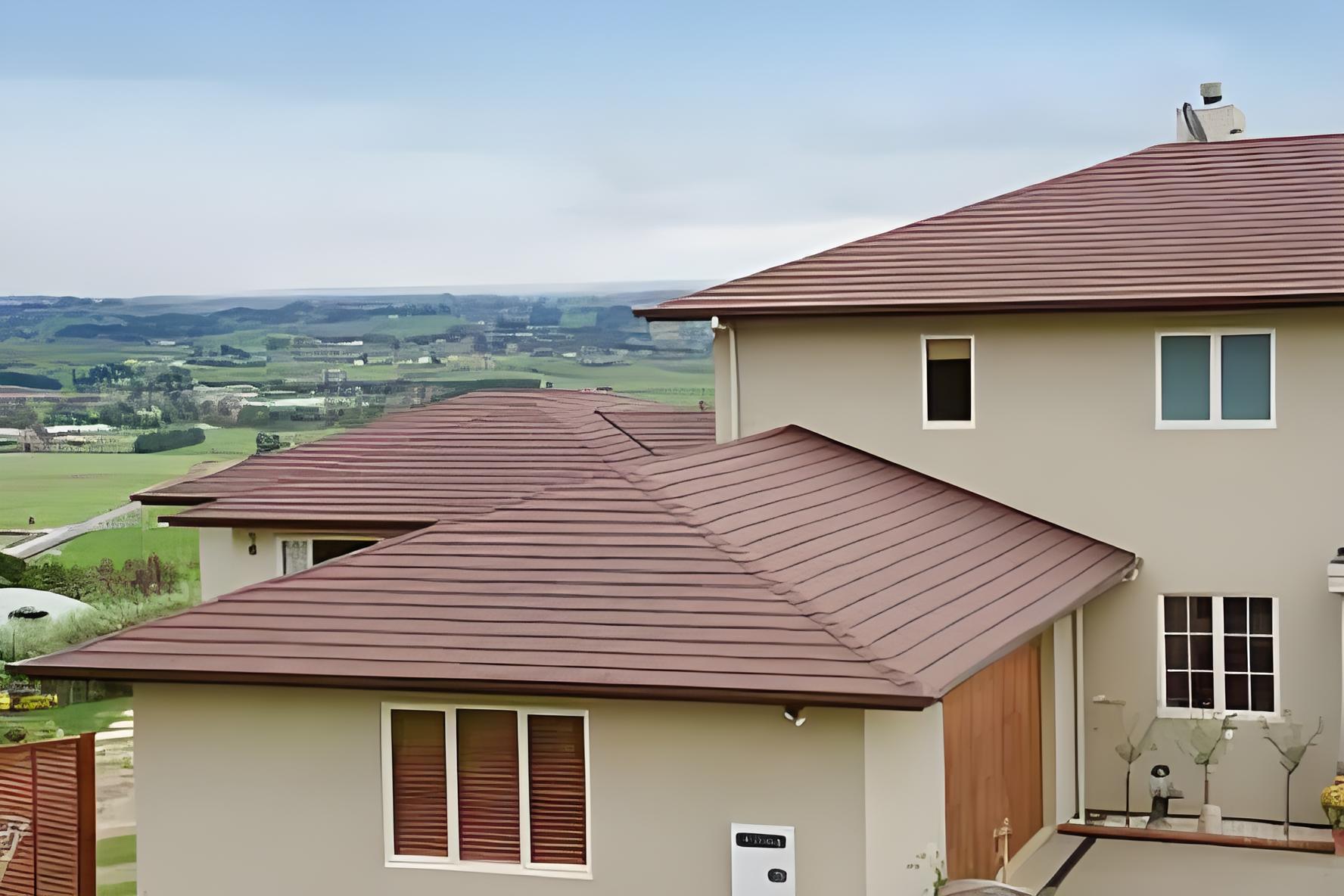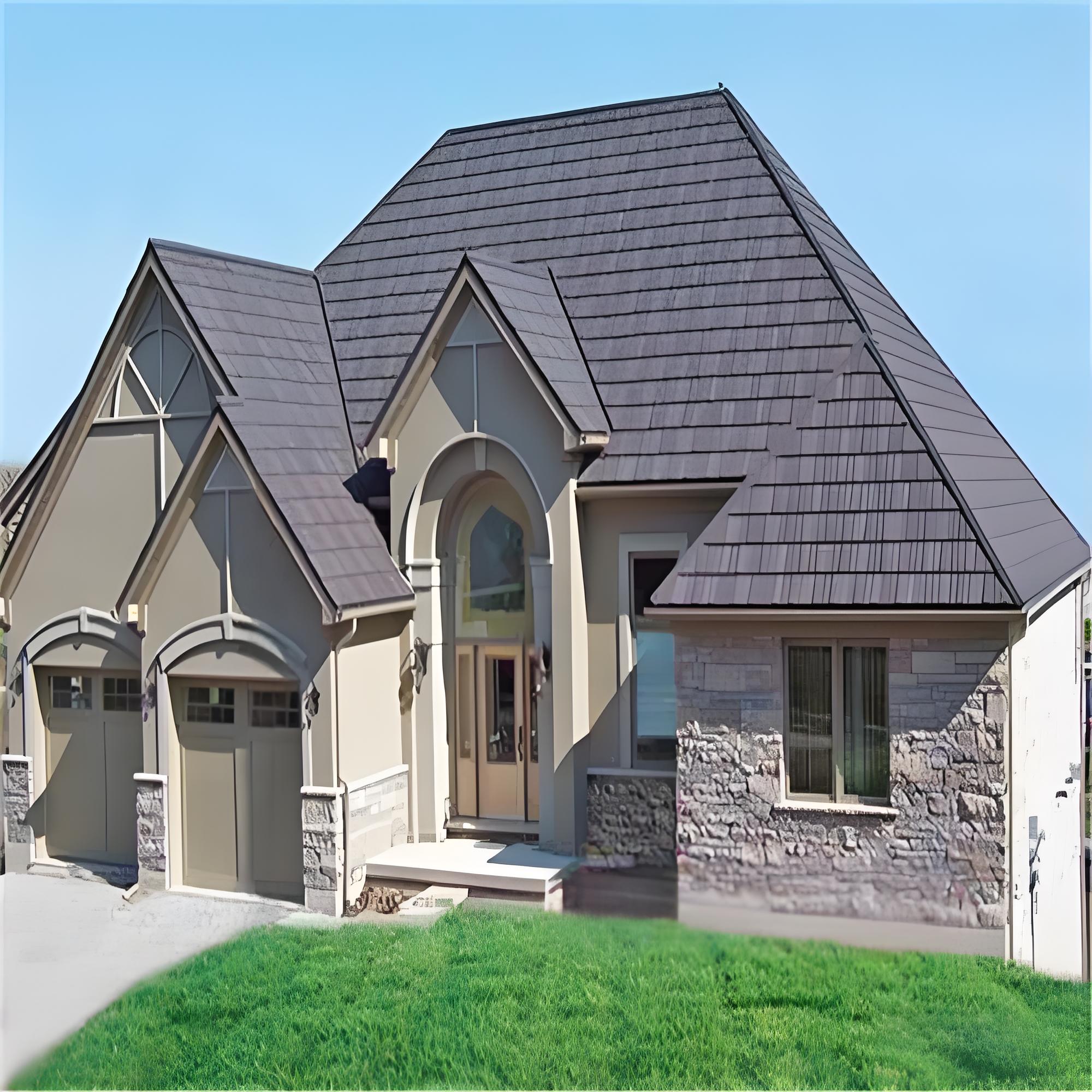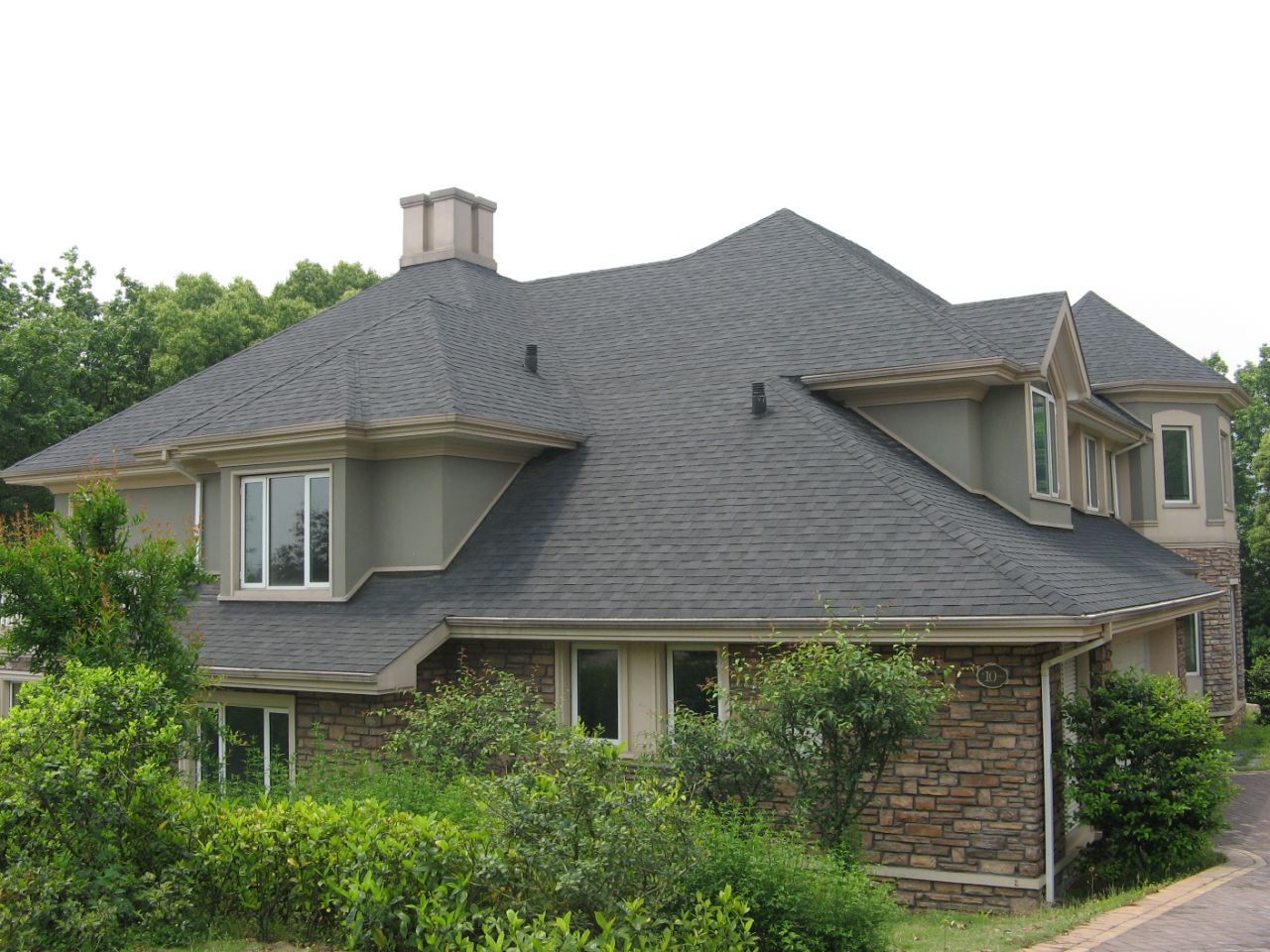

Comparing stone coated roofing brands gets confusing fast. Most manufacturers describe their products with nearly identical language around durability and long lifespan. A handful of established names dominate the category, each with decades of manufacturing history behind them. Buyers researching this space often struggle to tell them apart beyond color options and dealer relationships. This guide breaks down what actually separates several well-known manufacturers. It covers the factors worth checking directly with any brand, and how to apply that evaluation to your own project.
Why Stone Coated Roofing Brands Look So Similar on the Surface
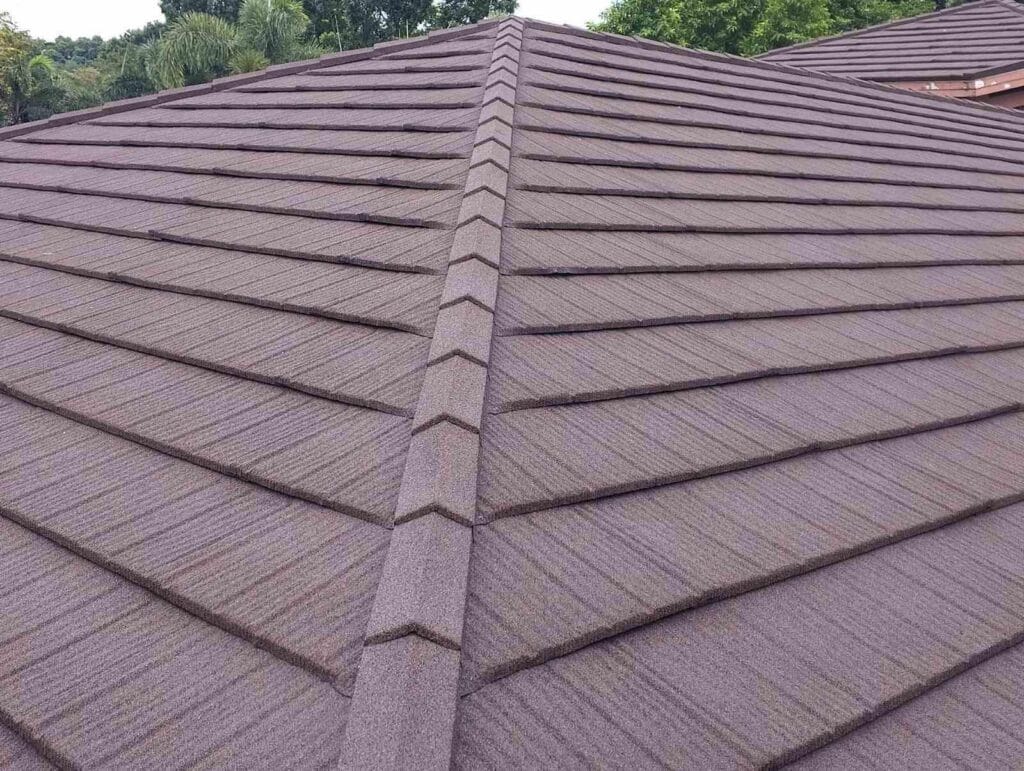
Nearly every major stone coated steel manufacturer traces its coating technology back to a similar origin. A steel base gets treated with an acrylic coating, then covered in stone or granite granules for protection and appearance. This shared foundation means marketing language across brands sounds remarkably alike. Actual manufacturing processes, testing standards, and warranty terms still differ in meaningful ways. Buyers need to look past the shared origin story toward each manufacturer’s specific documentation to make an informed comparison.
A Shared Origin Story Across the Category
Several major brands in this category trace their coating concept back to a similar wartime observation. A New Zealand industrialist noticed corrugated steel roofing holding up under harsh conditions, then refined that idea into a stone granule coating over steel tiles. This shared history explains why so many manufacturers describe a similar founding narrative.
Different Companies, Different Manufacturing Standards
Each manufacturer has since developed its own proprietary coating formulation, testing protocol, and warranty structure, despite the shared origin. These differences matter more to a buyer’s actual outcome than any shared history highlighted in the marketing.
Breaking Down How Several Established Brands Actually Compare
Gerard, DECRA, and Metro Roof Products represent three of the most established names in stone coated steel roofing. Each carries a multi-decade manufacturing history behind its products. Comparing their documented claims side by side highlights both their similarities and the specific details worth verifying before choosing one over another. The table below summarizes publicly available information from each manufacturer.
| Brand | Manufacturing Background | Documented Ratings | Warranty Highlights |
|---|---|---|---|
| Gerard | Founded 1957, now part of RoofTG and IKO Industries, plants across multiple continents | Class 4 impact, Class A fire on 26-gauge Galvalume steel | Extended coverage cited by dealers, terms vary by region |
| DECRA | Coating concept dates to WWII-era England, US manufacturing based in Corona, California | Class 4 impact rating from Underwriters Laboratories, Class A fire | Hail warranty covering stones up to 2.5 inches in diameter |
| Metro Roof Products | Factory opened in 2000 in Oceanside, California, owned by Boral Steel | Class 4 hail impact rating, hurricane wind performance cited | 50-year limited warranty with unlimited transferability |
Manufacturing Background and Scale
Gerard operates the widest international manufacturing footprint among the three. Its production plants span multiple continents under its parent company. DECRA and Metro Roof Products both concentrate primary manufacturing in California facilities. This gives them a more regionally focused production base within the United States.
Documented Testing and Ratings
All three brands cite Class 4 impact ratings and Class A fire classification for their core products. This reflects a common industry benchmark rather than a distinguishing feature. Buyers should request the specific test certificate for the exact profile and region under consideration. Ratings can vary by product line even within the same manufacturer.
Warranty Structure and Transferability
Warranty terms vary more meaningfully between these brands than performance ratings do. Metro Roof Products specifically highlights unlimited warranty transferability to future owners. This detail can matter for anyone planning an eventual resale. Full written warranty terms are always worth requesting directly, rather than relying on summarized marketing claims.
How to Apply This Comparison to Your Own Project
Choosing between established stone coated roofing brands comes down to matching each manufacturer’s specific strengths to your project. Climate, budget, and long-term ownership plans all factor into that match. The following considerations show how this decision typically narrows in practice.
Weighing International Manufacturing Scale Against Regional Focus
Projects spanning multiple regions or countries may benefit from a manufacturer with a broader international production footprint. A single domestic project may work just as well with a regionally concentrated manufacturer, provided distribution reaches the area reliably.
Prioritizing Warranty Transferability for Resale-Focused Projects
Homeowners planning to sell within a few decades should specifically ask about warranty transferability. This detail varies between manufacturers and can influence buyer confidence during a future sale.
Verifying Ratings for Your Specific Climate Zone
Hail-prone or high-wind regions call for extra scrutiny on documentation. Confirm that Class 4 impact and wind performance ratings apply to your specific profile choice and region. Do not assume a general brand-wide rating covers every product line.
Common Mistakes When Comparing These Brands
People researching this category tend to repeat a few specific mistakes. Marketing language across these brands sounds so similar that it becomes easy to gloss over real differences. Recognizing these patterns helps buyers make a more accurate comparison before committing to a supplier.
Assuming Shared History Means Identical Performance
Several brands share a similar origin story, which leads some buyers to assume the actual manufactured products perform identically. Each company has since developed distinct coating formulations and quality control processes. These differences affect real-world performance in different ways.
Relying on Marketing Summaries Instead of Test Certificates
Third-party dealer pages often summarize a brand’s ratings and warranty terms in simplified language. That language may not reflect the exact documentation for a specific product line. Certificates are worth requesting directly from the manufacturer rather than relying solely on dealer summaries.
Overlooking Regional Availability and Installer Experience
A strong brand reputation does not guarantee a locally available, experienced installer for that specific system. Installer familiarity with the chosen brand’s profile is worth confirming before assuming a smooth installation process.
- Request test certificates directly from the manufacturer for your specific profile
- Confirm warranty terms and transferability in writing before signing a contract
- Verify installer experience with the specific brand and profile you are considering
- Compare full installed cost, not just published material pricing
- Match manufacturing scale and distribution reach to your project’s specific location
Making a Brand Comparison That Actually Informs Your Decision
Comparing stone coated roofing brands works best with the same documented criteria applied across every option. Brand recognition and marketing tone alone rarely tell the full story. Established names like Gerard, DECRA, and Metro Roof Products each bring a strong manufacturing history. The details that matter most, testing documentation, warranty terms, and regional installer support, still require direct verification. This category sometimes also includes manufacturers such as JCROOF, evaluated against the same documented comparison standard as every other option.
Questions to Ask Any Stone Coated Roofing Brand
Ask for climate-specific test documentation and full written warranty terms. Request references from installers experienced with the exact profile under consideration. These questions apply consistently across every brand in this comparison.
Stone coated roofing brands share a common technological foundation. Their manufacturing scale, testing documentation, and warranty structures still differ enough to matter for a real buying decision. Verifying these specifics directly, rather than relying on marketing language alone, leads to a roofing choice that fits the project regardless of which brand name ultimately wins the business.