
Why Verifying Your Roofing Tile Supplier Matters
Sourcing roofing tiles from China can save real money. It can also cost you far more, if the supplier isn’t who they claim to be.
A single container of stone-coated metal roof tile ties up a large deposit. Shipping takes weeks. By the time a defect shows up, the factory may already be unreachable.
Q: Why does supplier verification matter so much for stone-coated roof tile? A: Order values are high and lead times are long. Coating or material defects often surface only after the shipment lands, by which point recourse is limited.
This guide breaks down 5 warning signs, from a manufacturer’s own point of view. We’ve seen how bad actors operate, and we’d rather help you avoid them.
Red Flag #1 — Prices Far Below Market Average
Red flag: A signal in a supplier’s pricing, behavior, or documentation that points to hidden risk or possible fraud.
If a quote comes in 30-50% below every other supplier, something is being cut. Usually it’s one of three things:
- Thinner base metal than specified
- Reduced coating weight (stone chips or AZ coating)
- Substandard raw material substituted after the sample stage
A real factory has fixed costs: steel, stone granules, acrylic coating, labor, and testing. Those numbers don’t move much between suppliers.
What a Realistic Price Range Looks Like
[To be supplemented: local data — current mainstream base metal thickness (e.g. 0.4mm/0.45mm) and the corresponding market price range for stone-coated tile]
| Item | Legitimate Supplier | Warning Sign |
|---|---|---|
| Quote range | Within ±10% of industry average | 30%+ below average |
| Spec disclosure | Volunteers base metal thickness, coating weight | Vague, avoids putting specs in the contract |
| Sample consistency | Bulk production matches the sample | Great sample, corners cut in bulk |
A trustworthy supplier will walk you through the cost breakdown, not just hand you a number.
Red Flag #2 — Refusal to Show a Live Factory Video
Q: What should you look for during a live factory video call? A: The full production line, machine nameplates, raw material warehouse, and finished goods storage. Don’t skip any of these.
A real manufacturer can show you their production floor within minutes. If a supplier keeps delaying, only shows a showroom, or sends pre-recorded footage instead of a live call, treat it as a serious warning sign.
What to ask for during the call:
- Walk the length of the coating and pressing line
- Zoom in on machine nameplates
- Show the raw material and finished goods warehouse
- Step outside and show the factory’s street signage
A factory with nothing to hide will do this without hesitation.
Red Flag #3 — Vague or Unverifiable Certifications
Certification: A document issued by a third-party body confirming a product meets a specific safety, performance, or material standard.
Common certifications for stone-coated metal roof tile include ASTM standards for metal coating, and mill certificates confirming AZ (aluminum-zinc) coating weight. A legitimate report always has a number and an issuing lab you can call.
How to Cross-Check a Test Report
- Get the report number, issue date, and lab name
- Contact the lab directly (SGS, Intertek, TÜV, etc.) to confirm it’s real
- Check the product name and specs on the report match what you’re ordering
- Be suspicious of reports with no traceable number, or a mismatched product description
If a supplier hesitates when you ask to verify with the lab, that hesitation tells you everything.
Red Flag #4 — Inconsistent Color, Coating, or Batch Quality
Stone-coated roof tile has a specific failure mode that generic sourcing guides miss: color drift and coating inconsistency between production batches.
Ask for:
- Coating thickness test data, not just a visual sample
- Color batch records, especially for large single-color orders
- A pre-shipment inspection report covering a random sample, not just the first pallet
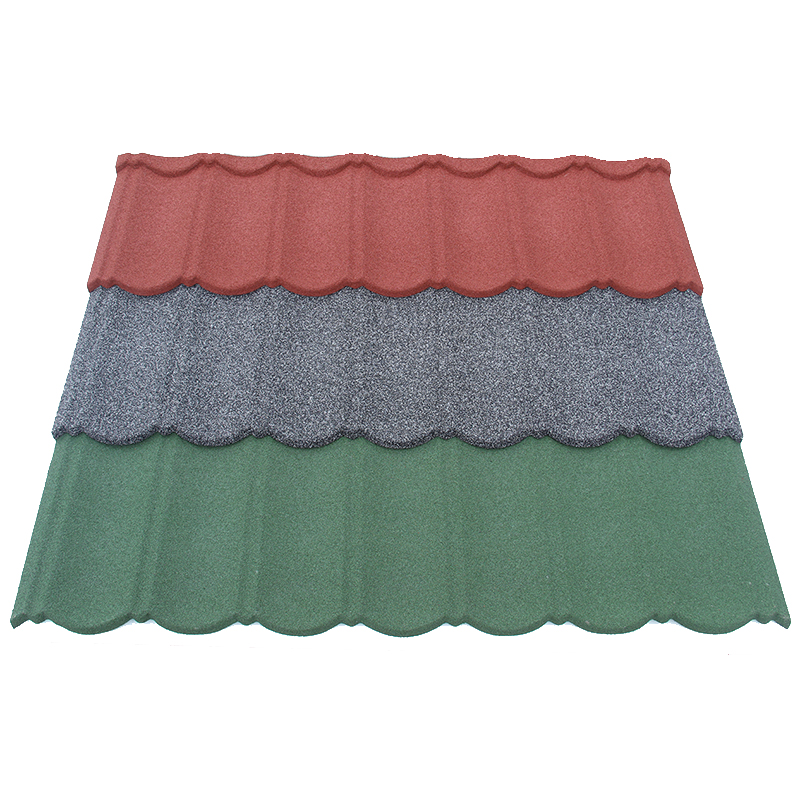
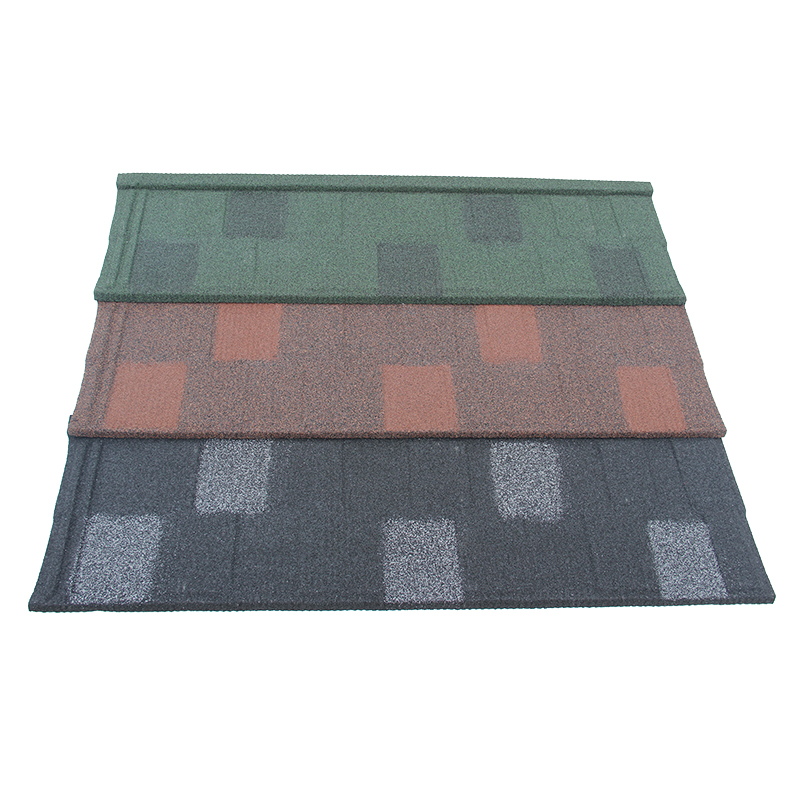
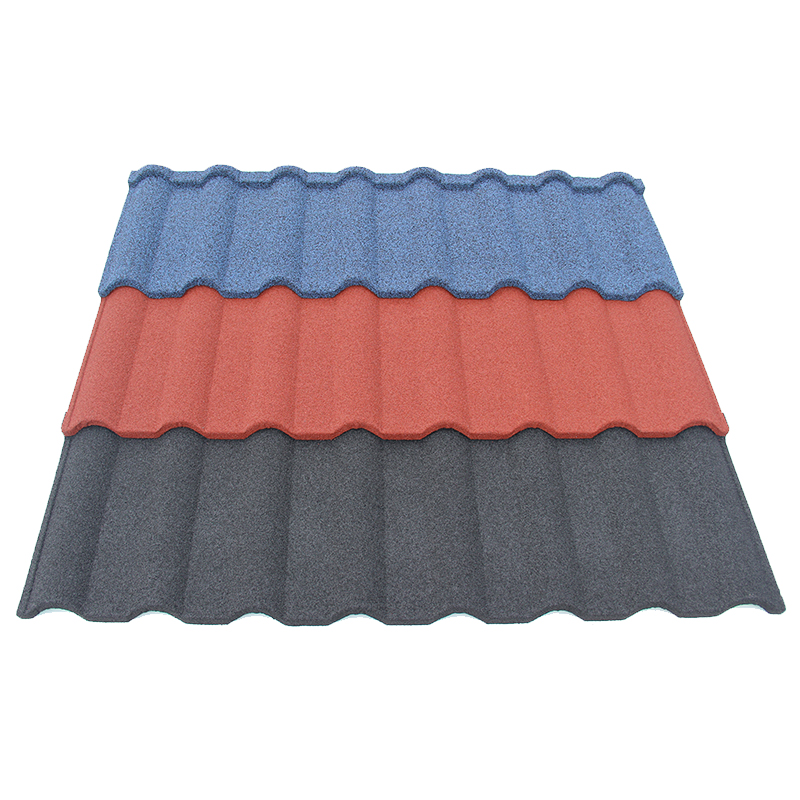
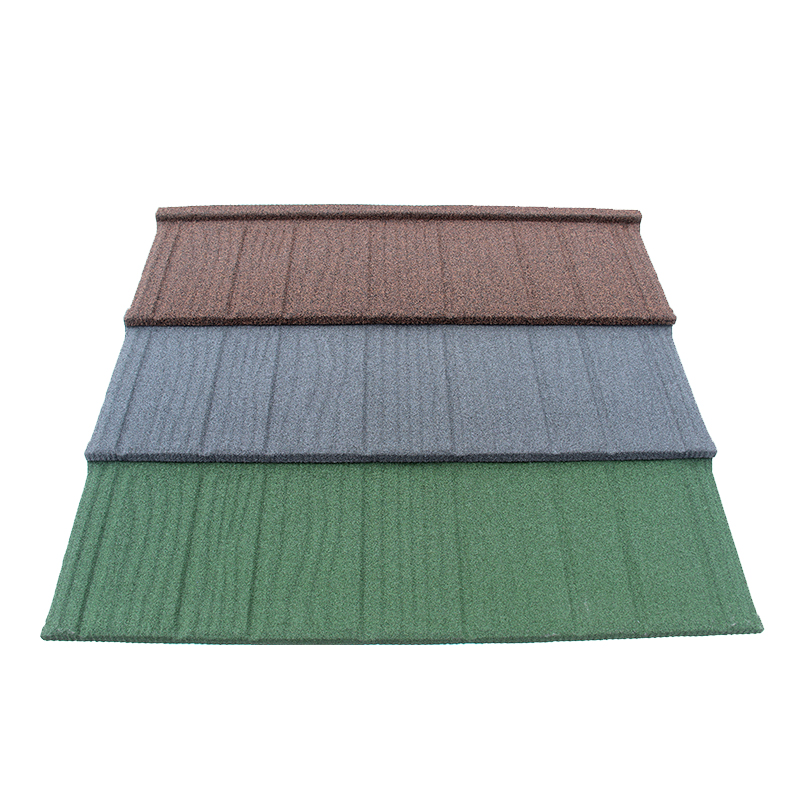
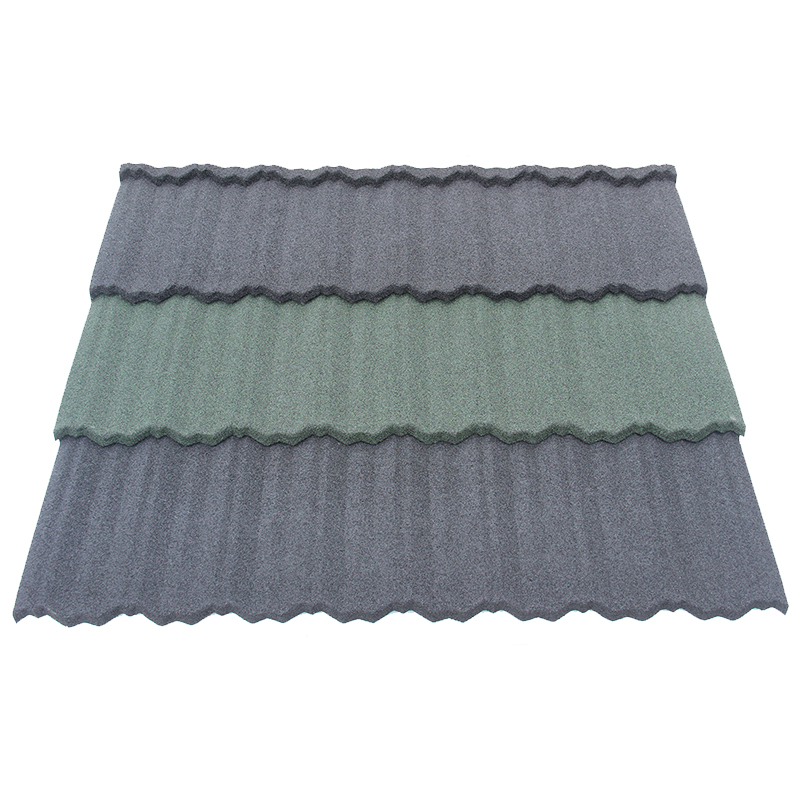
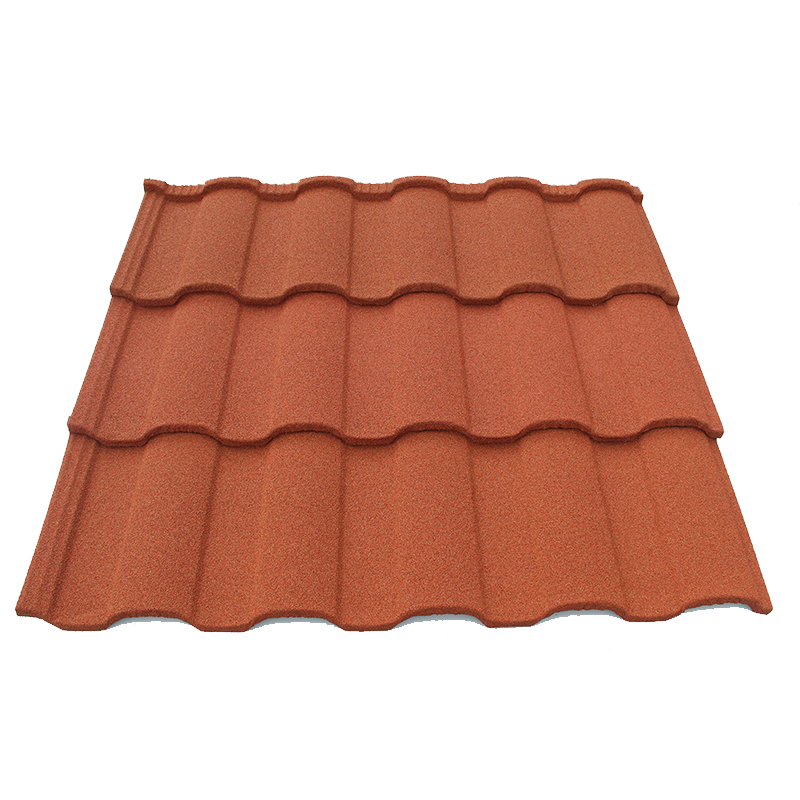
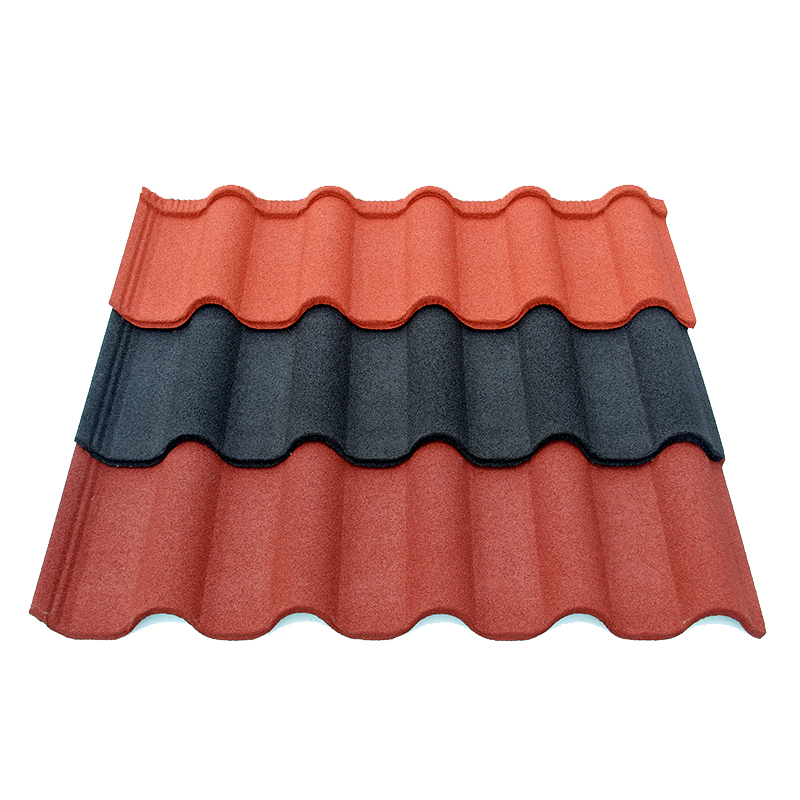
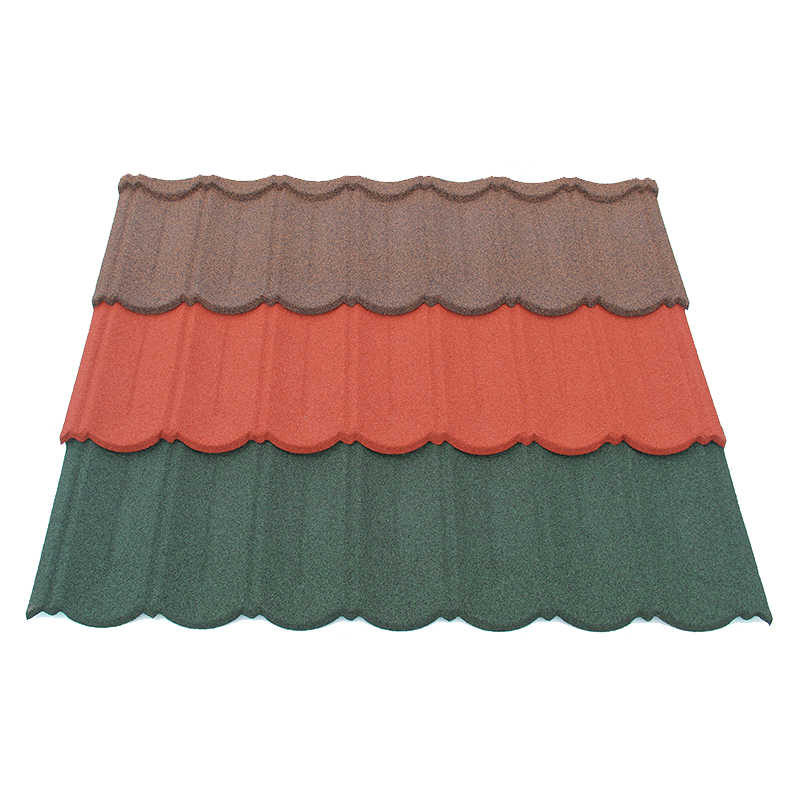
When comparing tile profiles, this is also where checking a manufacturer’s actual product range helps. A factory that clearly documents its own lineup — for example, distinct coating specs across Bond Tile, Shingle Tile, Milano Tile, Roman Tile, and Shake Tile — usually has the internal quality control to back it up. Suppliers who can’t tell you which profile uses which coating spec are often reselling, not manufacturing.
Q: How do you check whether a color batch is actually consistent? A: Ask for colorimetry readings from multiple sample points within the same batch, not just a single sample chip.
Red Flag #5 — Payment to a Personal or Third-Party Account
This is the single most dangerous signal, and it overrides almost everything else.
- The receiving bank account name must match the legal company name on your contract
- If a supplier asks you to wire to a personal account, a Hong Kong shell entity, or an unrelated “agent” company, stop immediately
- Bank details that change mid-deal are a hard stop, not a negotiation point
No legitimate export factory needs to route payment through an unrelated third party.
How to Verify a Roofing Tile Manufacturer Before You Order
A quick checklist before you commit a deposit:
- Confirm the quote sits within a realistic market range
- Request a live video walkthrough of the actual production line
- Verify certifications directly with the issuing lab
- Ask for batch-level coating and color test data
- Confirm the bank account name matches the contract entity
- Request references or check a track record of completed projects
JCROOF has been manufacturing stone-coated metal roof tile with documented AZ coating specs and full batch traceability, and we welcome live video factory tours and third-party pre-shipment inspection on every order. You can read more about our background on our company page, or browse completed installations on our projects page.
[To be supplemented: real case study — a factory tour or third-party inspection completed for an overseas buyer, with the process and outcome]
Frequently Asked Questions
Q: How large does an order need to be to justify third-party inspection? A: Any container-level order. The inspection cost is usually a few hundred dollars, a small fraction of the potential loss from a bad shipment.
Q: How do you verify a Chinese factory’s business license? A: Check the National Enterprise Credit Information Publicity System, a free government database that shows registration date, legal representative, and business status.
Q: Does a good sample guarantee good bulk production? A: Not necessarily. Always request a second round of inspection at the bulk production stage to catch the common “great sample, weaker bulk” problem.
Q: Does refusing a video factory tour always mean a supplier is a scam? A: Not always, but it’s a clear warning sign worth pushing on, or a reason to move on to another supplier.