An OEM stone coated roofing brief gives the factory one controlled description of the product, packaging, and order. It should also show the destination, quantities, approval process, and open questions. A logo and a tile photograph are useful starting points, but they are not a complete production brief.
Use the brief to obtain comparable quotes and avoid changing requirements after approval. The buyer should own the document and assign each section to someone who can confirm it. The supplier should respond against the same revision, with exceptions shown in writing.
Set the scope of your OEM stone coated roofing brief
Start with the buyer’s business name, destination market, intended sales channel, and contact for technical decisions. Add the target roof profile and the purpose of the order. State whether this is a sample request, first shipment, project order, or repeat purchase. These details help the supplier understand what needs a decision now.
Next, identify which parts of the offer are fixed and which remain open. A buyer may need an existing panel with a new carton, for example. Another may request a different finish or a new profile. Each change can affect feasibility, cost, approval, and lead time, so list it separately.
Describe the roof system
Name the tile profile and provide a current drawing or a supplier reference. Add planned colors, accessory needs, and the expected use of the product. Specify the dimensions that matter, including overall size and installed coverage, but avoid inventing values. Ask the supplier to fill gaps and identify conflicts.
A buyer considering Milano tile should request the matching system details, not just a picture. If Bond tile is also under review, keep its drawing and accessories in a separate line. Similar commercial names do not establish interchangeability.
Include the roof conditions only when known. Where project pitch, exposure, or fixing details are undecided, label them as open questions. A qualified designer should assess the actual system against local requirements. The factory brief can request the documents needed for that review.
Assign each requirement a status
Use three simple categories: required, preferred, and to be confirmed. A required item needs a clear acceptance basis. A preference can be priced as an option. An open item needs an owner and a date for the answer.
For example, list the exact destination language as required if the buyer has confirmed it. List a second color as an option if demand is uncertain. Mark a proposed logo position as pending until the print method is known. This separation helps the supplier price a firm base offer without silently choosing for the buyer.
Specify product and quality records
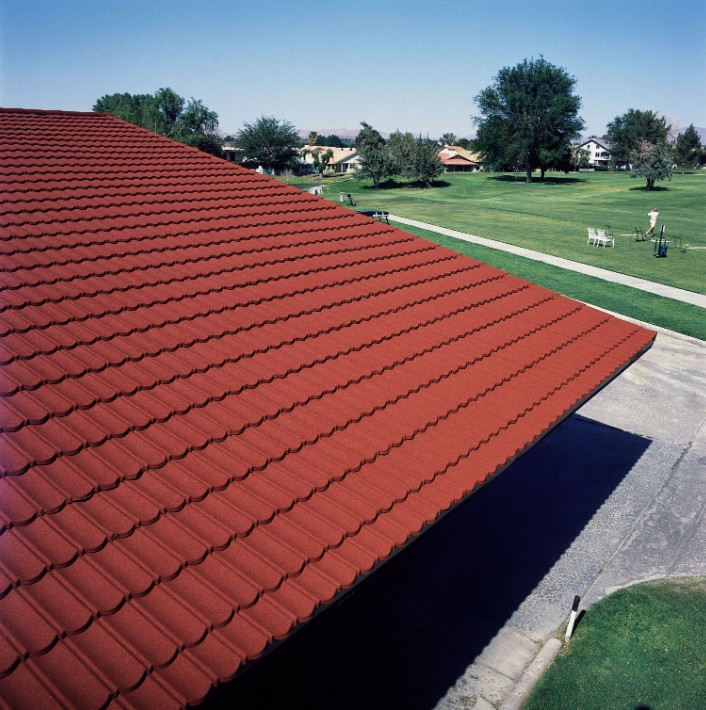
Create one product line for each combination of profile, color, and specification. Give each line a unique buyer code and a supplier code where available. Show quantities and units beside the correct line. If accessories have separate codes, link them to the approved panel.
Request a technical sheet for the exact model and version offered. Ask the supplier to identify the steel specification, thickness basis, coating designation, finish, and relevant tolerances. Record whether each value refers to bare steel, coated steel, or the finished panel. Then ask the supplier to explain any missing or conflicting figures.
Connect claims to the right evidence
List any required performance claims and the documents needed to assess them. A certificate, test report, and installation guide serve different purposes. Record the issuer, product identity, test scope, date, and document revision. The buyer’s local adviser should decide whether a document satisfies the destination’s rules.
Do not transfer a result from one assembly to another without review. A roof assembly may depend on its deck, underlay, fasteners, and installation pattern. Request the complete scope rather than using a single headline figure. If evidence is not available, leave the claim out until the parties resolve it.
The DECRA installation guide illustrates why product-specific instructions matter. It applies to the DECRA systems it describes. It does not establish installation details or performance for another manufacturer’s tiles.
Describe the sample and inspection plan
State which samples are required and what each approval covers. A color sample may support an appearance decision, while a drawing controls dimensions. Ask who signs the reference, where it will be kept, and how a later change is approved. For blended finishes, agree how the parties will assess variation.
For inspection, define the check, method, sampling approach, and acceptance criteria with the supplier. Specify who attends or receives the record. Separate visual checks from tests needing equipment or a laboratory. A photographed pallet cannot establish a material grade or coating mass.
Explain packaging, artwork, and traceability
Describe the packing route from factory to warehouse before choosing the artwork. Ask how panels will be stacked, protected, strapped, and identified. State whether cartons, pallets, labels, or protective material form part of the request. If the method is undecided, request the supplier’s proposal and review it before approval.
Each label should connect the product name, buyer code, quantity, and agreed lot reference. Also state the position of shipping marks and any barcode. Confirm which information belongs on the carton and which belongs on the pallet. The importer should check destination-specific legal wording with a suitable adviser.
Control the artwork file
Provide an editable master and a proof for review, where the supplier can use both. Identify the brand owner, allowed colors, language, and logo placement. Ask for the available print area and the proposed material before making the final layout. Artwork on a screen may not show how a printed label reads on a wrapped pallet.
Agree who checks product claims, translations, and any code or web address. Test a QR destination before approving the proof. Record the revision, date, and signer, then attach that approval to the purchase order. Keep obsolete files out of the production folder.
Link the order to the packing list
The U.S. International Trade Administration packing list guide describes how a packing list identifies shipment contents. Check the document rules for the actual export and import countries. Your brief can still ask the supplier to reconcile item quantities, packages, and shipping marks before dispatch.
| Brief section | Buyer supplies | Supplier confirms |
|---|---|---|
| Product | Profile, color, intended use, buyer code. | Available model, drawing, and specification. |
| Evidence | Claims and documents needed for the market. | Existing records and any documented limitations. |
| Packaging | Label text, brand artwork, and receiving needs. | Packing method, proof, and item counts. |
| Order | Quantity, destination, delivery term, and timing need. | Price basis, exceptions, and proposed schedule. |
| Approval | Signers, retained references, and change process. | Production references and inspection records. |
Request a quote that can be compared

Ask every supplier to quote the same version of the brief. Show the quantity and unit for each tile and accessory line. State the delivery term and named place, and ask which charges are included. Separate setup, sample, packaging, inspection, freight, and other charges where applicable.
The pro forma invoice guidance identifies common commercial details for an international offer. Its context is U.S. exporting, so check the requirements for your own market. Use a written quote to record assumptions and exceptions before committing to an order.
Do not treat an unanswered item as included. If the supplier cannot offer a requested finish, ask for a clearly labeled alternative. Compare that alternative only after assessing its effect on your product and market. A cheaper line with a different specification is a different offer.
Set dates without assuming a promise
List your required arrival date and the latest date for each buyer decision. Ask the supplier for a proposed schedule that identifies dependencies. Artwork approval, materials, inspection, and transport may each affect the plan. Confirm which dates are estimates and which are agreed commitments.
Leave space for unresolved points. If the factory needs a sample before quoting a custom finish, record that dependency. If your team needs legal label review, record its owner. A useful brief exposes the work that remains rather than hiding it behind a launch date.
Release and maintain one approved version
Before sending a purchase order, compare it with the final quote and the approved brief. Check every code, quantity, finish, packing instruction, and document revision. Then resolve any differences in writing. Identify the single version the factory should use for production.
When discussing a project with JCROOF, include the brief and the relevant drawings in the same request. Ask the supplier to identify feasible options and open questions for that specific order. Keep the response with the approved files so the team can find it later.
For a repeat order, ask whether any material, finish, accessory, or packing detail has changed. A change request should describe the old and proposed versions, the reason, and the effect on the buyer’s documents. Do not approve a new product merely because the sales code remains the same. The OEM customization guide provides a useful starting list for that conversation.
Keep the sample, label proof, final quote, purchase order, and inspection record linked to the same version. Also give the receiving team the correct codes and counts. When a claim or shipment question arises, these links make the original decision easier to trace. A brief remains useful after the first container has arrived.
Preparing an OEM roofing brief? Send us an inquiry with your profile, destination, and packaging needs. Our team will reply and help you identify the next questions.