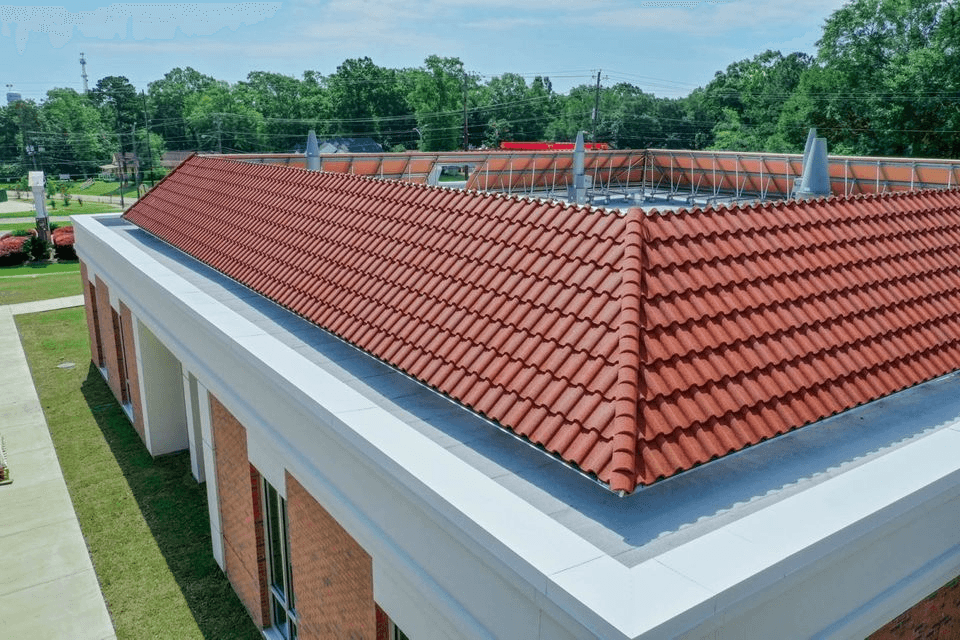
Private label roof tile specifications should define materials, size, finish, roof system parts, packaging, and pass checks. Give each need a unit, proof source, and approval owner. Then link the approved file to your samples and purchase order.
A clear spec sheet turns a product idea into a shared buying standard. It also gives staff a fair basis for checking the shipment. Your sales team gains a stable record when customers ask what your brand supplies.
Start with the target market and planned use before choosing product values. Roof design, local rules, and site conditions affect which product details matter. Therefore, a maker’s catalog should support your spec sheet rather than replace it.
Set the scope of your private label roof tile specifications
Define the product and its planned market
First, name the buyer, maker, brand, profile, and target market. State whether the file covers stock purchases or a named project. Also list the people who approve product details and printed artwork.
Use a clear file number and revision date on every page. Each drawing, color sample, and label proof should record that same revision. Otherwise, teams may approve distinct versions without noticing the conflict.
Separate fixed needs from options that still need a decision. For example, a planned color blend should remain open until both parties approve it. Do not let a draft choice become a work instruction through silence.
The OEM roofing brief guide explains how the wider order brief connects these decisions. Keep price terms beside the product file, with clear links between them. This helps buyers see whether a changed quote also changes the product.
Give each item a controlled identity
Give every approved profile and color combination its own item code. Then record the maker’s matching code beside your private label code. This mapping helps the warehouse check deliveries without relying on photographs.
For example, treat Bond Tile as a named profile requiring its own approved drawing. If you also buy Shingle Tile, create its own spec sheet entry. A similar color name does not establish matching size or accessory fit.
Also distinguish product changes from branding changes in your revision log. A new carton logo may leave the roof panel unchanged. However, a new profile or steel grade needs a fresh product review.
Before expanding the catalog, use the private label product range guide to define each item’s role. Fewer clear codes can be easier to control than many unclear variants. Your spec sheet should make that choice visible to buying and sales.
Describe the steel, coatings, and finish clearly
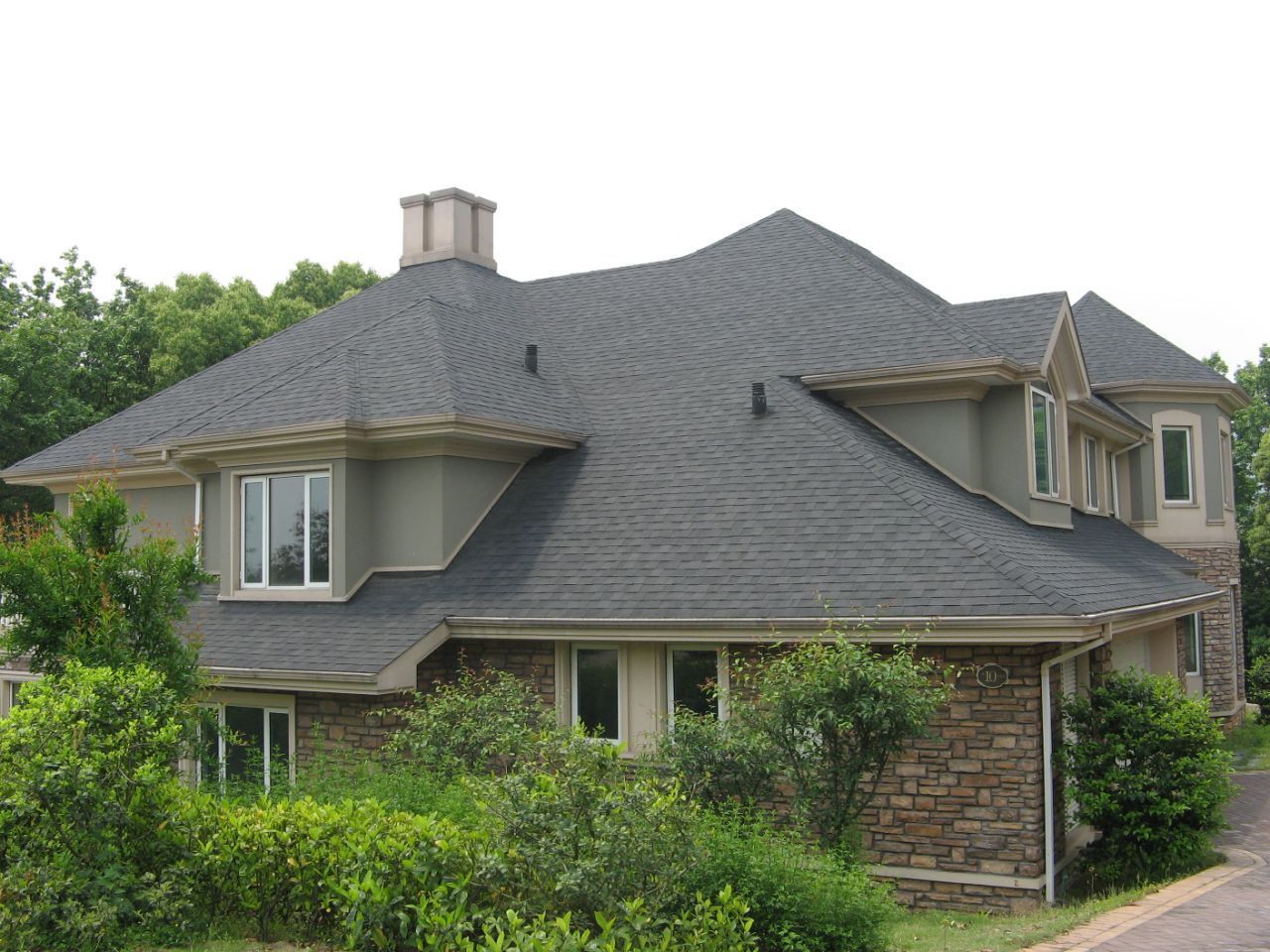
Separate base metal thickness from finished thickness
Base metal thickness: The thickness of the steel substrate before coating layers.
Total coated thickness: A thickness value that includes coatings, using a clearly stated measurement basis.
Write the full term beside each thickness value, rather than using an unexplained number. Also state the unit, tolerance, test method, and proof needed. A measurement across stone granules does not establish the steel substrate thickness.
BlueScope’s steel specification guide explains why BMT matters for structural properties. It also recommends combining thickness with steel grade and coating class. Its guidance concerns coated steel terminology and Australian standards within its stated scope.
Use that distinction when writing your own material description. However, do not copy BlueScope product values into a distinct manufacturer’s roof tile spec sheet. Select values through the planned system’s product review and supporting records.
Ask how the maker will show that the delivered steel matches your need. The answer may include traceable material records and an agreed check method. Then connect those records to the production batch supplying your order.
Name each coating layer
Next, name the metallic coating type and its declared designation. State whether a quoted coating mass covers both faces or another stated basis. Also name the test method behind the figure.
Keep metallic coating mass apart from stone coating weight. These figures describe distinct layers and cannot replace each other. Likewise, total panel weight alone cannot prove steel thickness or coating class.
For the finish, name the granule type, color reference, binder description, and approved appearance sample. Ask the maker to name any limits on color matching across later batches. Then record how both parties will assess a possible mismatch.
A photograph can support the file, but lighting changes the apparent shade. Therefore, agree on physical reference samples and viewing conditions before production. Include matching accessories when you review the finished appearance.
Do not turn a color approval into a claim about long term performance. Appearance, adhesion, weathering, and corrosion proof answer distinct questions. Each claimed property needs support that matches the product and planned use.
Specify panel size and the complete roof system
Distinguish overall size from effective coverage
Record overall panel length and width apart from effective installed coverage. The overall size describes the supplied panel. Effective coverage describes its contribution after the specified overlaps.
This difference matters when buyers compare prices per panel and per covered area. First, use the confirmed effective coverage for the chosen profile. Then list allowances for cuts, layout, and project waste apart.
A coverage figure should cite a drawing or installation file. Also state the overlap arrangement that produces it. Do not assume every stone coated profile uses the same layout.
Use this field structure when building your spec sheet:
| Field | What to define | Proof or record |
|---|---|---|
| Product identity | Brand code and maker code | Approved item register |
| Steel substrate | BMT, grade, unit, and tolerance | Traceable material record |
| Metallic coating | Type, class, and check basis | Relevant material proof |
| Overall size | Panel size and agreed tolerances | Approved profile drawing |
| effective coverage | Installed cover and overlap basis | Current system drawing |
| Finish | Color record and appearance limits | Approved physical sample |
| Accessories | Part codes and matching needs | System parts schedule |
| Packaging | Counts, protection, labels, and limits | Approved packing sheet |
These fields form a writing structure, without prescribing universal material values. Fill them with agreed, supported needs for the planned order. Also assign someone to resolve each open product question.
Include accessories and installation records
List ridges, hips, valleys, flashings, fasteners, and other required system parts. Then give each part a code and drawing reference where needed. A main panel spec sheet alone leaves the roof system incomplete.
State which installation file applies, including its revision. Ask the maker to name supported roof pitch limits and support details. Keep these linked to the actual profile and tested assembly.
If a project needs wind or fire test results, check the report’s product identity and assembly details. Review its fasteners, supports, substrate, and limits with the project adviser in charge. A report for another assembly may not support your planned installation.
Likewise, distinguish a material file from approval of a finished roof system. Your brand name on a carton does not change that distinction. The importer should confirm which files the target market requires.
When discussing OEM work with JCROOF, name the exact profile and target market before agreeing product details. Its company page identifies it as a roofing producer welcoming OEM and ODM orders. Keep the agreed order spec sheet apart from general company details.
Turn needs into clear pass checks
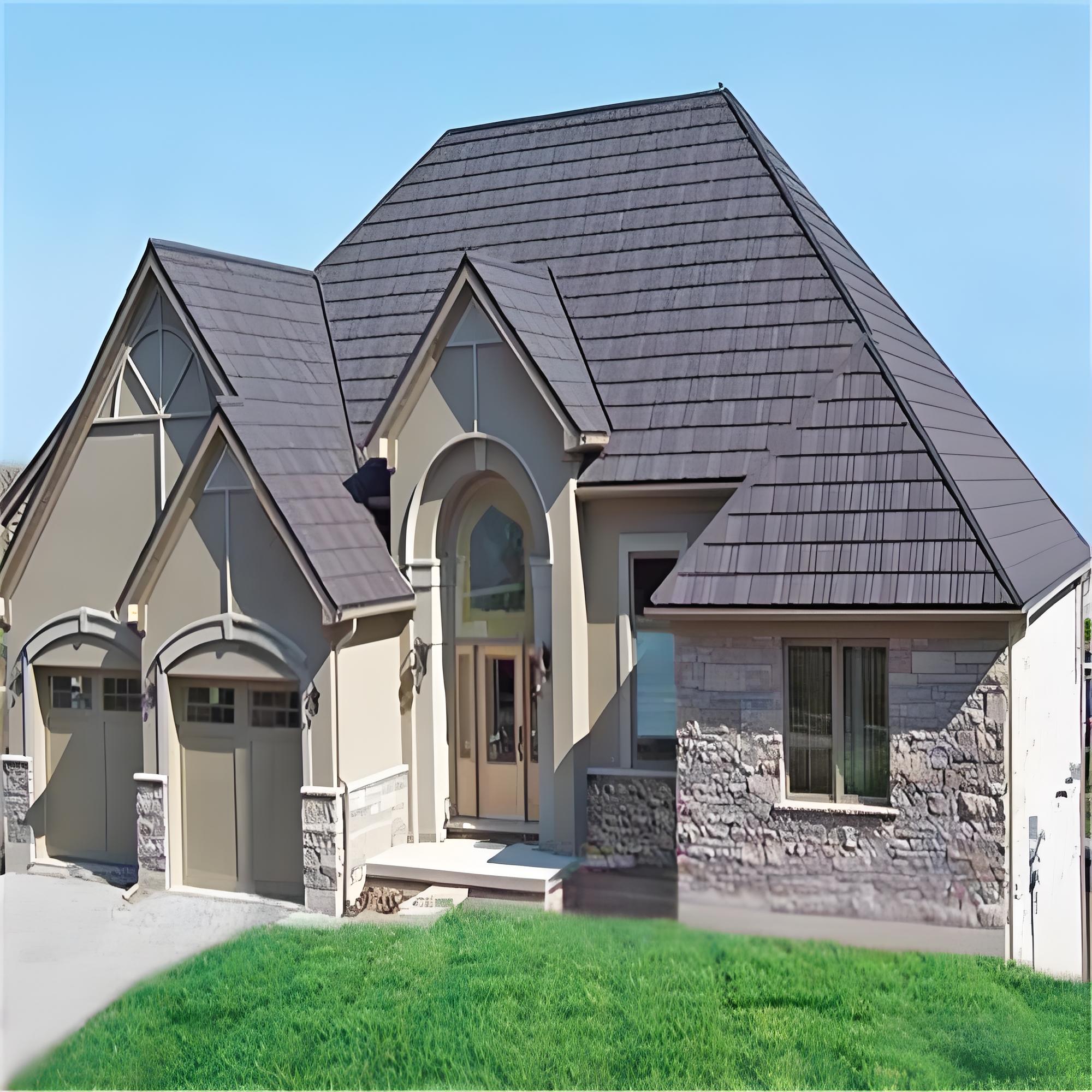
Agree how staff will make decisions
A need becomes more useful when the check method is clear. Therefore, state what staff check, how they check it, and what proof they record. Include the sample selection method and agreed pass rules.
For size, name measuring tools and the points used on the profile. For appearance, describe the viewing conditions and reference samples. Also distinguish loose surface granules from defects under the agreed check method.
Avoid instructions such as “good quality” or “normal color” without further detail. Two teams can interpret these phrases very differently. Instead, use drawings, reference samples, defined limits, and named test methods.
The roofing quality assessment guide explains how samples and shipment records support these decisions. Your spec sheet should tell staff which proof applies to each need. It should also name who decides when results conflict.
Keep samples and records traceable
Label approval samples with the item code, revision, date, and approval status. Then retain matching records with the buyer and maker where practical. A sample without clear identity is a weak record during later disputes.
Also decide which written need takes priority if a sample conflicts with a drawing. Resolve that conflict before approving factory work. Do not expect staff to infer what the buyer planned.
Use a clear response process when goods fail a check:
- Record the affected item codes and batch records.
- Photograph the condition using agreed check views.
- Separate affected goods while the teams in charge review them.
- Agree corrective action before releasing the shipment.
- Keep the final decision with the check record.
This process supports consistent decisions without assuming every issue needs the same remedy. Rework, sorting, replacement, or release need case specific agreement. Also make responsibility for shipment release clear in the purchase files.
Control packaging, changes, and repeat orders
Write packaging as part of the product spec sheet
Specify pack counts, pallet identity, protection methods, and agreed handling limits. Also define which labels appear on panels, packs, and pallets. Match every label to your approved item codes.
Keep artwork approval apart from checks of packing strength and transport protection. A correct logo does not prove that the goods can withstand handling. Therefore, review the physical packing proposal alongside the printed proof.
Ask the maker to name shipment details needed by your receiving team. Include batch records and a packing list that matches the load. Then make the same item names visible across price and warehouse records.
Require written approval for changes
Before repeat orders, compare the current file with the last approved version. Ask whether materials, tooling, finish, accessories, or packaging have changed. Also review any revised test files or installation instructions.
A maker’s unchanged sales code does not prove an unchanged product. Therefore, require written notice for planned changes that affect agreed needs. Record the reason, impact, approval owner, and first affected order.
When comparing revised quotes, keep spec sheet changes visible beside price changes. A lower panel price may reflect a distinct scope or packing method. First resolve those differences, then compare the price offer.
Finally, issue a clean approved spec sheet with each purchase order. Archive earlier versions so staff can trace past orders without confusing current instructions. This habit helps your private label brand keep a stable product promise.
Need help writing spec sheets for your roofing range? Send us an inquiry with your profile, target market, and draft needs. Our specialists will reply and help clarify the next steps.