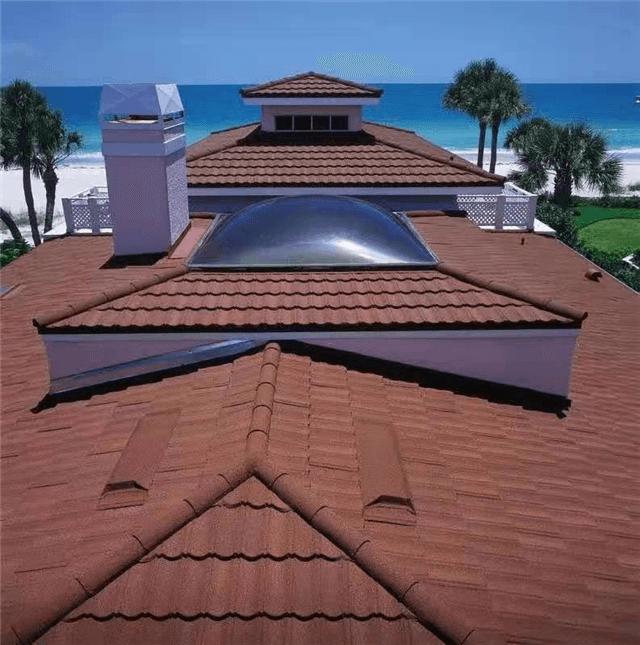
Request Milano roof tile penetration details for each pipe, vent, and skylight before the roof package goes to order. Match every opening to a current roof drawing and the exact product that passes through it. Then ask who will supply the parts and who will approve the junction.
A penetration is a place where a pipe, fitting, or unit passes through the roof. Each opening has its own job and position on the slope. The design team needs those details before it can confirm the roof parts around it.
Start with one list for the roof and service trades. Record the roof panel, equipment model, proposed detail, and part codes for each opening. Give the buyer and installer the same dated copy when the plan is ready.
Put Milano roof tile penetration details on the roof plan
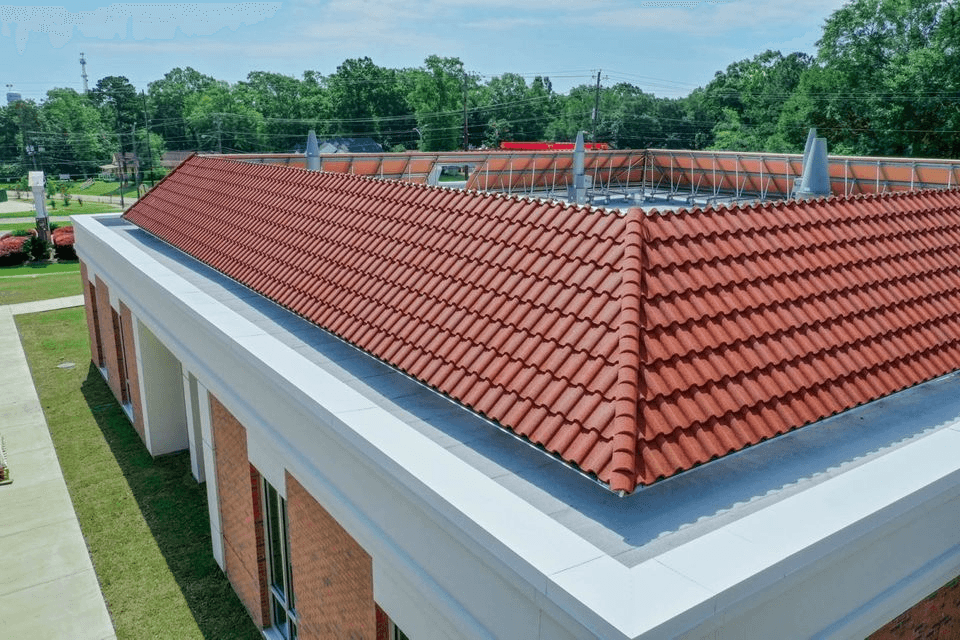
First, mark the openings on the latest roof plan. Give each one a short label so the trades can find it in their drawings and quotes. Show the roof plane and any nearby ridge, wall, or valley.
Ask the trade that needs the opening to confirm the proposed position. Check for changes since the last roof drawing. A move can affect the panel layout, the parts needed, and the detail that the reviewer must check.
Send the current Milano Tile product reference with the opening list. Ask the seller for the drawing and documents that apply to that panel. Then give the project team both the panel and the service records to review.
Ask each trade for its part of the drawing
For a pipe, ask for its use, outside size, and the service drawing that shows where it meets the roof. Check whether the team expects more than one pipe at that location. The reviewer can then assess the proposed roof fitting against those inputs.
For a vent, name the unit and state what it serves. Ask the service trade to supply the model and the roof connection details. Record any finish request for the parts that the owner will see.
For a skylight, record the exact model and mount type. Ask the seller for the opening size and the flashing documents for that unit. Have the project team review the roof slope and tile shape shown in the proposal.
Track changes in the location list
Put the roof plan date beside each label. When a trade moves an opening, ask them to mark the new position. Send the change to the person who checks the roof details and to the buyer.
If the move crosses a panel joint or brings the unit close to a valley, ask for another review. Keep the new drawing with the change request. Then update the affected quote lines before the supplier packs the order.
Roof edge parts also depend on their location and detail. Keep the opening list beside the edge schedule when the two meet on the plan. Milano roof tile eaves and gables guide
Request the details and parts for each opening
Ask the roof panel supplier which documents show the proposed junction. If the equipment seller has a separate detail, send both sets to the project reviewer. The agreed detail should identify the roof panel and the equipment it serves.
GERARD’s accessory catalog lists pipe tiles for its own Milano system with different codes for single and double pipe versions. This is an example of a supplier naming the profile and fitting together. GERARD accessory catalog
VELUX lists separate flashing options for its deck mounted and curb mounted skylights. Its page also gives roof material categories and model limits for some kits. Ask the skylight supplier to confirm the kit for the actual unit and roof. VELUX skylight flashing systems
Use one row for each location
| Opening | Information to request | What to confirm on the quote |
|---|---|---|
| Pipe | Service use, outside size, roof position, and the proposed detail. | Fitting code, parts included, and who supplies them. |
| Roof vent | Unit model, function, connection, and roof location. | Unit, roof fitting, finish, and any named separate parts. |
| Skylight | Model, mount type, opening size, and flashing detail. | Kit code, quantity, and any related parts from the approved design. |
| Revised opening | New drawing mark, date, and parts affected. | Updated codes and any change in count or lead time. |
Use the row as a brief when you ask for a quote. If the supplier offers a kit, ask for its contents and part number. Then check that the named kit covers the detail the reviewer has accepted.
Confirm the choice when parts come from two suppliers
The roof panel and the unit that passes through it may come from different sellers. Ask which seller will confirm the fitting for its product. Have the project reviewer check both sides of the junction before the buyer signs off.
For a locally made part, ask for the drawing that the shop will use. Record the material, finish, and part reference on the schedule. Give the shop and installer the accepted version so they can work from the same detail.
When you send the roof plan to JCROOF, include the opening list and equipment records. Ask which roof parts the offer can include. Record the items that another trade will supply and the documents still needed for review.
Put the supply and review duties on the quote

Name who will supply each item before the order closes. The roofer, pipe trade, vent seller, and skylight supplier may each cover a different part. A quote line should tell the buyer what arrives and which parts come from elsewhere.
Give each open decision to a named person with a date for the answer. If the opening size or location is still pending, show that on the quote schedule. Keep the related part on hold until the project team confirms it.
Ask the estimator to count each confirmed opening by label. Where the same fitting appears on several rows, group the quantity for pricing. Keep the location list so the receiving team can trace the parts back to the plan.
Compare offers against the same list of openings
Give bidders the same roof plan, opening schedule, and finish request. Ask them to show the part codes, quantities, and units on separate lines. Put any local work or separately supplied item beside the relevant opening.
One offer may list a complete kit while another lists its parts by piece. Request the contents of each kit before you compare totals. Then check packing, delivery, and any lead time that affects the project.
The wider Milano buying guide covers the panel, trim, finish, and scope checks for a complete quote. Use that same order record to hold the opening schedule and accepted details. Milano stone coated roof tiles buying guide
Keep the approved detail beside the ordered part
Record the date and version of the drawing that the reviewer accepts. Put that reference beside the fitting code in the purchase order. If the seller offers a new code, ask the reviewer to check it against the same opening.
For example, a vent may move to another roof plane after the first quote. Give the changed plan to the service and roof teams. Ask them to confirm the location and parts before the buyer updates the order.
Use the tender schedule to track any open changes between bid and order. Ask the bidder to state the documents behind its price. This makes it easier to carry the same decision into the order file. Milano metal roof tile tender specification guide
Match the shipment and site records to the accepted detail
Before dispatch, give the receiving team the order and opening schedule. Ask the supplier how it will identify each kit or part on the packing list. Check that the buyer can match the code and quantity to the correct location.
At receipt, record the pack code, count, and condition. Keep any unit labels and included documents with the parts. If a pack is short, give the supplier the order line and the opening label that needs the item.
If a kit serves more than one opening, check the labels before the site team splits the delivery. Keep the pack list beside the location schedule. A note on each set can help the trades find the parts for their assigned roof area.
Share the latest accepted drawings with the site team before the work starts. Tell them which parts come from a local supplier and when they should arrive. Ask the project reviewer to close any questions about the fit or scope.
Keep the record for future roof work
Save the final roof plan, equipment models, flashing details, and parts list with the building’s roof records. Note any changes that the team accepts during the work. Keep the new document versions with the record for the affected opening.
If a unit needs replacement later, use the location label to find its original records. Ask the service and roof teams to check the new model and proposed detail. Then request the current parts against that reviewed plan.
Need Milano details for roof openings? Send us an inquiry with your roof plan and equipment list. Our specialists will reply and help you check the supply scope.