
The global demand for durable, energy-efficient, and low-maintenance roofing materials continues to grow. As construction markets expand across Africa, the Middle East, Southeast Asia, and Latin America, more entrepreneurs and building material companies are looking for new business opportunities. Becoming a stone coated roofing distributor is one of the most promising ways to enter the roofing industry while building a profitable long-term business.
However, successful distribution requires much more than purchasing products at wholesale prices. You need the right manufacturer, a clear market strategy, reliable logistics, and strong after-sales support. This guide explains everything you need to know about how to become a stone coated roofing distributor.
1. Understand Your Local Roofing Market
Before investing in inventory, you should evaluate the demand for stone coated roofing products in your region. Market research helps you select the right products and avoid unnecessary risks.
Analyze construction trends
Study residential, commercial, and government construction projects in your market. Regions experiencing rapid urbanization usually have higher demand for modern roofing materials.
Research your competitors
Identify existing roofing suppliers, their product range, pricing strategies, and target customers. This information helps you position your business more effectively.
Identify customer needs
Some markets prioritize affordable roofing solutions, while others focus on premium appearance, hurricane resistance, or long service life.
2. Choose a Reliable Roofing Manufacturer
Your manufacturer will directly influence product quality, delivery reliability, and customer satisfaction. Therefore, selecting the right supplier is one of the most important business decisions.
Evaluate production capability
Look for manufacturers with automated production lines, stable raw material sourcing, and consistent production capacity.
Verify export experience
Experienced exporters understand international packaging standards, shipping documentation, and customs requirements.
Review quality management
Choose suppliers that operate comprehensive quality control systems and provide product certifications when required.
Manufacturers such as JCROOF supply distributors worldwide with OEM services, strict quality management, and reliable export support.
3. Select the Right Roofing Products
Different markets prefer different roofing profiles and architectural styles. Offering a diversified product portfolio helps attract a wider customer base.
Popular roofing profiles
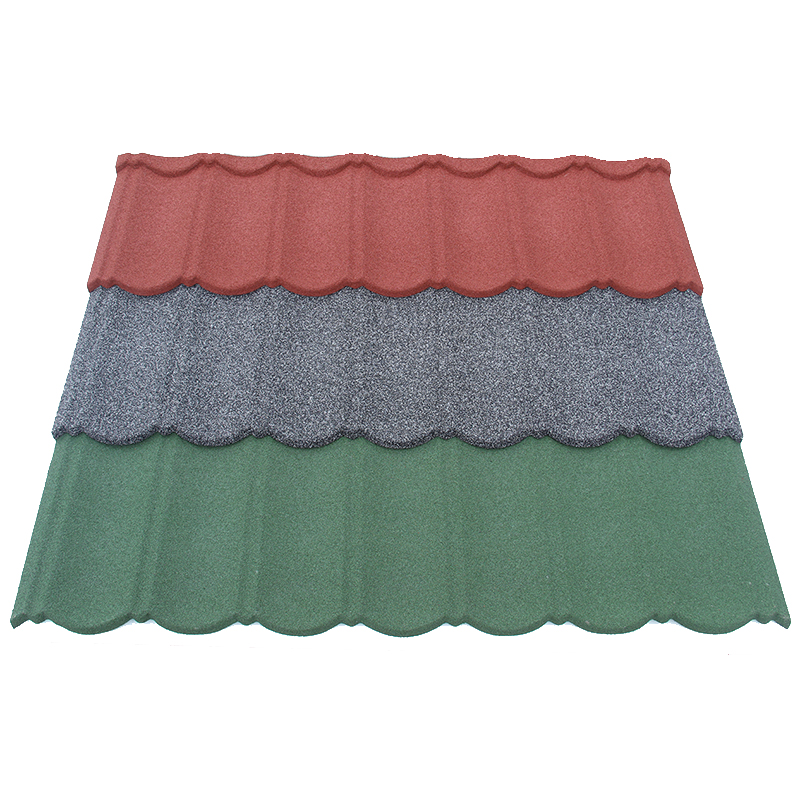
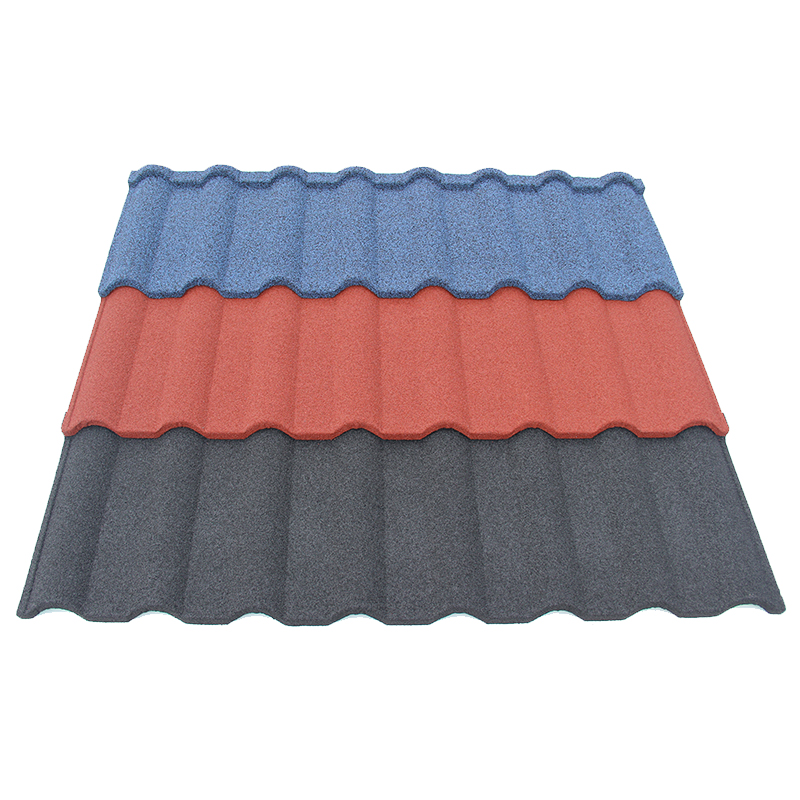
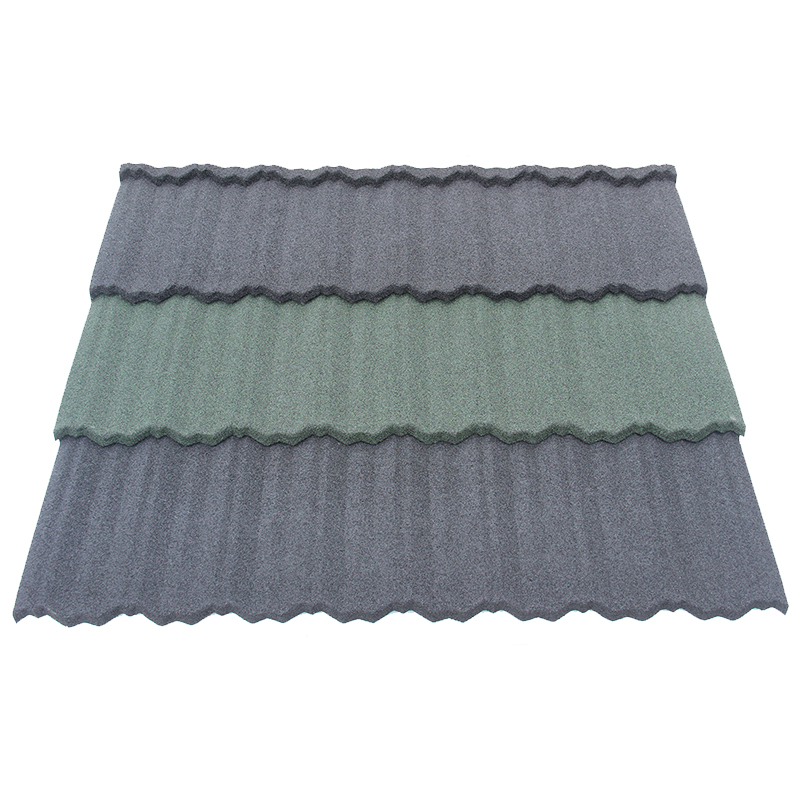
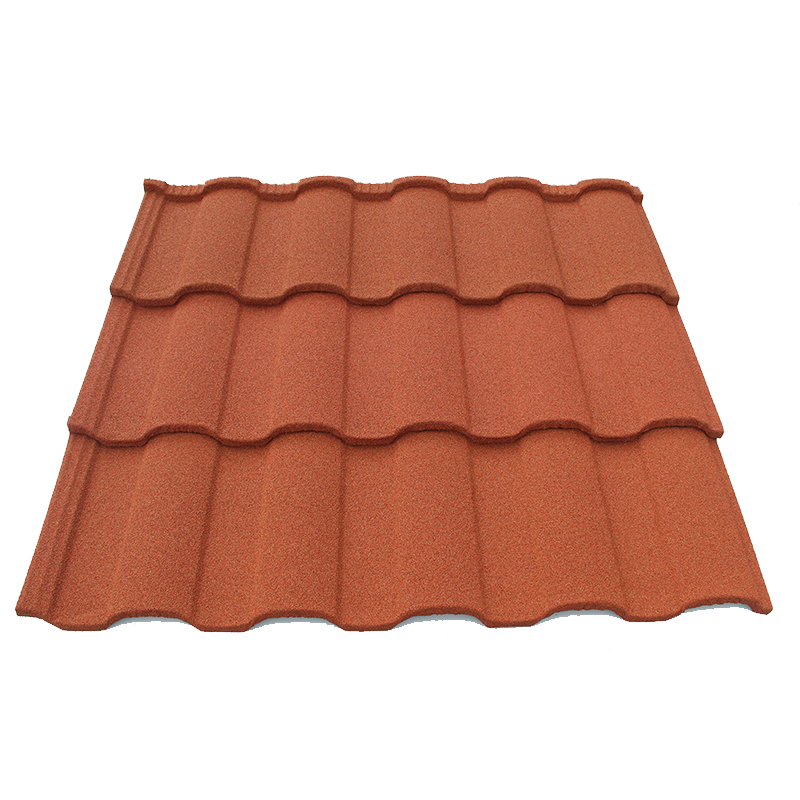
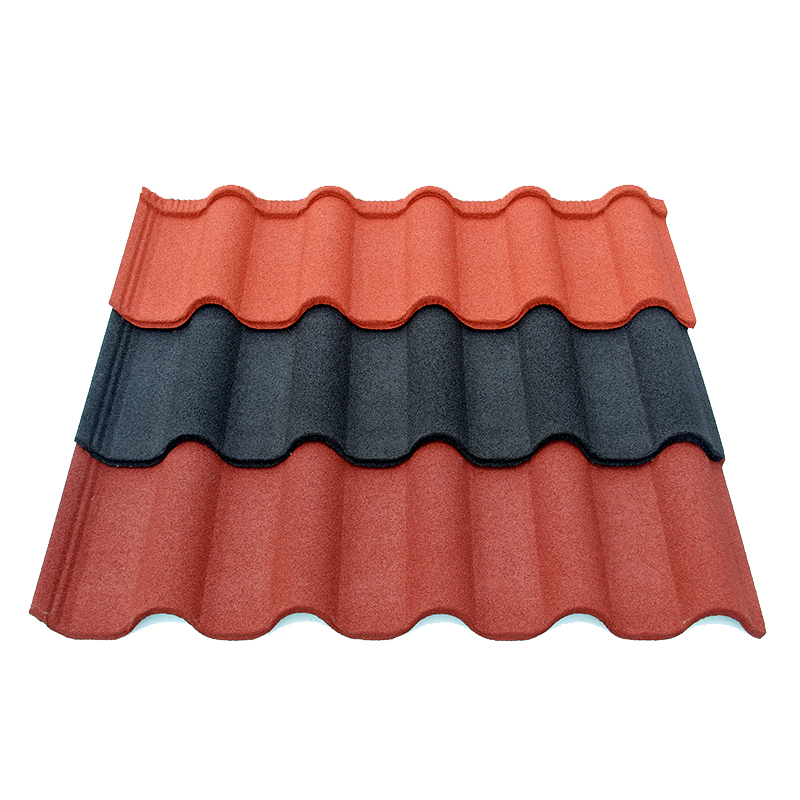
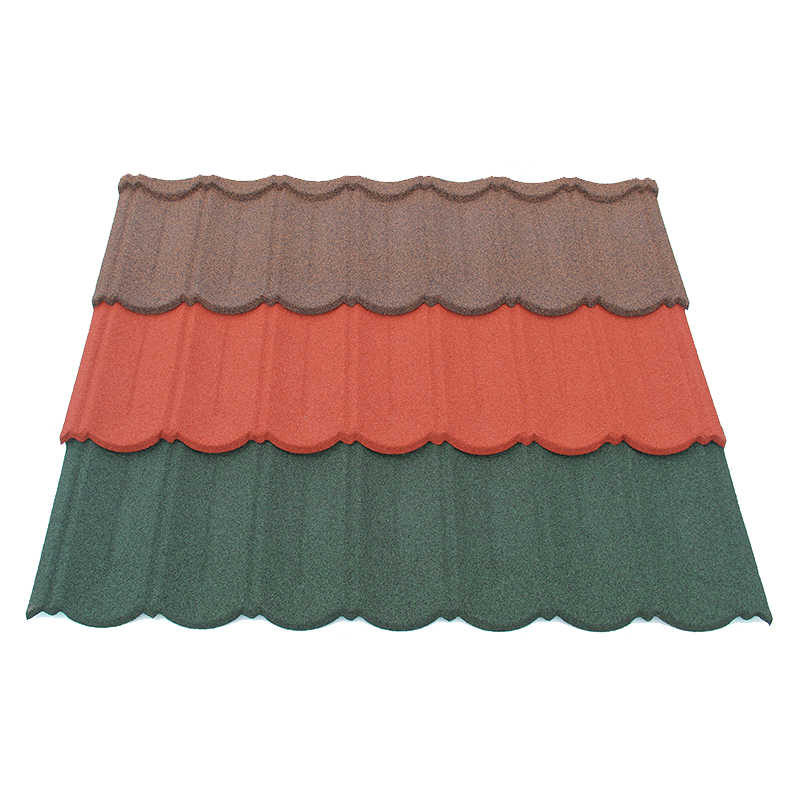
- Bond Tile – Ideal for residential housing and commercial buildings
- Roman Tile – Popular for Mediterranean and luxury villa projects
- Milano Tile – Premium appearance for upscale developments
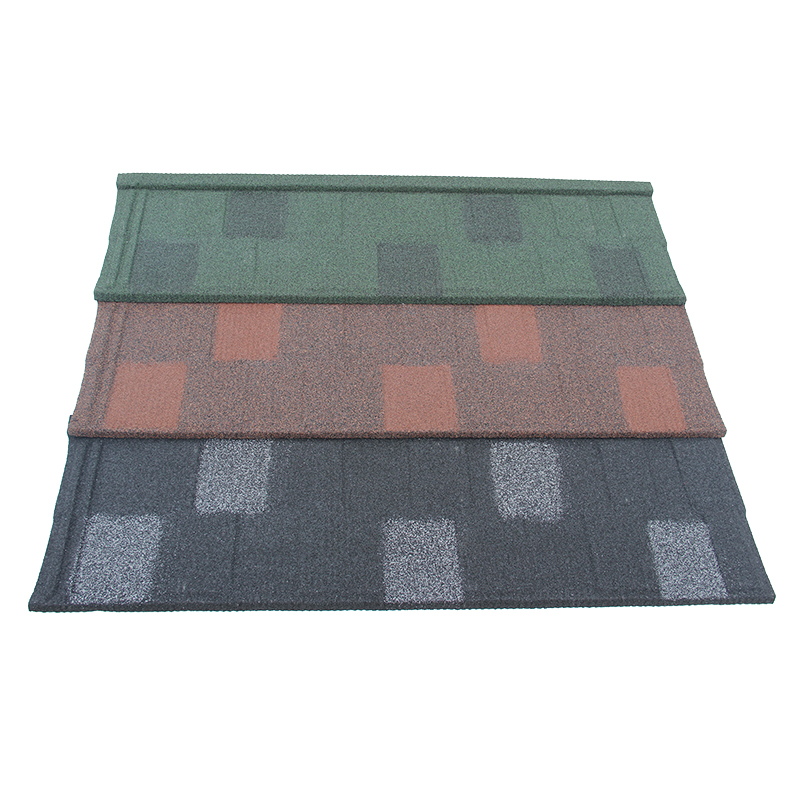
- Shingle Tile – Modern design with efficient installation
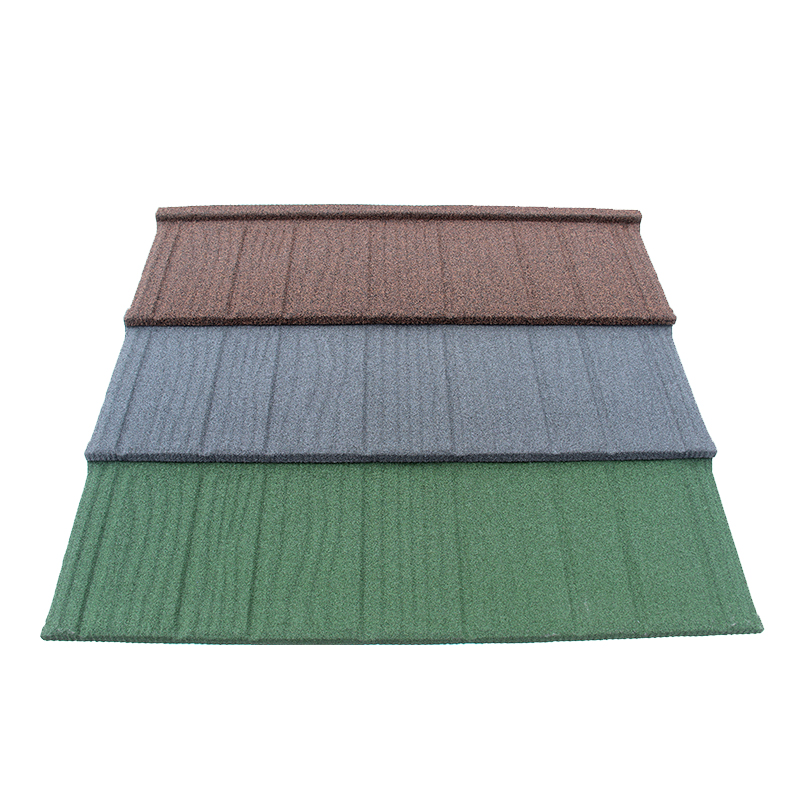
- Shake Tile – Traditional wood-look aesthetic with metal durability
Offering multiple profiles allows distributors to serve contractors, architects, developers, and retail customers simultaneously.
4. Decide on Your Distribution Business Model
Different distributors operate under different business models depending on their investment level and customer base.
Wholesale distribution
Supply roofing materials to dealers, retailers, and regional distributors in bulk quantities.
Project supply
Work directly with contractors, developers, and government projects that require large-volume purchases.
Retail distribution
Sell roofing products directly to homeowners through local showrooms or building material stores.
Many successful distributors combine wholesale and project sales to create multiple revenue streams.
5. Build Your Inventory Strategy
Inventory planning directly affects cash flow and customer satisfaction.
Start with high-demand products
Instead of stocking every profile and color, begin with the most popular options in your local market.
Maintain safety stock
Keeping sufficient inventory helps you respond quickly to urgent customer orders while avoiding costly delays.
6. Develop a Strong Sales and Marketing Plan
Excellent products alone will not generate consistent sales. A structured marketing strategy is equally important.
Build a professional website
Your website should showcase product specifications, completed projects, installation guides, and customer testimonials.
Leverage digital marketing
Use Google SEO, social media platforms, and B2B marketplaces to reach contractors, wholesalers, and developers.
Participate in industry exhibitions
Trade shows and construction expos help you establish relationships with potential customers and expand your distribution network.
7. Offer Technical Support and After-Sales Service
Distributors who provide professional support often earn stronger customer loyalty and more repeat business.
Installation guidance
Provide installation manuals, technical drawings, and training resources for contractors.
Warranty support
Help customers understand product warranties and resolve quality concerns efficiently.
Fast response
Quick communication builds trust and strengthens long-term business relationships.
8. Expand Through OEM and Private Label Branding
As your business grows, creating your own roofing brand can increase profitability and market recognition.
Benefits of OEM services
- Custom logos and packaging
- Exclusive product colors
- Private label branding
- Higher customer loyalty
Many manufacturers offer flexible OEM programs that allow distributors to establish independent brands without investing in production facilities.
9. Common Mistakes New Distributors Should Avoid
- Choosing suppliers based only on price
- Ignoring product quality verification
- Ordering excessive inventory at the beginning
- Failing to understand local building regulations
- Neglecting marketing and brand development
- Providing limited after-sales support
Avoiding these mistakes can significantly improve your chances of building a sustainable distribution business.
Frequently Asked Questions
1. Do I need roofing industry experience to become a distributor?
No. Many successful distributors begin with experience in building materials or general construction products. Working with an experienced manufacturer can help you quickly learn the roofing business.
2. What is the typical minimum order quantity?
The minimum order quantity varies by manufacturer. Many suppliers offer flexible MOQs for first-time distributors, while OEM products usually require larger quantities.
3. Can I sell under my own brand?
Yes. Most professional manufacturers provide OEM and private label services, allowing distributors to customize logos, packaging, colors, and product branding.
4. Which markets have the strongest demand?
Stone coated roofing continues to grow in Africa, the Middle East, Southeast Asia, Latin America, and parts of Eastern Europe because of increasing urbanization and demand for durable roofing systems.
5. How can I grow my distribution business?
Focus on building long-term partnerships, maintaining reliable inventory, providing technical support, and investing in digital marketing to attract new customers.
Conclusion
Becoming a stone coated roofing distributor offers excellent opportunities in today’s growing construction market. Success depends on selecting a reliable manufacturing partner, understanding local demand, offering high-quality products, and delivering outstanding customer service.
Instead of competing only on price, successful distributors focus on product quality, technical support, efficient logistics, and long-term relationships. By following these strategies, you can establish a strong brand, expand your customer network, and build a sustainable roofing distribution business for years to come.