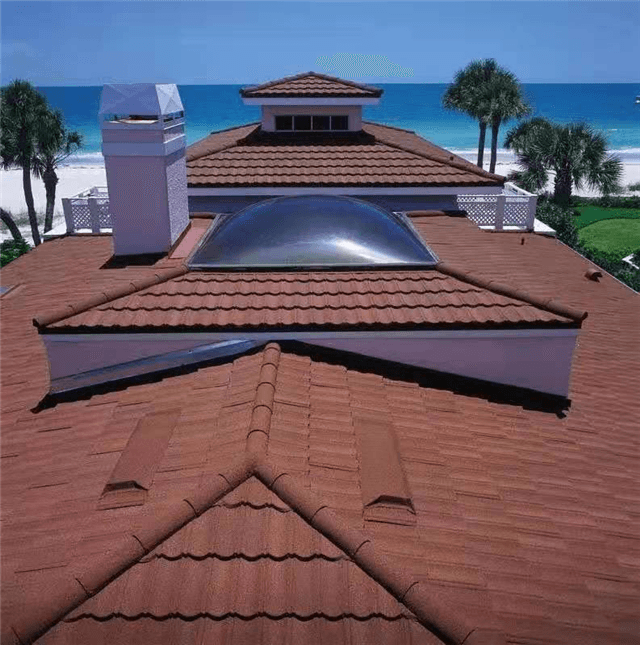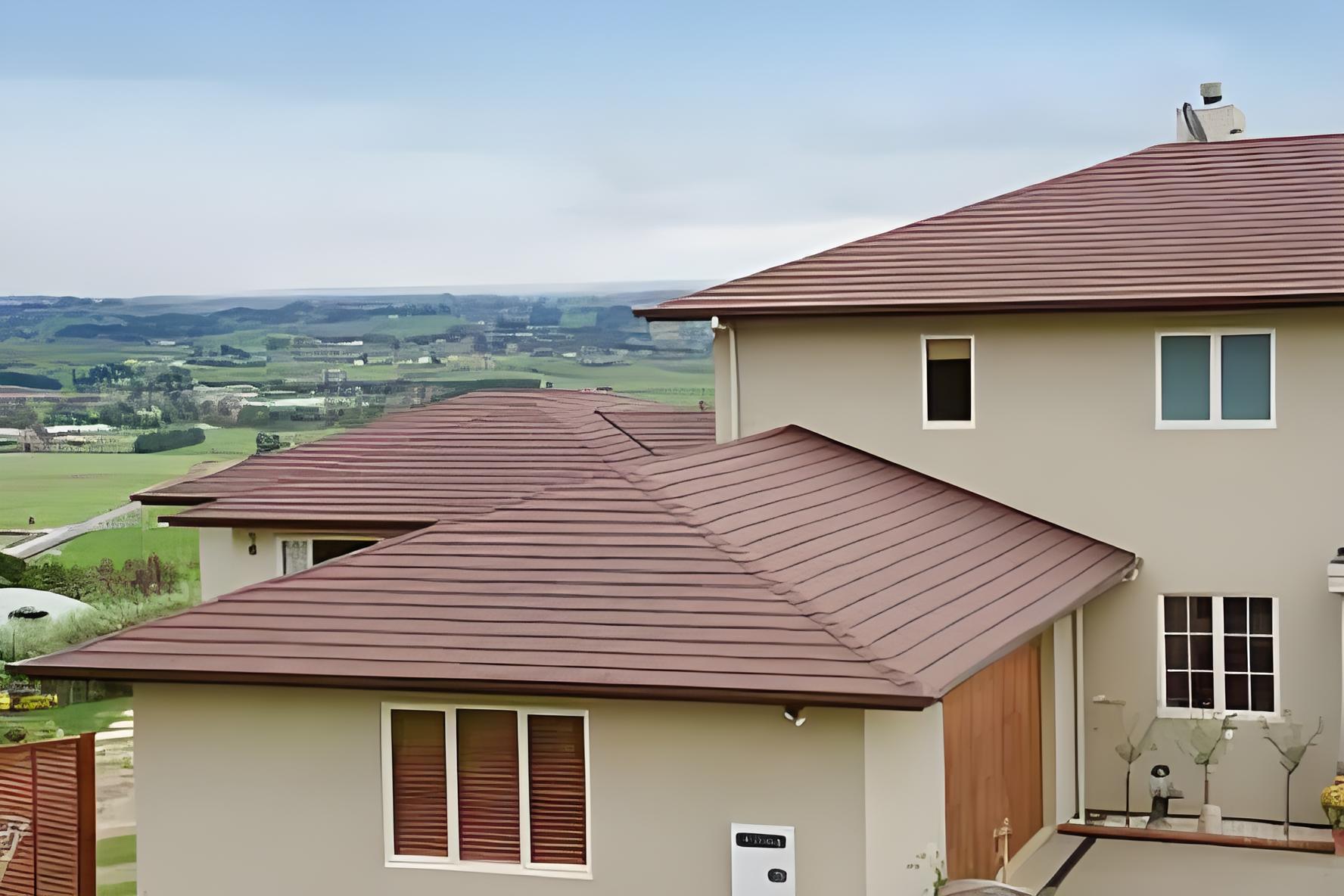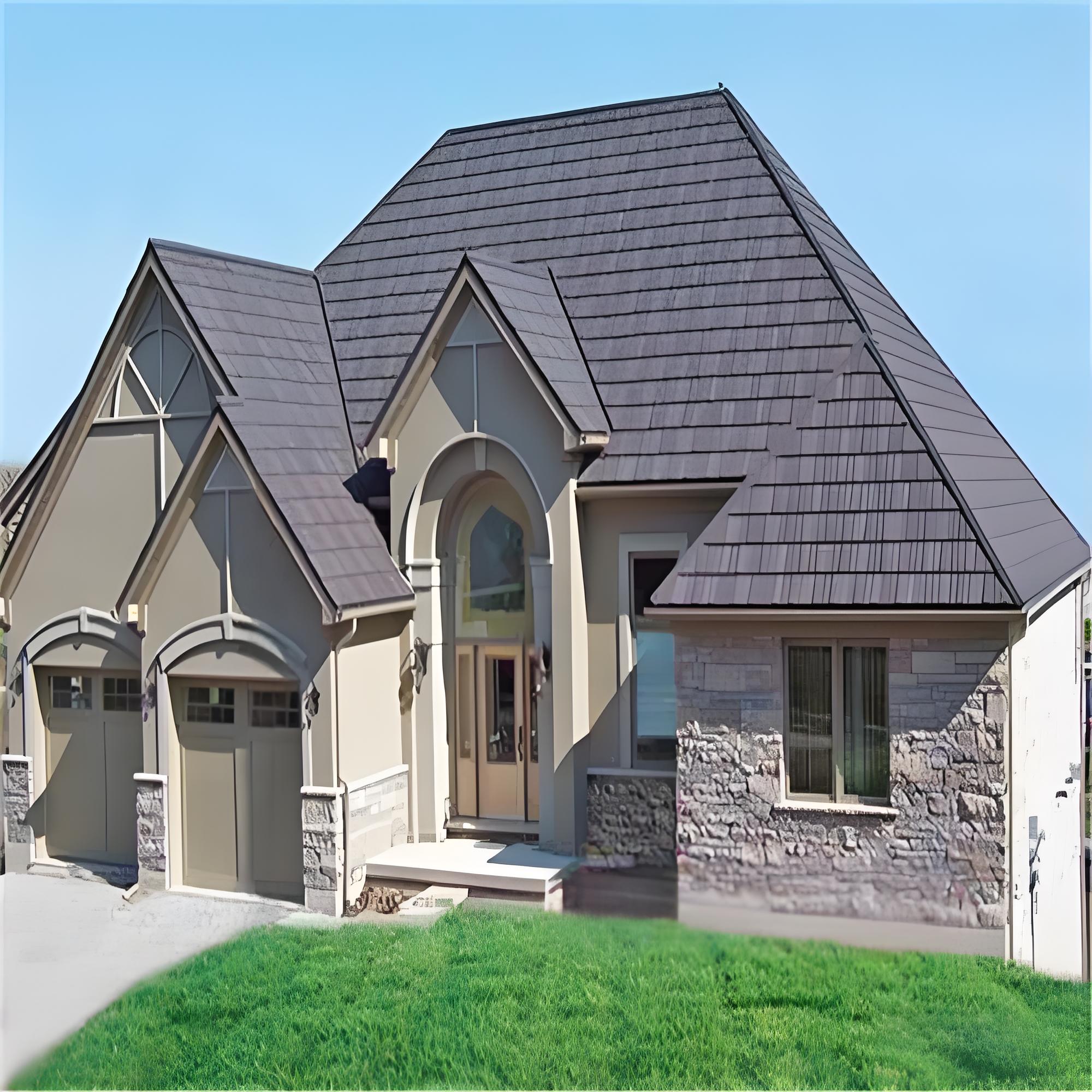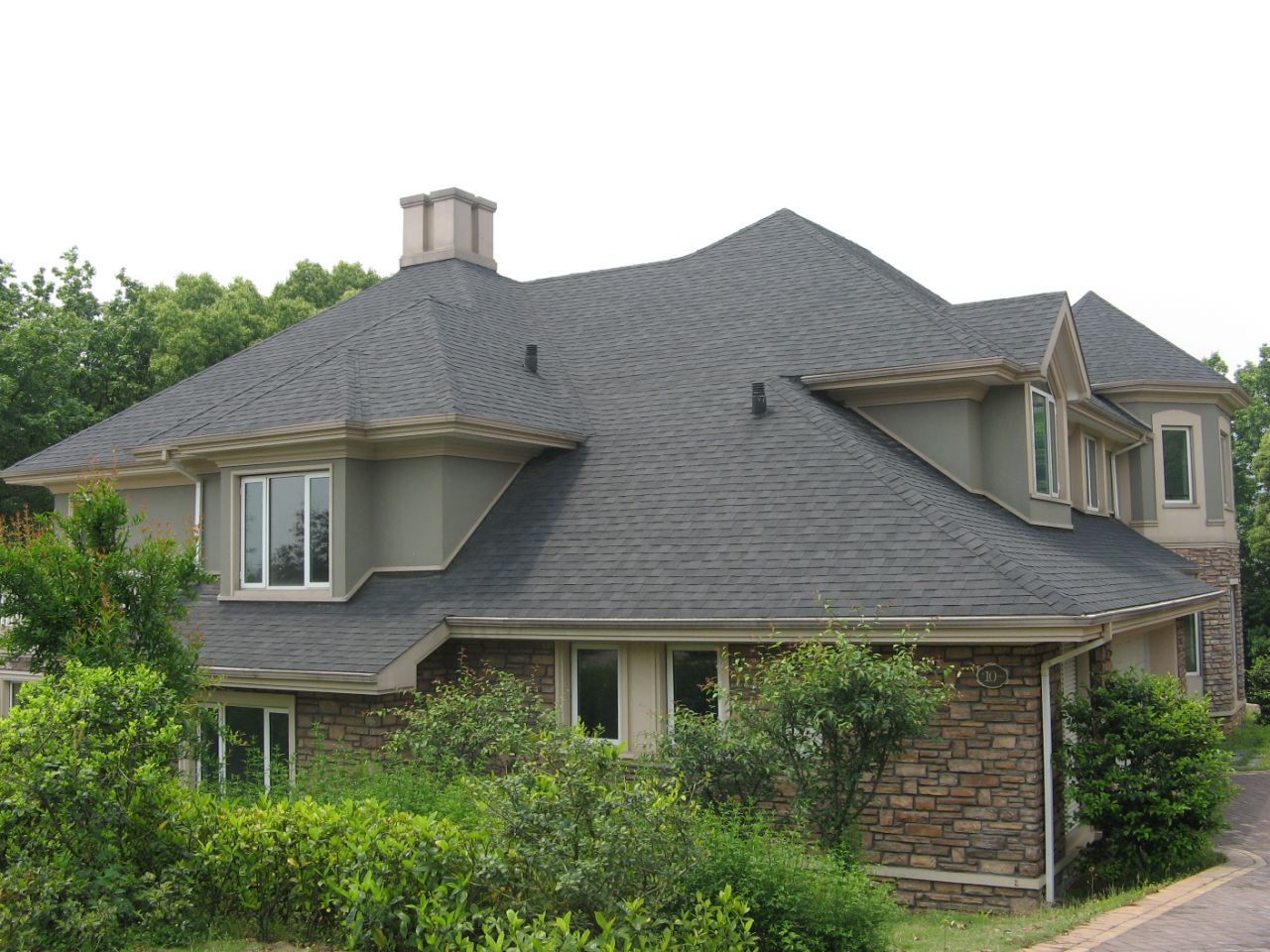

Stone coated metal roof tiles have become one of the fastest-growing roofing products in international construction markets. Their lightweight structure, long service life, attractive appearance, and excellent weather resistance make them a preferred choice for importers, distributors, contractors, and developers worldwide. As global demand for durable roofing systems continues to grow, selecting the right roof tile is no longer based solely on price. Buyers now evaluate product quality, manufacturing capability, logistics efficiency, certifications, and long-term performance before making purchasing decisions.
Whether you supply residential developments in Africa, commercial projects in Southeast Asia, or large-scale housing programs in Latin America, choosing export-ready roofing materials can directly affect customer satisfaction and business profitability. A reliable roofing product reduces transportation costs, minimizes installation challenges, and lowers maintenance requirements throughout the building’s lifecycle.
This guide explains why stone coated metal roof tiles have become one of the best roofing products for export markets. It also provides practical procurement advice for wholesalers, importers, distributors, and construction companies looking for dependable manufacturing partners.
Why Stone Coated Metal Roof Tiles Are Becoming the First Choice for Export Markets
International construction markets continue to demand roofing materials that combine durability, lightweight performance, and architectural flexibility. Traditional roofing products still occupy many regional markets, but more distributors are shifting toward stone coated metal roofing because it offers better long-term value while simplifying international transportation.
Unlike heavy concrete or clay roof tiles, stone coated metal roofing significantly reduces shipping weight without sacrificing strength. This allows importers to improve container utilization, lower freight costs, and deliver premium roofing products to customers more efficiently.
Growing Global Demand
Urbanization, government housing projects, and commercial developments continue to increase demand for modern roofing materials. Many countries are replacing traditional roofing systems with lightweight alternatives that require less structural support and offer longer service life.
Excellent Performance Across Different Climates
Export products must perform well in a wide range of environments. High-quality stone coated metal roof tiles provide excellent resistance against:
- Heavy rainfall
- Strong winds
- UV exposure
- Salt spray in coastal regions
- Temperature fluctuations
- Corrosion and rust
Lower Logistics Costs
Transportation costs have become a major factor for international buyers. Because stone coated metal roofing is lightweight, more square meters can be loaded into each container compared with traditional concrete roofing products. This helps importers improve overall procurement efficiency.
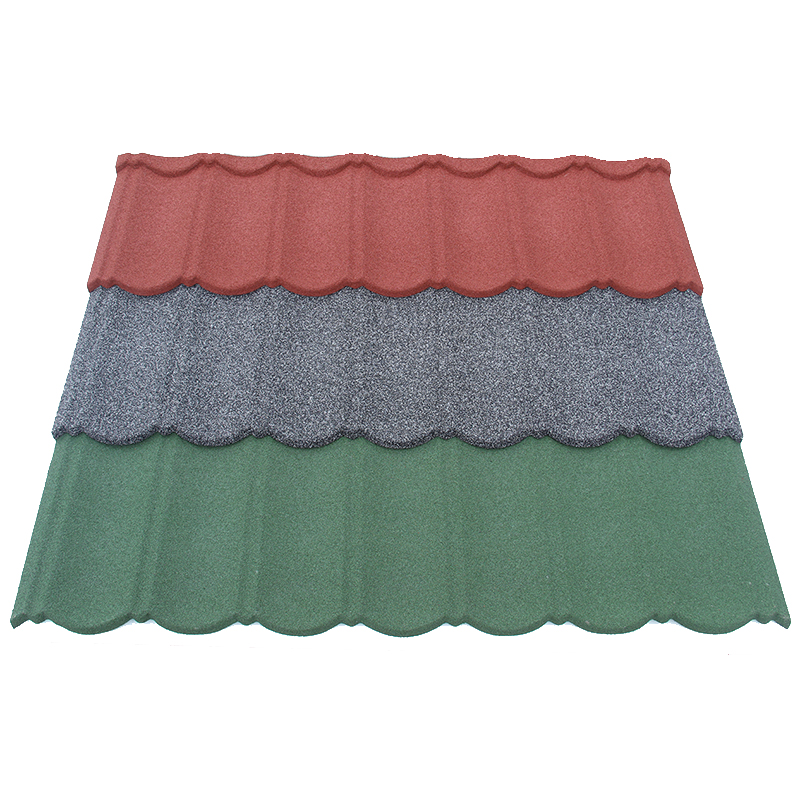
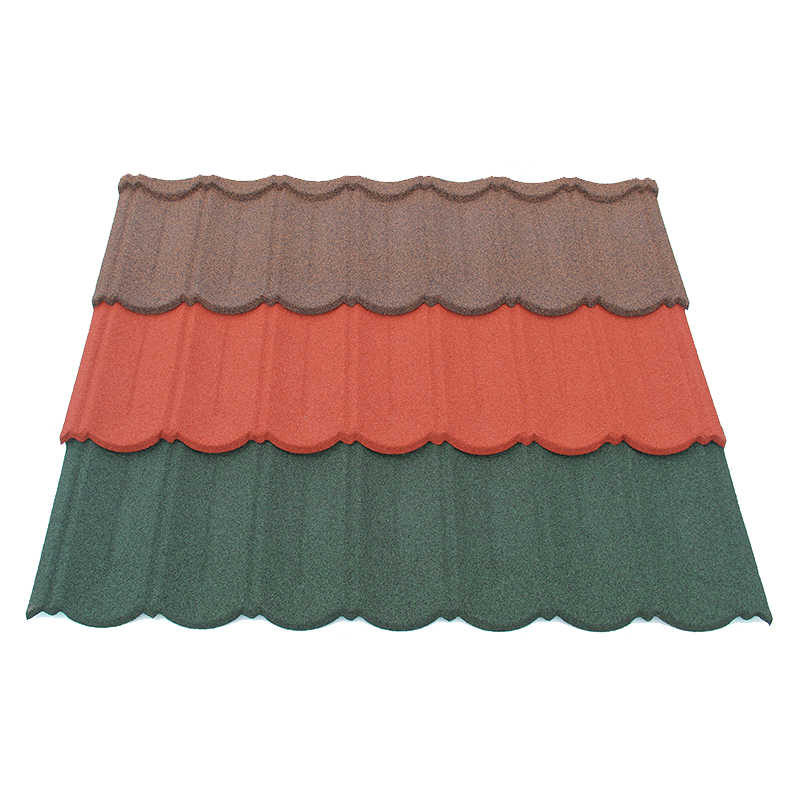
For residential projects requiring a timeless architectural appearance, the Bond Tile stone coated metal roofing profile combines classic aesthetics with excellent structural performance, making it one of the most popular export products.
What Makes a Roof Tile Suitable for International Export?
Not every roofing product is designed for international markets. Export-ready roof tiles must satisfy much higher standards than products intended for domestic projects. Buyers should evaluate not only product quality but also packaging methods, manufacturing consistency, and supplier capabilities.
The following factors play an important role when selecting roofing products for export.
Consistent Manufacturing Quality
Large import orders require consistent dimensions, coating quality, and color stability across every production batch. Professional manufacturers implement strict quality control throughout the production process to ensure product consistency.
International Certifications
Depending on the destination market, buyers may require certifications such as CE, ISO 9001, or COC. These documents help demonstrate product quality and facilitate customs clearance in many countries.
Export Packaging Standards
Roof tiles travel long distances by sea and road before reaching construction sites. Proper export packaging protects products against moisture, vibration, and handling damage during transportation.
| Export Evaluation Factor | Why It Matters |
|---|---|
| Product Quality | Reduces warranty claims |
| Packaging Quality | Protects products during shipping |
| Production Capacity | Ensures timely delivery |
| Certifications | Supports customs compliance |
| Technical Support | Improves installation efficiency |
Comparing Popular Roof Tile Materials for International Markets
Importers often compare several roofing materials before making purchasing decisions. While price remains an important factor, experienced buyers pay closer attention to transportation efficiency, installation costs, maintenance requirements, and long-term customer satisfaction.
Choosing the right roofing material can improve your competitive advantage in local markets. A product that reduces callbacks and extends roof lifespan ultimately creates more value than one with a lower purchase price.
Comparison of Common Roofing Materials
| Roofing Material | Service Life | Weight | Export Efficiency | Maintenance | Recommended Markets |
|---|---|---|---|---|---|
| Clay Roof Tiles | 50+ Years | Heavy | Low | Low | Traditional residential buildings |
| Concrete Roof Tiles | 40–50 Years | Very Heavy | Low | Medium | Premium housing projects |
| Asphalt Shingles | 15–25 Years | Light | Good | Medium | Residential renovation |
| Standing Seam Metal Roofing | 40–60 Years | Light | Excellent | Very Low | Industrial buildings |
| Stone Coated Metal Roof Tiles | 50+ Years | Light | Excellent | Very Low | Residential, Commercial & Government Projects |
Among these options, stone coated metal roof tiles provide one of the best combinations of durability, shipping efficiency, architectural appearance, and long-term value. This is why they continue to gain market share across Africa, Southeast Asia, the Middle East, South America, and other emerging construction markets.
Architectural Flexibility Supports More Export Opportunities
Different countries have different architectural preferences. A manufacturer offering multiple roof tile profiles allows distributors to meet a wider range of customer requirements without sourcing from multiple suppliers.
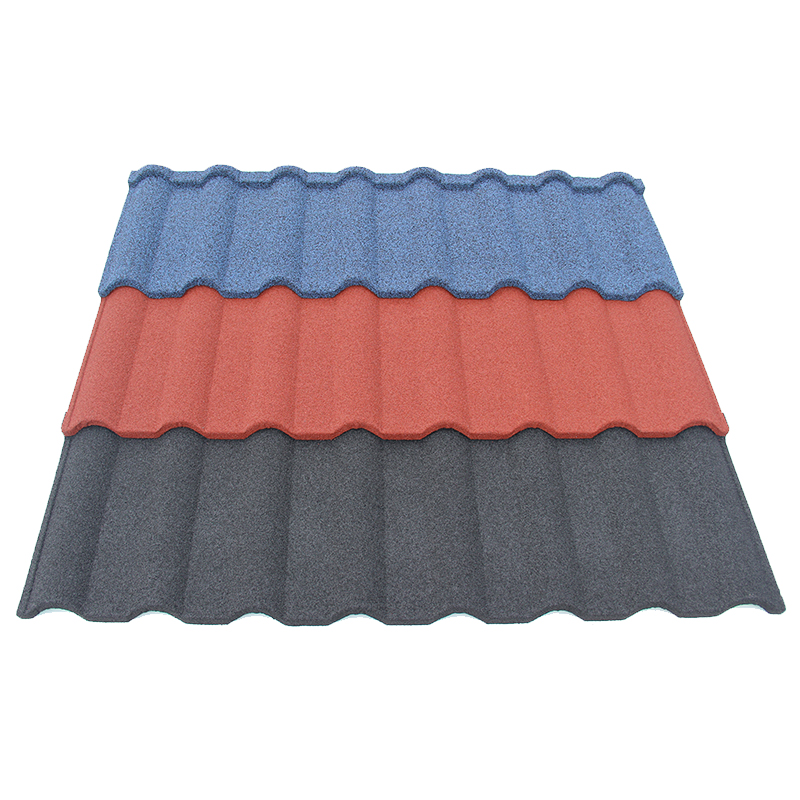
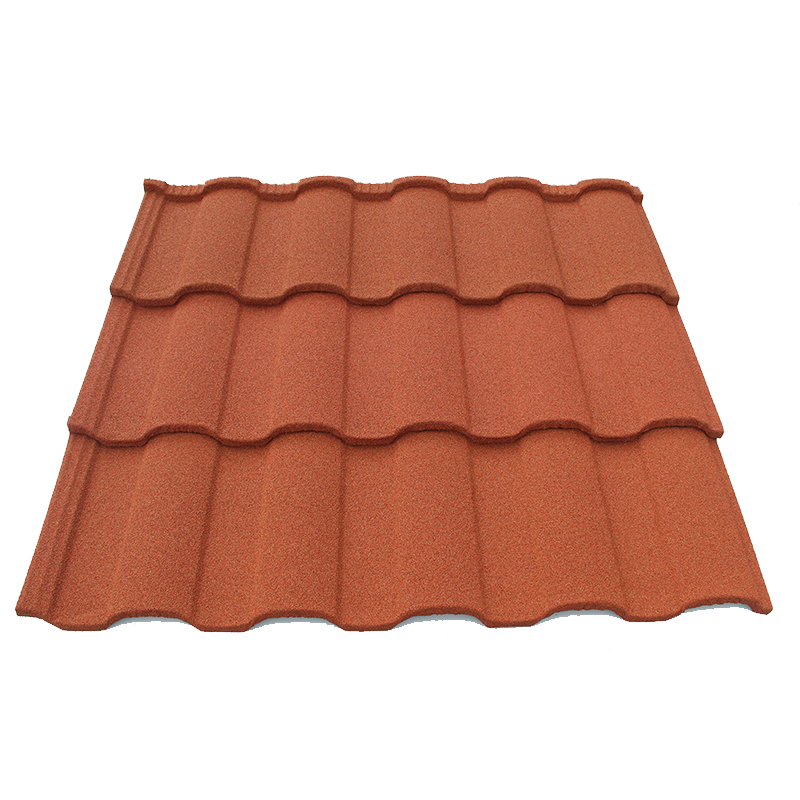
For Mediterranean-style villas and premium residential developments, the Roman Tile stone coated metal roofing profile remains a popular choice because it recreates the appearance of traditional clay roofing while significantly reducing structural weight.
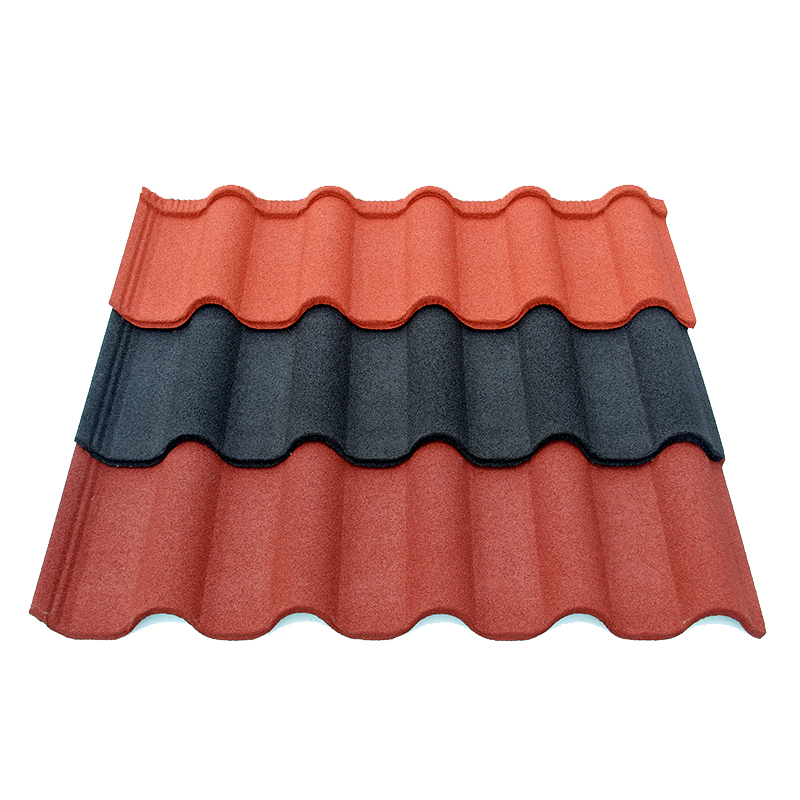
Modern housing developments often specify the Milano Tile stone coated metal roofing profile, which combines contemporary aesthetics with excellent weather resistance and installation efficiency.
How to Choose a Reliable Roof Tile Manufacturer
Finding the right manufacturer is one of the most important decisions for importers and distributors. Product quality is essential, but consistent production, reliable delivery, and responsive technical support are equally critical for long-term business success.
Before placing large orders, buyers should evaluate manufacturers using both commercial and technical criteria instead of comparing quotations alone.
Production Capacity
A reliable supplier should be capable of supporting both current demand and future business growth. Stable production capacity reduces the risk of shipment delays during peak construction seasons.
Quality Management System
Consistent quality begins with strict manufacturing control. Buyers should confirm that the supplier follows standardized inspection procedures for raw materials, production processes, finished products, and packaging.
Export Experience
Manufacturers with international export experience understand documentation requirements, container loading optimization, customs procedures, and destination market regulations. This experience reduces procurement risks for overseas buyers.
Technical Support and OEM Services
Many distributors build their own brands while relying on experienced manufacturers for production. Suppliers offering OEM and ODM services help partners expand their product portfolios without investing in manufacturing facilities.
As an experienced manufacturer specializing in stone coated metal roofing systems, JCROOF operates a 10,000-square-meter production facility equipped with five fully automated production lines and a weekly capacity of approximately 150,000 roof tiles. The company serves customers across multiple international markets by providing consistent product quality, OEM solutions, professional export support, and internationally recognized certifications including CE, ISO 9001, and COC.
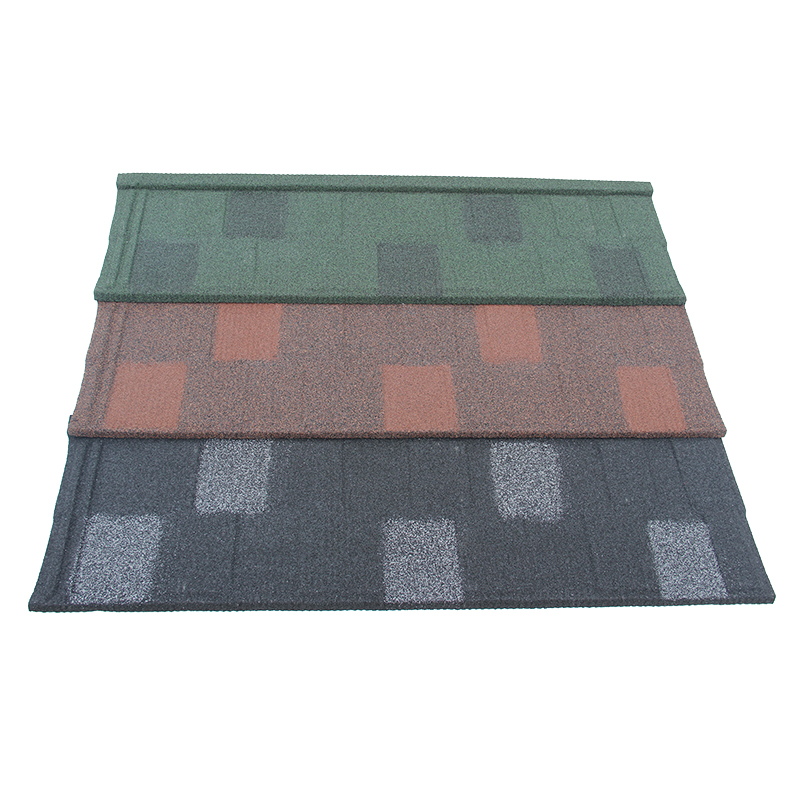
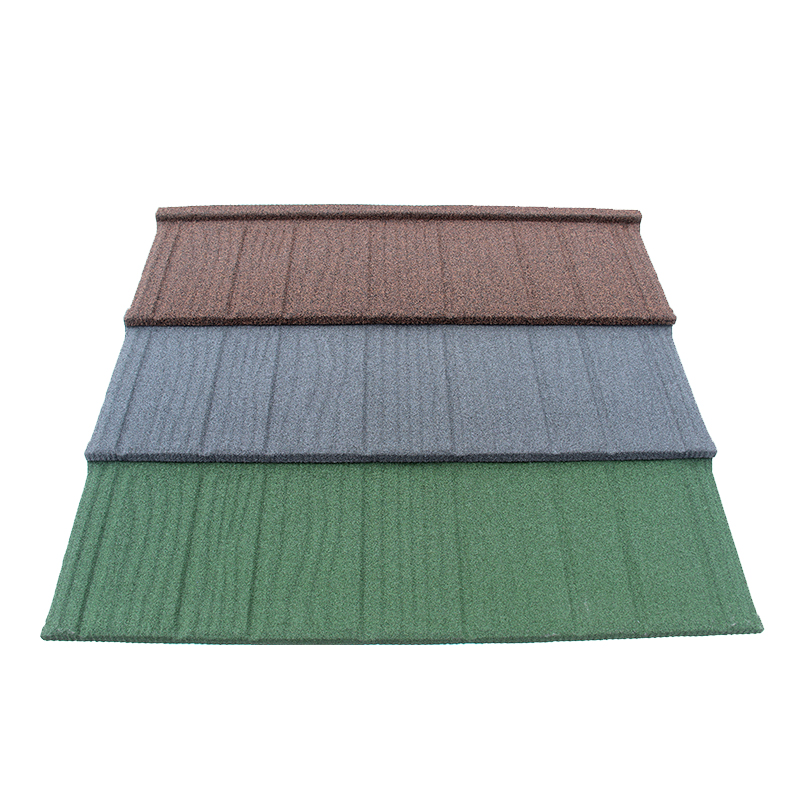
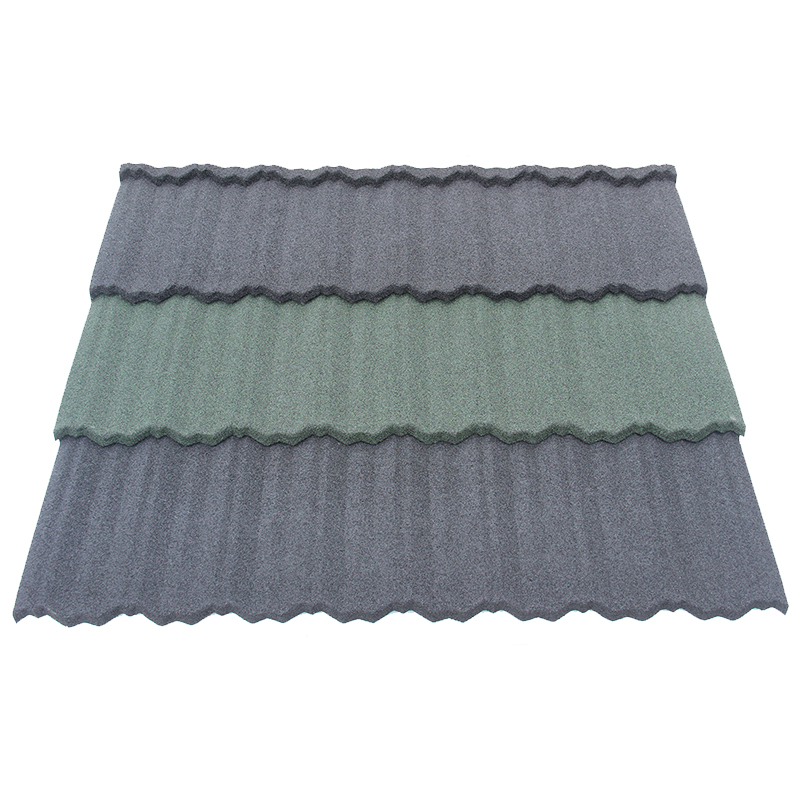
For markets where traditional roofing aesthetics remain popular, distributors frequently recommend the Shingle Tile stone coated metal roofing profile. Customers seeking a natural timber appearance often prefer the Shake Tile stone coated metal roofing profile, which delivers the visual appeal of wood while offering the durability and low maintenance of steel roofing.
Export Buyer’s Checklist Before Ordering Roof Tiles
Successful importers rarely make purchasing decisions based on price alone. Instead, they evaluate suppliers from multiple perspectives, including production capability, product consistency, logistics performance, and after-sales support. Following a structured procurement process helps reduce business risks and builds long-term partnerships.
Before confirming your next order, use the following checklist to compare suppliers objectively.
Manufacturing Capability
- ✔ Verify factory size and production capacity.
- ✔ Confirm the number of automated production lines.
- ✔ Ask about monthly and weekly production output.
- ✔ Ensure the supplier can support repeat orders during peak seasons.
Product Quality
- ✔ Request product specifications and technical data sheets.
- ✔ Review coating materials and stone chip quality.
- ✔ Verify product dimensions and thickness consistency.
- ✔ Ask for quality inspection reports before shipment.
Export Services
- ✔ Confirm export packaging standards.
- ✔ Evaluate container loading efficiency.
- ✔ Review export documentation support.
- ✔ Check shipping experience in your target market.
Business Support
- ✔ OEM and private label services
- ✔ Marketing materials and installation guides
- ✔ Sample availability
- ✔ Warranty policy
- ✔ Responsive after-sales support
Expert Tips for Importers and Wholesale Distributors
Experienced importers understand that the most profitable roofing products are not always the least expensive. Instead, they focus on products that generate fewer customer complaints, lower installation costs, and stronger repeat business.
Stone coated metal roof tiles continue to gain popularity because they offer an excellent balance of durability, lightweight construction, attractive appearance, and transportation efficiency. These advantages help distributors differentiate themselves in competitive markets while reducing long-term warranty risks.
If your primary customers include contractors, developers, or government procurement agencies, selecting a manufacturer with stable production capacity and proven export experience is often more valuable than negotiating the lowest unit price.
Quick Decision Summary
- Best for Residential Projects: Stone coated metal roof tiles with traditional tile profiles.
- Best for Commercial Projects: Lightweight roofing systems with low maintenance requirements.
- Best for Importers: Manufacturers offering OEM services, export certifications, and stable production.
- Best Long-Term Investment: Stone coated metal roof tiles due to their long lifespan and lower lifecycle costs.
Frequently Asked Questions
Which roof tiles are best for export markets?
Stone coated metal roof tiles are among the best choices because they combine lightweight construction, excellent durability, attractive designs, and efficient international transportation.
Why are stone coated metal roof tiles popular with importers?
They reduce shipping weight, simplify installation, require minimal maintenance, and offer a long service life, making them highly attractive to distributors and contractors.
What certifications should I request from a roof tile manufacturer?
Depending on your market, common certifications include CE, ISO 9001, COC, and any local compliance documents required by your country’s regulations.
Can manufacturers provide OEM services?
Yes. Many professional manufacturers offer OEM and private label services, allowing distributors to build their own brands while maintaining consistent product quality.
How are roof tiles packaged for international shipping?
Export-grade roof tiles are typically packed on reinforced pallets, protected with waterproof wrapping, and secured using steel or plastic straps to minimize transportation damage.
Which export markets have the highest demand?
Demand continues to grow across Africa, Southeast Asia, the Middle East, South America, and parts of Eastern Europe due to rapid urbanization and infrastructure development.
What should distributors evaluate before choosing a supplier?
Production capacity, quality control, certifications, export experience, delivery reliability, technical support, and warranty policies should all be considered.
Are stone coated metal roof tiles suitable for extreme climates?
Yes. High-quality systems are designed to perform well in coastal environments, regions with heavy rainfall, strong winds, intense sunlight, and significant temperature changes.