
Selecting the best roofing material for commercial buildings is a critical procurement decision. It directly impacts your project’s structural longevity and long-term maintenance budget. As a procurement manager or commercial contractor, you face immense daily pressure. You must perfectly balance initial capital costs with long-term asset performance. Furthermore, commercial structures often house expensive inventory or highly sensitive technical equipment. A sudden roof failure can quickly lead to catastrophic and costly business interruptions. Therefore, this purchasing decision requires a highly strategic and analytical approach. You cannot simply pick the cheapest roofing option available on the market. Instead, you must evaluate all materials based on strict engineering and safety standards. You also need to heavily consider local building codes and specific climate challenges. In this comprehensive guide, we will analyze the fundamental criteria for commercial roofs. We will deeply explore various material options to guide your global procurement strategy. Ultimately, this knowledge will help you make a highly profitable and resilient investment.
Evaluating Core Requirements for Commercial Roofing Projects
Every commercial construction project presents completely unique structural and operational challenges. You must thoroughly assess these baseline engineering requirements before comparing specific materials. A massive industrial warehouse needs different protection than a luxury resort property. Therefore, clearly defining your project scope is the crucial first step. You must collaborate very closely with architects and structural engineers during this phase. This early alignment prevents extremely costly specification errors later in the procurement cycle. Let us break down the primary factors you must evaluate immediately.
Assessing Structural Load Capacities
Commercial buildings frequently feature expansive and complex roof spans. You must carefully calculate the maximum dead load capacity of your structural framework. Heavy traditional materials like poured concrete or slate require expensive structural reinforcements. These reinforcements rapidly inflate your initial construction budget and extend building timelines. Conversely, modern lightweight materials offer massive architectural and engineering flexibility. For instance, stone-coated steel weighs significantly less than traditional clay or concrete options. This incredible weight reduction lowers your overall framing and structural steel costs. Consequently, you can allocate those massive budget savings to other critical facility areas. Furthermore, lightweight materials are much safer and faster for your crews to install.
Defining Aesthetic and Architectural Goals
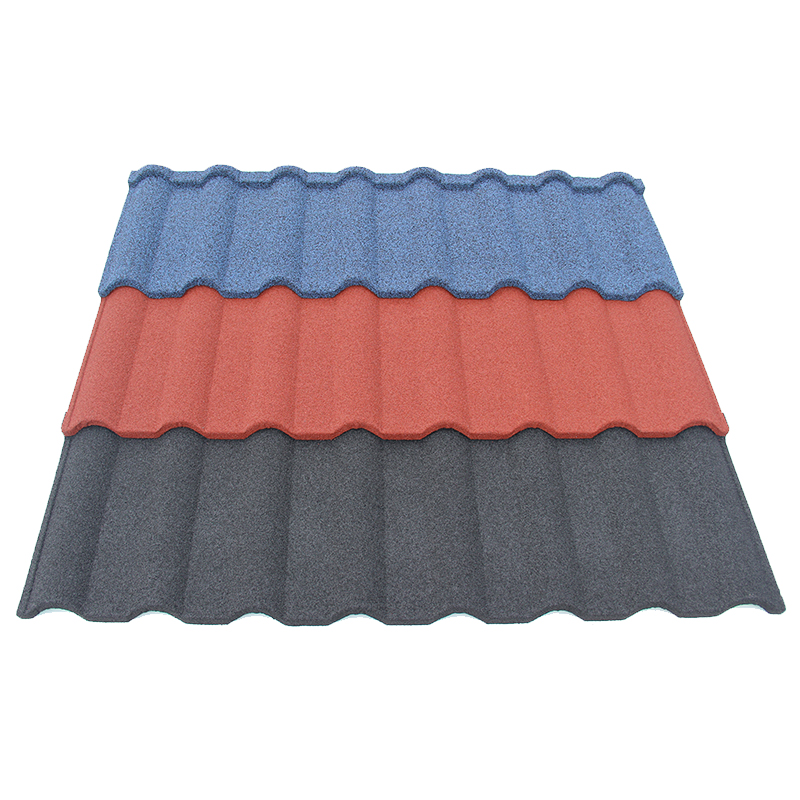
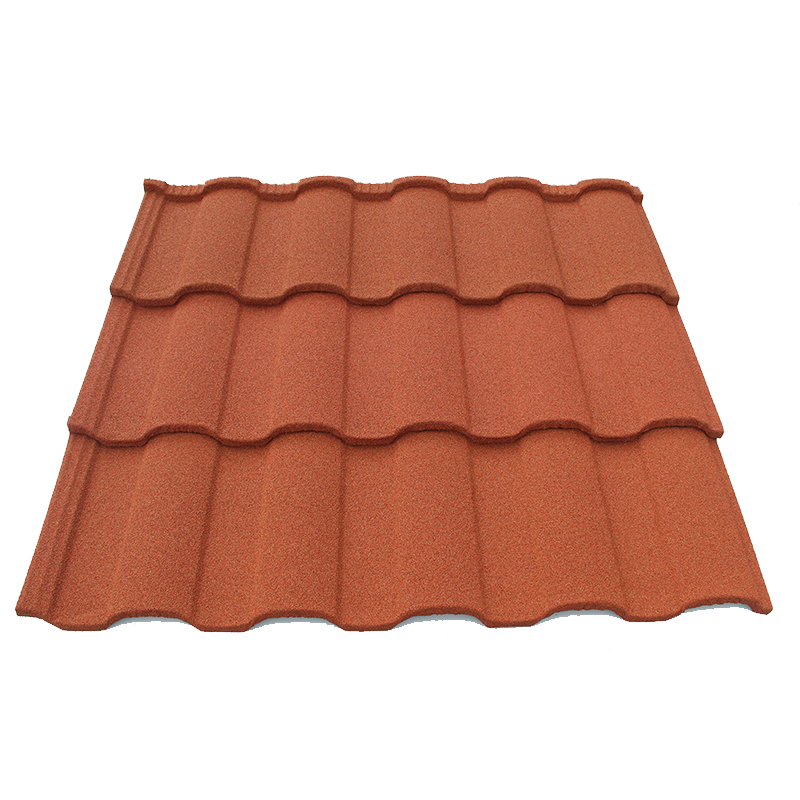
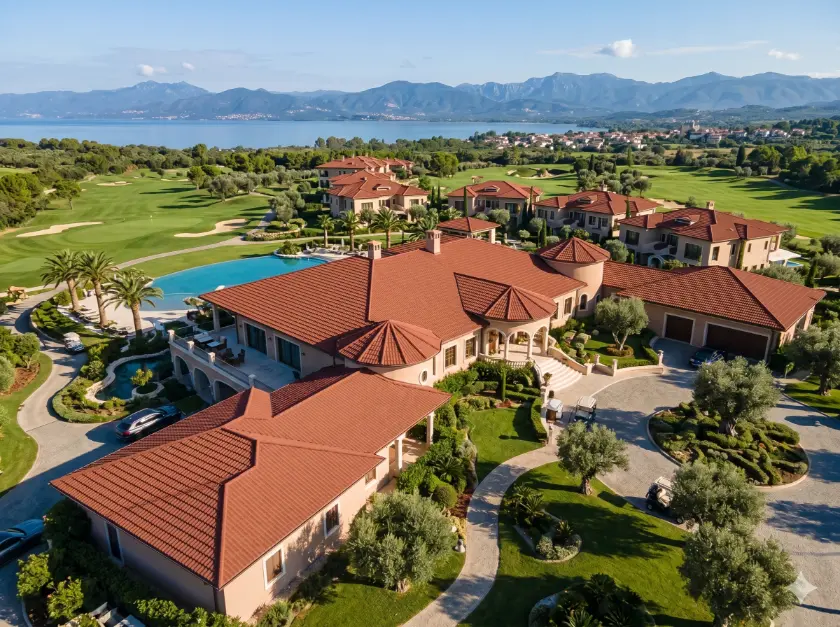
Commercial properties also rely heavily on exterior visual appeal and corporate branding. An upscale retail center demands a highly premium and attractive architectural finish. You simply cannot install a basic industrial roof on a high-end commercial property. For projects requiring a Mediterranean or classic Spanish aesthetic, specific profiles are necessary. In these instances, specifying a Roman Tile provides the exact traditional look architects desire. It delivers the heavy, classic clay aesthetic without the massive structural burden. Therefore, you must align the material’s visual profile with the property’s brand identity. A cohesive exterior design strongly attracts premium tenants and increases overall property value. You should always request physical material samples to verify color and texture.
Analyzing the Performance of Top Commercial Roofing Materials
The global market offers numerous materials for commercial roofing applications today. Each distinct material possesses specific advantages and some inherent structural vulnerabilities. You must objectively evaluate these options against your exact project performance criteria. We strongly advise quickly moving beyond basic marketing claims during this analysis. Instead, you should demand verifiable performance data and certified laboratory testing reports. Let us examine how different popular materials perform under rigorous commercial conditions.
Traditional Flat Roofing Systems
Many commercial buildings traditionally utilize flat or low-slope membrane roofing systems. Options like EPDM, TPO, and built-up roofing remain quite popular among basic contractors. These rolled materials are generally inexpensive and fast to install initially. However, they frequently suffer from significant and costly maintenance issues over time. Flat roofs are highly prone to dangerous ponding water and rapid UV degradation. Furthermore, membrane seams often separate, leading to costly and hard-to-find internal leaks. You must budget heavily for regular professional inspections and frequent patch repairs. Ultimately, their relatively short lifespans often negate the initial upfront cost savings. You will likely replace a flat roof several times over the building’s life.
The Rise of Stone-Coated Metal Solutions
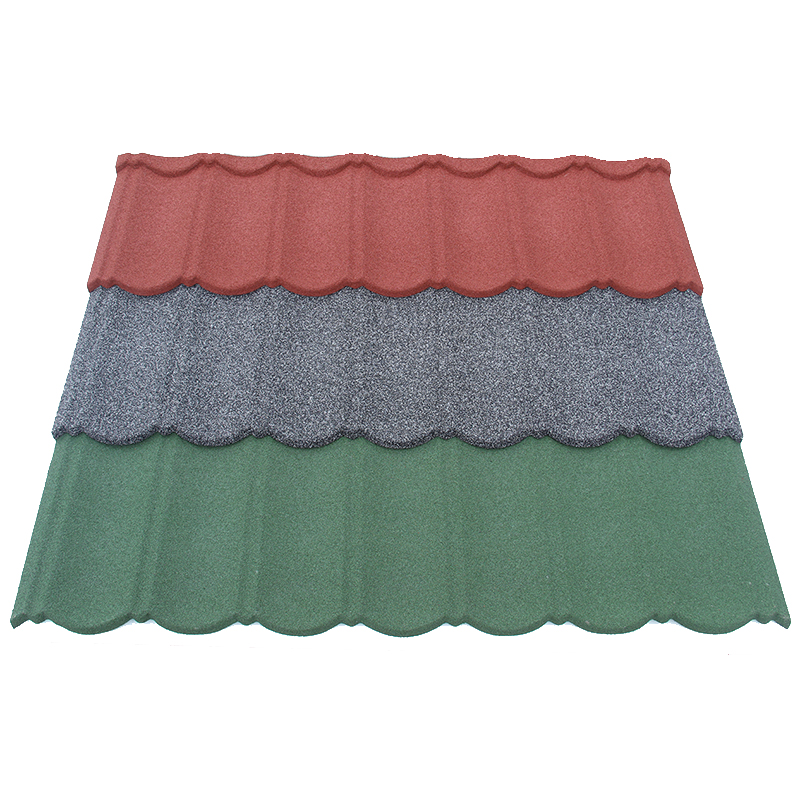
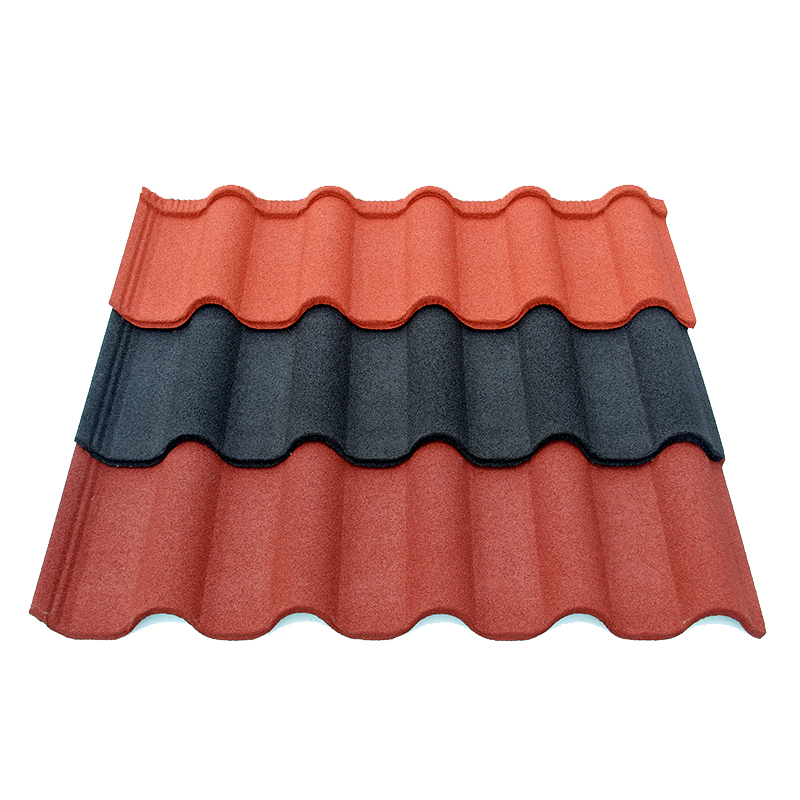
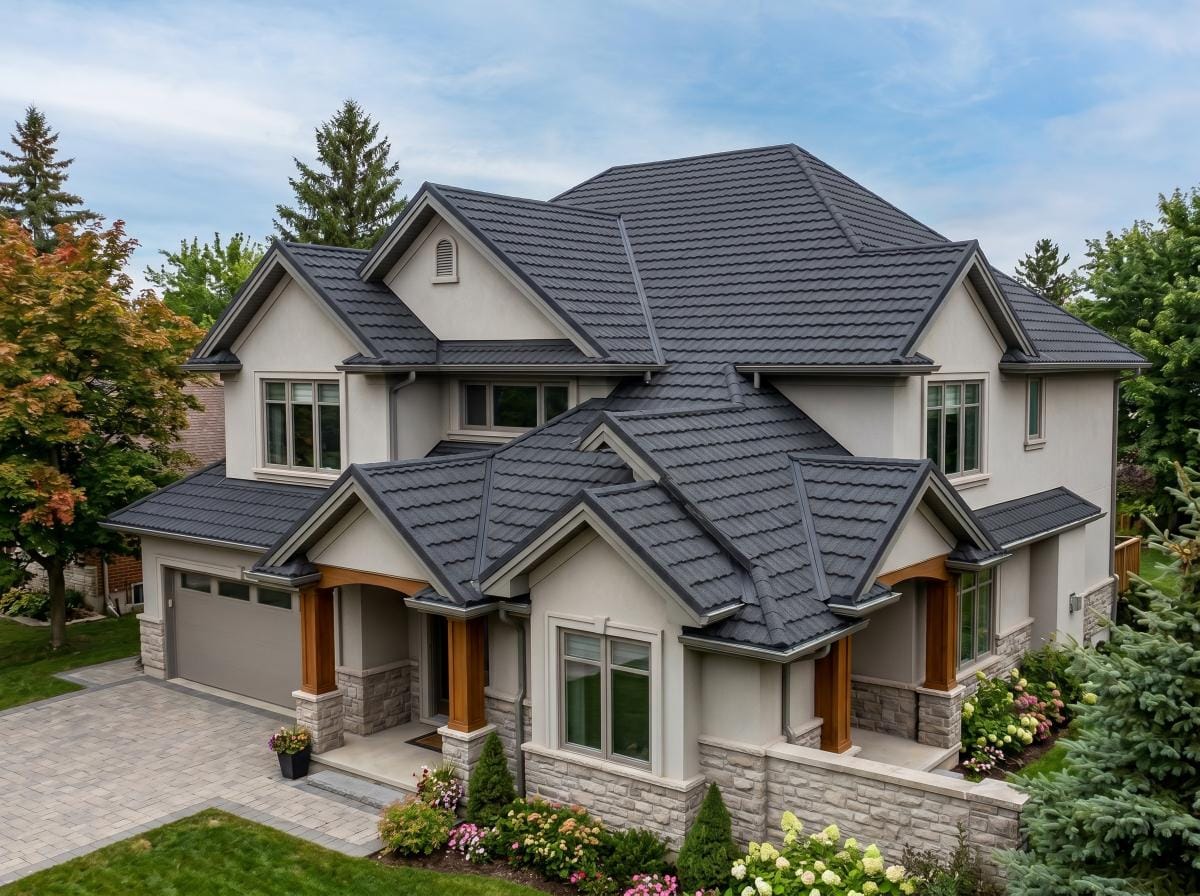
Forward-thinking commercial developers are increasingly shifting toward pitched roofs with metal solutions. Stone-coated metal roofing offers exceptional and proven durability for commercial applications. This innovative material combines the structural tensile strength of steel with natural stone chips. It completely resists cracking, curling, and warping under harsh environmental stress. For commercial office parks or modern retail centers, architectural aesthetic versatility is key. Integrating a sleek Milano Tile profile provides a highly contemporary, upscale appearance. It instantly elevates the building’s facade while delivering unmatched industrial-grade weather protection. This combination of beauty and strength makes it a superior commercial choice.
Comparing Material Attributes
To assist your procurement process, please review this material comparison matrix. It highlights key performance metrics for standard commercial roofing options.
| Roofing Material Type | Average Lifespan | Maintenance Requirement | Structural Weight |
|---|---|---|---|
| TPO / EPDM Membrane | 15 – 25 Years | High (Frequent seam checks) | Lightweight |
| Built-Up Roofing (BUR) | 20 – 30 Years | Moderate to High | Very Heavy |
| Architectural Shingles | 20 – 25 Years | Moderate (Wind damage risk) | Moderate |
| Stone-Coated Steel | 50+ Years | Very Low | Lightweight |
Factoring in Climate Conditions and Weather Resistance
Harsh environmental exposure dictates the true functional lifespan of any commercial roof. You must select building materials explicitly engineered to survive your specific regional climate. Ignoring local severe weather patterns inevitably leads to premature roof failures and massive liabilities. Extreme weather events are rapidly increasing in frequency and severity globally. Therefore, climate resilience is no longer an optional upgrade for commercial buildings. It is an absolute baseline necessity for protecting your valuable commercial assets. Let us explore the critical weather ratings you must verify.
Prioritizing Fire Safety and Compliance
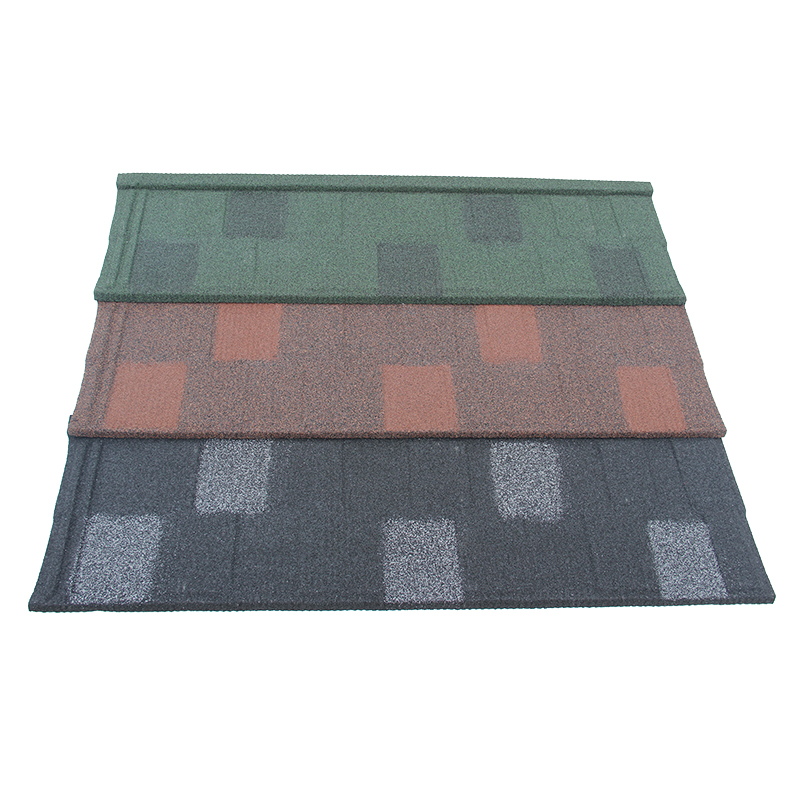
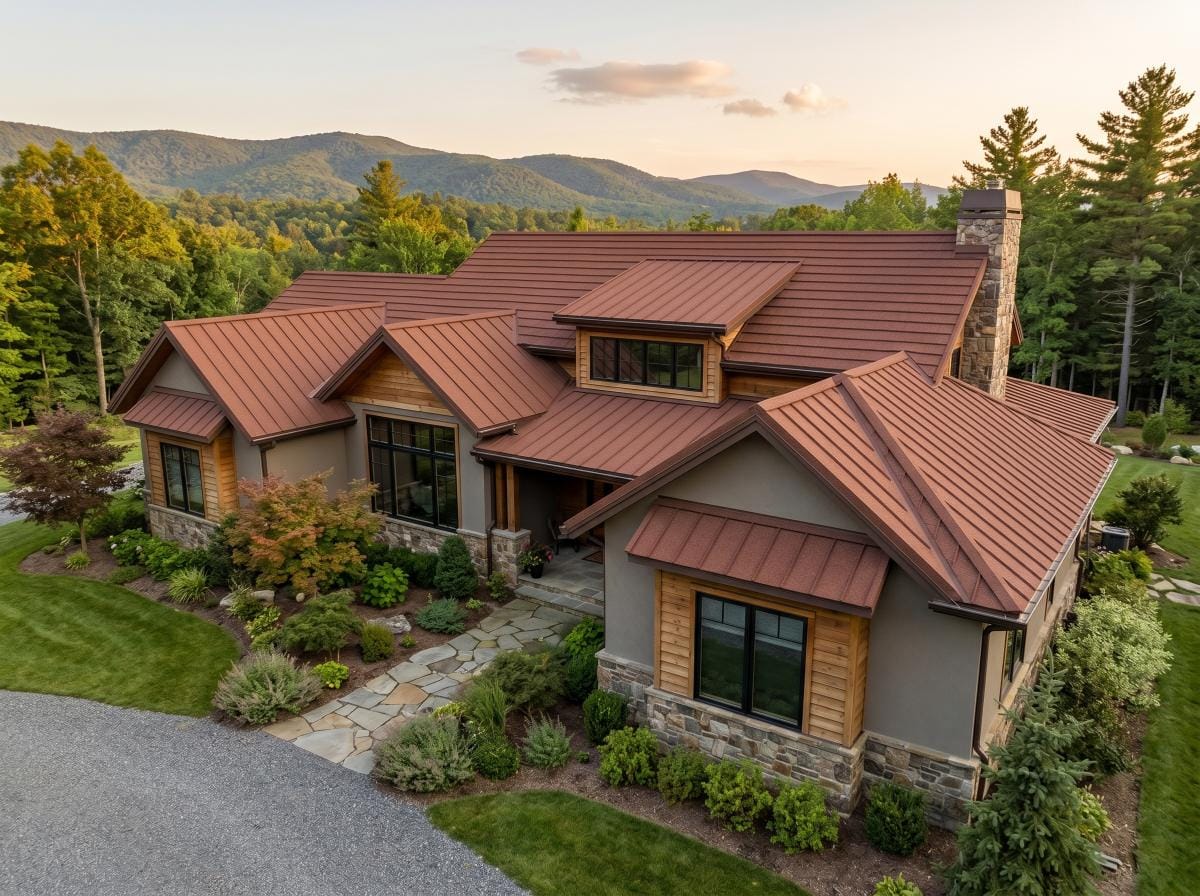
Strict fire safety represents a paramount concern for any commercial property owner. Stray embers from wildfires or even nearby fireworks pose a significant hazard. In fact, fireworks—even supposedly “safe” ones—are a serious danger for homeowners and commercial buildings. Metal roofing is noncombustible, so it won’t catch on fire if a stray ember or even a lit firecracker lands on it. All roofing comes with fire ratings from Underwriters Laboratories (UL). You want a roof that has earned a Class A fire rating from UL. This top rating means that your roof won’t ignite from fires originating outside the home. Furthermore, combustible roofing, such as wood shakes, is banned in some high-risk areas. To safely maintain that rustic wooden look on a commercial lodge, a metal Shake Tile is ideal. It beautifully provides the wood appearance but remains completely noncombustible and legally compliant.
Defending Against Severe Wind and Hail
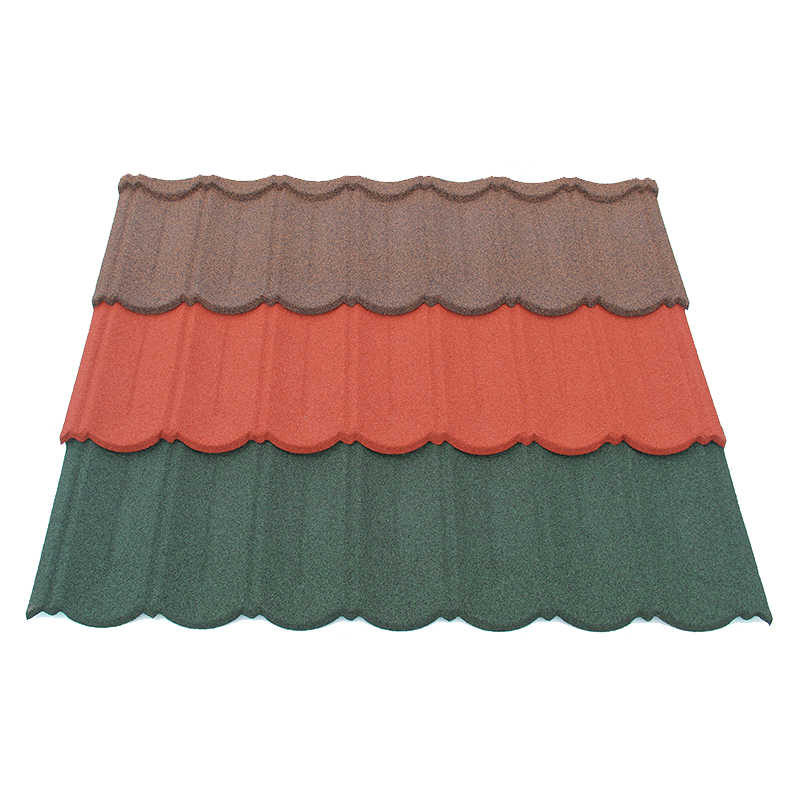
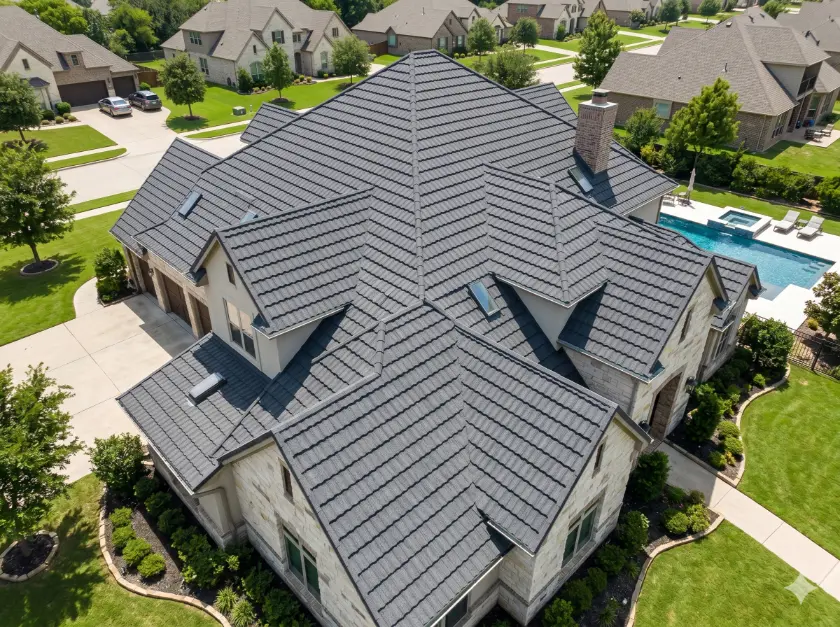
Commercial roofs must also aggressively withstand severe storms and high wind uplifts. Coastal industrial facilities require extremely robust protection against hurricane-force winds. Choose the right product, and you can enjoy warranty coverage for wind uplift, even in hurricane-force winds of 120 miles per hour. Furthermore, severe hailstorms cause billions of dollars in commercial property damage annually. Therefore, your selected roofing material must possess exceptionally high impact resistance. You should carefully look for a Class 4 impact resistance rating for hailstones and other storm debris. For projects requiring a traditional, sturdy look with maximum resilience, consider the Bond Tile profile. Its unique interlocking panels quickly create a continuous, weather-tight barrier against severe storms. This structural integrity prevents costly blow-offs during massive weather events.
Avoiding Common Procurement Mistakes in Commercial Roofing
Commercial procurement teams often fall into highly predictable traps during material selection. These common errors directly lead to massive budget overruns and compromised building integrity. You must proactively identify and actively avoid these common industry pitfalls. A truly strategic approach requires looking far beyond the immediate purchase order price. You must analyze the entire supply chain and the subsequent installation process. Let us examine the most frequent and costly mistakes made during commercial roofing procurement.
Ignoring Specific Installation Expertise Requirements
Many commercial buyers specify premium roofing materials but subsequently hire inexperienced general contractors. This dangerous disconnect virtually guarantees a completely failed commercial roofing project. Complex commercial roofing systems always require specialized training and specific installation tools. Therefore, you must ensure your local labor pool can easily handle the chosen material. A highly reliable manufacturer will proactively offer detailed installation manuals and training resources. You should always verify the roofing contractor’s official certification with the specific material. Ultimately, even a perfect material fails miserably if your crew installs it incorrectly.
Overlooking Hidden Maintenance and Lifecycle Costs
Another frequent procurement mistake involves completely ignoring the ongoing facility maintenance budget. Some traditional roofing materials demand expensive annual chemical treatments or frequent professional inspections. These hidden, recurring costs rapidly inflate the total cost of ownership over time. You must demand a clear, written maintenance schedule before finalizing any material purchase. High-quality metal roofing systems generally require little more than occasional basic debris removal. Consequently, they effectively preserve your ongoing maintenance budget for other critical facility upgrades. Always heavily rely on a strict 30-year cost projection to make an informed decision.
Calculating Total Cost of Ownership and Long-Term Value
Smart, experienced procurement professionals always evaluate roofs based on total cost of ownership. The absolute cheapest initial bid rarely translates to the most cost-effective long-term solution. You must meticulously calculate maintenance costs, energy savings, and replacement cycles over decades. A premium building material obviously requires a larger upfront capital expenditure from your budget. However, it quickly generates massive financial returns through drastically reduced operational expenses. Let us break down how to properly evaluate long-term commercial roofing ROI.
Evaluating Energy Efficiency and Operational Savings
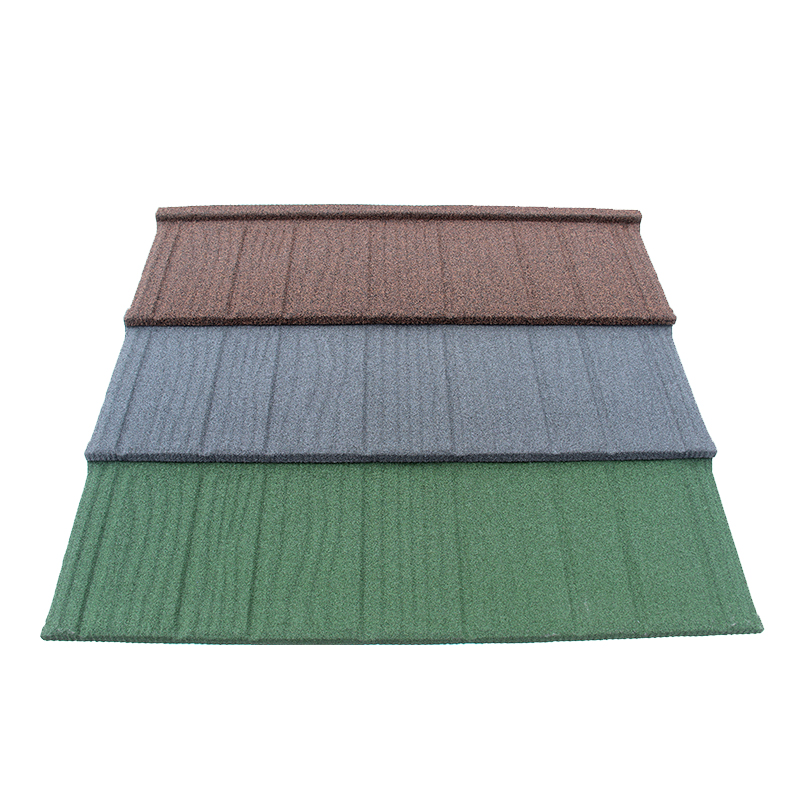
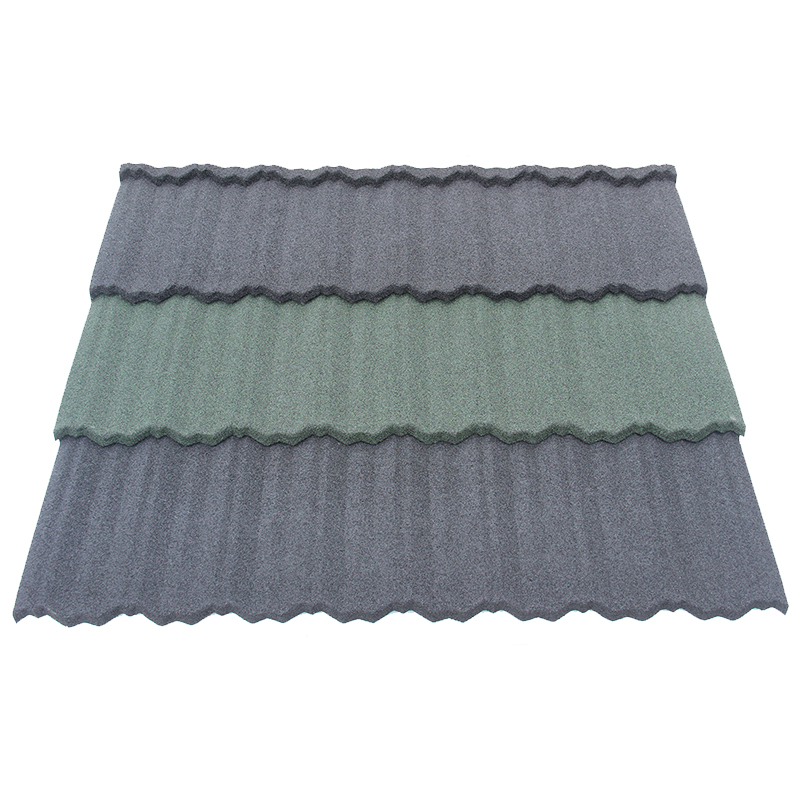
Massive commercial buildings naturally consume enormous amounts of energy for daily cooling. Therefore, specifying energy-efficient roofing materials drastically reduces your monthly operational utility costs. Premium metal roofs effectively reflect solar radiant heat rather than absorbing it into the building. This energy efficiency lowers warm-weather cooling costs by up to 25%. Over a 30-year commercial lifespan, these compounded utility savings become highly significant. Furthermore, you should heavily consider the future integration of commercial solar panels. A lightweight but sturdy construction easily handles heavy snowfall and solar panels. For residential-style commercial properties like nursing homes or community centers, a Shingle Tile profile works perfectly. It offers high energy efficiency while perfectly matching the surrounding neighborhood aesthetic.
Partnering with Reliable Manufacturing Experts
Your specific choice of manufacturing partner is just as critical as the material itself. You absolutely need a supplier capable of supporting large-scale, complex commercial installations. They must consistently provide rigorous quality control, reliable global shipping, and comprehensive warranties. Furthermore, expert technical support directly ensures your commercial contractors install the system flawlessly. When you strategically source from a highly reputable manufacturer like JCROOF, you eliminate supply chain risks. You gain a highly dedicated partner explicitly focused on your long-term project success. Ultimately, metal roofing lasts two to three times longer than traditional tiles, shakes, and shingles. This incredible asset longevity maximizes your commercial property’s ultimate market valuation and safety.