
As sustainable construction becomes a priority across residential, commercial, and public infrastructure projects, selecting the right stone coated metal roofing tile has become an important decision for architects, developers, contractors, and distributors. Roofing materials influence far more than a building’s appearance. They affect energy efficiency, maintenance costs, resource consumption, and the overall environmental impact throughout the building’s life cycle.
Modern green buildings require roofing systems that combine durability, energy performance, and responsible material selection. While traditional roofing materials still have their place, many developers now prefer roofing products that last longer, reduce waste, and require fewer replacements over several decades. These qualities not only support sustainability goals but also improve long term financial performance.
This guide explains why stone coated metal roofing tiles are becoming one of the preferred roofing materials for eco friendly buildings, what buyers should evaluate before making a purchasing decision, and how sustainable roofing contributes to long term project value.
Executive Summary
- Stone coated metal roofing tiles support sustainable construction through their long service life and recyclable steel base.
- Lightweight construction reduces structural material requirements and transportation emissions.
- Excellent durability minimizes replacement frequency and long term maintenance.
- Modern manufacturing delivers attractive roofing solutions for residential and commercial developments.
- Professional buyers evaluate life cycle value instead of focusing only on purchase price.
Why Sustainable Roofing Materials Matter More Than Ever
Green building standards continue to evolve around the world. Governments, developers, and investors increasingly recognize that sustainable construction is not limited to insulation or renewable energy systems. Roofing materials also play an important role because they protect the building for decades while influencing maintenance requirements and environmental performance.
A roofing system with a long service life reduces material consumption over time. Fewer replacements mean less construction waste, lower transportation demand, and fewer resources used throughout the building’s lifespan. These benefits make durable roofing materials an essential part of sustainable building strategies.
For developers and contractors, sustainable roofing also creates economic advantages. Buildings that require less maintenance often deliver lower operating costs and greater long term value for property owners.
Key Benefits of Sustainable Roofing
- Long operational lifespan.
- Reduced construction waste.
- Lower maintenance requirements.
- Improved building value.
- Better resource efficiency.
- Support for green building certification goals.
Comparison of Popular Roofing Materials
| Roofing Material | Expected Service Life | Recyclability | Maintenance | Sustainability Rating |
|---|---|---|---|---|
| Stone Coated Metal Roofing Tile | 40 to 70 Years | Excellent | Low | Excellent |
| Clay Tile | 50 Years+ | Moderate | Medium | Good |
| Concrete Tile | 40 to 50 Years | Moderate | Medium | Good |
| Asphalt Shingle | 15 to 30 Years | Limited | Higher | Fair |
| Metal Roofing Sheet | 30 to 50 Years | Excellent | Low | Very Good |
Why Stone Coated Metal Roofing Tiles Support Eco Friendly Construction
Stone coated metal roofing tiles combine the structural strength of steel with the natural appearance of traditional roofing materials. This unique combination allows builders to achieve both environmental and architectural objectives without compromising durability.
Unlike roofing materials that require frequent replacement, stone coated metal roofing tiles maintain their structural integrity for decades. This extended lifespan reduces the demand for new raw materials while lowering waste generated from renovation projects.
Another important advantage is transportation efficiency. Their lightweight design allows more roofing coverage per shipment, helping reduce fuel consumption during international logistics.
Recyclable Steel Construction
Steel remains one of the world’s most recyclable construction materials. At the end of its service life, the steel substrate can be recycled and returned to manufacturing instead of becoming landfill waste.
Reduced Structural Requirements
Because stone coated metal roofing tiles weigh significantly less than traditional concrete or clay tiles, buildings often require less structural support. This can reduce material consumption during construction while improving overall project efficiency.
Long Lasting Weather Protection
High quality aluminum zinc coated steel combined with durable natural stone granules provides excellent resistance to corrosion, rain, snow, ultraviolet exposure, and strong winds. Longer lasting roofing means fewer repairs and fewer replacements over time.
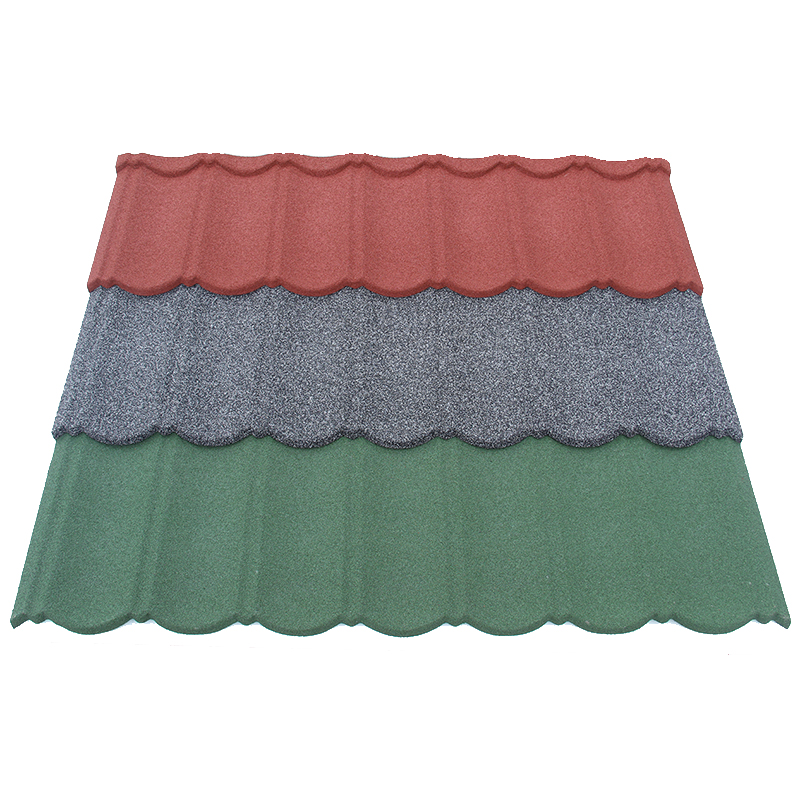
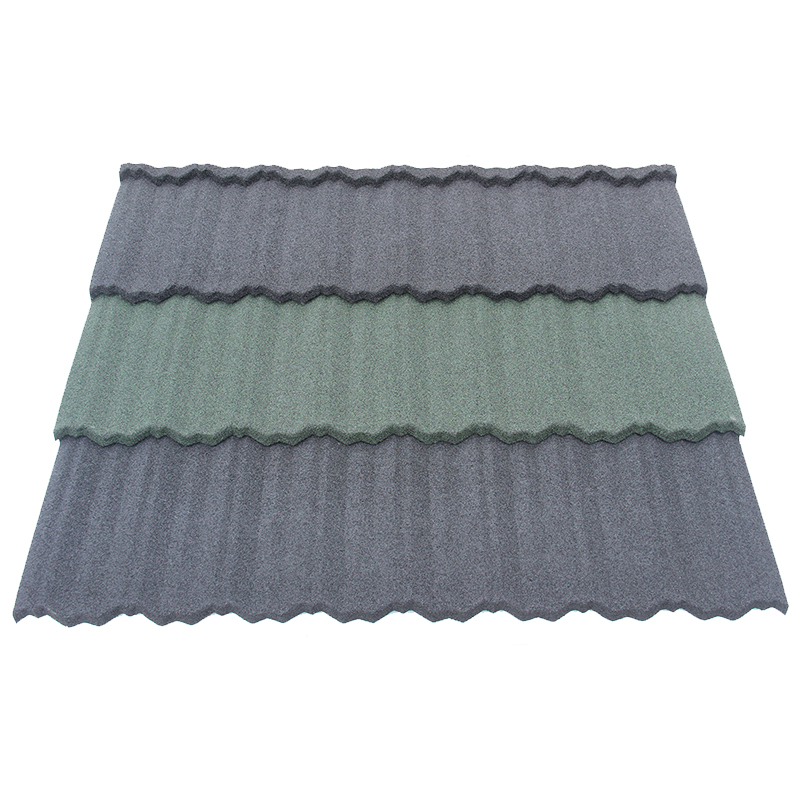
Many sustainable residential developments select Bond Tile because it offers a classic architectural appearance while delivering modern environmental performance.
How Sustainable Roofing Improves Building Performance Throughout Its Life Cycle
Eco friendly construction is no longer limited to reducing energy consumption during the design phase. Developers, architects, and investors now evaluate the entire life cycle of a building, from material sourcing to long term maintenance and eventual renovation. Roofing plays a significant role in this process because it is one of the building’s largest protective systems.
A durable roofing material helps extend the building’s service life while reducing maintenance requirements and replacement frequency. These advantages not only lower operating costs but also decrease the environmental impact associated with manufacturing, transportation, and construction waste.
Lower Maintenance Requirements
One of the greatest environmental benefits comes from durability. A roofing system that performs reliably for decades requires fewer repairs and replacements, reducing the consumption of new materials throughout the building’s lifetime.
Property owners also benefit from lower maintenance budgets, making sustainable roofing a financially attractive investment rather than simply an environmental decision.
Improved Energy Performance
A properly designed roofing system contributes to overall building efficiency by protecting insulation layers and helping regulate indoor temperatures. Combined with appropriate ventilation and insulation, durable roof tiles support more stable interior conditions throughout the year.
Reduced Transportation Impact
Lightweight roofing materials allow more square meters of coverage to be loaded into each shipping container. For international projects, this improves logistics efficiency and helps reduce transportation related emissions compared with heavier roofing products.
Long Term Asset Value
Buildings constructed with durable, low maintenance roofing systems often retain their value more effectively. Homeowners, commercial investors, and facility managers appreciate roofing materials that continue performing well decades after installation.
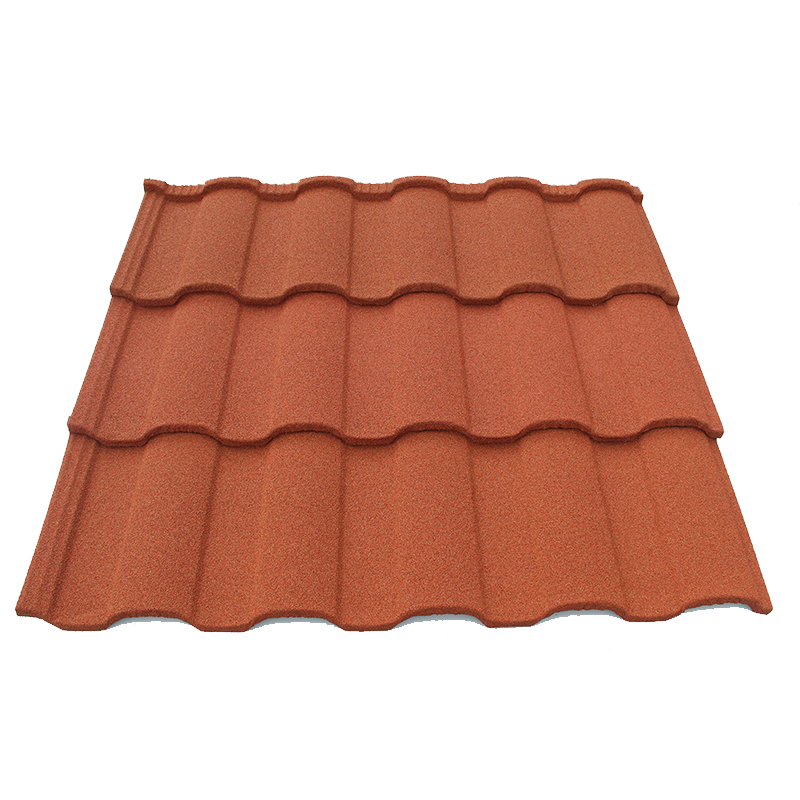
For projects inspired by classic European architecture, many developers specify Roman Tile because it combines timeless aesthetics with the long service life expected from modern sustainable roofing systems.
Market Insights: Why Sustainable Roofing Is Becoming a Global Priority
The global construction industry continues to move toward sustainable development. Governments are introducing stricter environmental regulations, investors increasingly prioritize responsible building practices, and property owners expect buildings that remain efficient throughout their operational life.
These trends have accelerated demand for roofing materials that deliver long lasting performance while reducing environmental impact. Rather than focusing only on upfront costs, developers now evaluate roofing systems based on life cycle value, maintenance savings, and long term durability.
Growing Investment in Green Buildings
Residential communities, office developments, educational facilities, and hospitality projects are increasingly designed with sustainability objectives in mind. Durable roofing materials help support these goals by reducing resource consumption over time.
Demand for Longer Lasting Materials
Replacing a roof requires significant labor, transportation, and construction resources. Materials that remain reliable for several decades reduce both operational costs and environmental impact, making them attractive for large scale developments.
Supply Chain Reliability Matters
Sustainability also depends on dependable manufacturing. Consistent product quality reduces material waste caused by defects or installation issues, while reliable production schedules help developers complete projects on time.
Many international contractors and distributors work with experienced manufacturers such as JCROOF, which focuses on consistent manufacturing standards, export quality control, and practical support for global roofing projects.
Modern Design Supports Sustainable Living
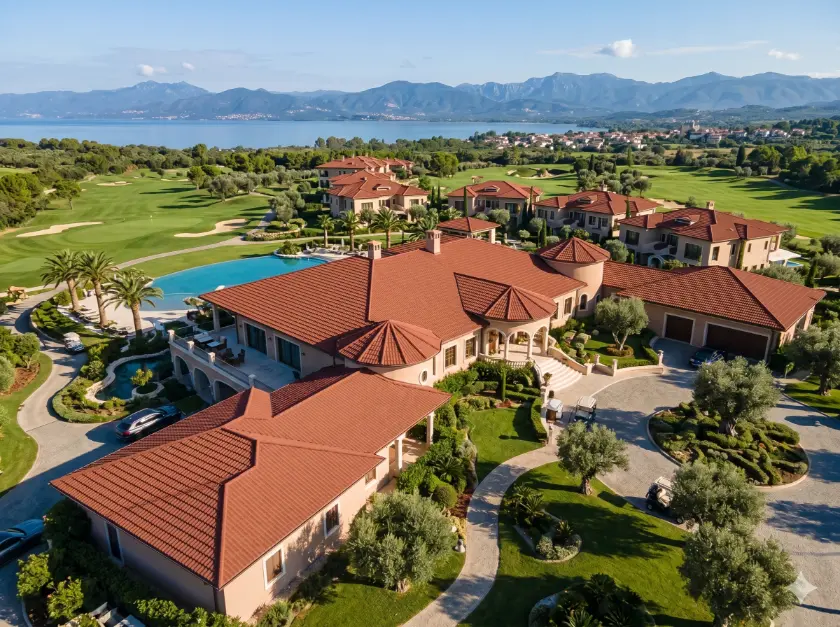
Environmental responsibility no longer requires compromising architectural design. Today’s stone coated metal roofing tiles are available in a wide range of profiles and colors, allowing developers to achieve both sustainability goals and attractive building aesthetics.
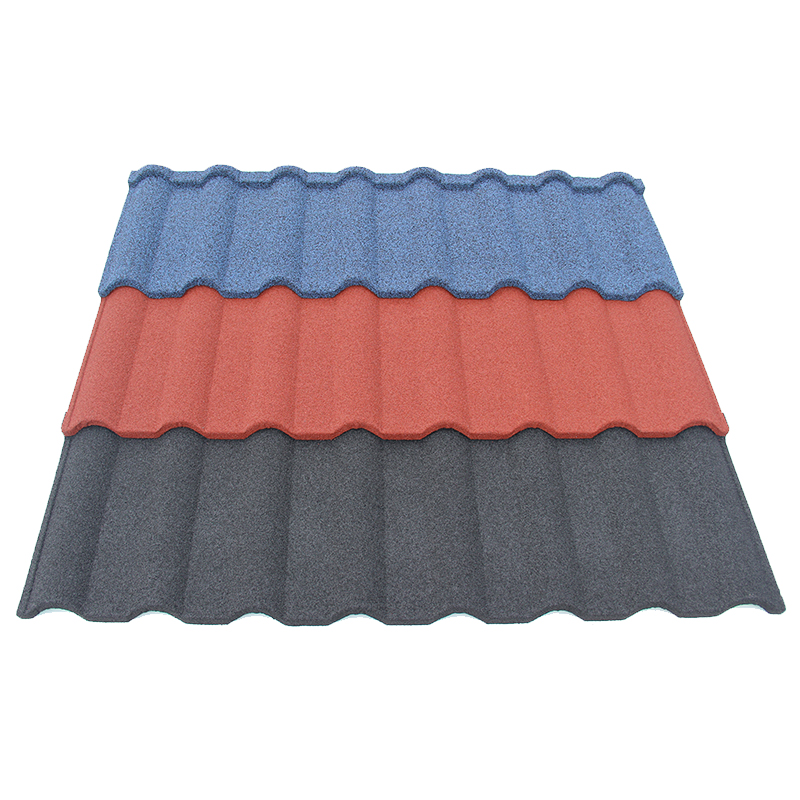
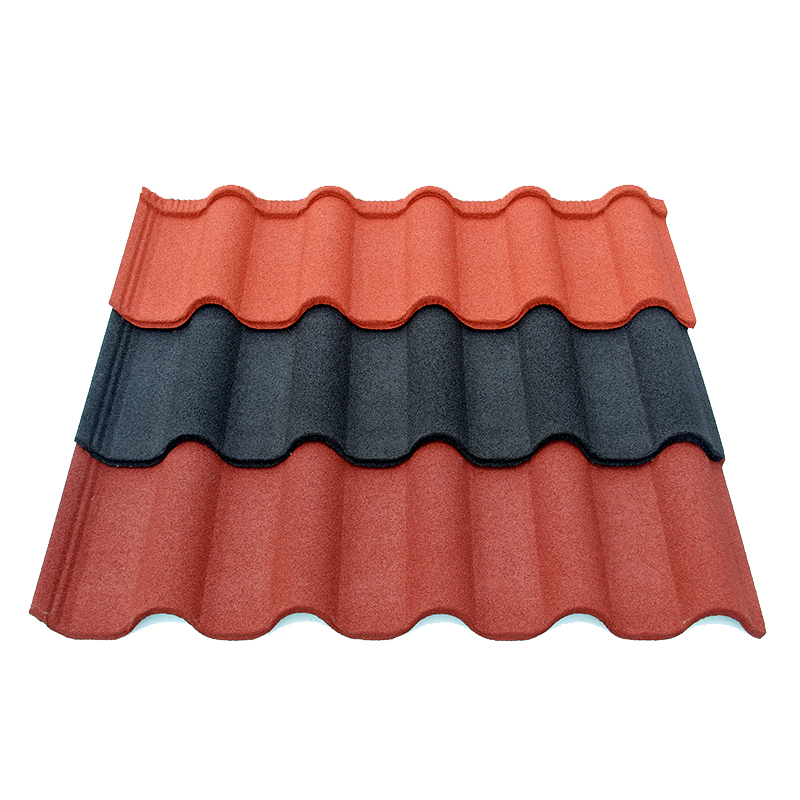
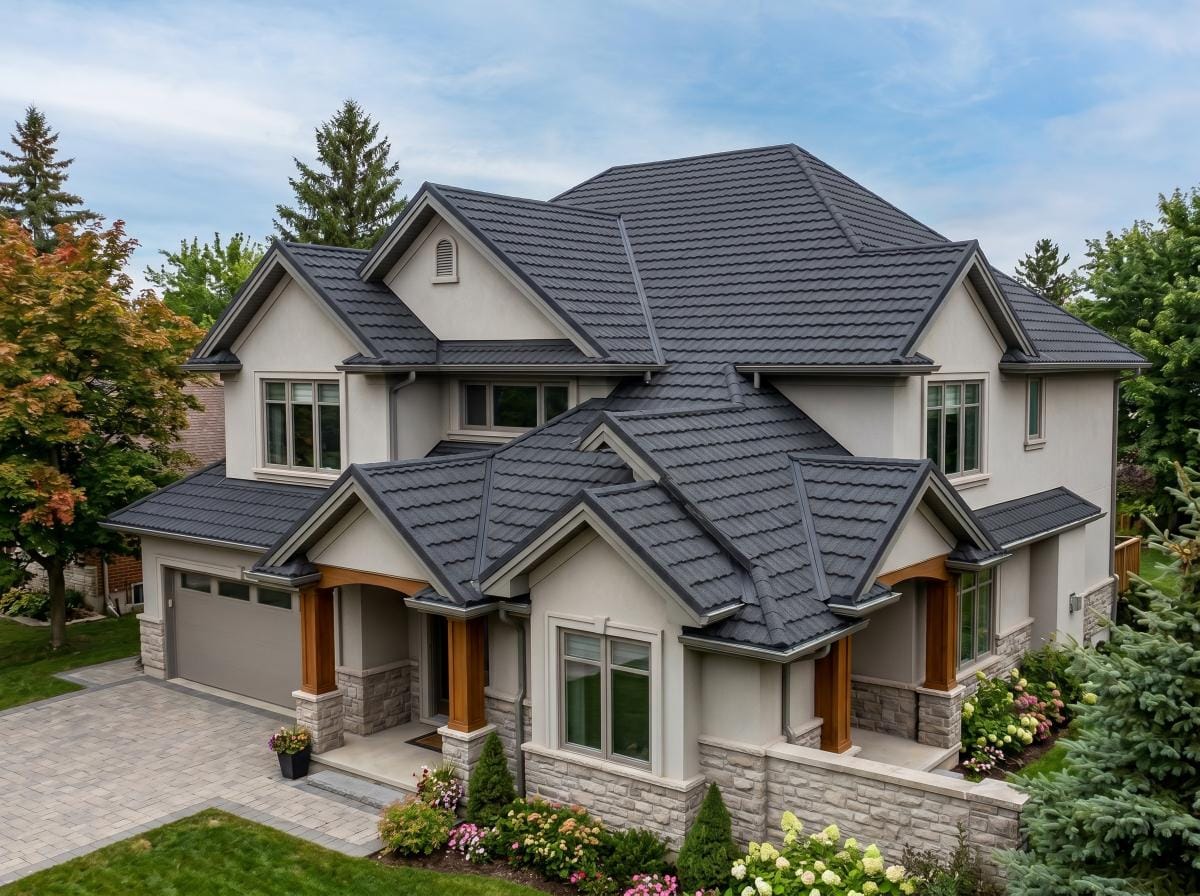
For contemporary residential projects, Milano Tile is frequently selected because its clean appearance complements modern architecture while maintaining excellent weather resistance.
Quick Buyer Checklist for Sustainable Roofing Projects
Before selecting a roofing supplier for an eco friendly building project, procurement teams should evaluate more than environmental claims. A comprehensive assessment helps ensure the roofing system delivers measurable value throughout its service life.
- ✔ Verify steel substrate quality and protective coating specifications.
- ✔ Confirm the expected service life under local climate conditions.
- ✔ Review corrosion resistance and weather performance reports.
- ✔ Evaluate manufacturing consistency and quality control procedures.
- ✔ Request product samples before approving large volume orders.
- ✔ Confirm packaging standards for international transportation.
- ✔ Review warranty coverage and technical support.
- ✔ Assess the supplier’s export experience and delivery capability.
Common Mistakes When Choosing Roofing Materials for Eco Friendly Buildings
Sustainability is now a major consideration in construction, but many purchasing decisions still focus too heavily on upfront costs. While price is always important, truly sustainable roofing should deliver environmental, operational, and financial benefits throughout the entire life cycle of a building.
Developers, contractors, and distributors can avoid unnecessary expenses by understanding the most common mistakes made during roofing material selection.
Choosing Materials with a Short Service Life
A roofing product that requires replacement after only a few decades consumes additional raw materials, transportation resources, and labor. Although the initial investment may appear lower, the total environmental impact is often much higher.
Long lasting roofing systems reduce waste and help buildings remain efficient throughout their operational life.
Ignoring Local Environmental Conditions
Sustainable construction should always consider the climate where the building is located. Heavy rainfall, coastal salt exposure, strong winds, or prolonged sunlight all influence roofing performance. Selecting materials designed for these conditions improves durability while reducing future repairs.
Overlooking Manufacturing Quality
Even environmentally responsible materials must be manufactured consistently. Poor quality control can lead to coating defects, dimensional variations, and premature product failure, creating unnecessary waste and increasing maintenance requirements.
Failing to Evaluate Total Ownership Cost
Many procurement teams compare only purchase prices. However, maintenance, repairs, transportation, installation efficiency, and expected service life all contribute to the total cost of ownership. Sustainable roofing should be evaluated over several decades rather than during the initial purchasing stage.
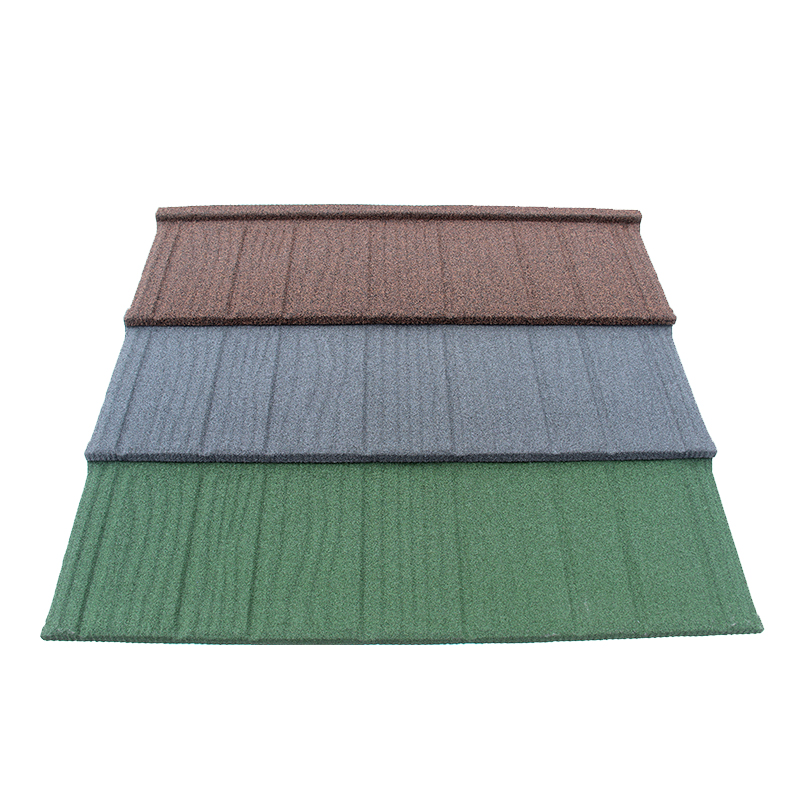
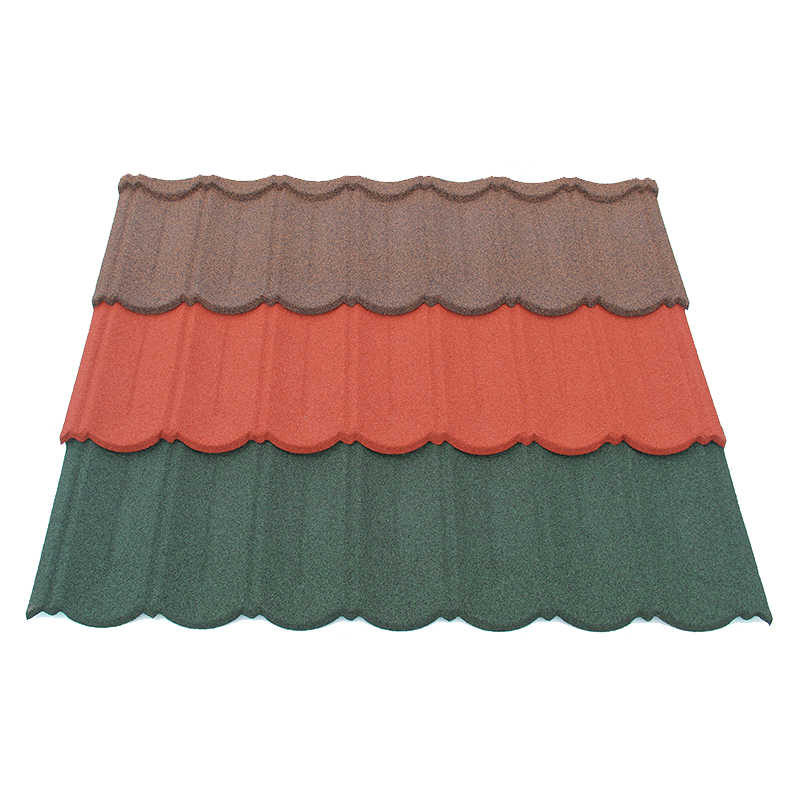
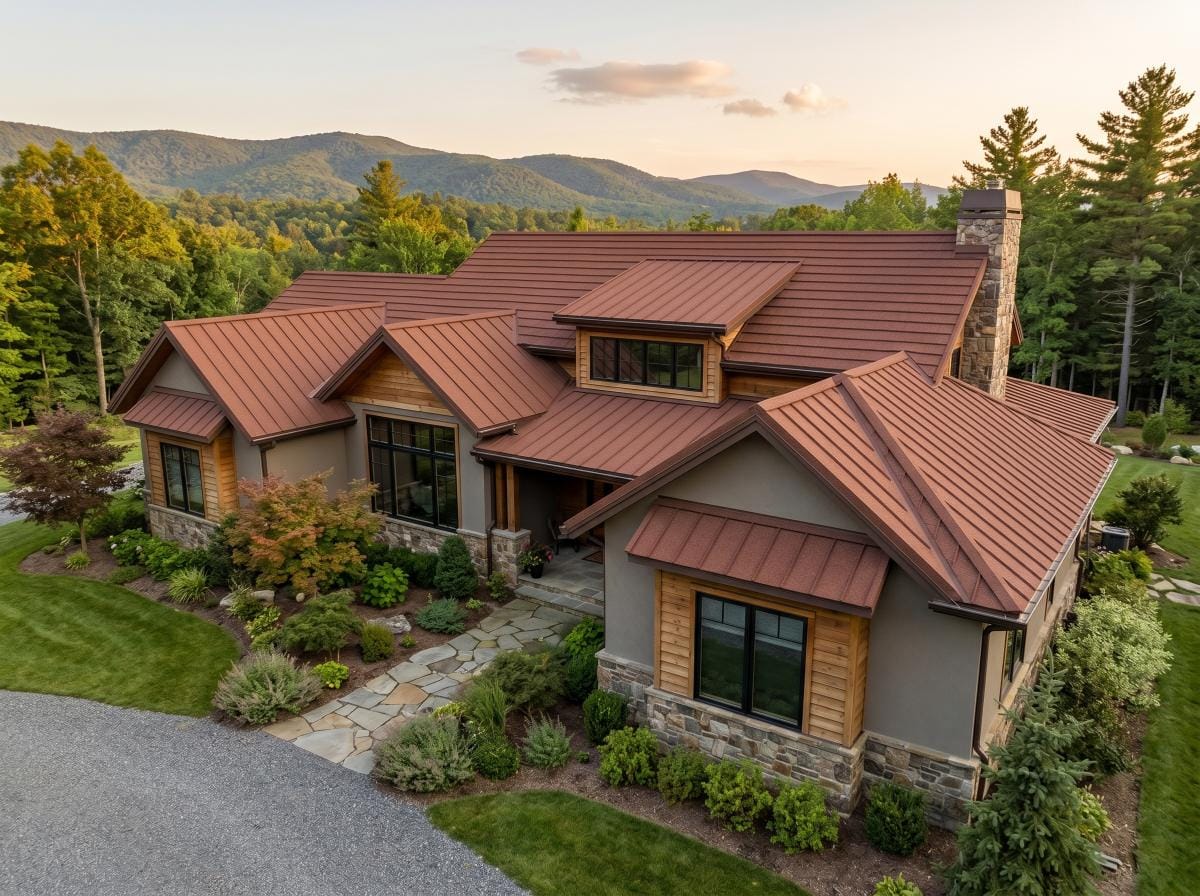
Projects designed to reflect the appearance of natural timber often incorporate Shake Tile. It provides the visual character of traditional wood roofing while offering superior durability and significantly lower maintenance.
Limiting Design Flexibility
Modern sustainable developments should appeal to different architectural styles without sacrificing environmental performance. Offering multiple roofing profiles allows developers to create distinctive communities while maintaining consistent construction quality.
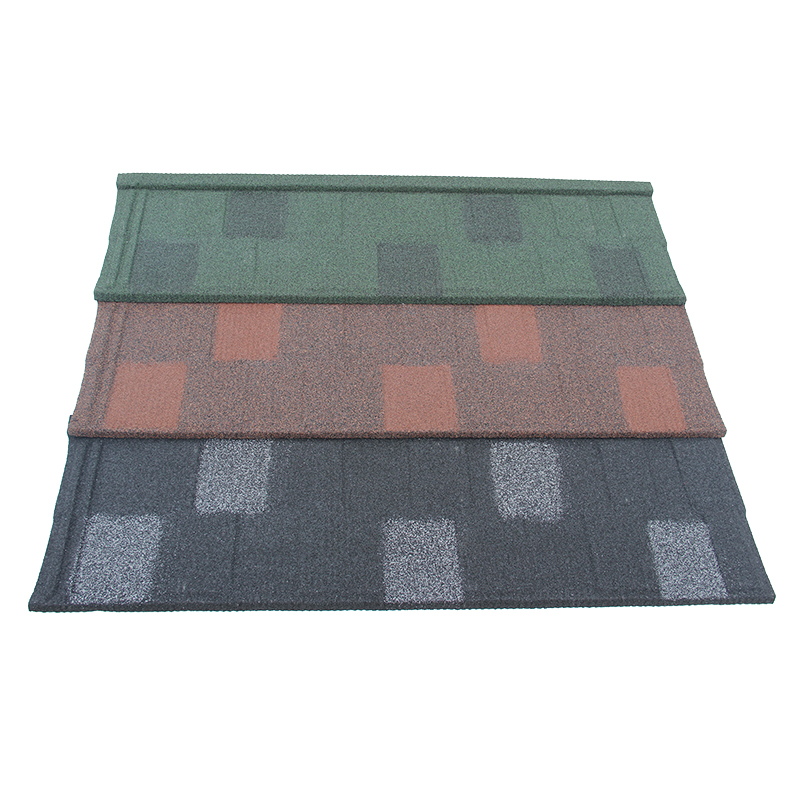
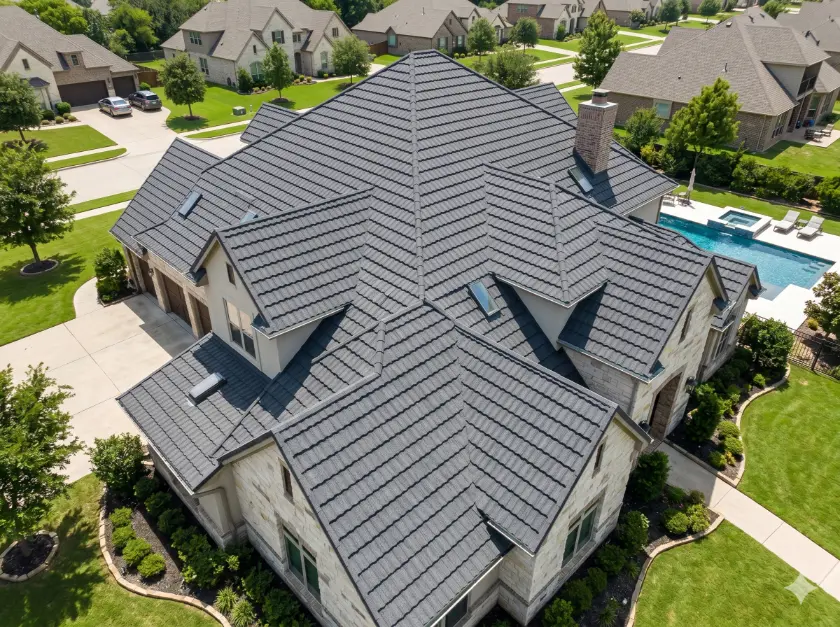
Many residential builders also specify Shingle Tile because its familiar appearance complements a wide variety of home designs while retaining the structural benefits of stone coated metal roofing.
Conclusion
Selecting roofing materials for eco friendly buildings requires balancing sustainability, durability, construction efficiency, and long term value. The most environmentally responsible solution is not always the product with the lowest purchase price. Instead, developers should consider how the roofing system performs throughout its entire service life.
Stone coated metal roofing tiles have become an increasingly popular choice because they combine recyclable steel construction, lightweight design, exceptional weather resistance, and a service life that can extend for decades. These advantages help reduce maintenance, minimize material waste, improve transportation efficiency, and support sustainable building objectives.
Whether the project involves residential communities, commercial developments, hospitality facilities, or public infrastructure, investing in durable roofing materials contributes to better environmental performance and stronger long term financial returns. By partnering with experienced manufacturers and selecting products that match local climate conditions, developers can build projects that remain attractive, reliable, and sustainable for generations.
Frequently Asked Questions
Why are stone coated metal roofing tiles considered environmentally friendly?
They use a recyclable steel substrate, provide a long service life, reduce replacement frequency, and generate less construction waste compared with roofing materials that require more frequent replacement.
Can sustainable roofing materials reduce maintenance costs?
Yes. Durable roofing systems require fewer repairs and replacements, helping property owners reduce maintenance expenses throughout the life of the building.
Are stone coated metal roofing tiles suitable for green commercial buildings?
Yes. They are widely used in residential, commercial, hospitality, educational, and public construction projects because they combine durability, architectural flexibility, and long term performance.
How do lightweight roofing materials support sustainability?
Lightweight roofing reduces transportation requirements, lowers structural loading, simplifies installation, and can decrease the amount of construction materials required for roof support systems.
What should buyers evaluate before selecting a sustainable roofing supplier?
Buyers should review manufacturing quality, corrosion resistance, expected service life, production capacity, certifications, export experience, warranty support, and technical service before making a purchasing decision.