
Choosing the right roofing material is one of the most important decisions in any renovation project. Whether you are upgrading an aging residential property, restoring a commercial building, or managing multiple renovation projects as a contractor, the roof directly affects structural safety, long-term maintenance costs, and property value. Among today’s available options, Stone Coated Metal Roofing Tile has become one of the fastest-growing solutions because it combines durability, lightweight construction, and attractive aesthetics in a single roofing system.
Unlike new construction, renovation projects present unique challenges. Existing roof structures often have weight limitations, local building codes may restrict certain materials, and project timelines are usually tighter. These factors make traditional roofing materials less suitable in many cases. Modern stone coated steel roofing addresses these concerns by providing exceptional weather resistance while significantly reducing structural load.
For distributors, builders, developers, and procurement professionals, selecting roofing materials is no longer just about the purchase price. It requires evaluating installation efficiency, maintenance costs, expected lifespan, warranty coverage, logistics, and regional climate performance. This guide explores today’s most popular roofing materials and explains why stone coated metal roofing continues to gain market share across renovation projects worldwide.
Why Roofing Material Selection Matters More in Renovation Projects
Roof renovation differs significantly from installing a roof on a new building. Existing structures have limitations that influence every material choice. Contractors must consider the remaining structural strength, transportation costs, installation complexity, and the owner’s long-term expectations before making recommendations.
Many renovation projects also aim to improve energy efficiency while minimizing disruption to occupants. Choosing an inappropriate roofing system can increase labor costs, require additional structural reinforcement, or shorten the roof’s service life. Therefore, material selection should always balance technical performance with total lifecycle value.
Structural Load Is Often the Biggest Challenge
Older homes and commercial buildings were designed according to building standards that may differ from today’s requirements. Heavy roofing materials such as traditional concrete or clay tiles often require structural reinforcement during replacement.
Lightweight roofing systems help avoid expensive modifications while reducing installation risks.
| Roofing Material | Approximate Weight | Suitable for Renovation |
|---|---|---|
| Concrete Tile | 45–60 kg/m² | Often requires reinforcement |
| Clay Tile | 40–55 kg/m² | May require structural upgrades |
| Asphalt Shingles | 10–15 kg/m² | Suitable for many projects |
| Stone Coated Metal Roofing Tile | 6–8 kg/m² | Excellent for renovation |
Installation Speed Directly Affects Project Costs
Labor shortages continue to affect construction industries worldwide. Faster installation means shorter project schedules, reduced labor expenses, and less inconvenience for building owners.
Because stone coated metal roofing panels are lightweight and engineered with interlocking systems, installers can complete projects much faster than traditional tile roofing.
Long-Term Maintenance Should Never Be Ignored
The lowest purchase price rarely produces the lowest ownership cost. Frequent repairs, cracked tiles, water leakage, and moss growth can dramatically increase maintenance expenses over the next 20 to 30 years.
Professional buyers increasingly evaluate roofing materials based on total lifecycle costs rather than initial investment alone.
Comparing the Most Popular Roofing Materials for Renovation
Every roofing material offers unique advantages. However, understanding their limitations helps contractors recommend the most suitable option for different renovation scenarios.
The following comparison highlights the strengths and weaknesses of today’s most commonly used roofing systems.
Asphalt Shingles
Asphalt shingles remain popular because of their low upfront cost and easy installation. They perform well in moderate climates but typically require replacement after 15–25 years depending on weather exposure.
- Affordable initial investment
- Simple installation
- Wide color selection
- Moderate lifespan
- Higher maintenance requirements
Clay and Concrete Roof Tiles
Traditional tiles offer classic architectural appearance and excellent fire resistance. However, their heavy weight often creates challenges during renovation projects.
- Beautiful traditional appearance
- Excellent durability
- Very heavy structure
- Higher transportation costs
- Longer installation time
Standing Seam Metal Roofing
Standing seam roofing delivers outstanding weather resistance and modern aesthetics. However, installation requires skilled technicians and specialized equipment.
- Long service life
- Excellent waterproof performance
- Modern architectural style
- Higher installation cost
Stone Coated Metal Roofing Tile
Stone coated metal roofing combines galvanized steel with natural stone granules, creating a roofing system that offers the appearance of traditional tiles while delivering the performance advantages of steel.
It is particularly suitable for renovation because it provides lightweight construction, excellent weather resistance, and minimal maintenance over decades of use.
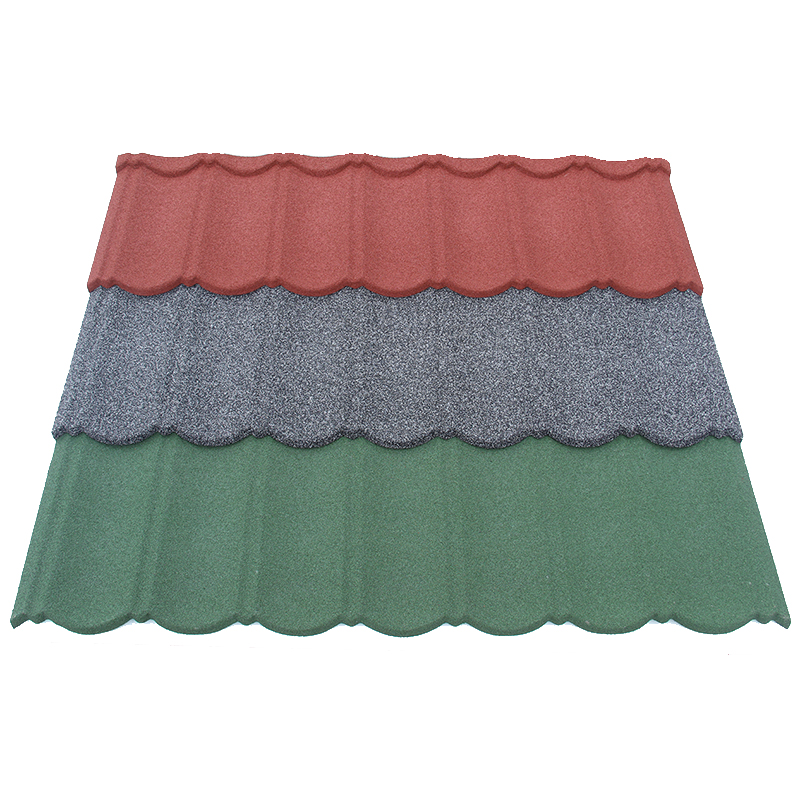
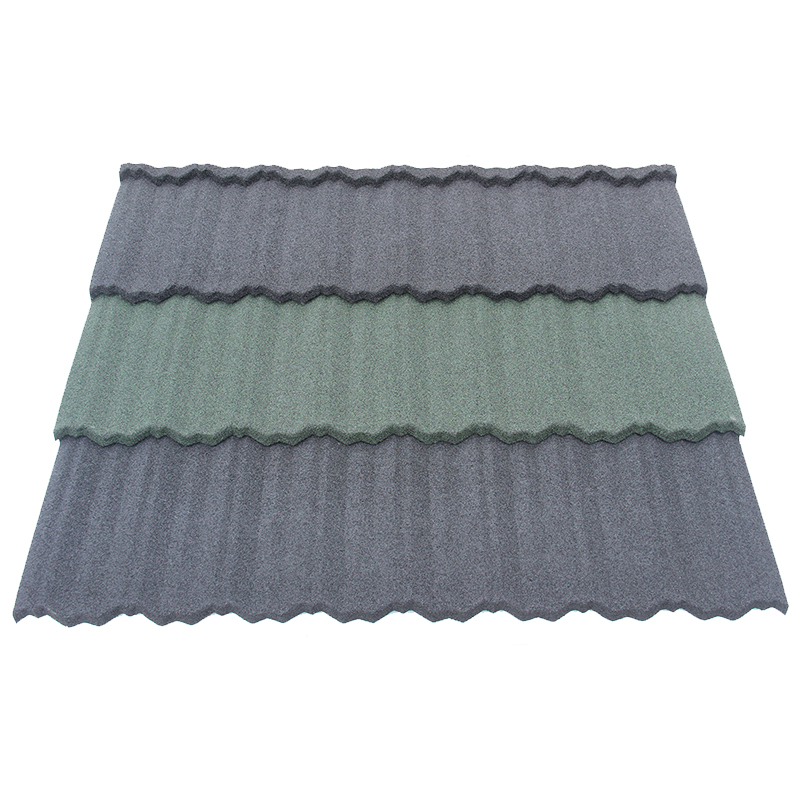
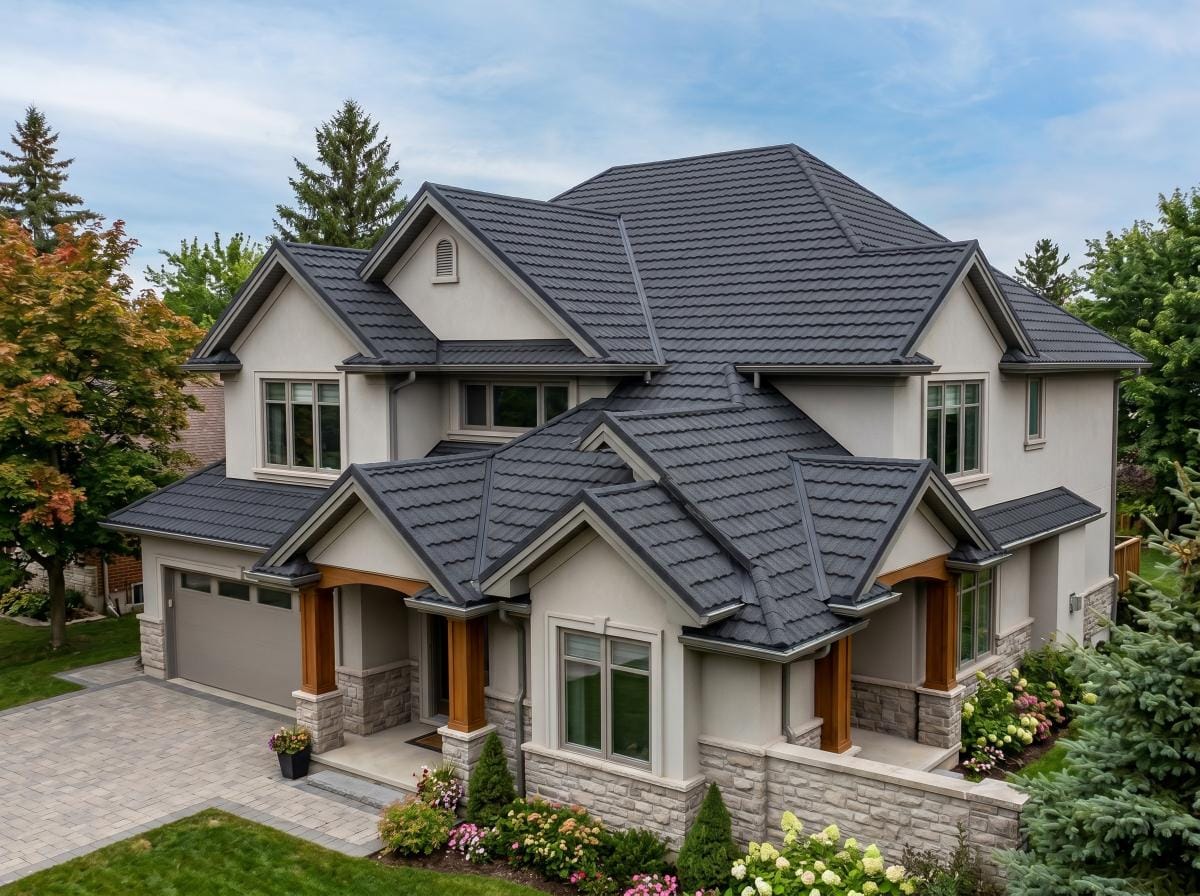
For homeowners seeking a traditional appearance, the Bond Tile profile delivers a timeless design while maintaining all the structural advantages of modern steel roofing.
Why Stone Coated Metal Roofing Tile Is the Best Investment for Renovation Projects
When evaluating roofing materials for renovation, professionals should look beyond appearance and initial cost. The ideal roofing system must reduce installation risks, improve long-term performance, and deliver measurable value throughout its service life. These are the reasons why Stone Coated Metal Roofing Tile has become a preferred solution for contractors, distributors, and project developers worldwide.
Unlike conventional roofing materials that often require compromises, stone coated metal roofing balances structural efficiency, weather resistance, attractive design, and lifecycle savings. This combination makes it particularly suitable for residential upgrades, commercial renovations, and public infrastructure projects.
Lightweight Design Reduces Structural Pressure
Many renovation projects involve aging buildings where roof framing cannot safely support heavy concrete or clay tiles. Reinforcing roof structures increases both construction costs and project duration.
Stone coated steel roofing typically weighs only 6–8 kg per square meter. This significantly reduces structural load while allowing contractors to complete replacements without extensive reinforcement.
- Lower dead load on existing structures
- Reduced transportation expenses
- Safer installation process
- Suitable for large-scale reroofing projects
Excellent Performance in Extreme Weather
Roofing materials should withstand decades of exposure to changing climates. High winds, heavy rainfall, snow accumulation, hail, and UV radiation all accelerate roof deterioration.
Stone coated metal roofing combines galvanized steel with natural stone granules to provide outstanding resistance against harsh environmental conditions.
| Performance Factor | Stone Coated Metal Roofing | Traditional Roofing |
|---|---|---|
| Wind Resistance | Excellent | Moderate |
| Corrosion Resistance | Excellent | Depends on material |
| Impact Resistance | High | Medium |
| UV Stability | Excellent | Moderate |
| Expected Service Life | 40–50+ Years | 15–35 Years |
Lower Lifetime Ownership Cost
Although premium roofing materials require a higher initial investment, they often generate substantial savings over time. Fewer repairs, minimal maintenance, and longer replacement cycles reduce the total cost of ownership.
This is one reason why procurement teams increasingly calculate lifecycle costs instead of focusing only on material prices.
Architectural Flexibility
Modern renovation projects involve a wide variety of architectural styles. Stone coated metal roofing offers multiple profiles that replicate traditional roofing while providing the structural advantages of steel.
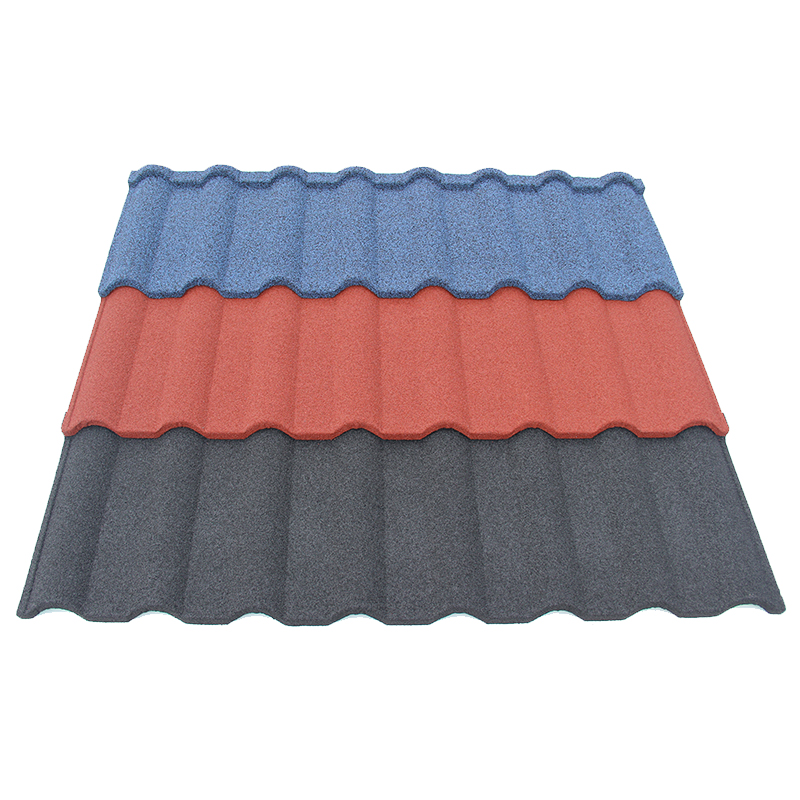
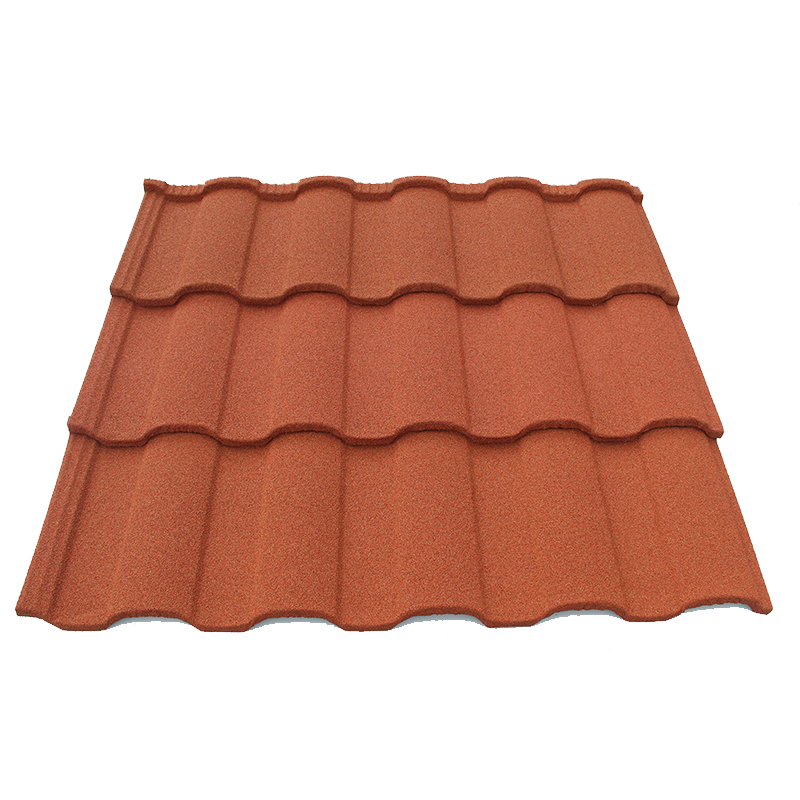
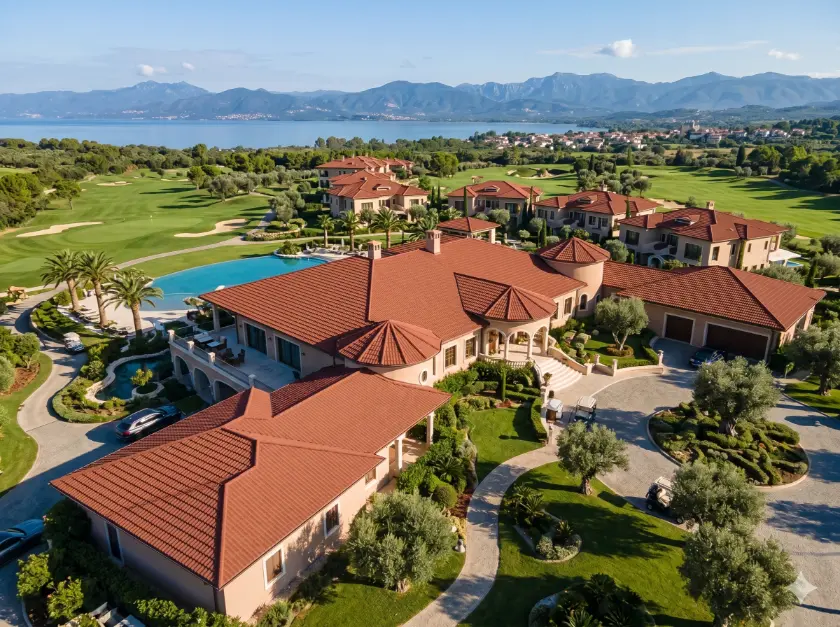
For heritage-style homes and villas, the Roman Tile creates a timeless appearance without the weight of conventional clay tiles.
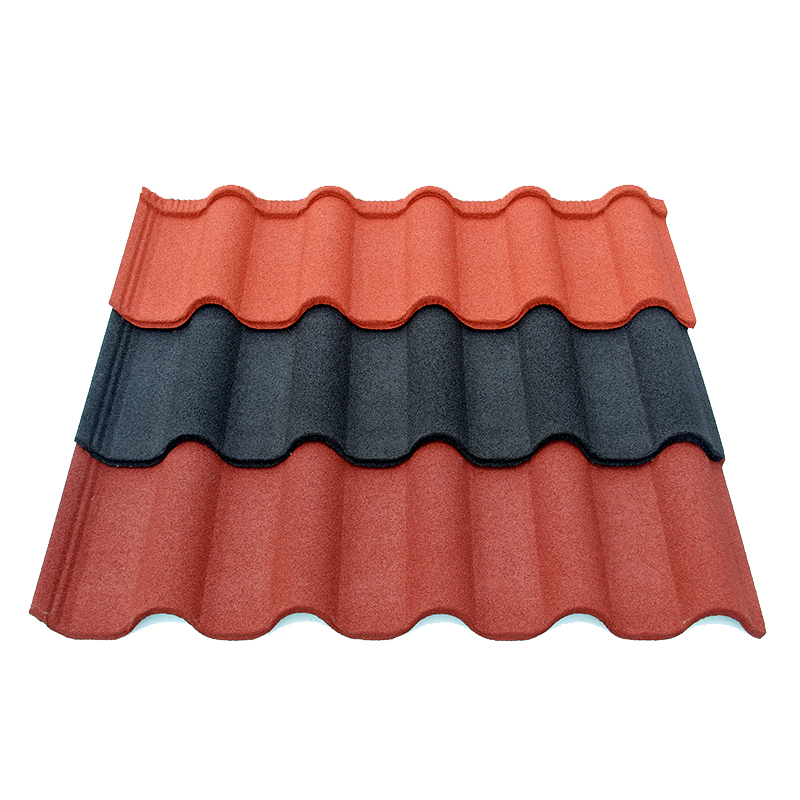
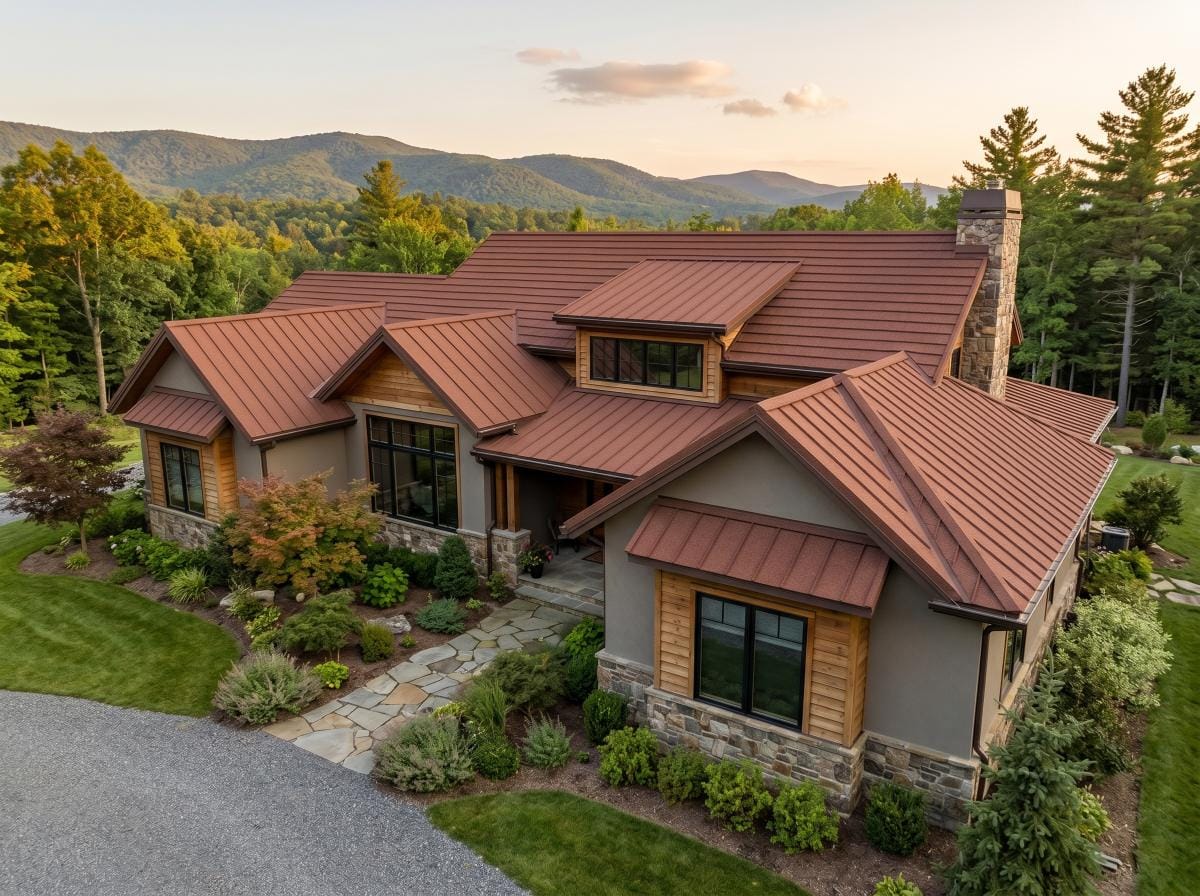
Contemporary residential projects often prefer the clean lines of the Milano Tile, which combines modern aesthetics with excellent weather performance.
How Buyers Should Evaluate Roofing Materials Before Purchasing
Every renovation project has different priorities. Some focus on minimizing costs, while others emphasize durability, energy efficiency, or architectural appearance. Professional buyers should evaluate roofing materials using multiple criteria rather than relying on a single specification.
A structured evaluation process helps reduce procurement risks and ensures better long-term project performance.
Evaluate Climate Conditions
Climate is one of the first factors to consider when selecting roofing materials.
- Coastal regions require superior corrosion resistance.
- Hurricane-prone areas demand high wind performance.
- Snow regions need roofing systems with excellent load capacity.
- Hot climates benefit from reflective roofing surfaces that reduce heat absorption.
Consider Building Structure
Older buildings may not support heavy roofing systems without reinforcement. Lightweight materials simplify installation and reduce engineering costs.
Review Installation Efficiency
Labor costs continue to increase in most construction markets. Roofing systems that install quickly help contractors complete more projects while reducing disruption for property owners.
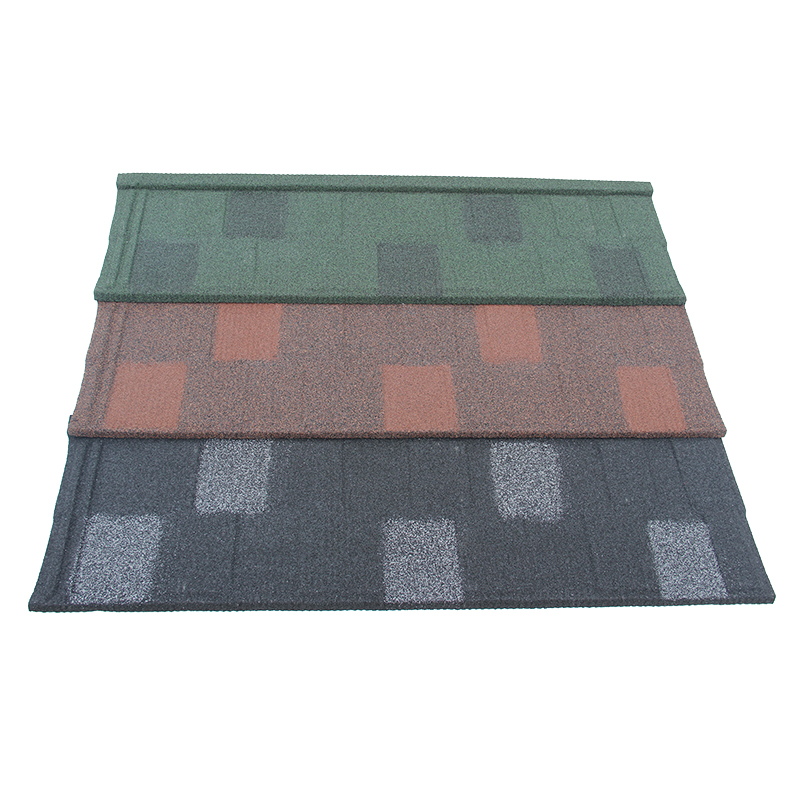
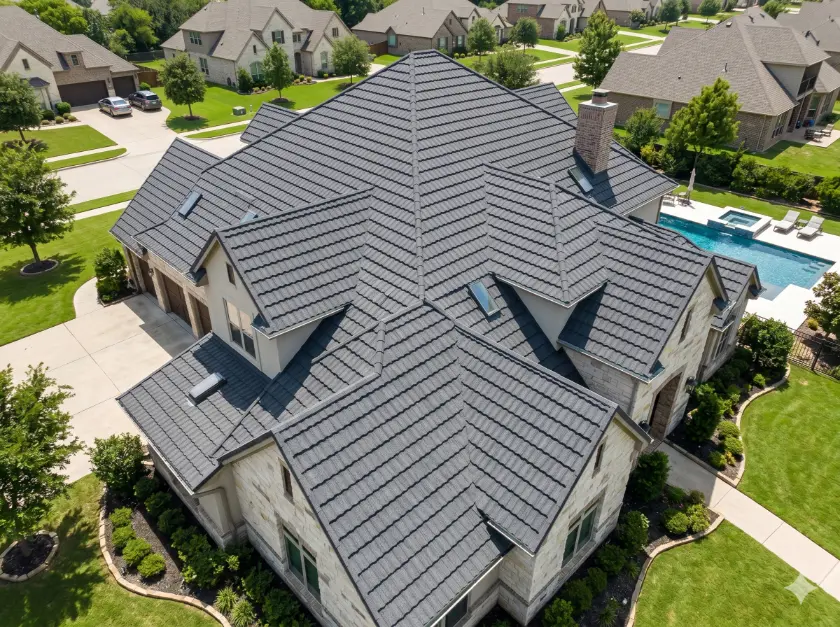
The Shingle Tile profile is frequently selected for residential renovation because its familiar appearance makes it suitable for neighborhoods where maintaining architectural consistency is important.
Assess Supplier Capabilities
Choosing the right manufacturer is as important as selecting the roofing material itself.
Reliable suppliers should provide:
- Stable production capacity
- Consistent quality control
- International certifications
- Export experience
- OEM and private label support
- Professional technical assistance
- Reliable delivery schedules
For international distributors and contractors, manufacturers such as JCROOF have earned recognition by focusing on stone coated metal roofing systems, automated production, strict quality management, and reliable export services for projects in diverse climate conditions. Rather than simply supplying roofing products, experienced manufacturers can also assist buyers with profile selection, packaging optimization, and project-specific recommendations.
Real-World Renovation Scenarios: Choosing the Right Roofing Solution
Every renovation project has unique challenges. Building age, local climate, structural limitations, and budget all influence the final roofing decision. Understanding these real-world scenarios helps buyers select a roofing system that delivers the best long-term value instead of simply choosing the lowest initial price.
Experienced contractors rarely recommend the same roofing material for every project. Instead, they evaluate the property’s condition and expected service life before making recommendations.
Residential Roof Replacement
Homeowners typically want three things: an attractive appearance, minimal maintenance, and a roof that lasts for decades.
Stone coated metal roofing meets these expectations while reducing structural stress on older homes. Since the panels are lightweight, installation often requires fewer structural modifications than concrete or clay roofing.
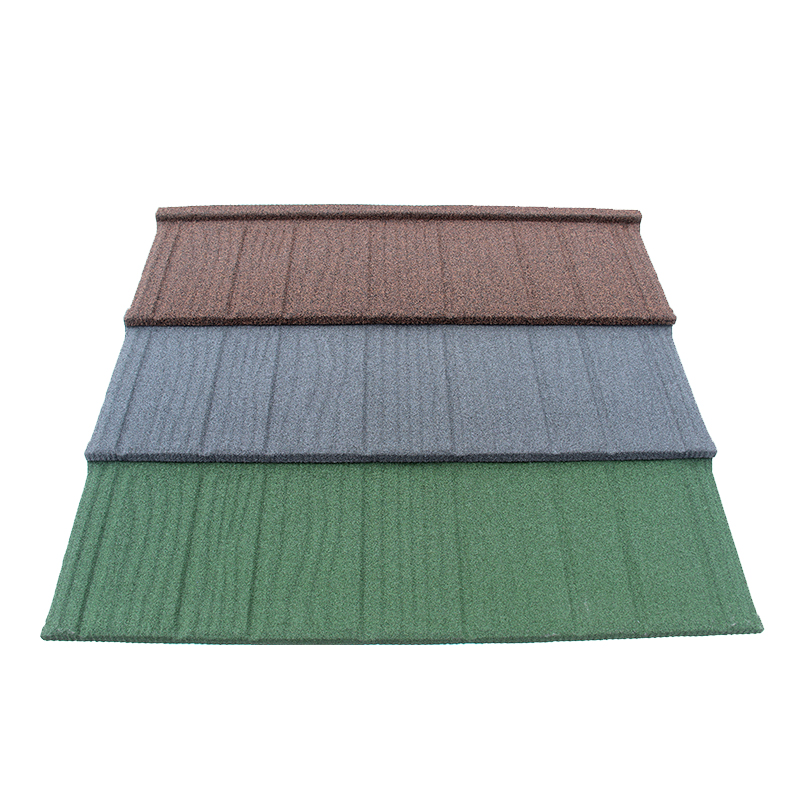
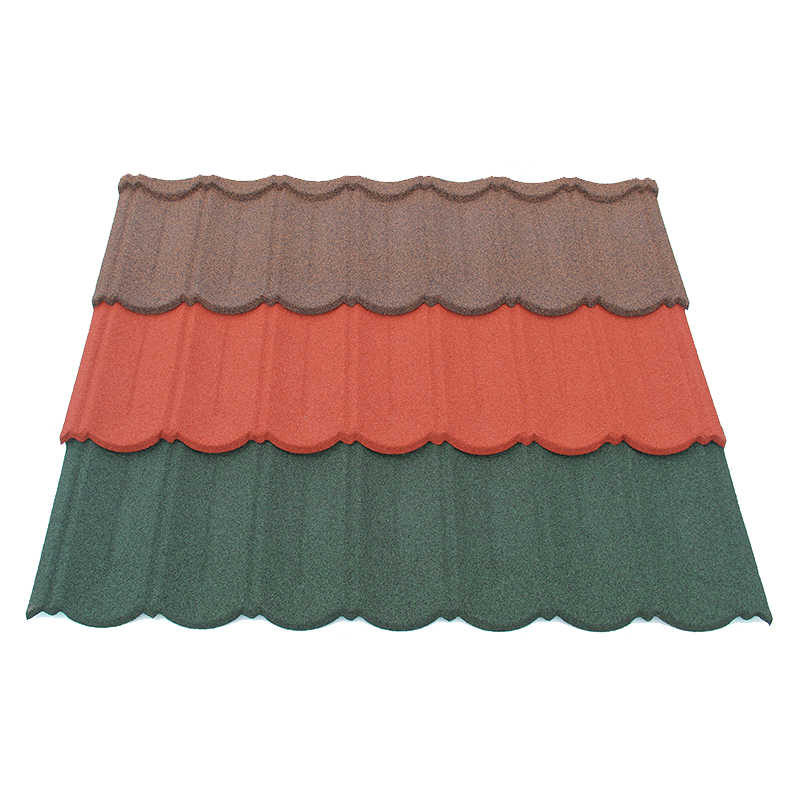
For homeowners seeking a natural wood-inspired appearance without the maintenance requirements of timber shingles, the Shake Tile offers an excellent balance between traditional aesthetics and modern durability.
Commercial Building Renovation
Commercial projects usually prioritize operational efficiency and lifecycle costs.
A roofing system that minimizes future maintenance helps reduce business interruptions while lowering long-term ownership expenses. Lightweight roofing also shortens installation schedules, allowing commercial facilities to resume normal operations more quickly.
Government and Public Infrastructure Projects
Schools, hospitals, and public buildings often require roofing systems capable of performing for several decades with minimal maintenance.
Stone coated metal roofing satisfies these requirements by combining corrosion resistance, impact resistance, and long service life. This makes it suitable for projects where maintenance budgets are limited.
Common Mistakes Buyers Should Avoid When Selecting Roofing Materials
Many procurement mistakes occur because buyers focus only on purchase price. A roofing system should always be evaluated based on total project value rather than material cost alone.
Choosing the Cheapest Material
Lower-priced roofing products often require more frequent repairs or earlier replacement. Over the lifetime of a building, these additional costs can exceed the savings made during procurement.
Ignoring Climate Conditions
A roofing material that performs well in dry climates may not withstand coastal corrosion, hurricanes, or heavy snowfall. Climate should always be one of the first considerations during material selection.
Overlooking Installation Costs
Some roofing systems appear inexpensive until labor costs are included. Heavy materials usually require additional manpower, longer installation periods, and more structural preparation.
Selecting an Inexperienced Supplier
Reliable supply chains are essential for large renovation projects. Before placing an order, buyers should evaluate the manufacturer’s production capacity, export experience, quality certifications, and after-sales support.
Roofing Material Evaluation Checklist
- ✔ Confirm structural load requirements.
- ✔ Compare total lifecycle costs instead of purchase price.
- ✔ Review local climate performance.
- ✔ Verify product certifications.
- ✔ Evaluate warranty coverage.
- ✔ Check supplier production capacity.
- ✔ Confirm delivery schedule.
- ✔ Review previous international project experience.
Conclusion
Selecting the best roofing material for a renovation project requires balancing performance, durability, installation efficiency, and long-term value. While asphalt shingles, clay tiles, concrete tiles, and standing seam metal roofing each have their advantages, Stone Coated Metal Roofing Tile provides one of the most balanced solutions for modern renovation projects.
Its lightweight structure minimizes stress on existing buildings, while its exceptional resistance to wind, corrosion, impact, and UV exposure helps reduce maintenance costs over decades of service. These advantages make it an increasingly popular choice for homeowners, contractors, distributors, and project developers around the world.
For buyers planning residential, commercial, or public building renovations, selecting an experienced manufacturer and investing in a high-quality roofing system will deliver greater value throughout the building’s lifecycle.
Frequently Asked Questions
Is stone coated metal roofing suitable for older buildings?
Yes. Its lightweight construction makes it ideal for renovation projects where existing roof structures cannot support heavy concrete or clay tiles.
How long does stone coated metal roofing last?
A high-quality stone coated metal roofing system can typically provide 40 to 50 years of reliable service with minimal maintenance when installed correctly.
Can stone coated metal roofing withstand hurricanes?
Yes. Most premium systems are engineered to resist high wind speeds and severe weather, making them suitable for hurricane-prone and coastal regions.
Does stone coated metal roofing require frequent maintenance?
No. Compared with many traditional roofing materials, it requires very little maintenance, helping reduce lifetime ownership costs.
Is stone coated metal roofing a good investment?
Although the initial investment may be higher than asphalt shingles, its longer lifespan, lower maintenance costs, and superior durability often result in a lower total cost of ownership.