
Procurement managers and commercial builders face escalating challenges in today’s volatile climate. Severe coastal storms and extreme wind events cause billions of dollars in structural damage annually. Therefore, selecting the best roofing materials for high-wind areas represents a critical engineering and financial decision. You cannot simply rely on standard building materials when developing projects in hurricane zones. High-velocity winds create immense aerodynamic stress on commercial building envelopes. If you specify inferior materials, you risk catastrophic blow-offs and massive water intrusion. Consequently, these sudden failures completely ruin your professional reputation and severely drain your operating budget. Forward-thinking B2B buyers must deeply understand how extreme winds dictate architectural material selection. This comprehensive guide explores vital engineering considerations for commercial construction buyers operating in stormy regions. We will thoroughly analyze specific aerodynamic threats and highly effective engineered material solutions. Ultimately, this specific knowledge ensures your global supply chain remains highly resilient and profitable.
Evaluating Wind Uplift Physics and Structural Threats
You must clearly understand the actual physics of wind damage before evaluating any building products. Wind does not simply push against a commercial building in a straight line. Instead, high-velocity air currents hit the exterior walls and rapidly travel upward. This fast-moving air flows over the roof edge and creates a massive aerodynamic vacuum above the building. This specific vacuum effect generates intense negative pressure, known in the industry as wind uplift. Procurement teams must understand exactly how this invisible thermal stress impacts overall structural integrity. You must proactively source building materials that aggressively resist this relentless upward pulling force. Furthermore, you must ensure the underlying structural roof deck can handle these extreme dynamic loads. Let us carefully examine the specific mechanisms of wind-related material failure and procurement solutions.
Understanding Positive and Negative Pressure Dynamics
During a massive hurricane, buildings experience both positive pushing forces and negative pulling forces simultaneously. The positive pressure slams directly into the windward side of the commercial structure. Meanwhile, the negative pressure acts like a massive vacuum cleaner on the leeward side and the roof. Standard overlapping roofing materials simply cannot handle this extreme combination of push and pull forces. The wind easily slips underneath loose edges and instantly rips the material away from the deck. Therefore, you must specify materials that create a completely sealed, unified aerodynamic surface. By eliminating vulnerable entry points for wind, you effectively neutralize the dangerous uplift effect.
Assessing Catastrophic Debris Impact Risks
High winds rarely travel alone during severe tropical storms or major tornadoes. They consistently carry dangerous, heavy flying debris like broken tree branches and loose construction materials. This high-speed flying debris acts like structural shrapnel, severely impacting your commercial roof. Traditional brittle materials completely shatter upon impact, immediately exposing the vulnerable waterproof underlayment. Once the underlayment breaches, massive water intrusion destroys the valuable interior commercial property. Consequently, your chosen material must possess exceptionally high impact resistance alongside wind resistance. You should carefully look for a Class 4 impact resistance rating to ensure maximum safety.
Analyzing the Performance of Common Roofing Materials
The global construction market offers numerous materials for commercial roofing applications today. Each distinct material possesses specific advantages and some inherent structural vulnerabilities against high winds. You must objectively evaluate these options against your exact regional storm performance criteria. We strongly advise quickly moving beyond basic marketing claims during this critical analysis. Instead, you should demand verifiable performance data and certified laboratory wind testing reports. Let us examine how different popular materials perform under rigorous commercial wind conditions.
The Dangerous Limitations of Asphalt Shingles
Many budget-conscious contractors traditionally utilize basic asphalt shingles for light commercial projects. These flexible materials are generally inexpensive and fast to install initially. However, they frequently suffer from massive and costly structural failures during severe wind events. Standard asphalt tabs rely entirely on a weak adhesive strip and minimal nailing for security. High winds easily break this weak adhesive seal and instantly peel the shingles backward. You must budget heavily for regular professional inspections and frequent patch repairs after every storm season. Ultimately, their relatively short lifespans often negate the initial upfront cost savings completely.
The Hazards of Heavy Clay and Concrete Tiles
Conversely, many upscale developers specify traditional clay or concrete tiles for their heavy weight. They incorrectly assume that a heavier roof automatically provides superior wind resistance. Unfortunately, extreme hurricane winds can still easily lift these heavy tiles if improperly fastened. When these massive tiles blow off, they instantly become incredibly dangerous, heavy flying projectiles. Furthermore, their extreme structural weight requires highly expensive, reinforced structural timber framing. You rapidly inflate your initial construction budget without actually guaranteeing true wind safety. Therefore, you must find a smarter engineering alternative that offers strength without the massive weight.
Critical Engineering Features for Wind Resistance
Modern material engineering provides innovative solutions to combat extreme weather events globally. Stone-coated metal roofing offers exceptional and proven durability for commercial high-wind applications. This innovative material combines the structural tensile strength of steel with intelligent physical fastening designs. It completely resists lifting, cracking, and tearing under harsh environmental wind stress. Procurement managers must analyze the specific structural mechanics that make these metal systems superior. Let us explicitly break down the core engineering features you must demand from your manufacturer.
Advanced Interlocking Panel Systems
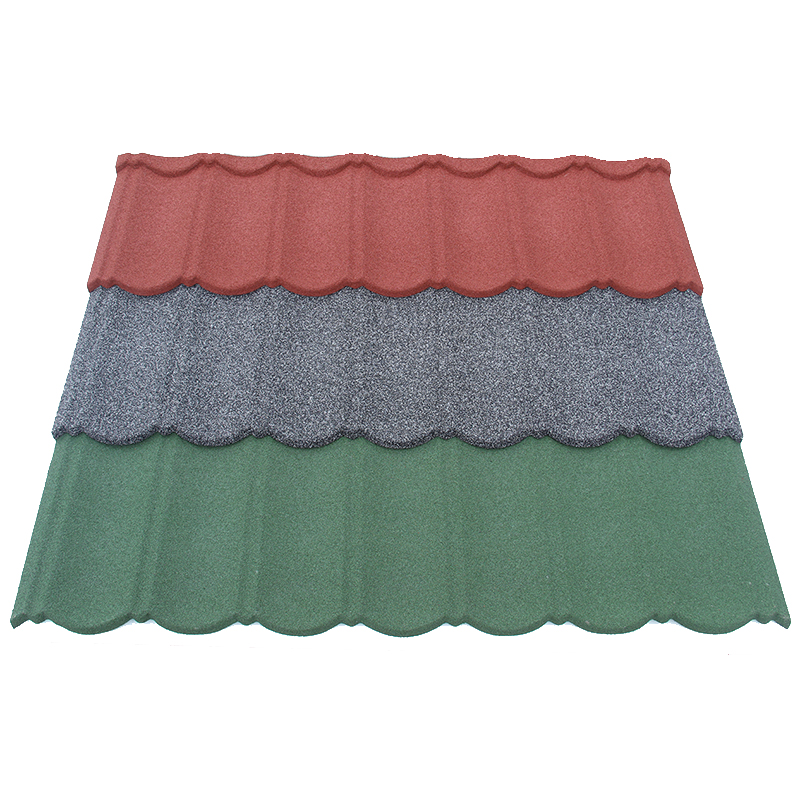
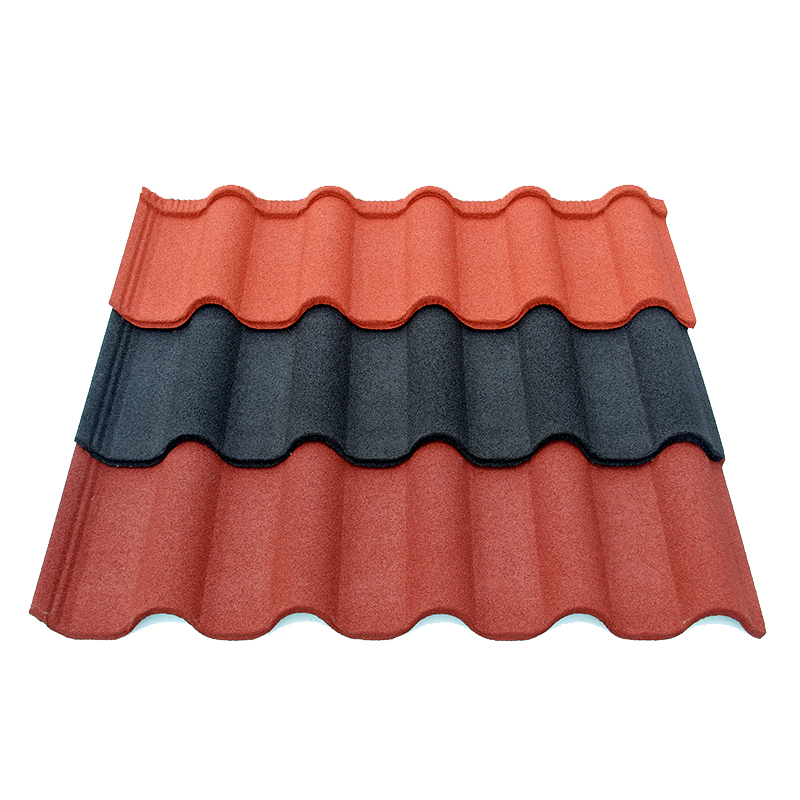
The absolute most effective defense against extreme wind uplift is a secure interlocking panel design. Standard materials just overlap each other, leaving vulnerable gaps for wind to enter. Stone-coated steel panels securely interlock on all four exterior sides during installation. This robust design effectively distributes intense wind stress evenly across the entire roof deck. For large coastal infrastructure projects, specifying a Bond Tile provides exceptional security. Its unique traditional scalloped profile provides exceptional rigidity and reliable, proven wind resistance. Indeed, this specific interlocking system confidently withstands massive hurricane-force winds reaching up to 120 miles per hour.
Secure Horizontal Fastening Techniques
How the installation crew attaches the material to the roof deck matters immensely. Traditional shingles utilize a vertical nailing method, driving nails straight down into the wood. High winds can easily pull these vertical nails straight back out of the deck. Premium metal systems often utilize a highly secure horizontal fastening method instead. Contractors drive screws horizontally through the nose of the overlapping panels directly into sturdy roof battens. This specific 90-degree fastening angle makes it physically impossible for wind to pull the panels straight up. This intelligent engineering ensures your commercial roof remains securely attached during the worst possible storms.
Balancing Extreme Weather Protection with Architectural Aesthetics
Commercial properties rely heavily on exterior visual appeal and premium corporate branding. An upscale coastal retail center demands a highly attractive architectural finish despite the severe weather risks. You simply cannot install a basic, ugly industrial roof on a high-end commercial property. Fortunately, you no longer have to sacrifice beautiful architectural design for necessary structural safety. Advanced manufacturing processes allow durable steel to perfectly mimic fragile, traditional building materials. Let us explore how you can achieve stunning visual results while maintaining strict wind safety compliance.
Maintaining Traditional Mediterranean Aesthetics
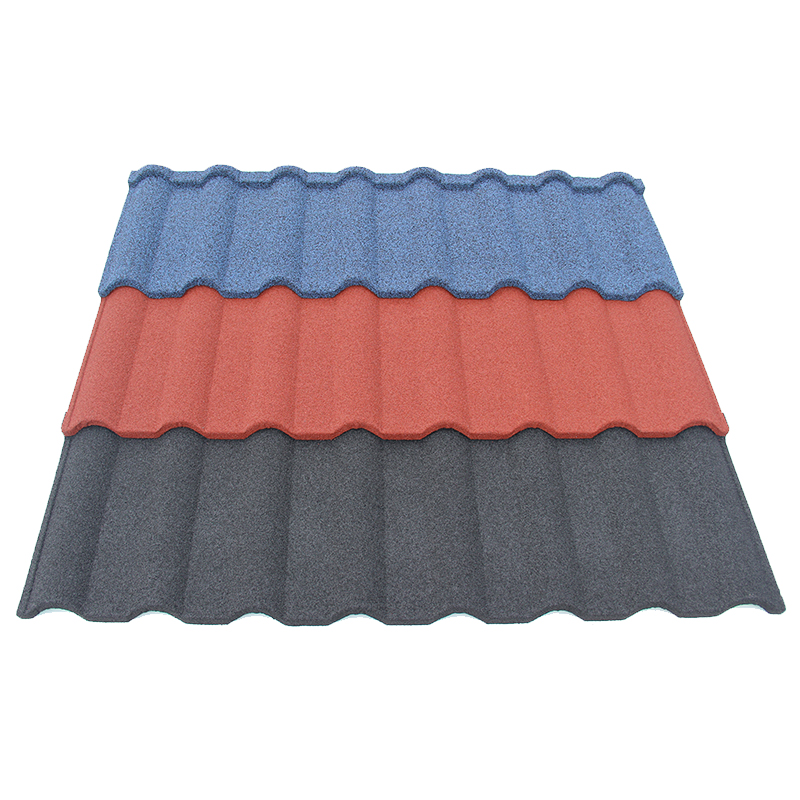
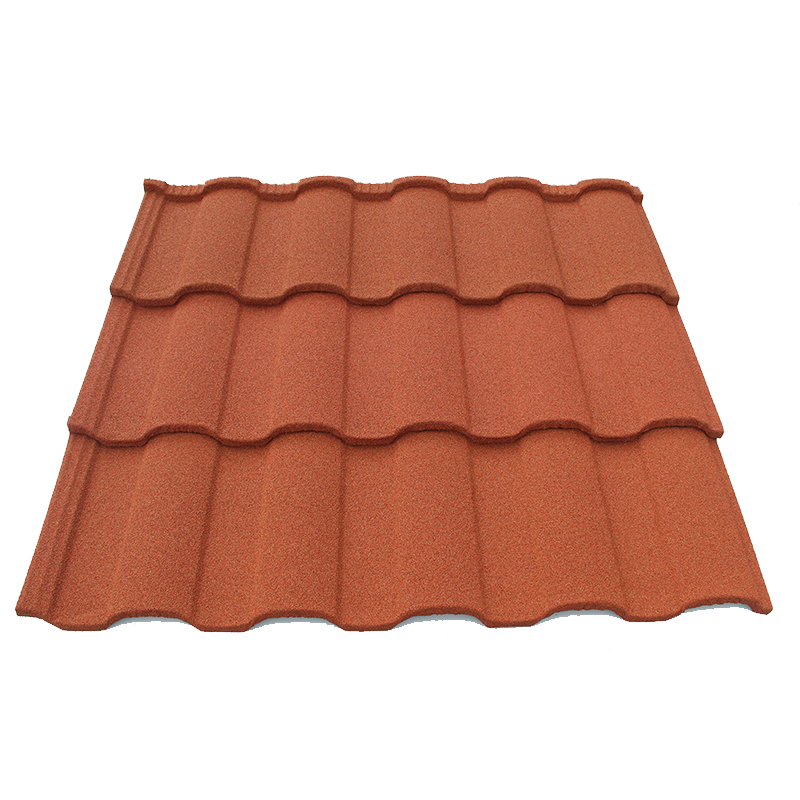
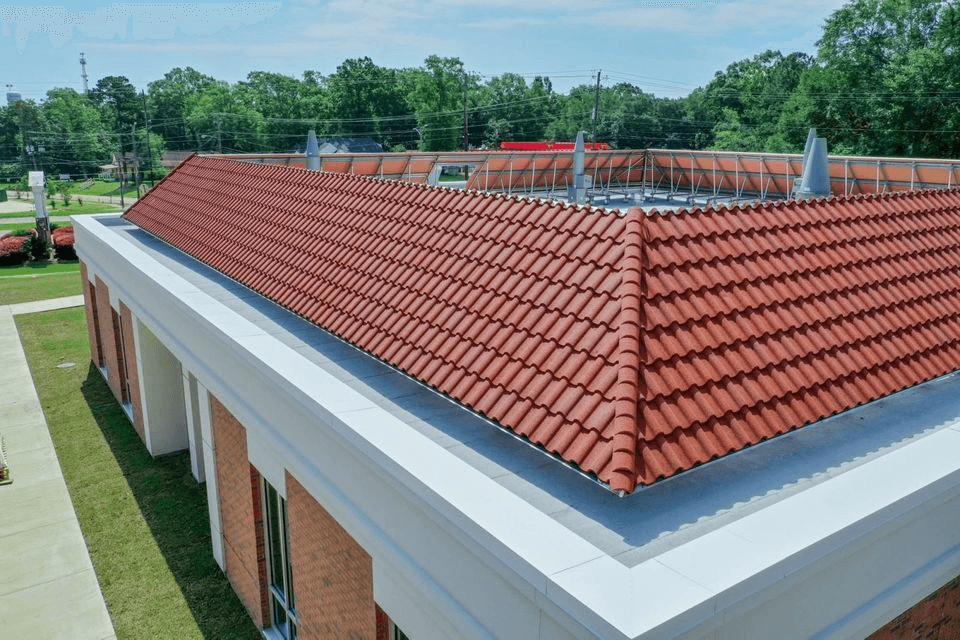
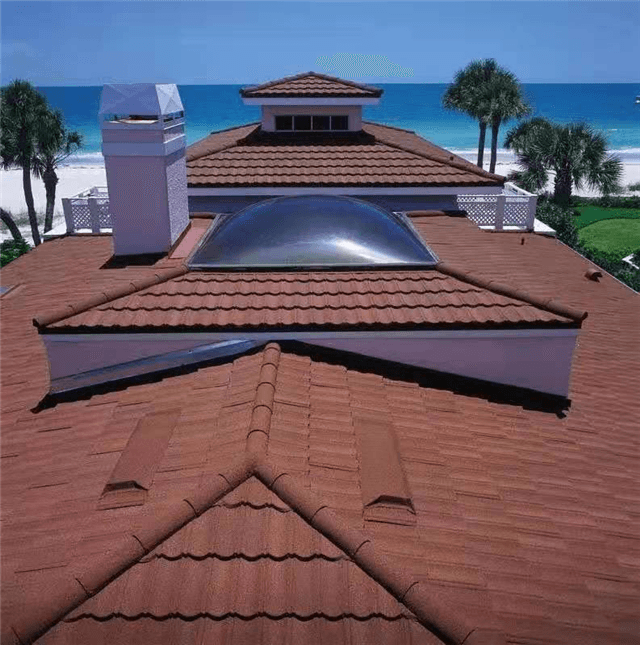
Many highly prestigious resorts and coastal luxury developments feature classic Mediterranean architectural elements. They frequently utilize heavy clay materials to achieve a distinct, regionally appropriate Spanish style. However, real fired clay remains highly vulnerable to wind uplift and impact damage. You can perfectly replicate this classic look using a smart Roman Tile profile. It beautifully mimics the distinct, deep curve of natural clay without the massive structural vulnerability. Therefore, you easily maintain the exact historical aesthetic while drastically improving overall wind safety. This incredibly smart substitution saves millions in heavy structural roof framing costs.
Elevating Modern Corporate and Civic Facilities
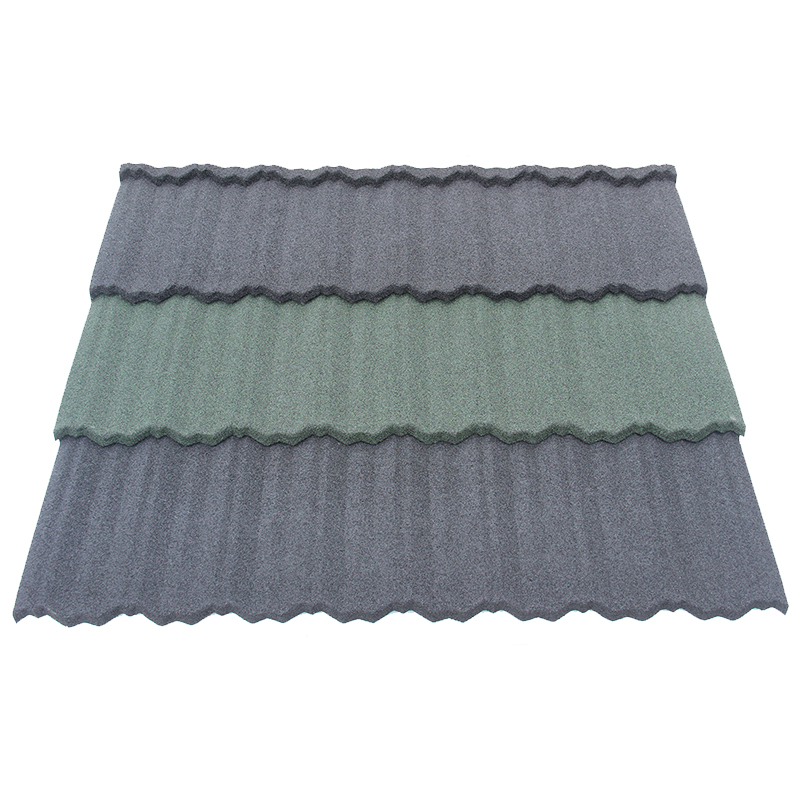
Newly constructed commercial business parks demand a sleek, highly contemporary exterior appearance. These impressive modern buildings utilize clean architectural lines and expansive glass facades. A bulky, traditional roofing material would completely clash with this modern architectural vision. In these highly specific cases, a low-profile Milano Tile serves the project perfectly. It delivers a highly refined, upscale visual finish that perfectly complements modern glass and steel. Ultimately, this aesthetic flexibility empowers commercial architects to realize their creative visions safely.
Achieving Rustic Charm Without the Risk
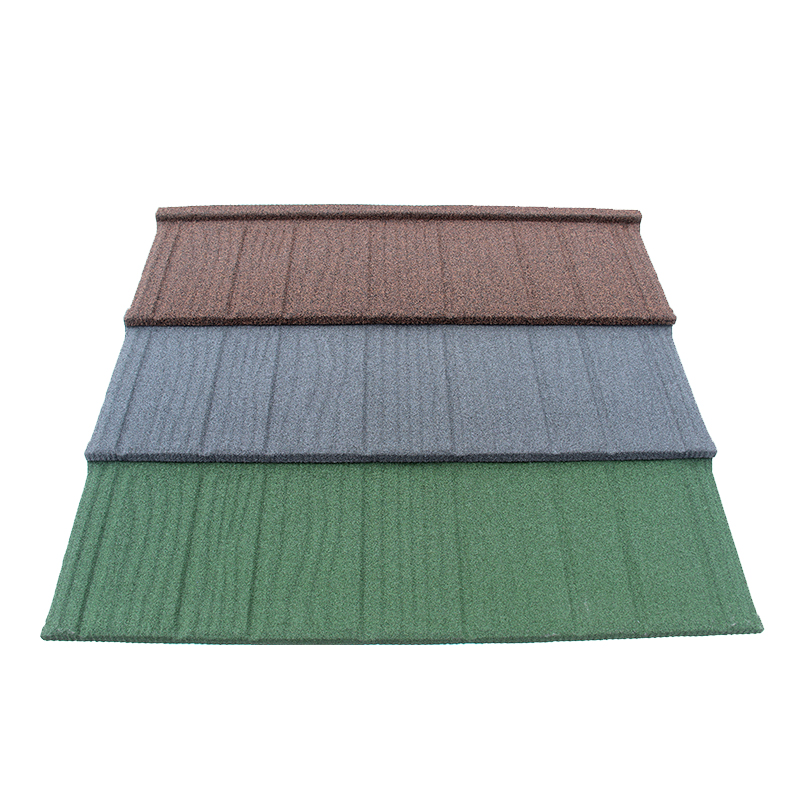
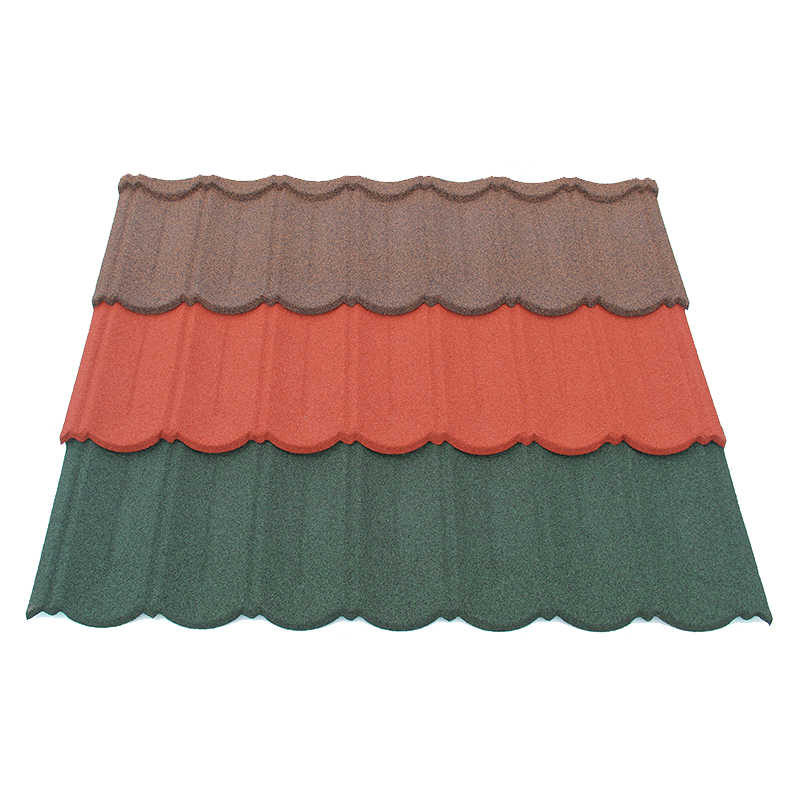
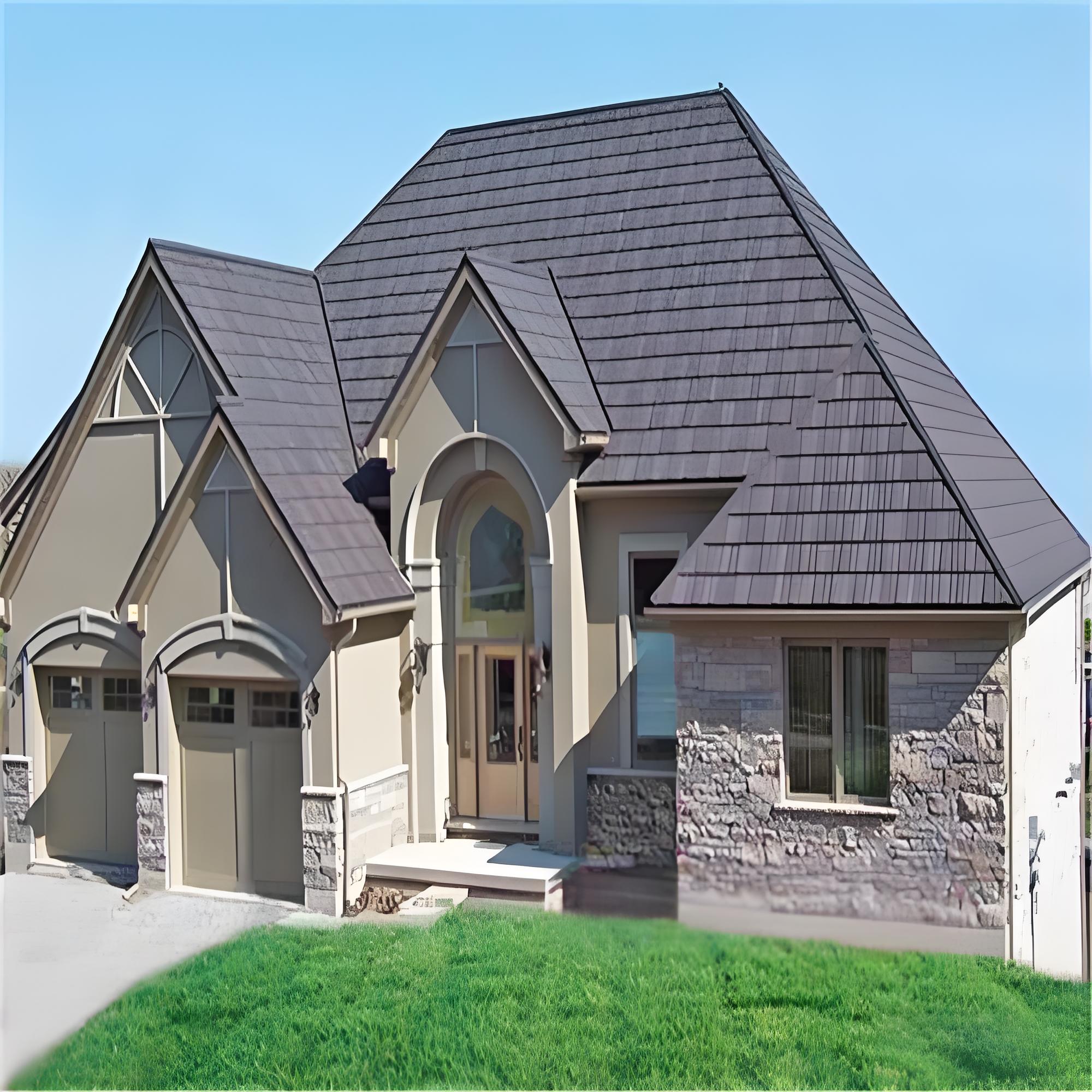
Many coastal lodges, state parks, and nature reserves prefer a highly natural, rustic exterior appearance. Traditional wooden cedar shakes provide this beautiful aesthetic but represent a massive building code violation. Extreme winds quickly destroy real wood, and they pose a massive, unacceptable fire hazard. To safely maintain that rustic wooden look on a commercial property, supply a metal Shake Tile instead. It beautifully provides the exact wood appearance but remains completely secure in high winds. Furthermore, it delivers incredible, noncombustible fire resistance to protect your vulnerable commercial assets.
Strategic Procurement and Supply Chain Optimization
Sourcing advanced roofing materials requires a highly strategic and analytical global procurement process. You cannot simply build a sustainable B2B construction business by chasing the absolute cheapest supplier every month. This shortsighted strategy always results in inconsistent material quality and frustrated, angry end-users. Instead, you must carefully evaluate true lifecycle costs and secure essential technical backing. A highly reliable manufacturer offers fair wholesale pricing backed by stellar engineering support. Let us thoroughly examine how to optimize your global supply chain for high-wind environments.
Verifying Laboratory Testing and Certifications
Strict local municipal building codes heavily regulate construction in designated high-wind and hurricane zones. Local building inspectors will immediately halt projects utilizing non-compliant exterior roofing materials. This bureaucratic action causes massive project delays and destroys your hard-earned profit margins. Therefore, you must aggressively demand certified laboratory testing reports from your chosen manufacturer upfront. Always verify that their specific wind resistance ratings perfectly match your exact local requirements. You must explicitly request documentation proving the material passes stringent 120 mph wind uplift testing protocols.
Partnering with Trusted Manufacturing Experts
Your specific choice of manufacturing partner is just as critical as the engineered material itself. You absolutely need a supplier capable of supporting large-scale, complex commercial wind installations. They must consistently provide rigorous quality control, reliable global shipping, and comprehensive product warranties. When you strategically source from a highly reputable manufacturer like JCROOF, you eliminate supply chain risks. They proactively provide dedicated export teams to ensure your massive container orders arrive promptly. Furthermore, they support your local regional engineering teams with highly detailed installation manuals.
Calculating Long-Term Return on Investment
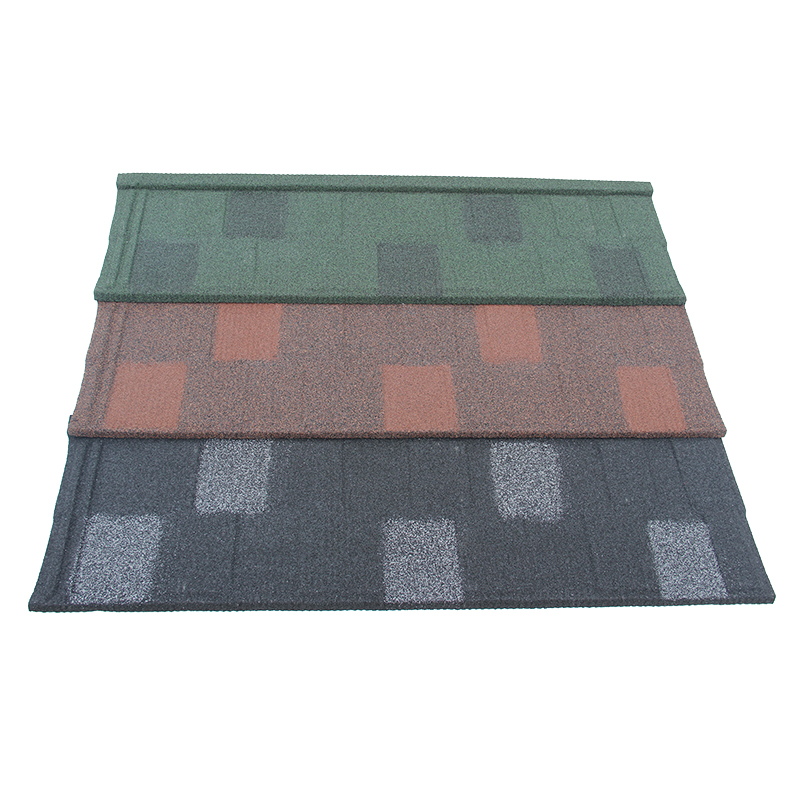
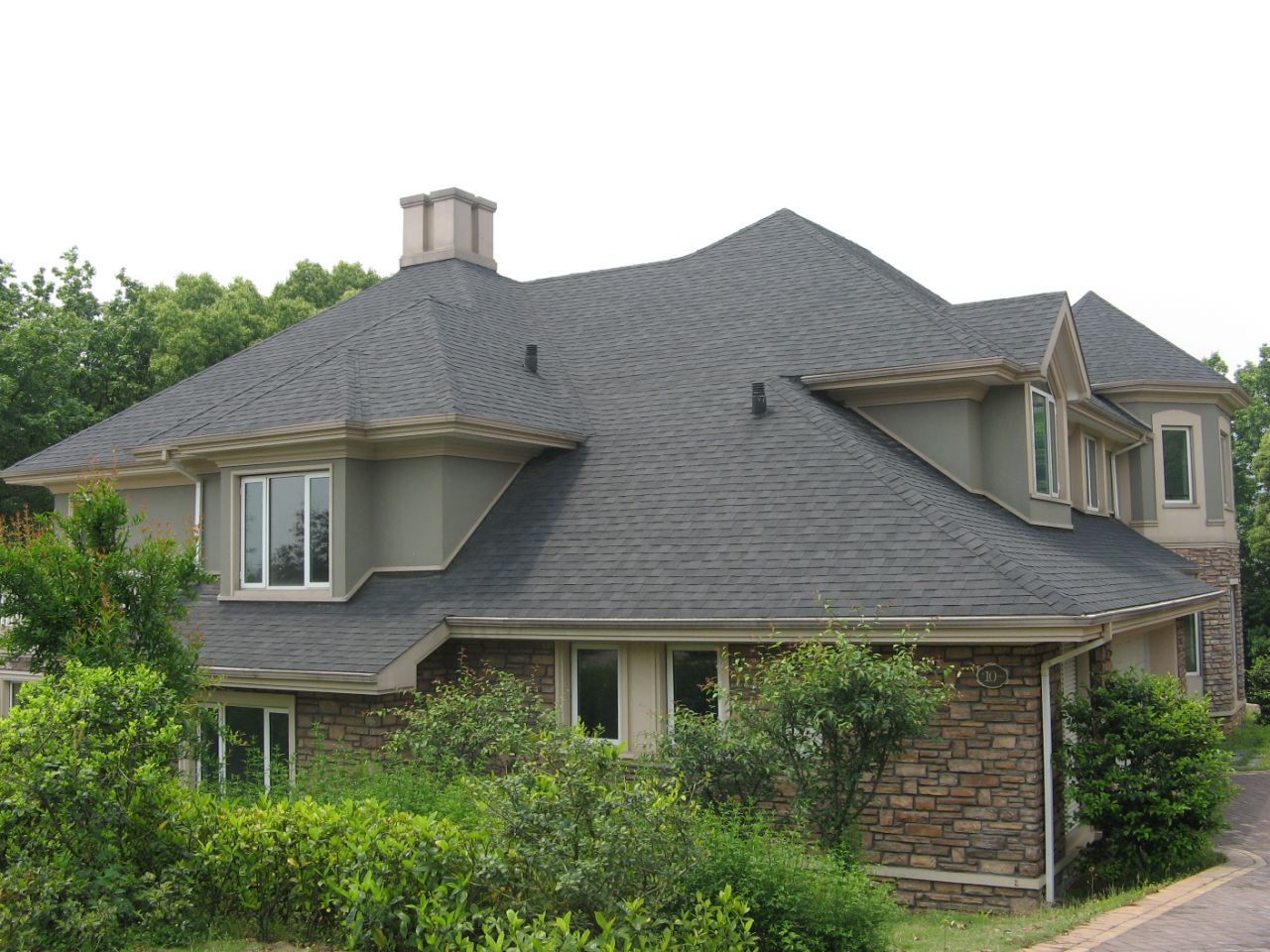
Smart, experienced procurement professionals always evaluate building products based on total cost of ownership. A premium building material obviously requires a larger upfront capital expenditure from your budget. However, it quickly generates massive financial returns through drastically reduced operational and maintenance expenses. For residential-style commercial properties like nursing homes, a flat Shingle Tile offers incredible long-term value. It completely eliminates the need for expensive, frequent replacements after minor seasonal windstorms. Over a 30-year commercial lifespan, these compounded maintenance savings become highly significant for property owners.
Material Performance Matrix for High-Wind Zones
Use this convenient evaluation table to objectively compare common roofing materials for your upcoming coastal projects:
| Performance Metric | Standard Asphalt Shingles | Traditional Concrete Tile | Stone Coated Metal Tile |
|---|---|---|---|
| Wind Uplift Resistance | Low (Prone to blow-offs) | Moderate (Fastener dependent) | Extreme (Up to 120 mph) |
| Impact Resistance | Low (Easily bruised/torn) | Moderate (Can shatter) | High (Class 4 Rating) |
| Structural Weight | Moderate | Extremely Heavy | Very Lightweight |
| Post-Storm Maintenance | Very High (Frequent patching) | High (Replacing broken tiles) | Extremely Low |
| Expected Lifespan | 15 – 20 Years | 30 – 50 Years | 50+ Years |