
Procurement managers face immense daily pressure when sourcing construction materials for unpredictable environments. Protecting valuable commercial assets from sudden, devastating seismic events represents a critical engineering priority. Earthquakes strike without warning and cause catastrophic structural damage to weak buildings instantly. Therefore, you cannot casually specify heavy or outdated building materials for high-risk tectonic zones. Doing so directly risks catastrophic building collapse and massive financial ruin during a major tremor. Instead, you need highly engineered, lightweight structural solutions that actively absorb kinetic energy safely. Forward-thinking B2B buyers must deeply understand how extreme tectonic forces dictate commercial material selection today. Consequently, finding the best roofing systems for earthquake-prone regions becomes an essential supply chain strategy. This comprehensive guide explores the critical engineering factors for advanced seismic roofing procurement. We will thoroughly analyze material dead loads, innovative fastening systems, and dangerous secondary disaster risks. Ultimately, this specific knowledge helps you build a highly resilient, profitable, and safe global supply chain.
Evaluating Seismic Forces and Structural Threats in Commercial Buildings
Earthquakes consistently generate immense lateral and vertical physical forces across massive geographical areas. These violent tremors shake commercial buildings violently from their concrete foundations upward to the roof. Consequently, the commercial roof experiences massive accelerated motion during a severe seismic event. This aggressive, unpredictable motion places incredible kinetic stress on the entire structural timber or steel framing system. Procurement teams must clearly understand these specific physics to specify structurally safe building materials confidently. Ignoring these baseline dynamic forces virtually guarantees disastrous commercial project failures and severe legal liabilities.
The Extreme Danger of Heavy Structural Dead Loads
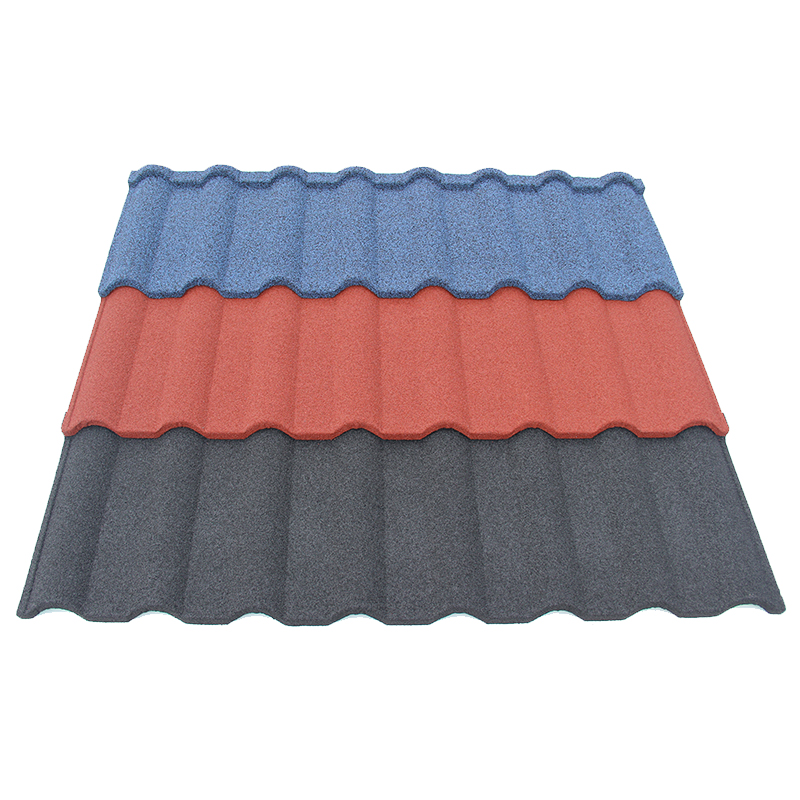
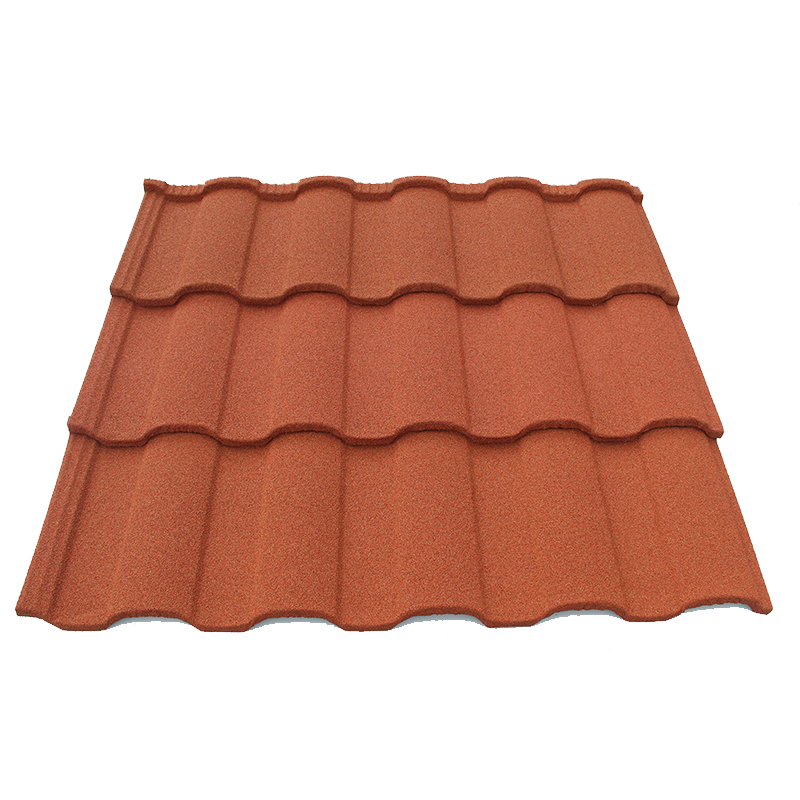
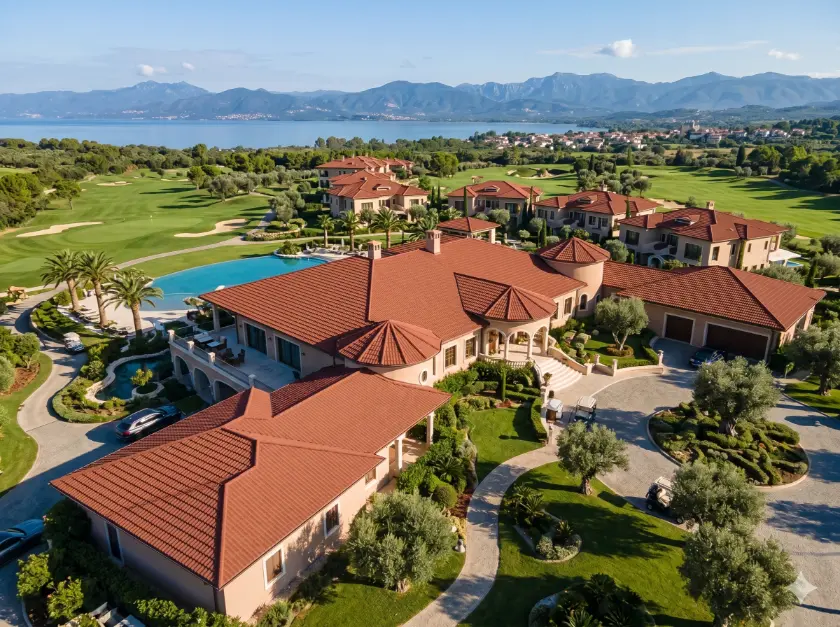
Heavy building materials always represent the absolute biggest threat during a major earthquake. Traditional clay and solid concrete tiles add tremendous top-weight to any commercial building envelope. This excessive mass dramatically increases the building’s overall center of gravity very quickly. When the ground shakes violently, this heavy roof severely amplifies the destructive swaying motion. Eventually, the underlying structural framing completely buckles under the intense, compounding physical pressure. The heavy roof then collapses directly into the building, destroying expensive interior property instantly. Therefore, you must aggressively minimize structural dead loads in active seismic zones to ensure survival. You can perfectly replicate classic aesthetics safely using a lightweight Roman Tile profile instead. It beautifully mimics the deep, traditional curve of authentic, heavy clay without the dangerous structural weight. This smart substitution completely satisfies both strict structural engineers and demanding commercial architects simultaneously.
Managing Shear Stress on Roofing Diaphragms
Massive seismic waves also create intense shear stress across the entire commercial roof deck. The building structure flexes, bends, and twists in multiple unpredictable directions simultaneously during a quake. Very rigid, highly brittle materials simply cannot handle this extreme dynamic movement effectively. Traditional slate and standard concrete tiles will quickly snap, crack, and dislodge entirely under pressure. Furthermore, heavy tiles often rely merely on gravity and small mortar dabs for basic installation. Violent shaking easily breaks these incredibly weak connections in mere seconds during a tremor. The heavy tiles then slide off rapidly, creating highly lethal falling hazards for pedestrians below. You desperately need building materials that flex slightly and remain securely attached during violent tremors.
Analyzing Lightweight Metal Solutions for Maximum Seismic Safety
Modern material engineering completely transforms how we successfully approach seismic safety in commercial construction. Stone-coated metal roofing provides an incredibly safe and highly durable alternative for B2B buyers today. It easily delivers industrial-grade structural strength without the dangerous, excessive top weight of traditional tiles. Forward-thinking commercial contractors consistently specify these advanced metallic systems for high-risk tectonic areas globally. Furthermore, metal roofs seamlessly integrate into existing structural framing without highly expensive engineering reinforcements. Consequently, you save massive amounts of working capital on initial structural construction costs.
Unmatched Strength-to-Weight Ratios
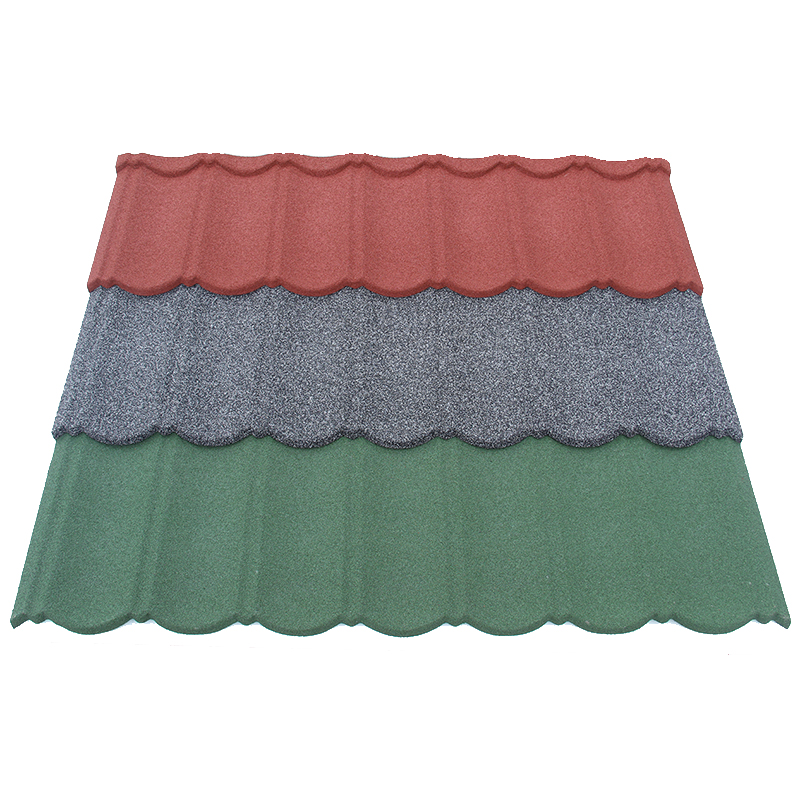
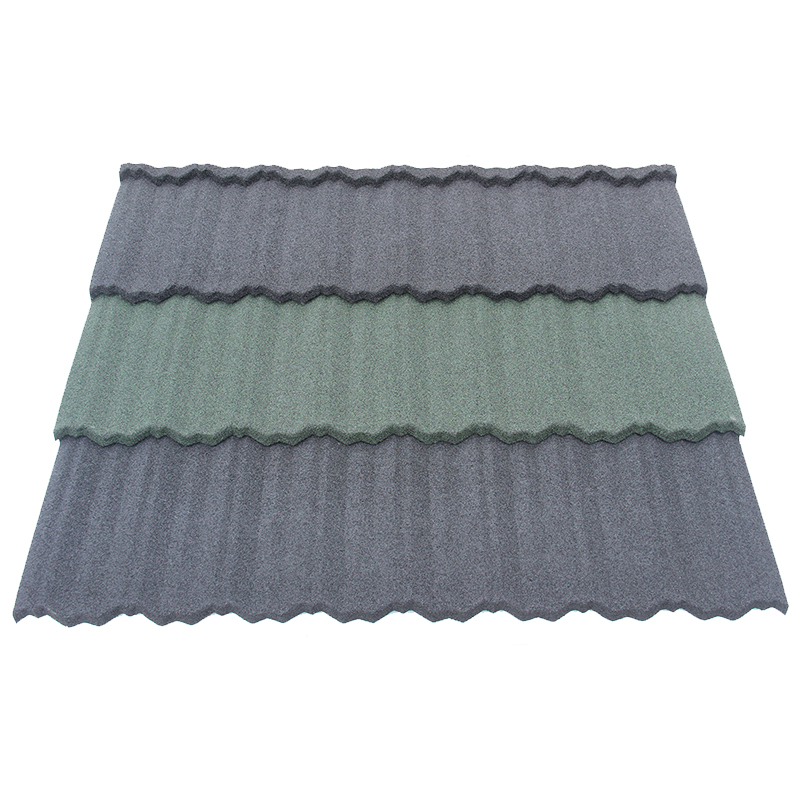
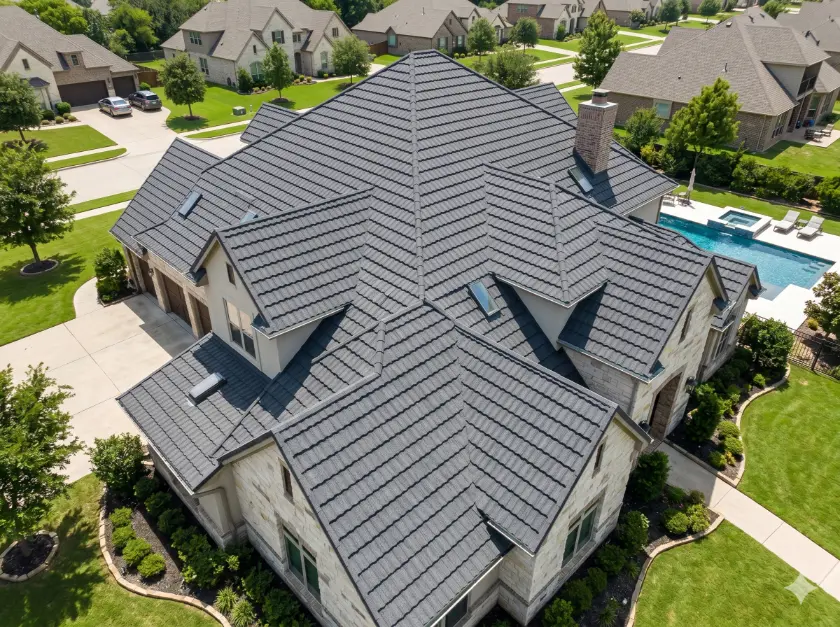
Premium metal roofing possesses an absolutely unmatched strength-to-weight ratio in the modern construction industry. A stone-coated steel roof weighs merely a small fraction of a traditional concrete tile roof. This massive weight reduction immediately relieves intense stress on the commercial building foundation below. Consequently, the entire commercial structure performs much better during a major, unpredictable earthquake. The building sways significantly less violently, actively preventing severe internal structural framing damage. For massive industrial warehousing projects, specifying a traditional Bond Tile provides exceptional overall security. Its deeply scalloped design adds immense structural rigidity to the flexible metal panel efficiently. This specific intelligent shape strongly resists severe bending and warping during extreme building movement.
Secure Horizontal Mechanical Fastening Techniques
Specific installation methods heavily dictate a building’s survival chances during a major earthquake event. You simply cannot rely on basic gravity to hold your commercial roof together safely. Traditional asphalt shingles utilize a vertical nailing method that easily fails under extreme kinetic stress. High winds and seismic vibrations quickly pull these vertical nails straight back out. Conversely, premium metal roofing systems utilize an advanced, highly secure horizontal mechanical fastening technique. Professional installers drive sturdy screws directly through the overlapping panels into the horizontal roof battens. This creates a fully unified, deeply interlocked structural protective shield over the entire building. The strong metal securely holds the entire roof diaphragm together tightly during violent shaking. This highly intelligent engineering successfully prevents both roof collapse and dangerous falling debris entirely.
Mitigating Devastating Secondary Post-Earthquake Disasters
The terrible danger rarely stops when the ground finally stops shaking after an earthquake. Earthquakes rapidly trigger catastrophic secondary disasters throughout the deeply affected local geographic region. Ruptured underground gas lines and downed electrical wires instantly spark massive, uncontrollable urban fires. Furthermore, severe structural damage leaves buildings highly vulnerable to subsequent, severe seasonal rainstorms. Procurement managers must actively anticipate these secondary threats when initially evaluating commercial building materials. A truly resilient roof must confidently survive both the initial earthquake and the chaotic aftermath.
Defending Against Post-Quake Urban Fires
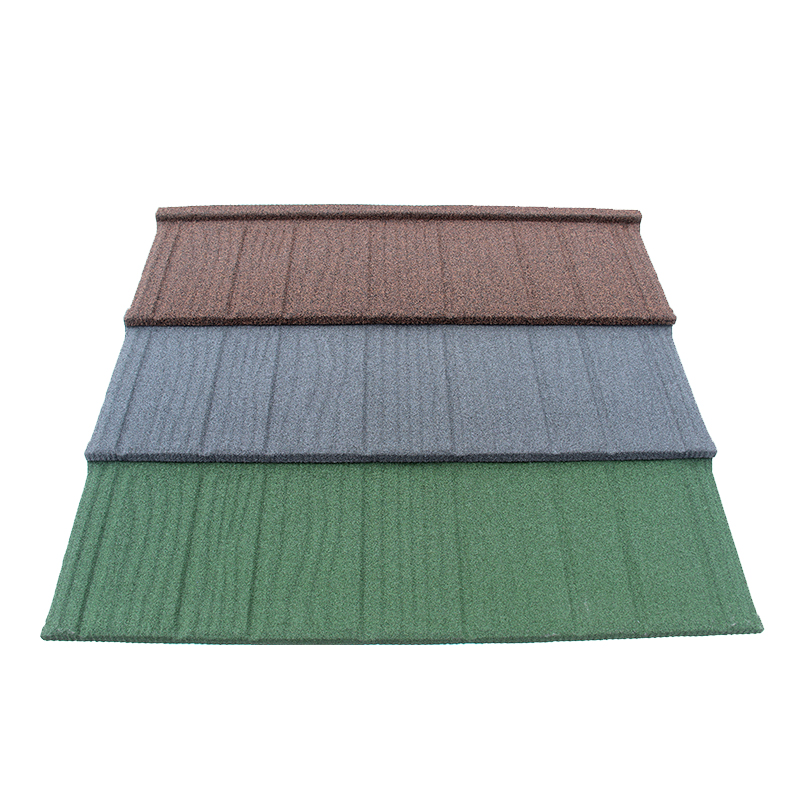
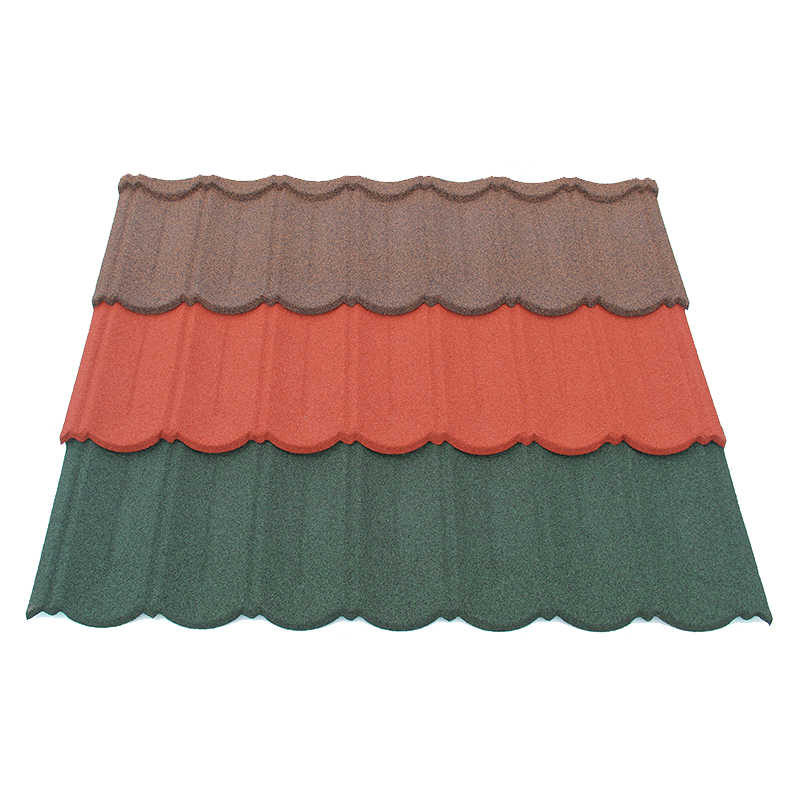
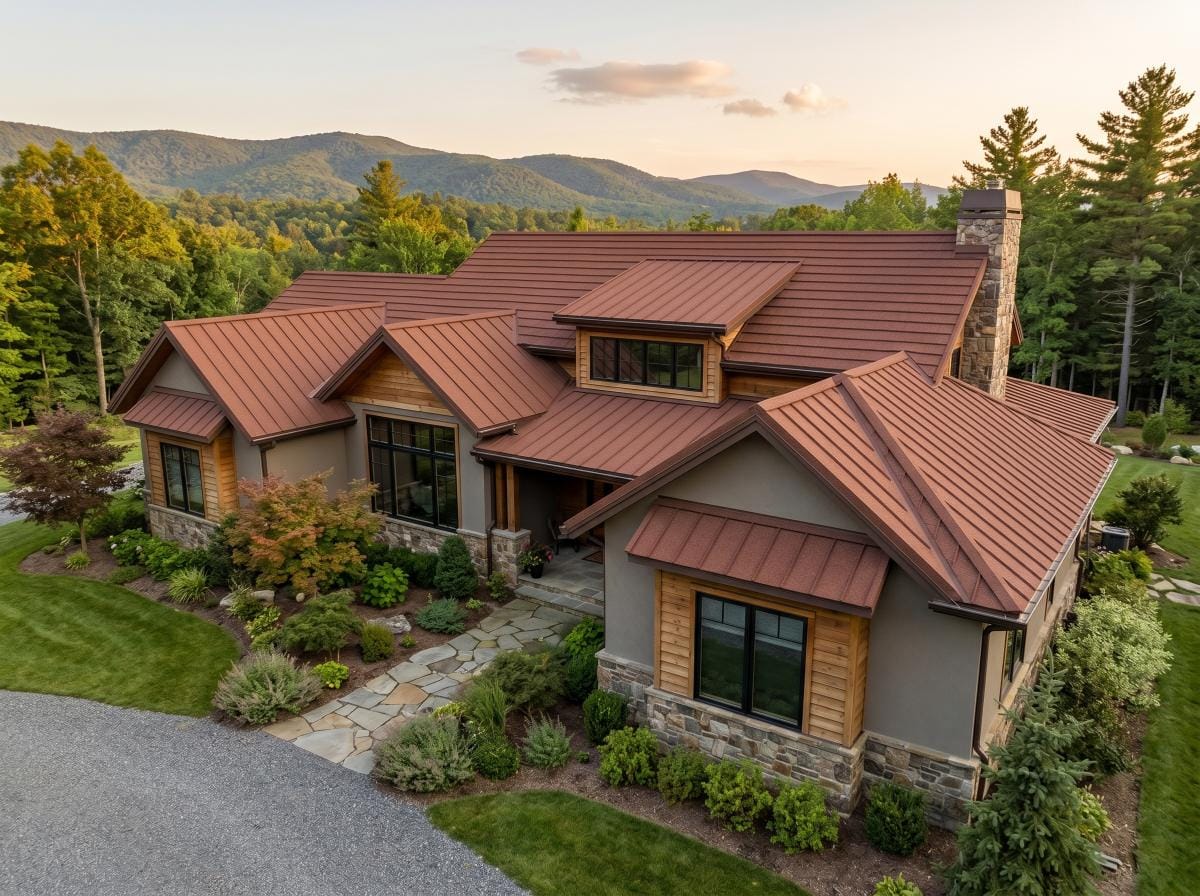
Post-earthquake fires easily destroy entire vulnerable city blocks in just a few short minutes. Emergency services become completely overwhelmed and cannot respond to every single structural fire promptly. You must proactively protect your commercial building from dangerous, flying burning embers constantly. Metal roofing is strictly noncombustible by nature. Therefore, it will never catch on fire if a stray ember lands directly on its surface. You absolutely want a roof that has earned a rigorous Class A fire rating. This top safety rating means that your roof powerfully resists massive external fires effectively. To safely maintain a rustic wooden look on a commercial lodge, smartly specify a metal Shake Tile. It perfectly provides the exact natural wood appearance but remains completely structurally noncombustible. It stays firmly in place even when other inferior roofing materials might melt entirely.
Weathering Subsequent Severe Storms
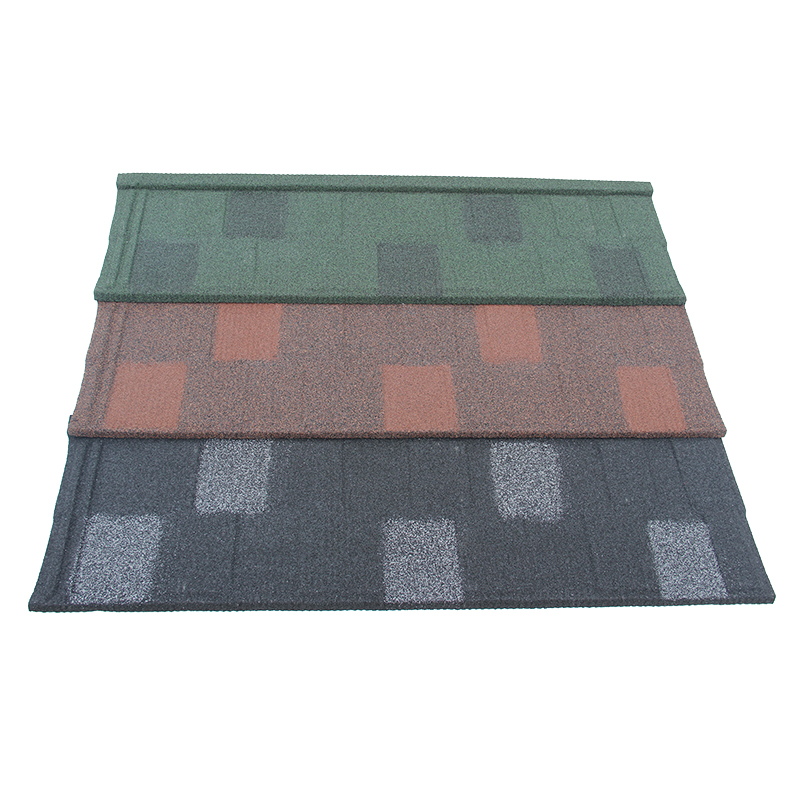
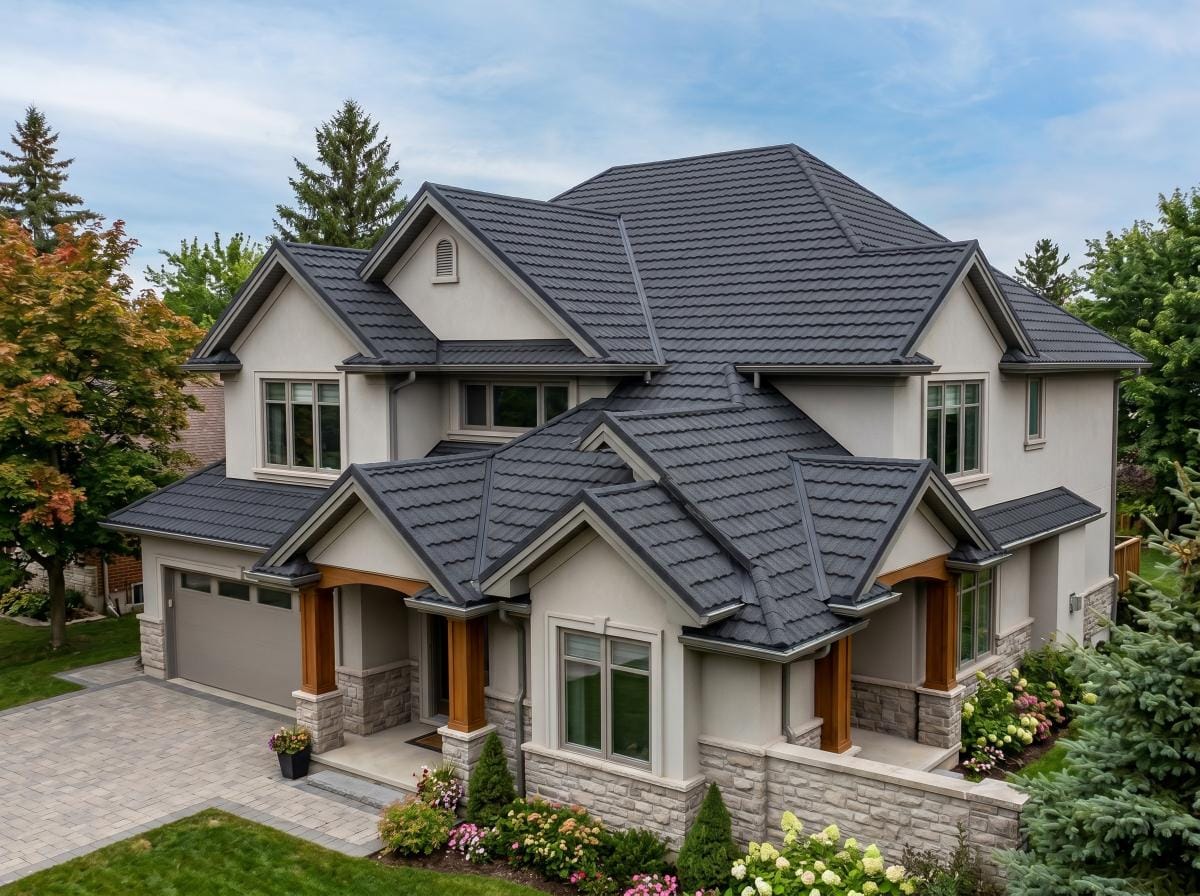
Severe seasonal storms often strike vulnerable regions shortly after a major tectonic earthquake hits. If the initial earthquake dislodged your traditional roof tiles, massive water intrudes very quickly. Your specified building material must remain completely watertight after enduring the initial seismic shock. Premium metal roofs provide a continuous, unbroken barrier that heavily resists massive wind uplift. For modern commercial properties like regional community centers, a flat Shingle Tile works perfectly. It stays securely locked in place during the tremor and safely repels subsequent severe rainstorms. This ensures your expensive interior commercial inventory remains completely dry and fully protected.
Integrating Strict Seismic Codes with Premium Architectural Aesthetics
Stringent local seismic building codes often heavily restrict material choices for commercial project architects. City planners appropriately mandate lightweight exterior materials to maximize public safety in urban environments. This strict regulation highly frustrates property developers who strongly want traditional, heavy historical designs. However, high-end commercial properties still deeply require premium, highly attractive exterior facades today. These beautiful facades actively attract wealthy tenants and significantly increase overall property market valuation. Fortunately, advanced modern manufacturing processes completely bridge this highly frustrating architectural design gap easily. You can now successfully satisfy both strict safety codes and premium aesthetic demands simultaneously.
Upgrading Modern Commercial Facades Safely
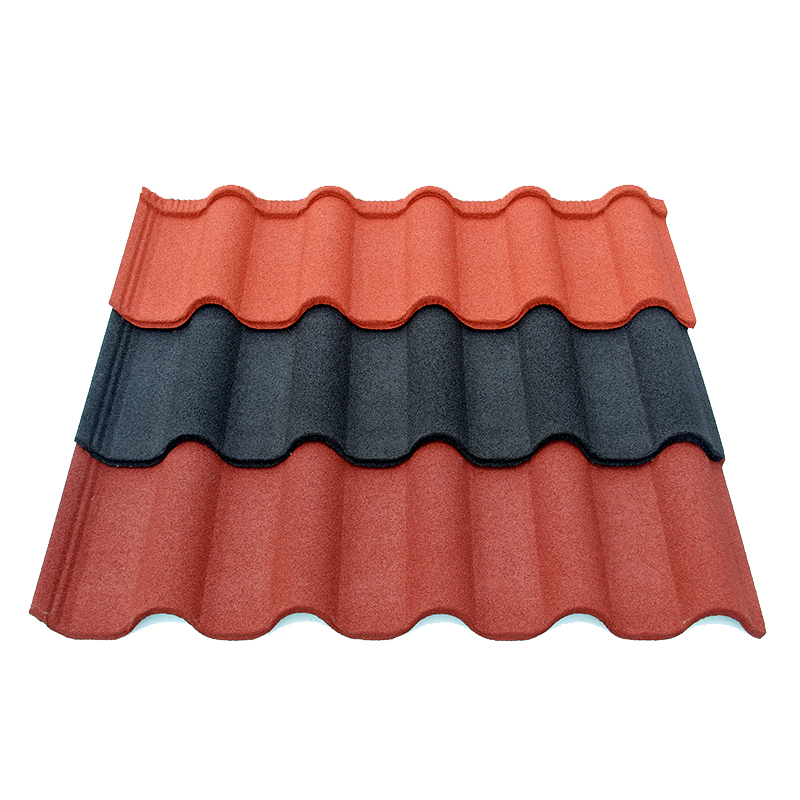
Modern corporate offices and upscale retail centers strongly demand a highly contemporary exterior appearance. They heavily utilize clean architectural lines, expansive glass walls, and highly minimalist exterior designs. A bulky, rustic roof completely ruins this sleek, highly intentional modern architectural vision. In these highly specific modern cases, a low-profile Milano Tile serves the complex project perfectly. It seamlessly delivers a highly refined, upscale visual finish that beautifully complements modern construction. It effortlessly provides industrial-grade seismic protection while simultaneously maintaining a highly premium corporate image. Ultimately, this incredible aesthetic flexibility actively empowers commercial architects to realize their bold visions safely.
Navigating Complex Procurement Supply Chains
Sourcing specialized seismic roofing materials heavily requires a highly strategic, calculated global B2B approach. You simply cannot safely buy the absolute cheapest available materials from unknown, unverified international suppliers. This extremely shortsighted strategy inevitably leads directly to highly inconsistent quality and failed building inspections. You must carefully evaluate total lifecycle costs and securely gain deep technical engineering backing. When you strategically source from a deeply established manufacturer like JCROOF, you completely eliminate massive supply chain risks. They deeply understand complex global seismic building codes perfectly. Furthermore, they proactively provide essential technical documentation and laboratory testing reports upfront before shipping. This exceptionally high level of professional B2B support guarantees a highly smooth, successful project execution.
Calculating Lifecycle Costs and Making the Final Procurement Decision
Smart, highly experienced procurement professionals always evaluate building products strictly based on total ownership cost. The absolute cheapest initial material bid rarely translates to the most cost-effective long-term commercial solution. Premium seismic materials naturally require a slightly larger upfront capital expenditure from your operating budget. However, they rapidly generate massive financial returns over the long thirty-year lifespan of the building. You must meticulously calculate ongoing maintenance costs, energy savings, and delayed replacement cycles accurately. Let us deeply break down how to properly evaluate long-term commercial seismic roofing ROI.
Reducing Structural Framing Expenses
Traditional heavy roofs strongly require highly expensive structural timber or steel framing reinforcements immediately. You must build a massive, over-engineered roof deck just to safely hold the heavy tiles. Lightweight metal systems completely eliminate the need for these highly expensive structural framing upgrades entirely. Consequently, you save massive amounts of money on initial raw materials and expensive contractor labor. Furthermore, many commercial insurance companies now proactively offer significant premium discounts for highly resilient buildings. They recognize that metal roofs heavily reduce the likelihood of a massive total loss claim. You effectively protect the incredibly valuable commercial asset while heavily optimizing the long-term facility budget.
Seismic Material Performance Comparison Matrix
Use this convenient evaluation table to objectively compare common roofing materials for your upcoming seismic projects.
| Performance Metric | Traditional Heavy Clay | Standard Asphalt Shingles | Stone-Coated Metal Tile |
|---|---|---|---|
| Structural Dead Load | Extremely Heavy | Moderate Weight | Very Lightweight |
| Seismic Fastening Security | Low (Relies on Gravity/Mortar) | Moderate (Vertical Nails) | Extreme (Horizontal Screws) |
| Post-Quake Fire Resistance | High (Class A) | Moderate (Prone to embers) | High (Class A Noncombustible) |
| Shear Stress Resistance | Very Low (Brittle and Cracks) | Moderate (Tears under stress) | High (Flexes without breaking) |
| Expected Lifespan | 40 – 50 Years | 15 – 20 Years | 50+ Years |