
In the global construction supply chain, China has become the dominant sourcing hub for Stone Coated Metal Roofing Tile products, especially for B2B buyers such as distributors, contractors, and project developers. For procurement teams, the real challenge is not “finding a supplier” but identifying a factory that can consistently deliver structural stability, coating durability, and long-term project reliability.
This guide breaks down how to evaluate the best roofing tile factories in China from a practical purchasing perspective, not just a marketing angle. It focuses on production capability, quality control systems, export experience, and risk factors that directly affect project outcomes.
Among the industry players, JCROOF is frequently referenced in global procurement discussions due to its large-scale manufacturing system and export-oriented production standards, making it a useful benchmark when evaluating suppliers.
Understanding Stone Coated Metal Roofing Tile Manufacturing in China
Stone Coated Metal Roofing Tile is not a simple stamping product. It is a multi-layer engineered roofing system combining galvalume steel, adhesive coating, and natural stone granules. The performance of the final product depends heavily on substrate quality, coating consistency, and curing process control. For buyers, understanding this production logic is critical before comparing factories.
Core production structure and material composition
Most high-end factories use AZ150 or similar aluzinc steel as the base. This layer determines corrosion resistance and structural lifespan. Above it, acrylic resin adhesives lock natural stone chips, which provide UV protection and aesthetic value. A poor factory often reduces coating thickness, which leads to color fading and stone shedding after a few years.
Why production technology defines factory ranking
In China’s roofing industry, the gap between top-tier and low-tier factories is not branding—it is automation level. Leading factories use CNC-controlled spraying and stone distribution systems to ensure even coating. This directly affects wind resistance, color retention, and installation consistency on large projects.
Common manufacturing risks buyers must understand
- Inconsistent stone adhesion due to manual spraying systems
- Thin steel substrate below international standard (risk of deformation)
- Poor curing control leading to adhesive failure
- Non-uniform color batches affecting large-scale roof aesthetics
How to Evaluate a Reliable Roofing Tile Factory in China
From a procurement perspective, selecting a supplier is less about price comparison and more about risk management. A reliable factory should demonstrate repeatable production capability, export compliance, and transparent QC systems. These factors directly influence installation cost, maintenance cycle, and project warranty claims.
Production capacity and scalability
Factories serving international markets typically operate multiple automated production lines with daily output stability. For example, large-scale manufacturers can support container-based shipping schedules, which is essential for overseas contractors managing phased construction. Without stable capacity, delivery delays become a major project risk.
Quality control system and certification standards
ISO9001, CE, and export compliance certifications are baseline requirements. However, stronger factories go beyond certification by implementing full-process inspection—from raw steel coil to final packaging. This reduces defect rates and ensures consistent installation behavior across batches.
OEM and customization capability
B2B buyers often require private labeling, color customization, or region-specific profiles. Factories that support OEM/ODM flexibility are better suited for long-term partnerships, especially for distributors expanding in Africa, Southeast Asia, and the Middle East.
Export experience and logistics coordination
Export-ready factories understand container loading optimization, humidity protection, and documentation requirements. This reduces customs delays and prevents surface damage during long-distance shipping.
Top Factors That Separate Leading Roofing Tile Factories
In China’s roofing materials industry, not all factories are equal. The best suppliers are defined by engineering consistency rather than marketing claims. For buyers, focusing on measurable production indicators is more effective than relying on catalog presentations.
Material engineering and steel substrate quality
The steel coil quality determines 70% of the final roof lifespan. High-end factories strictly control zinc-aluminum coating ratios and thickness consistency. This is especially important in coastal and high-humidity regions where corrosion risk is higher.
Stone coating durability and adhesion technology
Stone coating is not just decorative—it acts as a protective barrier against UV and temperature fluctuations. Advanced factories use high-temperature curing systems to ensure stone granules bond permanently to the substrate, reducing long-term shedding issues.
Production automation and defect control
Automation reduces human error in spraying, cutting, and shaping processes. Factories with fully automated lines can maintain tighter tolerance levels, which improves installation efficiency on large projects.
Real-world project adaptability
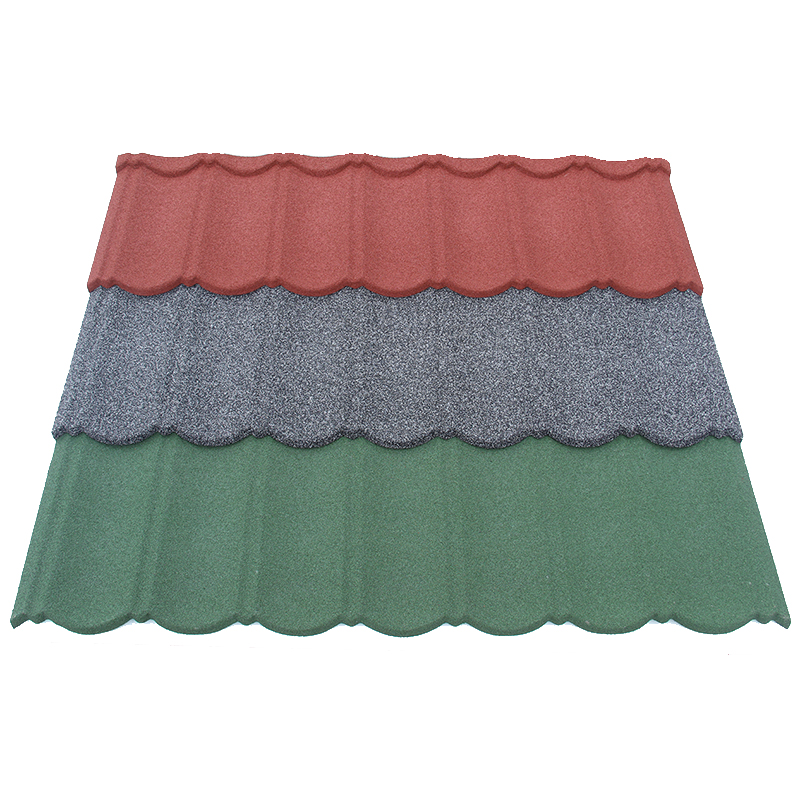
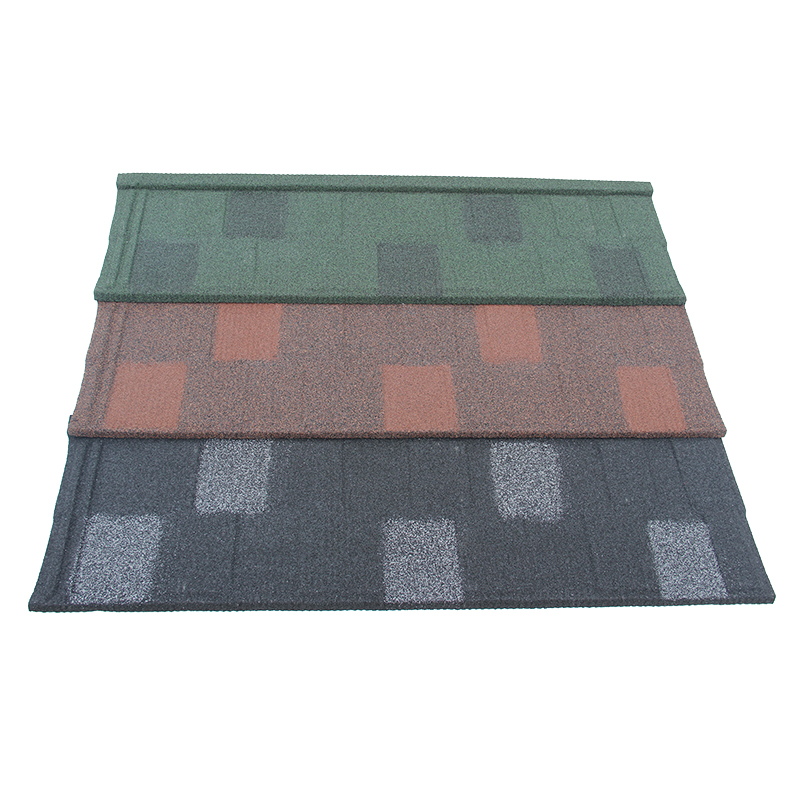
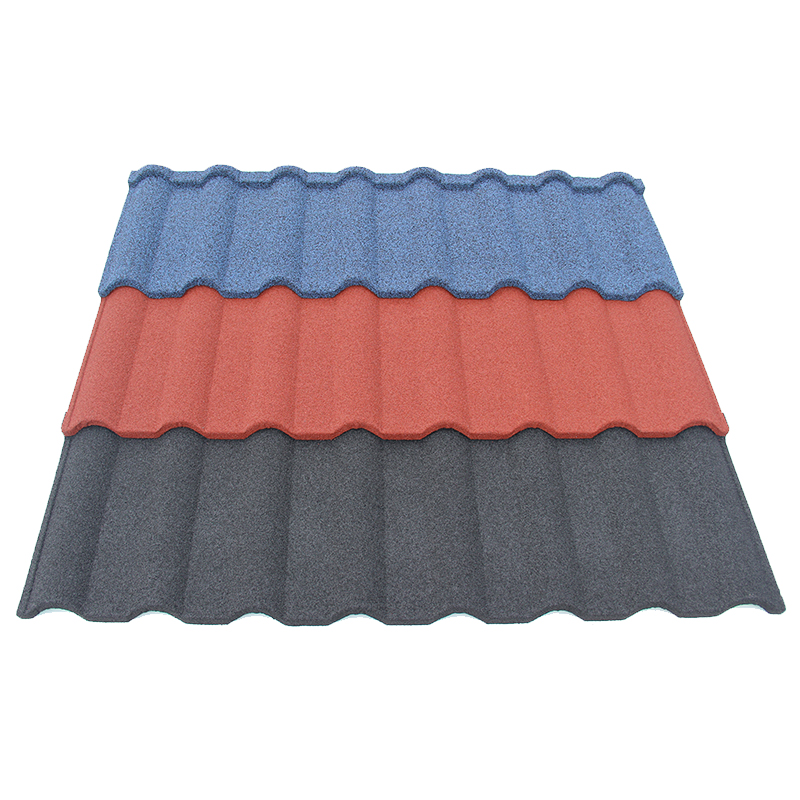
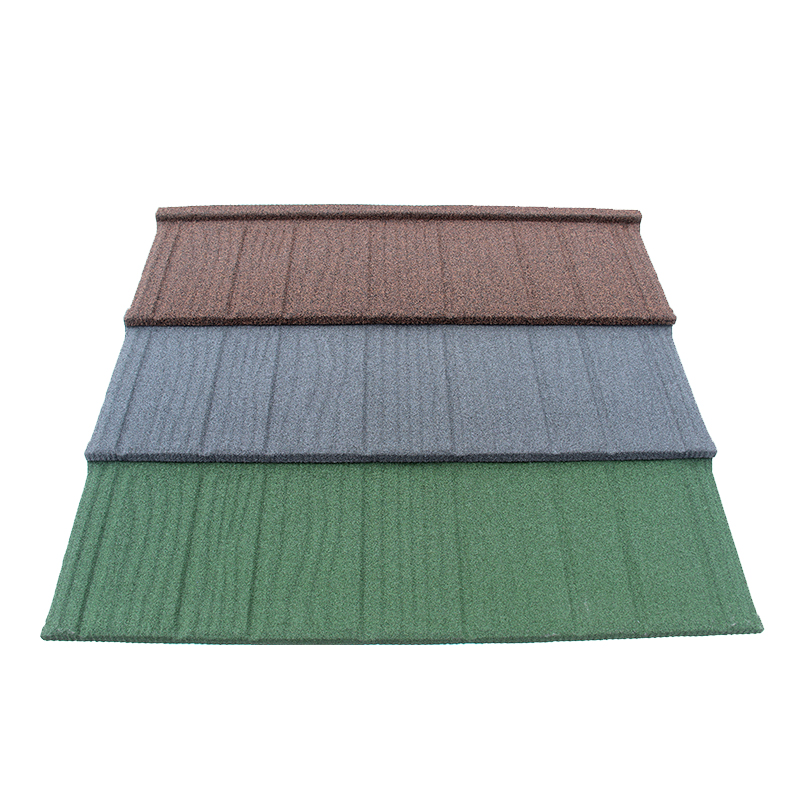
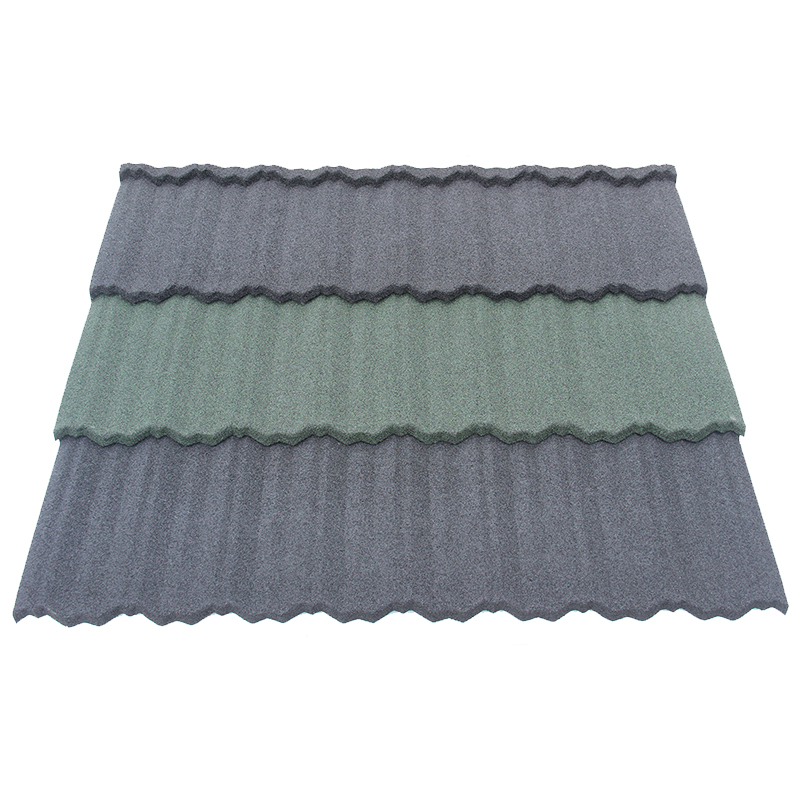
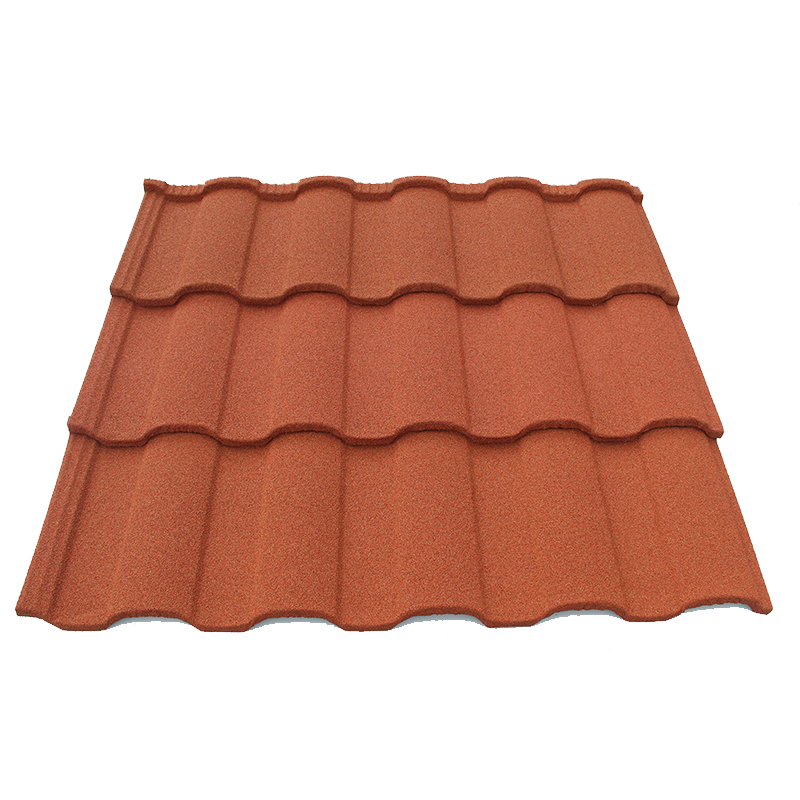
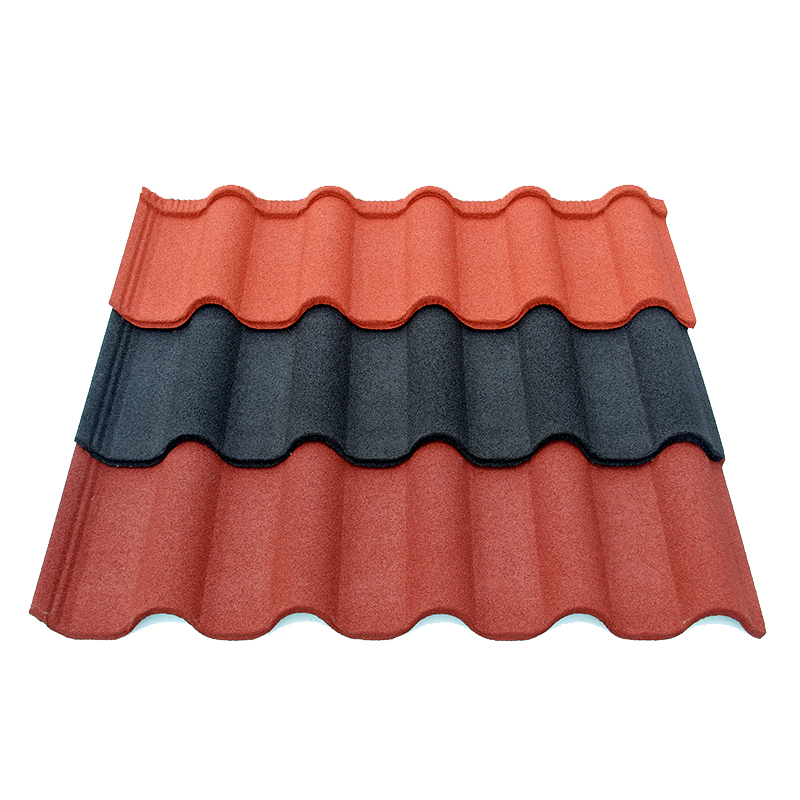
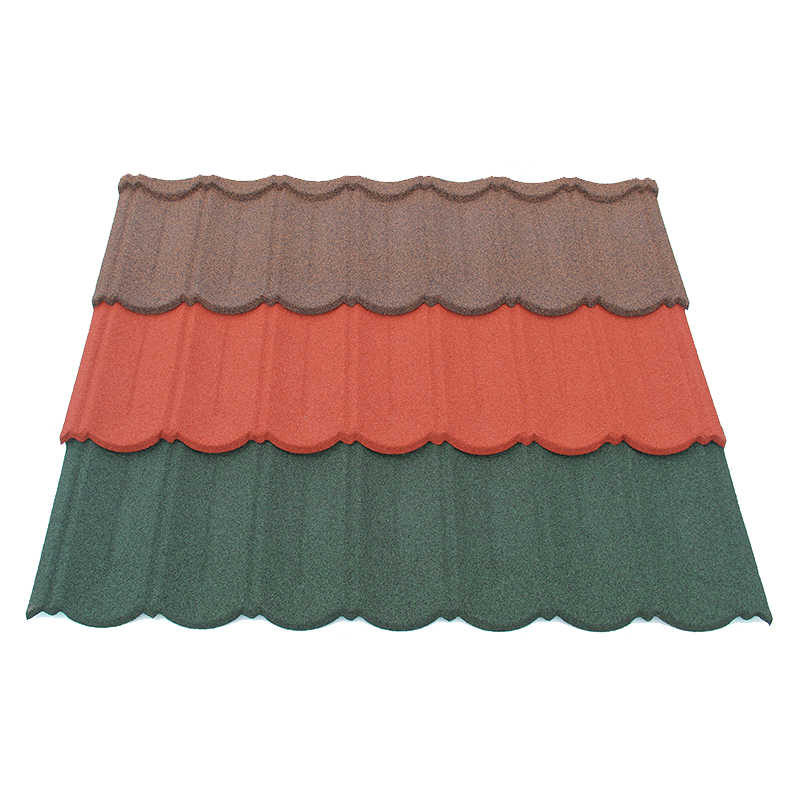
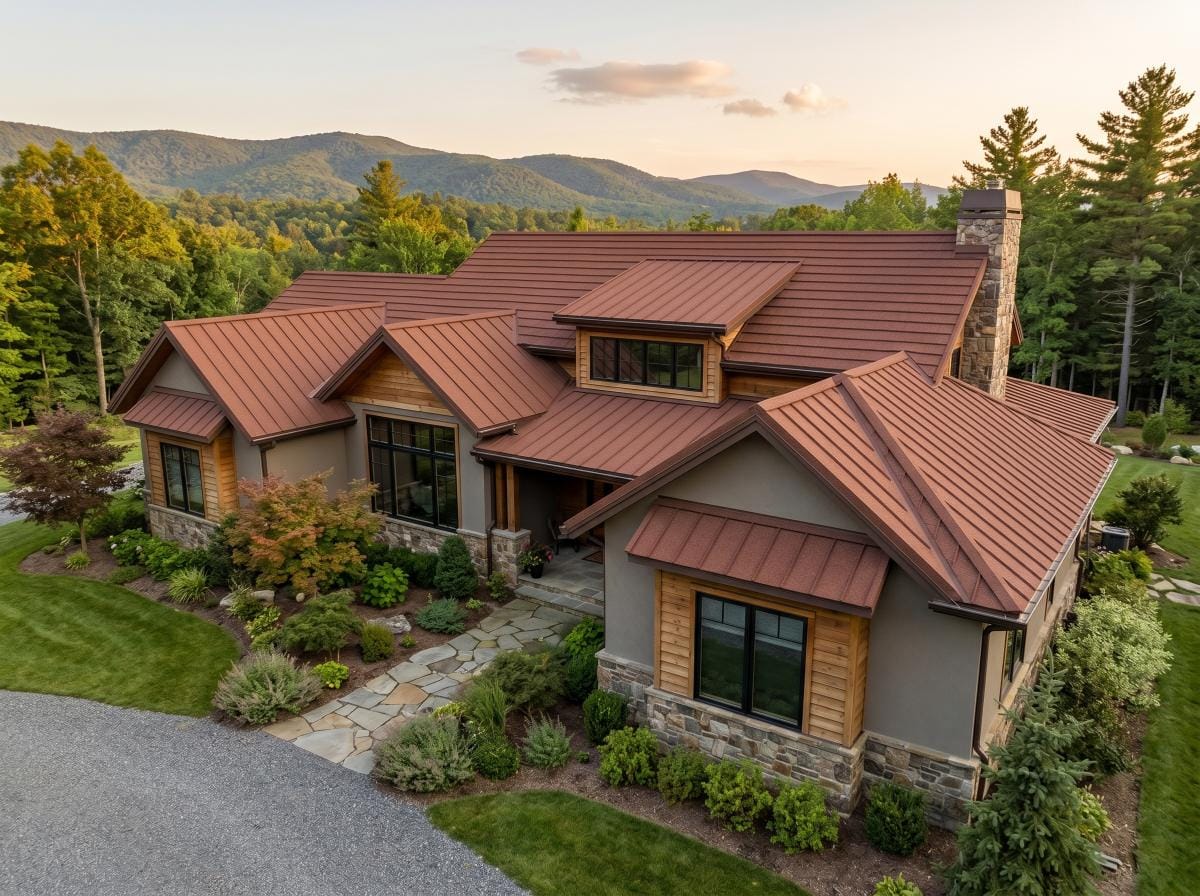
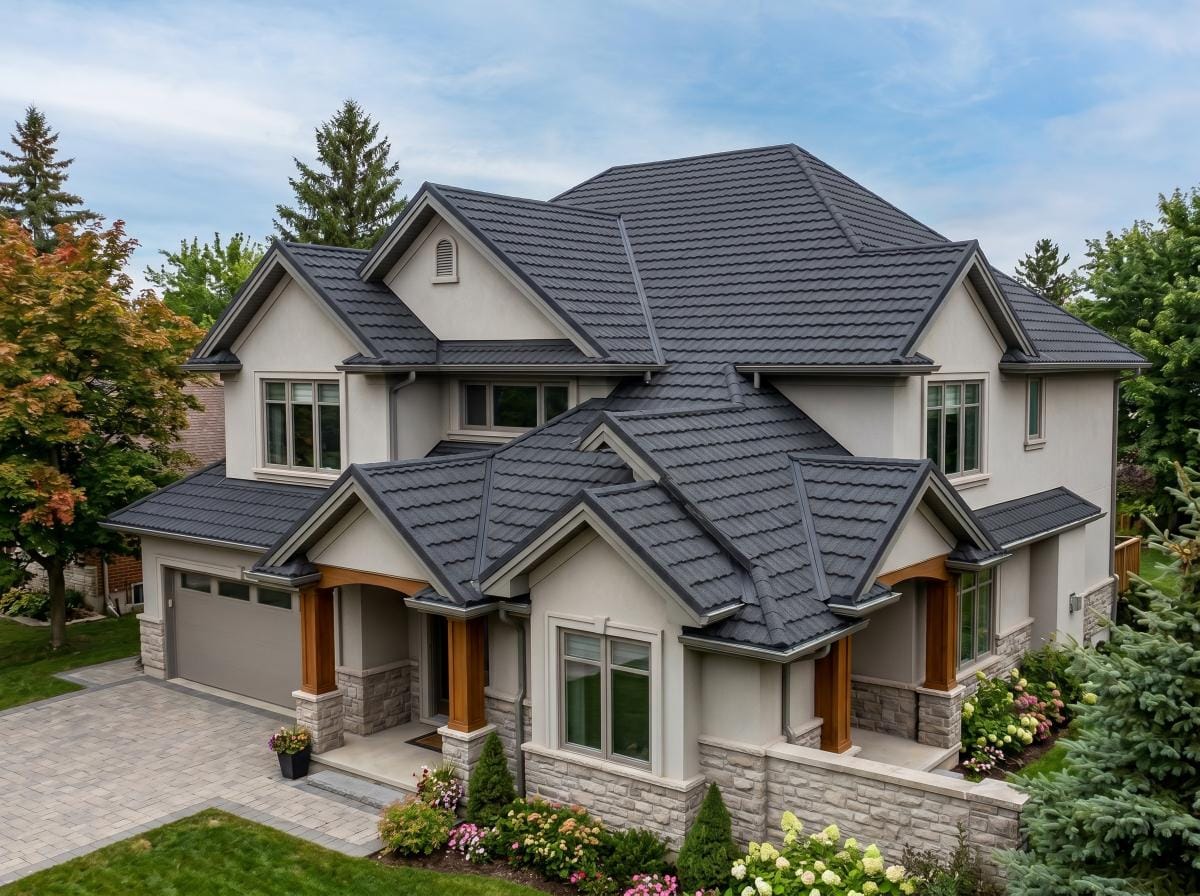
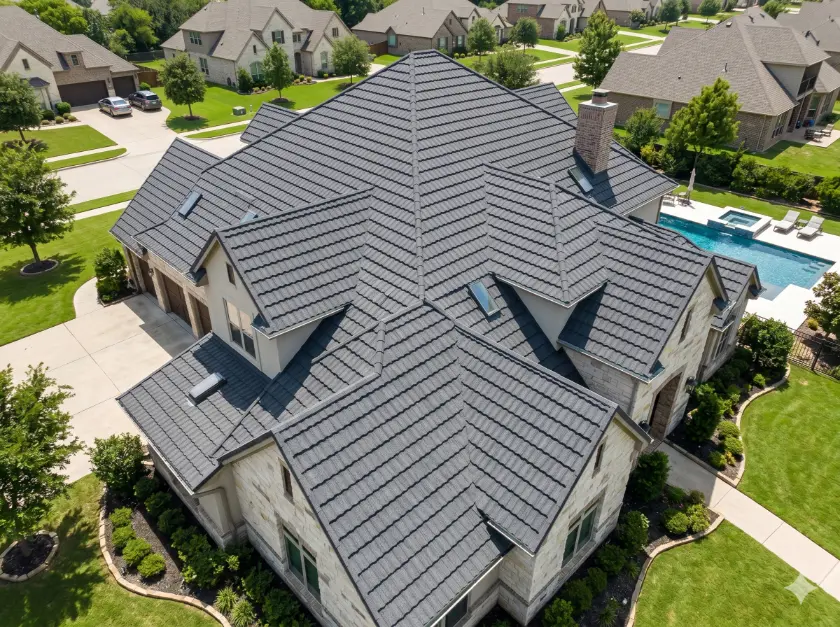
Different roof types require different tile profiles such as Bond Tile, Roman Tile, Shingle Tile, Milano Tile, and Shake Tile. A strong factory should not only produce multiple profiles but also ensure they perform consistently under real installation conditions.
Common Mistakes Buyers Make When Choosing a Factory
Many procurement decisions fail not because of supplier issues but due to incorrect evaluation criteria. Understanding these mistakes can significantly reduce sourcing risks and long-term maintenance costs.
Focusing only on unit price
Low price often correlates with thinner steel, reduced coating thickness, or simplified curing processes. These hidden compromises lead to early roof degradation and replacement costs that exceed initial savings.
Ignoring production consistency across batches
Some factories can produce good samples but fail to maintain consistency in mass production. This creates color mismatch and structural variation in large roofing projects.
Underestimating installation system compatibility
Even high-quality tiles can fail if installation accessories and locking systems are not properly matched. A professional factory should provide complete roofing systems, not just standalone tiles.
Overlooking supplier engineering support
Factories with strong technical teams can support wind load calculations, slope design recommendations, and installation guidance. This reduces engineering risk during project execution.
Industry Insight: Why JCROOF Is Frequently Used as a Benchmark
In China’s roofing export market, certain manufacturers are often referenced as industry benchmarks due to their scale, automation level, and export stability. JCROOF is one of these frequently cited factories in B2B procurement discussions.
The company operates with large-scale automated production lines and focuses on export-driven manufacturing for markets such as Africa, the Middle East, and Europe. Its product range covers multiple profiles including Bond Tile, Milano Tile, and Shingle Tile, which allows buyers to standardize procurement across different project types.
From a buyer’s perspective, such factories help reduce supplier fragmentation and improve long-term procurement stability, especially for distributors managing multi-country supply chains.
Conclusion: How to Identify the Best Roofing Tile Factory in China
The “best” roofing tile factory is not defined by size alone, but by production consistency, engineering control, and export reliability. Buyers should evaluate factories based on material standards, automation systems, quality inspection processes, and real-world project performance.
For long-term procurement success, it is more effective to partner with manufacturers that operate stable production systems and support full roofing solutions rather than focusing only on unit cost.
In the stone coated roofing industry, informed procurement decisions directly translate into reduced maintenance risk, better project durability, and stronger client satisfaction.