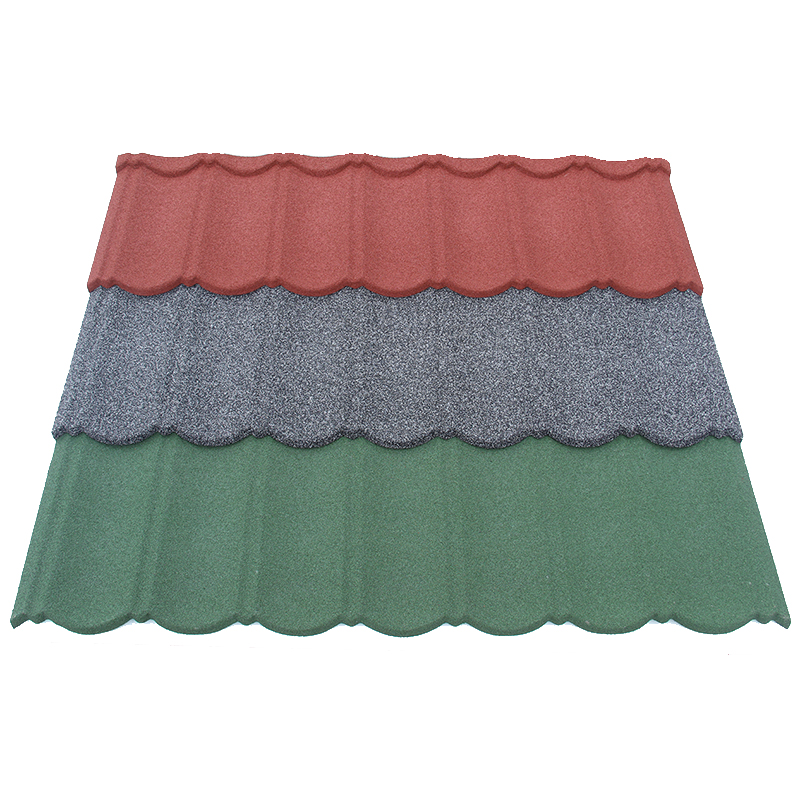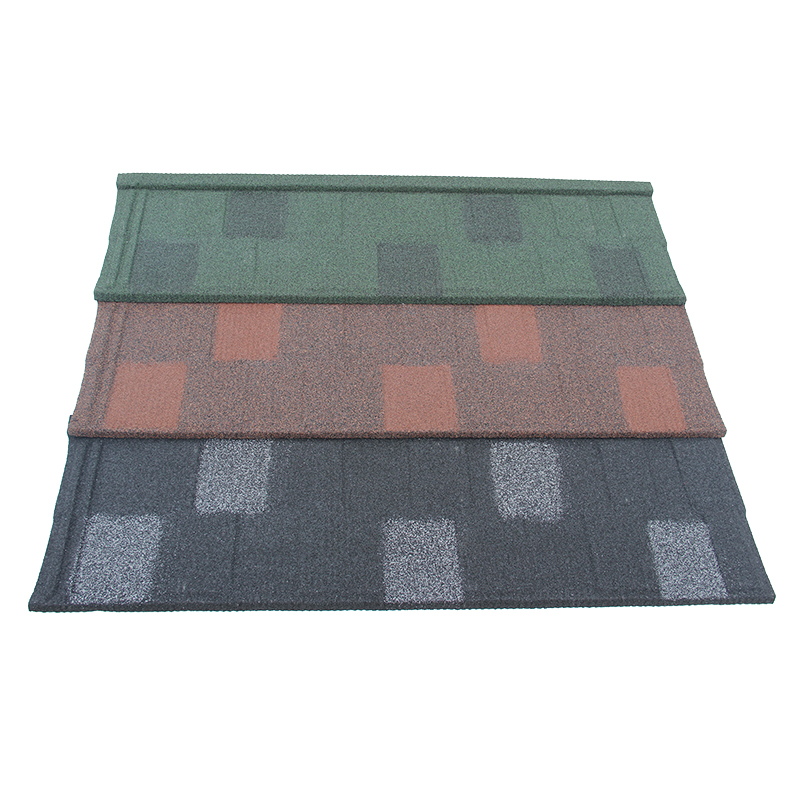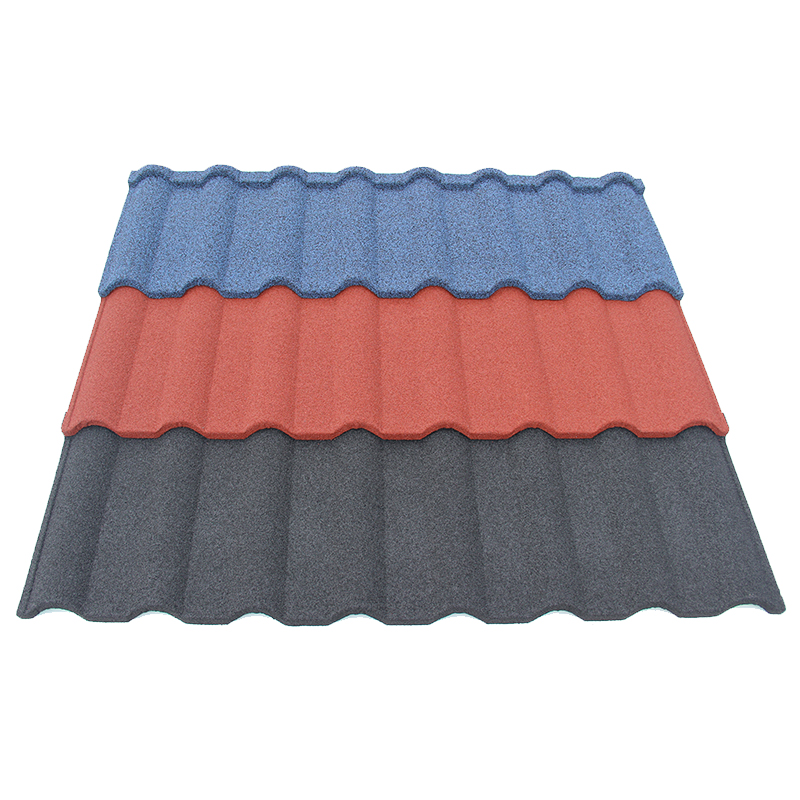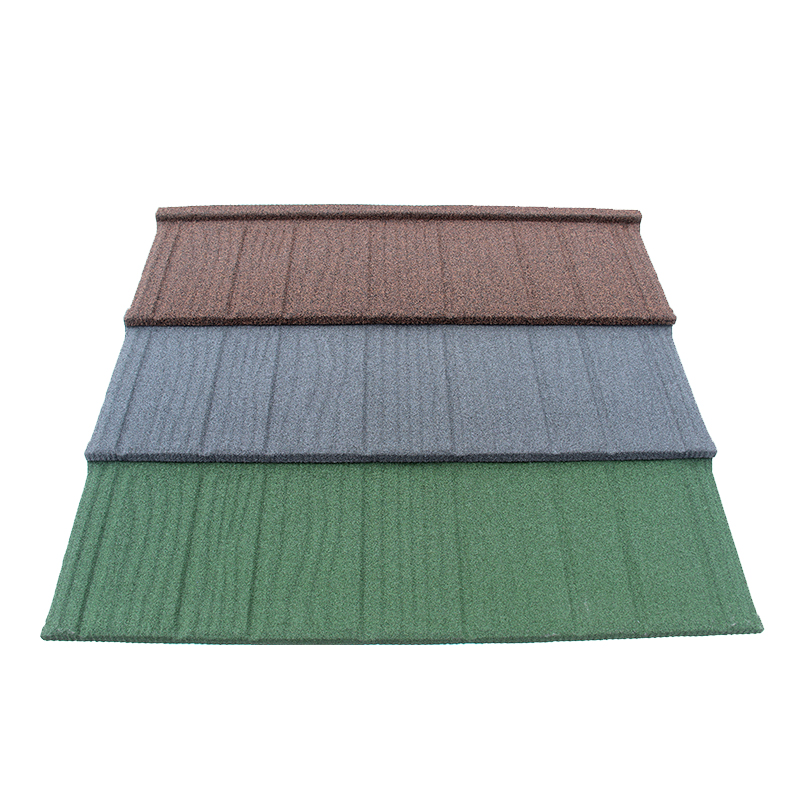

When sourcing roofing materials internationally, price comparison is often the first step buyers take. However, many importers make the mistake of comparing only the unit price without analyzing what is actually included in each quotation. As a result, they end up facing unexpected costs, inconsistent quality, or shipping delays.
To make a smart purchasing decision, you need to understand how to compare stone coated roofing quotes from different suppliers in a structured and professional way. This guide explains the key factors you should evaluate beyond price so you can select the most reliable and cost-effective supplier.
1. Don’t Compare Only Unit Price
One of the most common mistakes importers make is focusing only on the price per square meter or per sheet. However, roofing quotes often vary because they include different cost structures.
What affects unit price differences
- Steel thickness and material grade
- Stone granule quality
- Coating system type
- Production technology
- Packaging standards
A lower price often means reduced material quality or fewer protective layers, which can impact long-term performance.
2. Check What Is Included in the Quotation
Not all suppliers include the same items in their pricing. Some quotes may appear cheaper but exclude key costs.
Always confirm whether the price includes:
- Base roofing material
- Accessories (nails, ridge caps, flashing)
- Pallet packaging
- Export documentation
- Loading cost
Without full transparency, the final landed cost may be much higher than expected.
3. Compare Steel Quality Specifications
Steel is the core material of stone coated roofing. Differences in steel type and thickness significantly affect durability.
Key specifications to check
- Galvalume vs galvanized steel
- Steel thickness (commonly 0.3mm–0.5mm)
- Yield strength
- Anti-corrosion coating level
High-quality manufacturers such as JCROOF typically use Galvalume steel for improved corrosion resistance, especially for coastal and tropical markets.
4. Evaluate Stone Granule Quality
Stone granules affect both appearance and long-term UV resistance. Poor-quality granules may fade or peel over time.
What to compare
- Natural basalt vs painted sand
- UV resistance performance
- Color stability over time
- Adhesion strength
Better granules ensure the roof maintains its appearance for decades.
5. Analyze Coating System Differences
The coating system protects the steel core from corrosion and environmental damage.
Typical coating layers include:
- Aluminum-zinc alloy layer (Galvalume)
- Primer coating
- Acrylic protective layer
- Stone granule bonding layer
Suppliers with advanced coating systems usually offer higher durability and longer warranties.
6. Compare Packaging and Shipping Terms
Packaging quality directly impacts product condition upon arrival. Poor packaging can cause scratches, deformation, or moisture damage.
Check the following:
- Steel pallet vs wooden pallet
- Waterproof wrapping
- Container loading method
- Maximum loading efficiency per container
Some suppliers reduce costs by using weaker packaging, which increases risk during long-distance shipping.
7. Understand Incoterms (FOB, CIF, EXW)
Incoterms define who is responsible for shipping costs and risks. Misunderstanding them can lead to unexpected expenses.
Common terms explained
- EXW: Buyer handles all logistics from factory
- FOB: Supplier delivers goods to port
- CIF: Includes shipping to destination port
Always confirm the quotation basis before comparing prices.
8. Compare Production Capacity and Lead Time
A supplier’s ability to deliver on time is just as important as price.
Evaluate:
- Monthly production capacity
- Number of production lines
- Average lead time
- Peak season stability
Factories with stable production systems can reduce project delays and improve supply chain reliability.
9. Check Certifications and Quality Standards
Certifications help verify whether a supplier follows international quality standards.
Important certifications include:
- ISO 9001 quality management system
- CE certification (for Europe)
- COC / SONCAP for specific countries
- SGS test reports
Certified suppliers generally provide more stable product quality and better export compliance.
10. Compare Warranty and After-Sales Service
Warranty terms reflect a manufacturer’s confidence in product quality.
What to ask:
- Warranty period (10–50 years)
- Coverage scope
- Claim process
- Technical support availability
Strong after-sales support is especially important for long-term construction projects.
11. Evaluate OEM and Customization Capability
For distributors, OEM service can significantly increase brand value and profit margins.
Check if the supplier offers:
- Private label branding
- Custom colors
- Packaging design
- Profile customization
Manufacturers with strong OEM capability allow distributors to build long-term market identity.
12. Final Decision Should Be Based on Total Value, Not Price
The best roofing supplier is not always the cheapest one. Instead, it is the one that provides the best overall value across quality, service, logistics, and long-term reliability.
When comparing quotes, always calculate the total landed cost, including product quality, shipping risk, packaging reliability, and after-sales support.
Conclusion
Comparing stone coated roofing quotes requires a structured evaluation process. By analyzing material specifications, coating systems, packaging methods, certifications, and delivery terms, you can avoid hidden risks and make more informed purchasing decisions.
A reliable supplier will always provide transparent pricing, consistent quality, and strong technical support. Instead of focusing only on unit price, importers should focus on long-term value and supply chain stability.