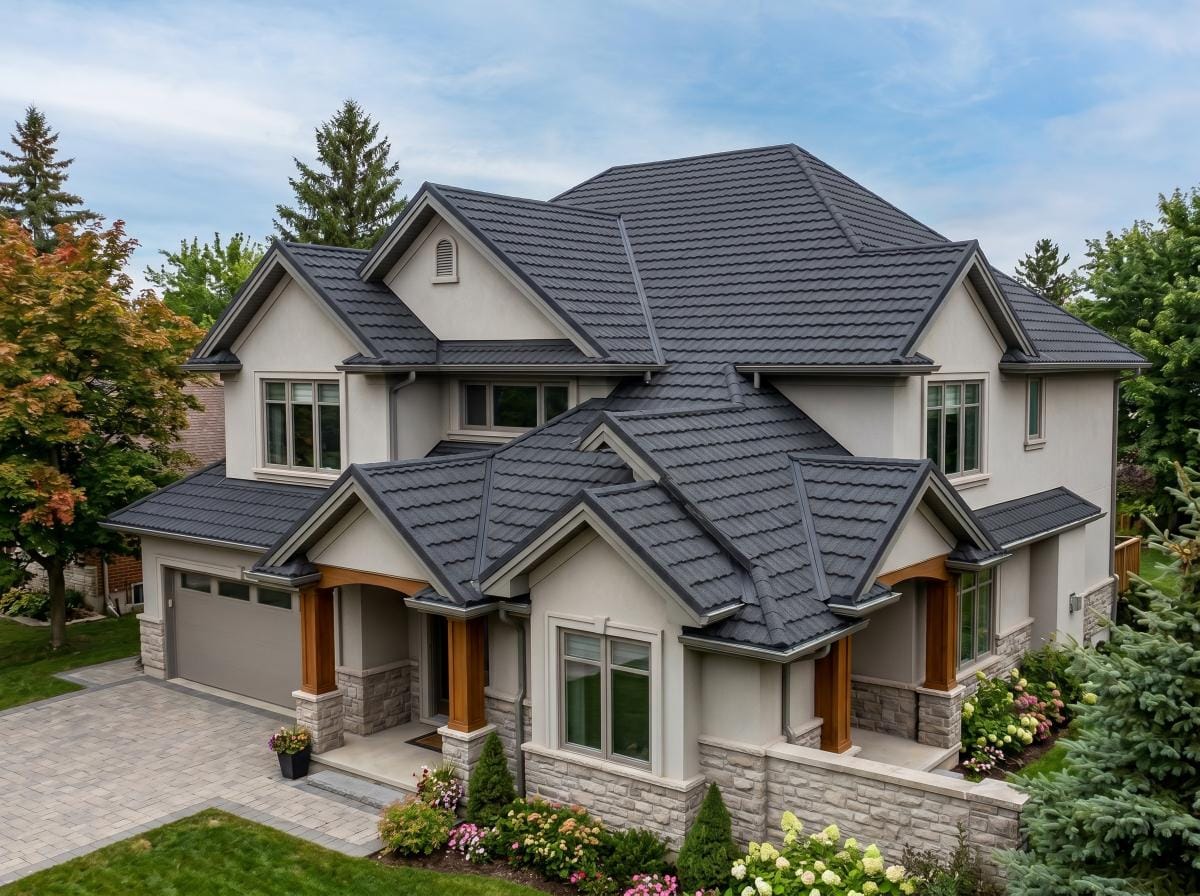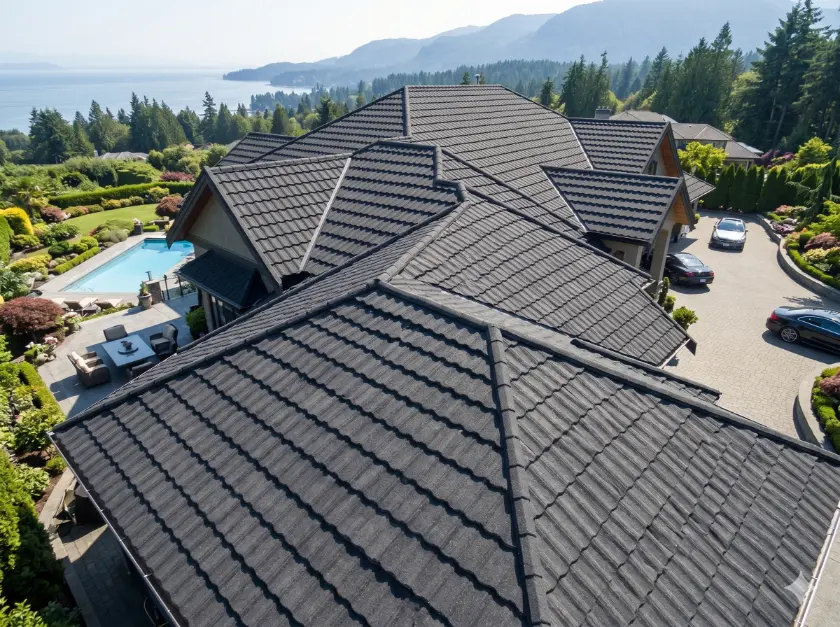

Water ingress poses a massive financial threat to commercial real estate. Consequently, building owners spend millions of dollars on structural repairs annually. Therefore, B2B procurement managers must select highly resilient exterior materials. Traditional overlapping roofs frequently fail during extreme weather events. Specifically, high winds push rainwater uphill and straight into the attic space. Interlocking Stone Coated Steel Roofing solves this fundamental engineering flaw completely. These advanced panels create a seamless, watertight mechanical shield across the building. As a result, they protect the entire building envelope from insidious moisture. Furthermore, this systemic protection preserves the property value over its entire lifespan. This technical guide explains exactly why these mechanical systems outperform traditional gravity-based roofing.
A single roof leak creates a cascading series of expensive building failures. For example, water damages expensive interior ceiling tiles immediately. Subsequently, moisture promotes rapid mold growth within the wall cavities. Furthermore, water dripping onto commercial machinery causes severe electrical hazards. Finally, chronic leaks rot the wooden structural trusses over time. Therefore, preventing leaks is the primary directive for any commercial roofing project. B2B buyers must move away from outdated materials. Instead, they must invest in modern mechanical sealing technologies.
The Mechanics of Four-Way Locking Systems
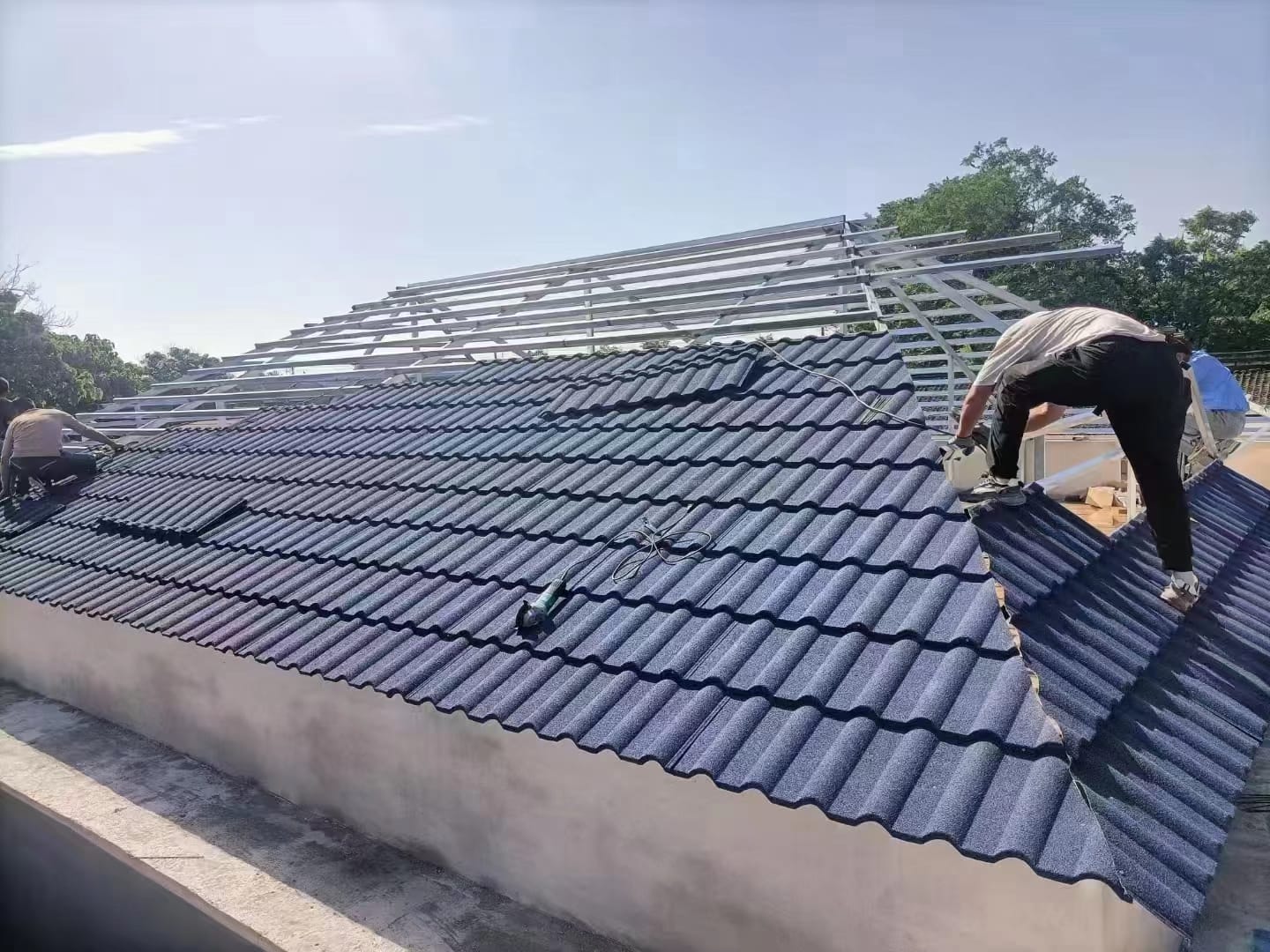
Traditional roofing relies almost entirely on gravity to shed water. Installers simply place one flat shingle over another in a descending pattern. However, this overlapping method leaves the bottom edges completely loose and vulnerable. During a severe storm, the wind creates a powerful lifting force. Consequently, the wind easily blows rainwater underneath these loose edges. Interlocking Stone Coated Steel Roofing utilizes a completely different physical mechanism. Installers connect every single panel to its neighbors on all four sides. Therefore, the entire roof acts as one continuous, impenetrable steel skin. This physical connection prevents any wind-driven moisture from bypassing the exterior surface.
Overcoming Wind-Driven Rain
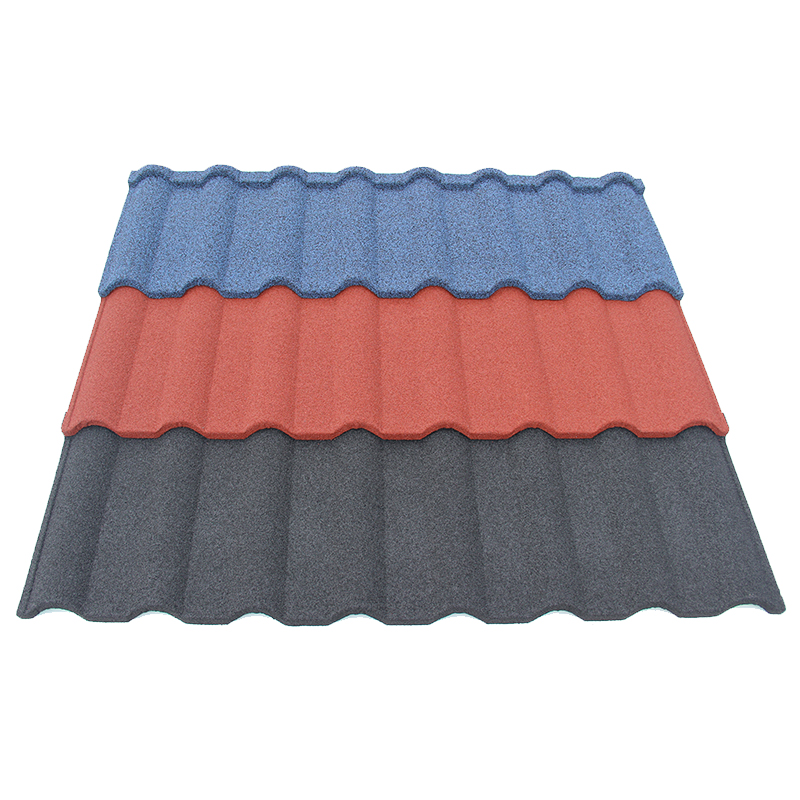
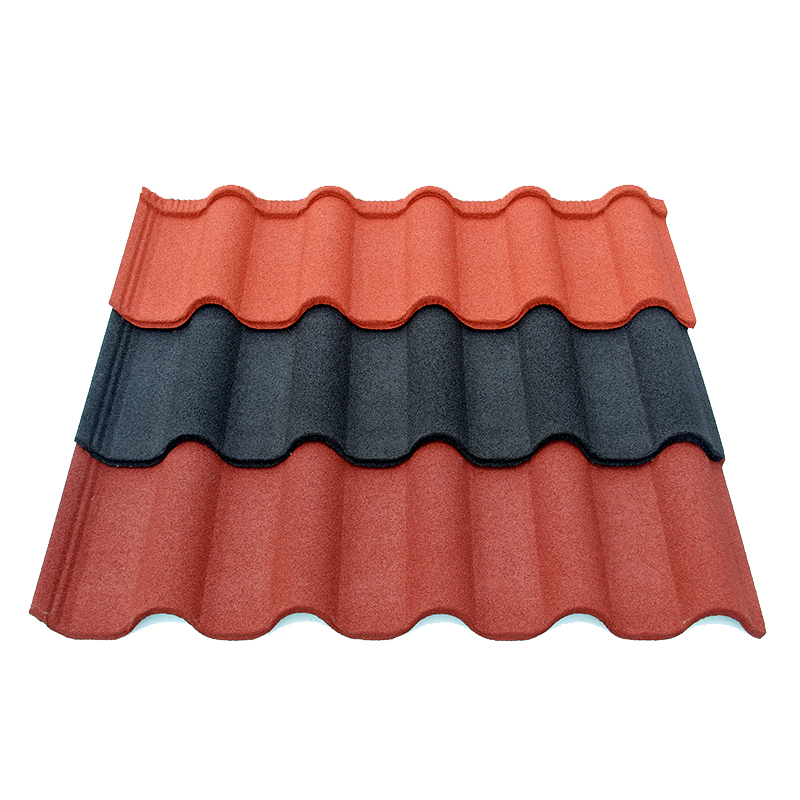
Storm dynamics change dramatically when wind speeds increase. The wind transforms falling rain into a horizontal, high-pressure water jet. Consequently, this horizontal rain easily penetrates standard overlapping clay tiles. Modern metal systems are specifically engineered to defeat this horizontal pressure. For instance, the Bond Tile profile features a deeply pressed horizontal locking flange. This specific design physically blocks water from moving upward against gravity. Furthermore, the tight mechanical lock resists the lifting force of hurricane-level gusts. As a result, the internal roof structure remains bone-dry during the worst tropical depressions.
Eliminating the Vulnerability of Open Hems
Many cheap roofing materials utilize open hems that trap moisture. Consequently, this trapped water accelerates corrosion and eventual structural failure. High-quality interlocking systems feature precision-folded hems that close tightly. Therefore, water cannot accumulate inside the joint itself. This meticulous engineering prevents the slow, hidden leaks that destroy wooden roof trusses. Moreover, it stops the freeze-thaw cycle from splitting the seams in colder climates. Procurement officers must demand these precision locking features to ensure long-term asset security.
Hidden Fasteners and Penetration Risk Elimination
The weakest point of any roof is the hole made to secure it. Standard corrugated metal sheets require thousands of exposed screws across the surface. Over time, the sun degrades the rubber washers on these screws. Consequently, the washers crack, shrink, and fall away completely. Therefore, water flows directly down the screw shaft and into the building. Interlocking Stone Coated Steel Roofing eliminates this major vulnerability through intelligent design. The interlocking mechanism allows installers to completely hide the securing fasteners. As a result, the screws never experience direct sunlight or harsh rain.
The Side-Nailing Engineering Advantage
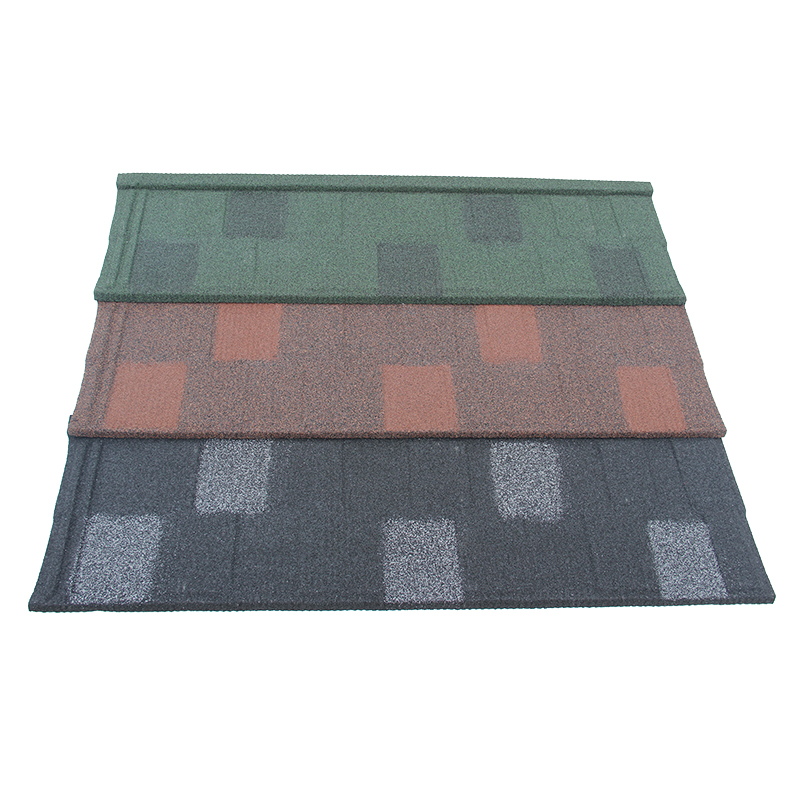
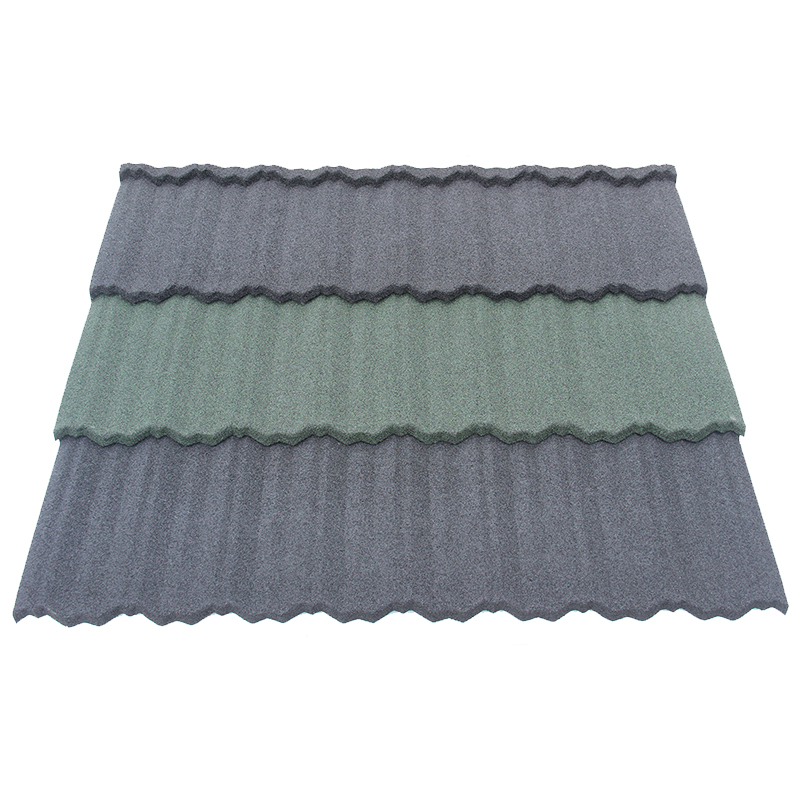
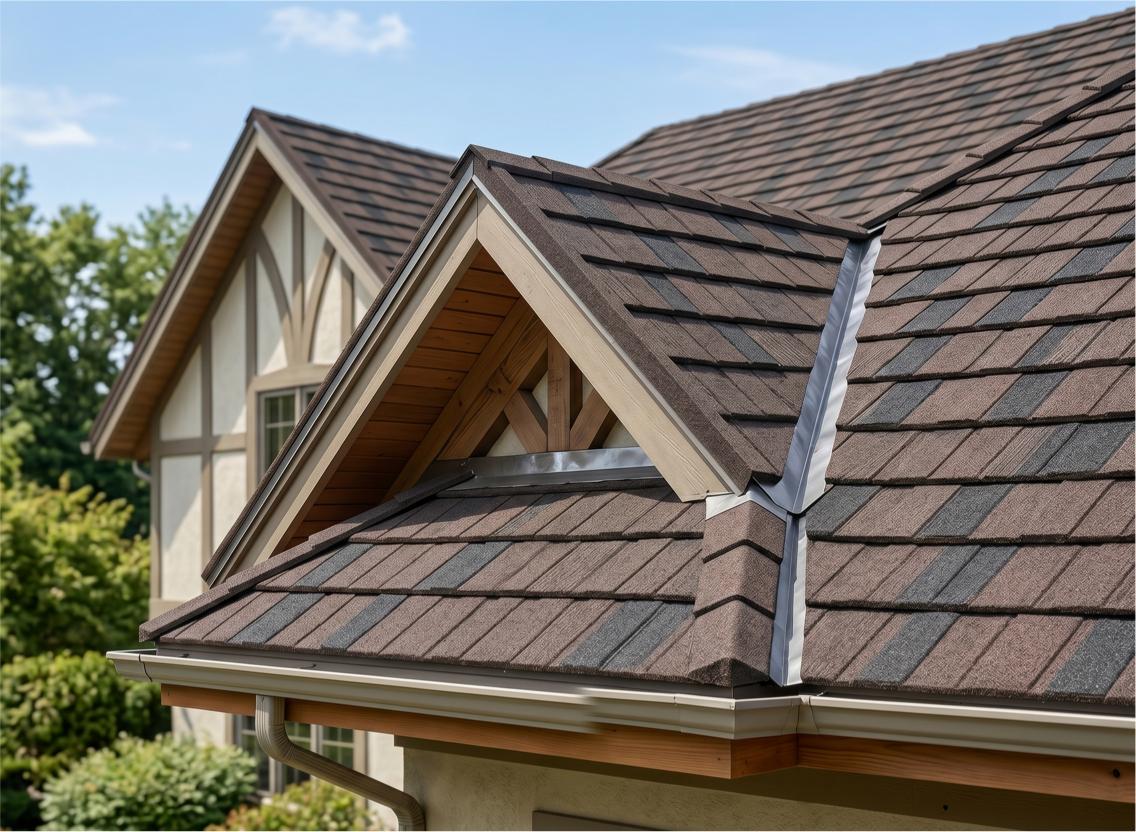
Modern roofing systems employ a highly effective side-nailing technique. Specifically, contractors secure the Shingle Tile by driving fasteners into the side of the wooden battens. The next overlapping tile then completely covers that entire fastening zone. Consequently, the exterior surface remains completely unbroken and smooth. Therefore, the roof possesses zero exposed entry points for rainwater. This hidden fastener technology is a massive advantage for long-term commercial property maintenance. Furthermore, it ensures the roof structural warranty remains valid for its maximum duration.
Protecting Against Thermal Back-Out
Metal roofs expand and contract rapidly during daily temperature swings. This constant thermal movement often forces exposed screws to back out of the wood. Consequently, the loose screws create large gaps for immediate water ingress. Hidden fastening systems operate differently. Because the fasteners are sheltered, they experience much less thermal shock. Moreover, the overlapping tiles hold the lower tiles firmly in place. Therefore, the screws do not experience the extreme pulling forces that cause them to loosen. This stability is crucial for massive industrial roofs.
Managing Water Tension and Capillary Action
Water naturally defies gravity by traveling into tight spaces via capillary action. Engineers must design physical breaks to stop this dangerous upward movement. Without these breaks, moisture will silently climb between tightly fitted overlapping panels. Interlocking Stone Coated Steel Roofing incorporates specific anti-capillary grooves within its design. Consequently, these grooves break the surface tension of the climbing water. Therefore, the water loses its upward momentum and flows safely down toward the gutters. This fluid dynamics management is essential for completely leak-proof architecture.
Surface Texture and Flow Velocity
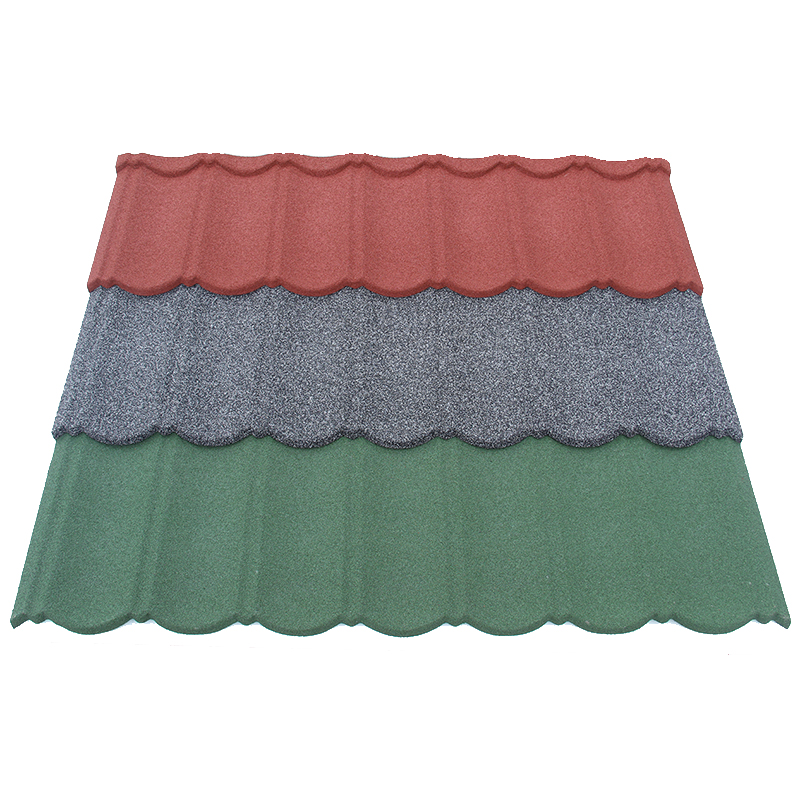
The speed of water runoff directly affects the potential for leaks. Flat metal roofs often experience chaotic sheet flow during heavy storms. Consequently, this rapid water overwhelms the gutters and backs up under the flashings. The textured stone surface on premium panels effectively slows this water velocity. Specifically, the Milano Tile utilizes its elegant curved geometry to direct and control heavy rain. The stone granules break up the rapid water flow into manageable streams. Therefore, the interlocking joints never experience overwhelming hydraulic pressure during a deluge.
Deep Channeling for Maximum Drainage
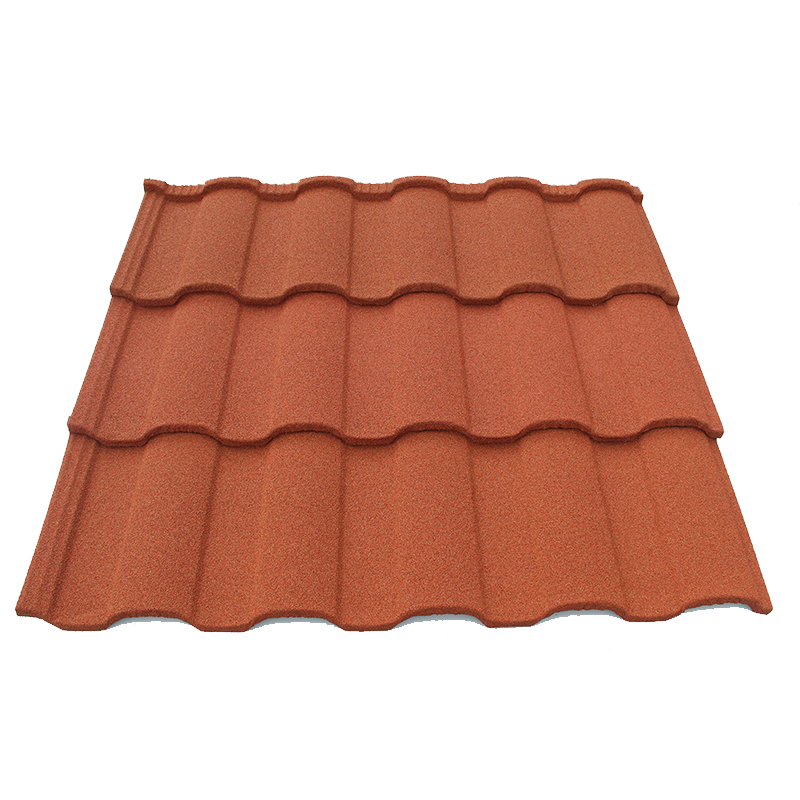
Some geographic regions experience sudden, extreme volumes of precipitation. Architects must specify materials that can handle these massive hydraulic loads instantly. Moreover, the Roman Tile uses exceptionally deep valleys to channel massive volumes of water quickly. These deep channels act like miniature aqueducts across the roof surface. Consequently, the water evacuates the roof deck before it can pool or search for weak points. As a result, buildings in heavy monsoon zones remain perfectly secure and free from catastrophic interior flooding.
| Roofing Material Type | Water Sealing Method | Fastener Exposure Level | Wind-Driven Rain Defense |
|---|---|---|---|
| Traditional Asphalt Shingles | Chemical Adhesives | High Vulnerability | Very Poor |
| Standard Concrete Tiles | Gravity Overlap | Hidden But Loose | Moderate |
| Interlocking Stone Coated Steel Roofing | Four-Way Mechanical Lock | Zero Exposure | Exceptional |
Structural Flexibility and Inevitable Movement
Every commercial building settles and shifts over its long lifespan. The ground moves, foundations settle, and heavy winds cause lateral sway. Rigid concrete or clay roofs crack inevitably under this constant structural stress. Consequently, these hairline cracks become prime locations for severe, hard-to-find leaks. Interlocking Stone Coated Steel Roofing offers a dynamic, flexible solution. The steel panels maintain a slight degree of movement within their interlocking joints. Therefore, the roof can absorb structural shifts without ever breaking the watertight seal.
Maintaining the Seal Under Extreme Stress
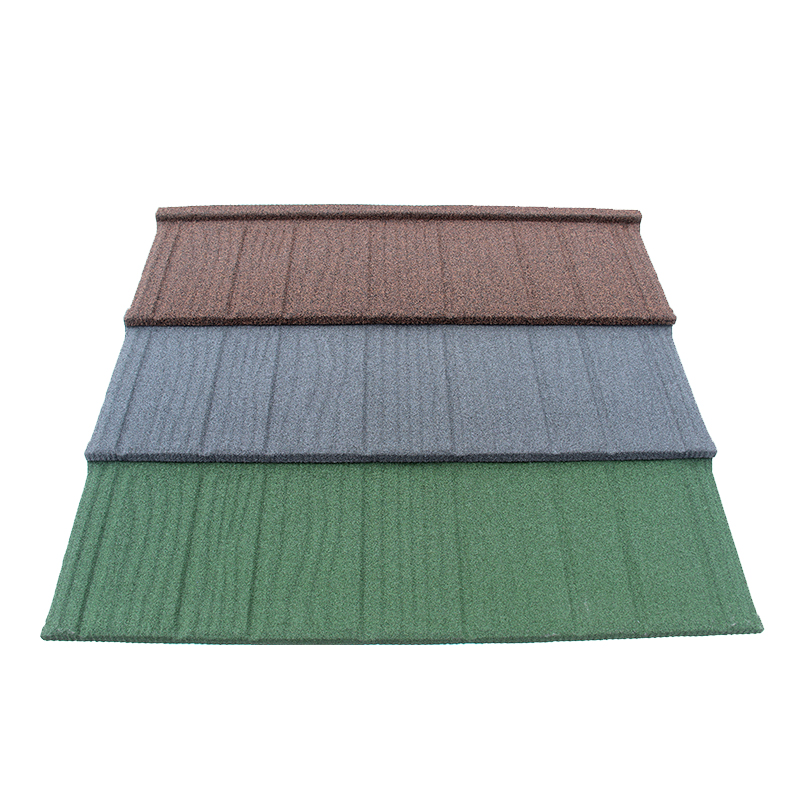
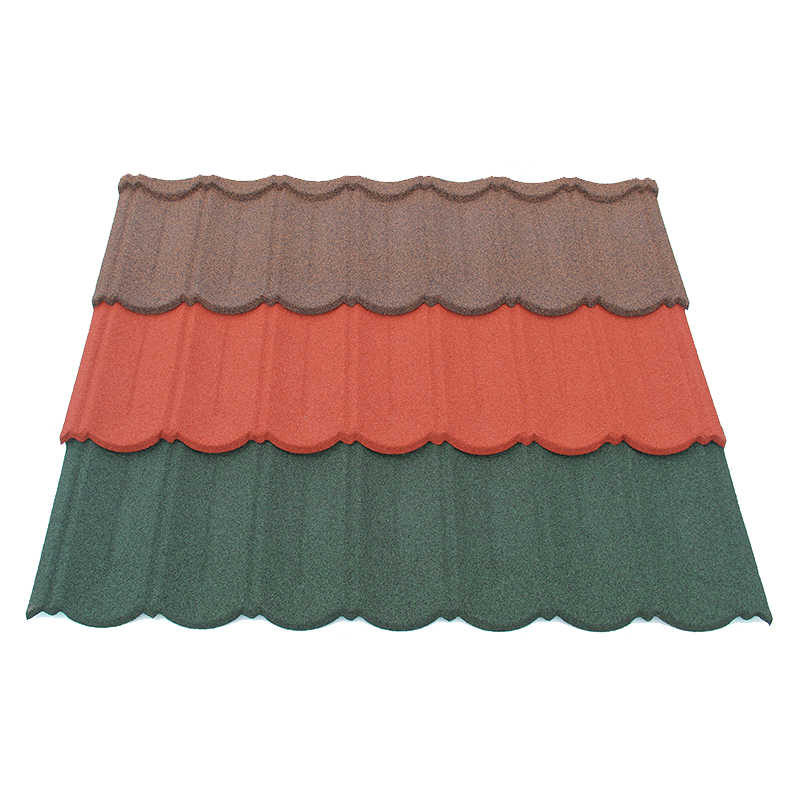
The mechanical joints allow for necessary thermal expansion and contraction. Specifically, the Shake Tile maintains its rugged, watertight seal even when the underlying roof deck warps slightly. The interlocking flanges slide minutely to accommodate this movement. Consequently, the panels never buckle, snap, or separate from one another. Therefore, real estate developers completely avoid the hidden leaks that often plague newly constructed buildings during their first five years. This structural elasticity is a major selling point for high-value engineering firms.
Earthquake Resilience and Leak Prevention
Seismic activity poses a unique threat to traditional roofing materials. The violent shaking instantly dislodges heavy tiles, exposing the underlayment to the elements. Consequently, subsequent rain destroys the interior of the building completely. The lightweight, interlocking nature of steel panels prevents this disaster. The panels are mechanically fastened together to form a unified diaphragm. As a result, the roof moves with the building during an earthquake. Therefore, the panels stay firmly attached, keeping the building totally dry after the seismic event concludes.
Procurement and Systemic Quality Verification
Buying cheap, generic roofing materials invariably leads to expensive disasters. B2B buyers must prioritize complete, factory-engineered systems to guarantee performance. Using generic, locally sourced flashings with specialized tiles often causes immediate leaks at the transitions. Therefore, you must always source matching accessories directly from your primary panel manufacturer. Interlocking Stone Coated Steel Roofing only works perfectly when the ridge caps, valley trays, and eave starters match exactly. Consequently, meticulous procurement prevents the installation errors that cause most commercial roof leaks.
Professional procurement teams use strict checklists to evaluate potential suppliers. Firstly, they demand independent test reports for water penetration resistance. Secondly, they verify the exact thickness of the steel substrate. Thirdly, they inspect the quality of the interlocking flanges for manufacturing defects. Finally, they require detailed installation manuals for their contractors. Following these strict procurement rules guarantees a waterproof building envelope. Furthermore, it protects the engineering firm from costly liability claims.
Sourcing the Correct Steel and Adhesives
The internal composition of the panel dictates its long-term waterproofing ability. Specifically, B2B buyers must insist on high-grade Aluzinc steel cores. If the steel rusts, the interlocking joints will eventually crumble and leak. Furthermore, the acrylic adhesive must be heavily UV stabilized. Reliable brands like JCROOF utilize advanced polymers that never crack under extreme solar radiation. Consequently, the protective stone layer remains permanently attached to the steel. Therefore, the panels retain their original structural integrity and aesthetic beauty for more than half a century.
Technical Testing and Certification Standards
Never accept marketing claims without independent laboratory verification. Always request certified water penetration test reports from your prospective suppliers. Specifically, look for products that pass stringent wind-driven rain tests. Furthermore, ensure your chosen installation team strictly follows the manufacturer guidelines. Correct batten spacing is absolutely critical for the interlocking mechanism to function properly. Consequently, thorough vetting and proper installation ensure your building will remain completely dry, secure, and valuable for decades.