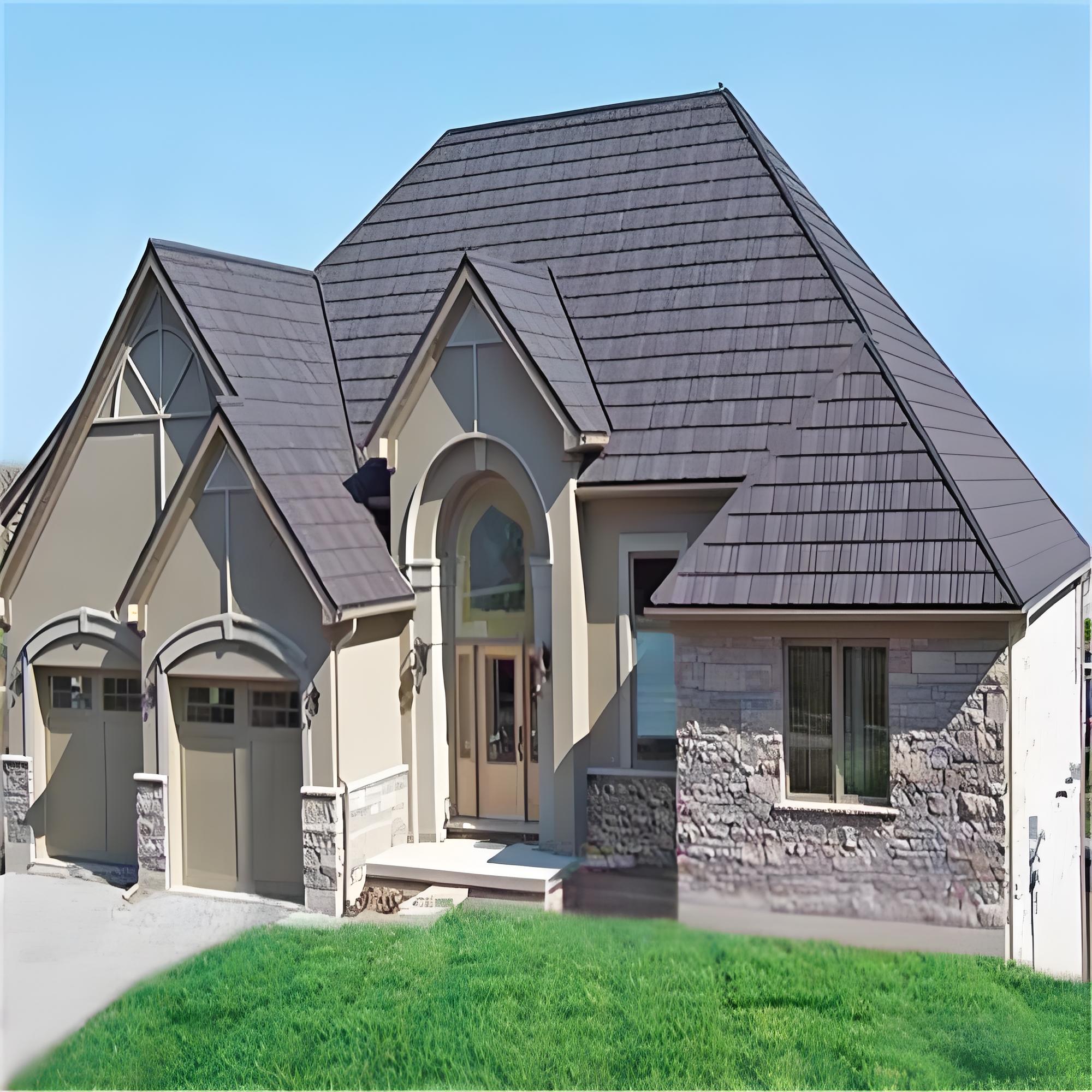
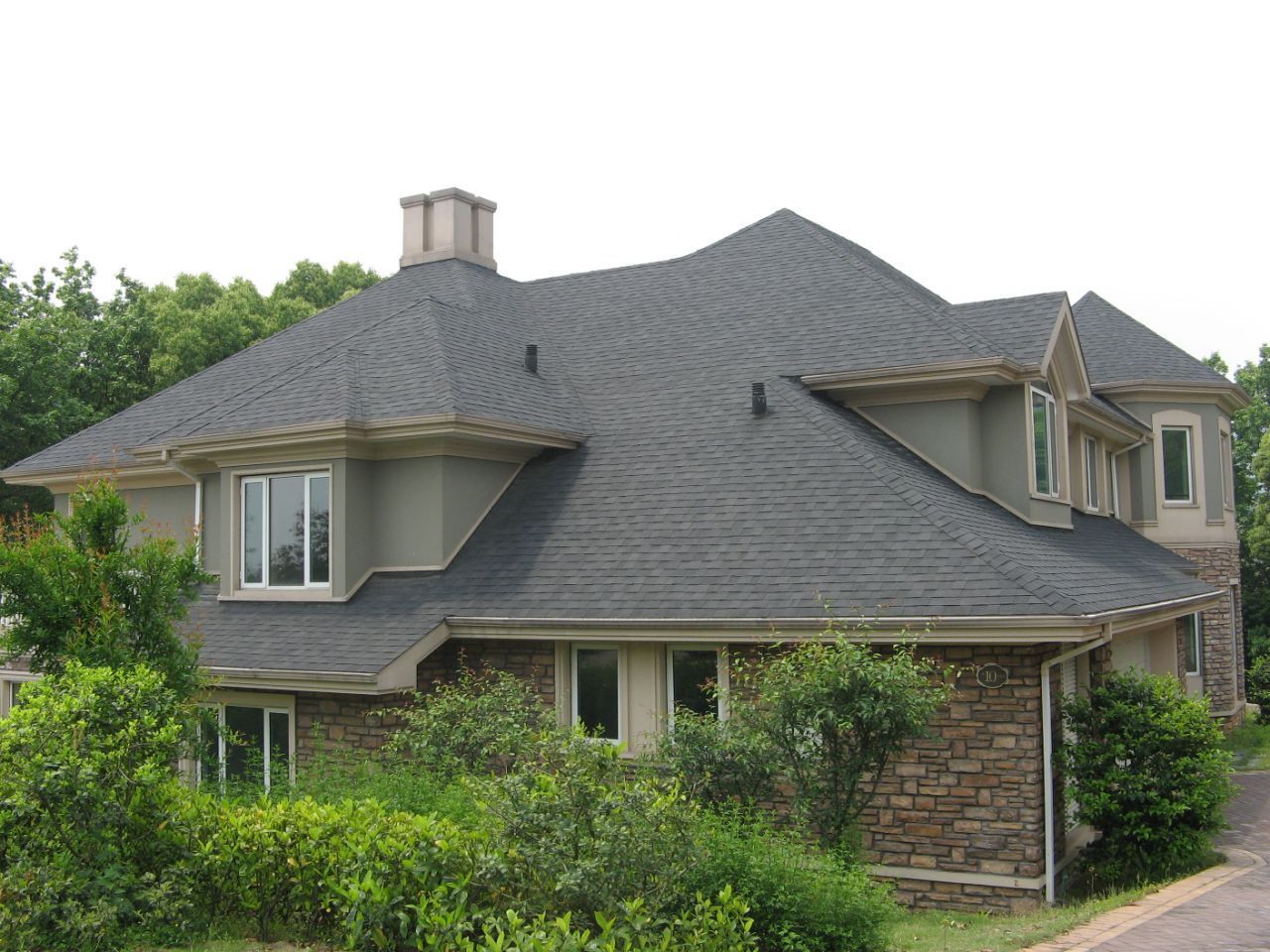
Many roofing and building material distributors ask the same question. Should you add stone coated metal tiles to product line plans that already work? A new category ties up cash. It takes warehouse space. It also asks you to teach customers something new.
This guide gives you a simple framework to judge the fit for your own business. It also answers the concerns buyers raise most often, and shows how to test the product with low risk. It is written for distributors, wholesalers, and importers who already sell roofing or building materials.
What Stone Coated Metal Tiles Add to a Product Line
Stone coated metal tile: a roofing tile made from coated steel, with an acrylic base coat, stone granules, and a clear topcoat.
For most distributors, this product fills a gap. It is a light roofing option that looks like a traditional tile or shingle. It usually adds to your range rather than replacing what you already sell.
Weight is one of the clearest differences. According to one general comparison, metal roofing weighs roughly 50 to 150 pounds per roofing square. Concrete tile weighs roughly 550 to 750 pounds, and clay tile roughly 850 to 950 pounds. Note that these figures cover metal roofing in general, not stone coated tiles alone. They are rough estimates. Ask your supplier for the exact weight of each profile.
Do not rely on a general lifespan claim either. Ask the supplier for warranty terms and test data on the specific product. Our guide to AZ60, AZ100, and AZ150 coating thickness shows why the base coating matters.
Five Questions to Plan Your Move
Use these questions to shape your plan. Each one helps you decide where to start.
| Question | What to think about |
|---|---|
| Who will buy it? | Think of customers who ask for light, durable roofing, or a tile look without the weight. |
| Which market will it serve? | Check climate, local building rules, and certification needs. |
| How does it fit my range? | It can serve a new need, or sit beside products you already sell. |
| How much stock do I start with? | Count profiles, colors, and minimum order quantities. A low minimum keeps the first order small. |
| How will it get installed? | Plan for installer guidance and matching accessories. |
Customer and Market Fit
Start with your customers, not the product. If nobody in your network asks for lighter or longer-lasting roofing, the category may sit on your shelves.
Then check the market. Climate matters. Coastal sites need stronger coatings, as our guide to roofing solutions for coastal and high-salinity environments explains. Building rules matter too. Read our guide on whether stone coated metal roofing is fire resistant before you promise any rating to a customer.
Local conditions differ a lot. In Southeast Asia, India, and Africa, climate, building rules, and installer skills vary by country and even by city. Treat each one as something to verify, not something to assume.
Accessories and Installation
A tile is only part of the roof. Ridge pieces, flashings, and fasteners all matter. Older industry articles agree that good detailing at edges, valleys, and wall joints makes a difference. A 2008 piece in the Journal of Light Construction and a 2004 article in Roofing Contractor both make this point. Both are older and come from individual cases or manufacturer input, so treat them as a reminder, not hard data.
The practical answer is simple. Ask your supplier which accessories they supply, and what installation guidance comes with the product. Clear videos and step-by-step guides help installers get up to speed quickly.
Common Concerns Before Adding a New Category
Most distributors raise the same worries before they add a new product. Each one has a practical answer.
| Common concern | How to address it |
|---|---|
| “My installers do not know this product.” | Ask the supplier for installation videos and guides. Share them with your contractors before the first job. |
| “I do not have much storage space or cash.” | Choose a supplier with a low minimum order. Start with one profile and a few colors. |
| “I am not sure I need the matching accessories.” | Ask which ridge pieces, flashings, and fasteners come with the product, and order them with the tiles. |
| “My customers may not know the product.” | Use samples and project photos to show the look and weight in person. |
Most of these concerns come down to planning, not limits. A small first order and clear installation guidance cover most of them.
What to Check With the Supplier Before You Commit
A new category adds supplier risk. Check these areas before you sign.
- Color consistency: Repeat orders must match earlier ones. Our guide to roofing tile color variation between batches explains what is normal.
- Shipping damage: Moisture can harm cargo in a container. See our guide to shipping moisture damage.
- Customs: Classification mistakes can delay a shipment. Read our guide to customs clearance issues when importing roofing tiles.
- Quotes: Different suppliers quote different scopes. Use our guide on how to compare roofing tile quotes.
- Overall due diligence: Work through our buyer’s checklist for stone coated roofing tiles.
Send the same questions to every supplier. Compare the written answers side by side.
A Low-Risk Way to Test the Product
You do not need to commit to a full range on day one. A staged test limits your risk.
- Order samples first. Judge color and finish on real pieces. Our sample request guide shows how.
- Start with one profile. A single profile keeps stock simple.
- Pick a few colors. Our guide to a first product line color range shows how to choose a small set.
- Ask about mixed loading. Check whether colors or profiles can share one container, and what the minimums are.
- Run a pilot. Offer the product to one or two trusted customers or a small project.
- Review the results. Let real sales data decide whether to expand.
If you plan to sell under your own brand later, read Q7 of our buyer’s checklist on OEM and private label terms.
Common Questions About Adding a New Roofing Product
Q: How much money do I need to start?
A: Your cost depends on the number of profiles, the number of colors, and the minimum order for each. A supplier with a low minimum order lets you keep the first shipment small.
Q: Do my installers need special training?
A: Good guidance helps any new product. JCROOF provides installation videos that your contractors can watch before their first job.
Q: Will it compete with products I already sell?
A: For many distributors it serves a different need, such as lighter roofing or a tile look. It can sit beside your current range and give customers more choice.
Q: How do I explain the price to customers?
A: Explain the reason for the price, not just the number. Talk about weight, coating, and the warranty. Back each claim with documents from your supplier.
Test the Fit With JCROOF
JCROOF works with distributors who want to test a new category before they commit to a full range. The minimum order is low, so a first shipment stays small. Installation videos help your contractors get started. Start with the profile that suits your market. Options include the Bond Tile, the Roman Tile, and the Shake Tile. Ask for samples and a small first order.
The project gallery shows finished installations, which helps when you explain the product to your own customers.
The decision to add stone coated metal tiles to product line plans does not need to be a leap. Check the fit with your customers and market. Confirm the supplier risks. Then test with one profile and a small order before you grow.