
Understanding the difference between a material warranty and a coating warranty is one of the most overlooked steps when evaluating a roofing tile supplier. Two suppliers can both promise a “25-year warranty” and mean completely different things — one covers the steel base, the other covers the steel base and the coating on top of it. For a distributor signing a supply agreement, that difference determines how much risk you’re actually taking on, and how much you can honestly promise your own customers.
In short, this guide breaks down what material-only and coating-included warranties actually cover, why the distinction matters for your downstream liability, and what to verify before you sign.
Material Warranty vs. Coating Warranty: The Core Difference
Roofing tile warranties are rarely a single blanket promise. Instead, most break down into separate layers, and each layer protects against a different type of failure.
Material warranty: Covers defects in the base substrate — the galvanized or Galvalume steel core. It protects against issues like rust perforation, structural cracking, or premature corrosion of the metal itself.
Coating warranty: Covers the stone-coated surface layer on top of the steel, protecting against fading, chalking, or loss of coating adhesion. This is a separate promise from the one covering the steel underneath.
In practice, a material-only warranty means the manufacturer stands behind the steel, but not the appearance or surface performance of the coating. A coating warranty, on the other hand, extends that protection to both layers — the steel and the finish.
What a Material-Only Warranty Covers
What a Coating-Included Warranty Covers
- Structural defects in the steel substrate
- Rust perforation under normal use conditions
- Manufacturing defects present at the time of shipment
- Typically does not cover color fade, chalking, or granule loss
- Everything under a material warranty, plus
- Color fade beyond a defined threshold — suppliers usually measure this in Delta E (ΔE) color-difference units
- Surface chalking — manufacturers typically test this against methods such as ASTM D4214, the standard method for evaluating chalking on coated surfaces
- Coating adhesion failure — where the stone-coated layer separates from the steel base
Why This Distinction Affects Your Liability to Downstream Customers
This is where the material warranty vs. coating warranty distinction stops being technical and starts being commercial.
For example, if you resell tile under a material-only warranty but tell your own customers that the manufacturer backs the roof with a full warranty, you’ve created a liability gap. As a result, when a customer later reports fading or coating loss, you have no manufacturer claim to fall back on — the cost of resolving it falls on you instead.
This matters most for distributors selling into markets with strong sun exposure, coastal salt air, or heavy seasonal rainfall, where those conditions test coating performance harder than substrate strength. In those cases, a material-only warranty leaves a meaningful gap in what you can actually guarantee. You can see how coating performance holds up across different climates in our completed projects.
Ultimately, the safest approach is to match your customer-facing warranty language to what your supplier’s contract actually covers — not to what the warranty length alone implies.
How Coating Type Changes the Warranty Picture (Ceramic vs. Surface-Sprayed)
Coating warranties aren’t uniform across suppliers, largely because the coating process itself varies.
Specifically, manufacturers fuse ceramic-glazed coatings onto the stone granules at high temperature, which creates a harder, more color-stable surface layer. By contrast, surface-sprayed or resin-coated finishes apply color after the granules set, and these finishes tend to be more vulnerable to UV fade and surface wear over time.
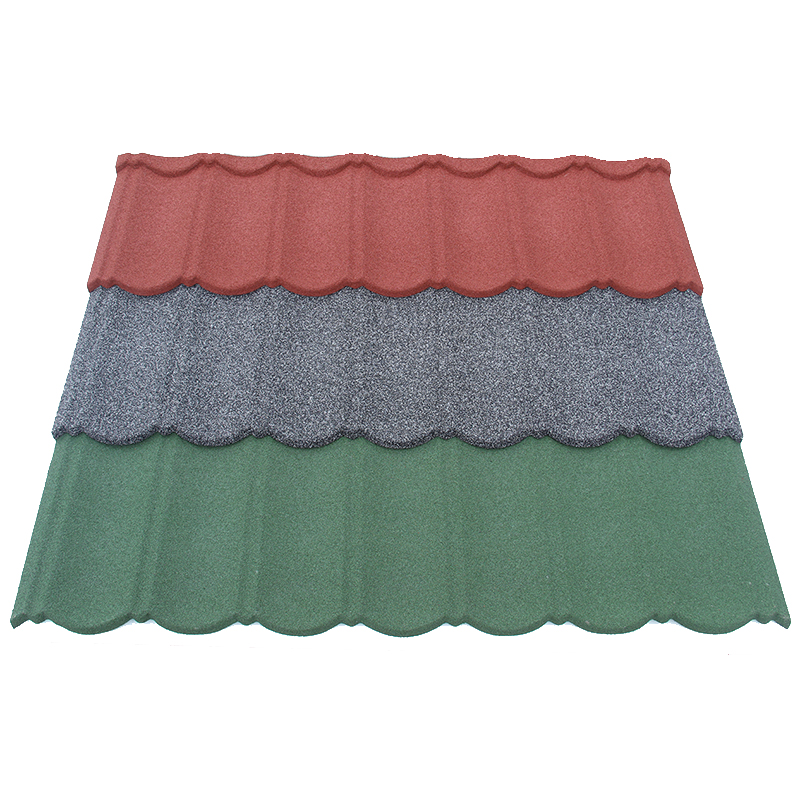
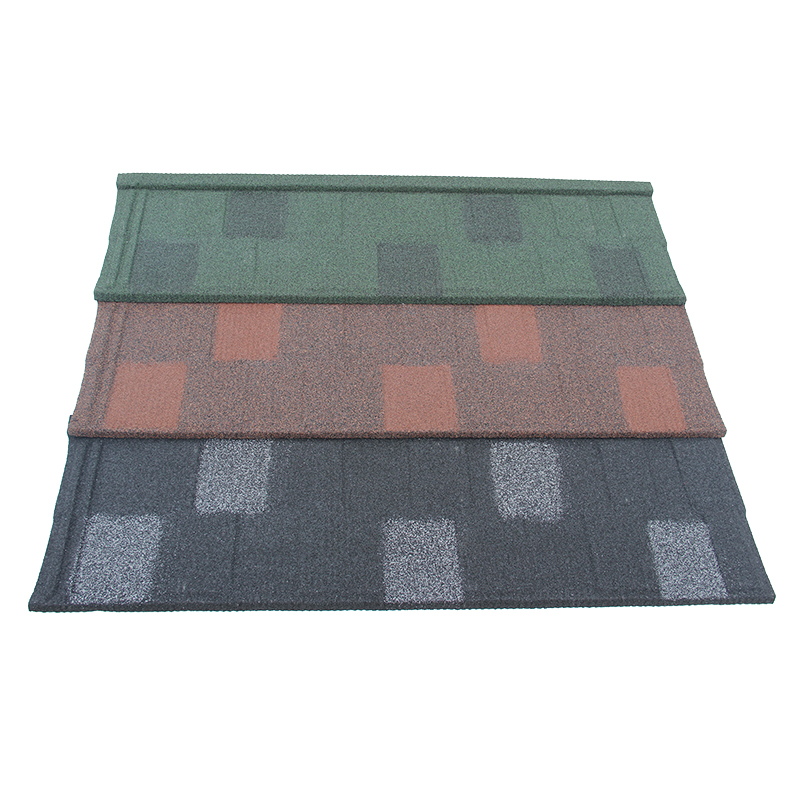
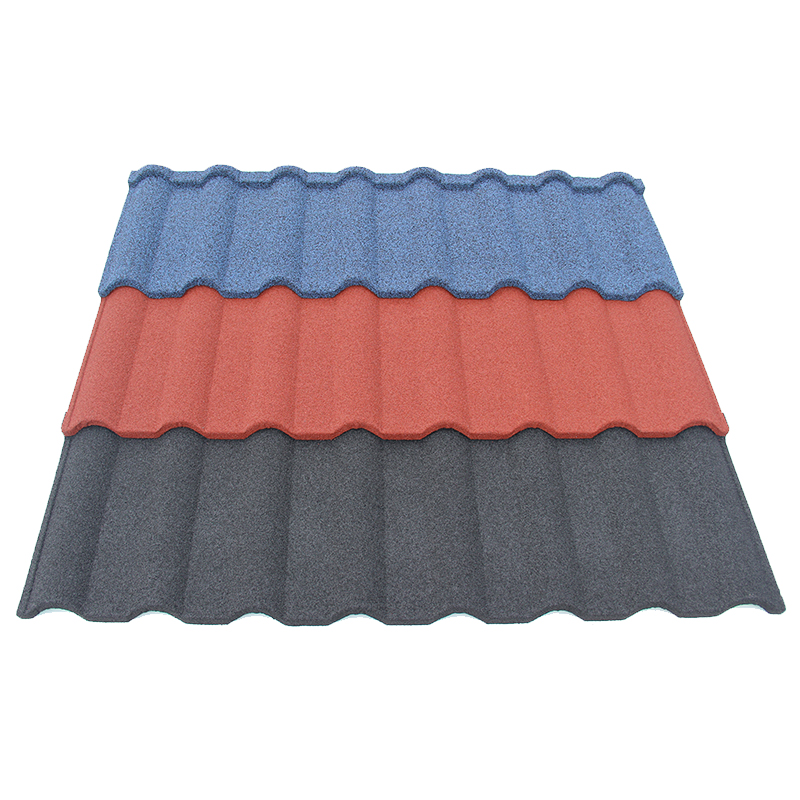
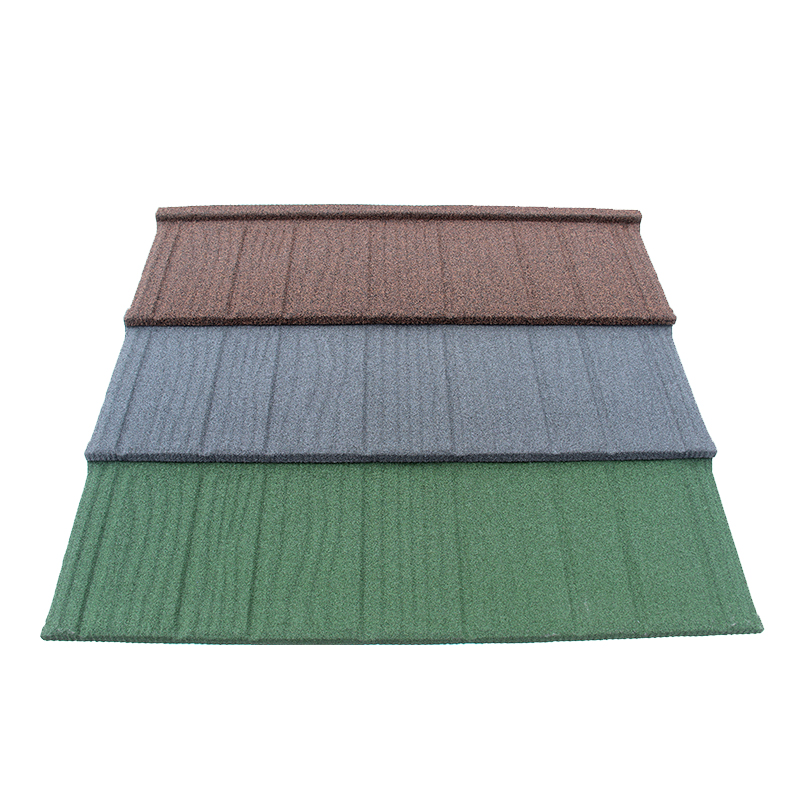
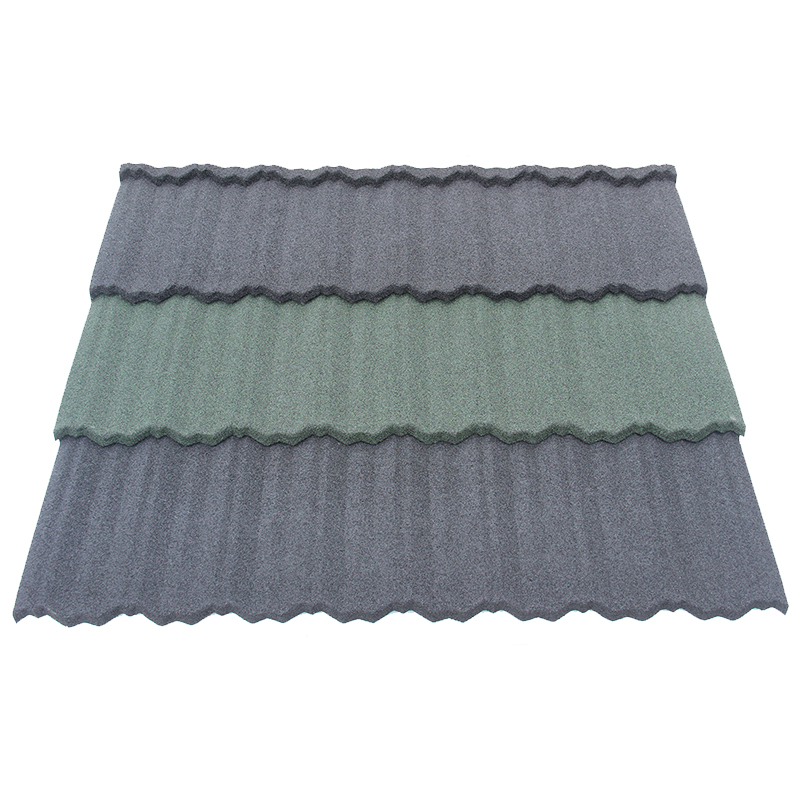
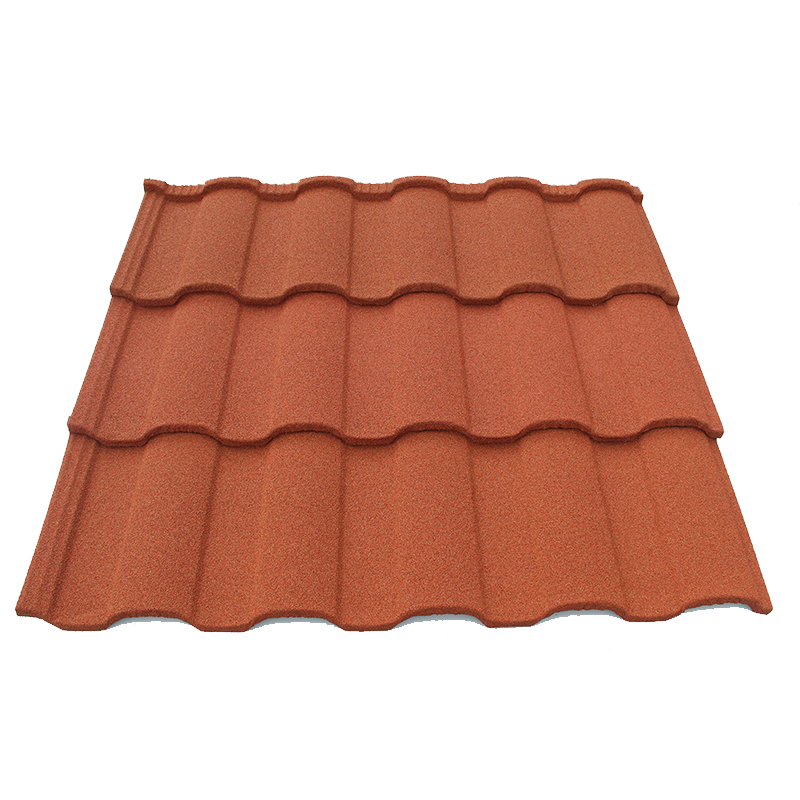
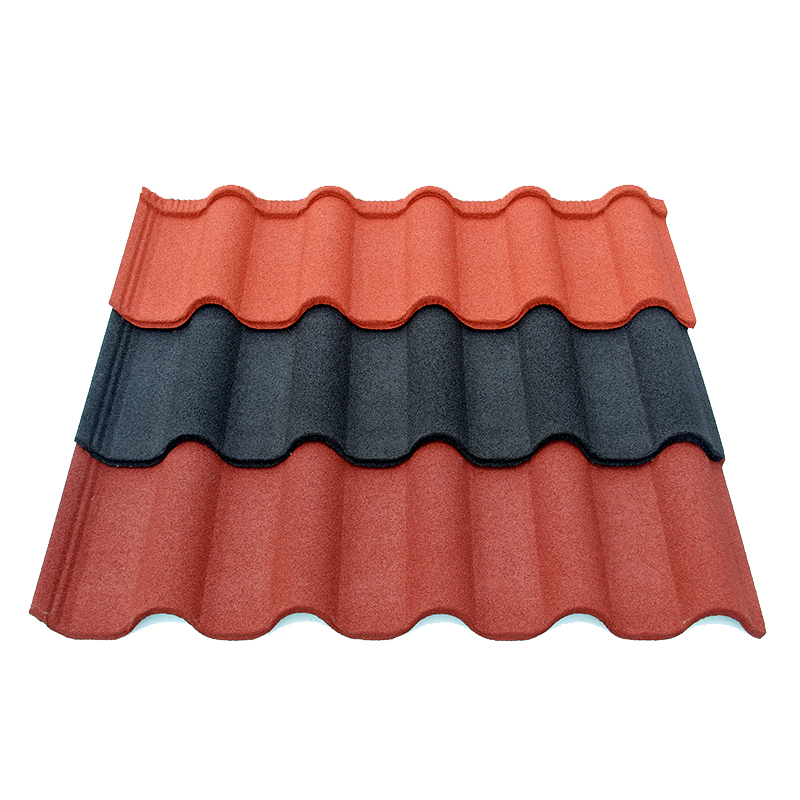
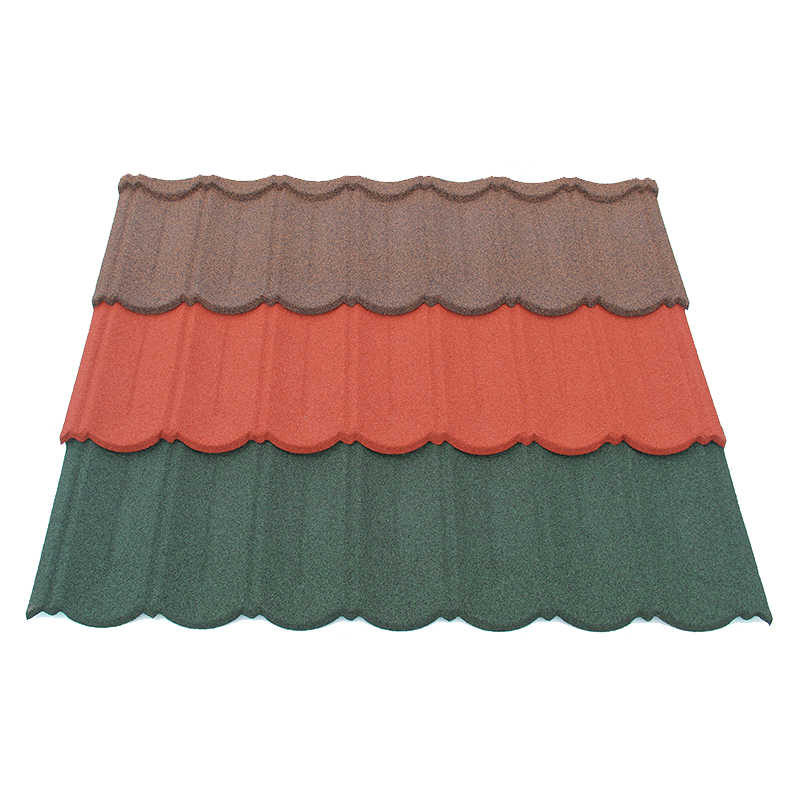
This difference is exactly why some suppliers can offer a standalone coating warranty and others can’t — after all, a coating that fades or chalks quickly is a harder promise to back for 20-plus years. So, when evaluating tile profiles such as Bond Tile, Roman Tile, Milano Tile, or Shake Tile, it’s worth asking your supplier directly which coating process they used, since that answer often explains the warranty terms on offer.
This also ties directly into batch consistency — a supplier that can document Delta E color variance across production batches is generally the same supplier that can back a coating warranty with confidence. Conversely, if a supplier can’t provide batch-level color data, a long coating warranty claim becomes harder to substantiate on either side.
A Side-by-Side Comparison of Common Roofing Warranty Types
| Warranty Type | What It Covers | Typical Focus | Common Exclusions |
|---|---|---|---|
| Material warranty | Steel substrate defects, rust perforation | Structural integrity | Color fade, chalking, coating wear |
| Coating warranty | Fade, chalking, coating adhesion | Surface appearance and performance | Physical damage, improper installation |
| Workmanship/system warranty | Installation errors, assembly compatibility | Labor and installation quality | Material or coating defects unrelated to install |
Notably, warranty length alone doesn’t indicate which of these layers each term actually covers. For instance, a 30-year warranty that only addresses the substrate offers less practical protection for a distributor than a 20-year warranty that includes the coating — the shorter term may still be the stronger commercial promise.
How to Verify a Supplier’s Warranty Terms Before You Sign
Warranty language in a sales brochure and warranty language in the actual supply contract don’t always match. That’s why verifying the details before signing protects your margin and your reputation with downstream buyers.
Documentation to Request
- The full written warranty text, not a summary — confirm it names material and coating coverage separately
- Third-party test reports for coating adhesion and color fastness (Delta E results, chalking test method)
- Batch-level quality records showing consistency across production runs
- Claim procedure documentation — what evidence the claim requires, and what the response timeline looks like
Questions Worth Asking
- Q: Does the warranty cover coating fade, or only structural defects in the steel?
A: Ask the supplier to confirm this in writing, not verbally — verbal assurances aren’t enforceable. - Q: Is the coating warranty prorated, or fixed for the full term?
A: A prorated warranty pays out less as the roof ages, so confirm the schedule before quoting customers. - Q: What documentation does a claim require, and who determines whether it’s approved?
A: Some manufacturers require photos; others require physical samples or a third-party inspection.
JCROOF works with distributors across multiple climates and has fielded these questions directly during factory verification calls, which is why JCROOF treats warranty transparency as a standard part of onboarding rather than a negotiation point.
The Bottom Line
Ultimately, choosing between a material warranty and a coating warranty isn’t just fine print — it’s a decision that shapes what you can promise downstream. So, before you commit to a supplier or set your own resale terms, get the warranty language in writing, confirm which layer it protects, and ask for the test data behind it. That’s the difference between a warranty you can stand behind and one that quietly shifts risk onto you.