
Managing construction costs is a top priority for contractors, developers, distributors, and property owners. However, reducing expenses should never come at the cost of roof performance or long-term durability. Choosing low-quality materials may lower the initial investment, but it often leads to higher maintenance costs, premature replacements, and dissatisfied customers.
Fortunately, there are many ways to reduce roofing project costs without sacrificing quality. By making smarter purchasing decisions, selecting the right materials, and working with reliable manufacturers, buyers can significantly lower total project costs while maintaining excellent roofing performance.
1. Focus on Life Cycle Cost Instead of Initial Price
The lowest purchase price does not always represent the best value. Instead of comparing only material costs, evaluate the total cost of ownership over the roof’s lifespan.
Consider long-term expenses
- Maintenance costs
- Repair frequency
- Replacement intervals
- Energy efficiency
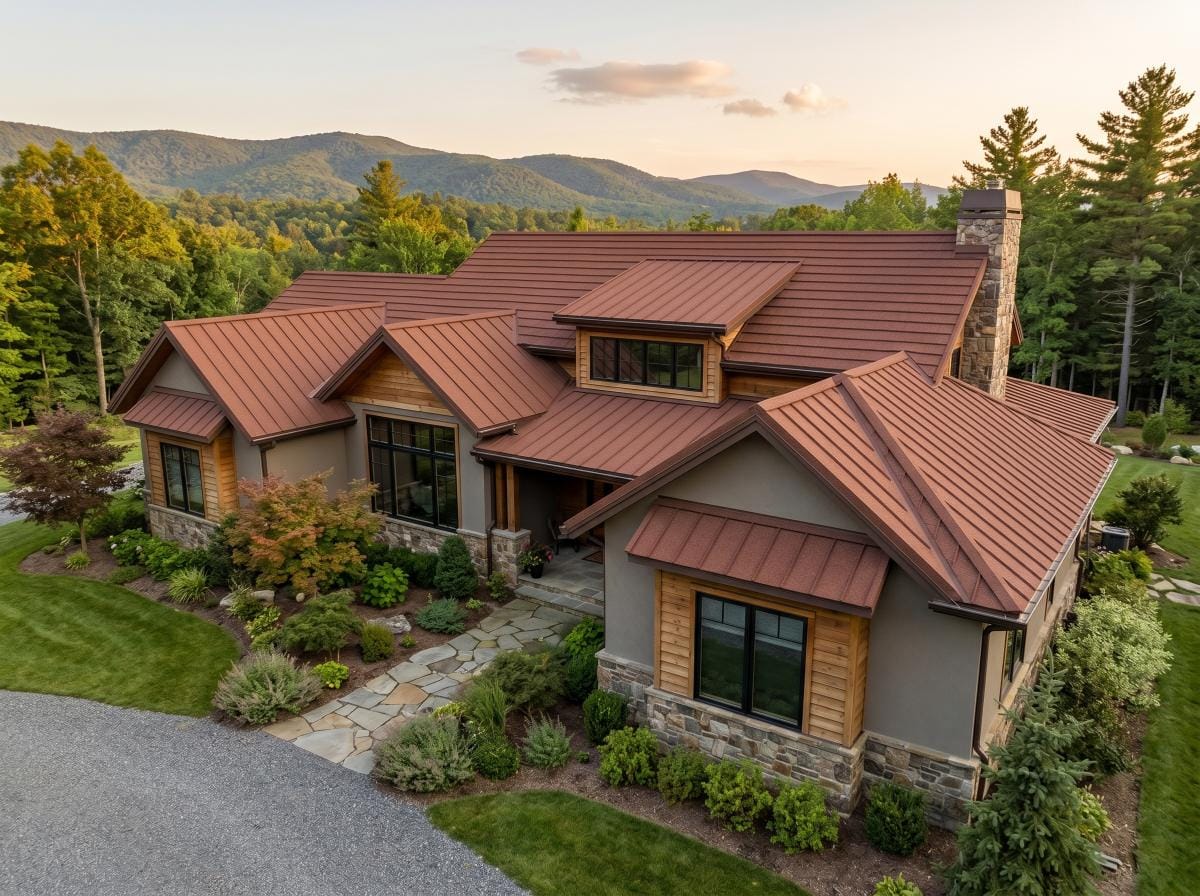
Stone coated metal roofing often costs more initially than asphalt shingles, yet its long service life and minimal maintenance usually result in significantly lower lifetime costs.
2. Choose Lightweight Roofing Materials
Roof weight directly affects transportation, structural design, and installation costs. Lightweight materials help reduce expenses throughout the entire project.
Benefits of lightweight roofing
- Lower shipping costs
- Reduced structural reinforcement
- Faster installation
- Lower labor requirements
Compared with concrete and clay tiles, stone coated metal roofing is much lighter while maintaining outstanding strength and durability.
3. Select the Right Roofing Profile
Choosing the appropriate roof tile profile improves installation efficiency and minimizes material waste.
Popular options
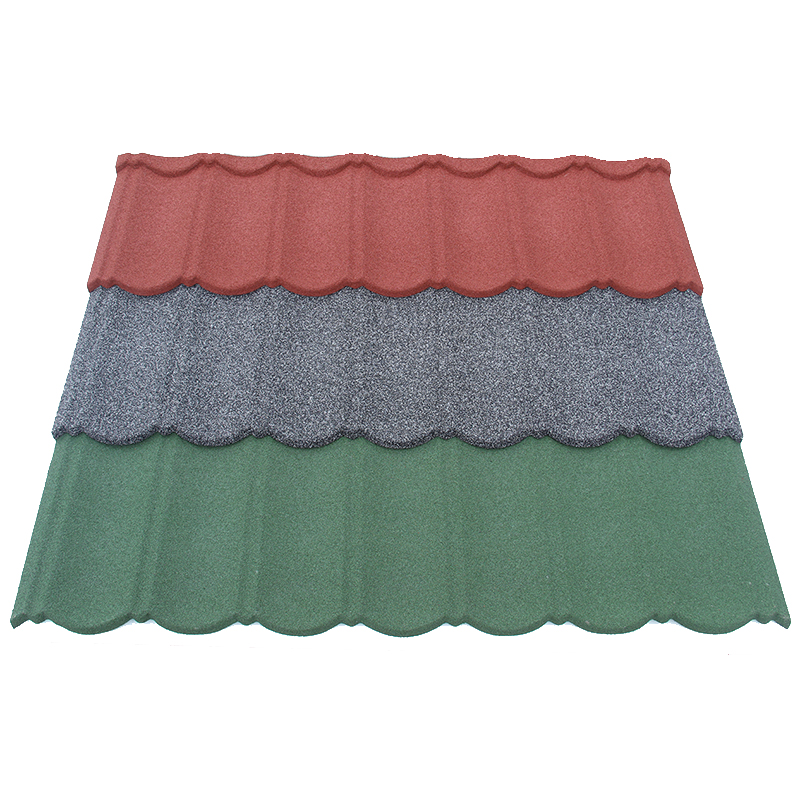
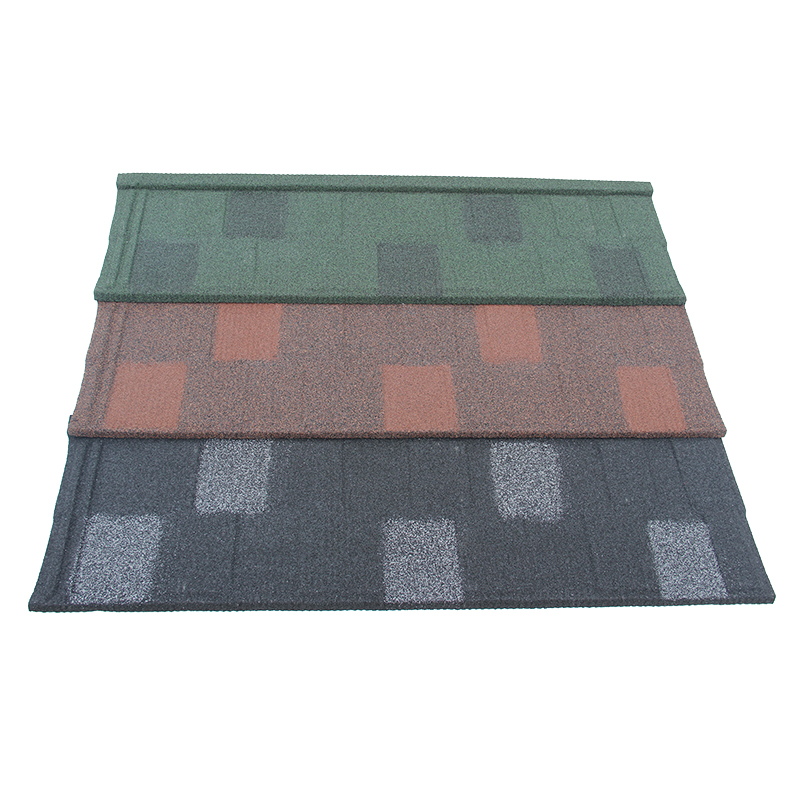
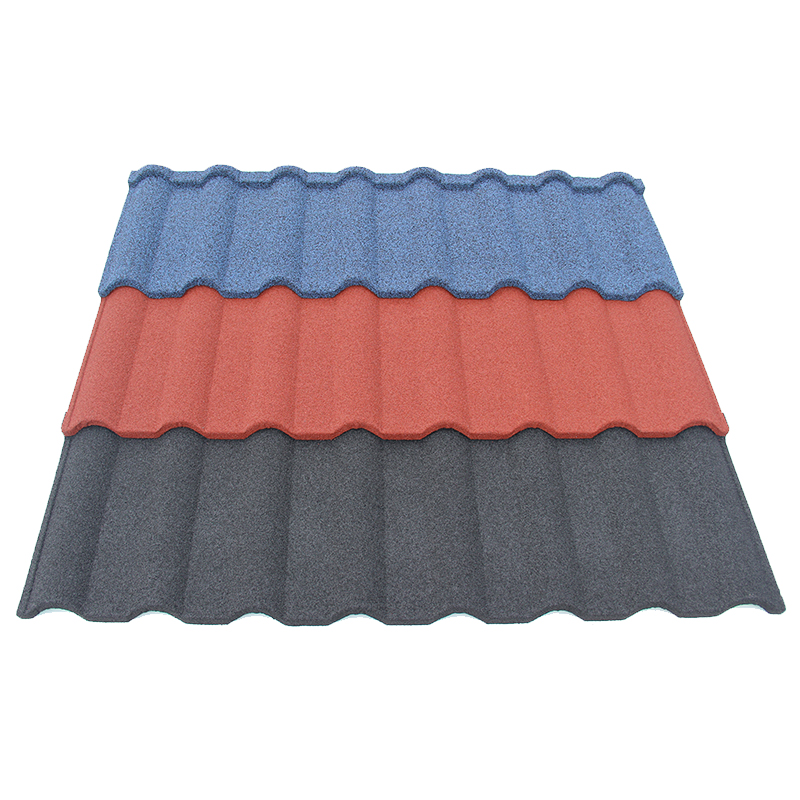
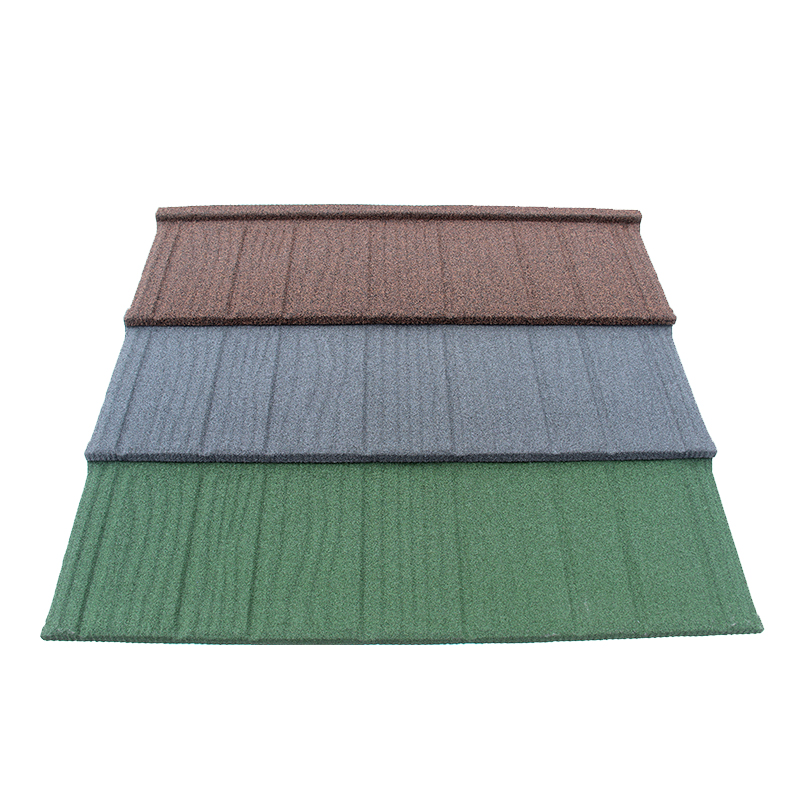
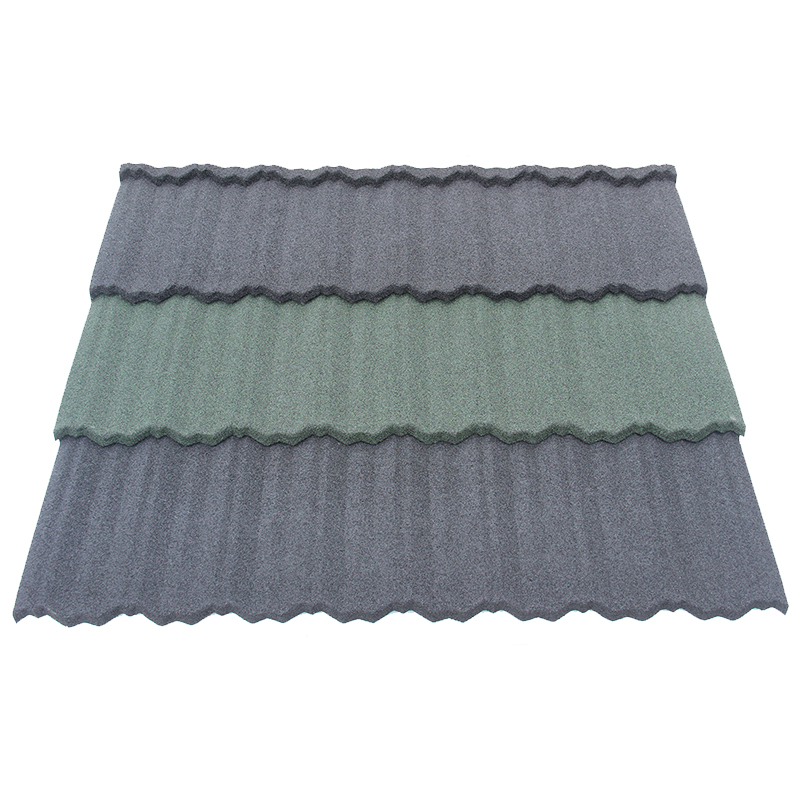
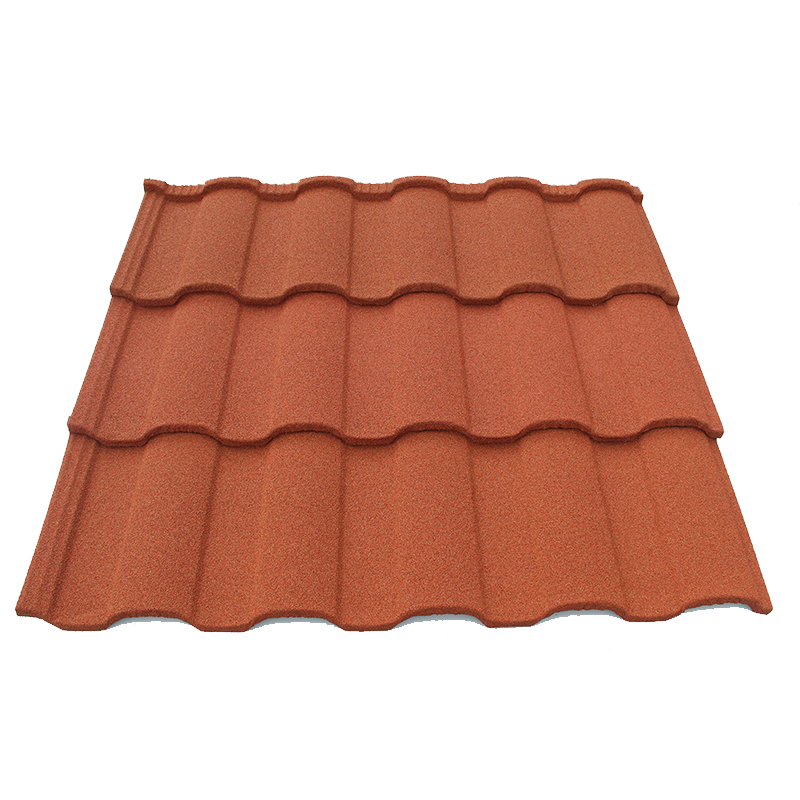
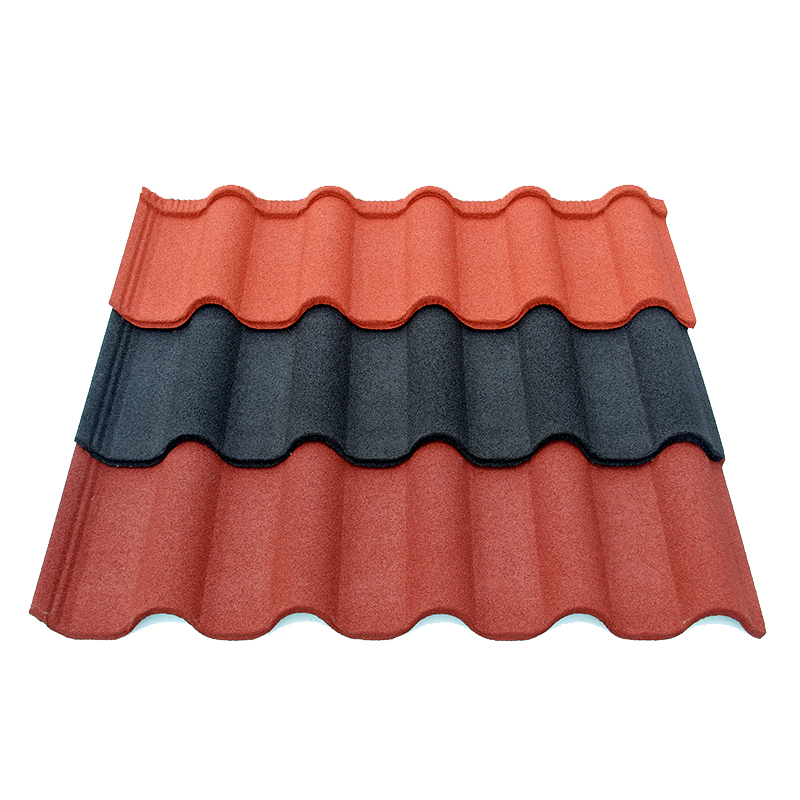
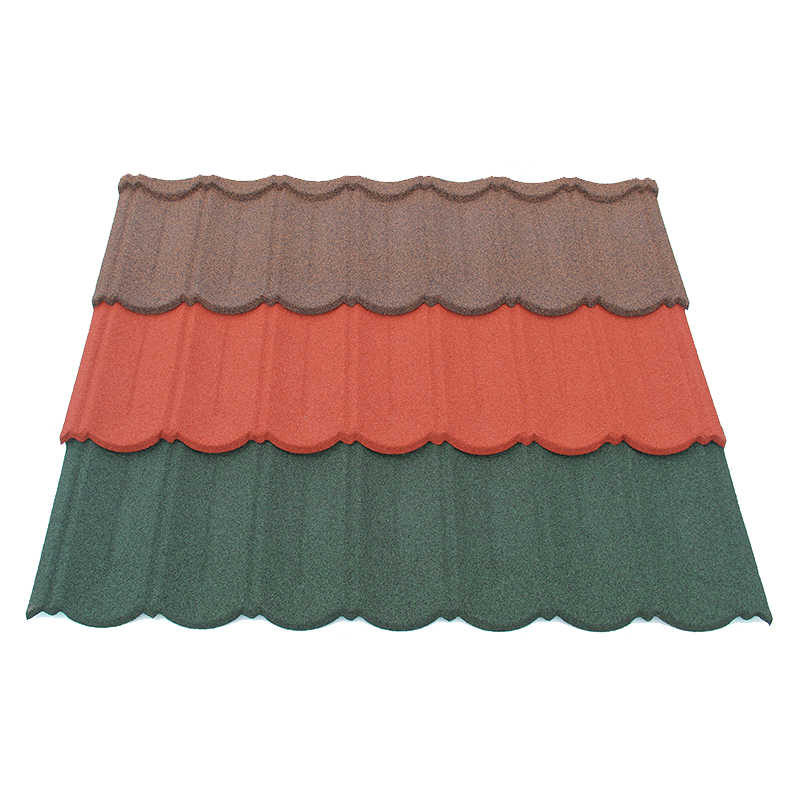
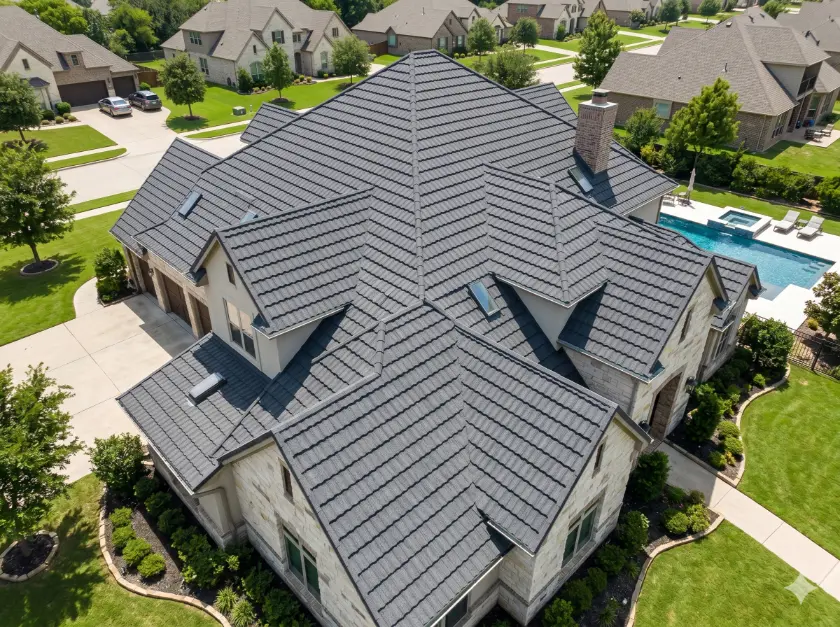
Bond Tile is one of the most cost-effective choices because its efficient installation process helps reduce labor time on residential and commercial projects.
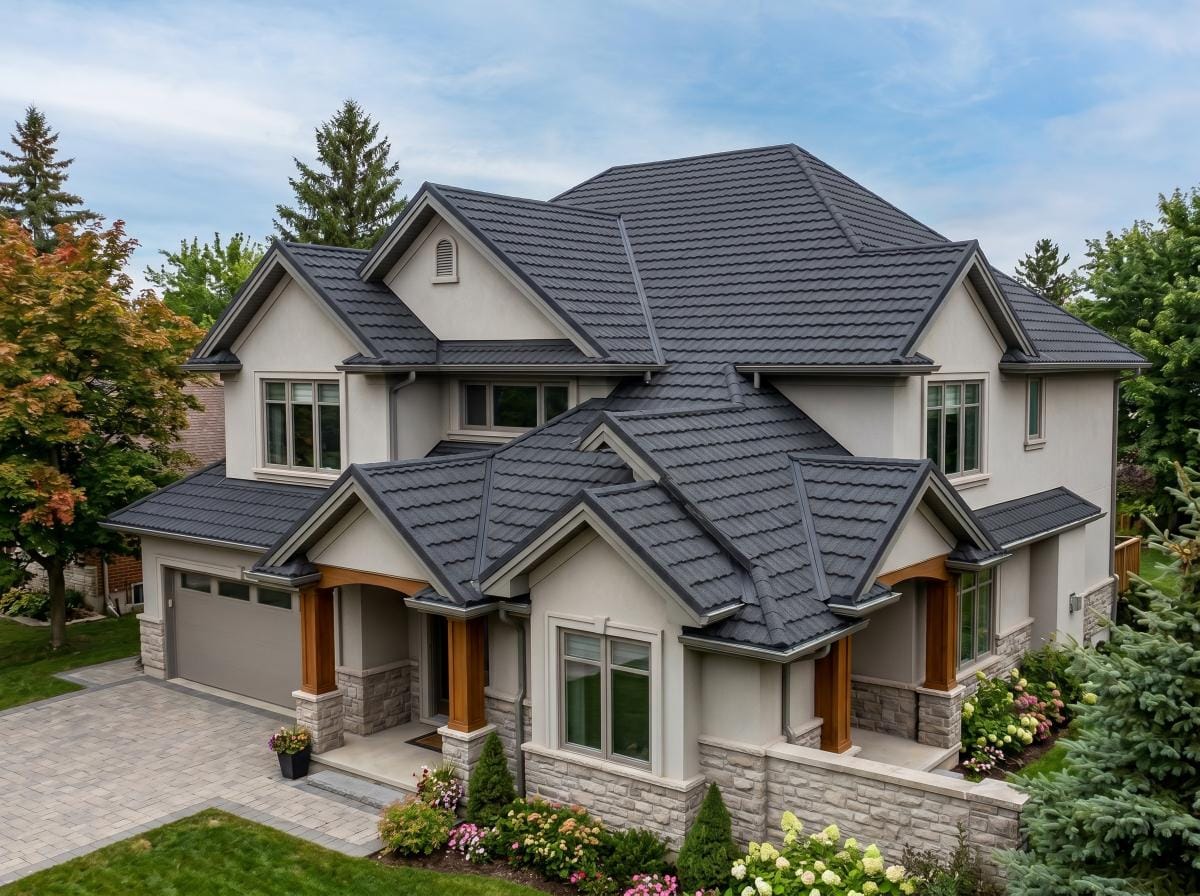
For premium developments, Milano Tile and Roman Tile provide exceptional architectural appearance while maintaining excellent durability.
4. Buy Directly from the Manufacturer
Purchasing directly from manufacturers instead of multiple intermediaries can significantly reduce procurement costs.
Advantages of factory-direct sourcing
- More competitive pricing
- Better product customization
- Direct technical support
- Stable product quality
- Faster communication
Factory-direct purchasing also minimizes misunderstandings during production and order management.
5. Optimize Roofing Material Quantities
Ordering too much material increases inventory costs, while ordering too little causes project delays and additional shipping expenses.
Best practices
- Prepare accurate roof measurements
- Calculate material waste carefully
- Order accessories together with roofing tiles
- Review installation drawings before purchasing
Accurate quantity estimation reduces unnecessary spending and keeps projects on schedule.
6. Improve Installation Efficiency
Labor often represents a significant portion of roofing project costs. Faster installation reduces labor expenses without compromising quality.
Ways to improve productivity
- Use experienced installers
- Follow manufacturer installation guidelines
- Prepare roofing materials before installation
- Use standardized accessories
Efficient project planning helps contractors complete more projects while maintaining high installation standards.
7. Select Durable Materials That Require Less Maintenance
Low-maintenance roofing systems reduce future operating costs for building owners.
Look for products with:
- Galvalume steel substrate
- High-quality stone granules
- Advanced acrylic coating systems
- Strong corrosion resistance
These features improve long-term performance while reducing maintenance and repair expenses.
8. Compare Supplier Quotations Carefully
The lowest quotation is not always the most economical option. Buyers should compare complete project costs rather than unit prices alone.
Review the following items
- Steel specifications
- Coating quality
- Packaging standards
- Shipping terms (FOB, CIF, EXW)
- Warranty coverage
- Delivery time
A transparent quotation makes it easier to evaluate the true value offered by each supplier.
9. Work with an Experienced Roofing Manufacturer
Reliable manufacturers help buyers reduce costs by delivering consistent quality, efficient production, and dependable logistics.
What to look for
- Automated production lines
- Strict quality control procedures
- Stable production capacity
- Professional export experience
- OEM and customization services
Manufacturers such as JCROOF support international buyers with factory-direct pricing, comprehensive quality management, flexible OEM services, and reliable global shipping solutions, helping customers reduce procurement costs while maintaining premium product quality.
10. Invest in Quality to Avoid Expensive Repairs
Choosing premium materials may require a slightly higher initial investment, but it significantly reduces repair and replacement costs over the roof’s lifetime.
Long-term advantages
- Fewer warranty claims
- Lower maintenance expenses
- Longer service life
- Higher customer satisfaction
- Better return on investment
Contractors who prioritize quality often build stronger reputations and receive more repeat business.
Cost-Saving Strategies at a Glance
| Strategy | Cost Benefit | Quality Impact |
|---|---|---|
| Choose lightweight roofing | Lower labor and transport costs | Maintains excellent durability |
| Buy directly from manufacturers | Lower procurement costs | Better quality control |
| Optimize material quantities | Reduce waste | No impact on performance |
| Use experienced installers | Lower labor costs | Improves installation quality |
| Select durable roofing materials | Lower maintenance costs | Longer service life |
Frequently Asked Questions
1. What is the biggest mistake when trying to reduce roofing costs?
The most common mistake is choosing the lowest-priced materials without considering long-term durability, maintenance costs, and warranty coverage.
2. Is stone coated metal roofing cost-effective?
Yes. Although its initial purchase price may be higher than some traditional roofing materials, its long lifespan, low maintenance, and excellent weather resistance make it a highly cost-effective solution.
3. Does buying directly from a factory reduce costs?
Yes. Factory-direct purchasing eliminates intermediary markups, improves communication, and often provides better customization options.
4. How can contractors reduce labor expenses?
Using lightweight roofing systems, following standardized installation procedures, and employing experienced installers all contribute to lower labor costs.
5. Should buyers compare more than price?
Absolutely. Buyers should evaluate product quality, certifications, warranty terms, delivery reliability, packaging, and after-sales support before selecting a supplier.
Conclusion
Reducing roofing project costs does not mean compromising on quality. By focusing on lifecycle value, selecting lightweight and durable materials, optimizing material quantities, improving installation efficiency, and partnering with reliable manufacturers, contractors and developers can significantly reduce total project expenses while delivering superior roofing performance.
The most successful roofing projects balance cost, quality, and long-term reliability. Investing in high-quality stone coated metal roofing and working with experienced manufacturing partners helps ensure lasting value for both contractors and property owners.