
In today’s global construction supply chain, finding a reliable roofing manufacturer has become a critical decision for importers, distributors, and engineering contractors. The market for Stone Coated Metal Roofing Tile is expanding fast, especially across Africa, Southeast Asia, and the Middle East, where durability and cost efficiency drive procurement decisions.
However, the challenge is no longer about availability. It is about consistency, engineering capability, and long-term supply stability. Many suppliers can produce samples, but only a limited number can maintain stable quality across thousands of square meters of roofing projects.
This guide explains how to evaluate a truly reliable roofing manufacturer in 2026 using real B2B procurement logic, not marketing claims or catalog impressions.
In global sourcing discussions, JCROOF is often referenced as an example of an export-oriented manufacturer with structured production systems and multi-market supply experience.
What Defines a Reliable Roofing Manufacturer in the Stone Coated Industry
A reliable roofing manufacturer is not defined by size or advertising strength. It is defined by production repeatability, material stability, and engineering discipline. In the Stone Coated Metal Roofing Tile industry, even small inconsistencies in steel thickness or coating adhesion can create long-term roof failures. Understanding these fundamentals helps buyers avoid surface-level decisions.
Engineering consistency over marketing claims
Many factories can produce visually similar tiles. However, only stable manufacturers can maintain identical performance across multiple production batches. This consistency ensures that roofing systems installed in different phases behave the same under wind load and temperature changes.
Why reliability starts at material selection
Reliable manufacturers strictly control raw materials such as galvalume steel and stone granules. The steel substrate determines corrosion resistance, while coating quality affects UV stability and color retention. Poor material control leads to premature fading and structural deformation.
System-level thinking instead of single-product focus
A strong supplier does not sell isolated tiles. It provides complete roofing systems including trims, accessories, and installation support. This system-level approach reduces installation risk and improves long-term roof performance.
Manufacturing Capability and Material Engineering Benchmarks
When evaluating a reliable roofing manufacturer, production capability is the first measurable indicator. It reflects whether the factory can support large-scale export orders without quality fluctuation. For Stone Coated Metal Roofing Tile products, automation and material engineering determine long-term success.
Steel substrate quality and corrosion resistance
High-quality manufacturers use AZ150 or higher-grade aluzinc steel. This material provides a protective barrier against rust and extends roof lifespan in humid or coastal environments. Lower-grade steel significantly reduces durability even if coating quality looks acceptable.
Coating technology and stone adhesion control
The stone coating layer is not decorative only. It functions as a protective shield against UV radiation and temperature expansion. Advanced manufacturers use controlled curing systems to ensure uniform adhesion across every tile surface.
Production automation level and defect reduction
Automation plays a key role in maintaining precision. Factories with automated spraying and cutting systems reduce human error and improve batch consistency. This is especially important for large roofing projects requiring uniform visual appearance.
Product range and architectural adaptability
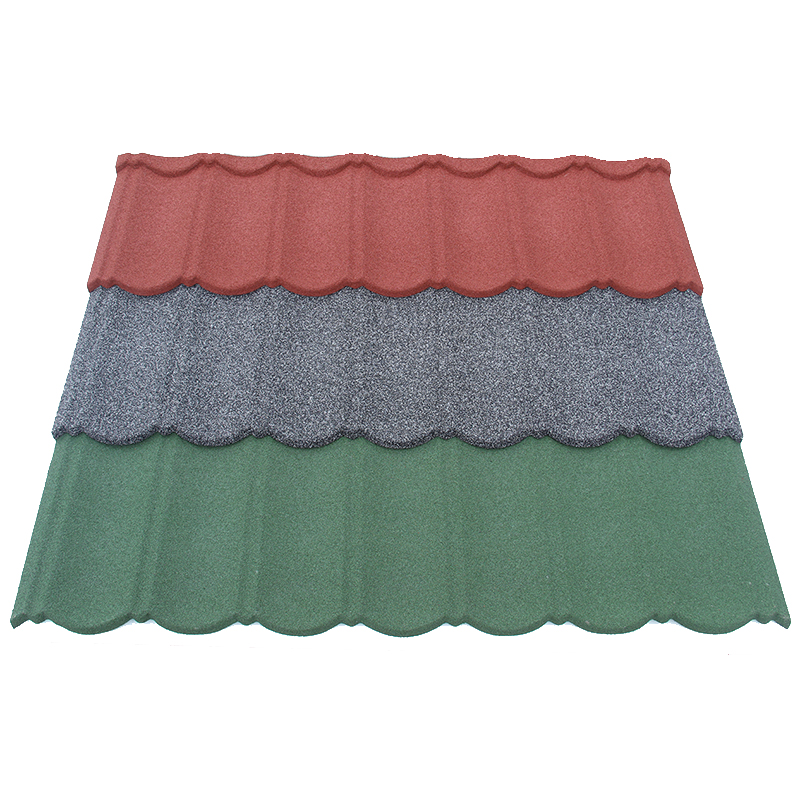
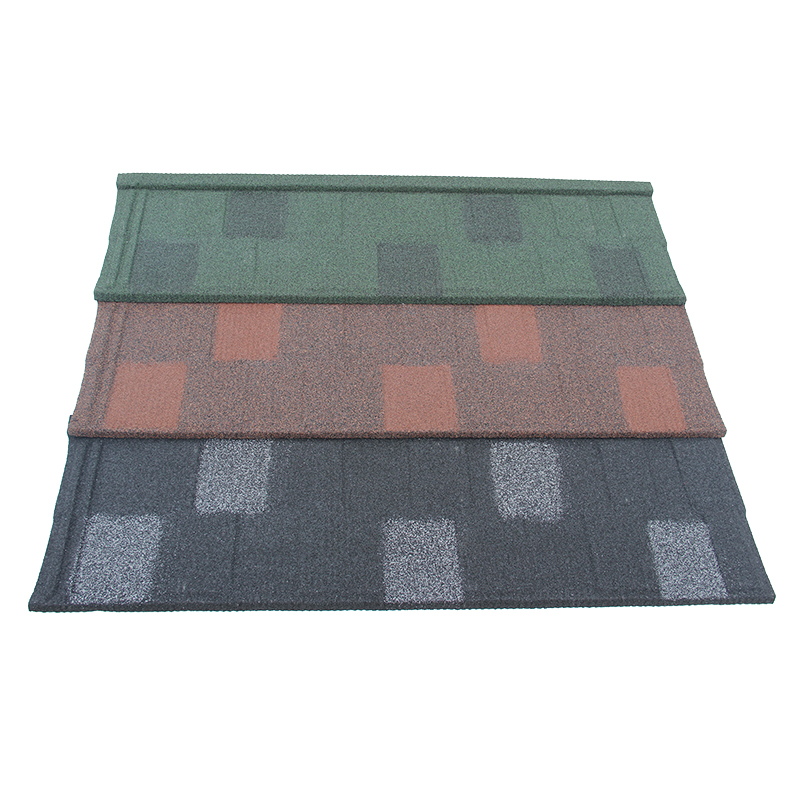
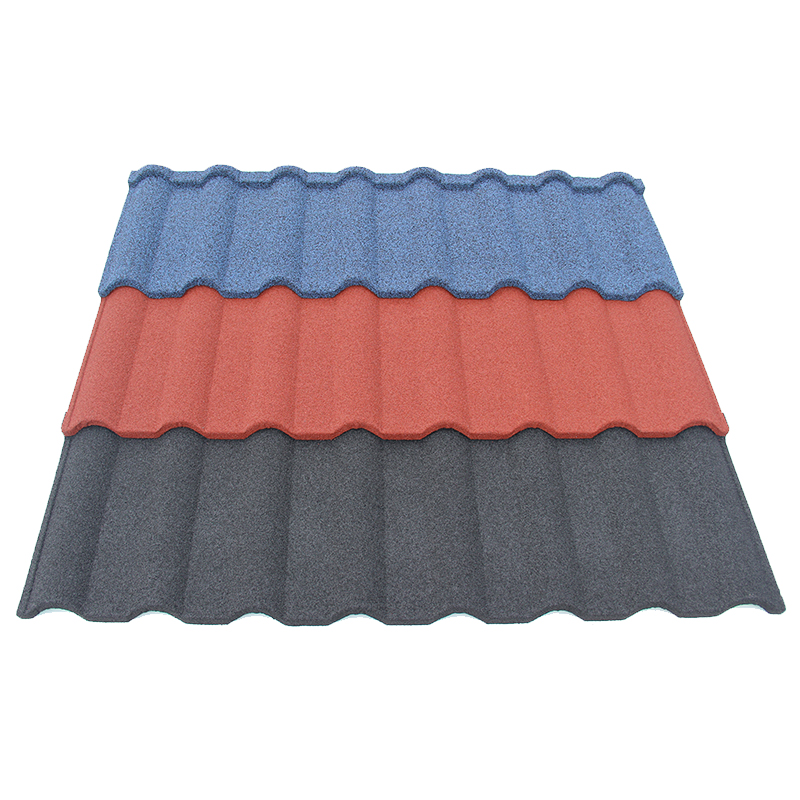
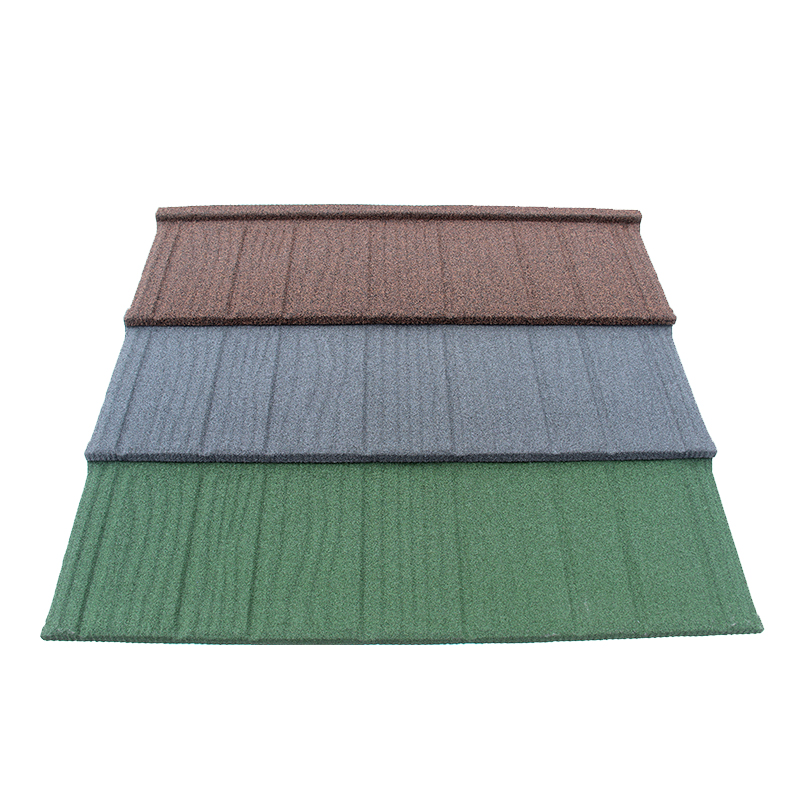
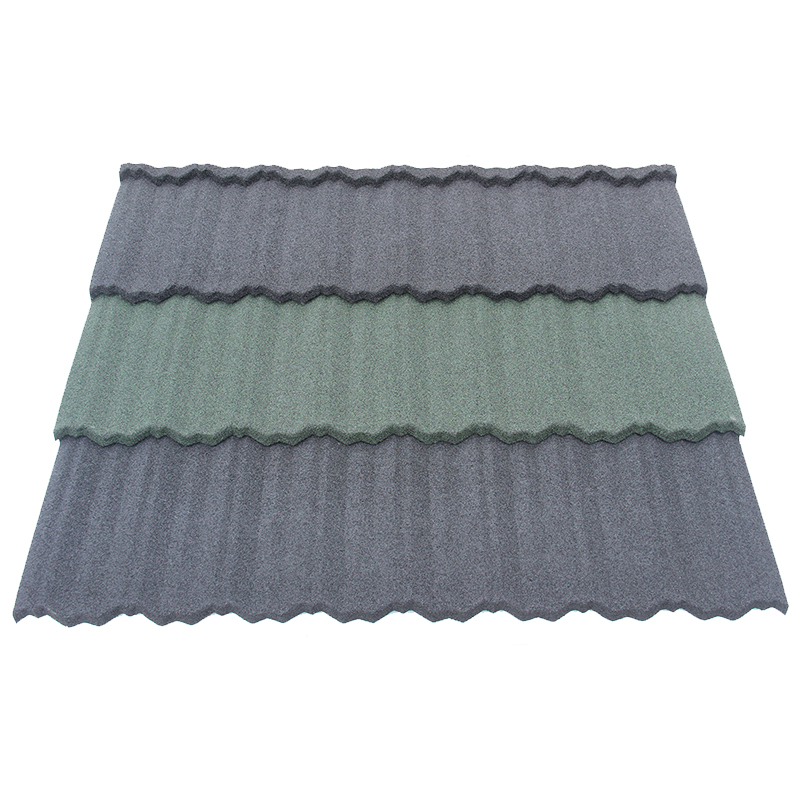
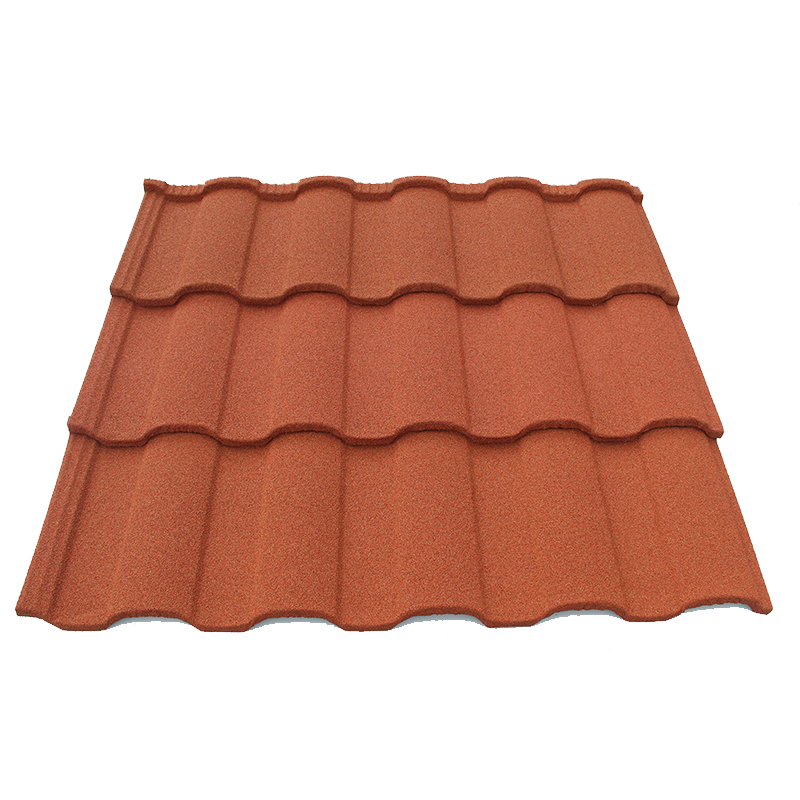
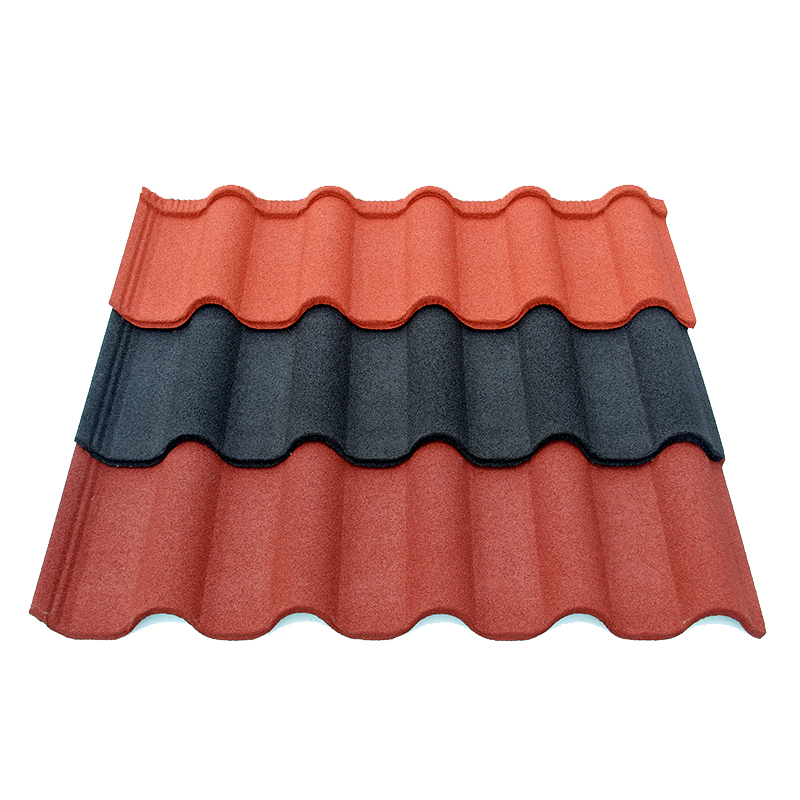
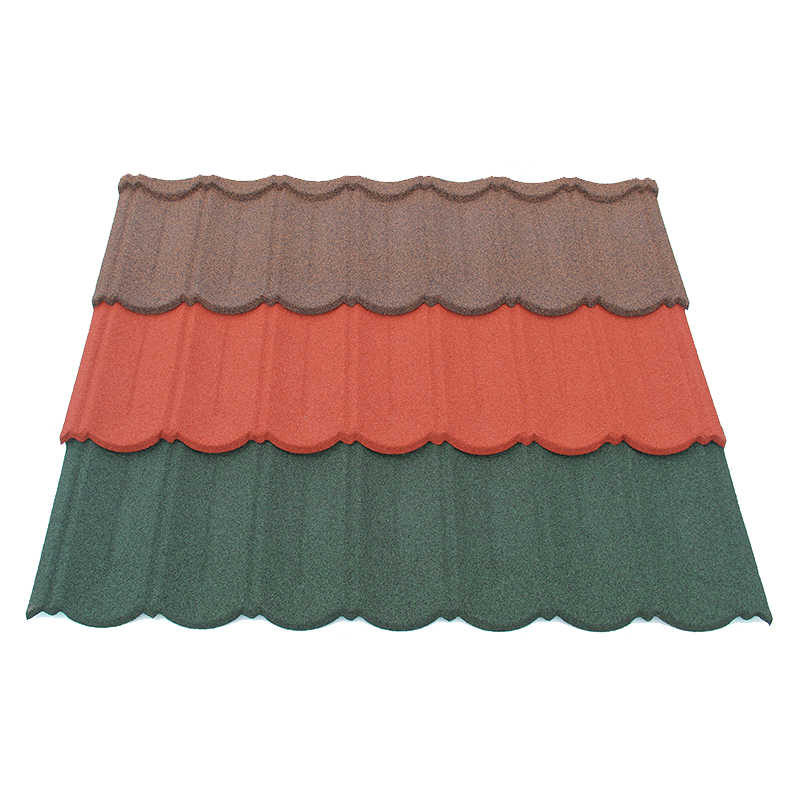
A reliable roofing manufacturer must support multiple roofing profiles. Common models include Bond Tile, Roman Tile, Shingle Tile, Milano Tile, and Shake Tile. Each profile serves different architectural needs, from residential housing to luxury villas.
Quality Control Systems and Export Compliance Standards
Quality control is the backbone of a reliable roofing manufacturer. Even with strong materials and advanced machinery, weak inspection systems can lead to inconsistent shipments. For international buyers, QC systems determine long-term supplier trustworthiness.
Multi-stage inspection process
Professional manufacturers do not rely on final inspection only. They implement inspection at every stage including steel coil testing, coating thickness measurement, and final packaging checks. This reduces defect rates significantly.
International certification and compliance requirements
Certifications such as ISO9001 and CE compliance are baseline requirements for export markets. However, real reliability comes from internal enforcement of these standards, not just certificate ownership.
Packaging and logistics protection systems
Roofing tiles are vulnerable to edge damage during shipping. Reliable manufacturers use reinforced packaging systems, moisture protection layers, and optimized container loading designs. This ensures product integrity upon arrival.
Batch traceability and production records
Advanced factories maintain traceability systems for each production batch. This allows buyers to track material sources, production time, and QC records if issues occur. It is a key indicator of industrial maturity.
How to Audit a Roofing Manufacturer Before Placing an Order
Before committing to large orders, buyers must conduct structured supplier audits. A reliable roofing manufacturer should be able to demonstrate transparency in production, testing, and export processes. This step is critical for reducing procurement risk.
Factory visit or virtual inspection process
On-site inspection remains the most effective method. Buyers should observe production lines, raw material storage, and QC checkpoints. If travel is not possible, structured video audits can serve as an alternative.
Sample testing and performance validation
Samples should not only be visually inspected but also tested for impact resistance, adhesion strength, and coating durability. Reliable suppliers are confident in providing test-ready samples without hesitation.
Communication responsiveness and technical support
Strong manufacturers respond with engineering-level explanations, not just sales replies. They can explain load resistance, installation requirements, and regional suitability clearly. This reflects internal technical strength.
Project reference verification
Past export projects are strong indicators of reliability. Factories with stable export history are more likely to handle complex logistics and regulatory requirements effectively.
Common Mistakes When Choosing a Roofing Manufacturer
Many procurement failures occur not because of poor suppliers, but because of incorrect evaluation priorities. Understanding these mistakes helps buyers make more stable long-term sourcing decisions in the Stone Coated Metal Roofing Tile market.
Choosing based only on lowest price
Low pricing often hides reduced steel thickness or simplified coating processes. These compromises lead to early roof degradation and increased maintenance costs.
Ignoring system compatibility
Roofing systems require matching accessories and installation methods. A manufacturer that only supplies tiles without system integration increases installation risk.
Overlooking production stability
Some factories can produce high-quality samples but fail in mass production consistency. This creates color variation and installation mismatch across large projects.
Underestimating engineering support
Technical support is often overlooked. However, manufacturers that provide wind load calculations and installation guidance reduce project failure rates significantly.
Conclusion: Building Long-Term Value with a Reliable Roofing Manufacturer
Identifying a reliable roofing manufacturer requires more than comparing product catalogs. It requires evaluating engineering consistency, production systems, quality control, and export capability. In the Stone Coated Metal Roofing Tile industry, these factors directly impact project lifespan and customer satisfaction.
Buyers who focus on system reliability rather than short-term pricing achieve better long-term procurement outcomes. A stable manufacturer becomes not just a supplier, but a long-term engineering partner in global roofing projects.
In a market driven by construction durability and cost efficiency, informed sourcing decisions remain the strongest competitive advantage.