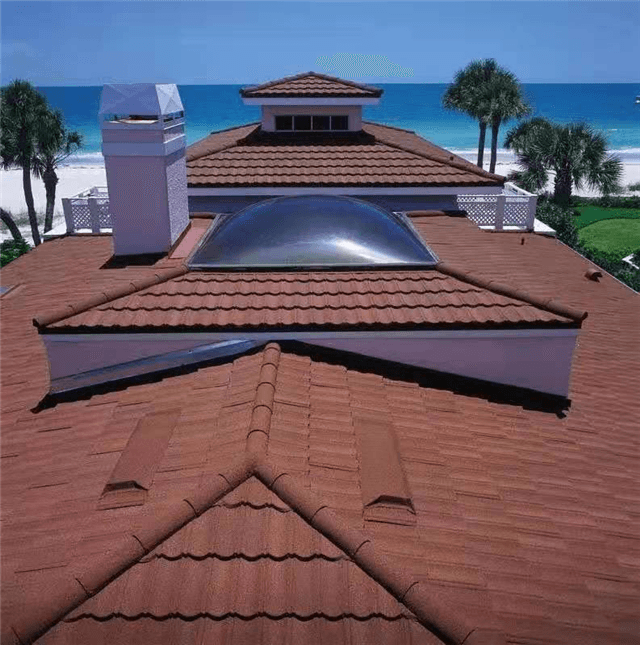


Most roof leaks have nothing to do with the tile itself. Roof flashing and accessories quietly do the work of sealing joints, valleys, and transitions that tiles alone cannot cover. Buyers who focus entirely on the main roofing material often overlook these components until a leak forces the issue. This guide breaks down the core types of flashing, the accessories that complete a tile roofing system, and how to match them correctly to avoid the leaks that show up years after installation.
Why Flashing and Accessories Matter as Much as the Tile Itself
A tile roof is really a system, not a single product. Flashing manages water at every joint, edge, and penetration, while accessories complete the transitions between tile courses, ridges, and hips. A premium tile installed with mismatched or undersized flashing will still leak, often within the first few storm seasons. This is why experienced buyers evaluate flashing and accessories with the same care they apply to the tile itself.
Tiles Shed Water, Flashing Directs It
Roofing tiles are designed to shed water off their surface, but they cannot manage water at valleys, chimneys, or wall intersections on their own. Flashing directs that water safely off the roof, which is why a gap in flashing coverage causes leaks even when the surrounding tiles are in perfect condition.
Accessories Complete the System’s Structural Integrity
Ridge caps, hip caps, and closure strips do more than finish the roof’s appearance. They seal the gaps between tile courses and prevent wind-driven rain and debris from working underneath the roofing system over time.
Breaking Down the Core Types of Roof Flashing and Their Function
Flashing comes in several distinct forms, each designed to handle a specific type of water intrusion risk. Builders and buyers need to recognize which flashing type applies to which part of the roof, since using the wrong type in the wrong location is a common cause of premature leaks. The table below outlines the main flashing categories used on tile roofing systems.
| Flashing Type | Primary Location | Main Function | Common Failure Point |
|---|---|---|---|
| Valley Flashing | Where two roof planes meet | Channels concentrated water runoff safely | Undersized width for heavy rainfall regions |
| Step Flashing | Roof-to-wall intersections | Prevents water intrusion at vertical surfaces | Improper layering with siding or stucco |
| Drip Edge Flashing | Roof perimeter and eaves | Directs water away from the fascia and deck edge | Missing or poorly seated at corners |
| Counter Flashing | Chimneys and roof penetrations | Covers and seals base flashing joints | Loose fit allowing water behind the seal |
Valley Flashing and Water Concentration
Valleys collect runoff from two roof planes at once, which concentrates water flow far beyond what a flat section of roof experiences. Valley flashing needs sufficient width and a corrosion-resistant material to handle this concentrated flow without failing over time.
Step and Counter Flashing at Vertical Transitions
Any point where a roof meets a wall or chimney needs step and counter flashing working together. Step flashing handles water at the roof plane, while counter flashing covers that seam from above, preventing water from working behind the assembly during wind-driven rain.
Drip Edge Flashing at the Roof Perimeter
Drip edge flashing protects the roof’s most exposed edge, directing water away from the fascia board and gutter system. Skipping this component, or installing it poorly at corners, is a common source of fascia rot that shows up years after installation.
Essential Roof Tile Accessories Beyond Flashing
Flashing manages water, but a complete tile roofing system needs several additional accessories to function correctly. These components handle wind resistance, ventilation, and the visual transitions between different roof sections. Skipping or substituting these accessories often undermines the performance of an otherwise well-installed roof.
Ridge and Hip Caps
Ridge and hip caps seal the peak transitions where tile courses meet at an angle. Beyond their finished appearance, these caps prevent wind uplift at the roof’s most exposed high points, which is often where storm damage starts.
Closure Strips and Underlayment Accessories
Closure strips fill the small gaps beneath tile profiles, blocking wind-driven rain, insects, and debris from entering the roofing system. Paired with proper underlayment accessories, they add a secondary layer of protection beneath the visible tile surface.
Fasteners and Clips Matched to the Tile System
Fasteners and clips need to match the specific tile profile and the wind rating required for the project location. Mismatched fasteners are a common cause of loosened tiles during high wind events, even when the tile itself is rated for the conditions.
- Confirm valley flashing width matches regional rainfall intensity
- Verify step and counter flashing sequencing at wall intersections
- Check drip edge coverage at every roof corner, not just straight runs
- Match ridge and hip caps to the tile profile’s exact specifications
- Use fasteners rated for the project’s wind zone, not a generic default
Matching Flashing and Accessories to Different Roofing Systems
Flashing and accessory requirements shift depending on the tile profile and the building’s specific exposure conditions. A component that works well with one profile may not fit another correctly, which makes system-level compatibility an important part of sourcing. The following examples show how this plays out across common roofing systems.
Coastal and High-Wind Installations
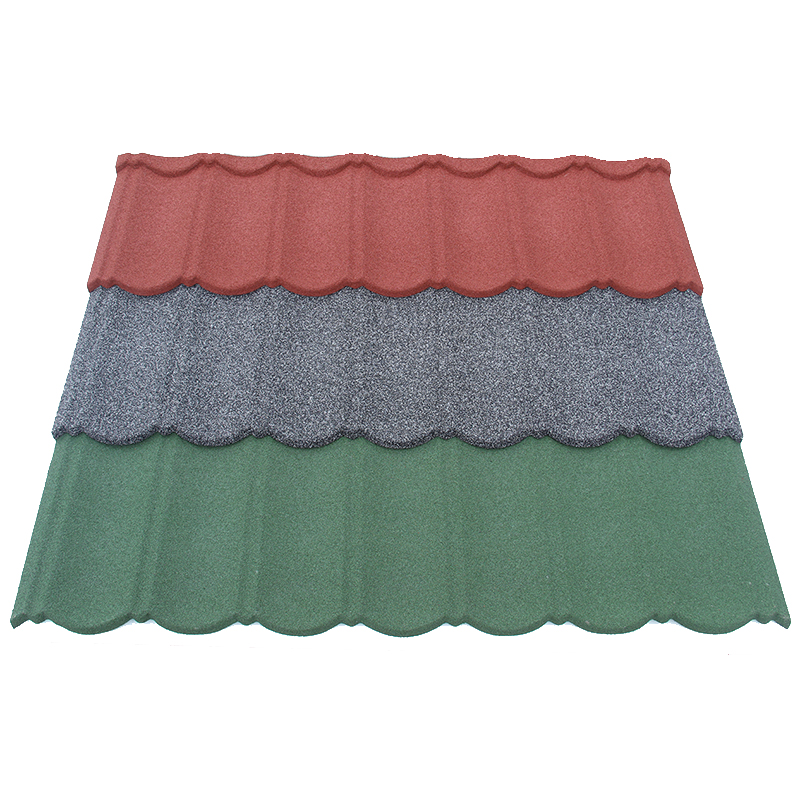
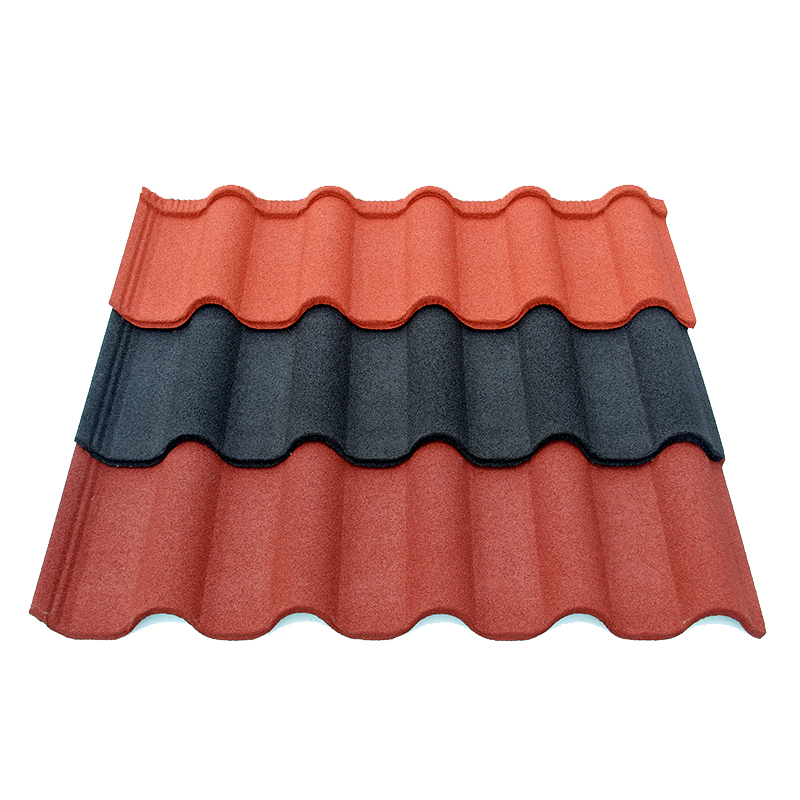
Coastal installations need reinforced valley flashing and wind-rated fasteners throughout the system. A Bond Tile installation typically pairs with heavier-gauge flashing and closure accessories designed specifically to handle salt exposure and sustained wind pressure.
Steep-Slope Traditional Profiles
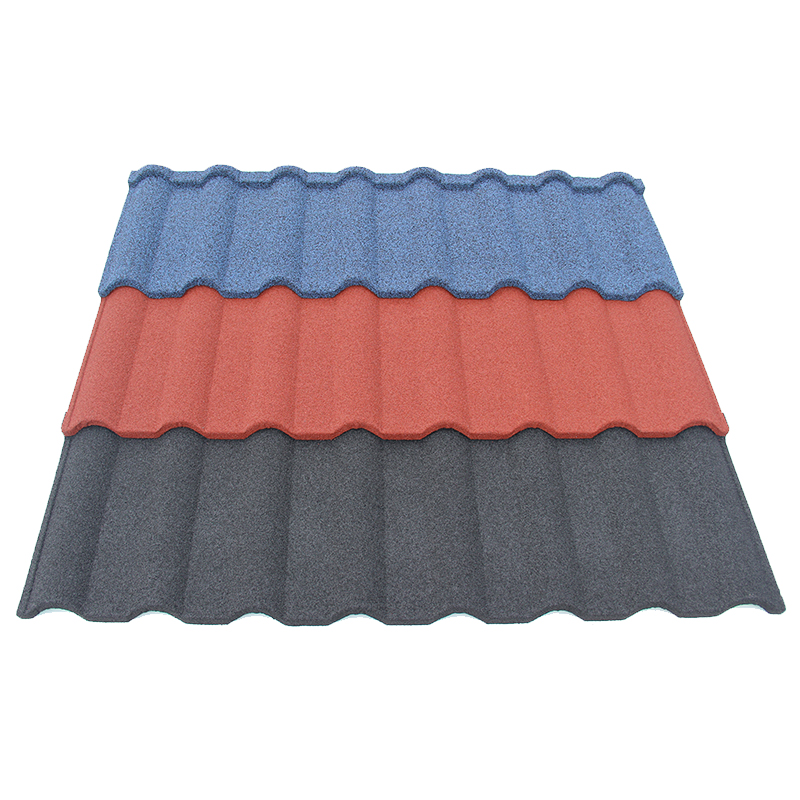
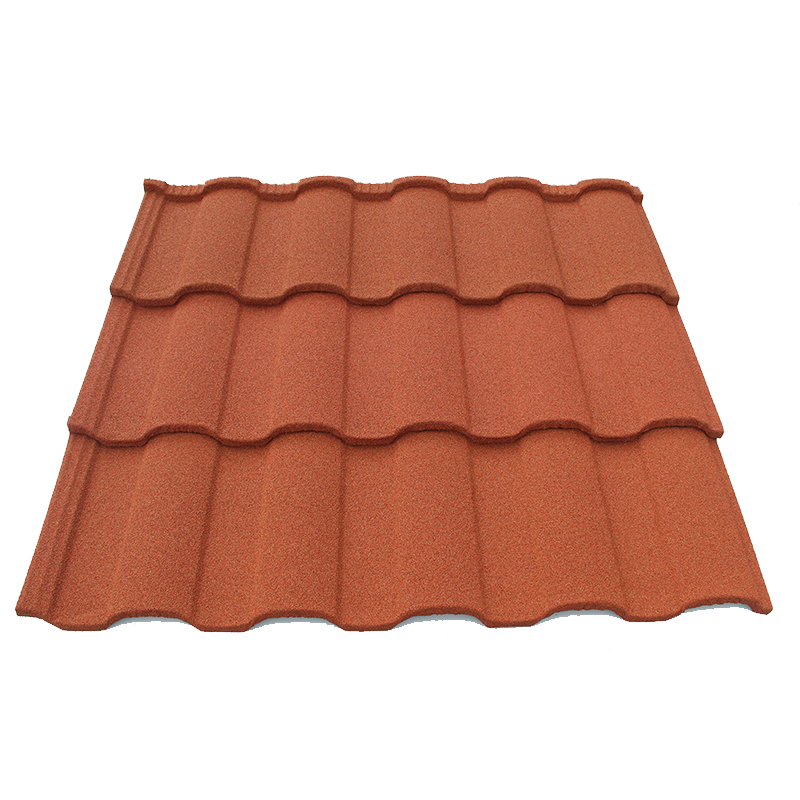
Steeper traditional profiles concentrate water flow more aggressively at valleys and ridges. A Roman Tile system requires ridge caps and valley flashing sized specifically for its steeper pitch and distinct tile silhouette.
Residential Retrofit Applications
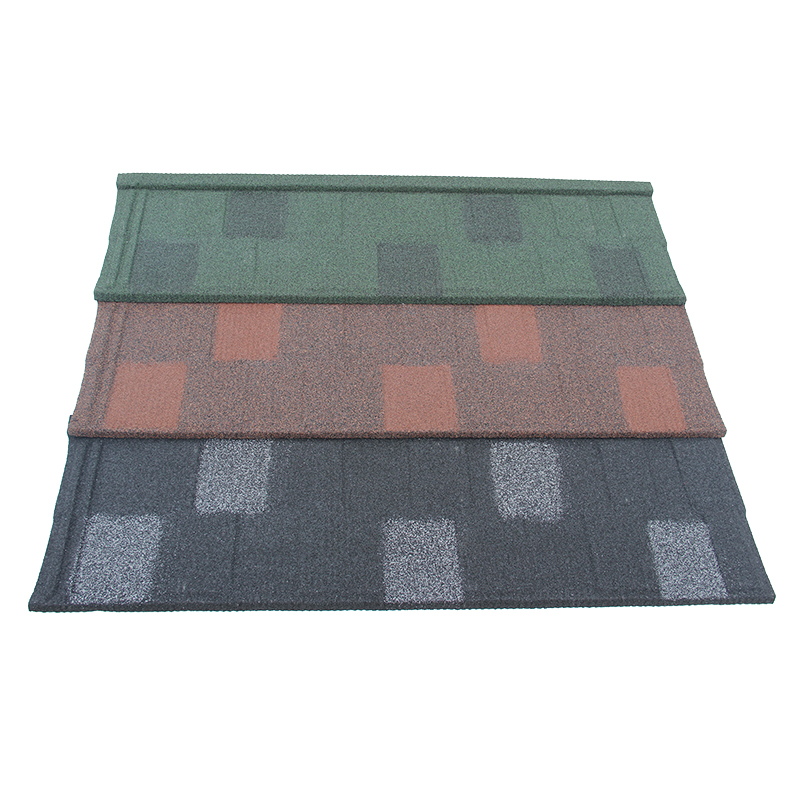
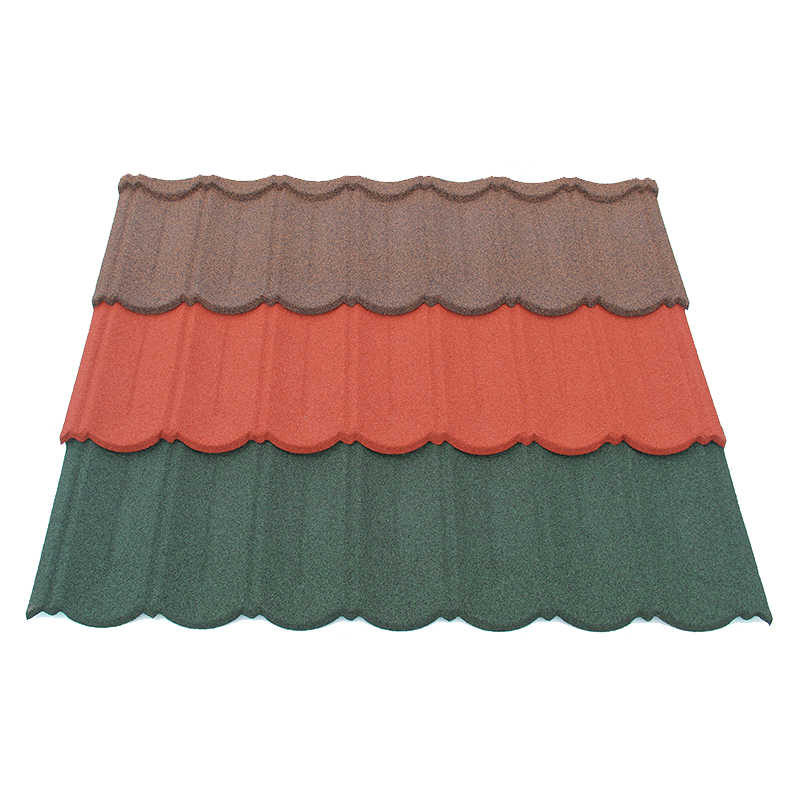
Retrofit projects often need accessory components compatible with an older roof deck and existing flashing details. A Shingle Tile retrofit typically requires new drip edge and step flashing to match the tile profile, since reusing aging asphalt-era flashing usually creates gaps.
Architectural and Custom Installations
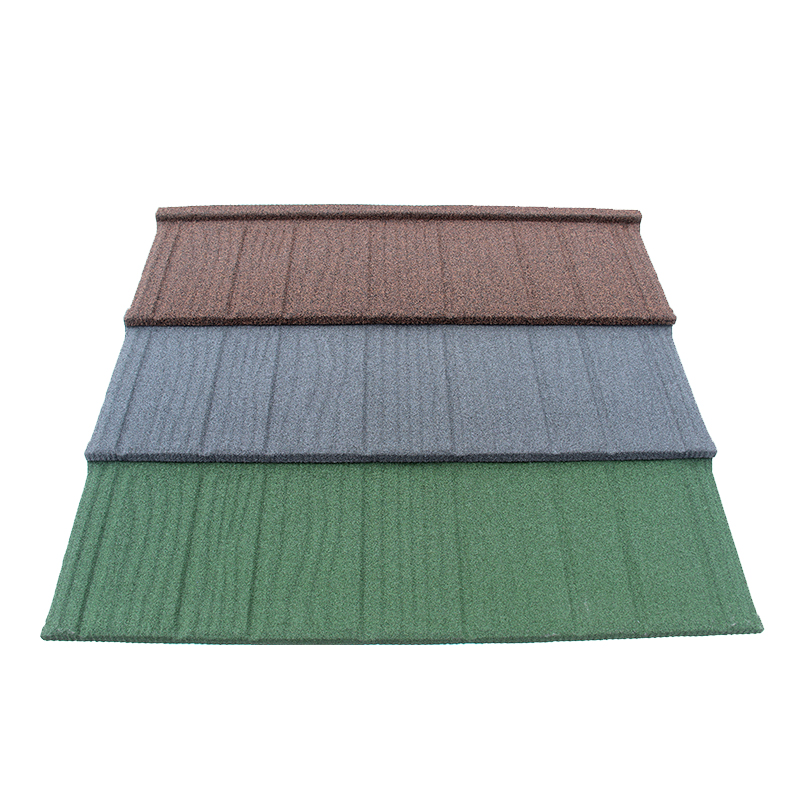
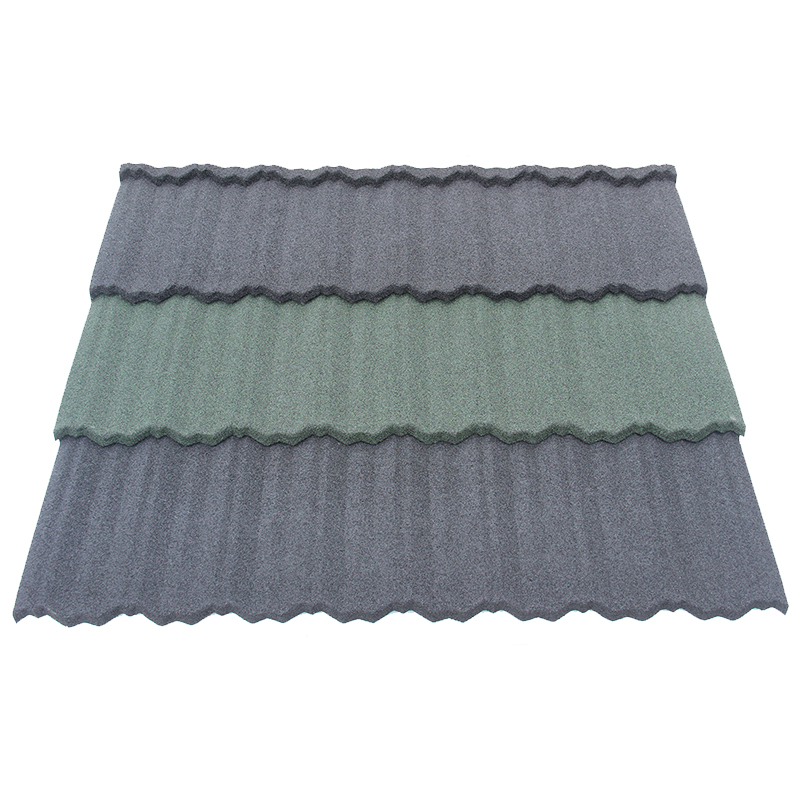
Architectural profiles often require custom-fabricated flashing to match their distinct lines and transitions. Suppliers such as JCROOF typically provide profile-specific accessory guides for systems like Milano Tile, ensuring installers use components engineered for that exact tile geometry. Rustic-style roofs using a Shake Tile profile often need closure strips designed for a deeper tile texture, since standard flat closures leave gaps that generic hardware cannot seal properly.
Common Mistakes With Flashing and Accessories That Lead to Leaks
Flashing and accessory mistakes tend to repeat across projects because they are easy to overlook during a fast-moving installation. These errors rarely fail an initial inspection, which is exactly why they cause problems years later instead of immediately.
Treating Flashing as a Generic, Interchangeable Component
Contractors sometimes install whatever flashing is on hand rather than matching it to the specific tile profile and location. This mismatch often creates small gaps that widen over time as the roofing system expands and contracts with temperature changes.
Skipping Manufacturer Accessory Specifications
Every tile profile has manufacturer-specified accessories designed to fit its exact dimensions. Substituting generic ridge caps or closure strips to save cost frequently creates gaps that undermine the entire system’s water resistance.
Underestimating Fastener Compatibility With the Base Material
Mismatched fastener metals can trigger galvanic corrosion at the exact points where the roofing system depends on a tight seal. This mistake often goes unnoticed until rust stains or loosened tiles appear during a routine inspection.
A tile roofing system is only as strong as its weakest flashing detail or accessory match. Buyers and contractors who evaluate flashing and accessories with the same rigor applied to the tile itself consistently avoid the leaks and premature failures that undermine an otherwise well-chosen roofing system.