

A roof tile wholesale supplier relationship works on entirely different terms than a single retail purchase. Contractors, distributors, and retailers buying in volume need to think through pricing tiers, minimum order quantities, credit terms, and distribution logistics before committing to a partner. A supplier that handles single-project retail orders well does not automatically have the infrastructure to support recurring bulk purchasing. This guide breaks down what a wholesale supplier relationship should actually include, how to evaluate one across different business models, and where businesses commonly go wrong in this decision.
Why Wholesale Roofing Sourcing Works Differently Than Retail Purchasing
Retail buyers typically evaluate a single order for a single project, while wholesale buyers need a supplier capable of sustaining pricing, quality, and delivery consistency across dozens or hundreds of orders over time. This shift changes which factors actually matter most during supplier selection. Business buyers need to think about the relationship’s long-term structure, not just the price on a single quote.
Volume Pricing Requires a Different Kind of Trust
Wholesale pricing tiers depend on a supplier’s confidence in a buyer’s ongoing order volume, which means both sides need clear expectations set upfront. A mismatch here can lead to pricing disputes once actual order volume differs from initial projections.
Recurring Orders Demand Consistent Quality Across Batches
A single retail order rarely reveals whether a supplier can maintain consistent coating quality and dimensional accuracy across many separate production runs. Wholesale buyers need this consistency verified before committing to a long-term purchasing relationship.
Breaking Down What a Wholesale Supplier Relationship Should Include
A solid wholesale supplier relationship covers more than just a discounted price list. Buyers should evaluate pricing structure, minimum order requirements, credit and payment terms, and distribution logistics together, since each factor affects the practical realities of running a business around that supply relationship. The table below outlines what to look for across these core categories.
| Category | What to Evaluate | Why It Matters |
|---|---|---|
| Pricing Structure | Volume-based tiers and how pricing changes as order size grows | Determines margin as your business scales orders |
| Minimum Order Quantities | MOQ requirements relative to your typical purchasing pattern | Avoids overcommitting capital or underordering for discounts |
| Credit and Payment Terms | Available credit lines, payment schedules, and early payment discounts | Affects cash flow across ongoing project cycles |
| Distribution and Logistics | Regional warehouse locations and typical delivery timelines | Impacts project scheduling and emergency reorder capability |
Pricing Structure and Volume Tiers
Wholesale suppliers typically offer tiered pricing based on order volume, and buyers should understand exactly where their typical order size falls within that structure. Businesses growing their order volume over time should ask how pricing adjusts as they move between tiers.
Minimum Order Quantities and Inventory Planning
A supplier’s minimum order quantity needs to align with a buyer’s actual purchasing pattern, since overcommitting to reach a discount tier can tie up capital in excess inventory. Buyers should model their typical order size against MOQ requirements before committing.
Credit Terms and Cash Flow Impact
Wholesale credit terms directly affect a business’s cash flow, particularly for contractors managing multiple concurrent projects. Buyers should negotiate payment terms that match their own project billing cycles rather than accepting standard terms that create cash flow gaps.
How to Evaluate a Wholesale Supplier Across Different Business Models
Wholesale sourcing needs differ significantly depending on whether the buyer is a contractor, a regional distributor, or a retailer stocking inventory for walk-in customers. The following examples show how this evaluation plays out across these different business models.
Contractors Sourcing for Multiple Concurrent Projects
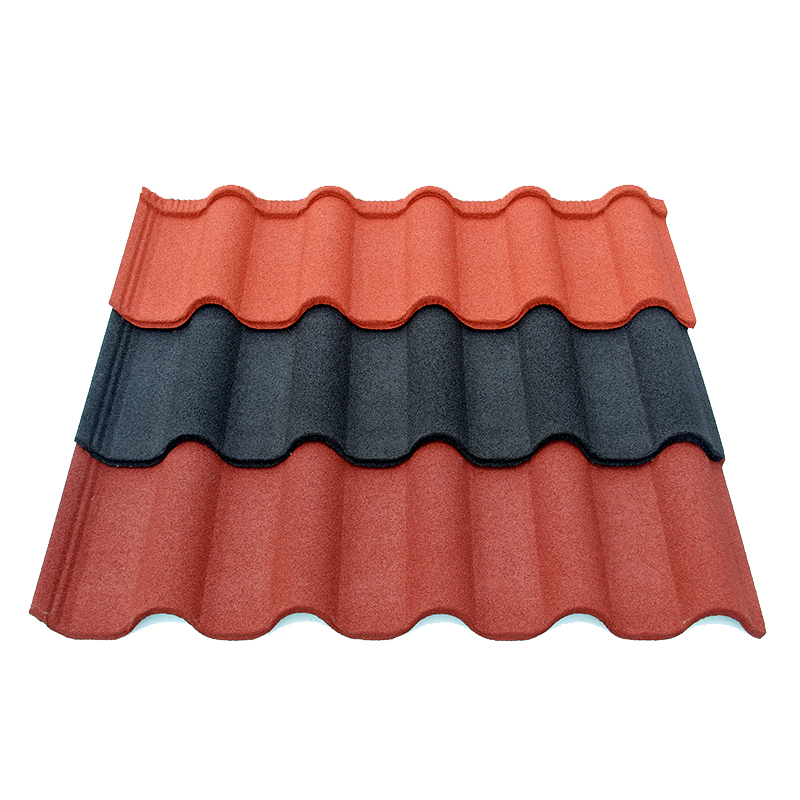
Contractors managing several active jobs need a supplier who can deliver consistent volume of a specific profile, such as Bond Tile, across multiple job sites without lead time surprises that could delay any single project.
Regional Distributors Building a Diverse Inventory
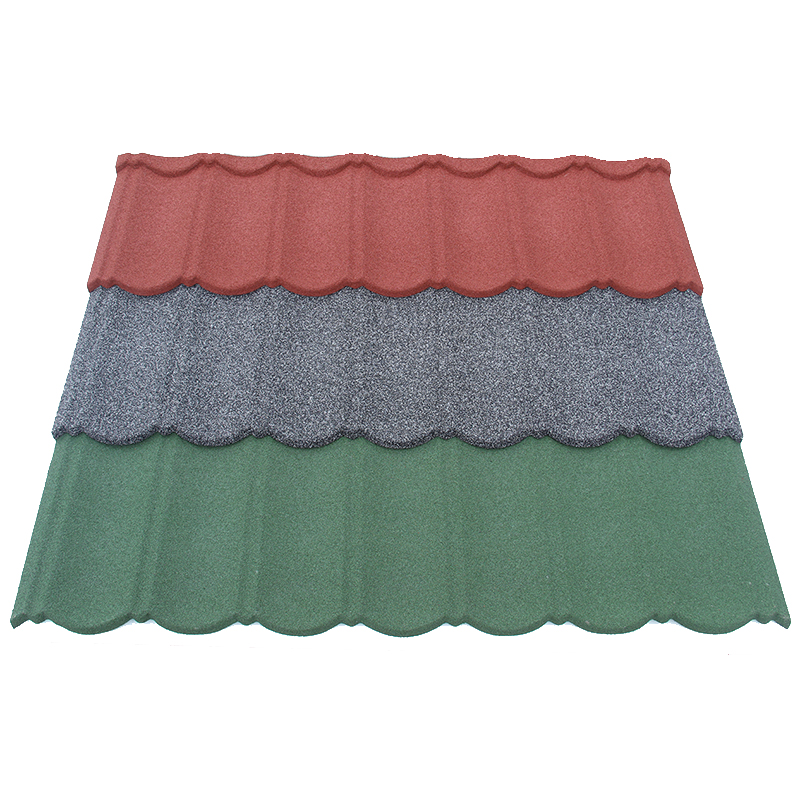
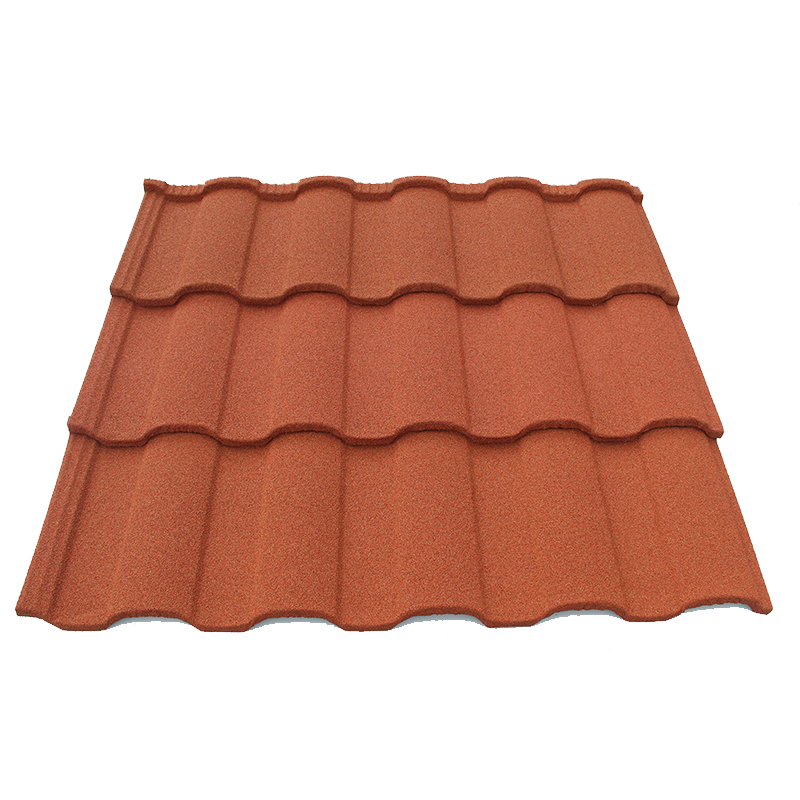
Distributors stocking a range of profiles for resale to local contractors need a supplier offering strong logistics support for products like Roman Tile, ensuring regional warehouse access keeps their own delivery promises realistic.
Retailers Stocking Popular Residential Profiles
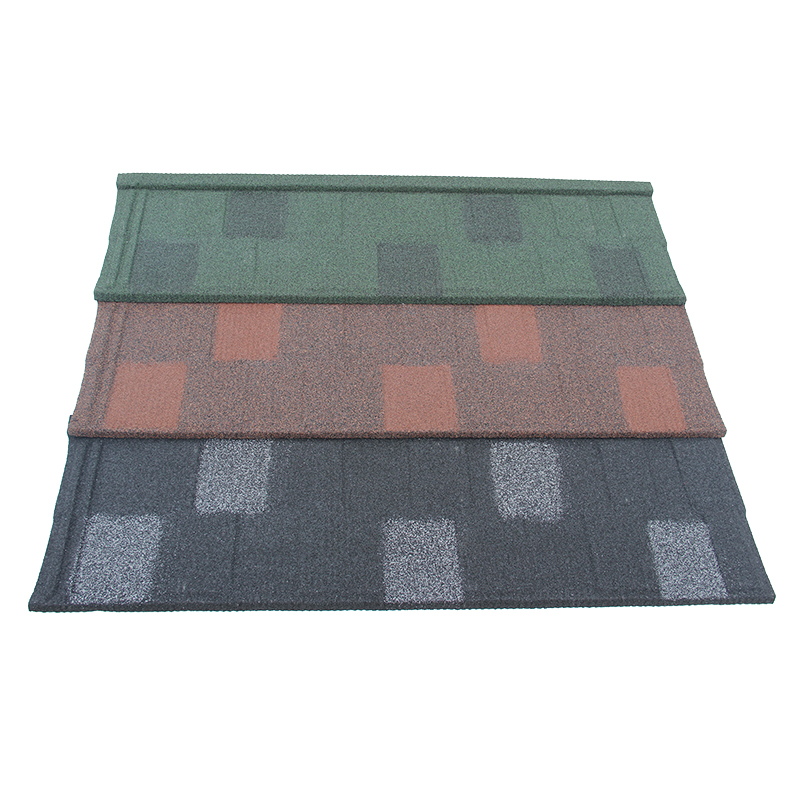
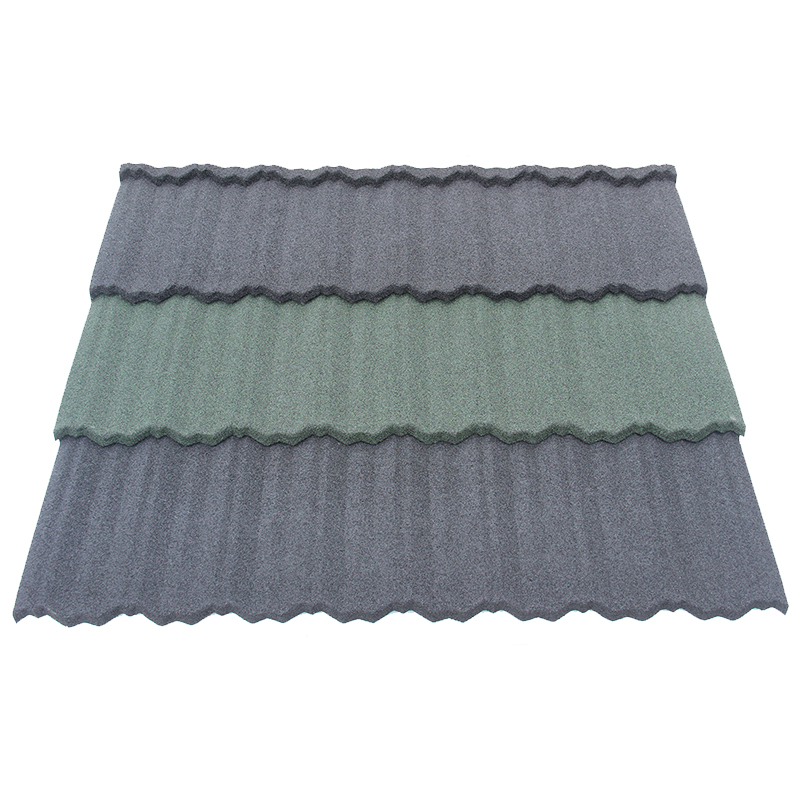
Retail-facing businesses often prioritize a supplier’s ability to maintain steady stock of high-demand profiles like Shingle Tile, since inconsistent availability can directly affect walk-in customer satisfaction.
Businesses Serving Architectural and Custom Projects
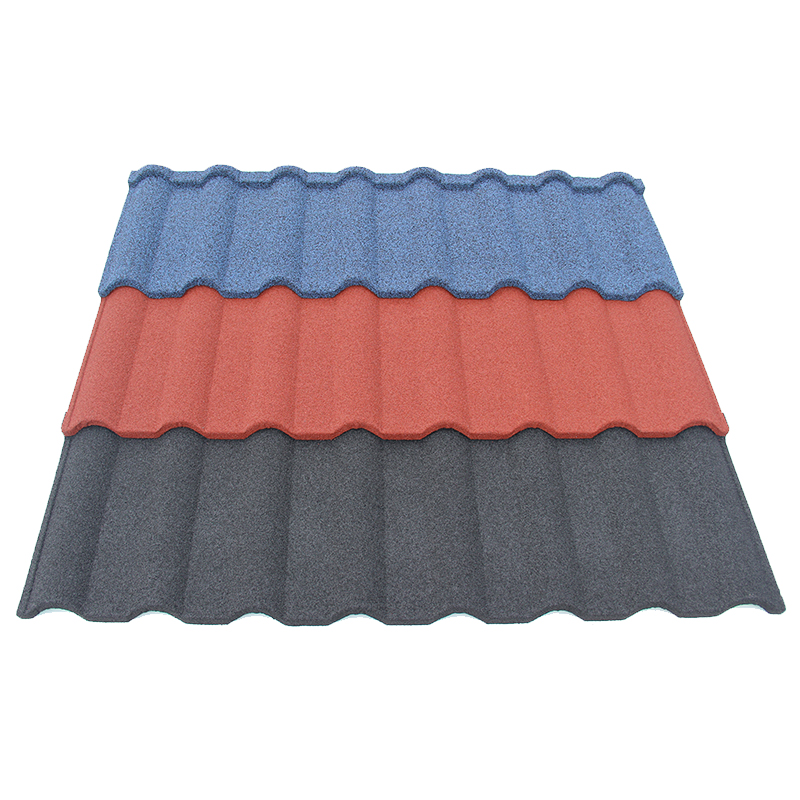
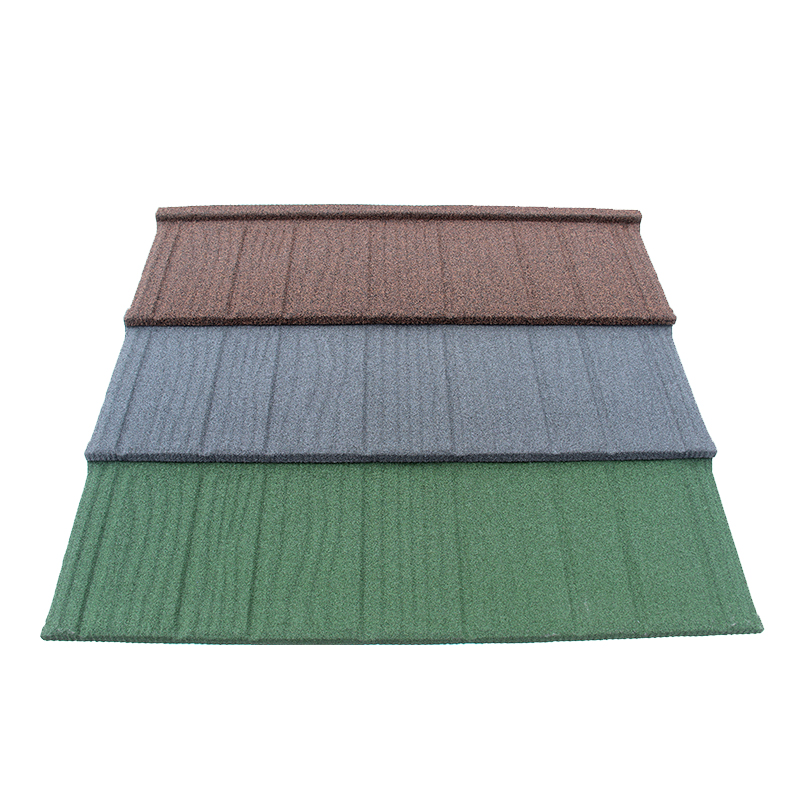
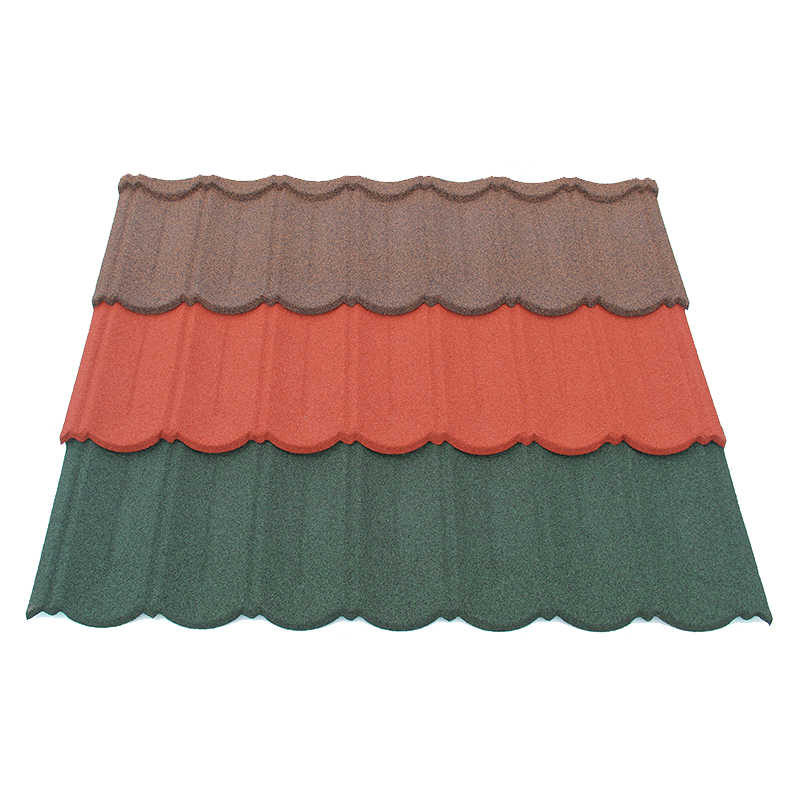
Businesses supplying architectural firms benefit from a wholesale relationship with a supplier like JCROOF, which can support both standard volume orders and more specialized profiles such as Milano Tile. Businesses serving rustic or specialty residential markets should confirm similar wholesale support for profiles like Shake Tile, ensuring consistent access to less common but steadily requested products.
Common Mistakes Businesses Make When Choosing a Wholesale Roofing Supplier

Businesses new to wholesale roofing sourcing tend to repeat a handful of avoidable mistakes. Recognizing these patterns early helps buyers build a more stable, long-term supplier relationship from the start.
Chasing the Lowest Price Tier Without Confirming Sustainable Volume
Businesses sometimes commit to a large order size purely to reach a lower pricing tier, without confirming their actual sales pipeline can absorb that inventory. This can tie up capital and warehouse space unnecessarily.
Overlooking Logistics Reliability in Favor of Unit Price Alone
A lower unit price means little if delivery delays disrupt project schedules or customer commitments. Buyers should weigh logistics reliability as heavily as pricing when comparing wholesale suppliers.
Skipping a Trial Order Before Committing to a Long-Term Contract
Businesses sometimes sign a long-term wholesale agreement without first testing the supplier’s consistency through a smaller trial order. This skips a valuable verification step that could reveal quality or logistics issues before a larger commitment.
- Confirm pricing tiers align with your realistic, sustainable order volume
- Model minimum order quantities against your actual inventory turnover
- Negotiate credit terms that match your project billing cycles
- Verify regional logistics and delivery reliability before committing long-term
- Start with a trial order before signing an extended wholesale contract
Building a Long-Term Wholesale Supplier Relationship
A strong wholesale supplier relationship benefits from ongoing communication and periodic review, not just an initial vetting process. Businesses that revisit pricing, volume, and logistics performance regularly maintain a more resilient supply chain over time.
Reviewing Performance at Regular Intervals
Businesses should periodically review a wholesale supplier’s pricing competitiveness, delivery reliability, and product consistency, rather than assuming an initial evaluation remains accurate indefinitely as order volume and market conditions change.
Communicating Volume Changes Proactively
Suppliers can often adjust pricing or capacity planning more effectively when buyers communicate expected volume changes in advance, rather than surprising the supplier with a sudden large order or a significant pullback.
Choosing a roof tile wholesale supplier comes down to evaluating pricing structure, order quantities, credit terms, and logistics together, rather than focusing on unit price alone. Businesses that apply this full evaluation, and revisit it periodically, build wholesale supplier relationships that support steady growth rather than repeated sourcing headaches.