
Quality control is one of the most critical factors in roofing manufacturing. Whether producing stone coated roofing, metal roofing sheets, or traditional roofing systems, manufacturers must ensure that every product meets strict performance, durability, and safety standards. The process of roofing manufacturing quality control covers every stage from raw material selection to final packaging and export inspection.
In the global roofing industry, even small defects can lead to serious issues such as leakage, corrosion, or structural failure. Therefore, professional manufacturers implement multi-stage quality control systems to guarantee consistency and long-term performance.
In this article, we will explain how roofing factories manage quality at each production stage and how buyers can evaluate whether a manufacturer follows reliable quality standards.
Why Quality Control Matters in Roofing Manufacturing
Roofing systems are exposed to extreme environmental conditions such as heavy rain, strong wind, UV radiation, and temperature changes. As a result, any weakness in material or production can significantly reduce product lifespan.
Ensuring long-term durability
Effective quality control ensures that roofing materials maintain structural strength and surface stability over many years. Moreover, it helps prevent premature failure caused by corrosion, coating peeling, or material deformation.
Reducing project risks for buyers
For distributors and contractors, poor-quality roofing products can lead to installation failures, customer complaints, and financial losses. Therefore, consistent quality control reduces project risks and improves customer satisfaction.
Supporting global export standards
In addition, roofing manufacturers that export internationally must comply with different quality standards across markets. This requires strict inspection systems and standardized production procedures.
Raw Material Inspection: The First Quality Barrier
Quality control begins even before production starts. Manufacturers carefully inspect all raw materials to ensure they meet required specifications.
Steel coil inspection
Steel is the core material of most roofing systems. Therefore, manufacturers test thickness, coating density, and corrosion resistance before accepting any steel coil for production.
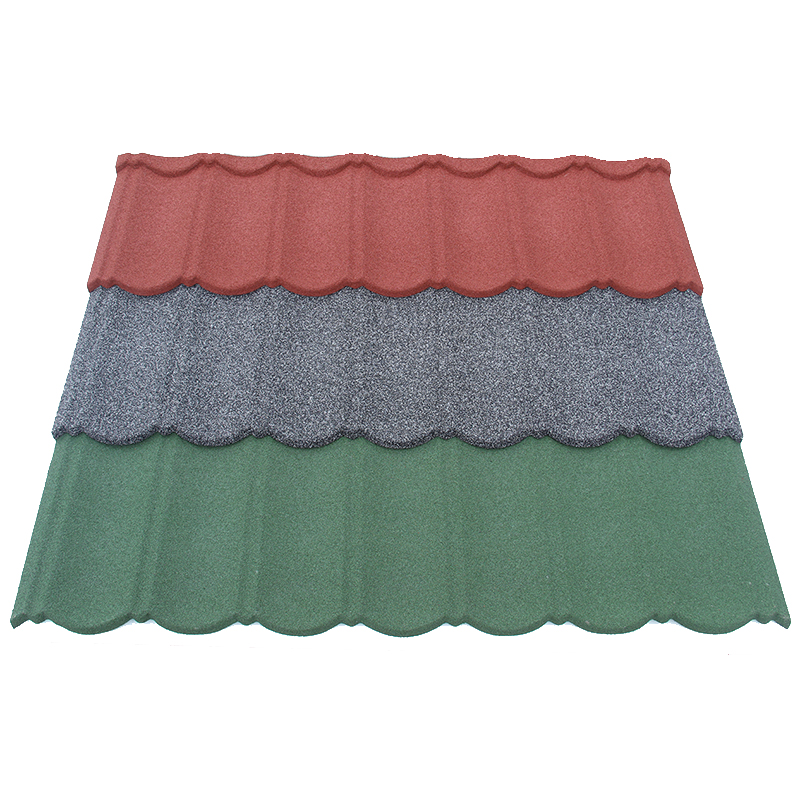
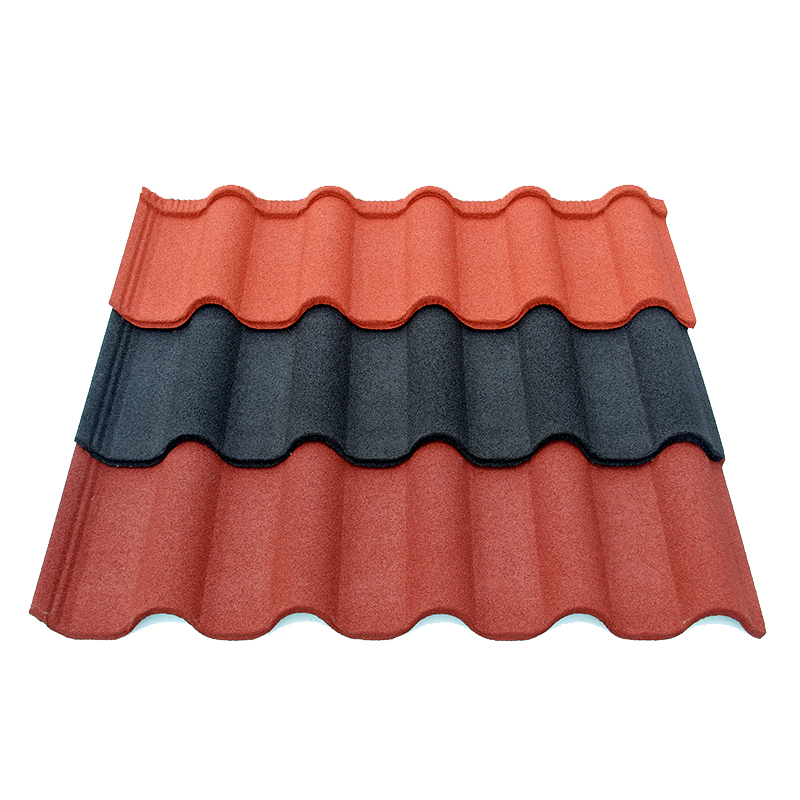
For example, in stone coated systems such as Bond Tile, the steel substrate must meet strict strength and coating standards to ensure long-term durability.
Stone granule quality testing
Natural stone granules are tested for color consistency, particle size, and UV resistance. Moreover, poor-quality granules are rejected to prevent fading and surface degradation in final products.
Acrylic resin inspection
Manufacturers also test acrylic resin for viscosity and bonding strength. This ensures proper adhesion between steel and stone granules during production.
Production Line Quality Control
Once raw materials pass inspection, production begins. However, quality control continues throughout the entire manufacturing process.
Automated forming and shaping control
First, steel sheets are formed into roofing profiles using automated machinery. During this process, operators monitor dimensions to ensure uniform shape and precision.
Coating consistency monitoring
Next, acrylic resin coating is applied. In addition, production teams monitor coating thickness to ensure even coverage across all panels.
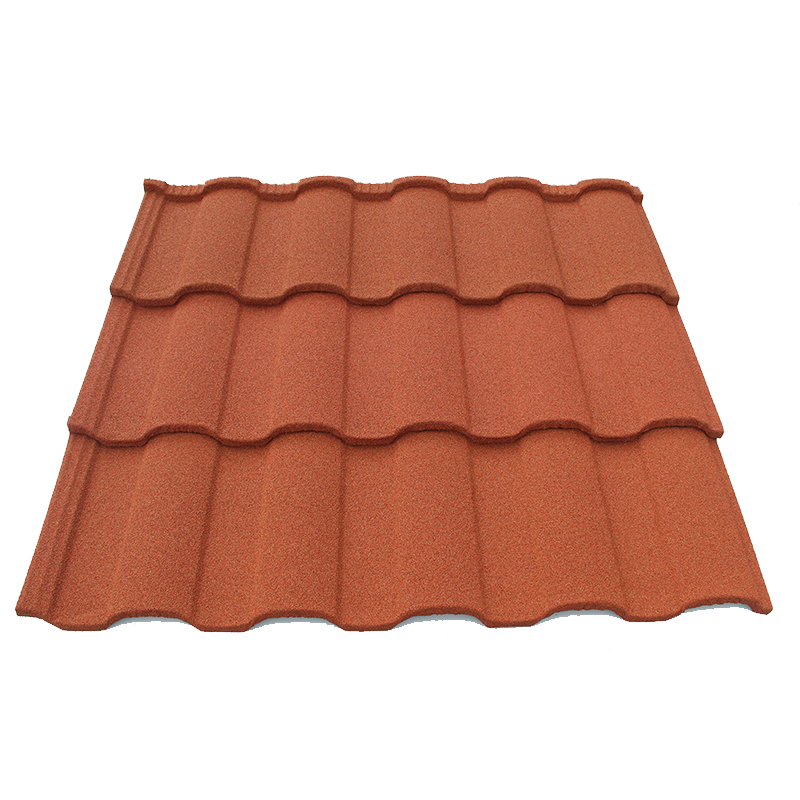
Roofing profiles such as Roman Tile require high precision during forming because even small deviations can affect installation alignment.
Stone granule application control
After coating, stone granules are evenly applied to the surface. Meanwhile, excess particles are recycled to maintain material efficiency and reduce waste.
This step is crucial because uneven granule distribution can affect both appearance and weather resistance.
In-Process Inspection During Manufacturing
In addition to automated control systems, manufacturers perform manual inspections during production to identify potential defects early.
Random sampling checks
Quality teams select samples from production batches and test adhesion strength, color consistency, and surface uniformity.
Visual inspection systems
Moreover, some factories use optical inspection systems to detect surface defects such as scratches, uneven coating, or missing granules.
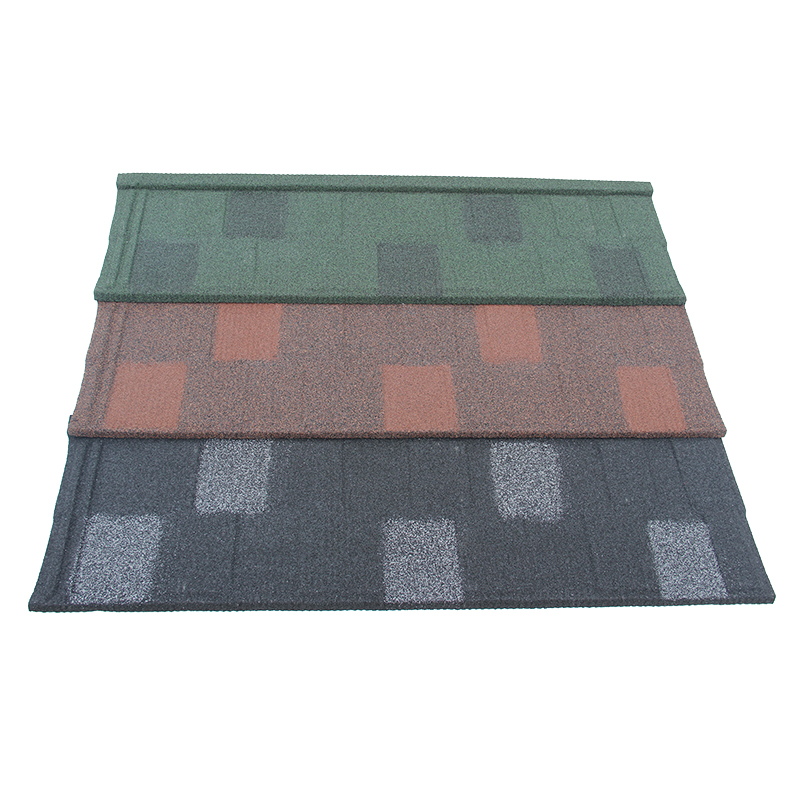
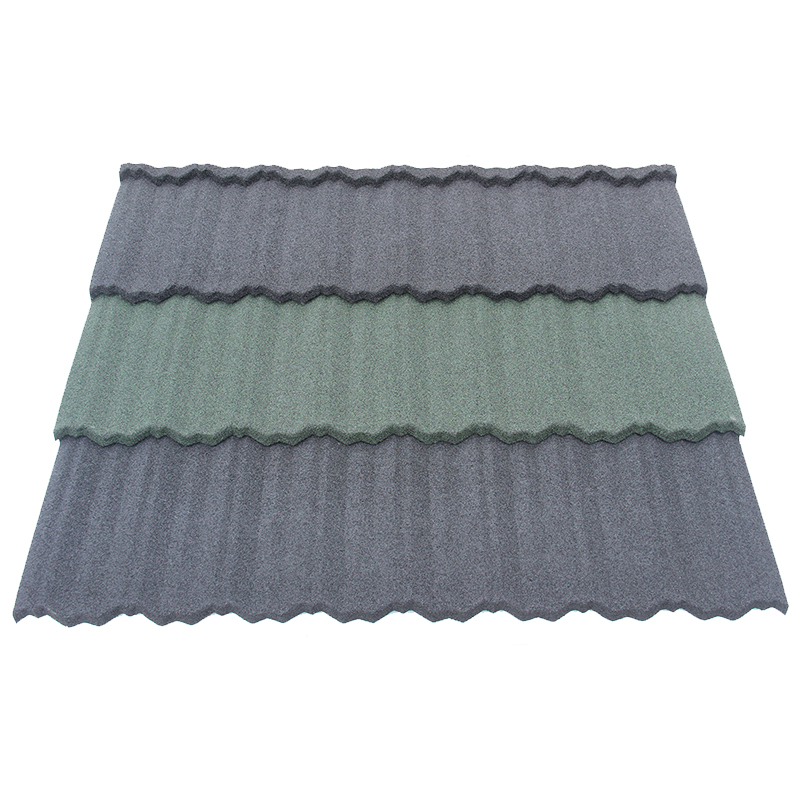
For modern roofing systems like Shingle Tile, surface consistency is especially important because it directly affects architectural appearance.
Heat Treatment and Curing Quality Control
After coating and granule application, roofing panels enter the curing stage. This process plays a critical role in determining the final durability and bonding strength of the product.
Temperature-controlled curing process
Manufacturers place coated roofing sheets into controlled heating systems. Meanwhile, operators carefully regulate temperature and time to ensure the acrylic resin fully bonds with the steel surface and stone granules.
If curing conditions are unstable, the coating may weaken over time. Therefore, precise temperature control is essential for long-term performance.
Bonding strength stabilization
In addition, proper curing strengthens the adhesion between layers. As a result, roofing products can better resist wind pressure, rain impact, and UV exposure.
For premium roofing systems such as Bond Tile, stable curing is especially important because it directly impacts long-term weather resistance.
Finished Product Quality Testing
Once curing is completed, manufacturers conduct a series of performance tests to ensure each product meets international quality standards.
Wind resistance testing
Roofing panels are tested under simulated wind pressure conditions. This helps ensure they can withstand strong storms and extreme weather events.
Waterproof performance testing
Manufacturers also test water resistance by simulating heavy rainfall conditions. This ensures that roofing systems prevent leakage under long-term exposure.
Impact resistance testing
In addition, impact tests simulate hail or falling debris. These tests confirm that roofing panels maintain structural integrity under sudden force.
For architectural profiles such as Roman Tile, maintaining structural accuracy during testing is essential because shape deformation can affect installation quality.
Salt spray and corrosion testing
For export markets in coastal regions, salt spray testing is especially important. This ensures that roofing systems maintain corrosion resistance even in high-salinity environments.
Packaging and Pre-Shipment Inspection
Before products leave the factory, a final inspection is conducted to ensure packaging quality and product consistency.
Final batch inspection
Quality teams randomly select finished products and verify coating integrity, color consistency, and dimensional accuracy.
Packaging quality control
Manufacturers then apply waterproof wrapping, pallet reinforcement, and corner protection. Moreover, proper packaging prevents damage during long-distance transportation.
Roofing systems such as Shingle Tile require careful stacking to prevent surface scratching and deformation during shipment.
International Quality Standards in Roofing Manufacturing
To compete in global markets, roofing manufacturers must comply with international quality standards and certifications.
ISO quality management systems
Many factories follow ISO-certified production systems to ensure consistent quality control across all manufacturing stages.
Export compliance standards
In addition, manufacturers must meet different requirements depending on destination markets, including durability testing, safety compliance, and environmental standards.
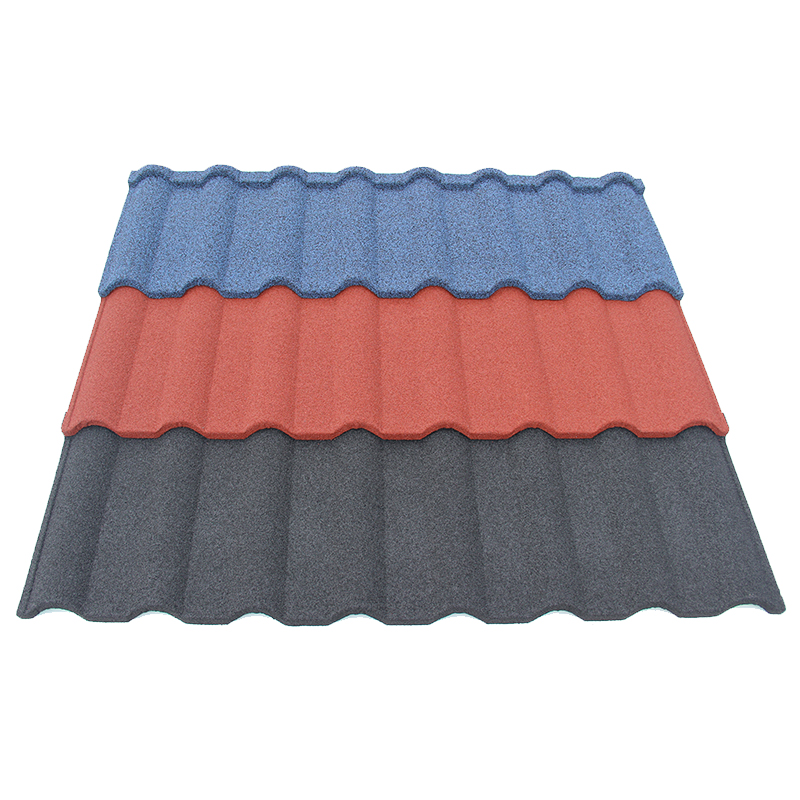
Premium products such as Milano Tile are often produced under stricter quality systems to meet high-end architectural requirements.
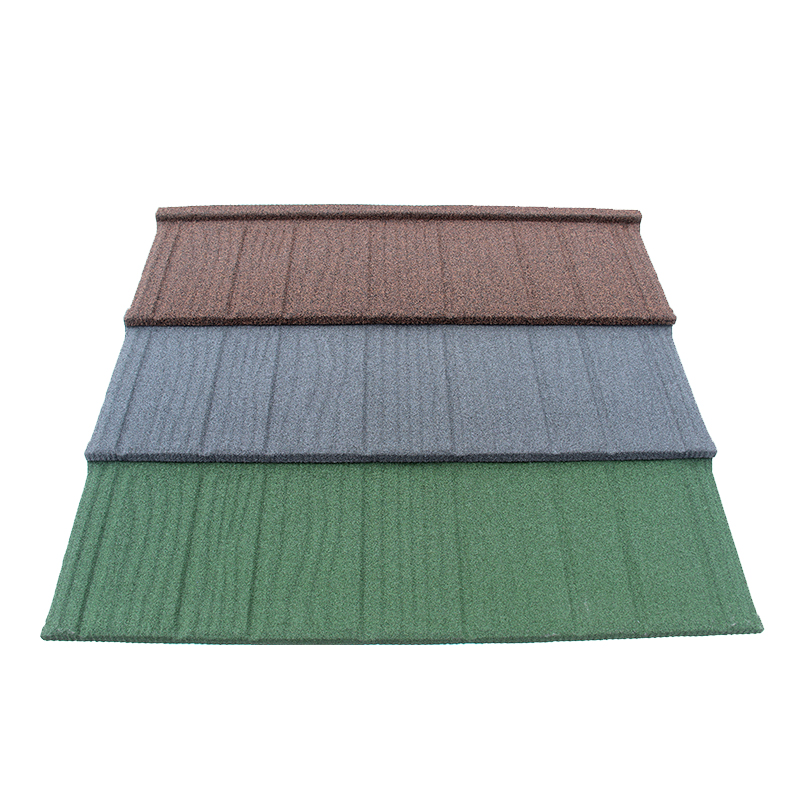
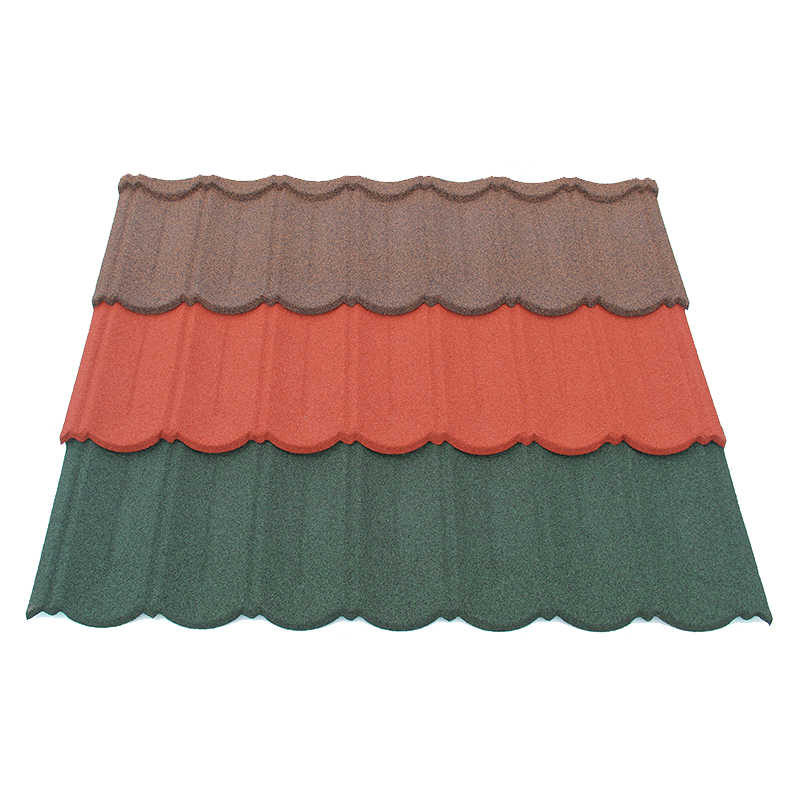
Similarly, traditional design roofing like Shake Tile requires careful quality monitoring to preserve texture and appearance consistency.
How Buyers Can Evaluate a Manufacturer’s Quality Control System
Buyers should not rely only on product descriptions. Instead, they should evaluate the manufacturer’s quality control system before making purchasing decisions.
Factory inspection and audit
Visiting the factory or requesting third-party audits helps verify production capability and quality control processes.
Sample testing and certification
In addition, requesting product samples allows buyers to test performance before placing large orders.
Production transparency
Reliable manufacturers provide clear documentation of production processes, testing reports, and export records.
Conclusion
Quality control is the foundation of reliable roofing manufacturing. From raw material inspection to final packaging, each stage plays a critical role in ensuring product durability, safety, and performance.
Manufacturers that implement strict multi-stage quality control systems can consistently deliver roofing products that meet global standards and long-term performance expectations.
By choosing experienced suppliers such as JCROOF, buyers can significantly reduce project risks and ensure stable product quality across different markets.