
Distributors and regional brands looking to build their own product line increasingly turn to Chinese manufacturers for OEM and private label roofing tile production. The option exists across a wide range of factories, but the gap between a manufacturer capable of genuine OEM production and one simply relabeling a standard product is significant. This guide breaks down what OEM and ODM actually mean in this category, how to evaluate a factory’s real customization capability, and what to verify before committing to a private label agreement.
What OEM and ODM Actually Mean for Roofing Tile Sourcing
OEM and ODM get used interchangeably in casual sourcing conversations, but they describe fundamentally different arrangements. Understanding this distinction upfront prevents misaligned expectations during supplier negotiations.
OEM Means Making to Your Specification
Original Equipment Manufacturing means the factory produces a product to your exact specification. Profile dimensions, coating color, granule texture, and packaging all get defined by the buyer. The factory manufactures to that spec and ships under the buyer’s brand.
ODM Means Adapting an Existing Design
Original Design Manufacturing means the factory already has a design, and the buyer selects from available options with some customization allowed. Color choices and packaging changes are typical. Profile shape and base material usually stay fixed.
Breaking Down What Real OEM Capability Requires From a Factory
Not every factory offering OEM services actually has the equipment and process control to deliver it consistently. Several specific capabilities separate genuine OEM manufacturers from those simply rebadging standard production runs. The table below outlines what to evaluate.
| Capability | What to Look For | Why It Matters |
|---|---|---|
| Custom Profile Tooling | In-house tooling capacity for profile modification or new dies | Determines whether true profile customization is possible |
| Coating Color Matching | Documented color mixing and batch matching process | Ensures consistent appearance across multiple production runs |
| Minimum Order Quantity for Custom Runs | MOQ specific to custom production, not standard catalog items | Reveals whether custom runs are economically viable at your volume |
| Private Label Packaging | Experience producing custom-branded packaging and documentation | Affects how products reach your end customer under your brand |
Custom Profile Tooling Capability
True OEM production sometimes requires custom dies or profile modifications. Factories with in-house tooling can accommodate these changes. Factories without this capacity can only offer standard profiles under a different label, which is closer to rebadging than genuine OEM manufacturing.
Coating Color Matching Consistency
Color consistency across separate production runs matters enormously when building a regional brand. A factory that cannot document its color matching process will produce visible variation between batches ordered months apart.
Minimum Order Quantities for Custom Runs
Custom production runs typically carry higher MOQs than standard catalog orders. Buyers need to confirm whether their expected volume actually justifies a custom run, or whether an ODM arrangement makes more practical sense at their current scale.
How OEM and ODM Sourcing Plays Out Across Different Distributor Scenarios
OEM and ODM arrangements serve different distributor types and market goals. The following examples show how this sourcing approach plays out in practice.
Regional Distributors Building a House Brand
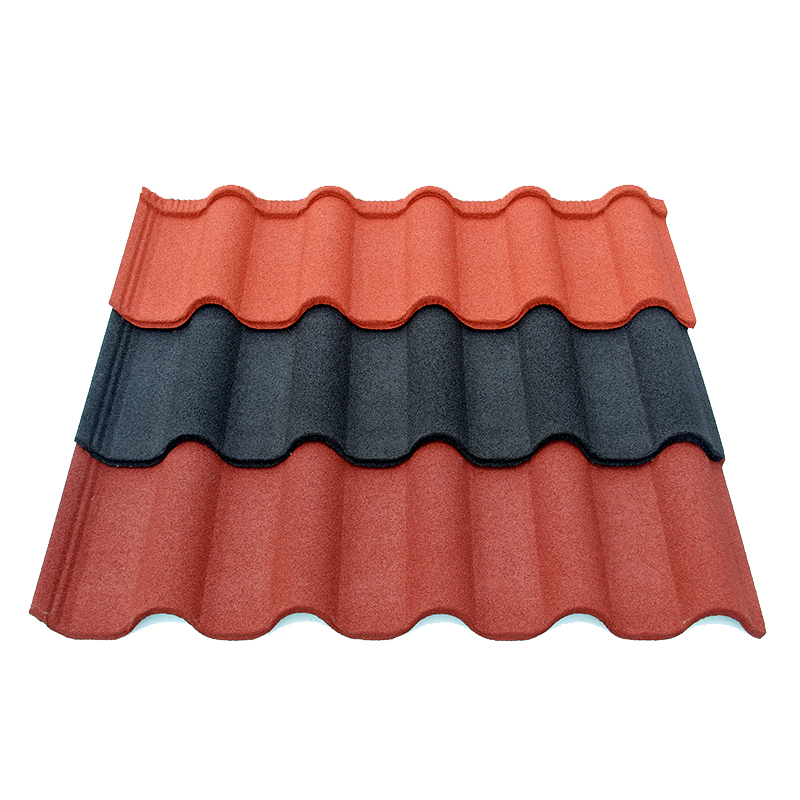
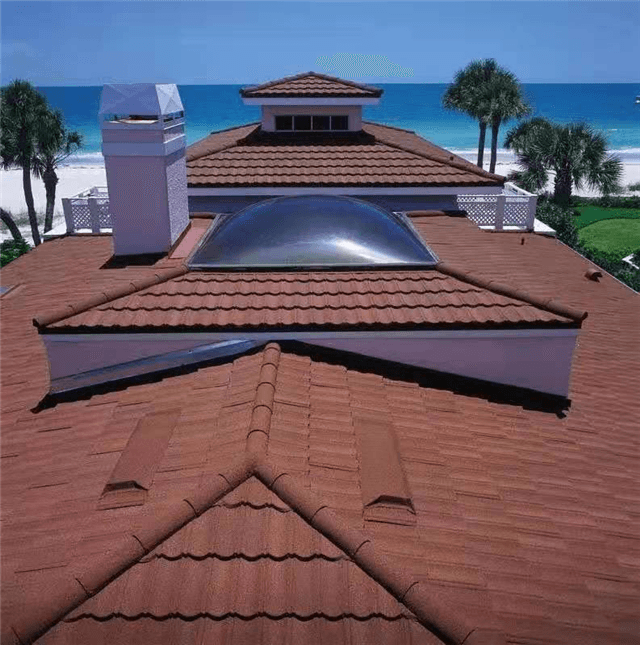
Distributors wanting full control over their product identity often start with an ODM arrangement on a proven profile like Bond Tile, then move toward full OEM customization once order volume justifies the investment in custom tooling.
Developers Specifying Custom Colors for a Project
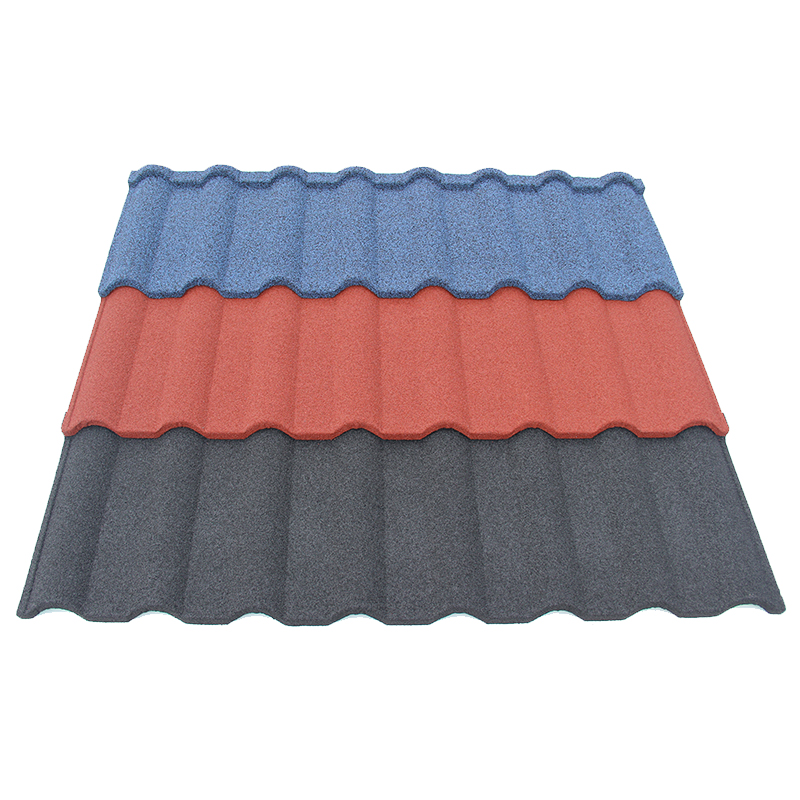
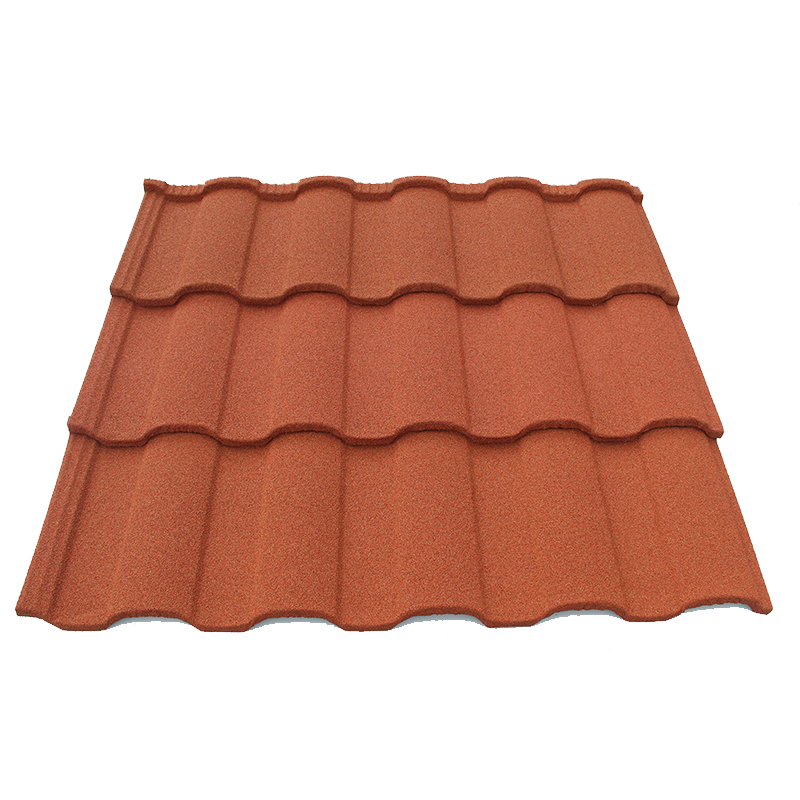
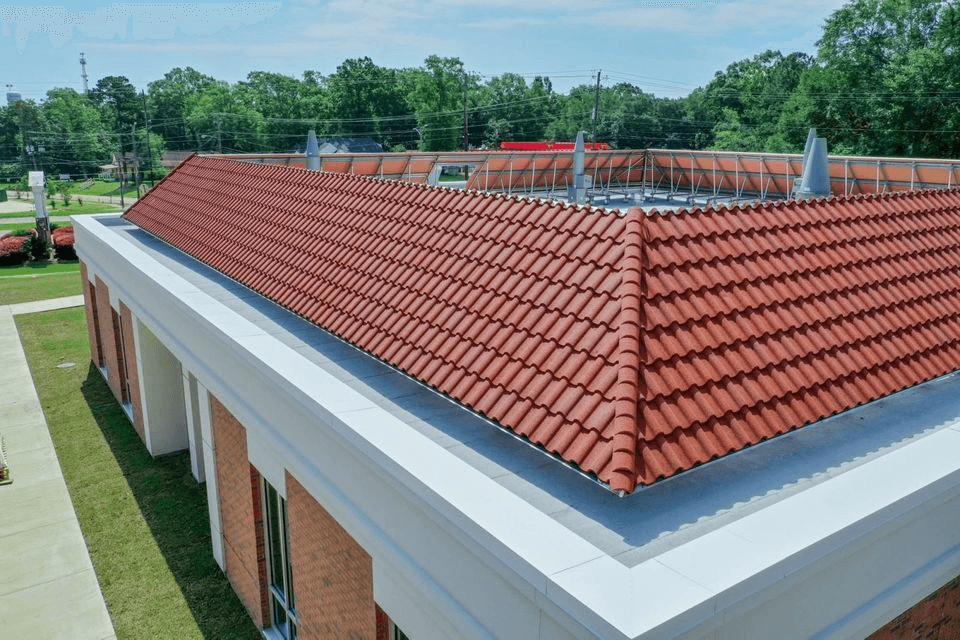
Large developers sometimes require a specific color or granule texture across an entire project. An OEM arrangement for a profile like Roman Tile ensures color consistency across every shipment tied to that project.
Importers Differentiating on Packaging and Documentation
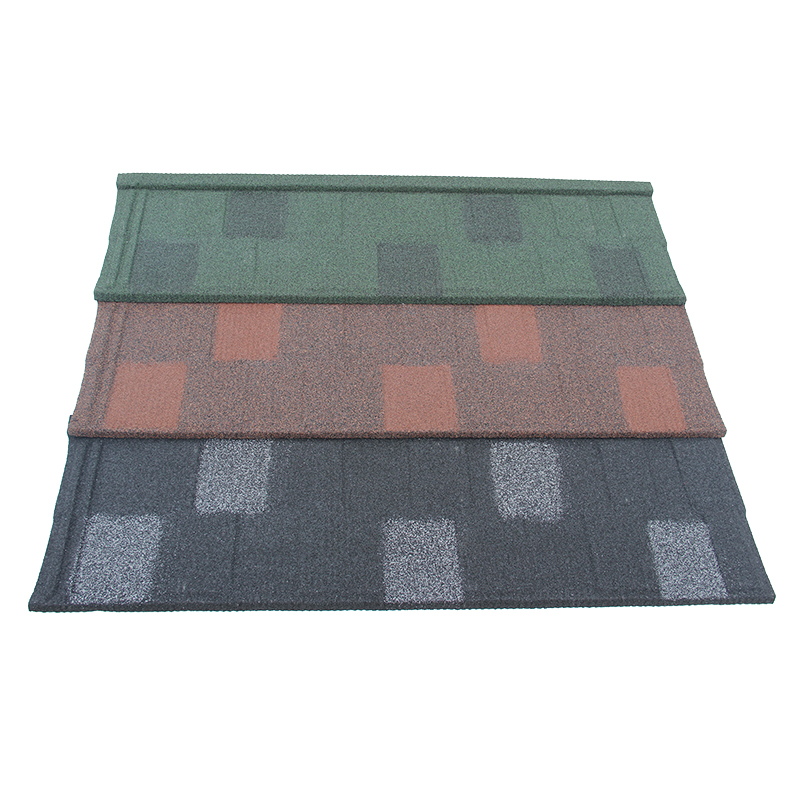
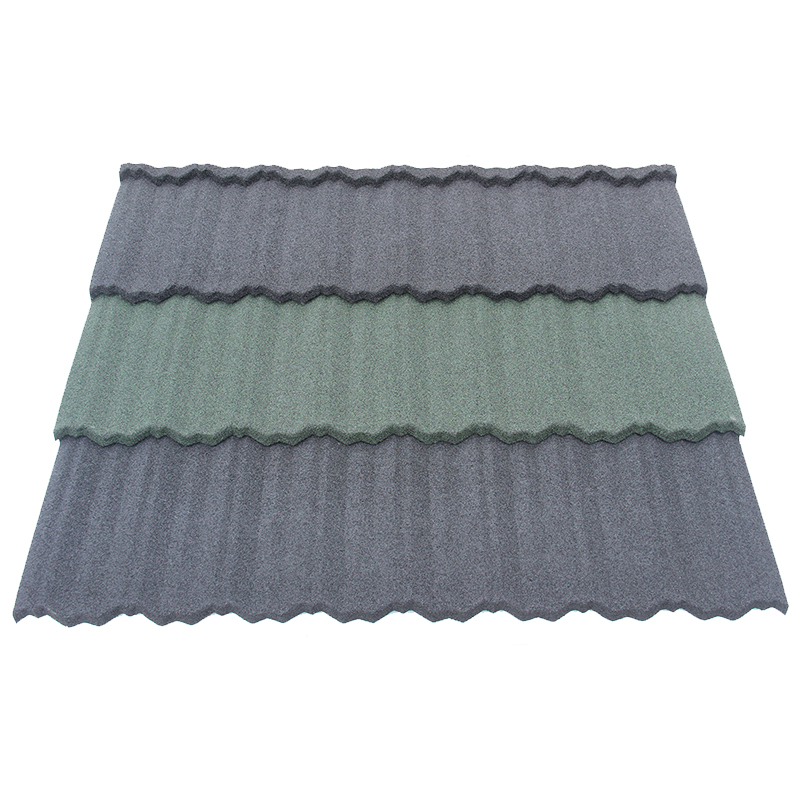
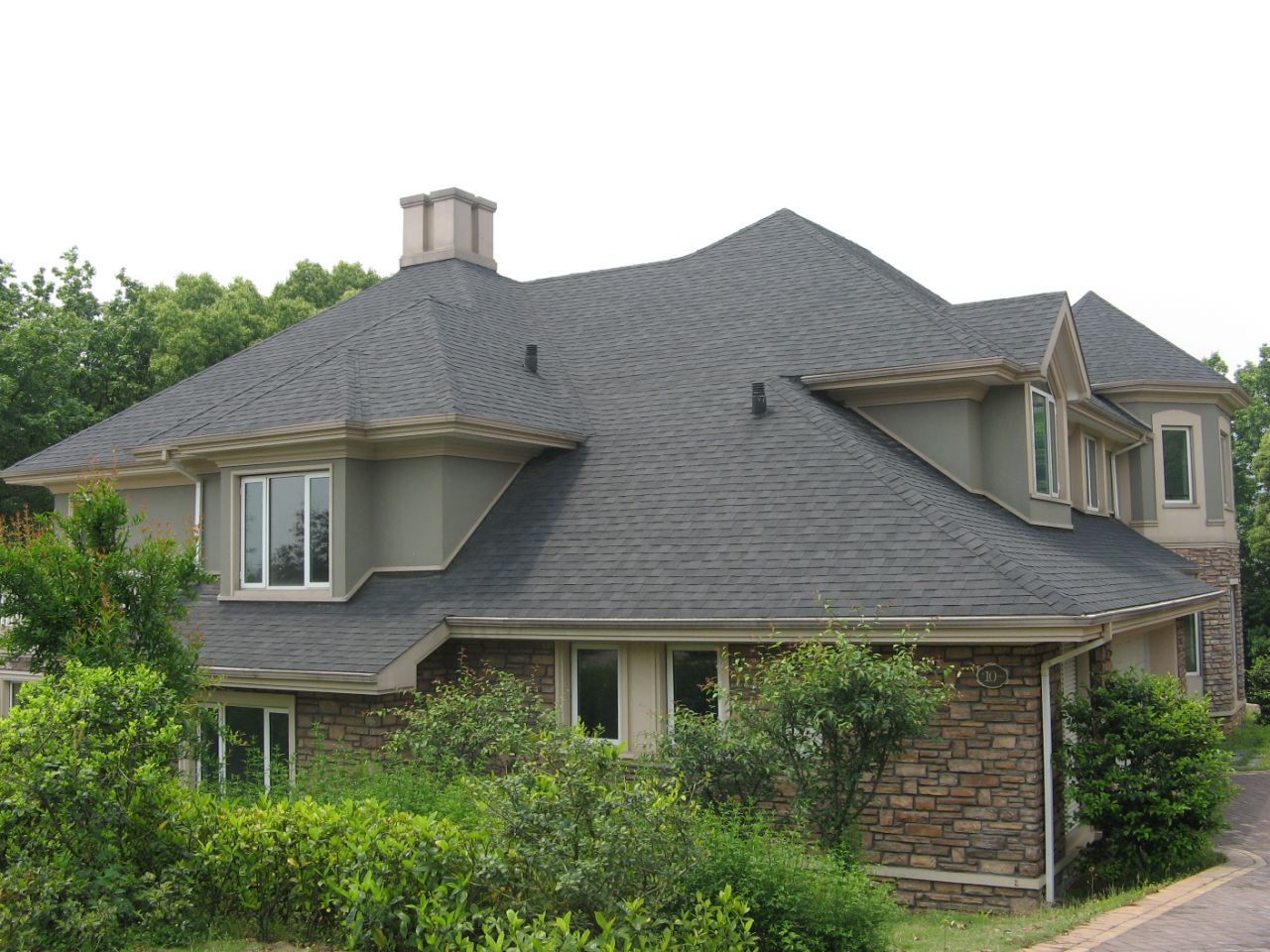
Some importers focus less on profile customization and more on private label packaging and branded documentation. This approach works well with a standard high-volume profile like Shingle Tile, where product performance is proven and brand presentation becomes the differentiator.
Brands Targeting Design-Conscious Architectural Markets
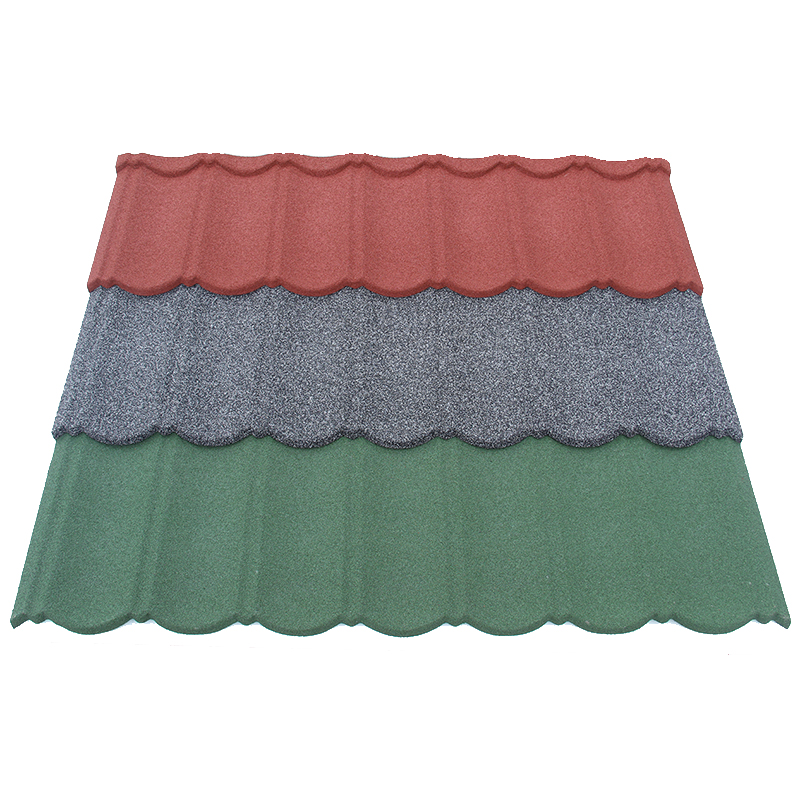
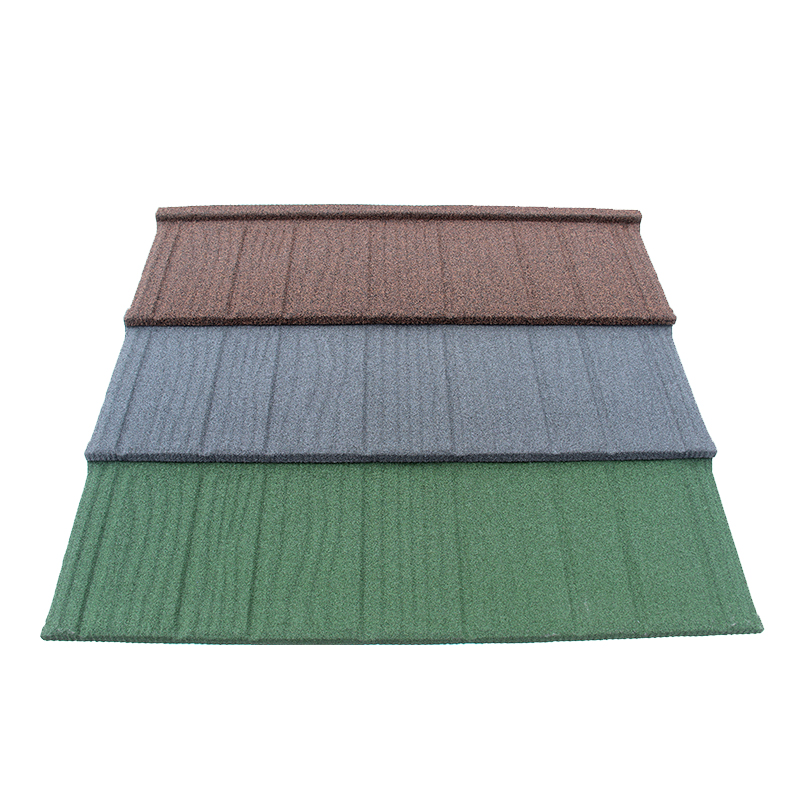
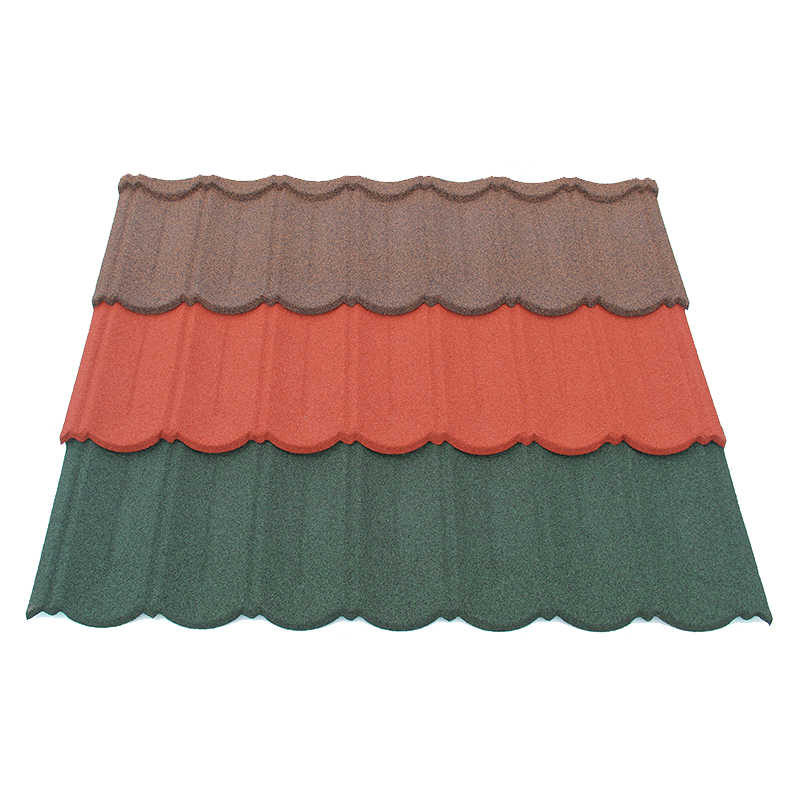
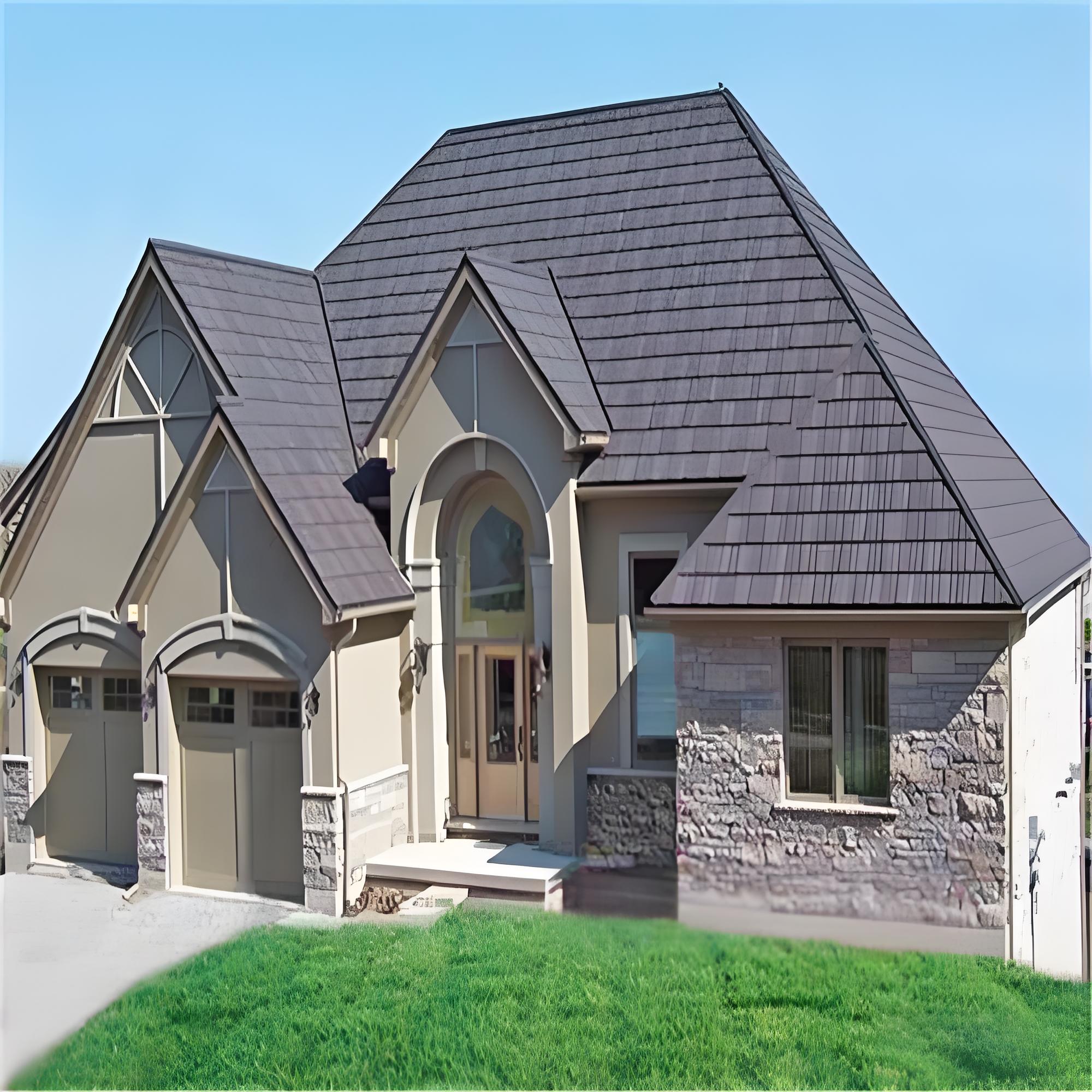
Distributors serving architectural buyers sometimes work with manufacturers such as JCROOF to develop a custom color range for a profile like Milano Tile, creating regional market exclusivity without requiring a fully new profile design. Distributors targeting rustic or premium residential markets sometimes apply the same approach to a Shake Tile profile, customizing granule texture or packaging presentation to match their regional brand positioning.
Common Mistakes When Entering an OEM Agreement With a Chinese Manufacturer
Buyers entering their first OEM arrangement tend to repeat a few specific mistakes. Recognizing these patterns early protects both brand integrity and production budgets.
Confusing Rebadging With Genuine OEM Production
Some factories offer “OEM” that amounts to nothing more than adding a buyer’s logo to unchanged standard product. True OEM means the buyer controls the specification. Buyers should confirm exactly what can and cannot be customized before signing any agreement.
Underestimating MOQ Requirements for Custom Runs
Custom production runs cost more per unit at lower volumes. Buyers who underestimate this often find that custom MOQ requirements push their per-unit cost above what their market can support.
Skipping Intellectual Property and Exclusivity Clauses
A custom color or profile design should be protected by contract from being sold to other buyers in the same market. Skipping this clause leaves a buyer’s brand investment vulnerable to direct regional competition using the same product.
- Confirm exactly what elements can be customized under an OEM arrangement
- Verify the factory has in-house tooling for any profile modification required
- Request documented color matching and batch consistency processes
- Confirm MOQ requirements for custom runs against your realistic volume
- Include IP protection and regional exclusivity clauses in any OEM contract
Building a Long-Term OEM Partnership for Regional Brand Growth
An OEM arrangement works best as a long-term partnership rather than a one-off transaction. Factories that understand a distributor’s market goals can contribute more meaningfully to product development over time.
Questions to Ask Before Signing an OEM Agreement
Ask what the factory has produced under OEM arrangements for other buyers, what their batch color matching process looks like, and what contractual protections they offer for regional exclusivity. Specific answers here reveal whether this is a genuine manufacturing partner or a catalog reseller.
OEM and private label sourcing from Chinese roofing tile manufacturers gives distributors a real path to regional brand differentiation. Buyers who evaluate factory capability honestly, confirm MOQ viability, and protect their product investment through contract consistently build stronger, more defensible regional positions than those relying on rebadged standard products.