
Roofing materials in the Philippines face a demanding combination of conditions. Frequent typhoons bring extreme wind loads for weeks at a time each year. Heavy monsoon rain follows close behind. Constant heat and coastal humidity add further stress on top of that. This guide breaks down which factors matter most for roofing here, and why stone coated metal tiles have grown so popular across the country.
Why the Philippines Pushes Roofing Materials to Their Limits
Few countries face as many typhoons in a single year as the Philippines. Galvanized iron sheet has long been the default roofing choice for its wind resistance and low cost. Many older buildings were also built with lighter roof structures, which limits what materials they can safely support today. These factors together create a specific set of priorities for any roofing decision in this market.
Typhoon Frequency Sets a High Wind Standard
Roofing products sold in the Philippines are commonly tested against the wind provisions in the National Structural Code of the Philippines. Materials need to withstand category four typhoon conditions without structural deformation. This standard shapes nearly every serious roofing decision in the country.
Older Structures Limit Heavier Material Choices
Many existing homes and buildings were framed for lighter roofing, not heavy tile. This makes weight a practical constraint during renovation, not just a cost consideration. A material that adds too much load can force expensive structural work before installation even begins.
Breaking Down the Factors That Matter Most for Philippine Roofing
Four factors drive most roofing decisions across the country. These are wind and typhoon performance, weight relative to existing structures, corrosion resistance in humid coastal air, and heat performance under constant tropical sun. The table below compares common roofing materials across these factors.
| Material Type | Typhoon Wind Performance | Weight | Corrosion Resistance |
|---|---|---|---|
| Galvanized Iron Sheet | Good, long-standing local standard | Light | Moderate, can rust at cut edges over time |
| Clay or Concrete Tile | Moderate, can crack under storm debris impact | Heavy, often needs reinforced framing | Good in dry conditions |
| Asphalt Shingle | Weak to moderate, prone to lifting | Light | Moderate, degrades faster in heat and humidity |
| Stone Coated Metal Roofing Tile | Strong, interlocking profile resists uplift | Light to moderate | Strong, coated steel resists salt air corrosion |
Wind Performance During Typhoon Season
An interlocking tile profile holds together far better than flat sheet or loose shingle under sustained storm wind. Buyers should confirm documented wind testing specific to local standards before choosing any roofing material.
Weight for Renovation and Older Buildings
Stone coated tiles weigh far less than clay or concrete alternatives. This makes them a practical fit for renovation projects where the existing structure was never built for heavy tile.
Corrosion Resistance in Coastal Humidity
Coastal areas combine salt air with constant humidity, a tough combination for untreated metal. A coated steel base resists this corrosion far better than plain galvanized sheet over the long term.
How Stone Coated Roofing Performs Across Philippine Regions and Project Types
Conditions vary across the archipelago, from typhoon corridor provinces to humid coastal resort areas. The right specification shifts depending on the project’s exact location and purpose. The following examples show how this plays out in practice.
Coastal Resort and Hospitality Developments
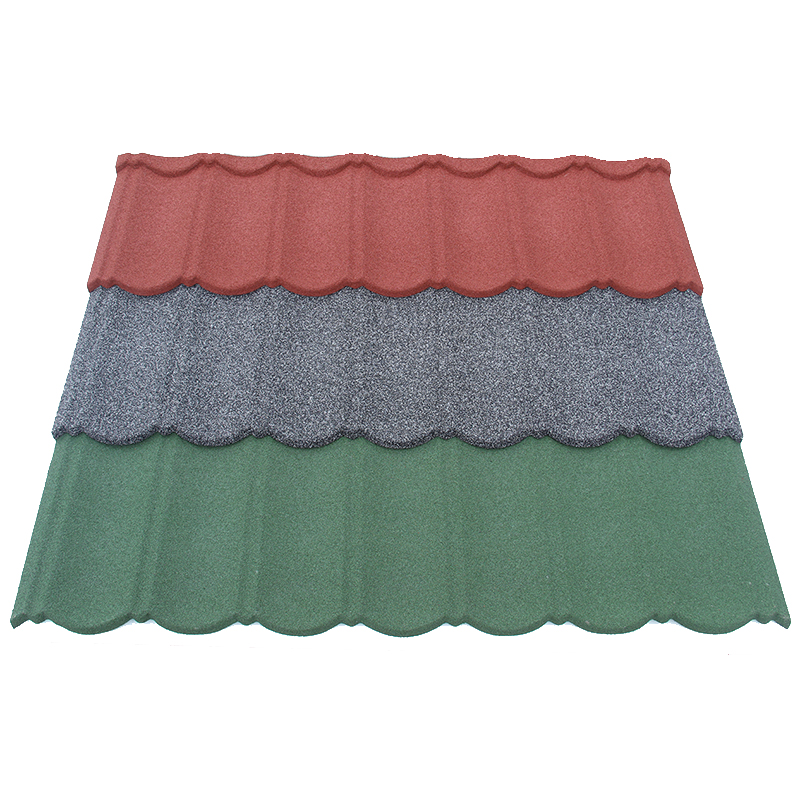
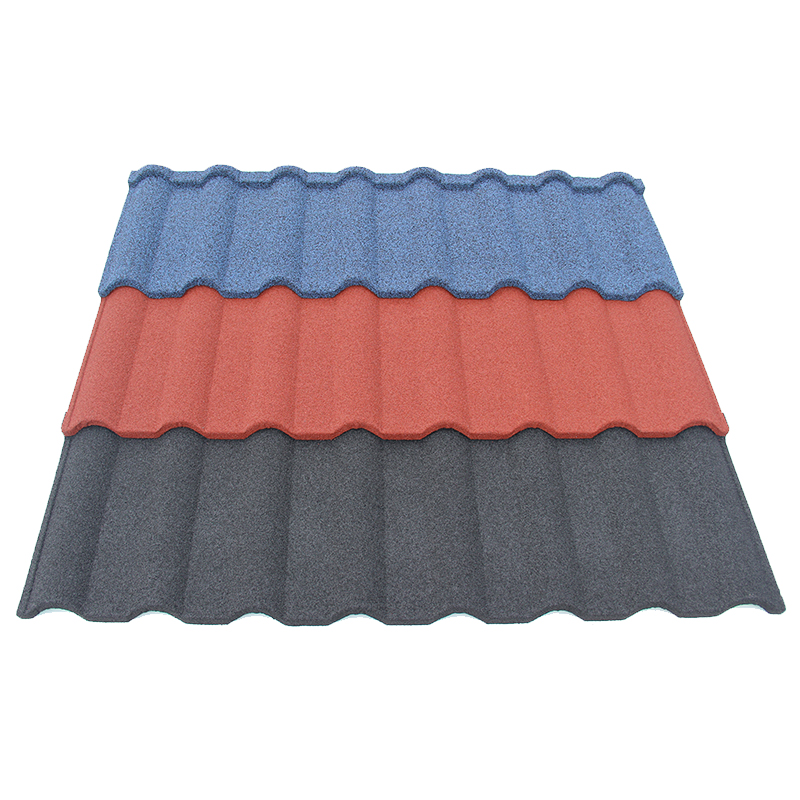
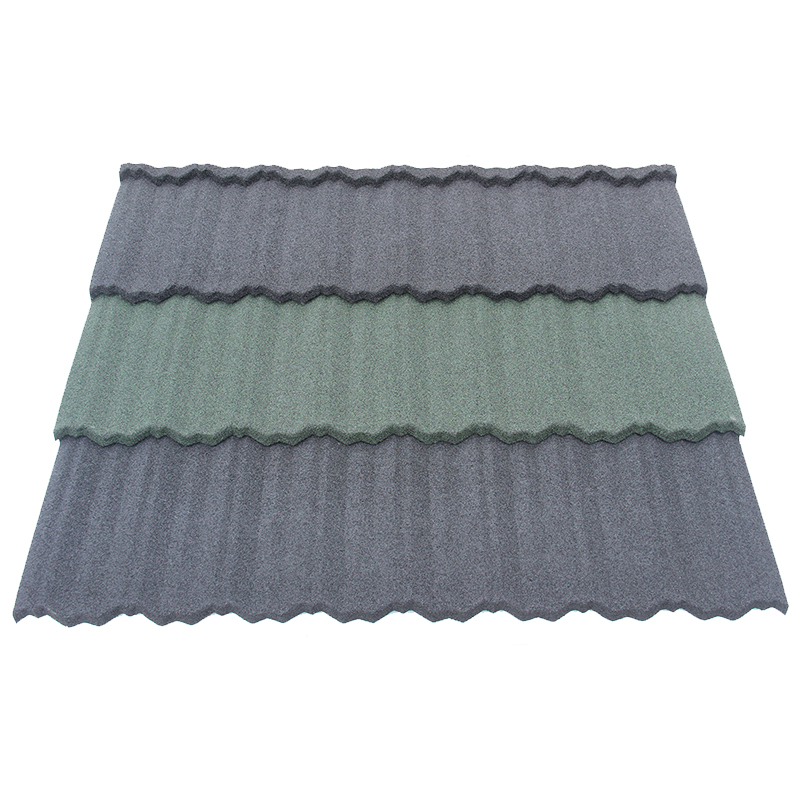
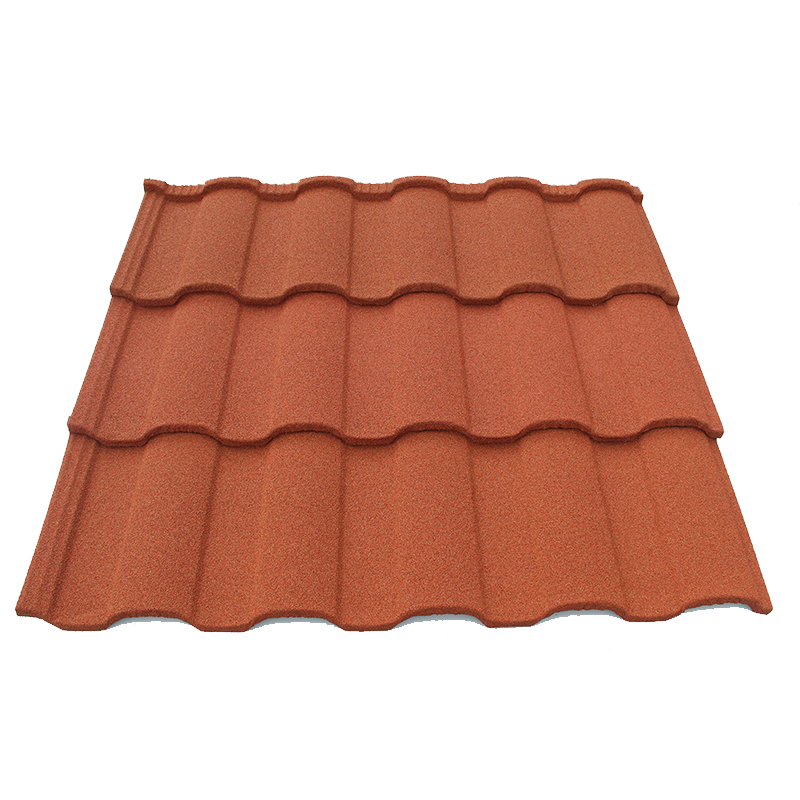
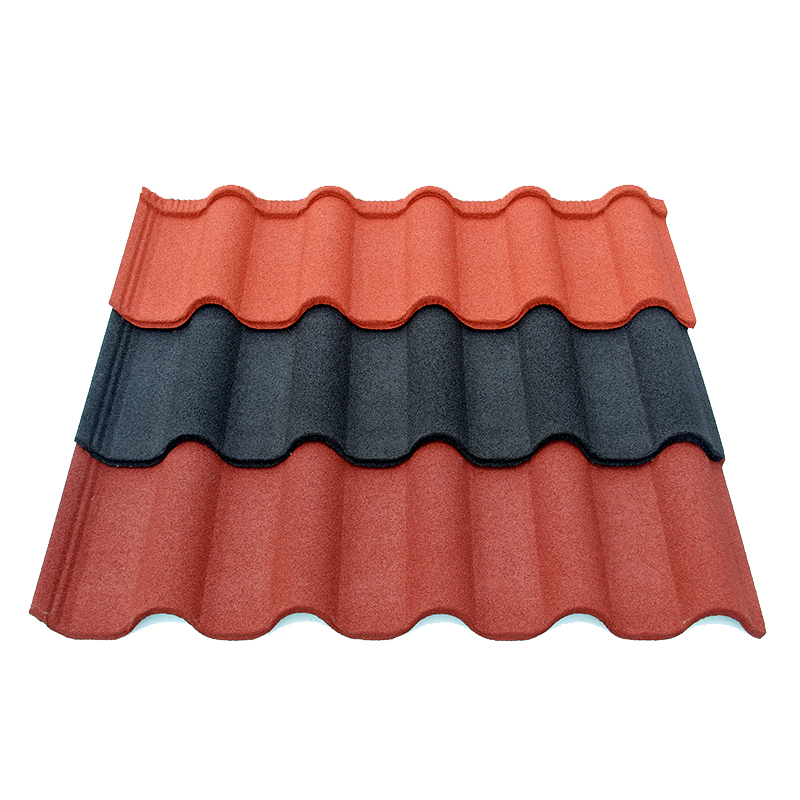
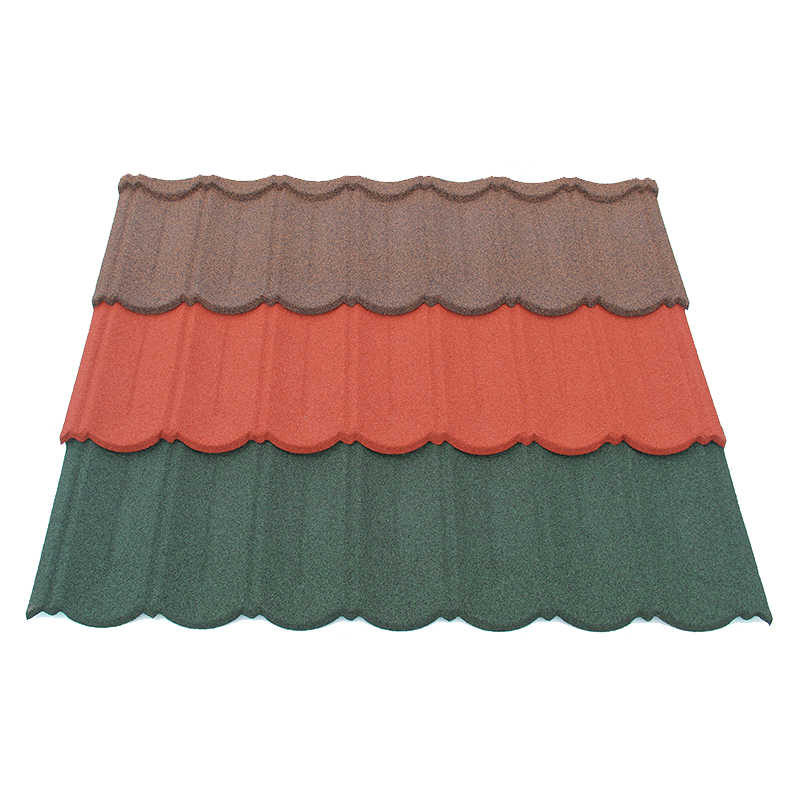
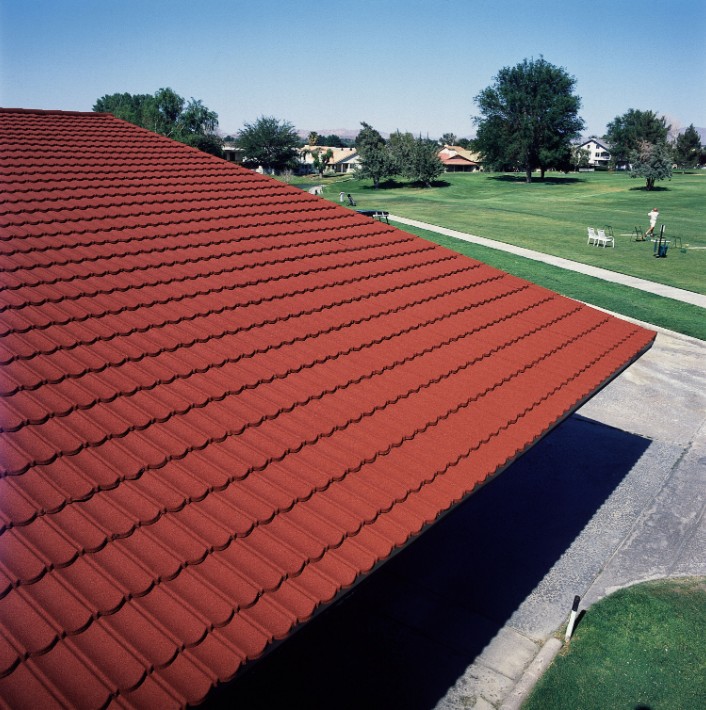
Resort properties along the coast need strong corrosion resistance alongside a polished appearance. A Bond Tile profile fits this well, combining coated steel durability with an attractive finish for guest-facing buildings.
Urban Renovation of Older Structures
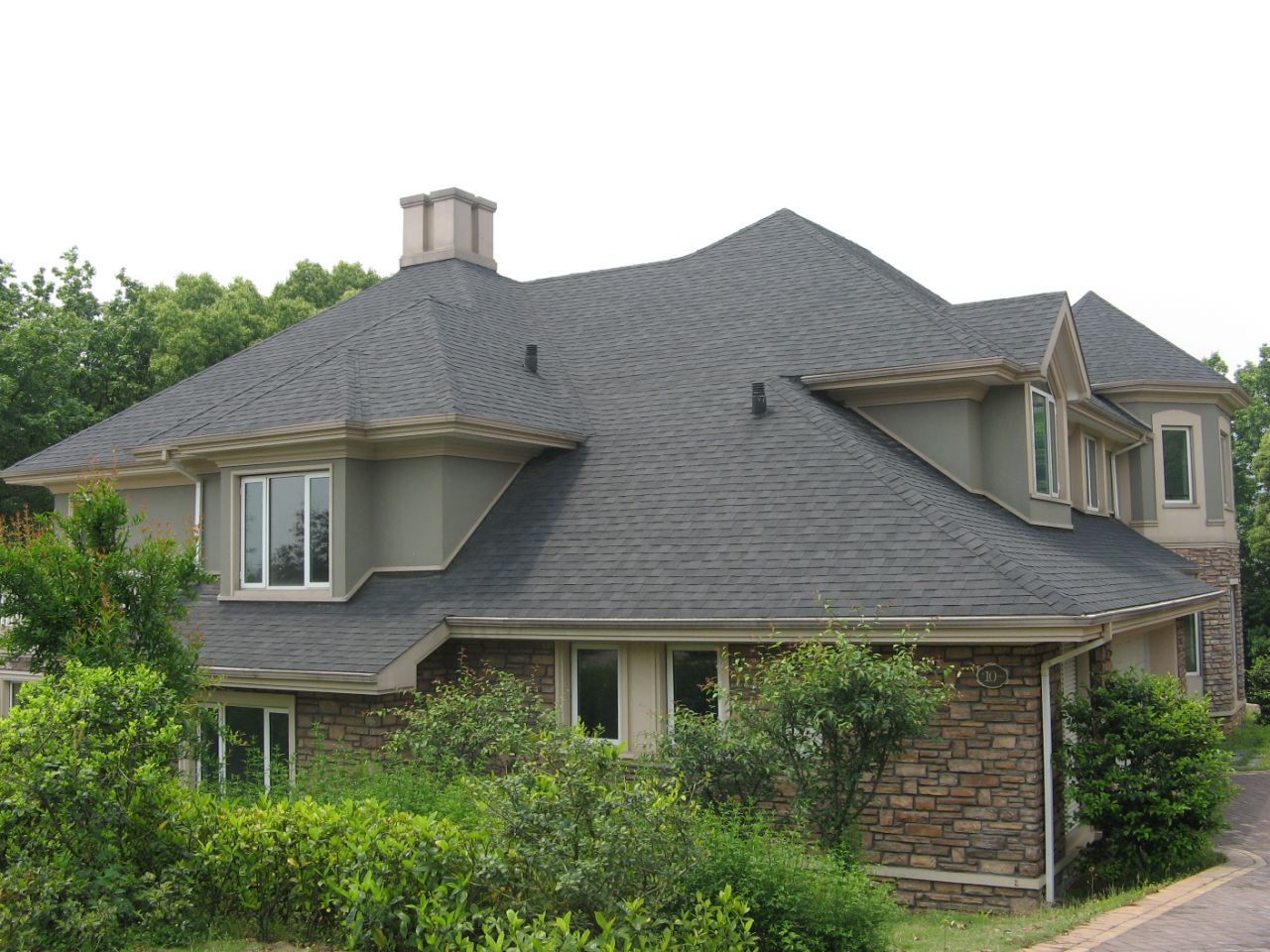
City renovation projects often involve older roof framing not built for heavy materials. A Roman Tile profile delivers a traditional look without the structural upgrade heavier tile would require.
Typhoon Corridor Residential Subdivisions
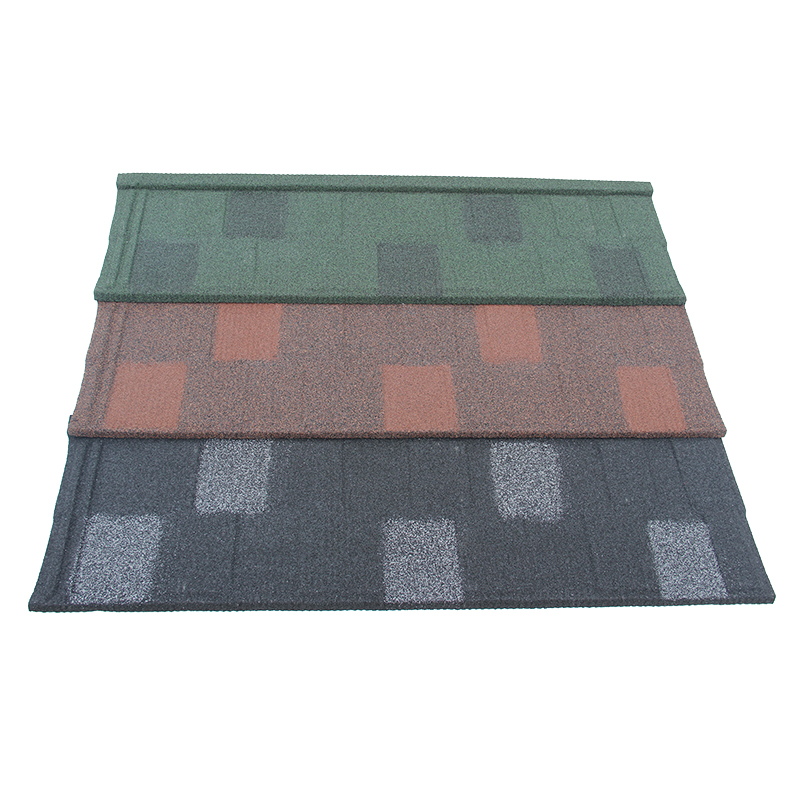
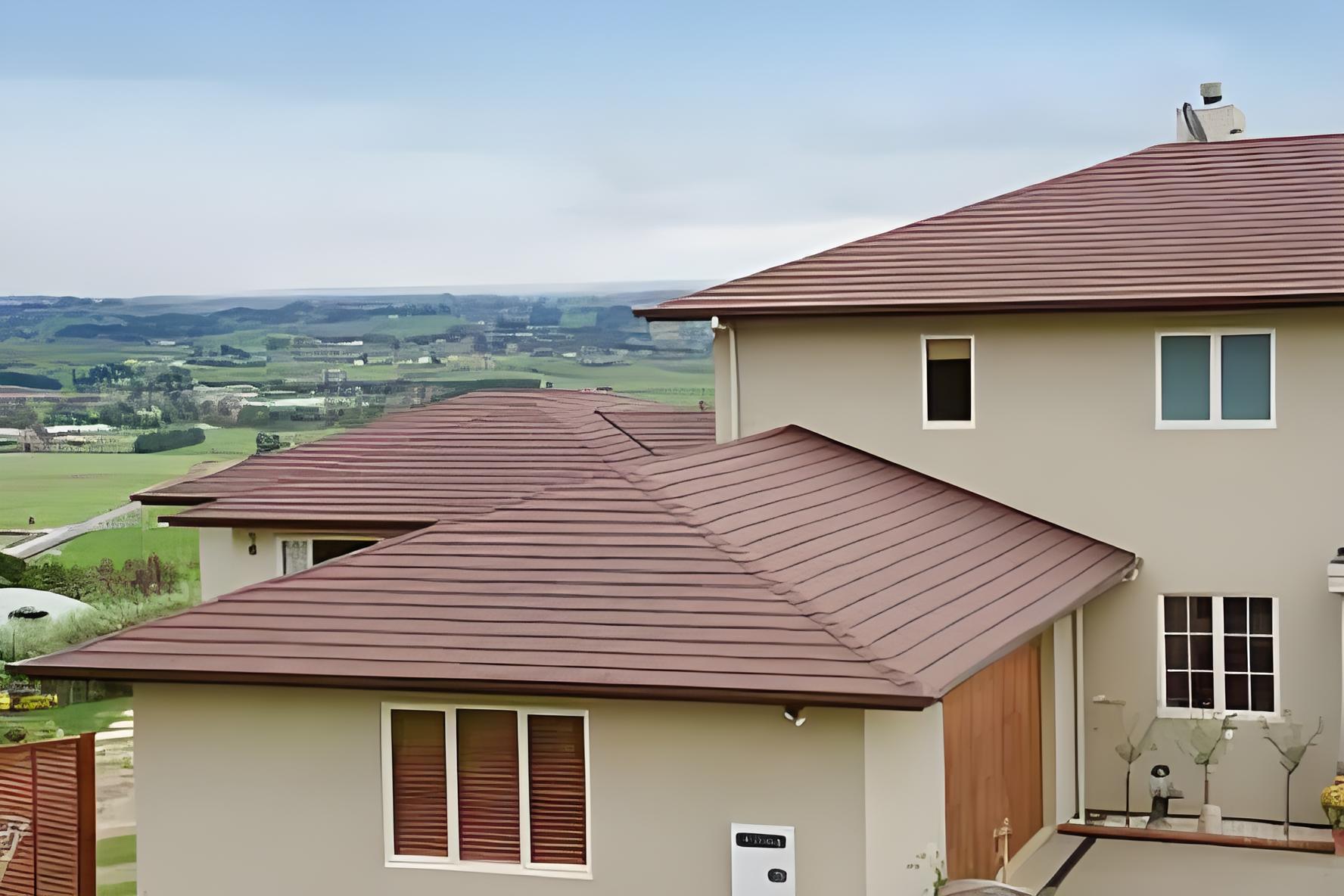
Provinces that see frequent direct typhoon impact need documented wind performance above almost every other factor. A Shingle Tile profile offers this strength while still matching familiar residential aesthetics.
Architectural and Commercial Hospitality Projects
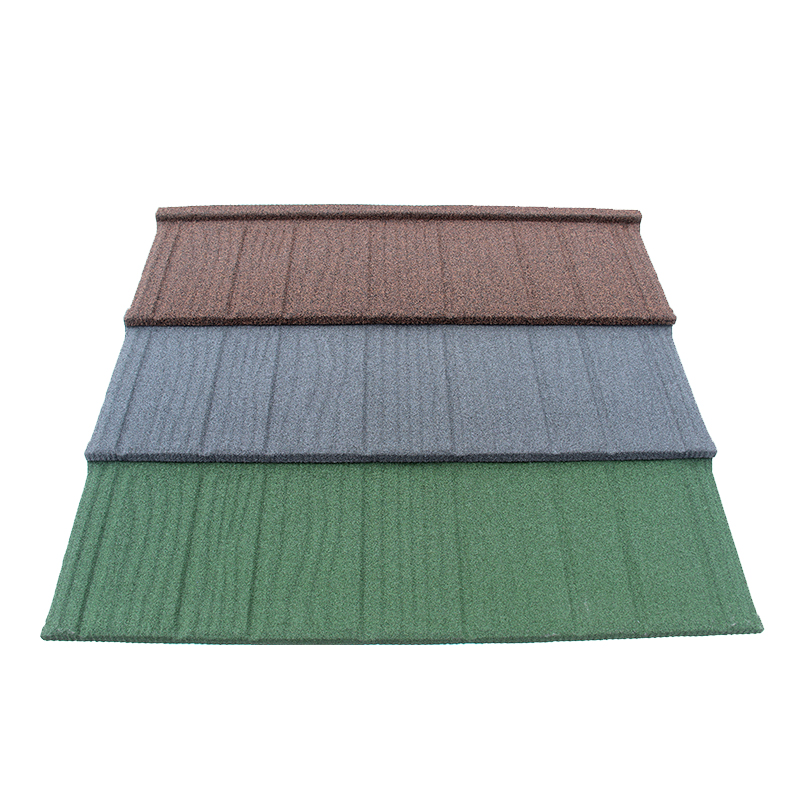
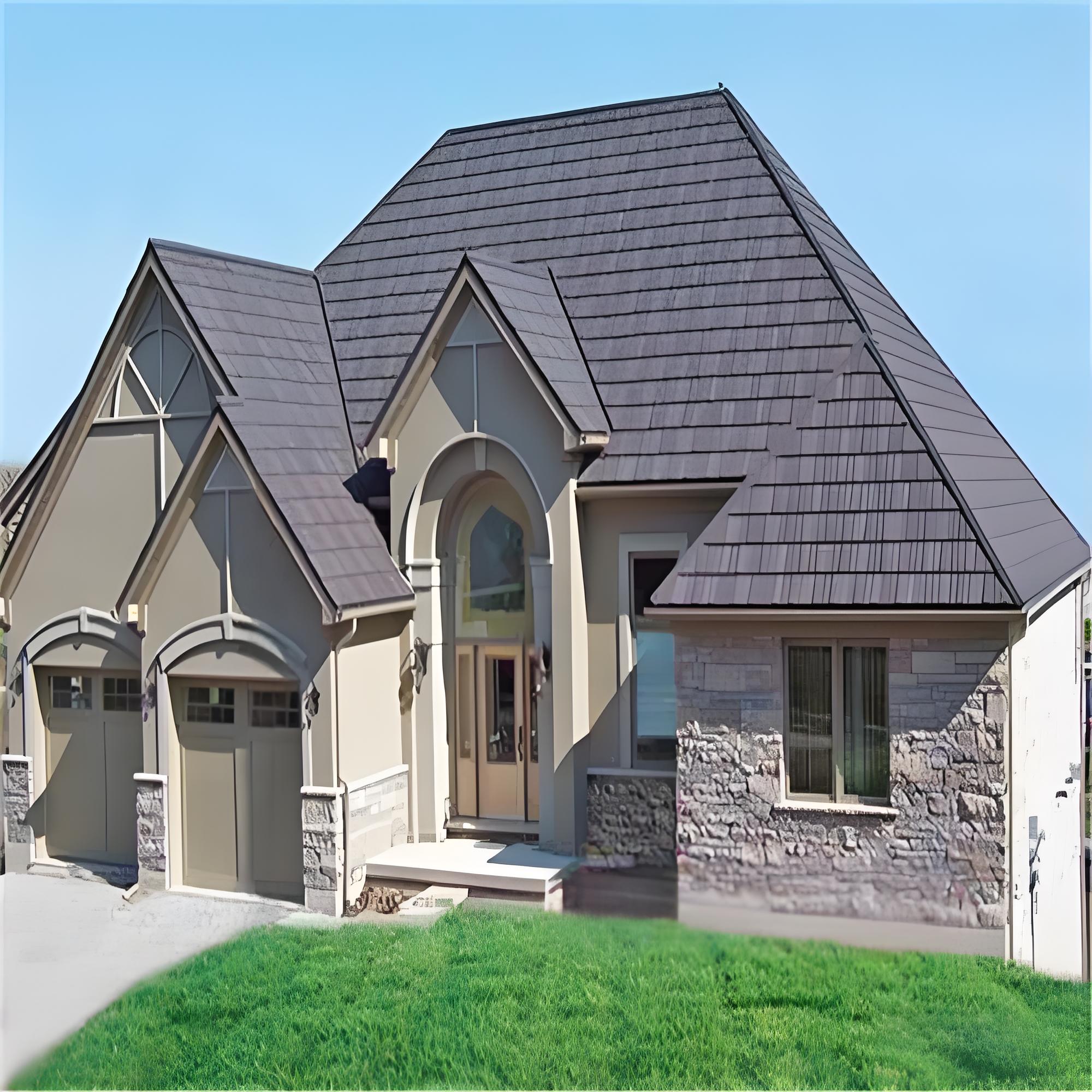
Developers working with suppliers such as JCROOF often specify a Milano Tile profile for architecturally ambitious hospitality projects, balancing a modern look with proven typhoon performance. Resort properties aiming for a natural, relaxed feel sometimes choose a Shake Tile profile instead, gaining a wood-look texture without the rot risk real wood carries in this climate.
Common Mistakes When Choosing Roofing Materials in the Philippines
Buyers in this market tend to repeat a few avoidable mistakes. Recognizing these early helps avoid costly repairs after the first major storm season.
Choosing Weight Without Checking the Existing Structure
Some buyers select a heavier tile without confirming the roof deck can support it. This oversight often surfaces only during a structural inspection midway through the project.
Assuming All Metal Roofing Handles Salt Air Equally Well
Plain galvanized sheet performs differently than coated steel in sustained coastal humidity. Buyers should confirm specific corrosion resistance data rather than assuming all metal options perform the same.
Overlooking Documented Wind Testing
General durability claims are not the same as documented typhoon-specific wind testing. Buyers should request this documentation directly rather than relying on general marketing language.
- Confirm structural compatibility before choosing a heavier roofing material
- Request documented wind testing specific to typhoon conditions
- Verify corrosion resistance data for coastal and humid regions
- Compare lifecycle cost, not just the initial material price
- Match profile choice to your project’s specific region and architectural style
Making the Right Roofing Choice for Philippine Conditions
Choosing roofing for the Philippines means weighing wind performance, weight, and corrosion resistance together. No single factor tells the full story on its own. Buyers who evaluate all three consistently end up with a roof built for the country’s real conditions.
Questions to Ask Before Choosing a Roofing Material
Ask for documented wind and corrosion performance data specific to your region. Confirm the material fits your existing or planned structural framing before finalizing a decision.
The Philippines tests roofing materials harder than most milder climates ever do. Stone coated metal tiles built with strong coating technology and interlocking wind resistance consistently hold up better across typhoons, heat, and humidity than older standard alternatives.