
Buyers rarely mention the roof first during a walkthrough, but it shapes their decision more than most sellers realize. Roofing and property resale value are connected in ways that go beyond simple curb appeal, touching appraisals, inspection reports, and financing approvals. A worn or mismatched roof can stall a sale even when the rest of the home shows well. This guide breaks down how roofing material choice actually affects resale value, what appraisers and buyers look for, and where sellers commonly leave money on the table.
Why Roofing Material Choice Shows Up in Property Valuations
A roof represents one of the largest single-component replacement costs in a home, which is exactly why it draws so much attention during a sale. Appraisers factor remaining roof life into their valuation models, and buyers often use roof condition as a bargaining point during negotiations. A roof nearing the end of its service life can reduce a home’s perceived value well before any formal inspection occurs. Sellers who understand this connection can plan roofing decisions with resale in mind rather than treating them as a purely reactive expense.
Roof Age Affects Financing, Not Just Perception
Many mortgage lenders and insurers set minimum roof age or condition requirements before approving a loan or policy. A roof near or past its expected lifespan can complicate a buyer’s financing, which sometimes kills a deal entirely. This makes roof condition a practical barrier to sale, not just an aesthetic concern.
Inspection Reports Shape Buyer Confidence
A roofing material with a documented long lifespan and strong condition report gives buyers confidence in the rest of the home’s maintenance history. Conversely, a failing roof raises questions about what other deferred maintenance might exist, even when unrelated to the roof itself.
Breaking Down the Factors Appraisers and Buyers Actually Notice
Not every roofing detail carries equal weight during a sale. Appraisers and buyers tend to focus on a specific set of factors that directly affect perceived risk and remaining service life. Understanding these factors helps sellers prioritize roofing decisions that actually move the needle on resale value. The table below outlines how common roofing materials compare on the factors that matter most at resale.
| Material Type | Remaining Life Perception | Buyer Familiarity | Insurance Impact | Resale Value Effect |
|---|---|---|---|---|
| Aging Asphalt Shingle | Low if near end of rated life | High, but often seen as a liability | Can raise premiums or limit coverage | Frequently a negotiation point against the seller |
| Clay or Concrete Tile | High if well maintained | Moderate, regionally dependent | Generally favorable | Positive in warm-climate markets |
| Standard Steel Panel | High | Growing but still limited in some markets | Often favorable due to durability | Positive, especially in storm-prone regions |
| Stone Coated Metal Roofing Tile | High, long documented lifespan | Increasing, blends traditional and modern appeal | Often favorable due to impact and wind ratings | Positive across most climate zones |
Remaining Service Life
Buyers and appraisers care less about a roof’s age in years and more about how much service life remains. A newer roof built with a shorter-lived material can carry similar resale risk to an older roof built with a long-lasting one, depending on the remaining life estimate.
Documented Warranty and Performance Records
A roof with a transferable warranty and documented performance history reassures buyers far more than a verbal assurance from the seller. This documentation often becomes a talking point during negotiations, especially for homes competing in a crowded listing market.
Visual Condition and Curb Appeal
First impressions still matter, even when the underlying material performs well. A roofing material that looks worn, faded, or mismatched with the home’s style can undercut buyer interest before they ever step inside.
How Different Roofing Materials Affect Resale Value Across Property Types
Resale expectations shift depending on property type, local market norms, and regional climate risk. A roofing choice that adds value in one market may be viewed as unnecessary in another. The following examples show how roofing material decisions play out differently across common resale scenarios.
Coastal and Storm-Prone Markets
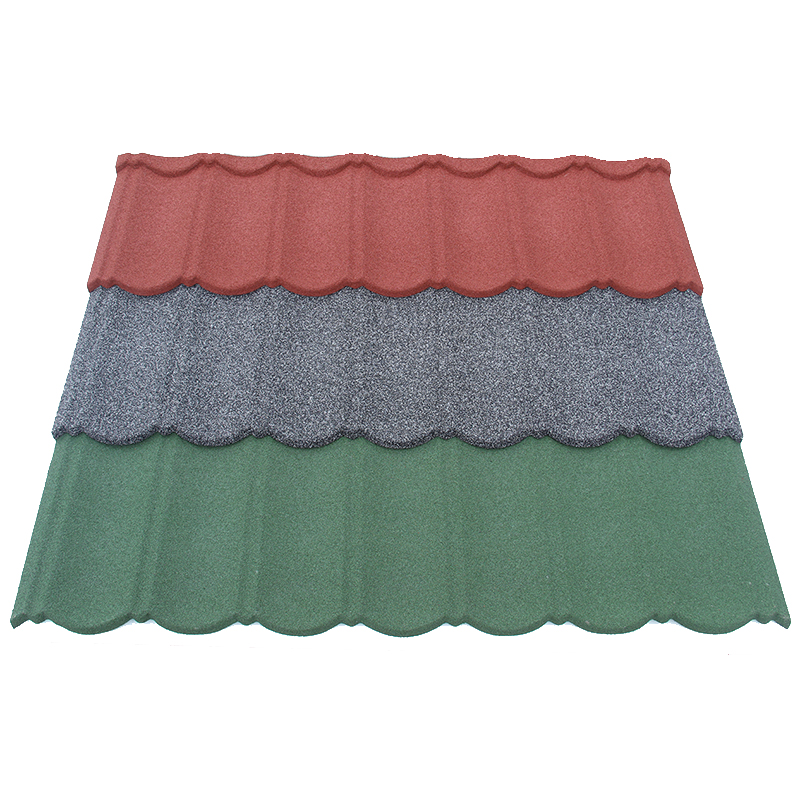
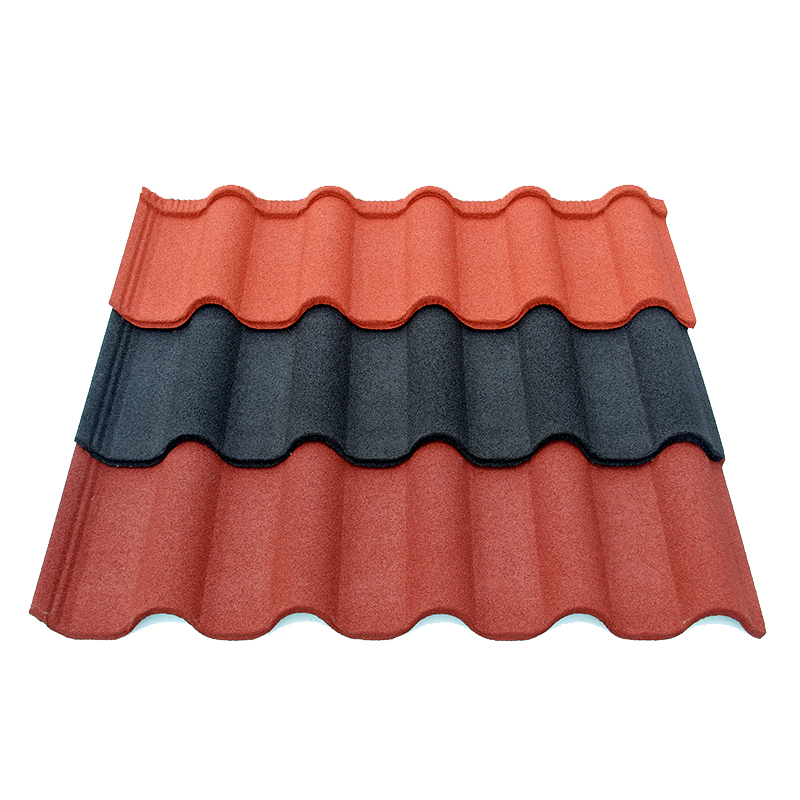
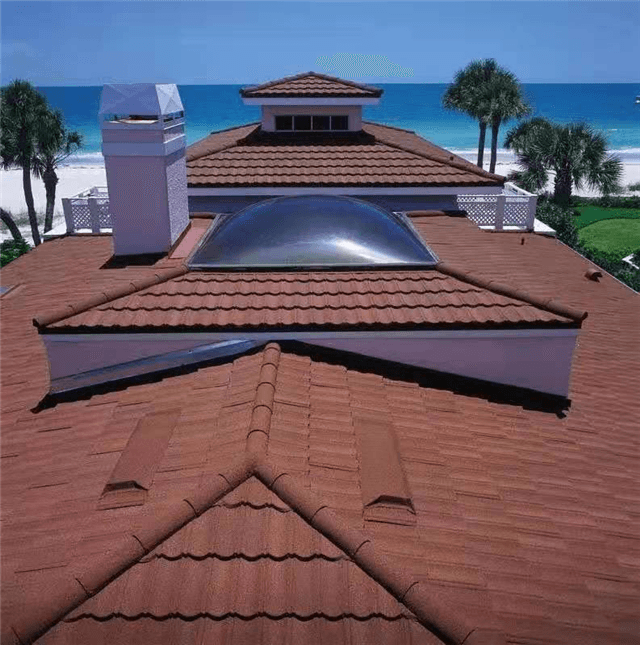
Buyers in coastal markets increasingly ask about wind rating and corrosion resistance before making an offer. A Bond Tile roof often becomes a selling point here, since its documented wind performance directly addresses a concern many coastal buyers raise during negotiations.
Established Neighborhoods With Traditional Architecture
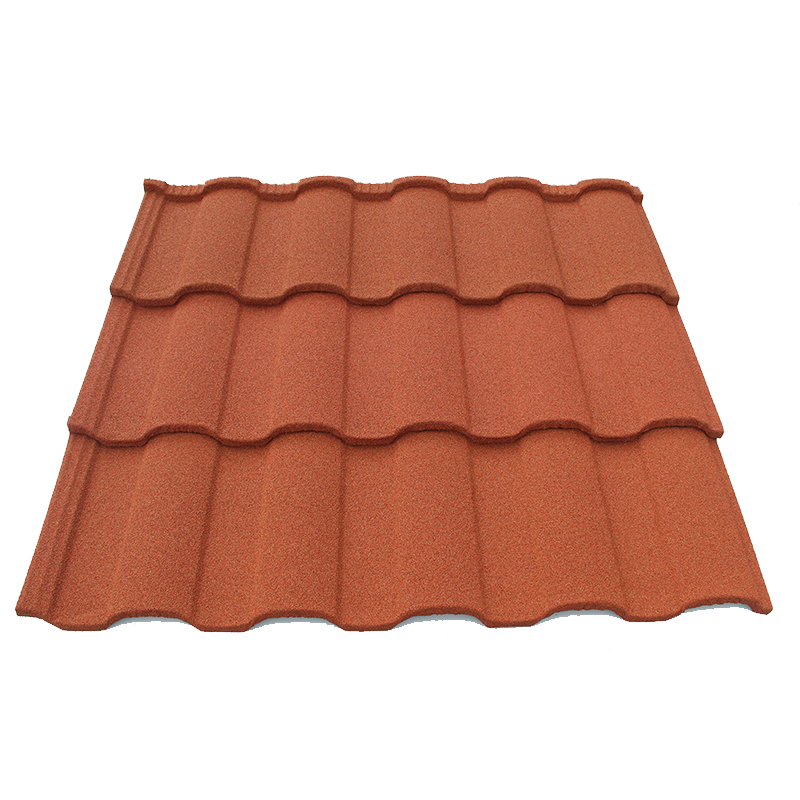
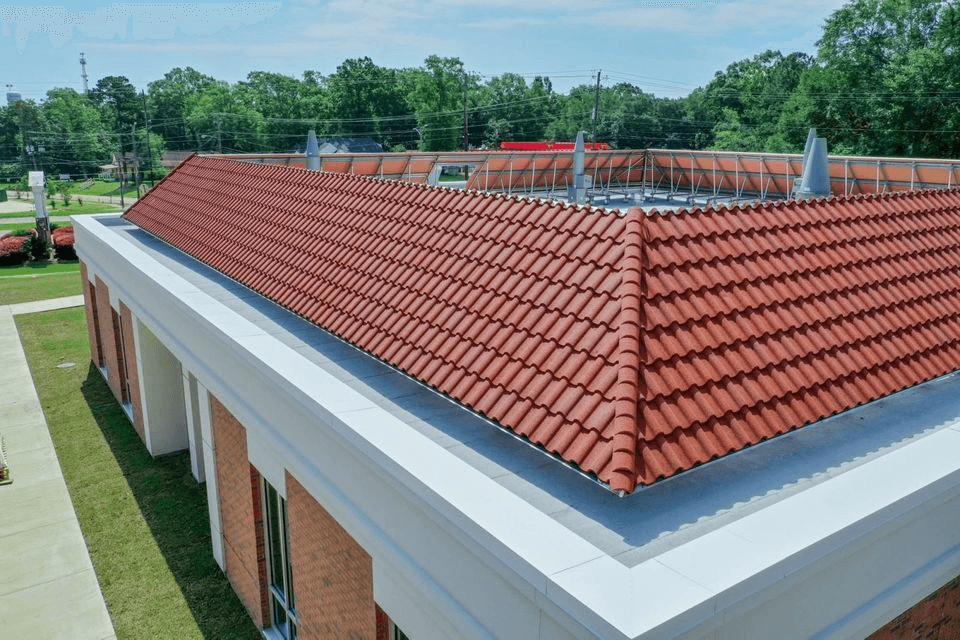
Homes in neighborhoods with a consistent architectural style benefit from roofing that matches that character without looking out of place. A Roman Tile profile preserves this traditional look while giving sellers a durability story that supports a stronger asking price.
Move-In Ready Suburban Listings
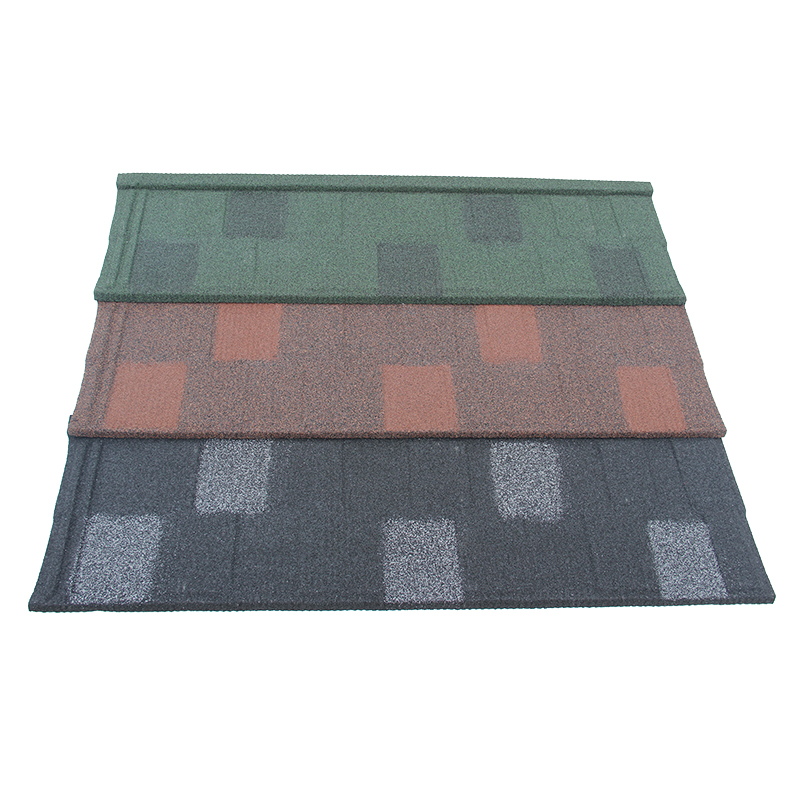
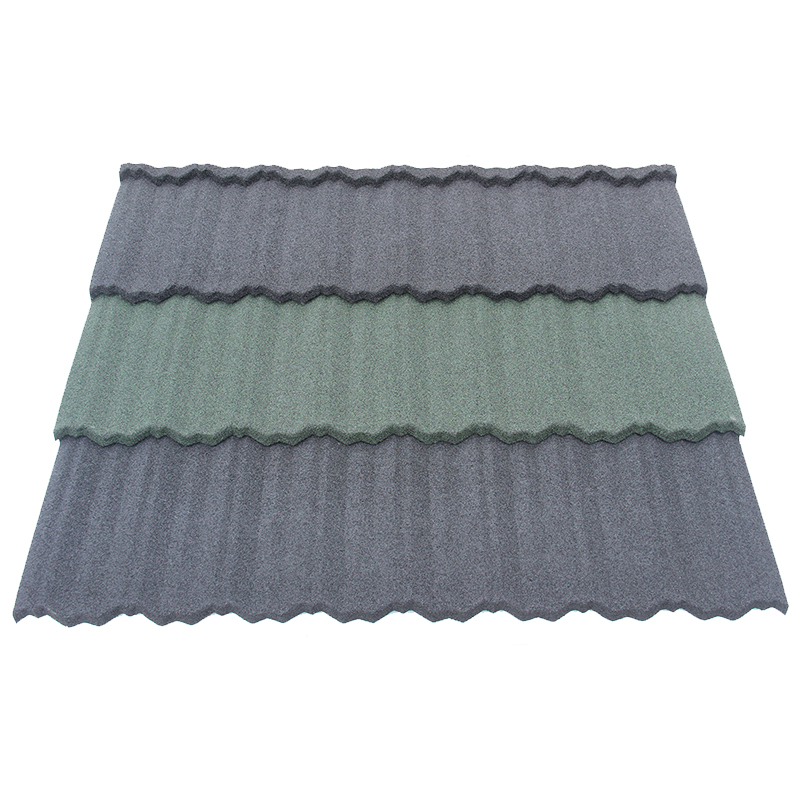
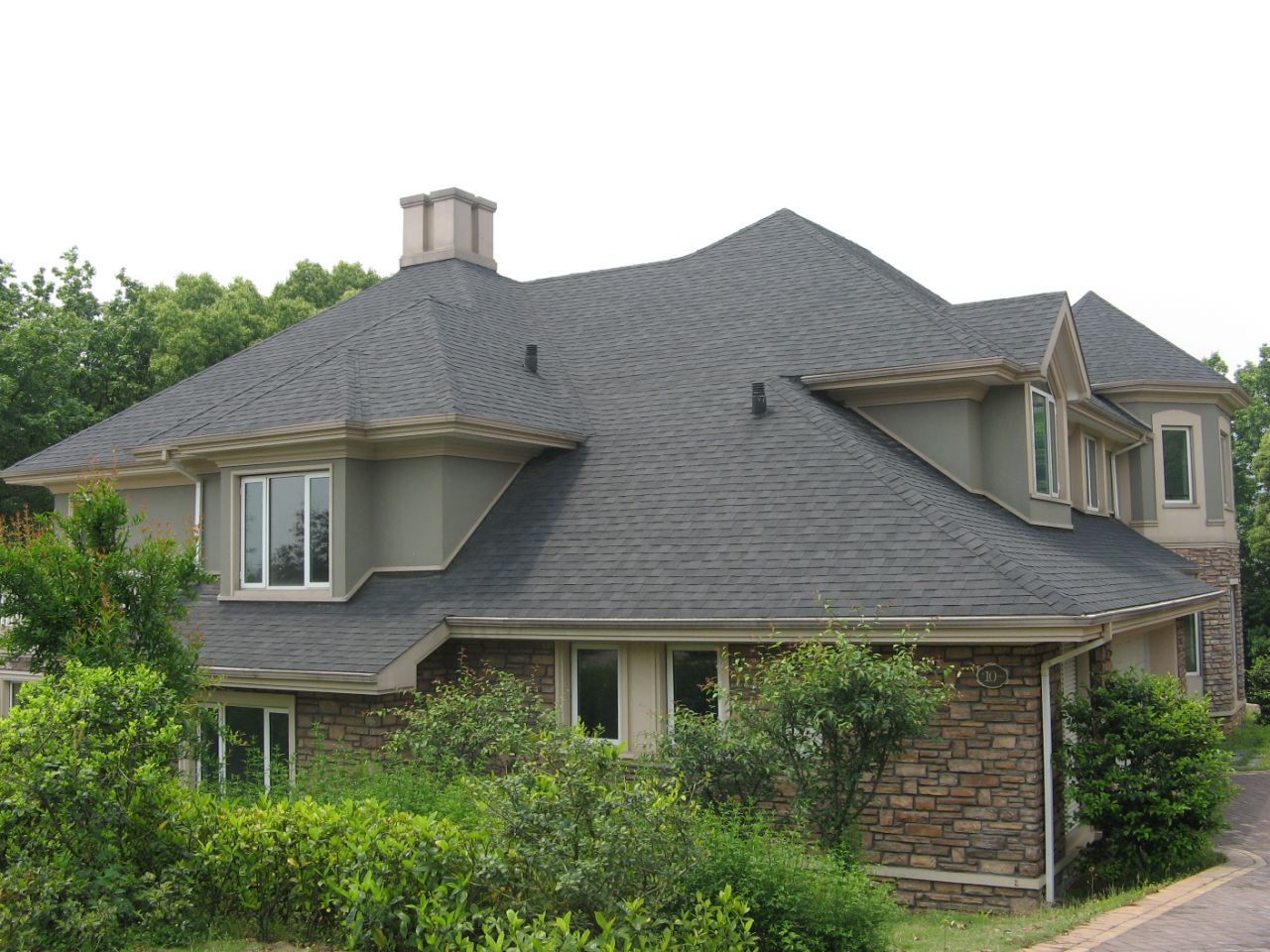
Buyers shopping in the move-in ready segment often compare listings quickly, and a recently replaced roof becomes a meaningful differentiator. A Shingle Tile replacement lets sellers highlight a familiar look paired with a much longer expected lifespan than the original asphalt roof.
Higher-End and Architectural Listings
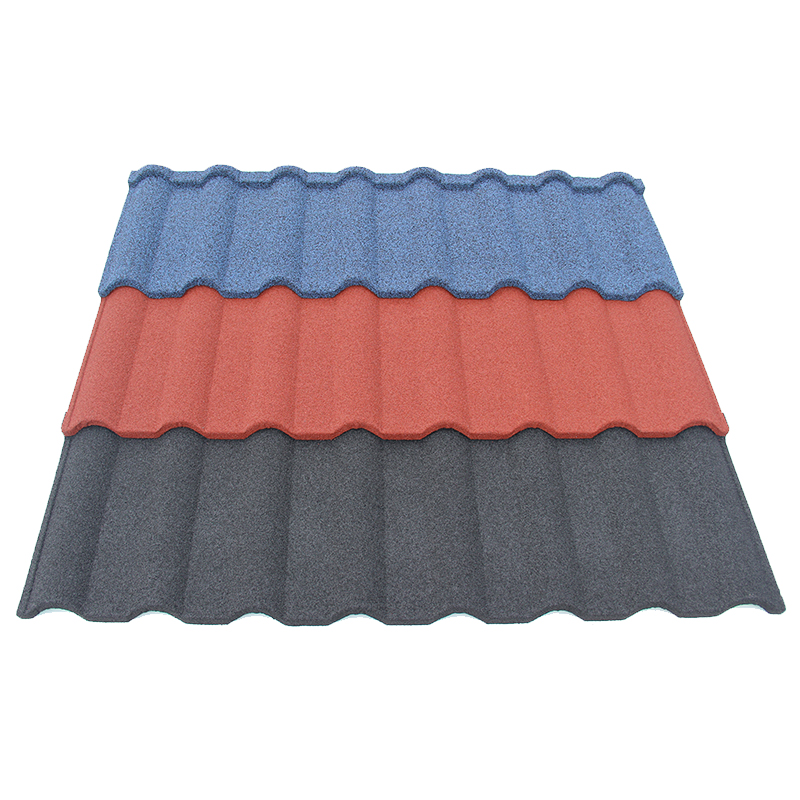
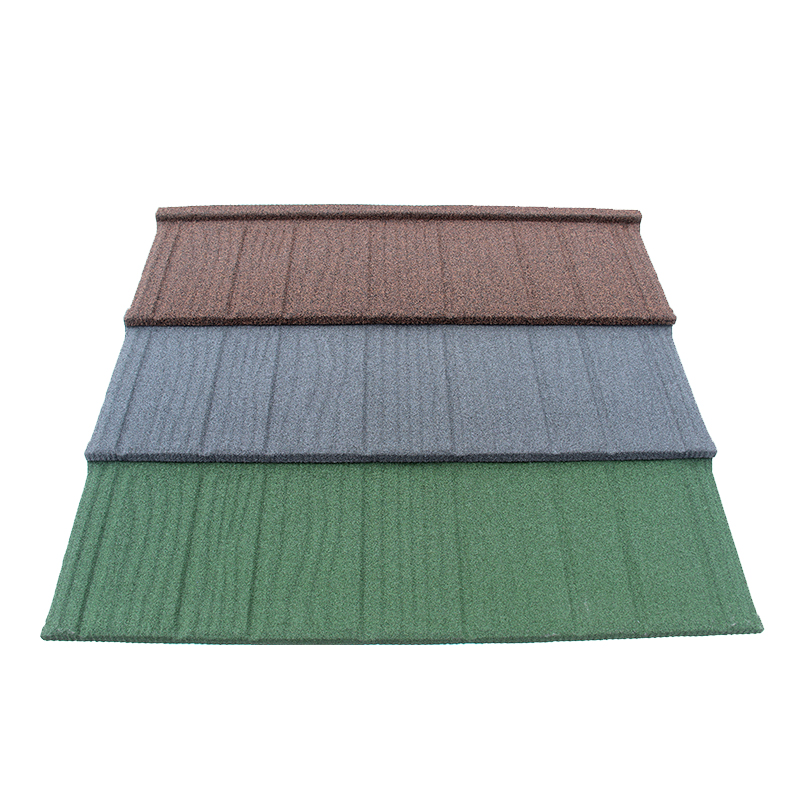
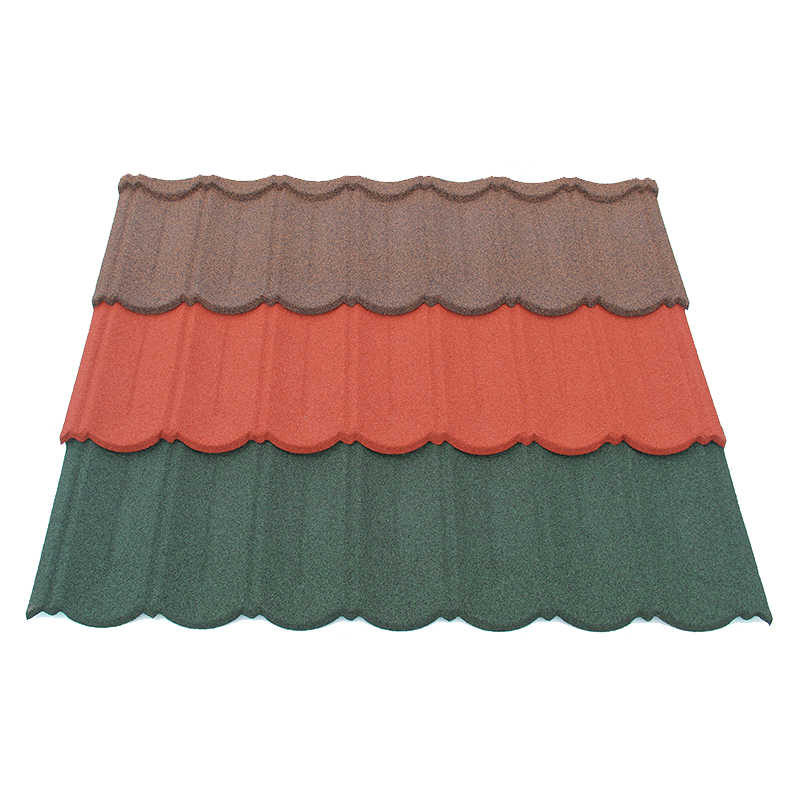
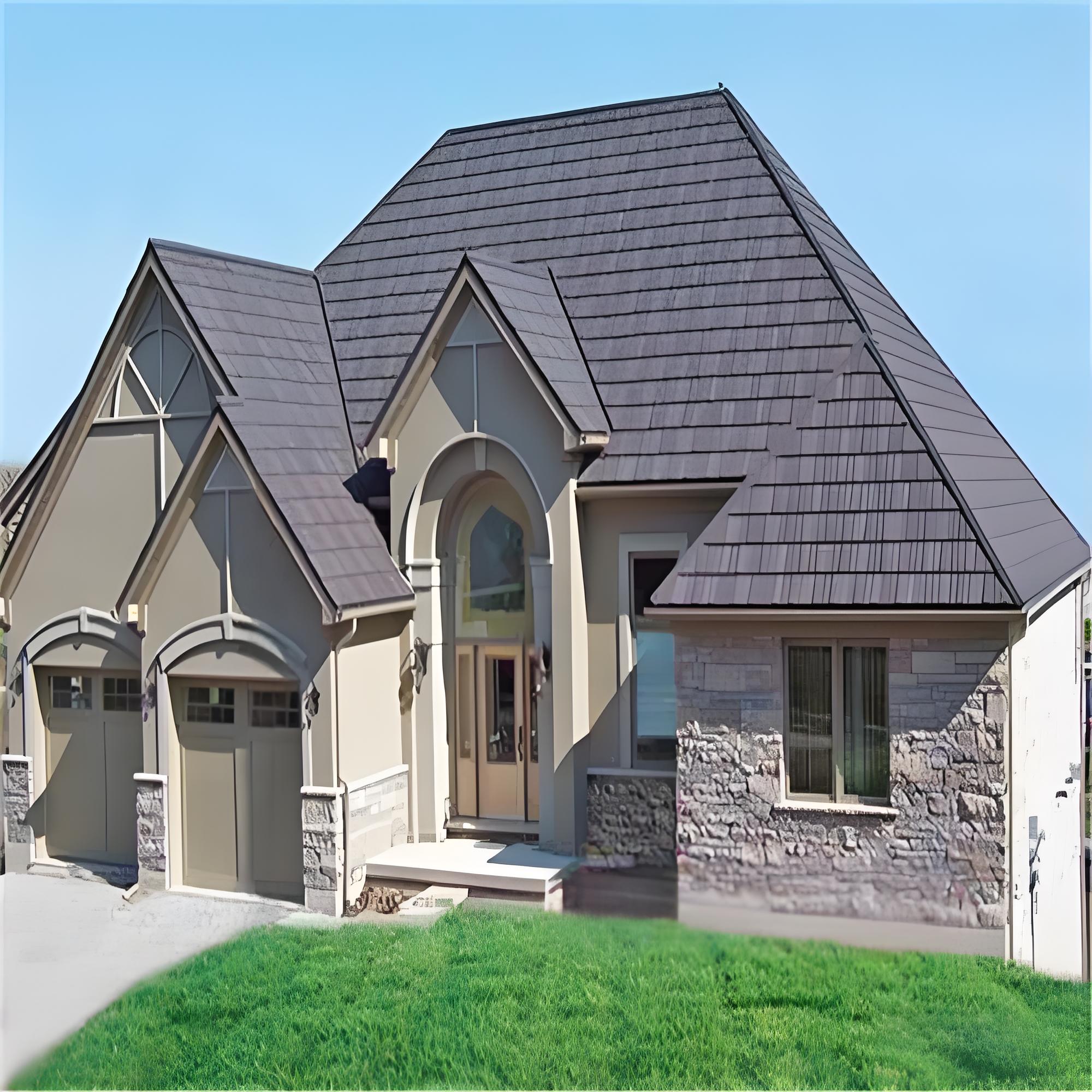
Premium listings are often judged on design cohesion as much as functional condition. Sellers working with JCROOF sometimes choose a Milano Tile profile to support a more contemporary listing photo set and appraisal narrative. Rustic or cabin-style properties frequently lean toward a Shake Tile profile, capturing the wood shake look buyers expect without the maintenance concerns that come with the real material.
Common Mistakes Sellers Make With Roofing Before Listing
Sellers often approach roofing decisions reactively, addressing problems only after an inspection flags them. This approach tends to reduce leverage during negotiations and can force rushed material decisions. Recognizing these common mistakes helps sellers plan roofing choices well before listing day.
Waiting for the Inspection to Reveal Problems
Sellers who wait for a buyer’s inspection to surface roofing issues lose negotiating leverage immediately. Addressing known problems before listing, or disclosing them with a documented repair plan, tends to preserve far more value.
Choosing the Cheapest Repair Instead of the Right Fix
A patch job that looks acceptable at listing can raise red flags during a professional inspection later. Buyers and their inspectors often notice inconsistent repairs, which can undermine confidence in the rest of the home.
Ignoring Regional Buyer Expectations
Sellers sometimes choose a roofing material based on personal preference rather than what local buyers actually expect or value. This mismatch can limit the resale benefit even when the material itself performs well.
- Get a professional roof condition assessment before listing
- Keep documentation of warranties, repairs, and material specifications
- Match roofing material choice to what regional buyers typically expect
- Address known issues before a buyer’s inspection surfaces them
- Highlight roofing upgrades explicitly in listing materials
Making a Roofing Investment That Pays Off at Resale
A roofing investment made with resale in mind looks different from one made purely for immediate repair. Sellers who think ahead can choose materials that support both near-term listing appeal and long-term buyer confidence.
Questions to Ask Before Investing in a Pre-Sale Roof Upgrade
Ask a local agent which roofing attributes buyers in your market actually ask about, and confirm which materials carry transferable warranties. These answers help prioritize spending where it will actually influence resale value.
Working With Suppliers Who Provide Resale-Ready Documentation
Suppliers who provide clear warranty terms, performance ratings, and installation records make it easier for sellers to present a strong roofing story during negotiations. That documentation often matters as much as the material itself when it comes time to sell.
Roofing material choice rarely gets the attention it deserves in resale planning, yet it consistently influences buyer confidence, financing approval, and negotiation leverage. Sellers who treat roofing as part of their resale strategy, rather than a reactive repair, tend to see that investment reflected in the final sale price.