

Roofing tile sourcing for African markets involves a different set of challenges than sourcing for Europe or North America. Port infrastructure, inland transport distances, regional trade agreements, and currency dynamics all shape how a shipment actually reaches its destination and what it costs once it arrives. This guide breaks down the regional realities buyers need to understand before committing to a supplier for African market distribution.
Why African Market Sourcing Requires a Different Approach
Africa is not a single market. West African coastal logistics differ significantly from East African inland distribution. Southern African building code requirements vary from those applied further north. Treating the continent as one uniform sourcing decision leads to mismatched expectations and unexpected cost.
Geography Shapes Logistics More Than Anywhere Else
A shipment landing at Lagos faces a completely different inland journey than one arriving at Mombasa. Port capacity, inland road conditions, and rail availability all vary dramatically between regions. These differences affect both delivery time and final landed cost.
Trade Agreements Create Real Cost Differences
Regional economic communities like ECOWAS in West Africa and EAC in East Africa operate different trade frameworks. Some agreements create preferential tariff conditions between member states. Buyers who understand these frameworks can reduce import duty exposure significantly.
Breaking Down the Regional Logistics Realities Across Africa
Roofing tile logistics across Africa divide most practically along regional lines. Each region carries distinct port infrastructure, inland transport capability, and regulatory environment. The table below summarizes the key logistics factors across major African regions.
| Region | Major Entry Ports | Inland Transport Challenge | Trade Framework |
|---|---|---|---|
| West Africa | Lagos, Abidjan, Accra, Dakar | High congestion at major ports, road dependency inland | ECOWAS trade agreement zone |
| East Africa | Mombasa, Dar es Salaam | Long inland corridors to landlocked countries | EAC Common Market Protocol |
| Southern Africa | Durban, Cape Town, Beira | Better road infrastructure, longer sea voyage from Asia | SADC trade zone |
| North Africa | Alexandria, Casablanca, Tunis | Shorter Mediterranean shipping routes | Various bilateral agreements |
West Africa: High Demand, Port Congestion Challenges
West Africa’s major ports, particularly Lagos and Abidjan, see significant import volumes and periodic congestion. Buyers distributing through this region benefit from suppliers with experience managing flexible delivery scheduling around port delays.
East Africa: Long Inland Corridors and Landlocked Markets
East African ports serve not only coastal markets but also landlocked countries like Uganda, Rwanda, and South Sudan. Inland transport by road or rail adds significant time and cost. Lightweight roofing materials reduce transport cost meaningfully across these long corridors.
Southern Africa: Longer Sea Voyage, More Developed Infrastructure
Southern Africa benefits from comparatively better road and rail infrastructure. The longer sea voyage from Asian manufacturing centers adds to shipping time, making lead time planning more important here than in some other regions.
How Material Choice Affects African Market Logistics
Material weight and packaging directly affect how efficiently roofing tiles move through African distribution chains. The following examples show how this plays out across common regional scenarios.
West African Coastal Construction
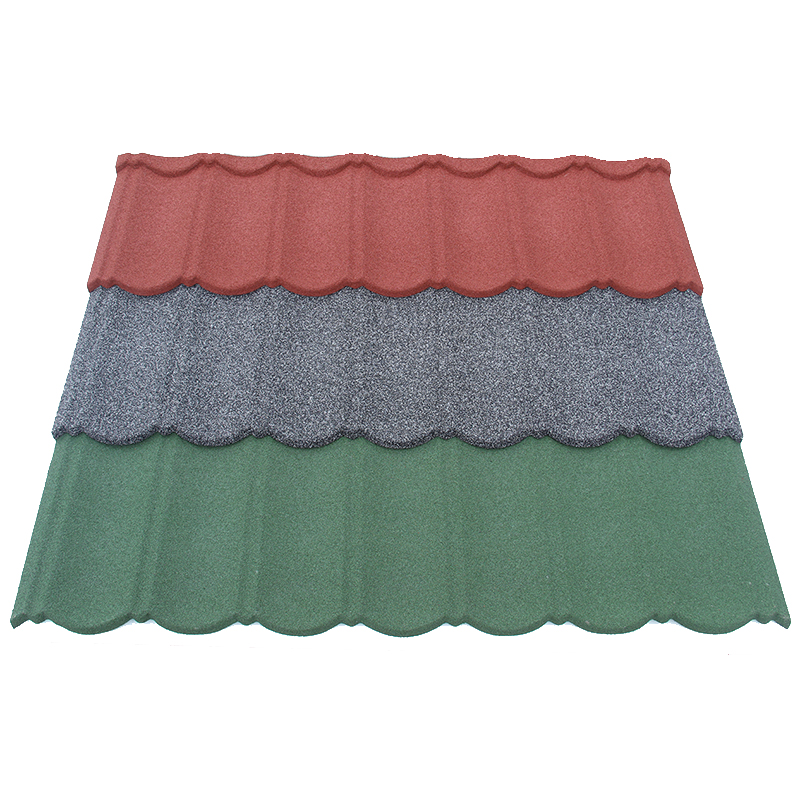
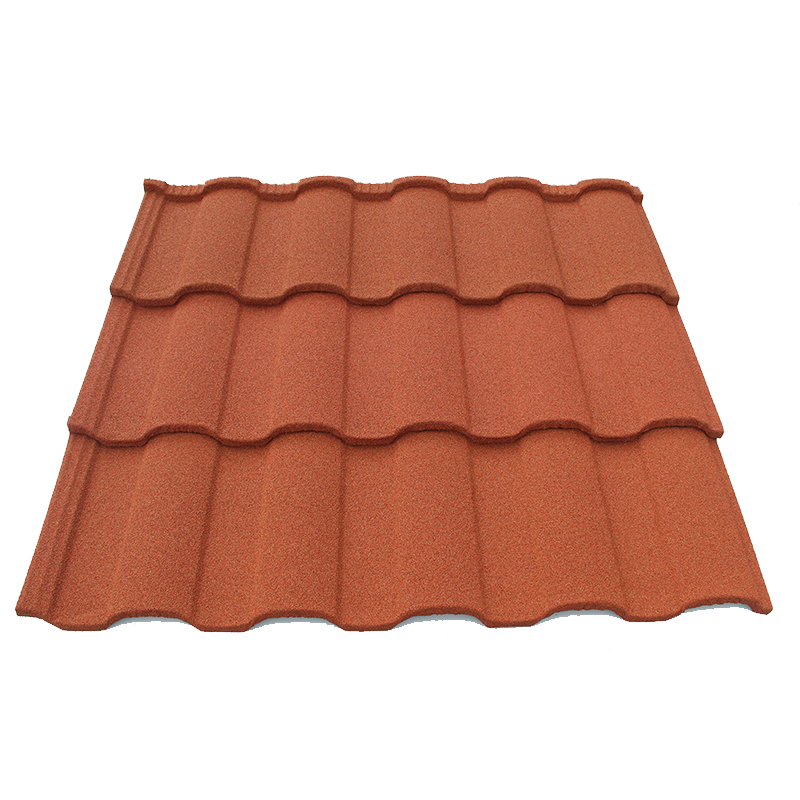
Coastal West African projects benefit from lightweight, corrosion-resistant profiles. A Bond Tile system ships efficiently and handles the humidity and salt air common to this coastal environment.
East African Urban Development
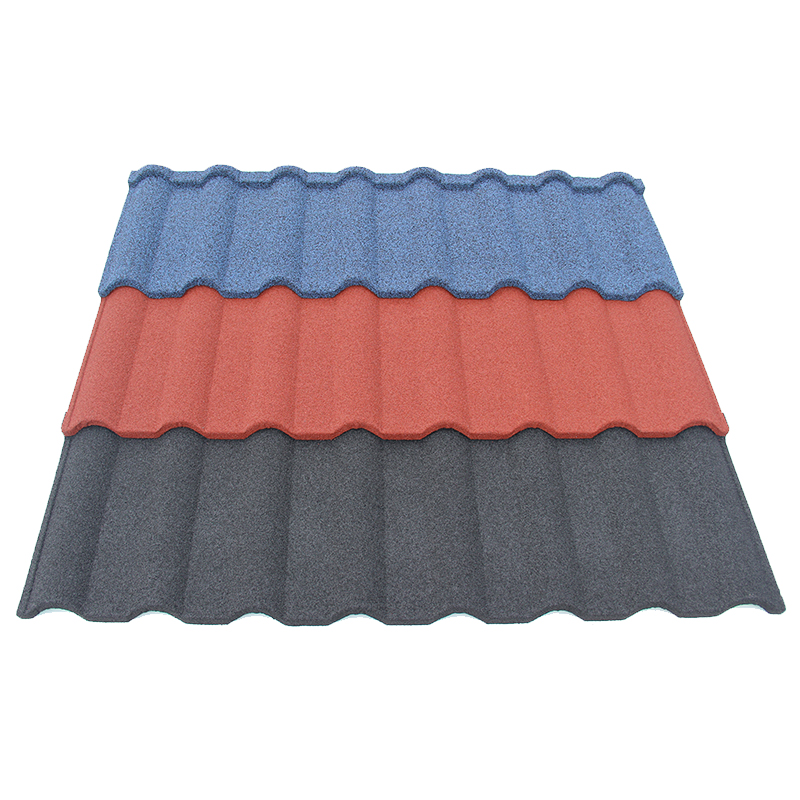
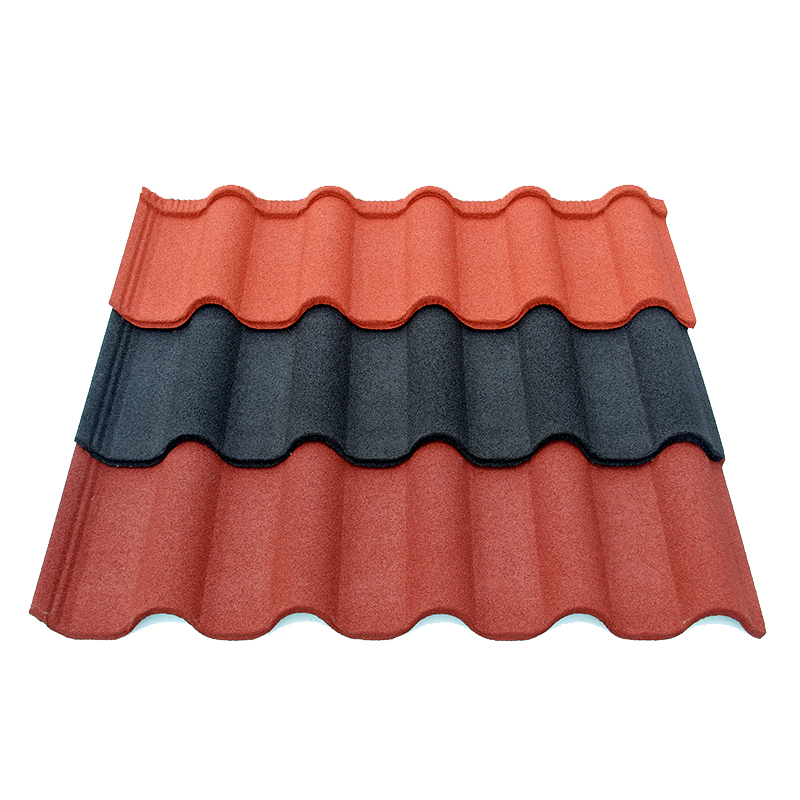
Growing urban centers across East Africa drive strong demand for durable, modern-looking roofing. A Roman Tile profile meets this demand while remaining light enough to manage across inland distribution routes.
Affordable Housing Programs Across Sub-Saharan Africa
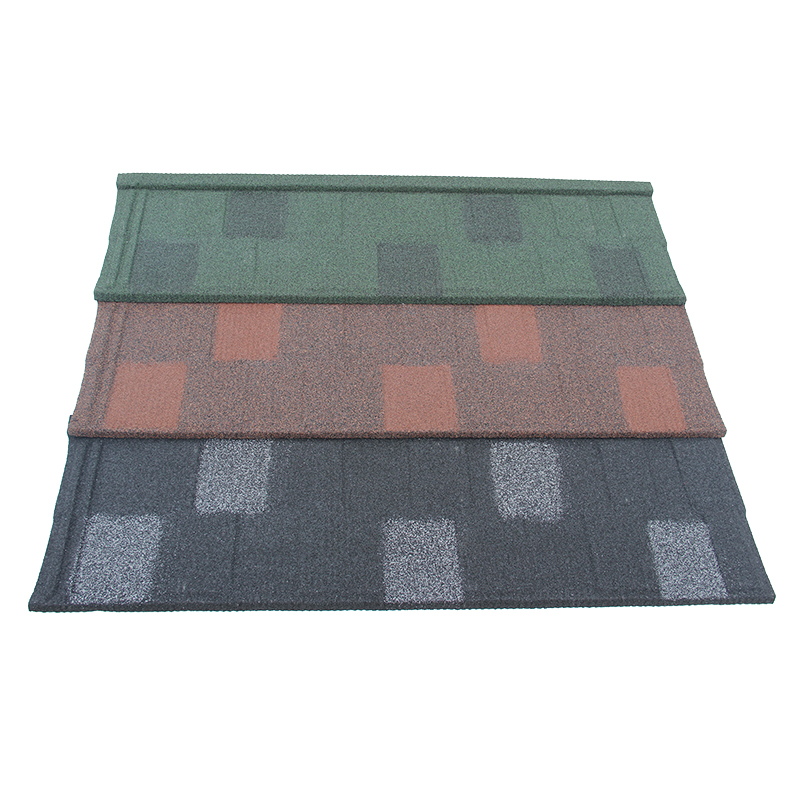
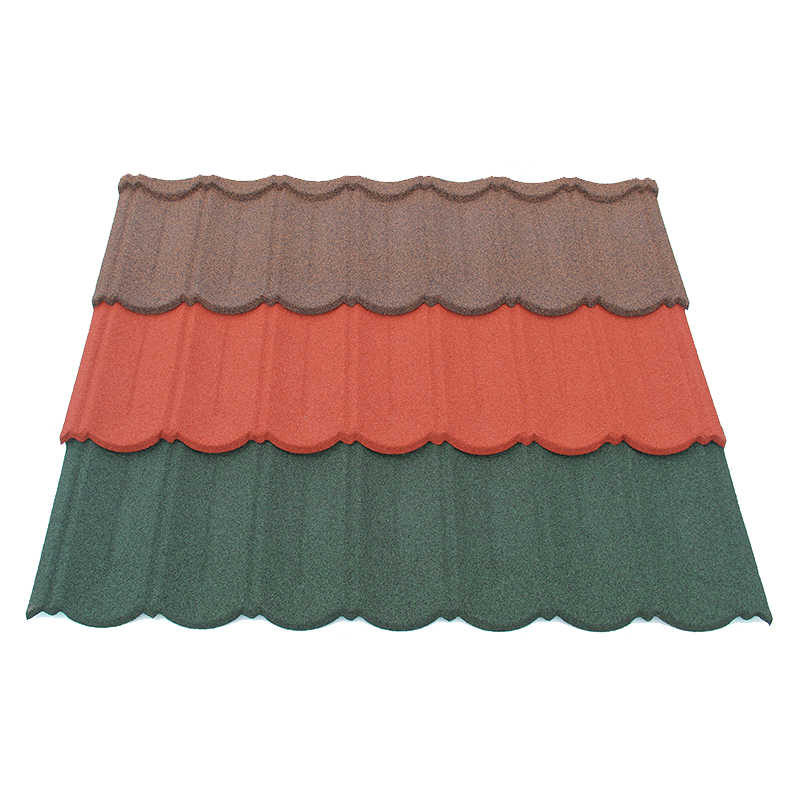
Affordable housing programs across Sub-Saharan Africa need cost-effective materials that still outperform basic corrugated iron over time. A Shingle Tile profile fits this requirement well, offering improved durability without a steep cost premium.
Commercial and Hospitality Developments
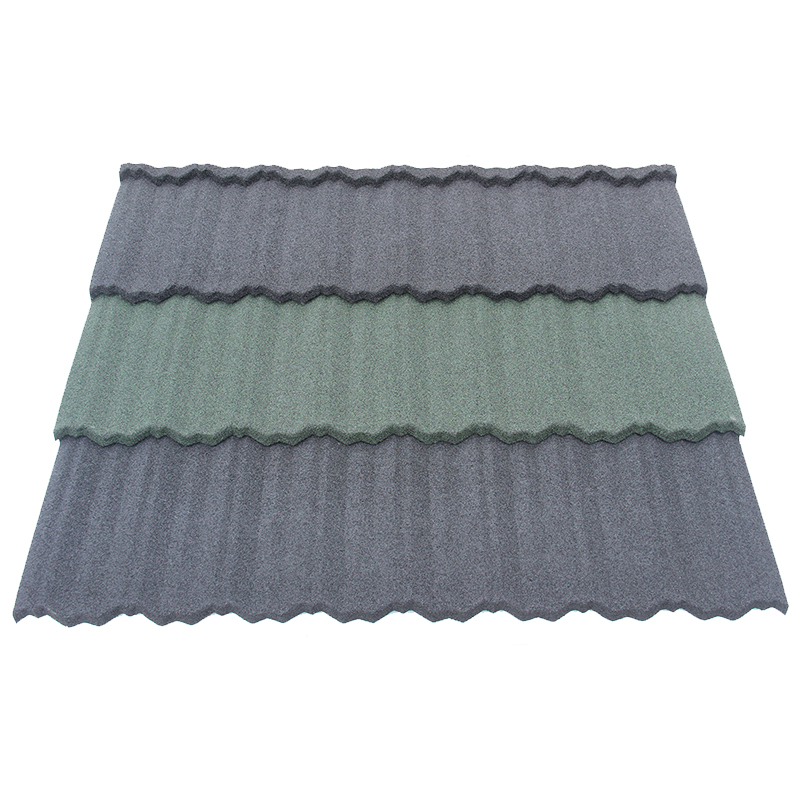
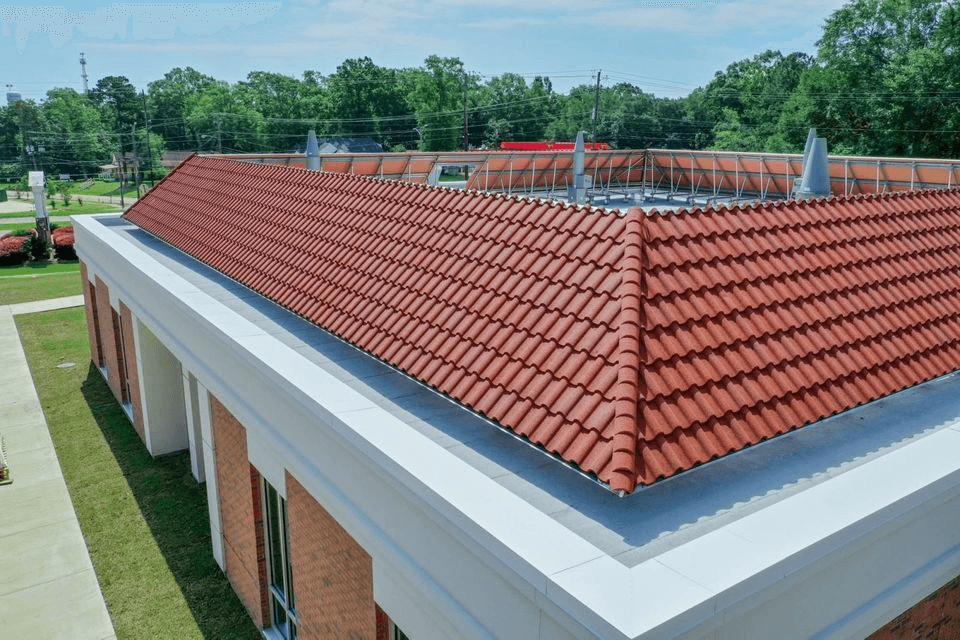
Growing hospitality and commercial sectors across the continent increasingly want a modern, finished aesthetic. Suppliers such as JCROOF often support these projects with a Milano Tile profile, combining contemporary design with the lightweight logistics African distribution chains require. Eco-lodge and resort developments sometimes choose a Shake Tile profile instead, gaining a natural wood-look texture suited to the hospitality context without real wood’s maintenance demands.
Common Mistakes When Sourcing for African Markets
Buyers distributing roofing products across African markets tend to repeat a few specific sourcing mistakes. Recognizing these early reduces the risk of expensive logistical surprises.
Treating Africa as a Single Uniform Market
Port infrastructure, trade frameworks, and end-user building standards vary enormously across the continent. A sourcing approach that works well for West Africa may need significant adjustment for East or Southern Africa.
Underestimating Inland Transport Cost
Landed port cost is not the same as final delivered cost once inland transport enters the calculation. Buyers should model full delivered cost to the end destination, not just the CIF port price.
Ignoring Currency and Payment Risk
Currency volatility across many African markets affects margin between order placement and final payment. Buyers should negotiate payment terms that account for this risk explicitly.
- Research port infrastructure and inland logistics specific to your target region
- Confirm trade agreement tariff implications for your specific destination country
- Model full delivered cost including inland transport, not just CIF port price
- Choose lightweight materials to reduce inland transport cost on long corridors
- Build currency and payment risk terms into every supplier contract
Building a Sourcing Strategy That Works Across African Regions
A sourcing strategy built for African market distribution needs to account for regional logistics realities from the start. Buyers who plan around port infrastructure, inland transport, and trade frameworks consistently avoid the surprises that catch first-time importers off guard.
Questions to Ask Before Finalizing an African Market Sourcing Plan
Ask suppliers about their experience shipping to your specific target region, including inland delivery coordination. Confirm packaging standards protect products through extended inland transport, not just the ocean voyage itself.
Roofing tile sourcing for African markets works best when buyers treat regional logistics, trade frameworks, and currency dynamics as core planning factors rather than afterthoughts. Suppliers who understand these realities add real value beyond product specifications alone.