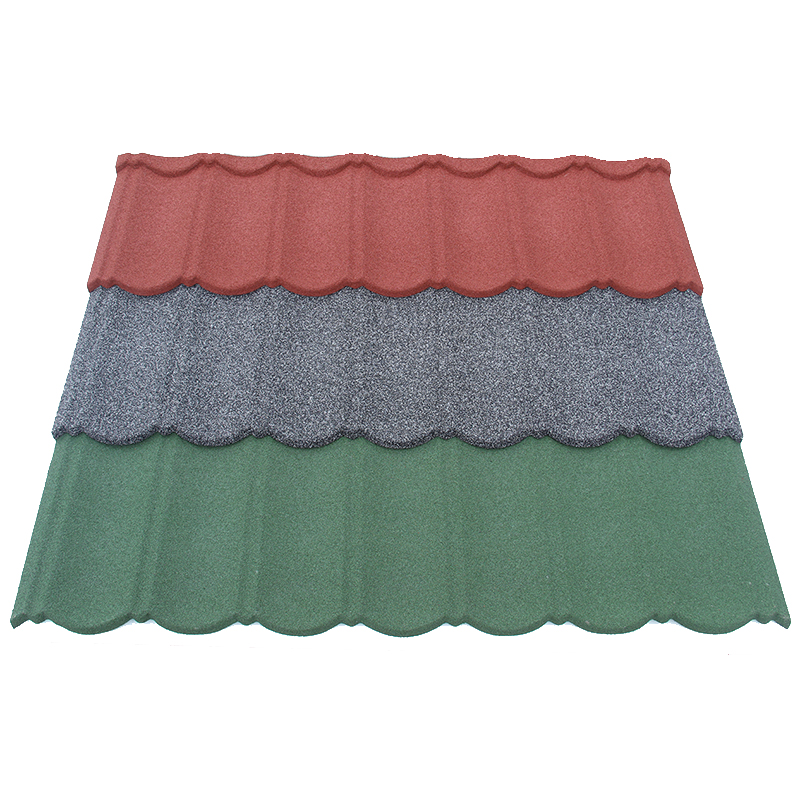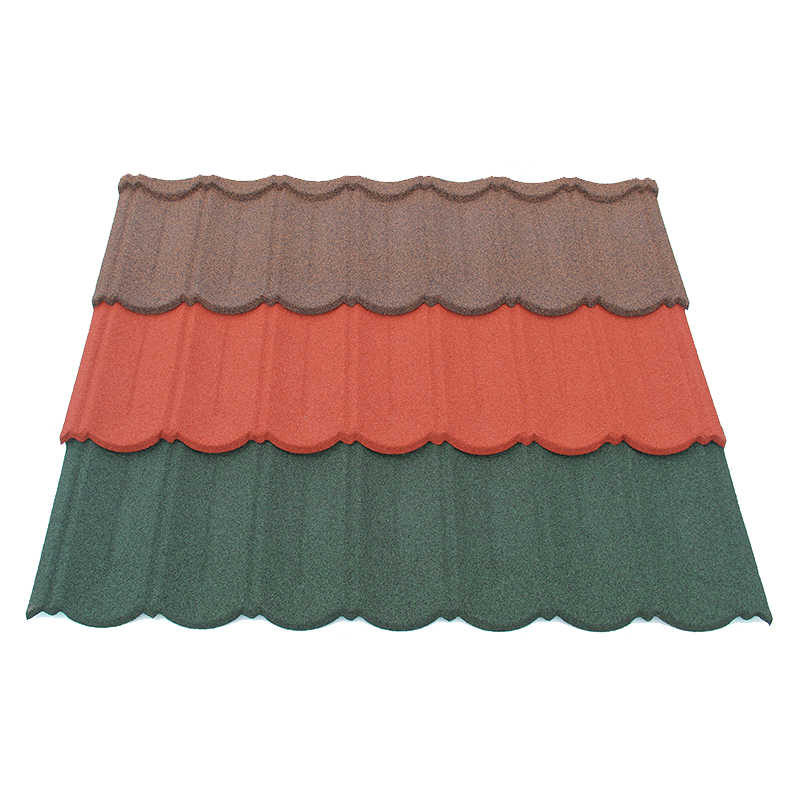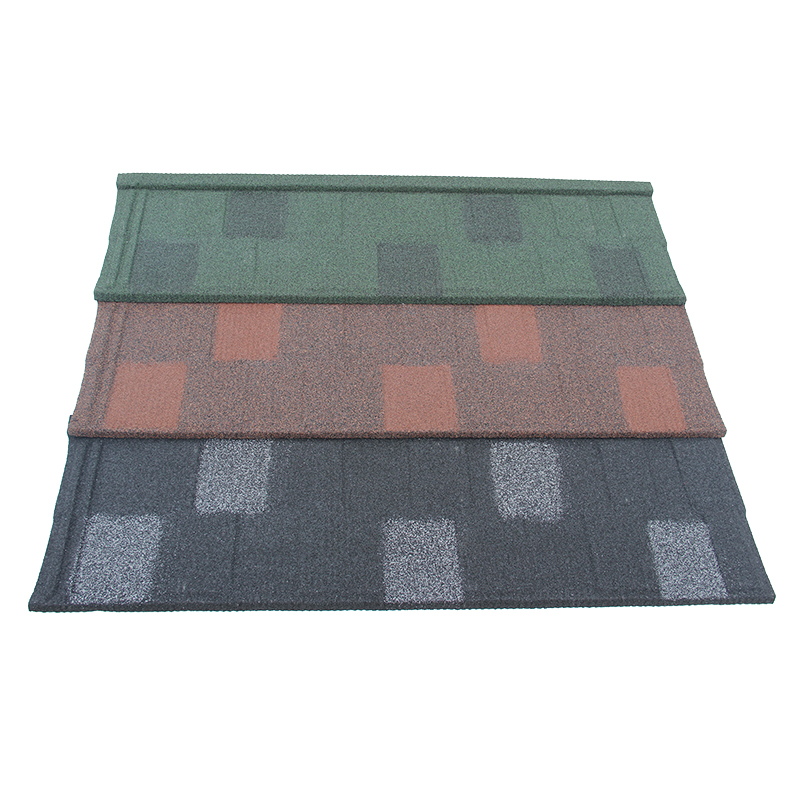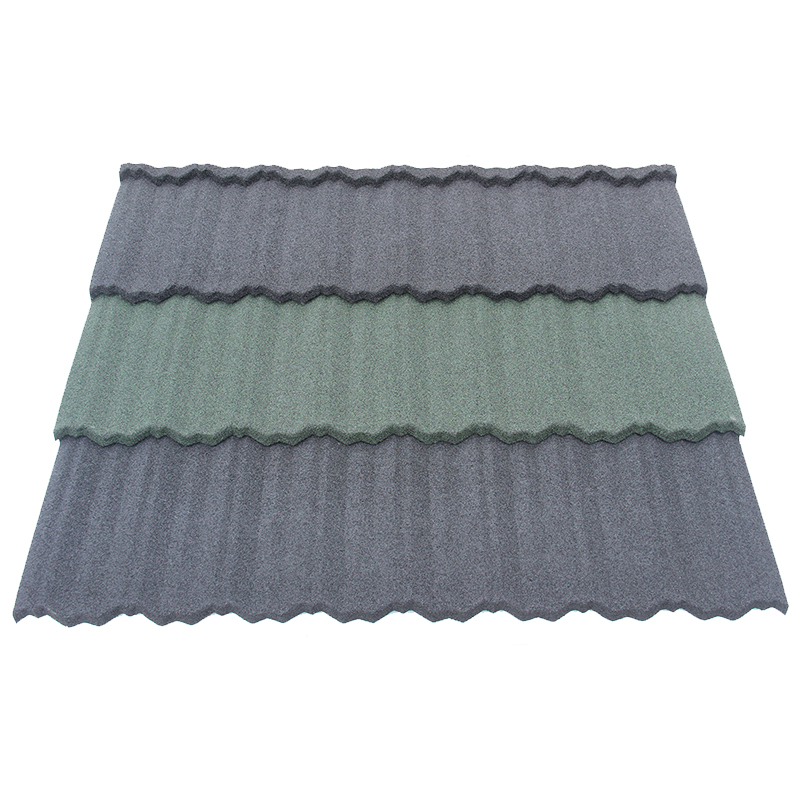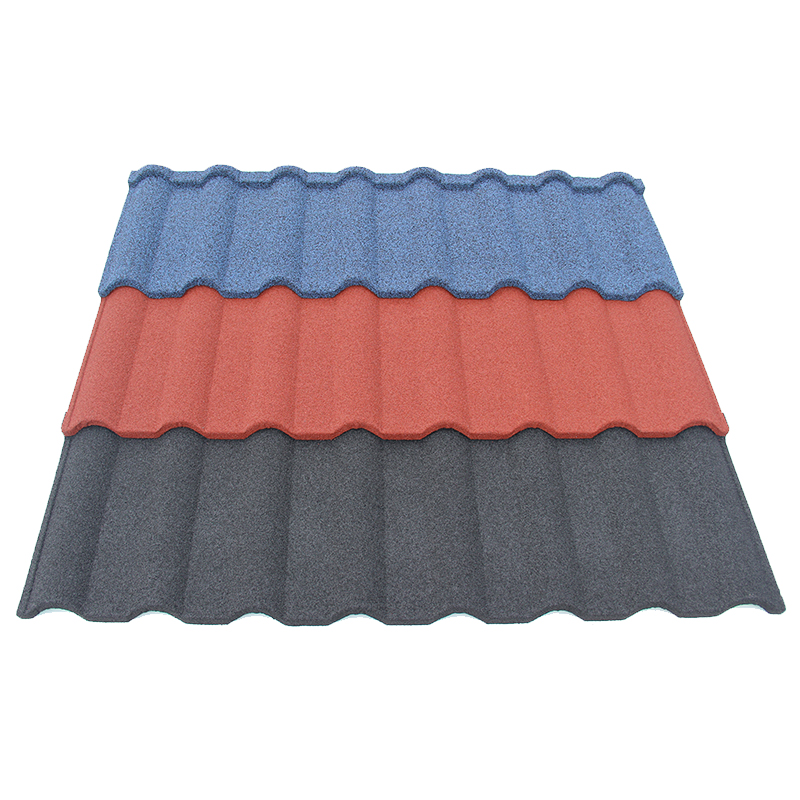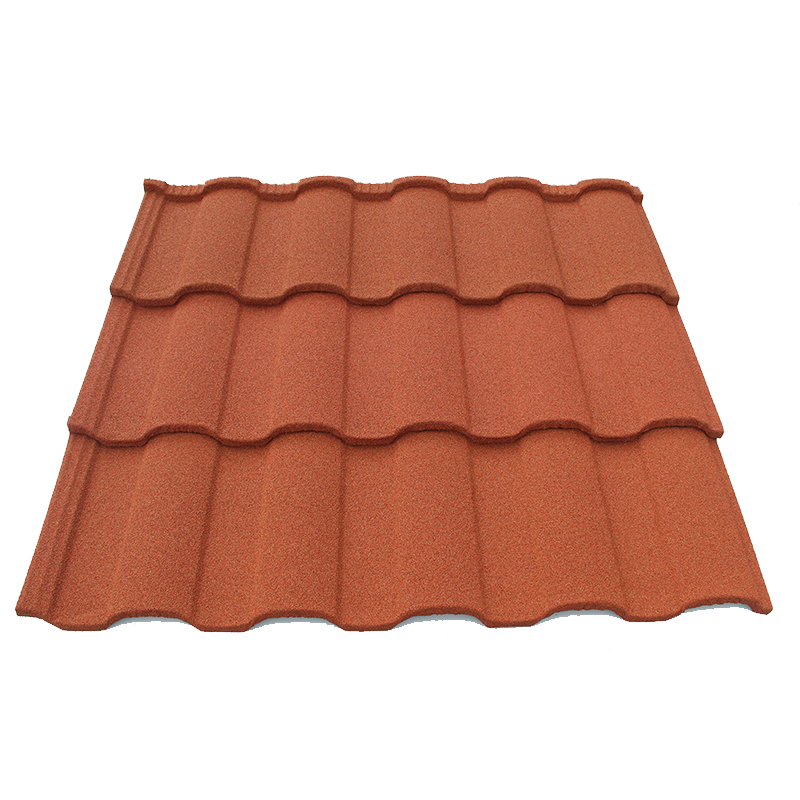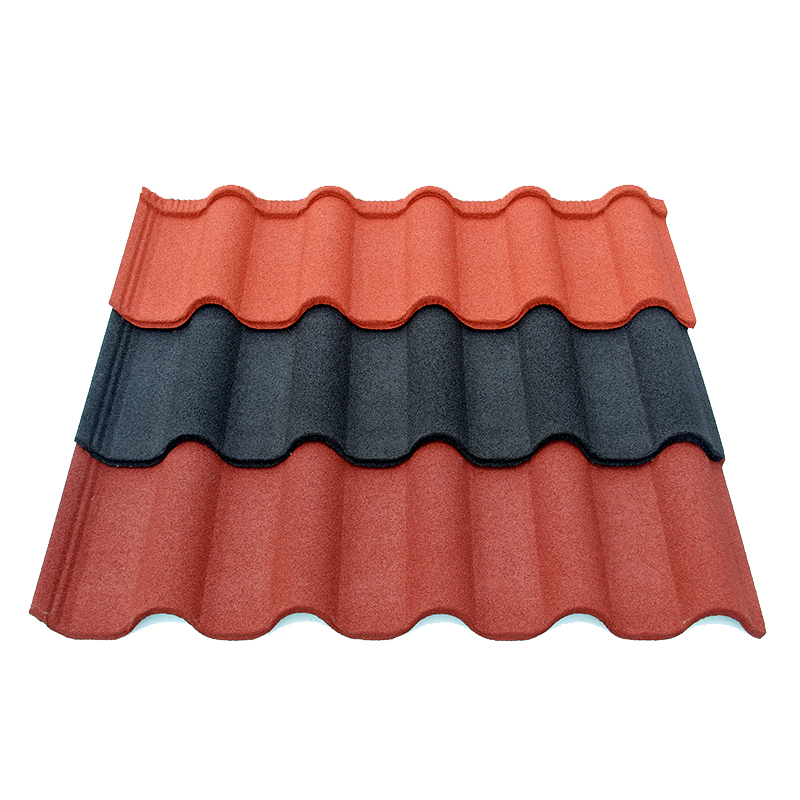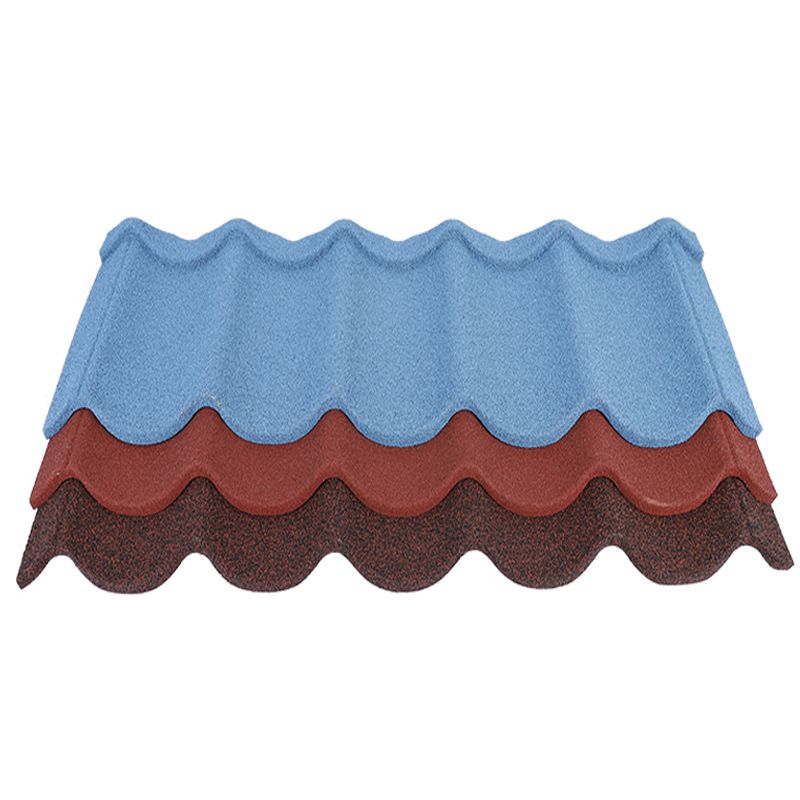

In 2026, as the construction material market stabilizes after the fluctuations of 2024-2025, homeowners are increasingly turning to long-term value for their roofing projects. Stone Coated Metal Roof has emerged as a major trend this year due to its durability, energy efficiency, and aesthetic appeal.
But one primary question remains: What is the actual investment required?
This guide provides a deep dive into the costs associated with stone coated metal roofing in 2026, breaking down everything from materials to labor, and comparing it with other popular alternatives.
The Big Picture: Average Costs in 2026
For 2026, the average cost for a stone coated metal roof typically ranges from $10.00 to $19.00 per square foot, fully installed.
For a standard 2,000-square-foot home, the total project investment usually falls between $20,000 and $38,000. While this is higher than asphalt shingles, the 50+ year lifespan makes the “cost per year” significantly lower.
Cost Breakdown
- Materials: $5.00 – $11.00 per sq. ft. (60% of budget)
- Labor: $3.50 – $6.50 per sq. ft. (30% of budget)
- Miscellaneous: $1.50 – $2.50 per sq. ft. (Permits, debris disposal, etc.)
Key Factors Influencing the 2026 Price Tag
1. Roof Complexity and Pitch
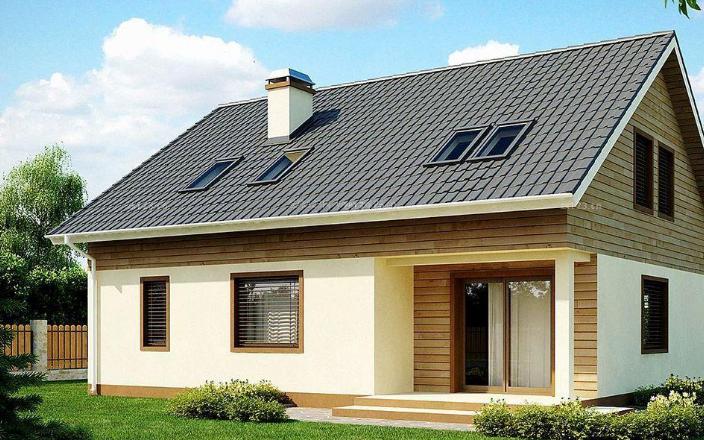
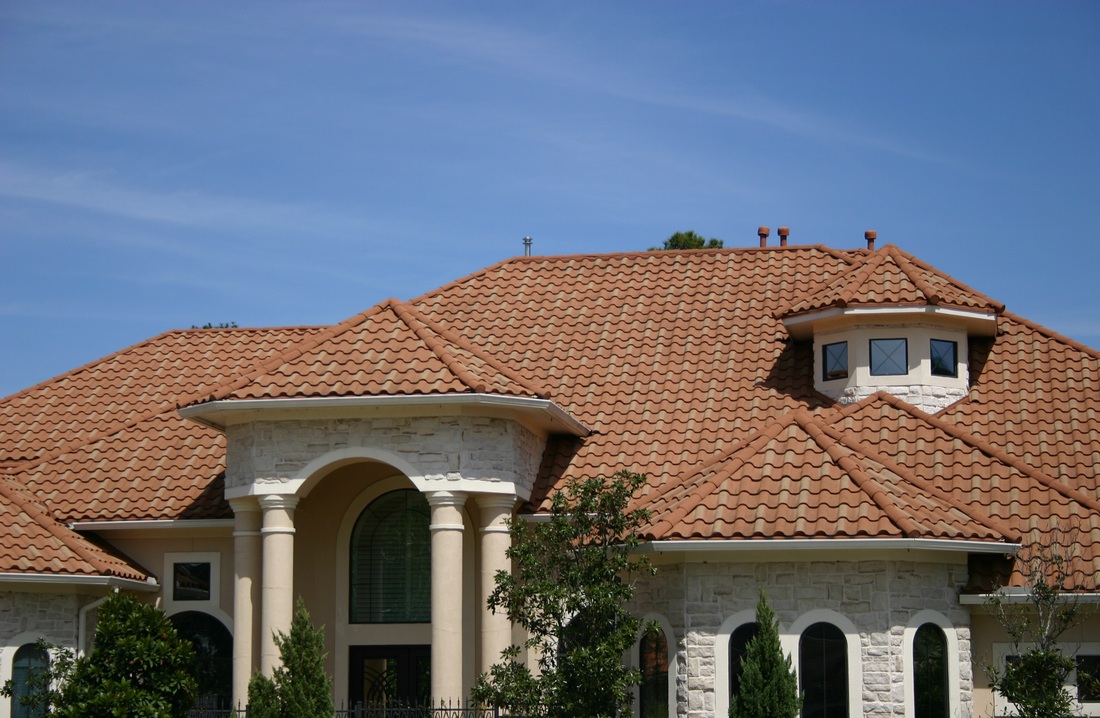
A simple gable roof with two slopes is the most affordable to install. However, roofs with multiple hips, valleys, skylights, or a pitch steeper than 6/12 require specialized safety equipment and detailed cutting, which can increase labor costs by up to 50%.
2. Material Quality and Steel Gauge
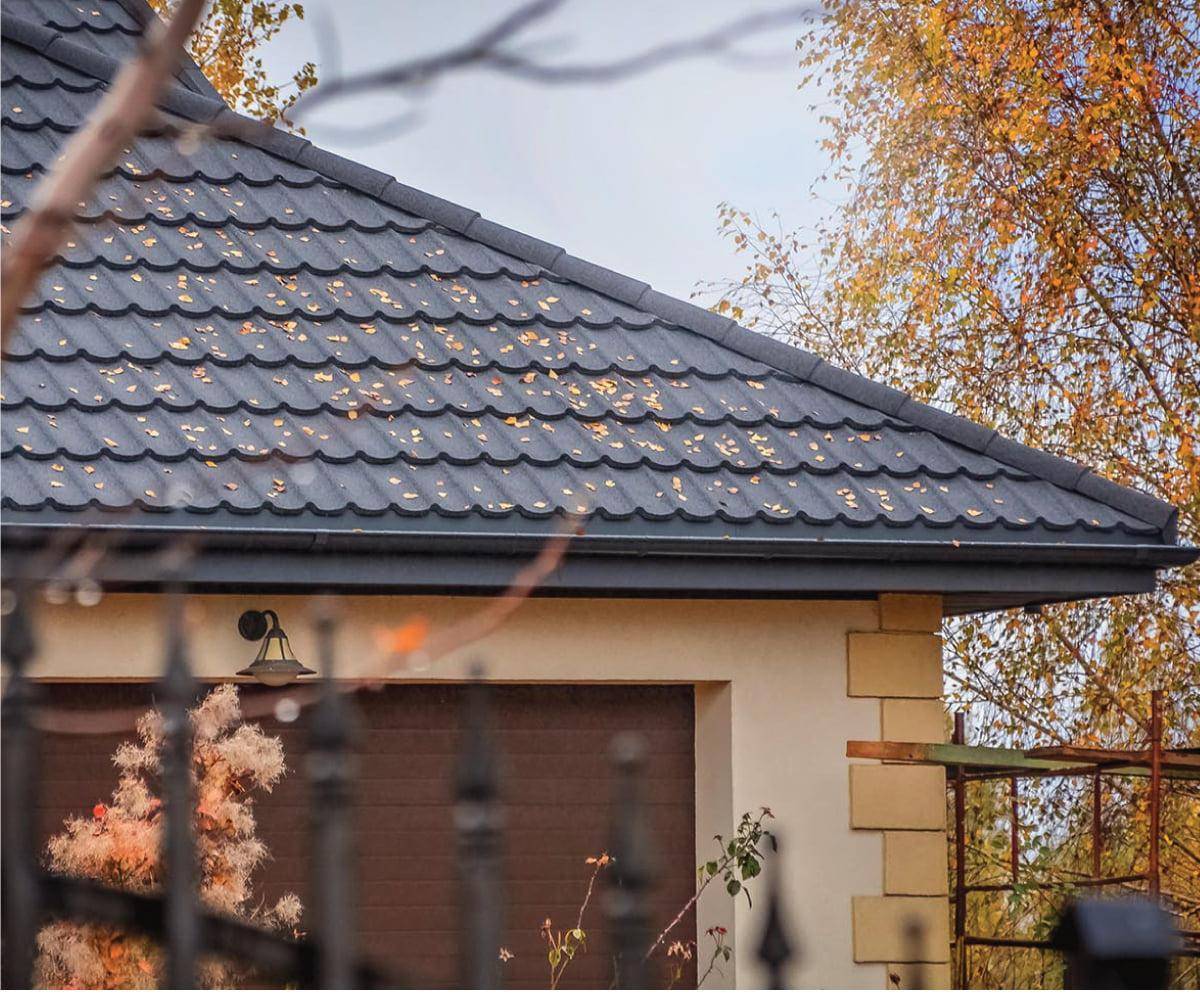
Not all stone coated tiles are created equal. The thickness of the Alu-Zinc steel core (typically 24 or 26 gauge) and the quality of the stone granules significantly impact the price. High-performance coatings designed for UV resistance and anti-algae protection can add a premium to the base material cost.
3. Installation Strategy: Overlays vs. Tear-offs
One of the biggest advantages of stone coated metal is its lightweight nature.
- Overlay: In many regions, stone coated tiles can be installed directly over existing asphalt shingles. This can save $2,000 – $5,000 in demolition and landfill fees.
- Full Replacement: This includes removing the old roof, inspecting the decking, and installing new underlayment, ensuring the highest level of structural integrity.
4. Geographic Location
Labor rates in 2026 continue to vary by region. Major metropolitan areas like New York or San Francisco command a premium. Additionally, if you live in a coastal area prone to hurricanes, you will need high-velocity wind fasteners, which adds to the material and labor total.
Comparison: Is it Worth the Investment?
| Material | Initial Cost (2000 sq.ft) | Lifespan | 100-Year Cost Analysis |
| Asphalt Shingles | $9k – $13k | 15-20 Years | $60k+ (due to 5 replacements) |
| Stone Coated Metal roof | $20k – $38k | 50-70 Years | ~$40k |
| Clay / Slate Tiles | $45k – $75k | 80-100 Years | ~$50k |
The Verdict: Stone coated metal roofing is considered the “sweet spot” of the 2026 market. It offers the performance of high-end materials like slate or clay at a fraction of the cost and weight.
Long-Term ROI: Hidden Savings
The initial price tag is offset by three major long-term benefits:
- Insurance Discounts: Thanks to Class 4 Impact Resistance and Class A Fire Ratings, many insurance providers offer 5%-20% discounts on annual premiums for homes with stone coated metal roofs.
- Energy Efficiency: The stone granule surface reflects UV rays, and the air gap created during installation acts as a thermal buffer. Homeowners report up to 20% lower cooling costs in the summer.
- Resale Value: A roof that lasts 50 years is a massive selling point. Estimates suggest homeowners recoup 60%-85% of their investment in increased property value.
Conclusion
In 2026, Stone Coated Metal Roof is the definitive choice for those who view their home as a long-term asset. It solves the aesthetic problem of industrial metal roofs while providing armor-like protection.