
For international procurement managers and engineering contractors, the primary technical anxiety involves the long-term vulnerability of the steel substrate. Specifically, stakeholders often ask if a building envelope can survive aggressive maritime humidity without structural decay. Consequently, understanding Stone Coated Metal roof rust resistance is essential for calculating the total cost of ownership (TCO) for any high-value asset. Unlike traditional painted iron sheets that suffer from rapid oxidation, these steel composites utilize advanced sacrificial shielding and polymer barriers. This technical audit dissects the electrochemical physics and multi-layer engineering that define the highest standards for anti-corrosive building envelopes.
Electrochemical Shielding: The AZ150 Aluzinc core Logic
The foundation of Stone Coated Metal roof rust resistance lies in the Aluzinc substrate, which is a 55% Aluminum and 43.4% Zinc alloy. Even if the stone coating falls off, the steel core is not immediately exposed to the atmosphere. Instead, it remains protected by this metallic envelope. For instance, JCROOF engineering standards mandate a minimum AZ150 coating weight. Consequently, the Aluminum provides a long-term physical barrier, while the Zinc provides sacrificial protection. If a scratch occurs on a bond tile, the Zinc atoms oxidize first, effectively neutralizing the oxygen before it can reach the iron. This process creates a self-healing boundary that prevents the spread of red rust across the panel.
Secondary Organic Protection and the milano tile Finish
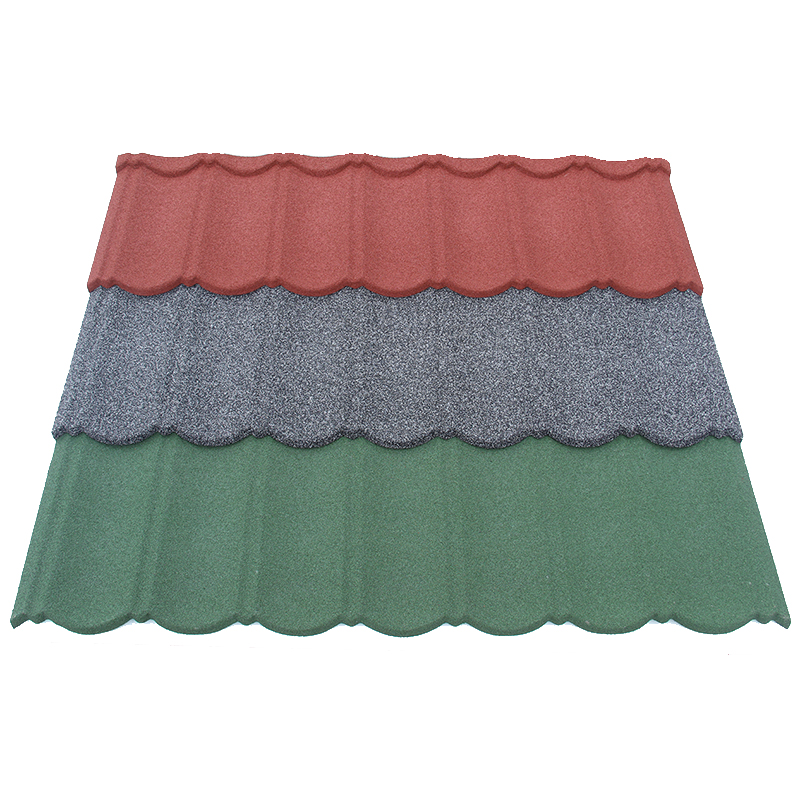
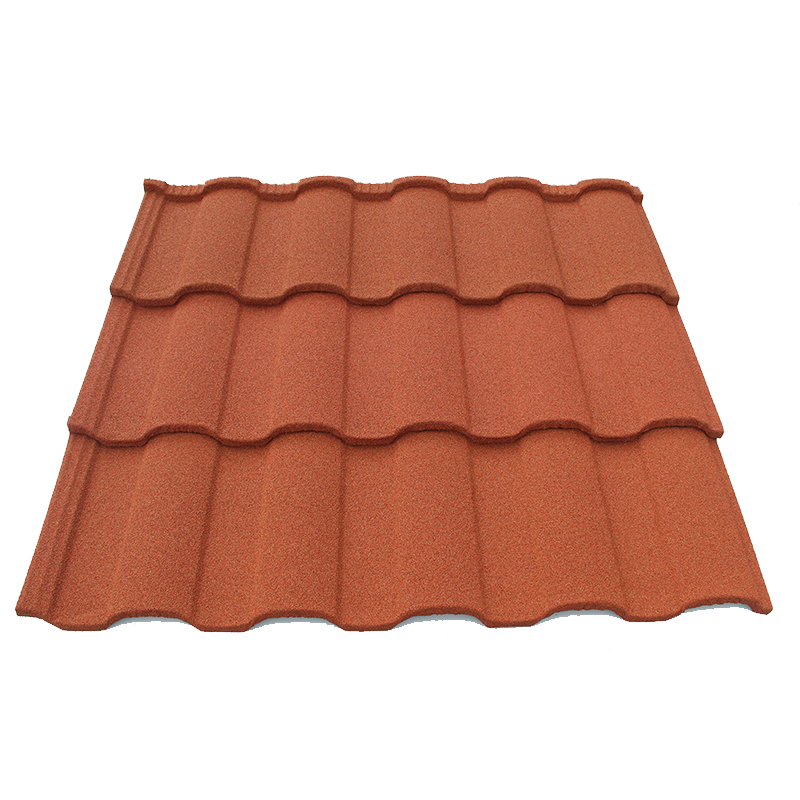
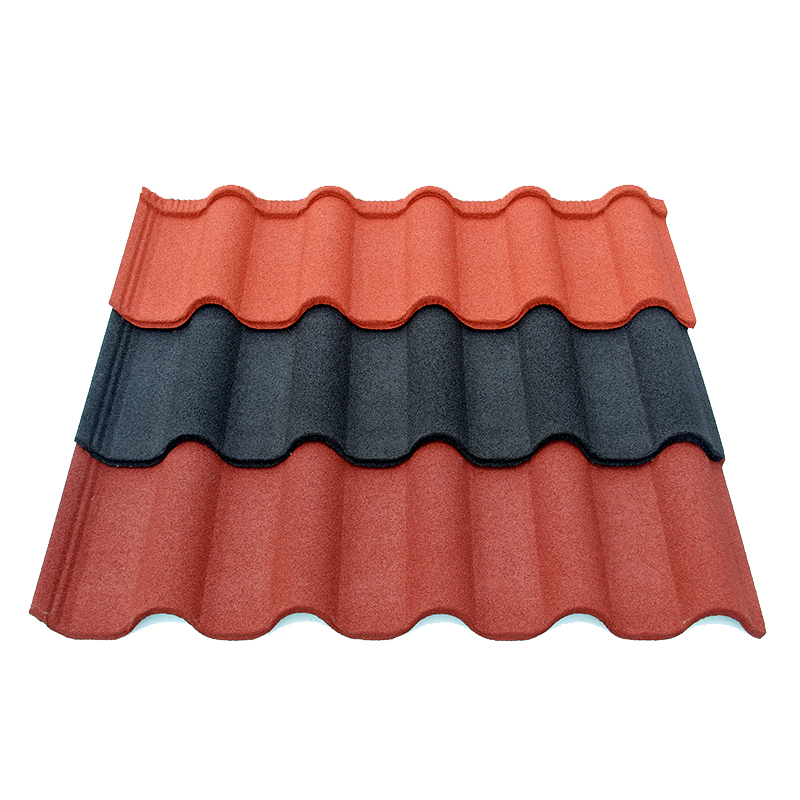
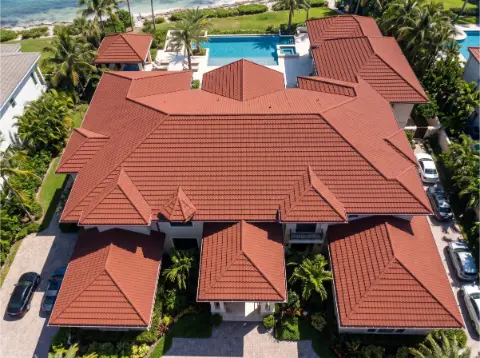
In addition to the metallic alloy, a high-performance transparent organic film is applied to the rear and base of each tile. Therefore, even if the top stone layer is traumatized, a secondary chemical barrier remains intact. When analyzing Stone Coated Metal roof rust resistance, we must observe how these layers interact during the forming phase. For a high-profile milano tile, the hydraulic stamping process ensures that the Aluzinc and organic films move in unison with the G300 structural steel. As a result, the core remains hermetically sealed against moisture intrusion. This multi-stage defense is what distinguishes professional-grade building materials from budget-tier retail options that rely on thin paint layers.
Interfacial Bonding: The Role of the Acrylic Base Coat
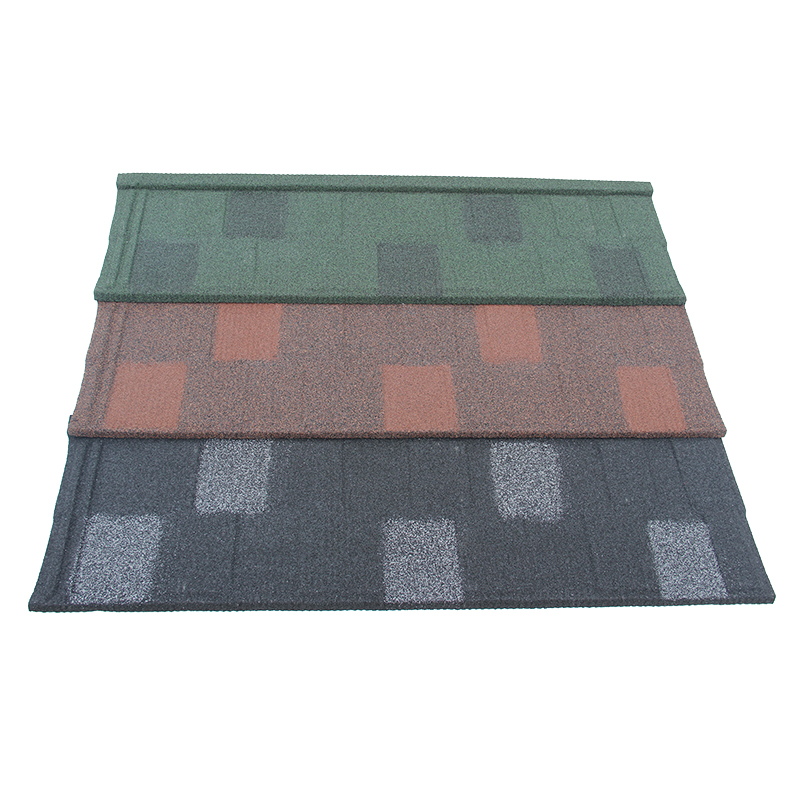
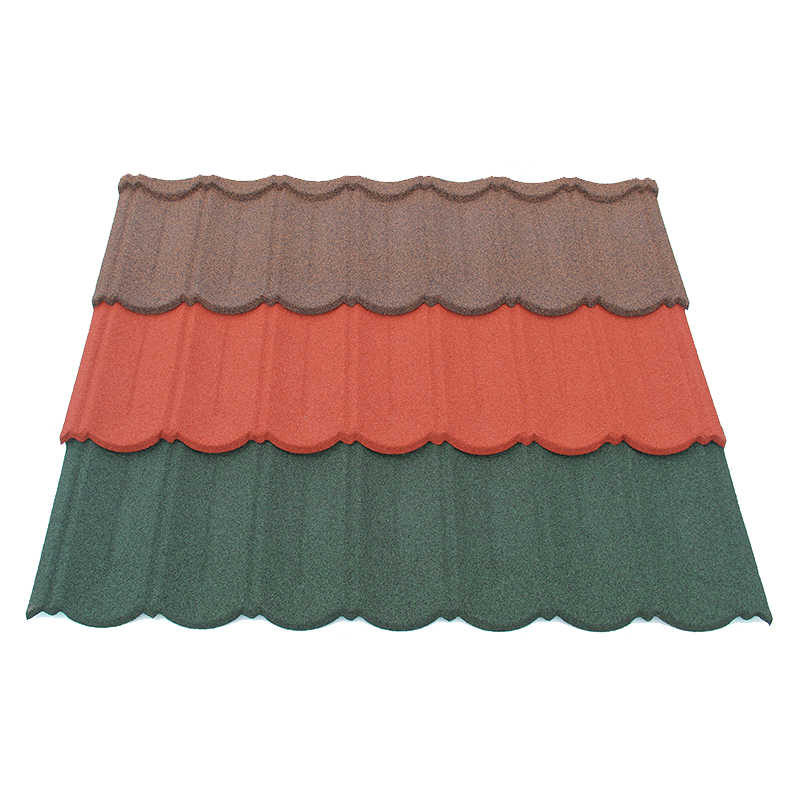
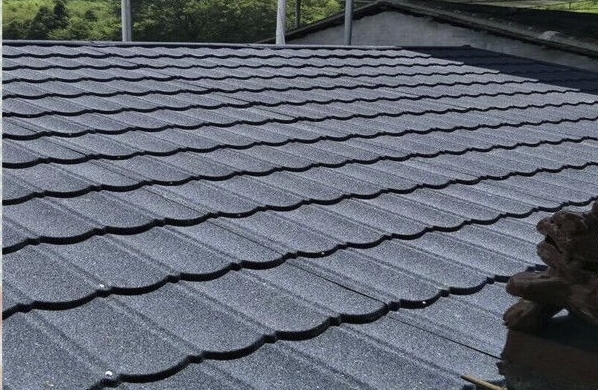
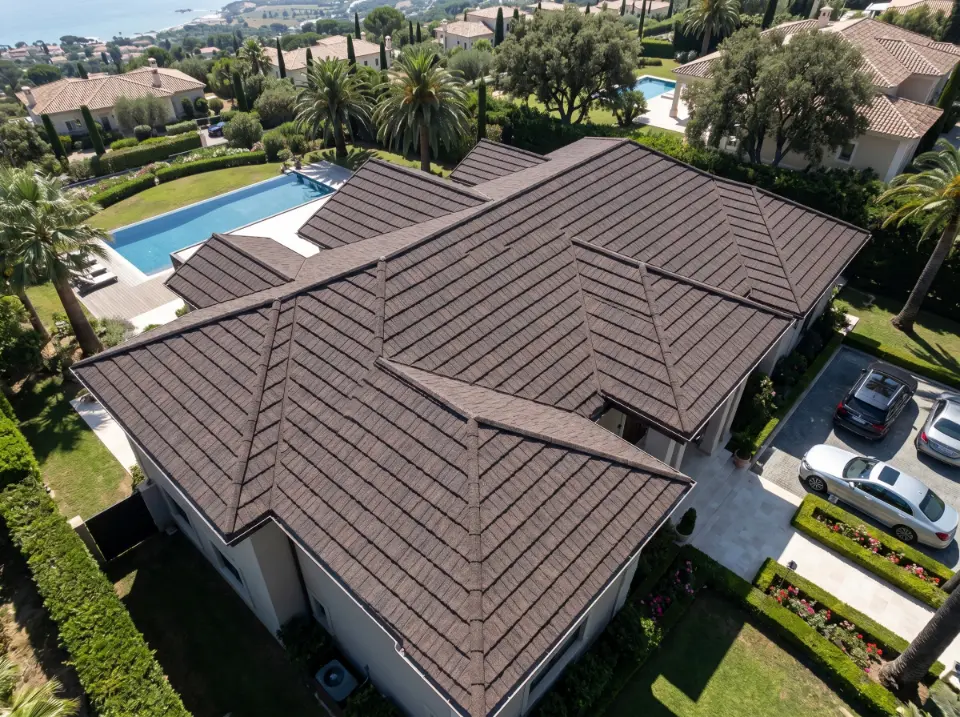
The transition between the Aluzinc shield and the volcanic stone granules is managed by a high-viscosity acrylic resin. Specifically, Stone Coated Metal roof rust resistance is enhanced by the non-corrosive nature of this polymer matrix. JCROOF laboratory data confirms that the base coat is engineered with advanced cross-linking density. This ensures that the resin remains elastic across extreme diurnal temperature swings. For a rugged shake tile, this bond prevents the “balding” effect. Even if a small localized area loses its stone, the thick acrylic resin continues to act as a UV-stable waterproof membrane, shielding the Aluzinc layer from direct atmospheric contact.
Passive Aeration and the shingle tile Thermal Logic
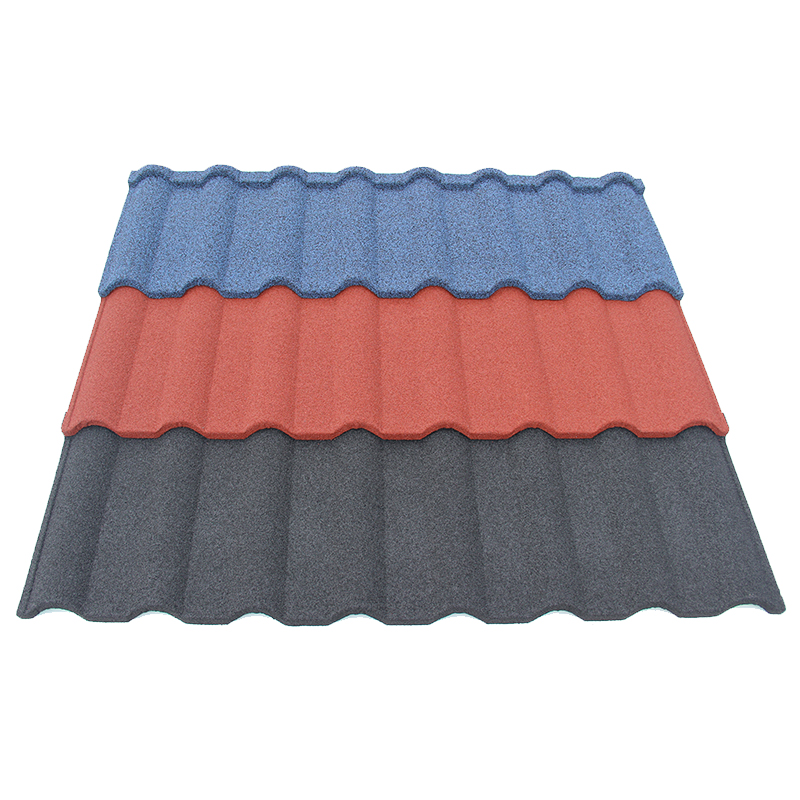
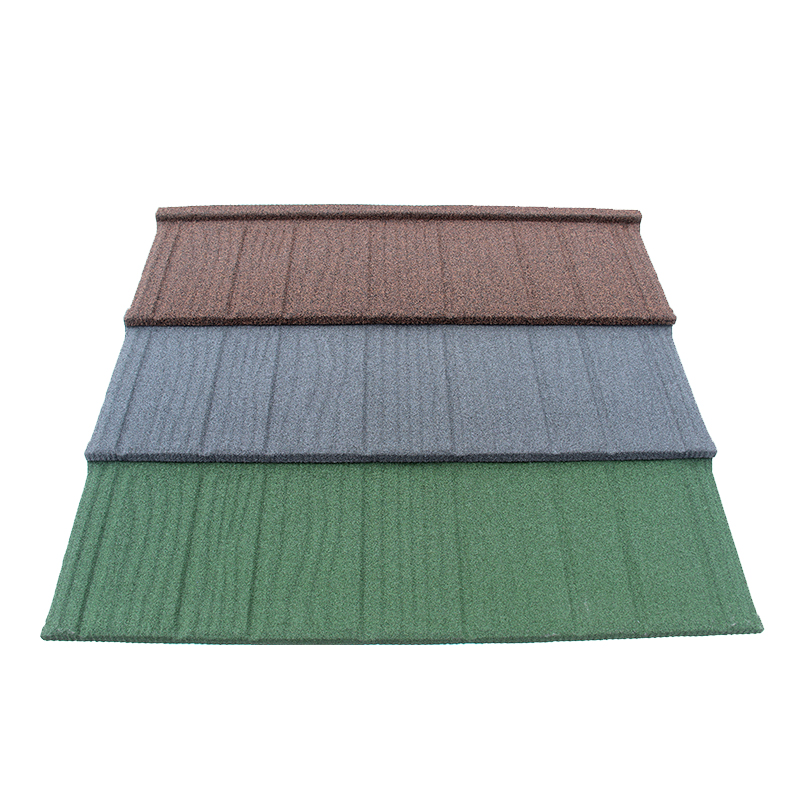
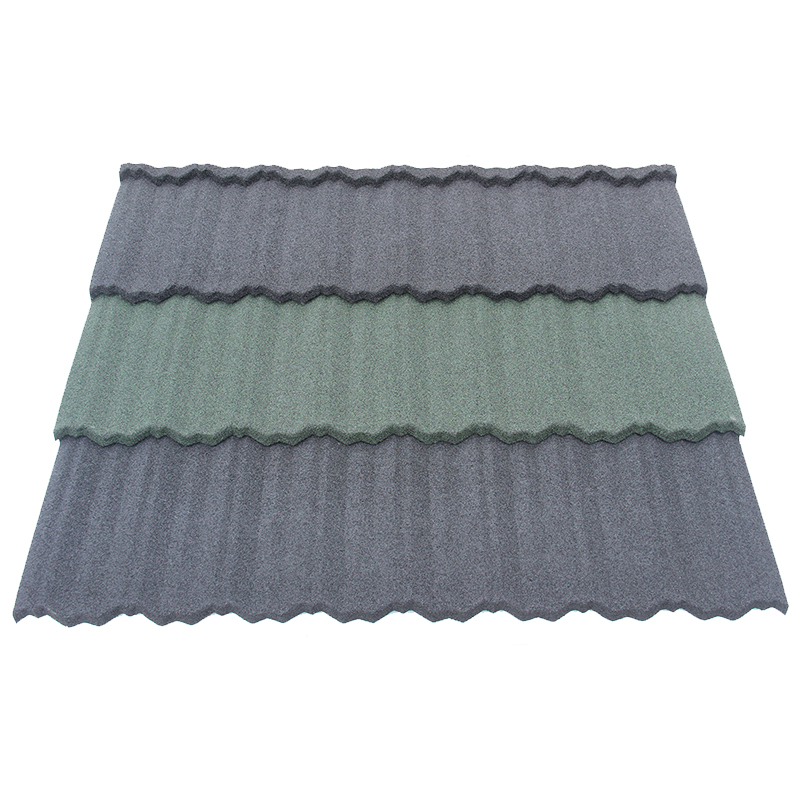
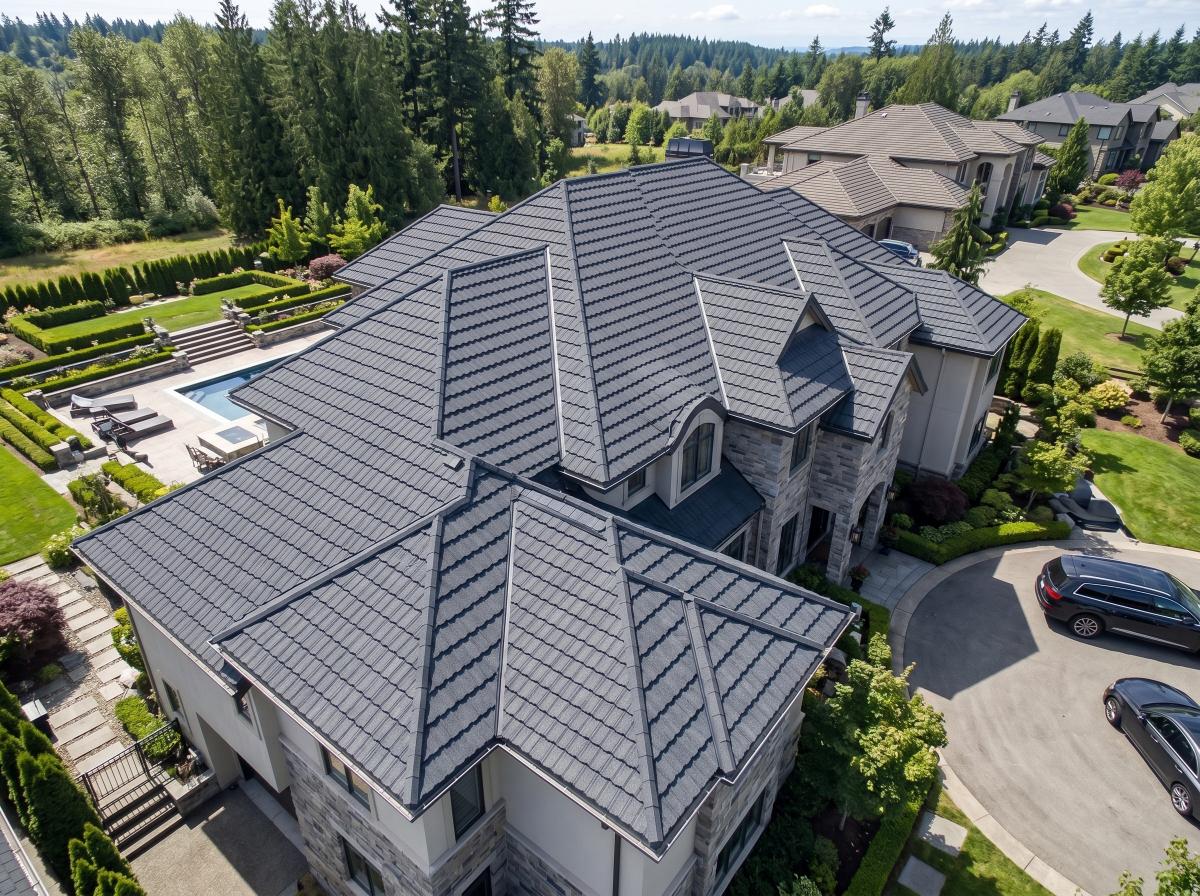
Rust thrives in stagnant, humid environments where moisture is trapped against the metal surface. Consequently, the batten-mounted installation grid is a critical factor in Stone Coated Metal roof rust resistance. This design creates a continuous air gap beneath the tiles, functioning as a passive thermal barrier. For a sleek shingle tile, this ventilation allows moisture from condensation to evaporate rapidly. Therefore, it prevents the damp conditions that typically trigger red rust in direct-to-deck metal systems. This “vented cold roof” design ensures that even in high-humidity zones, the structural integrity of the steel core remains intact for over fifty years.
Comparative Matrix: Rust Resilience vs. Substrate Grade
Strategic procurement managers must benchmark metallurgical mass against climate reality. Use the following technical matrix to justify the investment in superior Stone Coated Metal roof rust resistance for your next commercial tender or residential infrastructure project.
| Durability Factor | Standard Galvanized (Z275) | Aluzinc (AZ150 Grade) |
|---|---|---|
| Corrosion Mechanism | Pure Zinc (Rapid depletion). | Aluzinc (Active + Passive). |
| Cut-Edge Protection | Minimal (Red rust creeps). | Extreme (Self-healing). |
| Maritime Rating | Poor (Not recommended). | Excellent (C5-M Grade). |
| Atmospheric Life | 10 – 15 Years. | 50+ Years. |
| Maintenance Need | High (Repainting required). | Zero (Permanent Shield). |
Professional FAQ: Solving Site-Level Corrosion Challenges
Success in international project delivery depends on translating technical specifications into field-level safety. Many “failures” reported as Stone Coated Metal roof rust resistance issues are actually symptoms of using non-compatible fasteners or mechanical trauma during installation. By providing on-site technical audits and factory-level inspection reports, you establish your firm as a technical authority. Furthermore, ensuring that the installers use soft-soled shoes prevents physical damage to the polymer layers. These insights help procurement managers defend high-quality building material choices and ensure a profitable outcome for the property owner.
Can Salt Spray Cause the Steel to Rust Immediately?
Fortunately, the answer is no for high-specification AZ150 systems. While salt spray is aggressive, the Aluminum in the Aluzinc alloy creates a stable oxide film that prevents deep penetration. Because Stone Coated Metal roof rust resistance is built into the molecular structure of the substrate, the system remains a predictable asset during long-term maritime exposure. Specifically, the sintered stone granules provide an additional inorganic shield against chemical attack. Thus, the building interior remains protected from the structural decay often seen with traditional organic roofing or low-grade iron sheets.
Final Procurement Action Plan
Maximizing the anti-corrosive security of your project requires a shift to technical “spec-buying.” Focus your technical audit on Aluzinc GSM (AZ150), G300 structural ductility, and the 800°C sintering benchmarks of the volcanic stone. These engineering pillars ensure that Stone Coated Metal roof rust resistance is a permanent feature of the building rather than a marketing claim. Partnering with professional manufacturers provides the laboratory data and technical manuals needed to win large-scale government tenders. Contact our technical team today for a project-specific structural audit and a corrosion-resistance submittal guide to guarantee success.