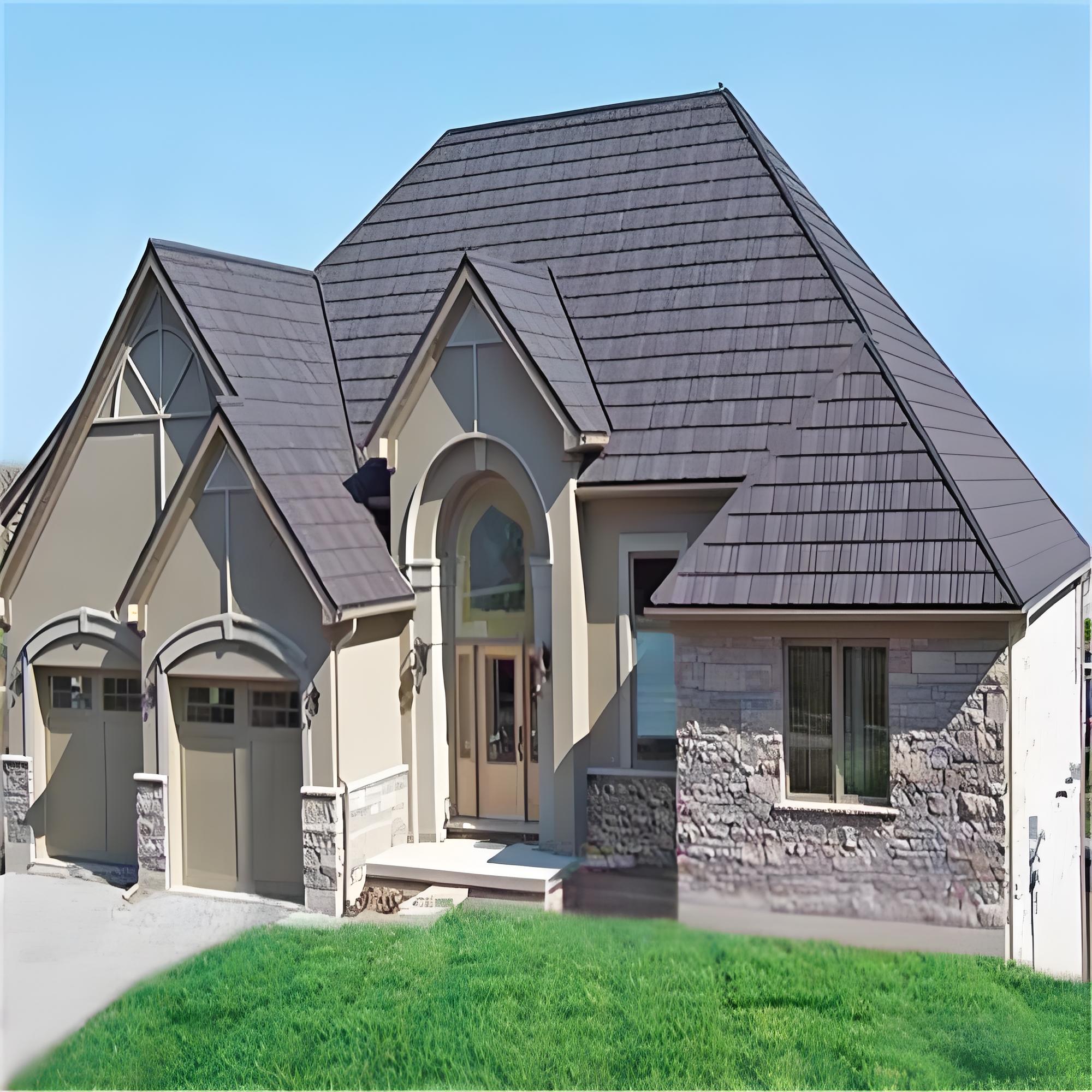
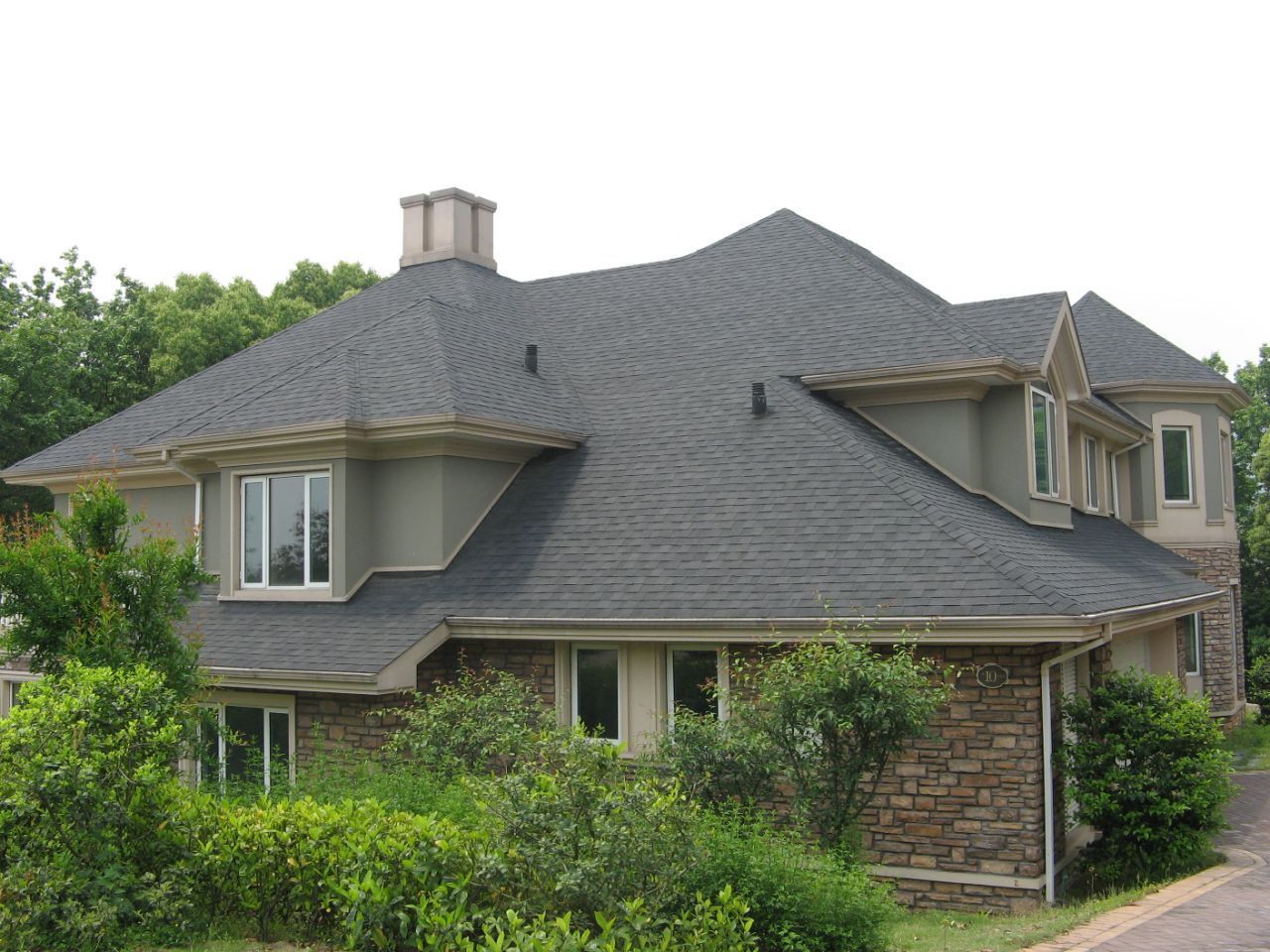
Stone coated metal roofing vs asphalt shingles is a system comparison, rather than a contest between two surface finishes. Compare the specified products, installation requirements, complete project cost, and support available in your market. Either choice needs suitable documentation and an installation team that understands the proposed system.
Stone coated metal roofing may suit buyers seeking a formed metal product with a granular architectural finish. Asphalt shingles may suit projects supported by established shingle distribution and installation resources. The stronger choice depends on verified project requirements and comparable offers, not a universal lifespan or savings claim.
For importers and distributors, the decision also affects accessories, storage, technical support, and replacement supply. This guide explains how to assess those differences before committing to a product range or construction order.
Compare the Products Behind the Appearance

Identify what each supplier is actually offering
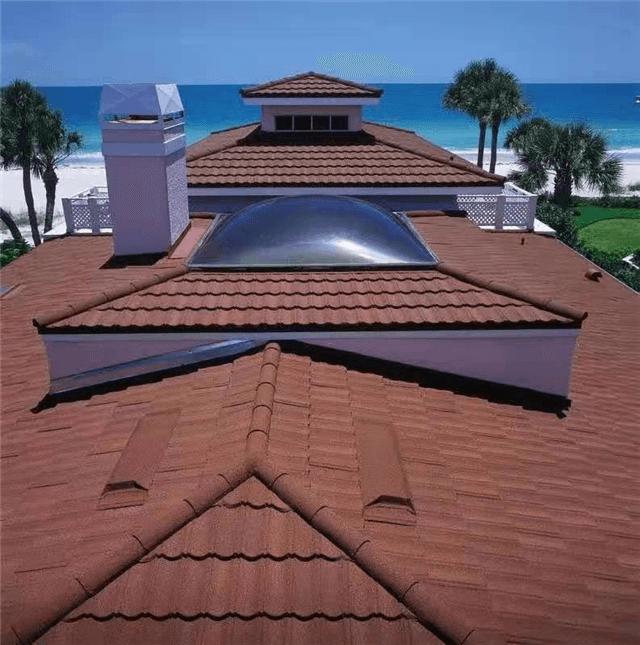
Stone coated metal roofing combines formed metal with a bonded granular finish. Asphalt shingles use an asphalt-based construction and a protective granular surface. Some products can create similar roof appearances despite their different construction. A photograph therefore cannot identify the material or installation requirements with enough precision for purchasing.
Request the exact product name, specification, and current documentation for both options. Record dimensions, effective coverage, proposed accessories, and packing quantities. Ask how the quoted thickness or material description is defined. Those details matter more than a broad category label when comparing actual orders.
A stone coated Shingle Tile can provide a shingle-style visual direction. Its name does not make it an asphalt shingle or establish interchangeable installation details. Compare physical samples and approved instructions. Keep the distinction clear in your catalog, quotation, and conversations with downstream customers.
For asphalt products, manufacturer documentation provides the same starting point. GAF’s Timberline installation instructions address a defined shingle system. Their requirements should not be transferred to a different manufacturer’s product. Request the corresponding documents for the specific item being quoted.
Treat performance claims as product-specific evidence
Ask which reports support the performance relevant to your project. Check the tested product, installation configuration, supporting materials, and stated conditions. Material names alone cannot establish a wind, fire, or impact classification. Similar-looking products may have different evidence and different conditions of use.
Manufacturer testing information can help you understand the available evidence. DECRA’s physical properties testing page describes testing for its own roofing products. Those results cannot establish performance for every stone coated metal tile. Ask each candidate supplier for evidence matching its proposed version.
Avoid reducing weather suitability to a single brochure number. Ask the project designer to identify the relevant requirements and review the offered assembly. Fasteners, substrate, roof geometry, and installation details can matter. A purchasing comparison should record that review rather than replace it with a category-wide ranking.
Company background supports qualification, but it is a different type of evidence. When assessing JCROOF, connect the supplier discussion to the specified product and intended application. Request current supporting documents and a clear scope. General company information should not substitute for order-specific technical review.
Compare Installation Scope and Local Support
Price the complete roof arrangement
Request quotations covering the same building and scope. Include field roofing, matching components, underlayment, flashings, ventilation details, labor, and relevant preparation. Identify any removal or substrate work separately. A low material price can lose its apparent advantage when the missing system components are added.
Ask installers to review the proposed product before pricing. A contractor experienced with one roofing category may need different tools or instructions for another. Record those requirements and the supplier’s proposed support. Familiarity with conventional metal sheets does not automatically establish familiarity with every formed stone coated profile.
Check the roof’s actual geometry and condition. Valleys, hips, penetrations, access restrictions, and existing substrate conditions can affect the work required. Request a project-specific assessment rather than assuming a standard labor allowance. The comparison should explain which installation assumptions each quotation uses.
Do not assume a roof covering can be installed over existing materials. Ask the responsible designer and installer to confirm the permitted arrangement for that project. Record any required preparation and inspection. The accepted system determines the work, rather than a general statement about either material category.
Check repair access and replacement supply
Discuss how damaged products would be identified and replaced. Ask which technical instructions apply to maintenance access and repair. Walking practices and repair procedures should follow the product system. A sales claim that a roof never needs attention provides little help to the team managing it later.
Ask whether replacement items can be obtained in your market. Confirm model identification, accessory availability, finish references, and the process for ordering small replacement quantities. A familiar material can still have discontinued colors or product changes. Include continuity arrangements in your purchasing comparison.
Evaluate support resources alongside the product. Look for accessible installation documents, clear item references, and a contact who can resolve technical questions. Ask the local installer what information it needs. Good documentation reduces uncertainty only when the people installing and servicing the roof can actually use it.
Treat sound and temperature claims carefully. Interior conditions also depend on the wider roof assembly, insulation, ventilation, and building design. Ask for evidence relevant to the proposed arrangement. Surface texture or material category alone should not become a guaranteed comfort or energy-saving promise.
| Decision area | Stone coated metal roofing: verify | Asphalt shingles: verify |
|---|---|---|
| Product identity | Profile, substrate, finish, and coverage | Named shingle product and coverage |
| Installation | Approved support and fastening arrangement | Required substrate, fastening, and sealing details |
| Performance | Evidence for the proposed roof assembly | Evidence for the proposed shingle system |
| Cost | Complete materials, components, and labor | Complete materials, components, and labor |
| Maintenance | Access instructions and replacement method | Access instructions and replacement method |
| Supply | Matching trim, finishes, and repeat orders | Matching shingles, components, and repeat orders |
Build a Cost Comparison with Visible Assumptions
Separate purchasing cost from project cost
Use the same quantity basis for both quotations. Keep effective coverage separate from nominal product dimensions and packaging counts. Ask the estimator to account for the roof layout and agreed allowances. Prices per tile, bundle, or square meter need a consistent basis before they can be compared meaningfully.
For imported products, distinguish the supplier quotation from additional logistics and local project costs. Record the named delivery arrangement and exclusions. Include confirmed packaging and accessory quantities. Avoid treating a factory quotation as equivalent to a complete installed roofing price in the destination market.
Obtain current offers rather than borrowing online residential installation ranges. Published examples may concern different countries, building conditions, or product specifications. They can suggest questions, but cannot price your order. Use the same purchasing brief and quotation date when comparing shortlisted suppliers.
Ask for the conditions behind any claimed cost advantage. The supplier should identify what is included and which assumptions drive the comparison. A meaningful answer might concern a specific installation arrangement or component scope. Unsupported percentages should remain outside the approved purchasing case.
Keep future-cost scenarios transparent
Future maintenance and replacement costs are uncertain. If your team compares longer ownership periods, state the assumptions separately from current quotations. Identify the assumed service activities, timing, and cost basis. Do not present an estimated replacement schedule as a guaranteed life for either roofing material.
Read warranty information as part of the commercial offer. Identify the issuer, covered product, stated conditions, exclusions, and claim process. A long headline warranty period is not the same as a prediction of service life. Obtain appropriate advice where contract terms need interpretation.
Consider the support burden your organization will retain. Distributors may need training, sample displays, spare components, and clear product identification. Project buyers may need technical submittals and installation coordination. Include those practical responsibilities when assessing value instead of focusing only on the roofing invoice.
Update the comparison when project assumptions change. A revised roof design or product specification can change quantities and installation scope. Ask both suppliers to price the same revision. Otherwise, an earlier comparison may continue influencing the decision after its technical basis has disappeared.
Select the Material You Can Specify and Support
Use project requirements as approval conditions
Begin with the requirements that cannot be traded against price. Confirm product suitability, relevant evidence, installation feasibility, and required components. Keep unresolved conditions visible until the responsible reviewer approves them. A cheaper quotation cannot resolve a missing technical requirement by itself.
Then compare appearance, commercial scope, and local support. Ask stakeholders to review samples under comparable lighting and from realistic viewing distances. Review edge and ridge details alongside the field roofing. The finished roof includes those visible components, not just the center of a sample panel.
For distributors, test the proposed product range with installer feedback. Confirm which profiles or shingles local teams can install and service reliably. Review stocking and replacement requirements. A product that photographs well may still require more support than your distribution operation is prepared to provide.
For a construction order, connect the selected product to the approved specification and drawings. Retain the reviewed installation documents and agreed scope. Make responsibilities clear before purchasing. This helps prevent an attractive material comparison from turning into an incomplete system order.
Validate the choice before larger commitments
Use identified samples or a suitable mockup to review appearance and component fit. Agree what the review covers and what still needs technical approval. A visual mockup cannot establish long-term weather performance. Keep product testing and engineering evidence separate from appearance acceptance.
For a first supply order, inspect the agreed product and packaging against the approved references. Check documentation, quantities, finish identification, and component completeness. Record deviations and the supplier’s response. Use that experience when planning repeat purchases and downstream technical support.
Maintain a decision record showing why the selected system fits the project. Include the alternative considered, important assumptions, and outstanding conditions. That record helps later staff understand the purchase. It also makes future comparisons more consistent when products or supplier arrangements change.
Choose stone coated metal roofing or asphalt shingles on the strength of the complete offer. Match the product to the building, compare equivalent scopes, and verify practical support. Keep performance and cost claims tied to evidence. Those steps produce a more dependable decision than selecting a material category alone.