
In recent years, demand for modern roofing systems has increased rapidly across emerging markets. Among them, stone coated roofing has become one of the fastest-growing choices in both Africa and the Middle East. The combination of durability, lightweight structure, and climate resistance makes it a strong alternative to traditional clay tiles and cement roofing systems.
This article explains why stone coated roofing is widely adopted in these regions, and how it meets the unique environmental, economic, and construction requirements of these fast-developing markets.
1. Extreme Climate Conditions Require Strong Roofing Systems
Both Africa and the Middle East are known for harsh weather conditions, including high temperatures, intense UV exposure, sandstorms, and seasonal heavy rains. Therefore, roofing materials must perform reliably under extreme stress.
High heat and UV resistance
Stone coated roofing performs well under strong sunlight because its surface uses natural stone granules that reflect heat and reduce thermal absorption. As a result, indoor temperatures remain more stable compared with traditional roofing materials.
Resistance to sand and wind erosion
In desert regions, sandstorms can severely damage weak roofing materials. However, stone coated steel panels provide strong surface protection and interlocking structures that reduce wind uplift risk.
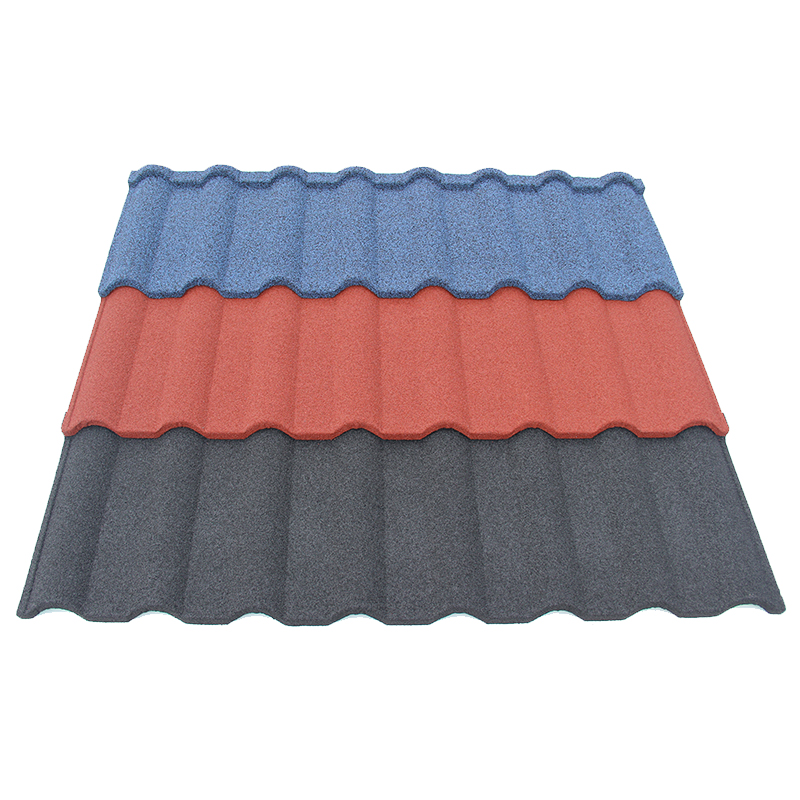
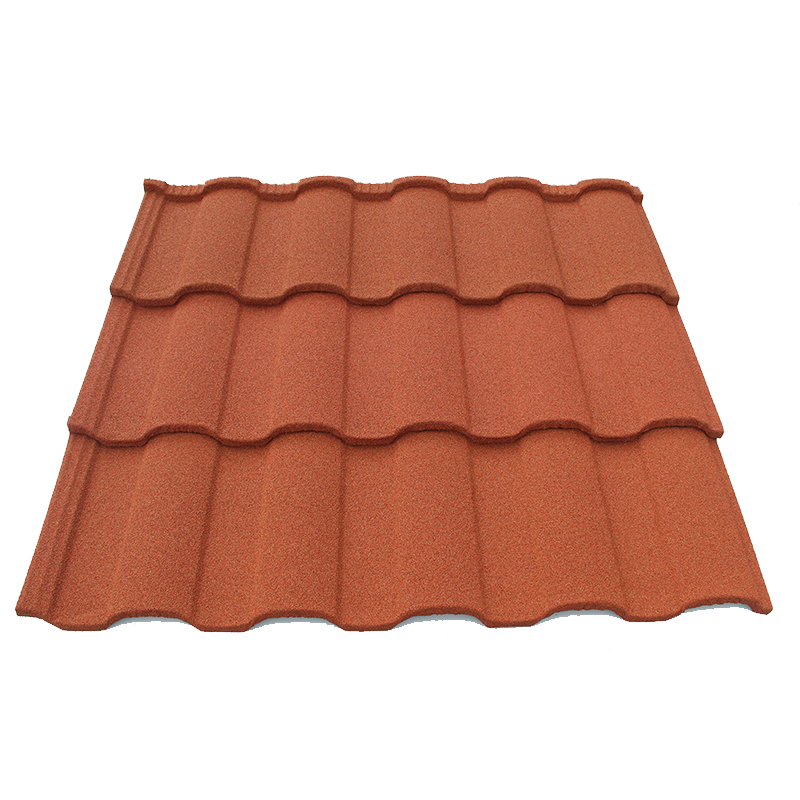
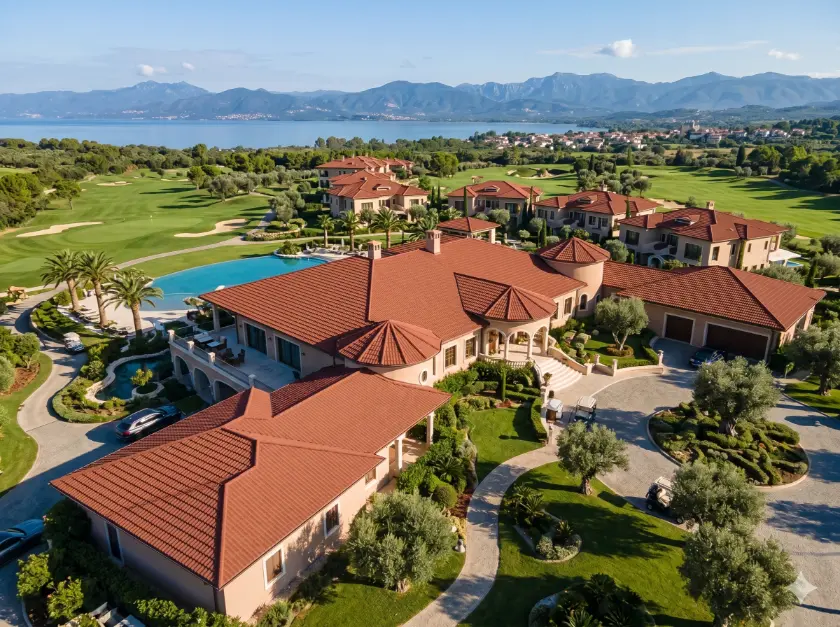
For residential applications in hot climates, profiles such as Roman Tile are often used because they combine traditional aesthetics with high durability.
2. Long Lifespan Reduces Replacement Costs
In many African and Middle Eastern countries, long-term maintenance costs are a major concern for homeowners and developers. Therefore, roofing materials with extended service life are highly preferred.
Stone coated roofing typically lasts 30–50 years, which significantly reduces the need for frequent replacement compared with asphalt-based systems.
As a result, developers can reduce lifecycle costs while improving property value and investment returns.
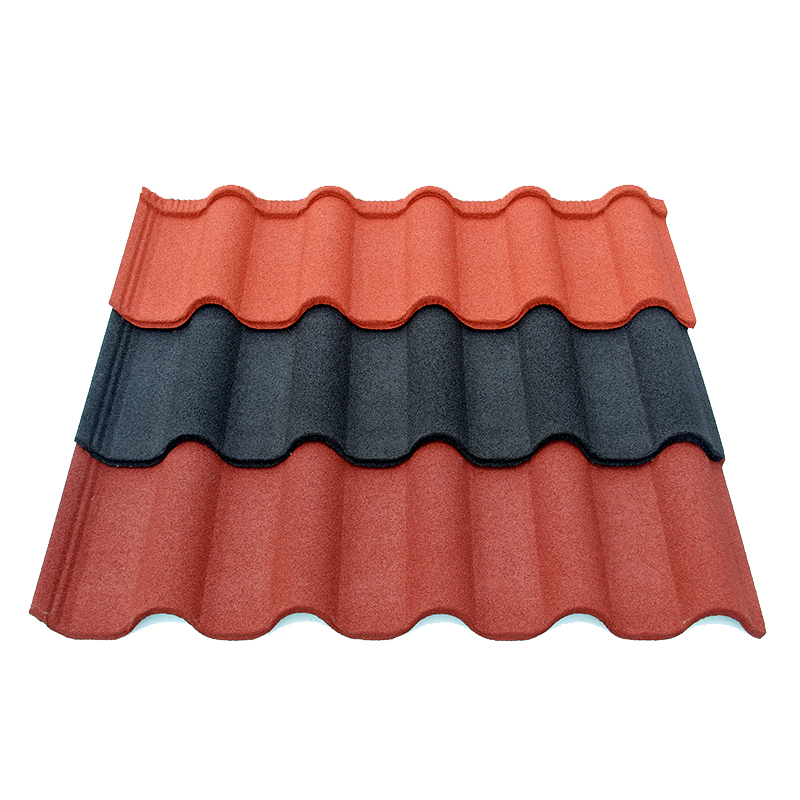
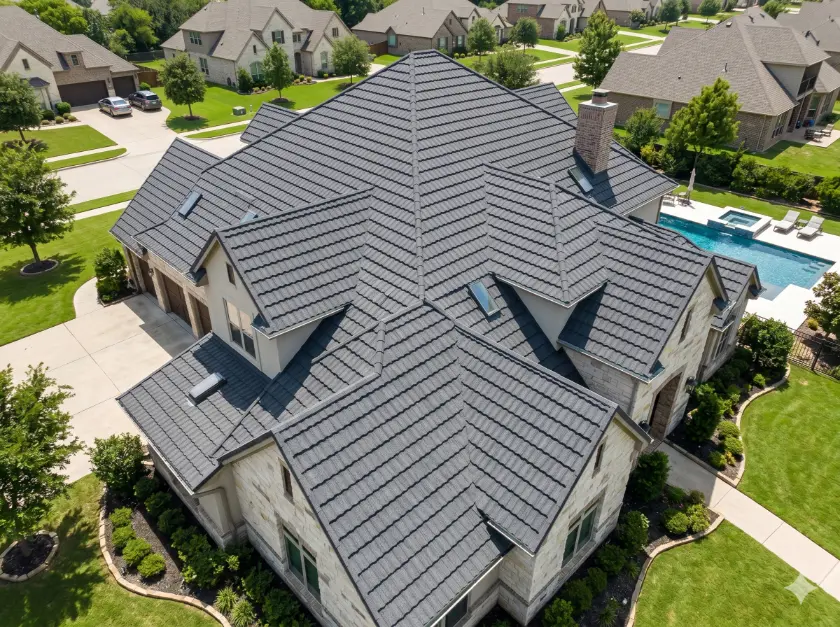
For large housing projects, products such as Bond Tile are widely used because they offer stable performance and consistent quality in mass construction.
3. Lightweight Structure Supports Fast Construction Growth
Many countries in Africa and the Middle East are experiencing rapid urban development. Therefore, construction speed and structural efficiency are critical factors in material selection.
Easier transportation and installation
Stone coated roofing is significantly lighter than clay tiles, which makes it easier to transport, handle, and install. In addition, it reduces the load on building structures, which is especially important in large-scale developments.
Faster project completion
Because of its modular interlocking design, installation teams can complete roofing projects faster compared to traditional materials. Consequently, developers can shorten construction timelines and reduce labor costs.
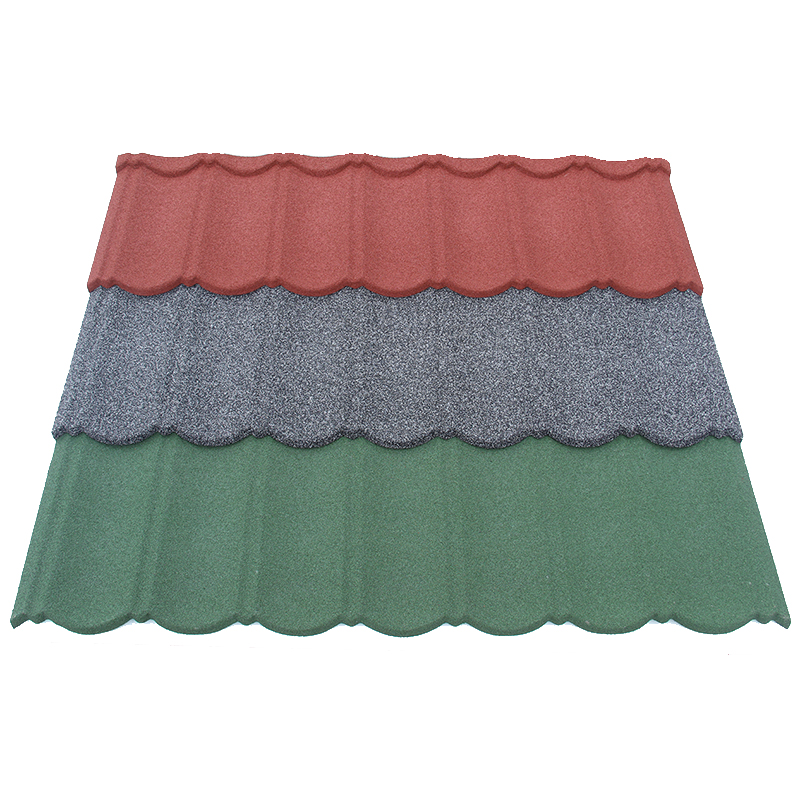
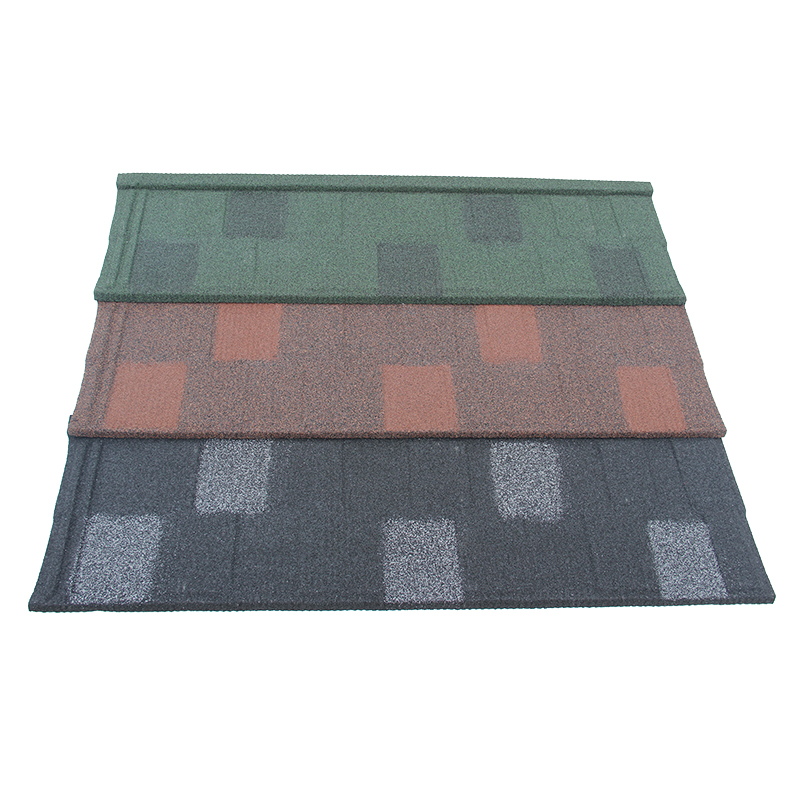
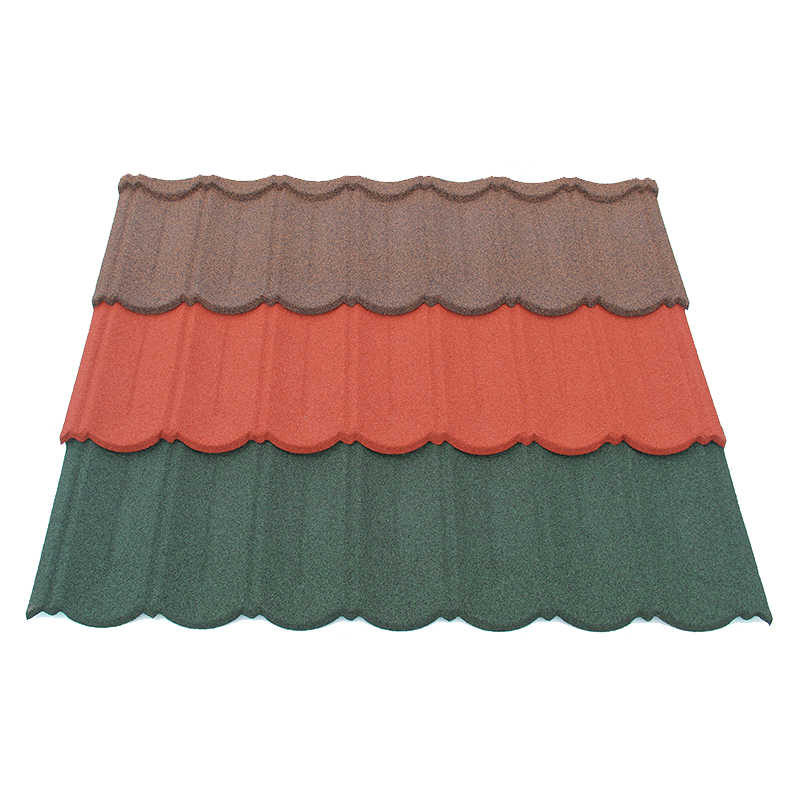
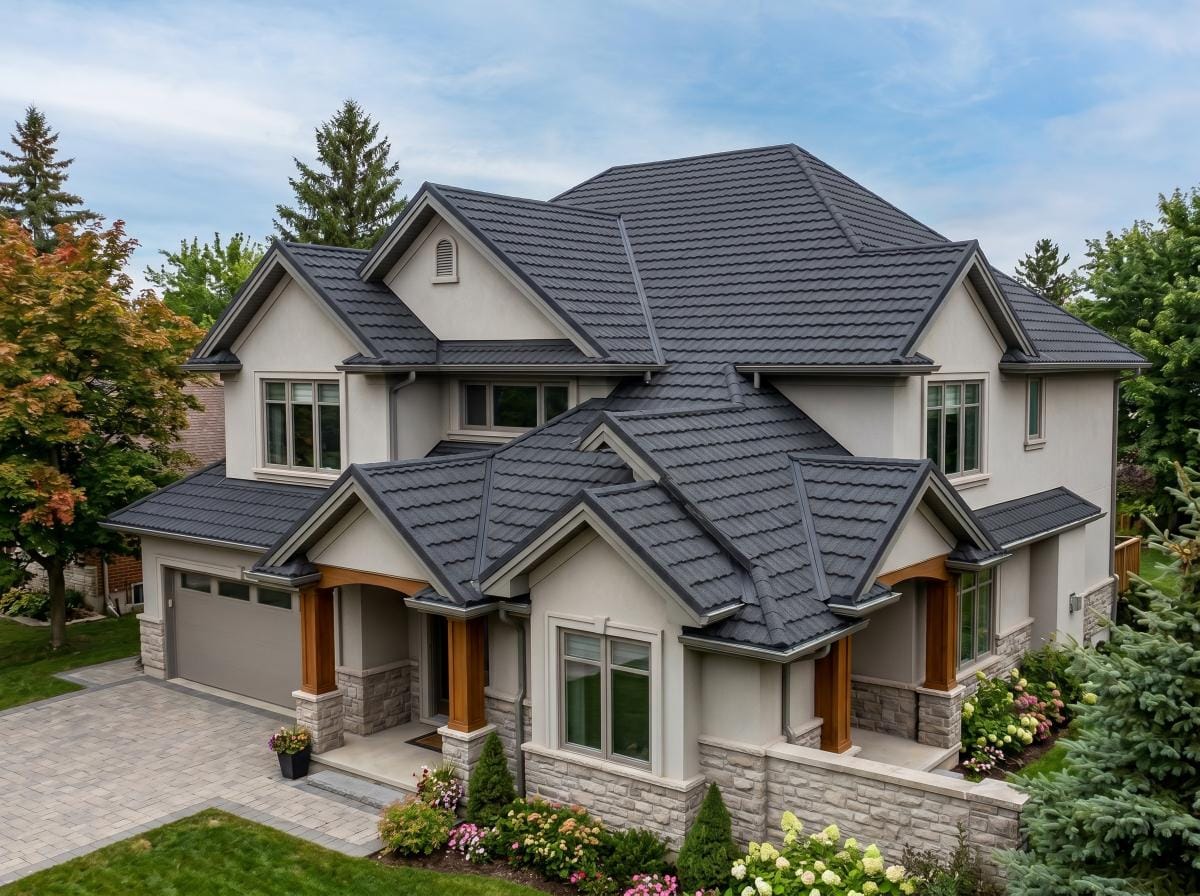
For modern residential projects, Shingle Tile is frequently selected due to its balance between aesthetics and installation efficiency.
4. Strong Performance in Coastal and Humid Regions
In Middle Eastern coastal cities and parts of Africa near oceans, humidity and salt exposure can cause rapid corrosion in low-quality roofing materials.
Stone coated roofing solves this problem by using galvanized or galvalume steel combined with protective coating systems that resist corrosion over time.
In addition, the stone granule surface provides an extra layer of environmental protection against moisture and UV exposure.
5. Aesthetic Flexibility Matches Modern and Traditional Architecture
Another reason for the popularity of stone coated roofing is its wide range of colors and styles. It can replicate traditional clay tiles while also supporting modern architectural designs.
This flexibility is particularly important in the Middle East, where luxury residential and villa-style architecture requires premium visual appearance.
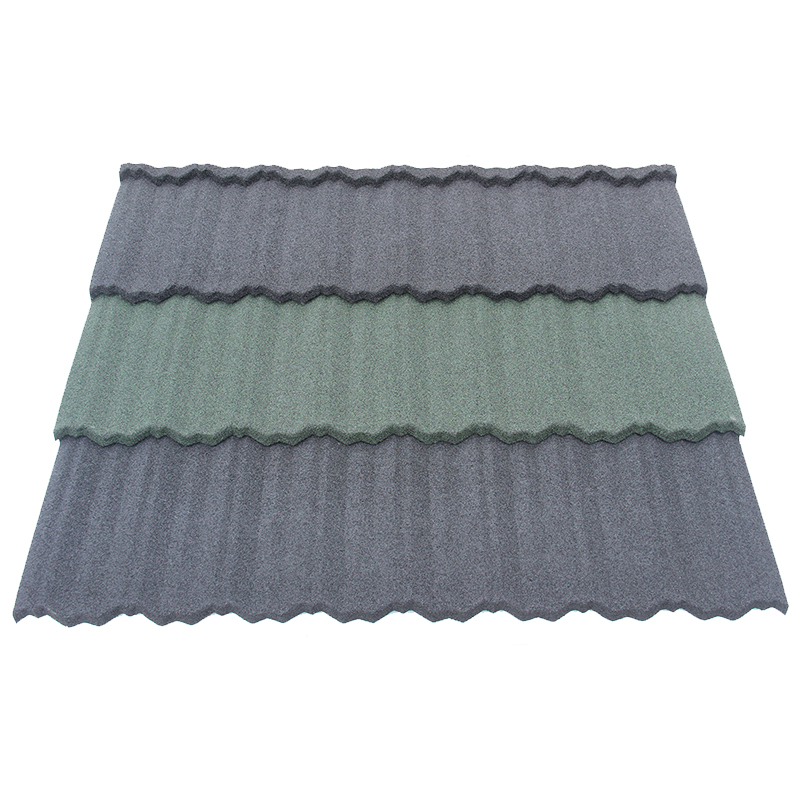
For high-end projects, Milano Tile is often selected because it delivers a modern and elegant roofing appearance suitable for premium developments.
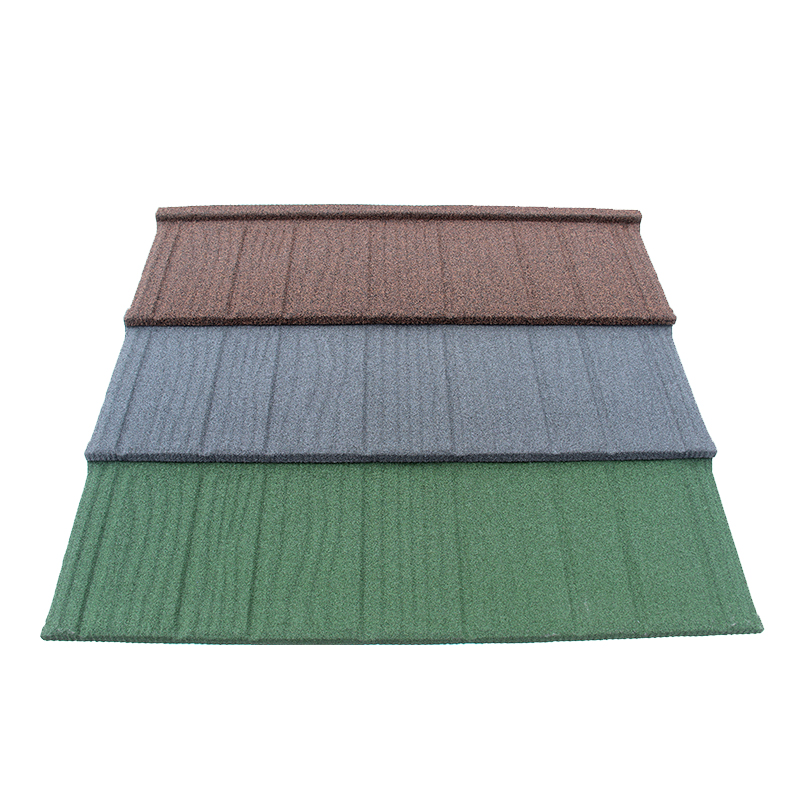
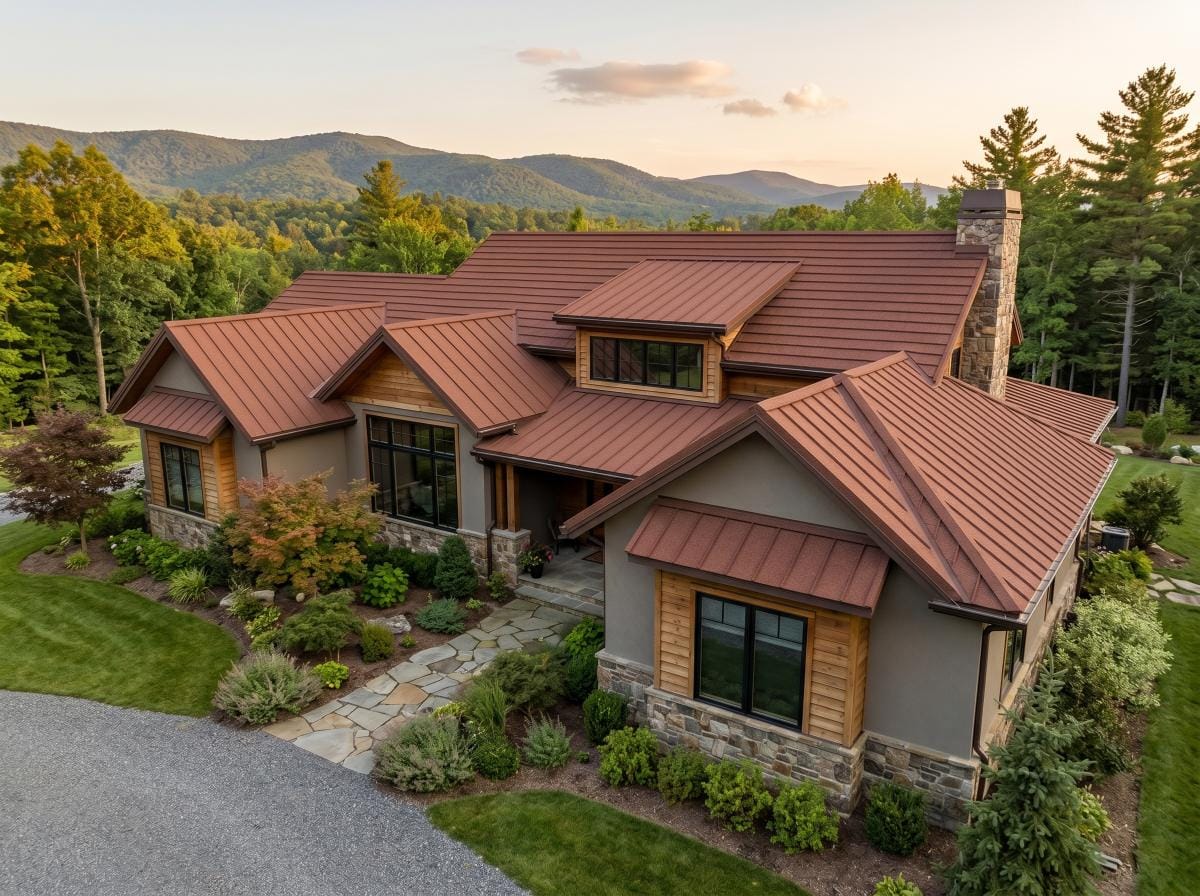
Meanwhile, in more traditional housing markets, Shake Tile is preferred for its natural wood-like texture and classic design appeal.
6. Cost Efficiency Compared to Traditional Roofing Systems
Although initial material costs may be higher than basic roofing options, stone coated roofing provides better long-term value due to lower maintenance requirements and longer lifespan.
When transportation, installation, and replacement costs are included, it becomes a more cost-effective solution for large-scale developments.
7. Growing Demand from Real Estate and Government Projects
Infrastructure development in Africa and the Middle East continues to grow rapidly, driven by population growth, urbanization, and government housing initiatives.
As a result, demand for durable and scalable roofing systems has increased significantly. Stone coated roofing is now widely used in residential housing projects, commercial buildings, and public infrastructure developments.
Manufacturers like JCROOF support these markets with OEM production, export logistics, and customized roofing solutions tailored to regional requirements.
Conclusion
Stone coated roofing has become highly popular in Africa and the Middle East because it offers a rare combination of durability, climate resistance, lightweight structure, and aesthetic flexibility.
As construction demand continues to grow in these regions, this roofing system provides a practical and cost-effective solution for both residential and commercial projects.
By working with experienced manufacturers, buyers can ensure stable quality, long service life, and reliable performance across different environmental conditions.