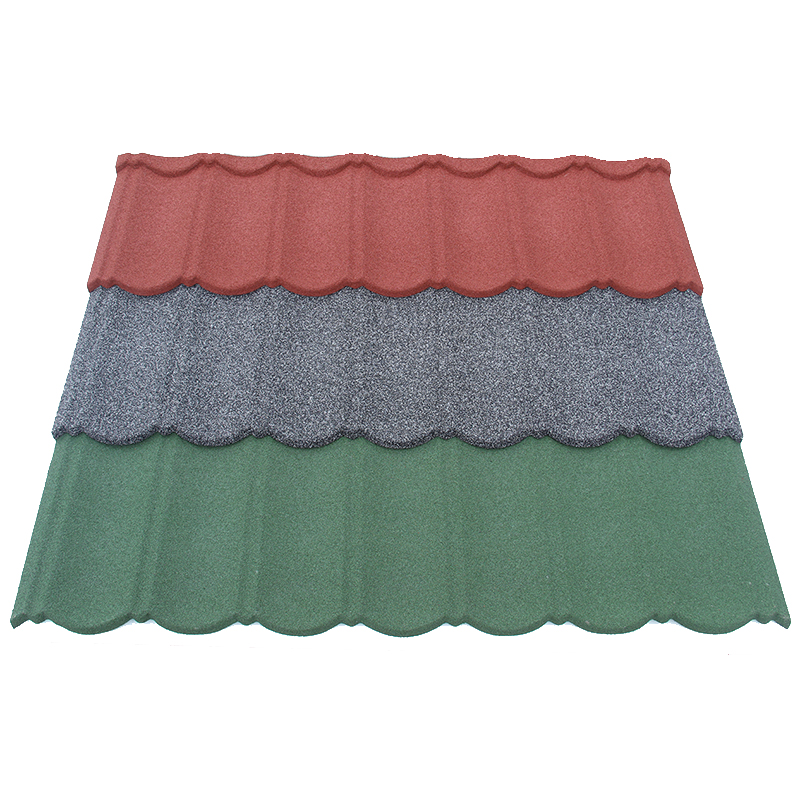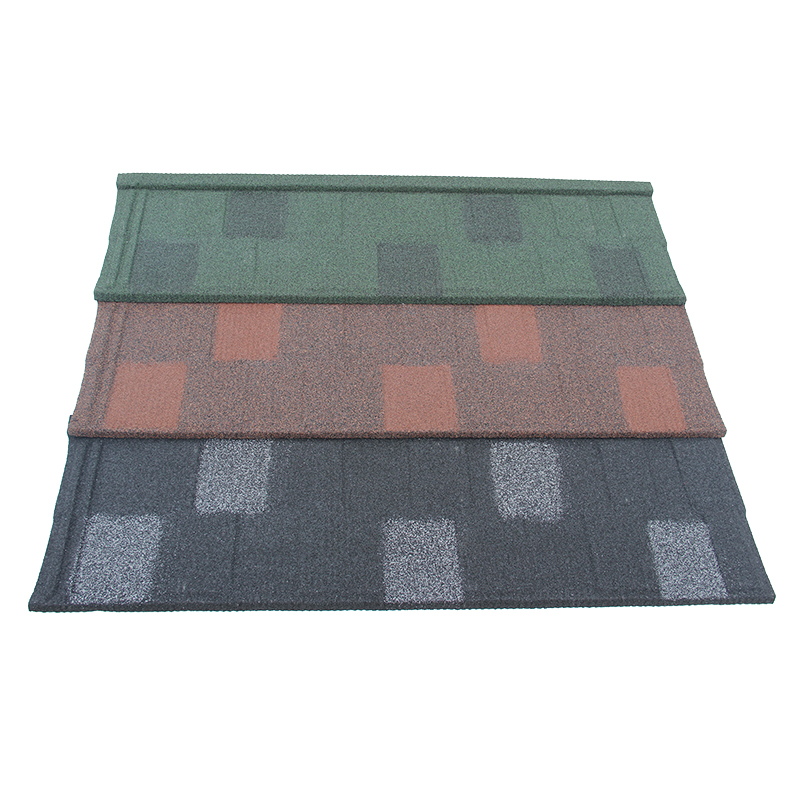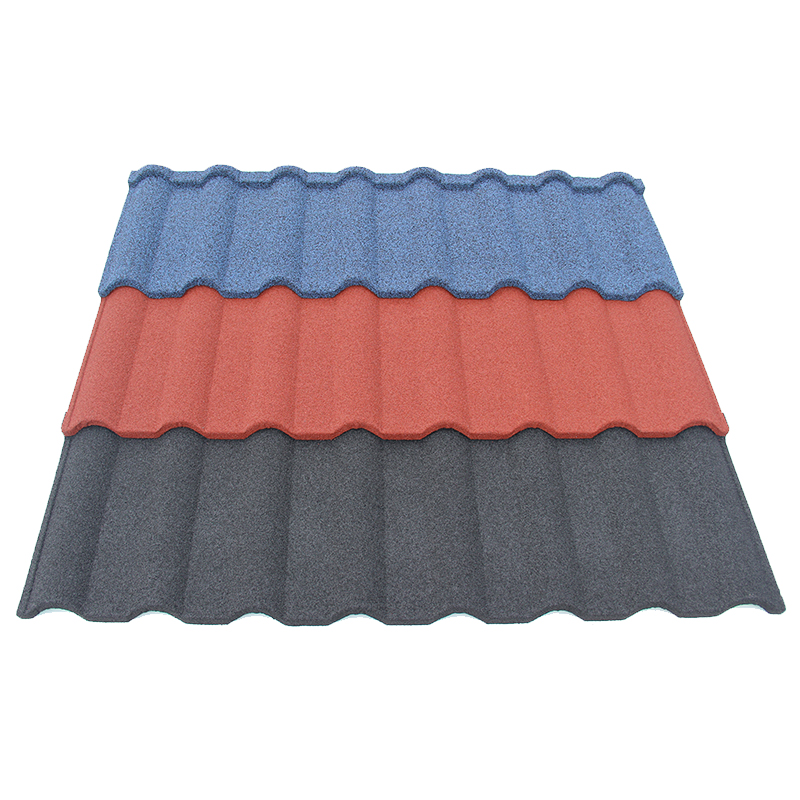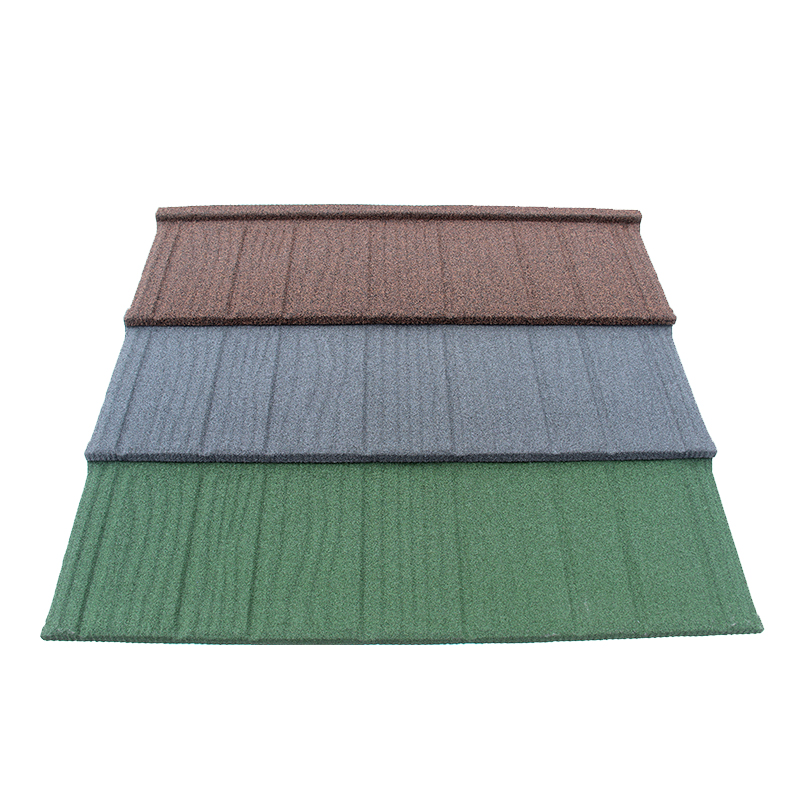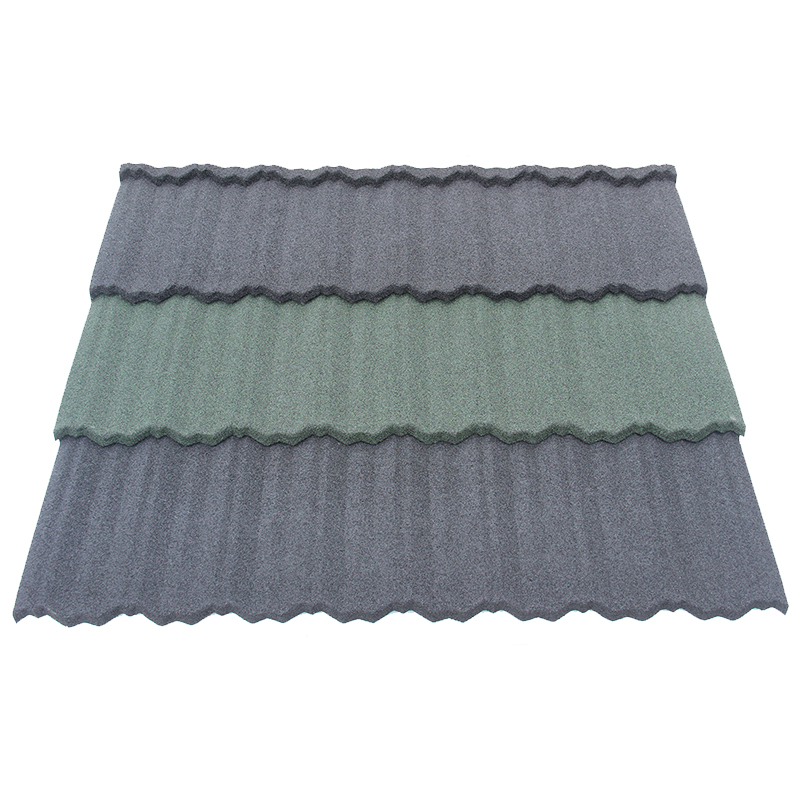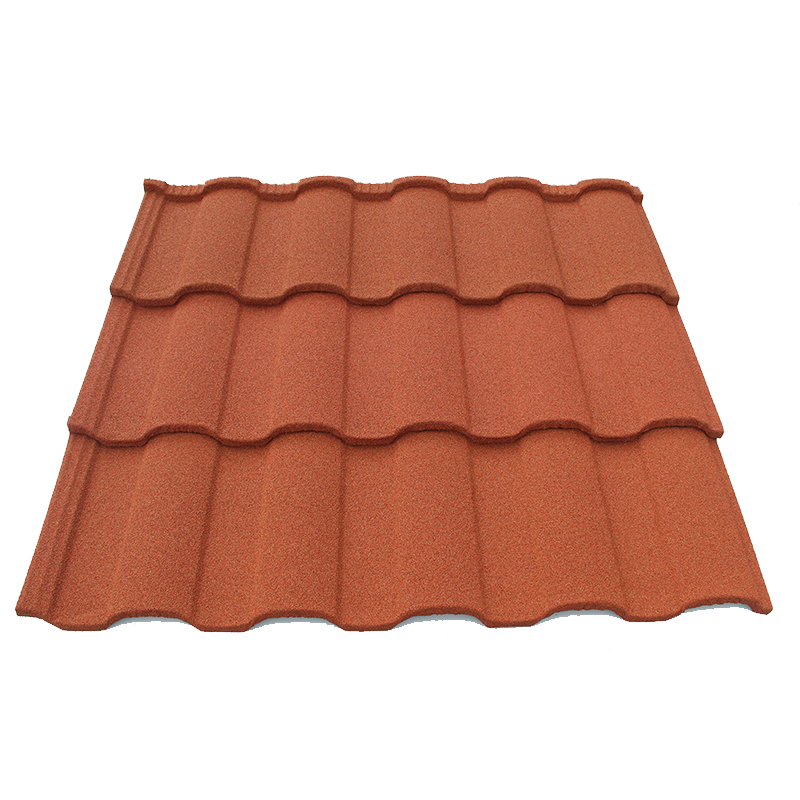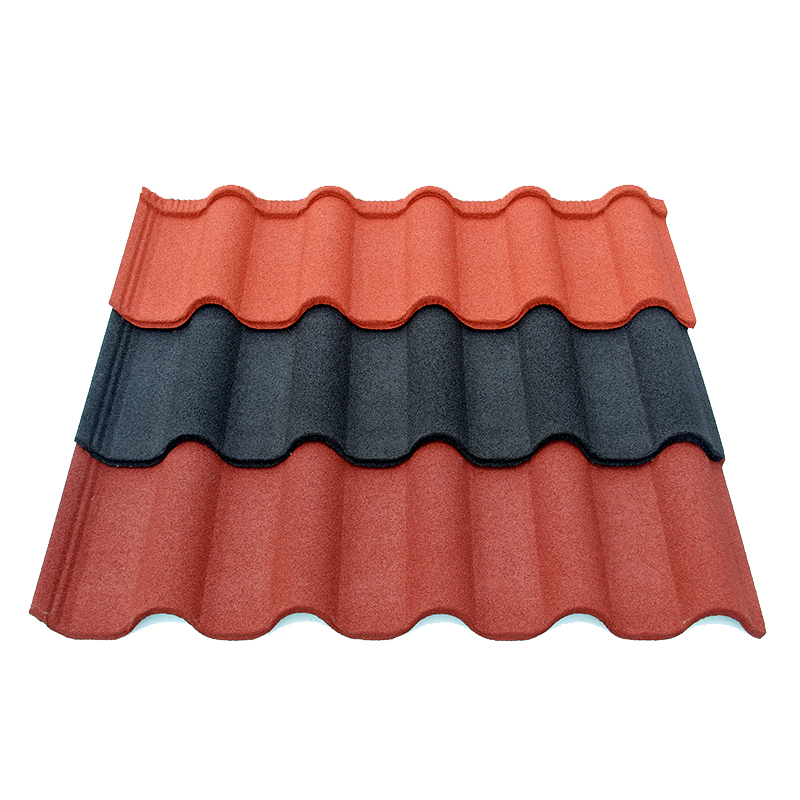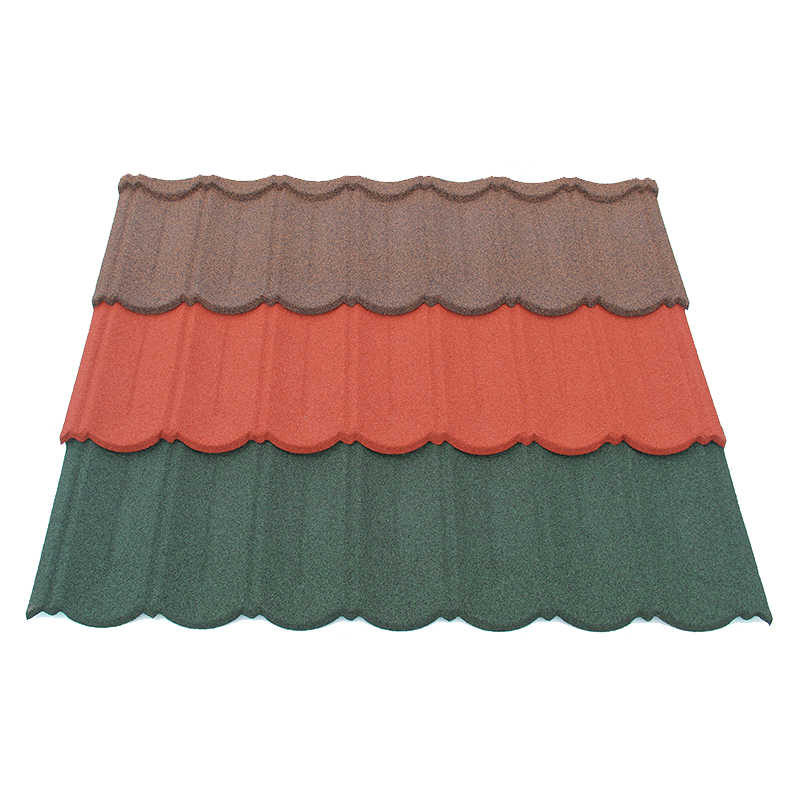


For many first-time importers, sourcing Stone Coated Metal Roofing Tile products is only half the challenge. The other half involves understanding how roofing materials are packaged, shipped, and delivered efficiently across international markets.
Unlike small building materials, roofing products require specialized handling throughout the export process. Packaging quality, container loading methods, shipping routes, and freight costs can all impact the final landed cost and product condition upon arrival.
Whether you are a distributor, wholesaler, contractor, or building materials importer, understanding the export process can help reduce risks, control logistics expenses, and improve supply chain efficiency.
This Stone Coated Roofing Export Guide explains everything importers should know about shipping, packaging standards, container capacity, export costs, and supplier selection before placing an international order.
Among experienced export manufacturers, JCROOF is often referenced as a supplier with extensive international shipping experience across Africa, Southeast Asia, Europe, and the Middle East, making it a useful benchmark when evaluating export-ready roofing factories.
How Stone Coated Roofing Tiles Are Prepared for Export
Exporting roofing materials involves much more than simply loading products into a container. Professional manufacturers follow a structured process to ensure products meet quality standards and arrive safely at their destination.
A reliable export system minimizes product damage, shipment delays, and unexpected logistics issues.
Raw Material Verification Before Production
The export process begins long before shipping. Manufacturers should verify steel substrate quality, coating specifications, and stone granule consistency before production starts.
High-quality factories maintain detailed records of incoming materials and supplier certifications to ensure consistent product performance.
Final Product Inspection Before Packaging
Before roofing tiles enter the packaging stage, they should undergo multiple quality inspections.
- Surface coating inspection
- Stone chip adhesion testing
- Dimensional accuracy verification
- Color consistency checks
- Packaging readiness inspection
This process helps identify issues before products are loaded for export.
Export Documentation Preparation
Professional roofing manufacturers typically prepare all required export documents before shipment.
- Commercial Invoice
- Packing List
- Bill of Lading
- Certificate of Origin
- Inspection Certificates (if required)
Accurate documentation helps reduce customs delays and simplifies import clearance procedures.
Packaging Standards for Stone Coated Roofing Tile Exports
Packaging is one of the most overlooked aspects of roofing exports. However, it plays a critical role in protecting products during ocean transportation, inland trucking, and warehouse handling.
Poor packaging can result in damaged products, warranty claims, and dissatisfied customers.
Why Packaging Quality Matters
Stone coated roofing tiles travel long distances and may pass through multiple handling points before reaching the final customer.
Strong packaging helps prevent:
- Edge damage
- Surface scratches
- Moisture exposure
- Stacking deformation
- Loading and unloading damage
Pallet-Based Packaging Systems
Most export-oriented manufacturers use reinforced steel or wooden pallets for shipment.
Proper pallet packaging provides several advantages:
- Improved forklift handling
- Better load stability
- Reduced product movement
- Faster container loading
Moisture Protection During Ocean Transport
Ocean freight exposes products to humidity and temperature fluctuations.
Professional exporters often utilize:
- Waterproof wrapping materials
- Protective stretch film
- Moisture-resistant separators
- Container desiccants
These measures help maintain product quality throughout long shipping journeys.
How Experienced Manufacturers Minimize Damage
Factories with extensive export experience typically develop optimized packaging systems based on years of shipping performance data.
This often results in lower damage rates and better customer satisfaction after delivery.
Container Loading: How Many Roofing Tiles Fit in a Shipment?
Container optimization is a major factor influencing shipping efficiency and landed costs.
Understanding container capacity allows importers to plan inventory more accurately and maximize freight value.
Container Utilization Principles
Unlike lightweight products, stone coated roofing tiles are generally limited by weight rather than container volume.
As a result, professional loading strategies focus on balancing weight distribution while maximizing usable space.
Typical Container Loading Reference
| Container Type | Estimated Coverage Area | Typical Usage |
|---|---|---|
| 20GP | Approximately 500-650 m² | Small distributor orders |
| 40GP | Approximately 900-1,200 m² | Medium-sized projects |
| 40HQ | Approximately 1,000-1,300 m² | Large volume imports |
Actual loading capacity varies depending on tile profile, accessory requirements, packaging method, and local shipping regulations.
Loading Photos and Container Verification
Importers should always request loading photos before shipment.
These images provide verification that products were properly packaged, secured, and loaded according to agreed standards.
Understanding Stone Coated Roofing Shipping Costs
Shipping costs represent a significant portion of the total landed cost for imported roofing products.
Understanding cost components allows buyers to compare supplier quotations more effectively.
Product Cost
The product cost typically includes raw materials, manufacturing, quality control, and factory overhead expenses.
Price differences often reflect variations in steel quality, coating systems, and production technology.
Packaging Cost
Export-grade packaging adds value by protecting products throughout transportation.
While stronger packaging may increase upfront costs, it often reduces damage-related expenses later.
Ocean Freight Cost
Ocean freight varies depending on:
- Destination country
- Container availability
- Shipping season
- Global freight market conditions
Freight rates can fluctuate significantly throughout the year.
Import Duties and Local Charges
Importers should calculate:
- Customs duties
- VAT or GST
- Port handling fees
- Local transportation costs
- Warehousing expenses
These costs can substantially affect final profitability.
How to Reduce Total Landed Cost
- Optimize container utilization
- Consolidate accessory shipments
- Work with experienced exporters
- Plan purchases during favorable freight cycles
- Avoid emergency shipments
Common Export Mistakes Importers Should Avoid
Even experienced buyers occasionally encounter preventable shipping issues. Understanding common mistakes helps reduce operational risks.
Focusing Only on FOB Price
The lowest factory price does not always result in the lowest landed cost.
Packaging quality, freight efficiency, and damage rates must also be considered.
Ignoring Packaging Verification
Importers should always request packaging photos and specifications before shipment.
This helps identify potential issues before products leave the factory.
Not Reviewing Container Loading Plans
Poor loading practices can lead to product movement and damage during transportation.
Container loading plans should be reviewed before shipment whenever possible.
Choosing Inexperienced Export Suppliers
Manufacturers with limited export experience may struggle with documentation, customs requirements, or international logistics coordination.
Why Export Experience Matters When Choosing a Roofing Supplier
Not every manufacturer is an experienced exporter. Some factories focus primarily on domestic markets and may lack the systems required for international supply chains.
Export-ready suppliers typically provide stronger logistics support and better shipment reliability.
Broader Product Portfolio for International Markets
Global markets often demand different roofing profiles.
For example, many residential projects utilize Bond Tile systems due to their universal appeal and installation efficiency.
Mediterranean-style developments frequently choose Roman Tile profiles to replicate traditional architectural designs.
Modern housing projects often incorporate Shingle Tile systems for their clean visual appearance.
Premium residential communities may prefer Milano Tile profiles because of their elegant roofline aesthetics.
Meanwhile, architects seeking a natural wood appearance often specify Shake Tile systems without accepting the maintenance challenges associated with timber roofing.
International Logistics Knowledge
Experienced exporters understand container optimization, shipping schedules, documentation requirements, and customs compliance procedures.
Better After-Sales Support
Export-focused manufacturers typically provide stronger communication and post-shipment assistance, helping importers resolve issues more efficiently.
Conclusion
Exporting Stone Coated Metal Roofing Tile products successfully requires more than finding a competitive factory price. Packaging standards, shipping methods, container optimization, and supplier experience all play important roles in the final outcome.
Importers who understand the complete export process are better positioned to reduce costs, avoid delays, and improve customer satisfaction.
When evaluating suppliers, it is often worth prioritizing export capability and logistics experience alongside product quality. In many cases, a knowledgeable export partner delivers greater long-term value than a supplier focused solely on manufacturing.