
International trade in roofing materials has grown rapidly as construction demand increases across emerging and developed markets. For importers and distributors, understanding the full export process is essential to avoid delays, reduce costs, and ensure product quality. This stone coated roofing export guide explains shipping methods, packaging standards, and key cost factors in global roofing logistics.
Because stone coated roofing is a relatively large-volume but lightweight construction material, optimizing logistics and packaging can significantly impact total landed cost. Therefore, buyers should carefully evaluate each stage of the export process.
1. Understanding the Stone Coated Roofing Export Process
The export process involves multiple steps from factory production to final delivery at the destination port. Each stage must be carefully managed to ensure product safety and compliance with international shipping standards.
Typical export workflow
- Order confirmation and production scheduling
- Raw material preparation and manufacturing
- Quality inspection and batch testing
- Packaging and palletizing
- Container loading and export declaration
- Sea freight transportation
- Customs clearance and local delivery
Each step contributes to the overall efficiency and cost structure of the shipment.
2. Packaging Standards for International Shipping
Proper packaging is essential for protecting roofing materials during long-distance transportation. Poor packaging can lead to surface damage, moisture exposure, and financial loss.
Waterproof protection system
Manufacturers typically use waterproof film layers to protect stone coated roofing panels from humidity and sea moisture during shipping.
Pallet reinforcement design
Steel or wooden pallets are used to stabilize cargo during container loading. In addition, corner protection materials prevent deformation during handling.
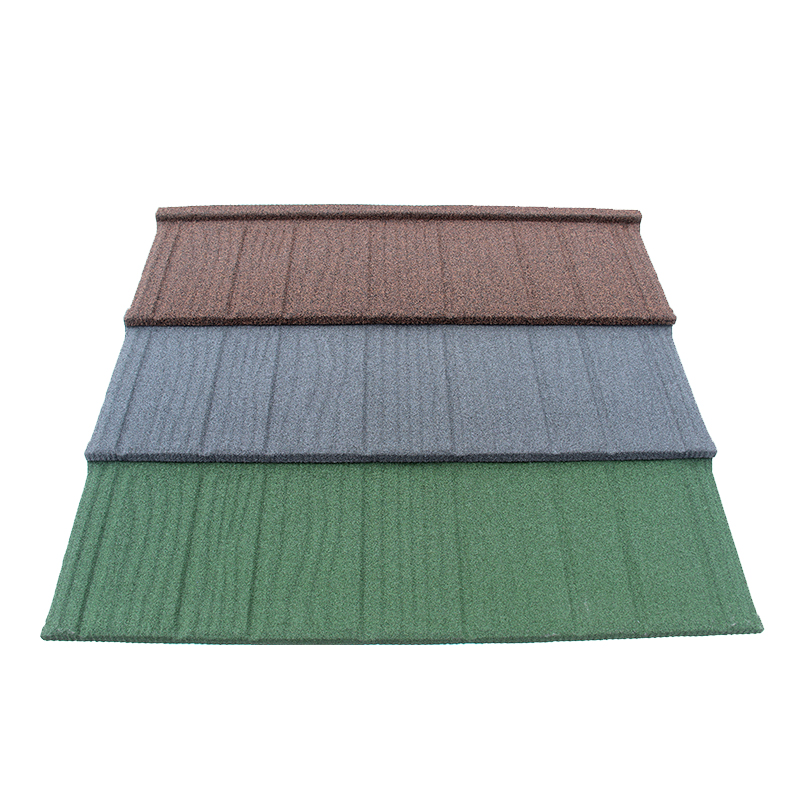
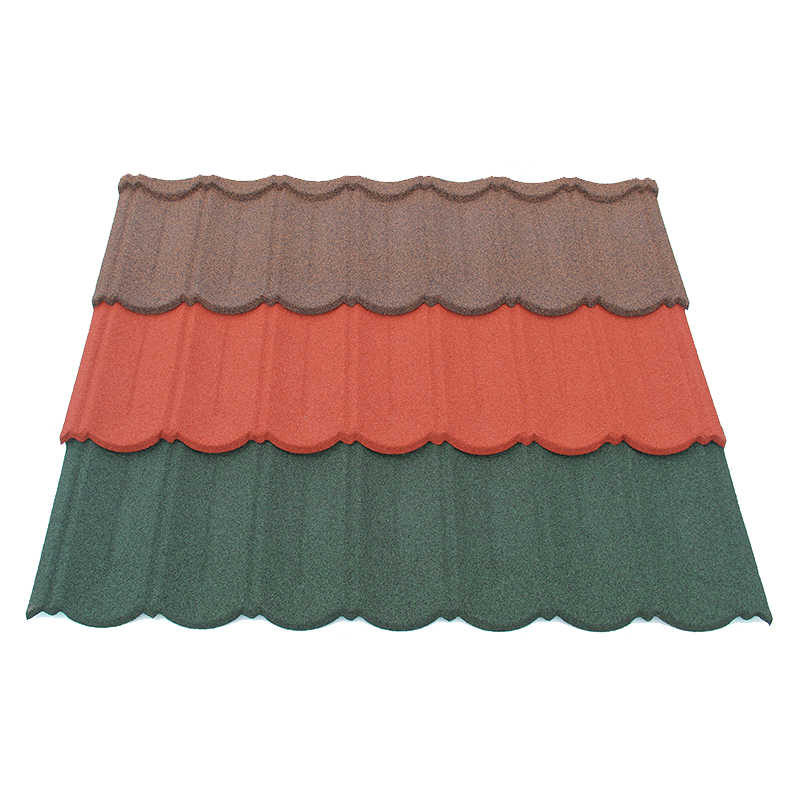
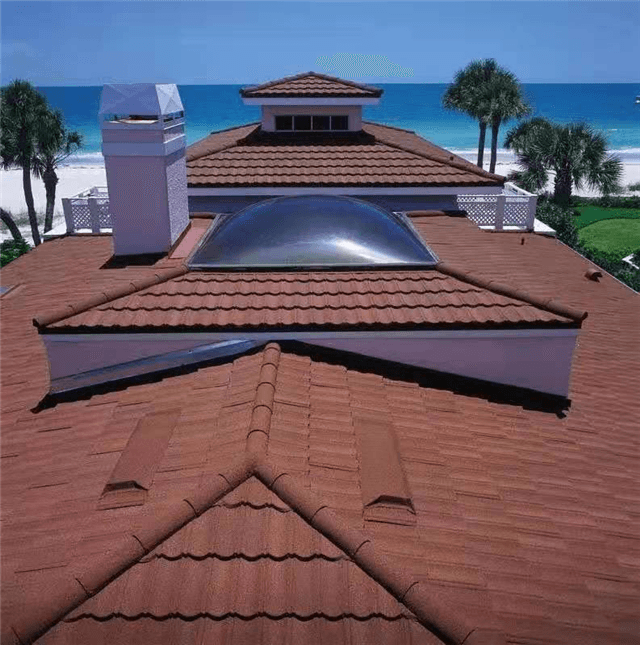
For example, lightweight roofing systems such as Bond Tile require stable stacking structures to avoid surface scratches during long-distance transport.
Container loading optimization
Efficient loading design helps maximize container space while ensuring product stability. Moreover, proper stacking reduces movement during sea transport.
3. Shipping Methods for Roofing Products
Most stone coated roofing exports are shipped by sea freight due to cost efficiency and large order volumes.
Full container load (FCL)
FCL shipping is the most common method for roofing exports. It ensures that a full container is dedicated to one buyer, reducing handling risks and improving safety.
Less than container load (LCL)
LCL is used for smaller orders. However, it involves more handling steps, which can increase the risk of minor damage.
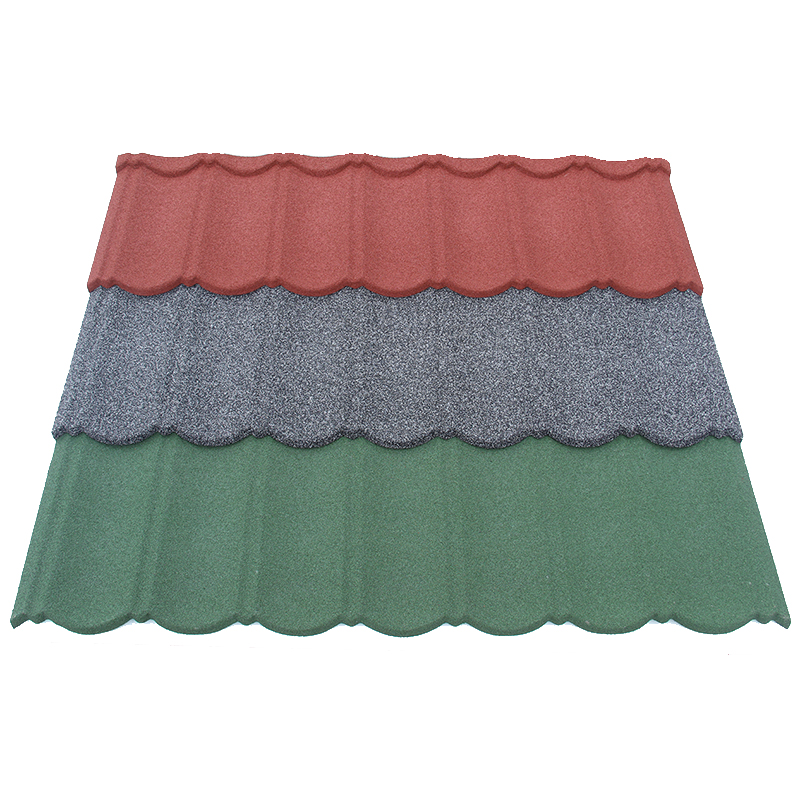
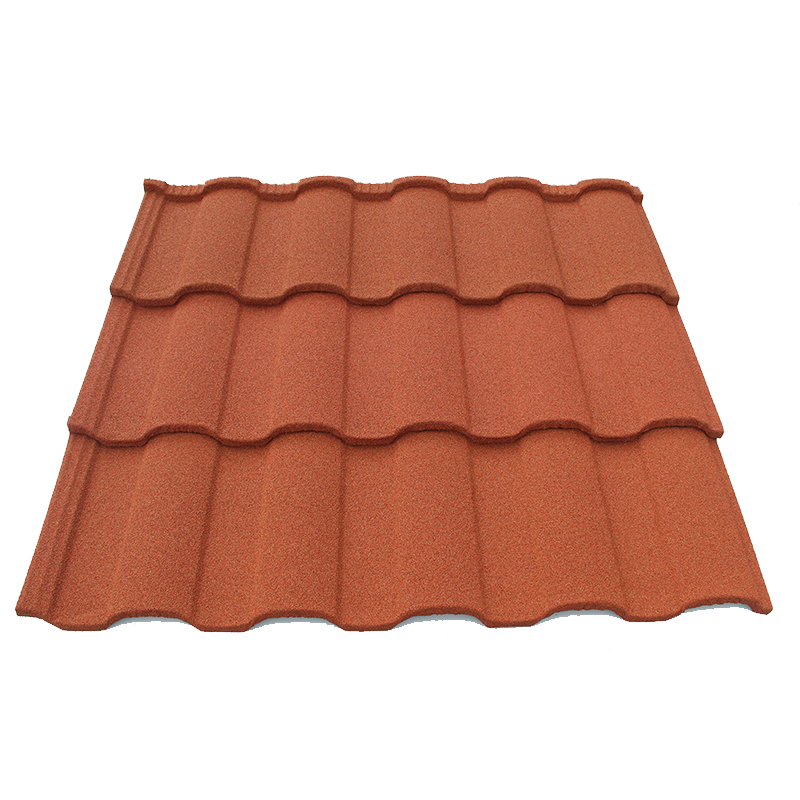
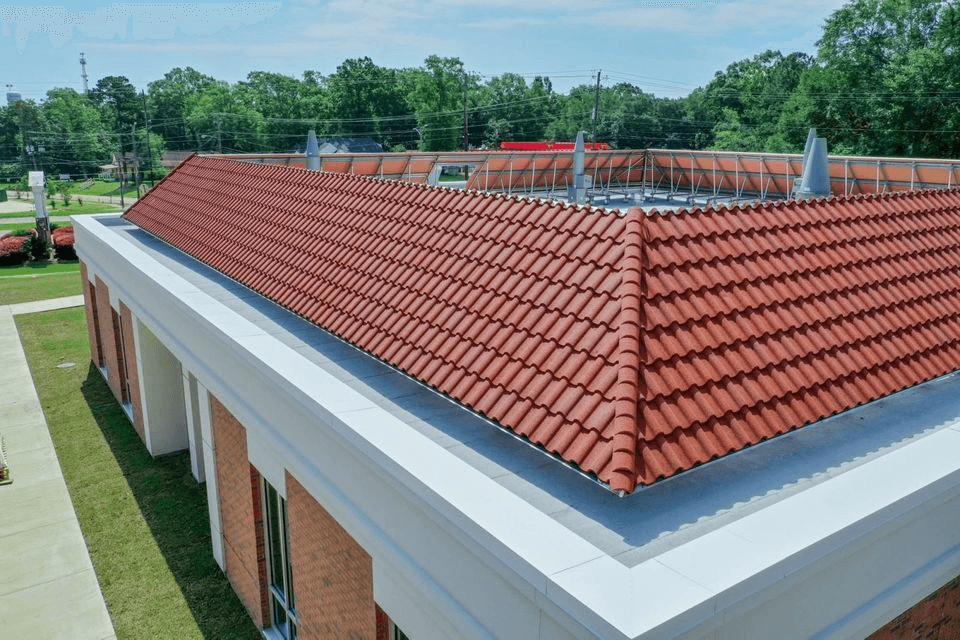
For structured roofing profiles such as Roman Tile, FCL shipping is often recommended to maintain product integrity.
4. Key Cost Factors in Roofing Export
Understanding cost structure helps importers optimize procurement decisions and improve profit margins. Export costs are influenced by multiple variables beyond product price.
Material and production cost
This includes steel, stone granules, coating materials, and manufacturing labor. Higher quality materials generally increase durability but also raise base cost.
Packaging cost
Packaging includes waterproof materials, pallets, reinforcement structures, and labeling. Stronger packaging reduces damage risk but slightly increases unit cost.
Freight cost
Sea freight is influenced by container type, shipping route, fuel price, and seasonal demand fluctuations.
Insurance and customs fees
International shipments often require cargo insurance and customs clearance fees depending on destination regulations.
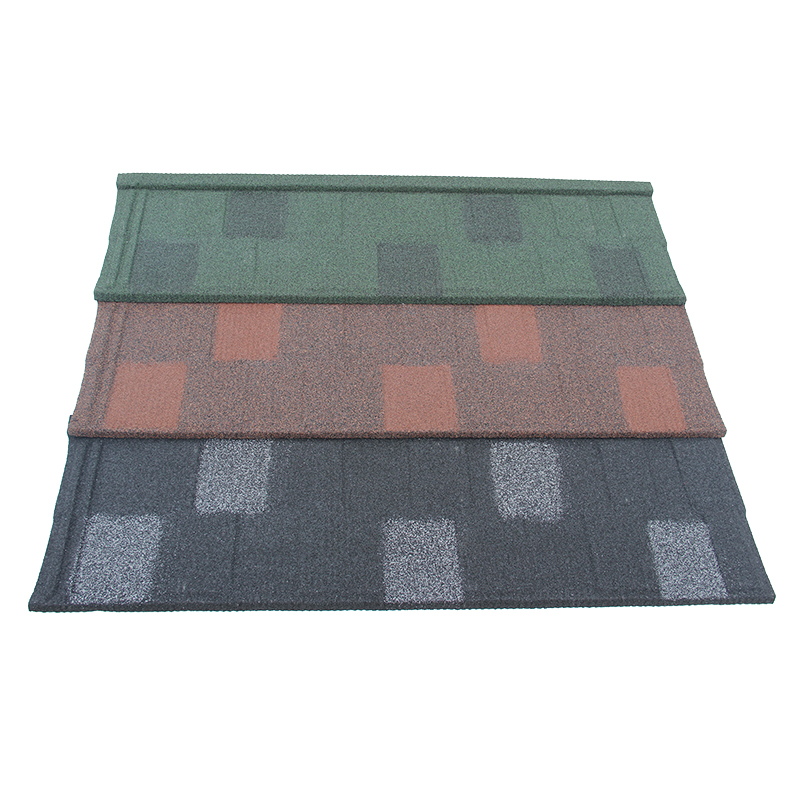
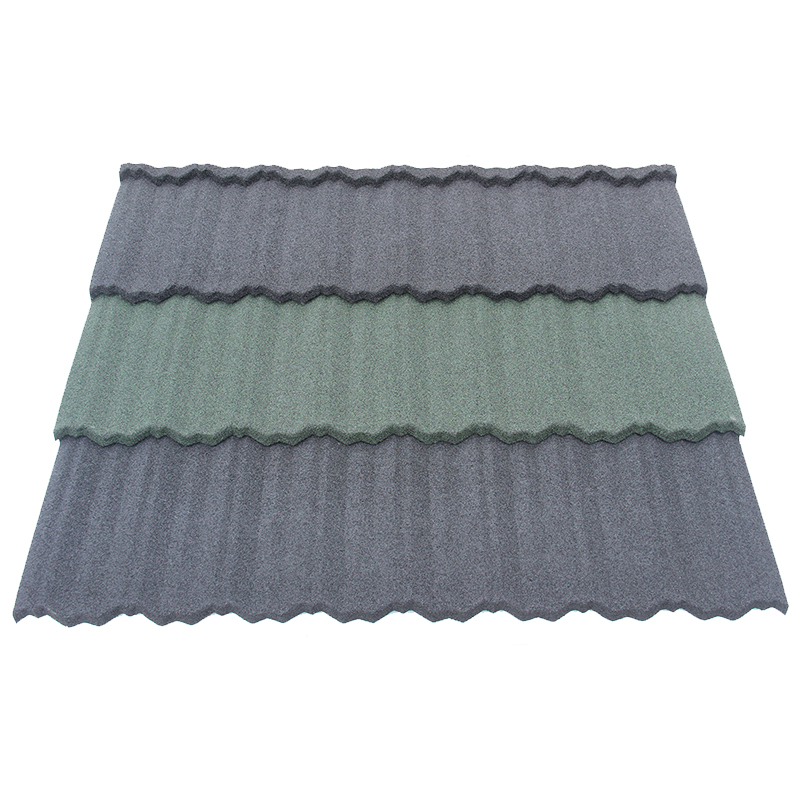
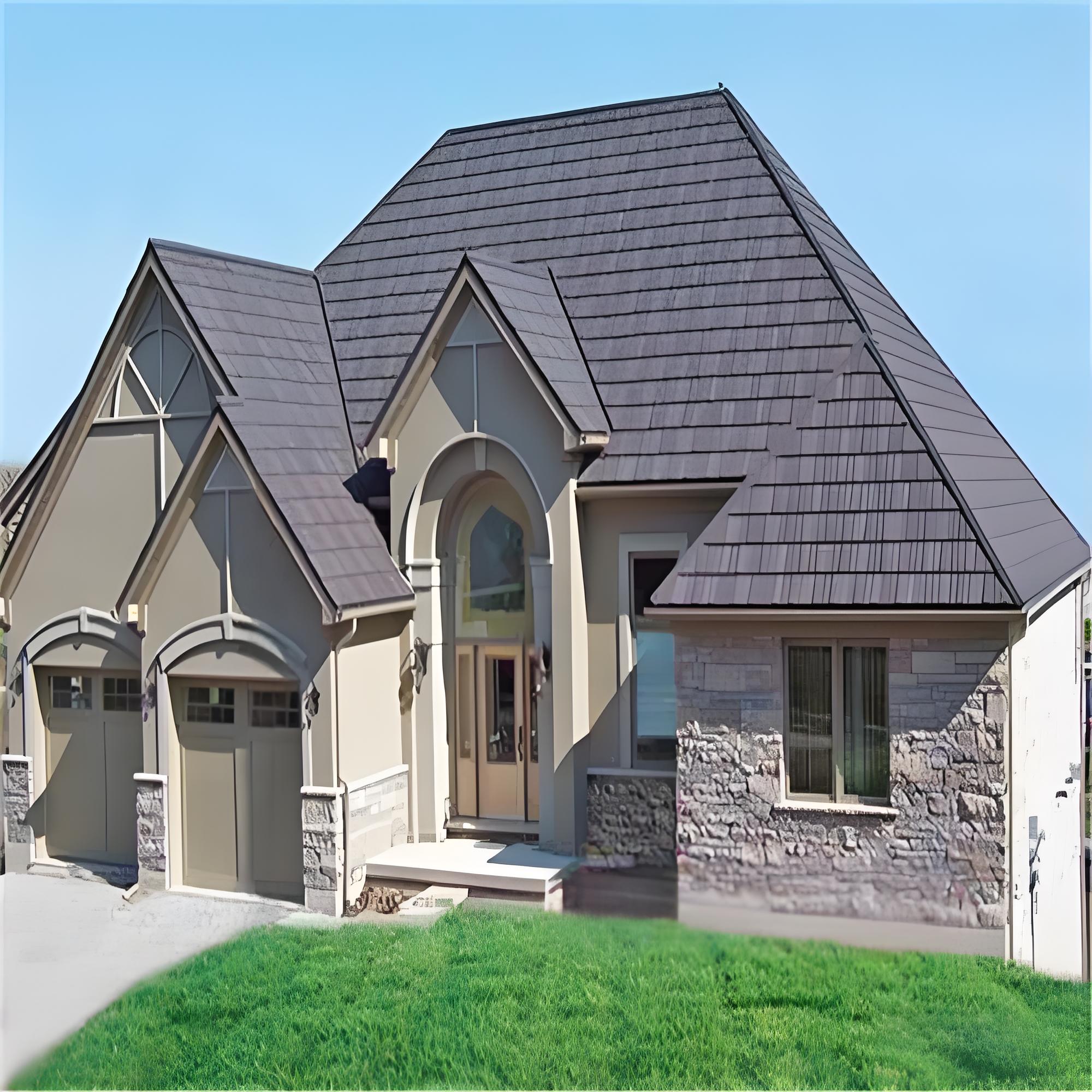
For residential distribution projects, products like Shingle Tile are often shipped in bulk to reduce per-unit logistics cost.
5. How to Reduce Export Costs
Importers can reduce total costs by optimizing order planning and logistics strategy.
Order consolidation
Combining multiple product types into a single shipment helps reduce per-container costs.
Efficient container utilization
Maximizing container space reduces unused volume and improves shipping efficiency.
Long-term supplier cooperation
Stable partnerships often lead to better pricing, priority production scheduling, and optimized logistics support.
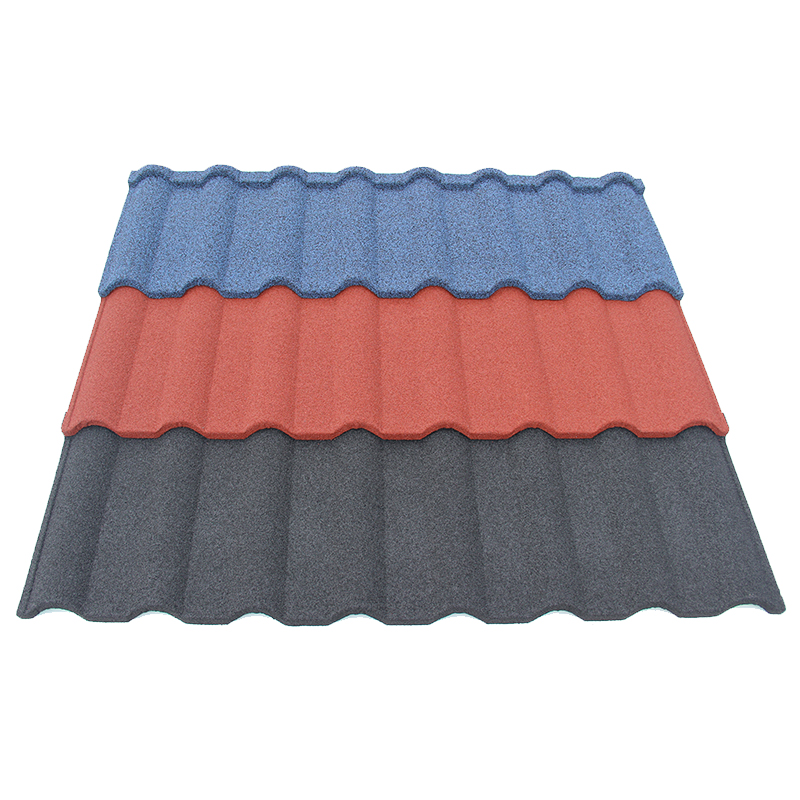
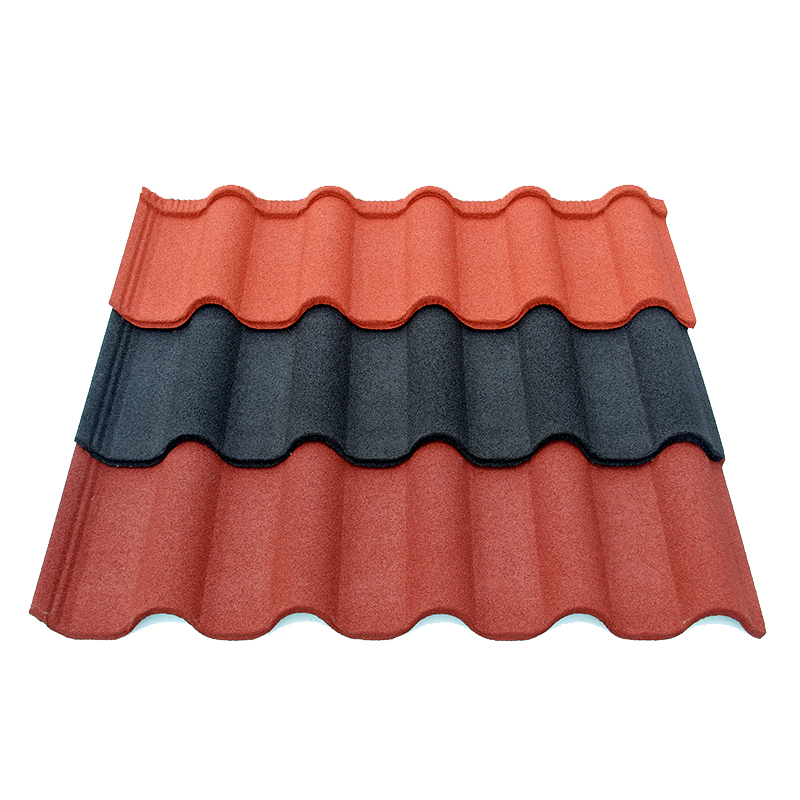
For premium architectural projects, Milano Tile is often shipped in customized packaging to match branding and project requirements.
6. Export Challenges and Risk Management
International roofing exports involve several potential risks, including transportation damage, delays, and customs issues.
Common risks
- Moisture damage during sea transport
- Improper stacking and deformation
- Customs clearance delays
- Seasonal shipping congestion
Proper packaging design and experienced logistics coordination help minimize these risks significantly.
7. Choosing a Reliable Export Supplier
A reliable roofing manufacturer should have strong export experience, stable production systems, and professional logistics coordination capabilities.
Manufacturers such as JCROOF provide full export support including OEM production, packaging design, container loading optimization, and international shipping coordination.
Conclusion
Exporting stone coated roofing products requires careful planning in shipping, packaging, and cost management. By understanding each stage of the process, importers can reduce risks and improve overall supply chain efficiency.
With the right manufacturer and logistics strategy, global buyers can achieve stable product quality, competitive pricing, and reliable delivery performance.